





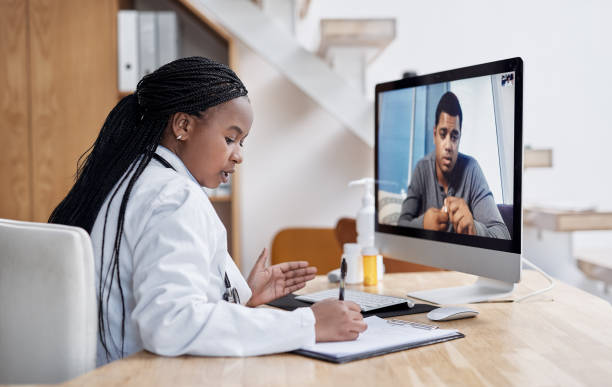

Quick Answer: Telemedicine STD care is ideal for privacy, convenience, and discreet treatment. Traditional clinics remain the gold standard for complex cases, in-person exams, and same-day lab testing. The best choice depends on your symptoms, location, and comfort level. Order a discreet STD test here to start from home.
Why Telemedicine Is Changing the STD Care Game
The past decade has seen a boom in telehealth sexual health services, with platforms offering everything from chlamydia treatment to at-home HIV testing. These services appeal to people who want:
Privacy: No waiting rooms, no chance encounters
Speed: Same-day prescriptions and next-day lab orders
Access: Care for people in rural or underserved areas
For many, especially those dealing with stigma or anxiety, telemedicine removes the biggest barrier to getting tested: the fear of being seen.
People are also reading: Connecticut’s Hidden Epidemic: Why STIs Are Rising Among High-Income Adults
Pros and Cons of Telemedicine for STD Care
Telemedicine can be a game changer for STD testing and treatment, but it’s not perfect. Here’s what works, and what still needs improvement.
Pros:
- Privacy like no other: No face-to-face disclosures unless you want them.
- Convenience: You can order a test or get a prescription from anywhere that has internet access.
- Quick turnaround: Many services give you results in 24 to 72 hours.
- Lower prices: No need to travel or park, and fewer fees for using the facilities.
- Shipping that is discreet: The kits that come to your house come in plain boxes.
Disadvantages:
- Few tests: There won't be any physical swabs or visual checks during the consult.
- Not always the same day: It depends on the laws in your state about prescribing.
- Access to labs is different: It may still take a long time to get to a drop-off in rural areas.
- No emergency care: Telemedicine can't help with severe symptoms right away.
- Why Some People Still Go to Traditional Clinics
Telemedicine is getting more popular with patients every year, but there are still benefits to going to a real STD clinic that can't be replicated on a screen:
- Full physical exams: To find lesions, rashes, or pelvic inflammatory disease.
- Immediate care: Antibiotic shots or antivirals can be given right away.
- Walk-ins on the same day: Great for when symptoms show up out of the blue and need immediate care.
- On-site counseling: talking to a person for comfort, information, and planning for prevention.
For people with severe symptoms, known exposure to resistant infections, or pregnancy, in-person care remains the safest bet.
Telemedicine vs. Clinics: Cost, Accuracy, and Privacy
When choosing between telehealth and traditional clinics for STD care, most people weigh three factors: cost, accuracy, and privacy. Here’s how they stack up.
Cost:
- STD test kits for telemedicine range from $49 to $200, depending on the panel. Without insurance, virtual consultations could cost between $30 and $75.
- Clinics: Some public clinics may offer free or sliding-scale tests. For full panels, private clinics can charge anywhere from $80 to $300 or more.
Accuracy:
- Telemedicine uses the same certified labs as clinics when sending in samples. Following the instructions for collecting things correctly is what makes them accurate.
- Clinics are the best place to get hands-on swabs, blood draws, and quick tests, especially for infections that need to be seen to be believed, like herpes.
Privacy:
- With telemedicine, you have the most privacy because you don't have to meet in person, the packages are discreet, and the results are kept private online.
- Clinics: Your privacy depends on where you are and how many people are there. It can be hard to stay anonymous in small towns.
What does it all mean? Telemedicine is often the better choice if you want privacy and don't need immediate hands-on care. A clinic is the best place to go if you have serious symptoms or need care right away.
Hybrid STD Care: The Best of Both Worlds?
Patients are choosing more than one more and more. They start with telemedicine for the first visit and tests, and then go to a clinic for follow-up care if they need it or more tests. This mixed method gives:
You can get in touch with a provider right away from home. You don't have to wait in line for lab-verified results.
If you need to, you can easily get referred to in-person care.
This way of getting care, where you can mix and match services, is becoming very popular in big cities. Telehealth companies work with local clinics to make sure people can get care quickly.
Check Your STD Status in Minutes
Test at Home with Remedium7-in-1 STD Test Kit
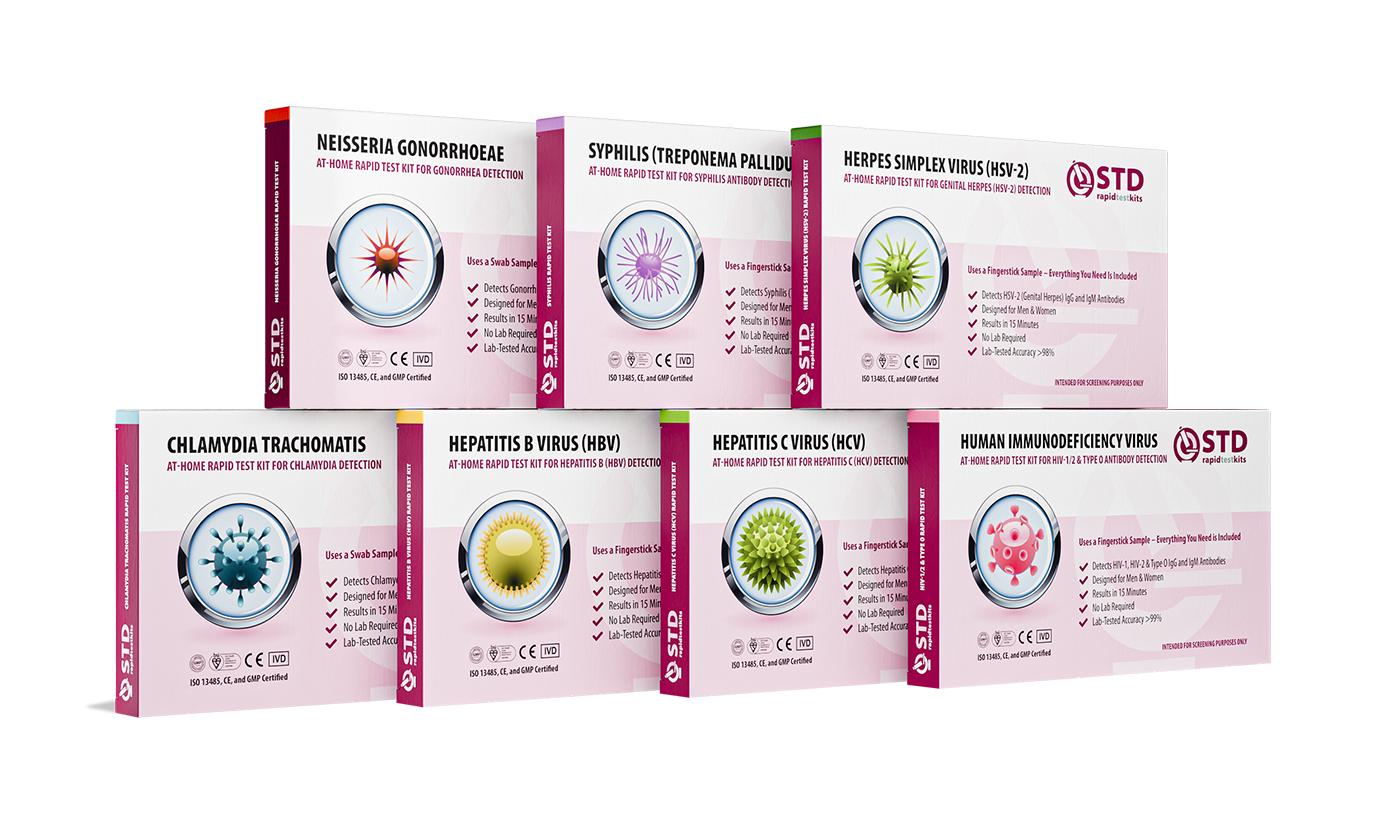
 For Men & Women
 Results in Minutes
 No Lab Needed
 Private & Discreet
Order Now $129.00 $343.00
For all 7 tests
How Telemedicine STD Services Work Step-by-Step
For many, the process feels almost too simple. Here’s what to expect when you choose a telehealth STD service:
- You can choose your test panel online, either a single infection or a full panel.
- Get a collection kit sent to your home or an order for a nearby lab.
- Take samples of urine, blood, or a swab and send them in the mail or drop them off.
- Get results safely online, usually in 2 to 3 days.
- If you need it, get a prescription or a referral for in-person care.
- When Telemedicine Works Best
Telehealth shines when you:
- Need routine annual STD screening
- Live in a rural or medically underserved area
- Have mild or no symptoms but want to be sure
- Need privacy from roommates, family, or your community
- Want results before committing to an in-person appointment
- Situations Where a Clinic Is Still the Best Option
No matter how advanced telemedicine gets, there are times when only a physical exam will do. Go in-person if you have:
- Severe pelvic or abdominal pain
- Visible sores, rashes, or swelling
- Symptoms suggesting advanced infection (fever, chills, joint pain)
- Known exposure to an antibiotic-resistant STD
- Pregnancy and possible STD symptoms
Telemedicine and Discretion: Breaking Down the Privacy Advantage
One of the main reasons people delay STD testing is fear, fear of being recognized, judged, or outed. Telemedicine erases much of that risk. At-home kits come in plain packaging, consultations happen from your phone or laptop, and only you control who sees your results.
Accuracy: Do Telehealth STD Kits Match Clinic Tests?
Yes, when they’re done right. Most reputable telemedicine platforms partner with CLIA-certified labs, the same ones used by clinics. The accuracy comes down to sample quality. Following instructions for swabs or urine collection is critical for reliable results.
People are also reading: Why You Can Test Positive for an STD Years After Exposure
How Long Does Each Method Take?
Telemedicine: Same-day ordering, shipping in 1–3 days, results in 2–3 days after sample arrival at the lab.
Clinic: You can get tested the same day and get results in 1–7 days, depending on the test type and how fast the lab works.
If you need results before a weekend hookup or important event, same-day clinics may still win for speed.
Cost Breakdown: Who Wins?
Telemedicine often beats clinics in cost when you factor in travel, parking, and time off work. However, public health clinics may offer free or sliding-scale testing, which telemedicine can’t match. Insurance coverage can tilt the balance either way, so check your benefits.
The Emotional Comfort Factor
Some people feel safer with the human touch of a clinic, seeing a nurse, asking questions face-to-face, getting reassurance in the moment. Others prefer the emotional distance of telemedicine, where you can process results privately before discussing them with anyone.
Check Your STD Status in Minutes
Test at Home with Remedium3-in-1 STD Test Kit
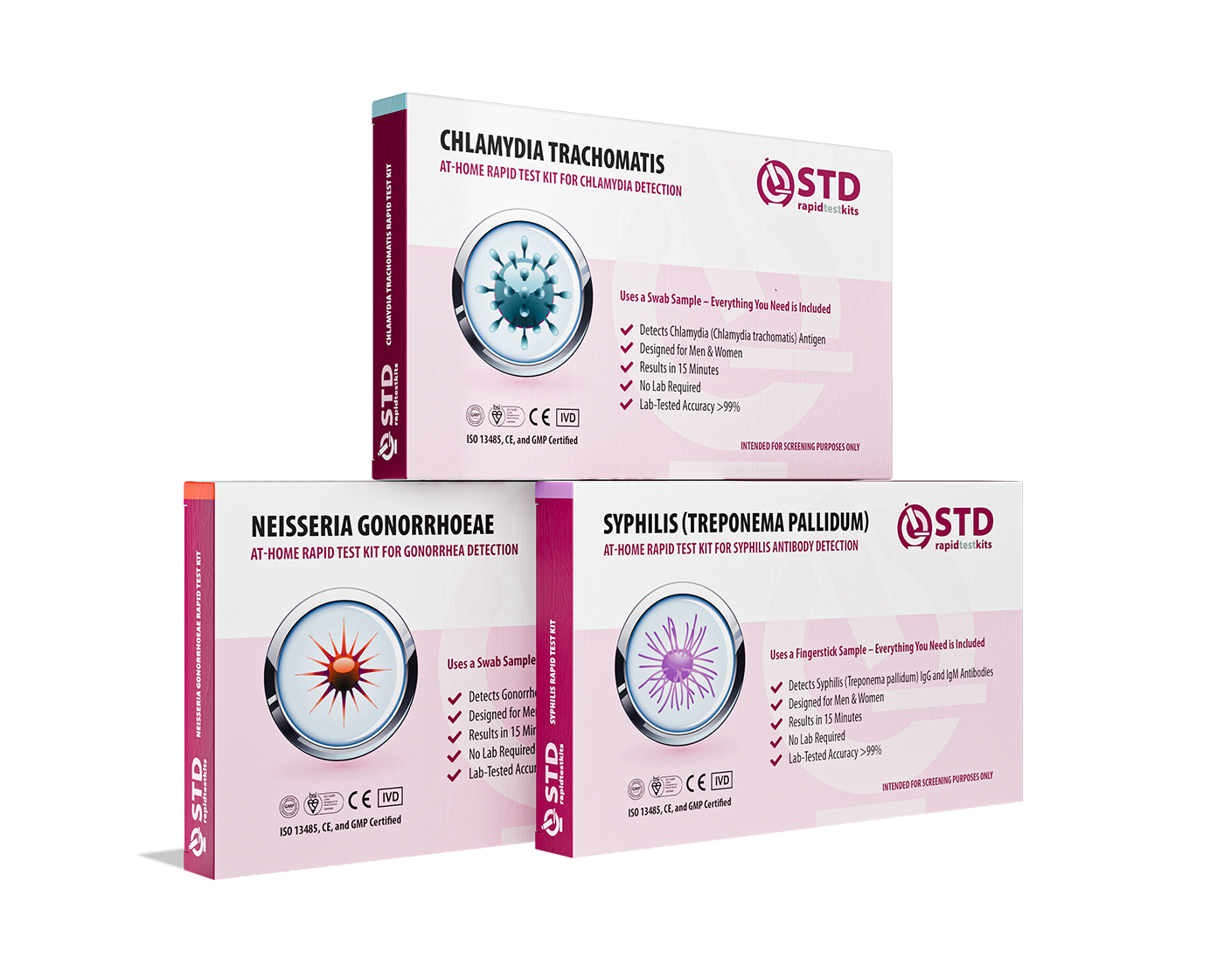 For Men & WomenResults in MinutesNo Lab NeededPrivate & Discreet
Order Now $69.00 $147.00
For all 3 tests
Follow-Up Care: Where Telemedicine Fits In
Telemedicine is excellent for quick prescriptions and follow-up questions. But for conditions that need physical rechecks, like herpes outbreaks, PID, or suspicious lumps, you’ll still need a clinic. The future may include hybrid care models that bridge this gap entirely.
The Future of STD Care: Merging Both Worlds
Experts predict that in 5–10 years, most sexual health care will be a blend of telemedicine and in-person services. Imagine ordering a test online, getting results in hours, and having a mobile nurse visit your home for treatment, all without ever stepping into a clinic.
Real-Life Stories: Telemedicine Successes
Take, Riley, a 29-year-old living in rural Montana. The nearest STD clinic was a two-hour drive away, but within 24 hours of noticing symptoms, Riley ordered an at-home chlamydia test, got results in two days, and started treatment, all without missing work.
Or, Jasmin, a college student sharing a dorm with three roommates. Using telemedicine allowed her to avoid gossip and judgment while getting tested for herpes after an unprotected hookup.

People are also reading: STD Testing Before Marriage in Different Cultures
Where Telemedicine Falls Short for STD Care
Despite its many strengths, telemedicine isn’t a magic bullet. Some challenges include:
Shipping delays for at-home kits
Limited testing options for certain infections like HPV or syphilis without blood draws
Dependence on the patient’s internet and tech literacy
State Laws and Telemedicine STD Prescriptions
Not every state allows telehealth providers to prescribe antibiotics for STDs without an in-person exam. Gonorrhea treatment in particular often requires an injection, meaning telemedicine services must refer patients to local clinics or urgent care centers for completion of care.
How to Choose a Reliable Telemedicine STD Provider
Look for services that:
Use CLIA-certified labs
Offer clear, confidential shipping
Provide follow-up care and partner notification
Have licensed providers in your state
Beware of suspiciously cheap kits with no clinical oversight, they may not be accurate or secure.
Comparing Patient Satisfaction Scores
Studies show high satisfaction with both telemedicine and clinic-based STD care, but for different reasons. Telemedicine users often cite privacy and convenience as top benefits, while clinic patients value trust and immediate physical care.
Check Your STD Status in Minutes
Test at Home with RemediumGenital & Oral Herpes Test Kit
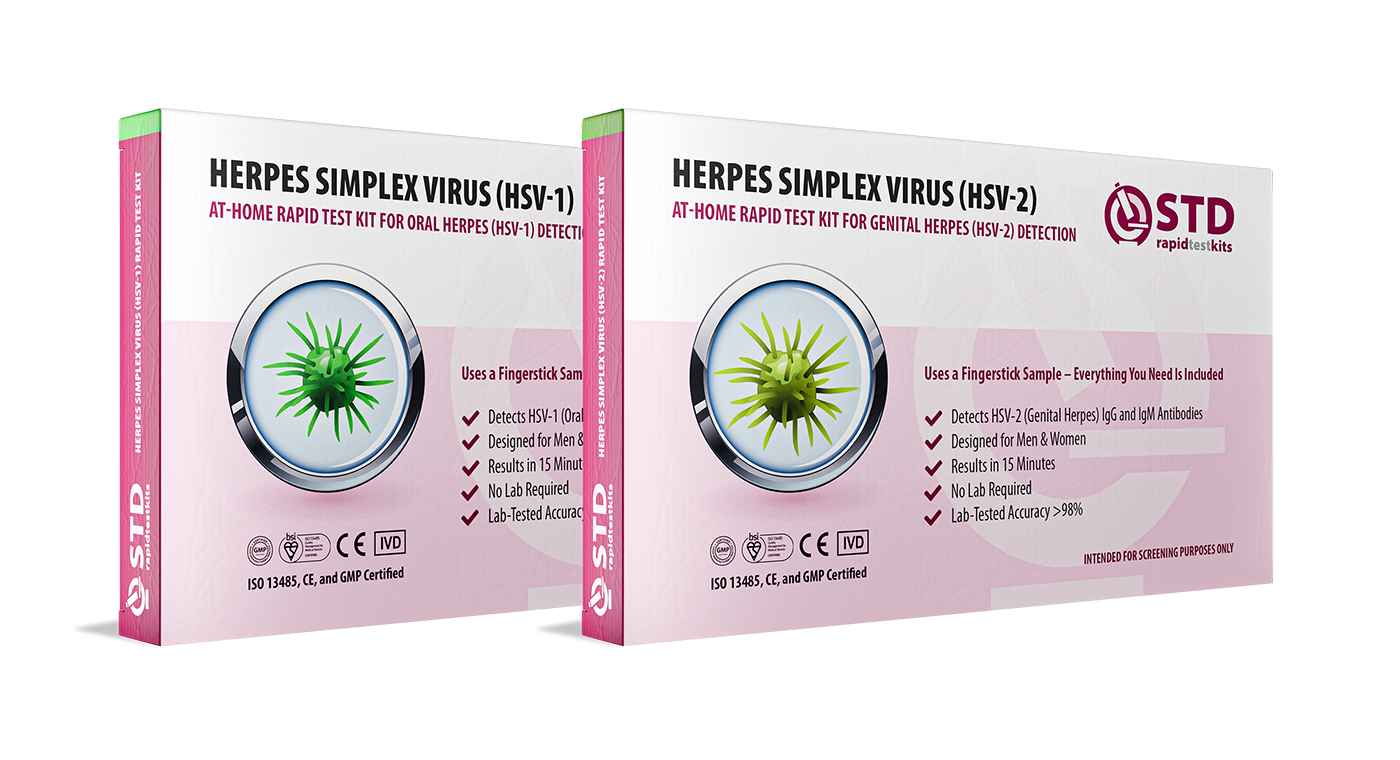 For Men & WomenResults in MinutesNo Lab NeededPrivate & Discreet
Order Now $75.00 $98.00
For all 2 tests
The Role of Telemedicine in Reducing STD Stigma
By making sexual health services available from home, telemedicine lowers the social barriers to getting tested. This has the potential to catch infections earlier and reduce overall STD transmission rates.
Technology Trends Shaping Telehealth STD Care
From AI-assisted symptom checkers to instant-result home tests, technology is rapidly expanding telehealth’s capabilities. Soon, patients may be able to diagnose and treat common STDs within hours of symptom onset, without stepping into a clinic.
Why Hybrid STD Care May Become the Standard
Neither telemedicine nor traditional clinics are perfect on their own. Hybrid care, combining online consults with optional in-person follow-ups, offers flexibility, privacy, and comprehensive treatment. This approach may become the gold standard for sexual health in the next decade.

People are also reading: I Thought It Was a UTI, Turns Out I Caught Gonorrhea Abroad
Insurance Coverage: Telemedicine vs. In-Person Clinics
Insurance acceptance can be a deciding factor for many patients. Most major insurance providers now cover telemedicine visits, but coverage for at-home STD tests varies. In-person clinics may have broader insurance acceptance, especially for low-income or Medicaid patients.
If you’re uninsured, telemedicine may still be cheaper than a private clinic visit, but public health clinics often remain the most affordable option, sometimes free.
Emergency Situations: Why Clinics Still Matter
While telemedicine can handle routine screenings and mild symptoms, emergencies demand in-person care. Situations like sudden high fever, severe abdominal pain, heavy genital bleeding, or suspected pelvic inflammatory disease (PID) require immediate, hands-on evaluation and treatment.
Telemedicine should never replace urgent medical care in life-threatening or rapidly progressing conditions.
Final Thoughts: Matching the Care to Your Needs
Choosing between telemedicine and a traditional clinic for STD care isn’t about which is “better”, it’s about which is better for you. If privacy, convenience, and accessibility matter most, telemedicine is hard to beat. If you need instant treatment, physical exams, or reassurance from face-to-face care, a clinic may be worth the trip.
The best approach may be to use both: start with telemedicine for screening and triage, then move to in-person care when symptoms or results demand it.
Check Your STD Status in Minutes
Test at Home with RemediumHepatitis B & Hepatitis C Test Kit
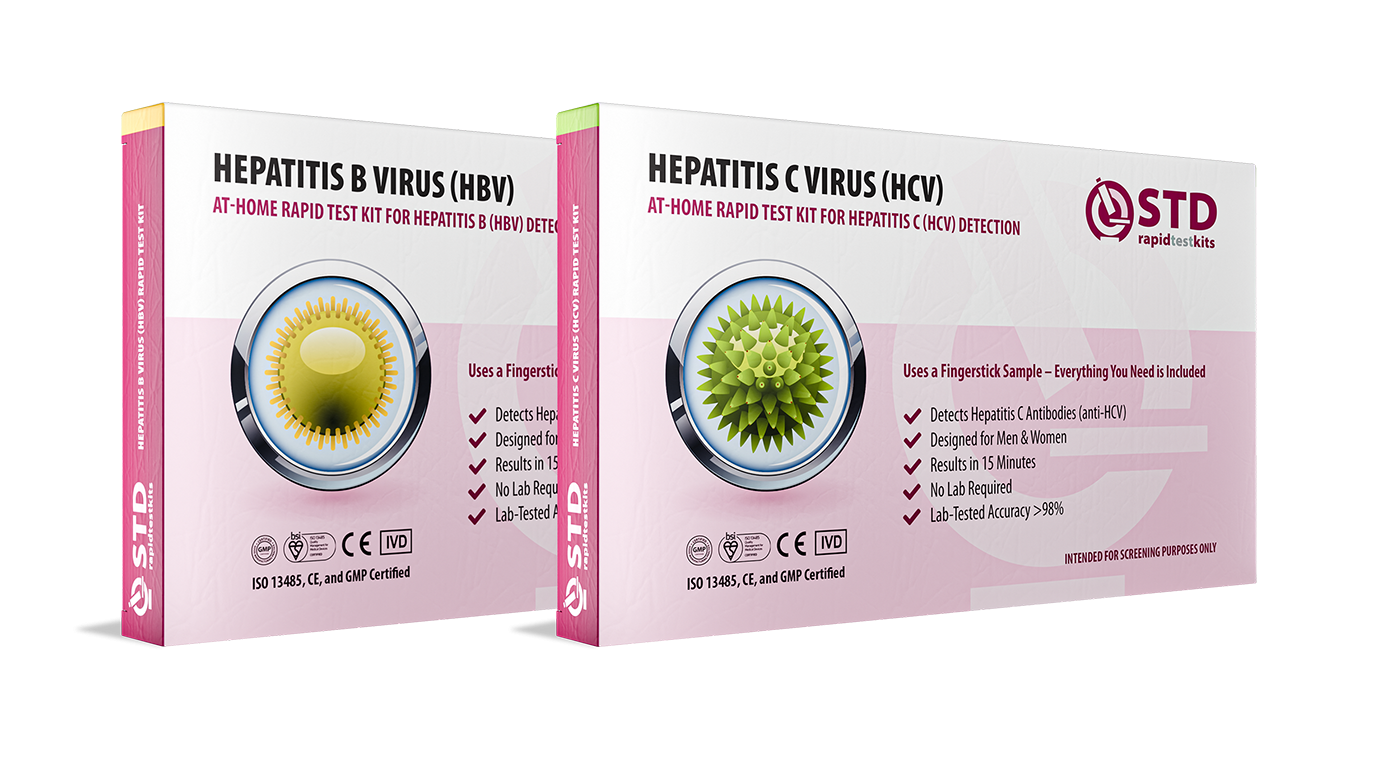 For Men & WomenResults in MinutesNo Lab NeededPrivate & Discreet
Order Now $49.00 $98.00
For all 2 tests
FAQs
1. Is telemedicine as accurate as going to a clinic for STD testing?
Yes, if the test kit uses certified labs and you follow collection instructions carefully. Many telehealth services use the same labs as clinics.
2. Can telemedicine prescribe STD medication?
In most states, yes. For infections like chlamydia or gonorrhea, prescriptions can be sent to your local pharmacy. For conditions requiring injections (like gonorrhea), you may be referred to an in-person clinic.
3. Which is faster, telemedicine or a clinic?
Telemedicine can get you a lab order within hours, but clinics can provide same-day rapid tests and immediate treatment.
4. Is telemedicine more private?
Yes. Telemedicine removes waiting rooms, in-person disclosures, and travel, results are delivered securely online.
5. When should I skip telemedicine and go straight to a clinic?
If you have severe pain, visible sores, heavy discharge, or suspect a resistant infection, in-person evaluation is safest.
6. Does insurance cover telemedicine STD care?
Many insurance plans now cover telehealth visits and testing, but always confirm before booking.
7. What if I need an injection for treatment?
Telemedicine can prescribe oral antibiotics, but injections (like ceftriaxone for gonorrhea) must be administered in person.
8. Can telemedicine handle HIV testing?
Yes. Many services offer at-home HIV kits with mail-in results, plus counseling if you test positive.
9. Are telehealth STD kits discreet?
Absolutely. Most ship in plain packaging without revealing contents.
10. Can I use telemedicine while traveling?
It depends on state or country laws, but many platforms can send lab orders to local partner facilities.
Final Take: Which STD Care Is Right for You?
If you value privacy, convenience, and fast access, telemedicine is a powerful option, especially for routine screening and non-urgent treatment. If you need hands-on care, immediate treatment, or complex diagnosis, a traditional clinic remains the gold standard. Many patients benefit from using both.
Ready to take control of your sexual health? Order a discreet STD test kit and start from the comfort of your home.
Sources
1. KFF Issue Brief – Telemedicine in Sexual and Reproductive Health
2. STD Journal – Telehealth Services for STI Prevention and Control
3. PMC – Quality of STI Care via Direct-to-Consumer Telemedicine Platforms
4. PMC – Patient Preferences: Telemedicine vs. In-Person Visits
5. PLOS Global Public Health – Telehealth for Sexual/Reproductive Health during COVID-19


