





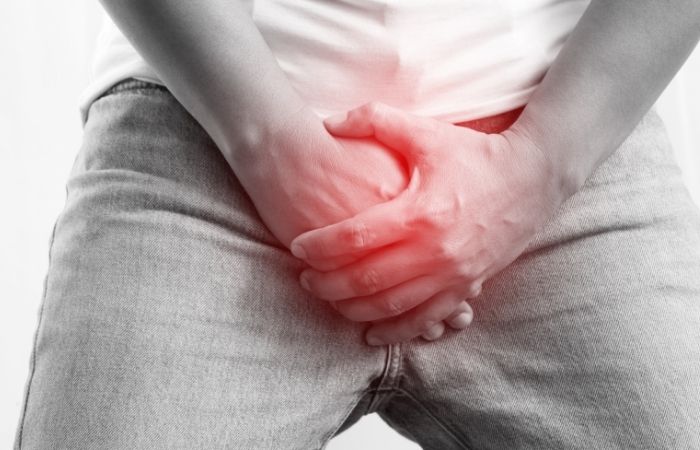

Quick Answer: Orchitis is a painful swelling of one or both testicles, usually caused by a viral infection (like mumps) or a bacterial STI (like chlamydia or gonorrhea). Left untreated, it can damage fertility and cause lasting pain. Early diagnosis and antibiotics or antivirals can prevent long-term complications.
What Is Orchitis, and Why Should You Care?
Orchitis is inflammation of the testicle. It can affect one side or both and tends to show up fast: pain, swelling, redness, and that awful tight feeling you can’t ignore. Here’s what makes it dangerous: it often shows up *after* another infection has been ignored, like untreated chlamydia or gonorrhea. Sometimes, it follows the mumps virus, especially in guys who never got vaccinated. Orchitis isn’t just uncomfortable. If you leave it alone too long, it can:
- Shrink your testicle (testicular atrophy)
- Impact sperm production
- Cause chronic testicular pain
- Kill your sex drive with lasting discomfort
People are also looking for... This Common STD Could Be Why Your Testicles Hurt
STIs Are a Common Culprit, Yes, Really
You don’t have to have a mumps outbreak to get orchitis. For sexually active men under 35, bacterial STIs are the #1 cause, especially:
- Chlamydia: Can quietly infect the urethra and travel to the testicle
- Gonorrhea: Causes urethritis and can lead to epididymo-orchitis
In these cases, orchitis often doesn’t arrive solo, it comes with:
- Pain during urination
- Discharge from the penis
- Pain or swelling on one side of the scrotum
- Fever or general malaise
If you’ve had unprotected sex recently and now your testicle feels like it’s being twisted from the inside out, you need to get tested and treated immediately.
Other Causes You Shouldn’t Ignore
STIs might be the common cause, but they’re not the only one. Orchitis can also be triggered by:
- Mumps virus: Still a threat, especially in unvaccinated adults
- UTIs or bladder infections that spread downward
- Catheter use or prostate infections in older men
- Blood-borne infections in rare cases
And here’s the wild part: sometimes it’s idiopathic, meaning we never find out the exact cause. But your balls don’t care about reasons, they care about relief.
How Fast Does It Happen?
Orchitis doesn’t creep in. It hits. One day you're fine, the next your groin feels like it’s growing a grapefruit. Symptoms tend to escalate in 24–48 hours and can include:
- Sudden pain in one testicle
- Swelling and redness
- Tenderness to touch or movement
- Nausea or fever in more severe cases
That fast onset is your body screaming for help. Don’t ignore it. You’re not overreacting. You’re responding to a real emergency in your reproductive system.
Getting Diagnosed: No, They Won’t Yank Them
If you’re hesitating to get help because you’re scared someone’s going to grab, squeeze, or shame you, don’t be. Diagnosing orchitis is mostly about talking, looking, and testing. Here’s what usually happens:
- Your provider will ask about your sexual history and symptoms
- A gentle physical exam to assess swelling, redness, or warmth
- A urine test to check for STIs or bacteria
- A scrotal ultrasound if there’s any concern about torsion (twisting of the testicle)
- Sometimes, a blood test if mumps or another virus is suspected
Important: Testicular torsion and orchitis can look similar, but torsion is a surgical emergency. That’s why it’s critical not to self-diagnose based on Google images. You need a real medical opinion.
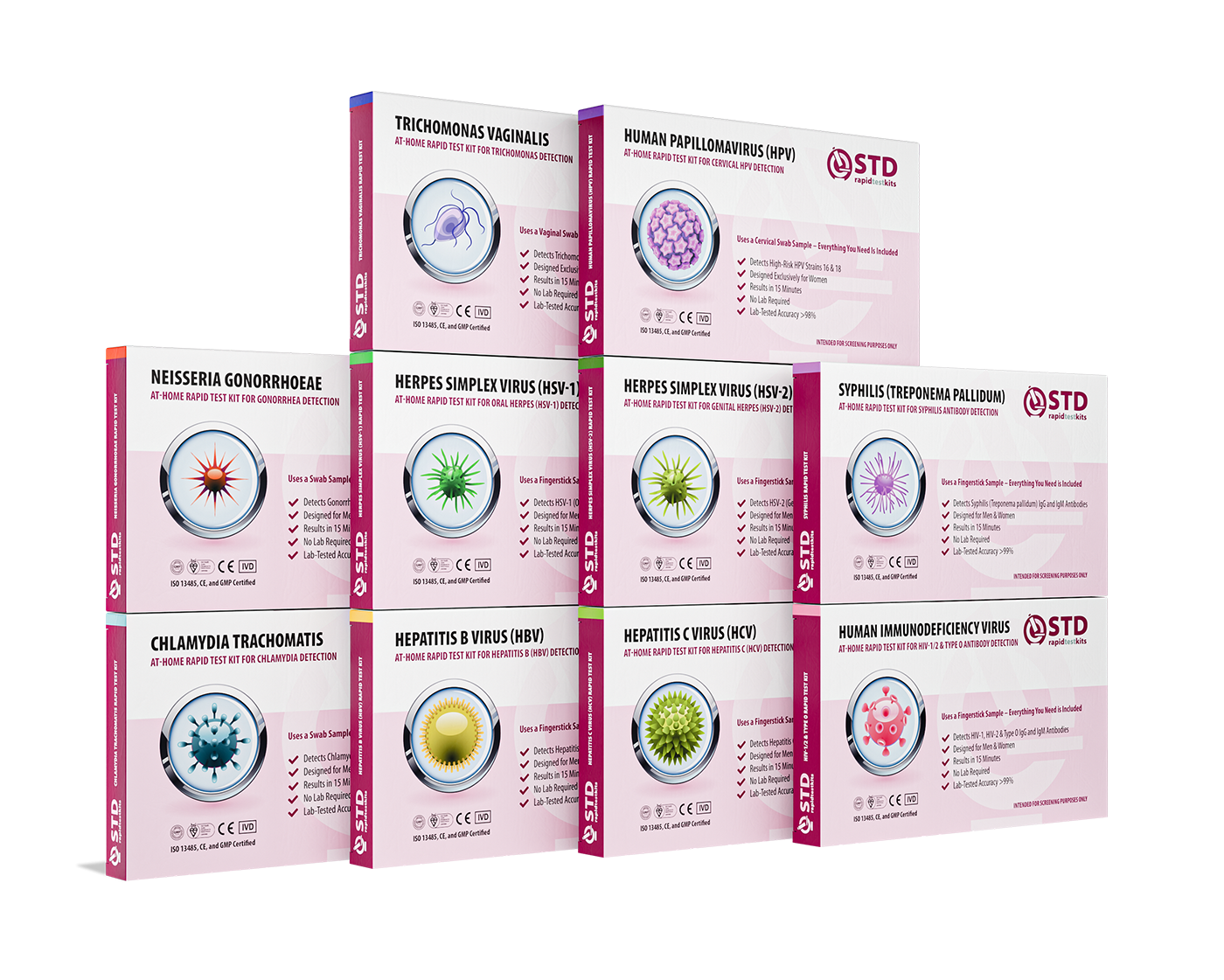
Check Your STD Status in Minutes
Test at Home with Remedium10-in-1 STD Test Kit
 For Women
 Results in Minutes
 No Lab Needed
 Private & Discreet
Order Now $189.00 $490.00
For all 10 tests
Treatment: Antibiotics, Ice, and a Lot of Rest
Treatment depends on the cause. If your orchitis is bacterial (like from chlamydia or gonorrhea), you’ll get a course of:
- Oral antibiotics like doxycycline or ceftriaxone
- Anti-inflammatory meds for pain (ibuprofen, naproxen)
- Scrotal support (jockstrap or tight underwear to ease the ache)
- Ice packs for 20-minute intervals to reduce swelling
- No sex or ejaculation until the infection clears (yep, really)
Viral orchitis, especially from mumps, won’t respond to antibiotics. In those cases, treatment is supportive:
- Rest
- Fluids
- Pain relief
- Ice
Most people improve in 1–2 weeks with proper care.
What Happens If You Don’t Treat It?
Let’s be blunt: untreated orchitis can do real damage. Here’s what’s on the line:
- Testicular atrophy: Your ball literally shrinks from inflammation
- Infertility: Damaged testicular tissue = reduced sperm production
- Abscess: Pus buildup that might require surgical drainage
- Chronic pain: Lingering ache long after the infection is gone
- Psychological stress: Constant fear of future damage, embarrassment in sexual situations
And worst of all? If the infection spreads to the other testicle (bilateral orchitis), the chance of infertility doubles. This isn’t something you “wait out.” Orchitis needs action.
Orchitis vs. Testicular Torsion: Don’t Get Them Confused
Both conditions cause sudden, intense testicular pain. But they require very different responses. Testicular torsion means the spermatic cord twists, cutting off blood flow to the testicle. That’s a medical emergency, surgery is needed within 6 hours to save it. Orchitis involves infection and swelling, not a blood supply cutoff. You usually have fever, burning pee, or STI symptoms too. If you ever have sudden, sharp testicle pain, especially without fever or STI symptoms, go to the ER. Let them rule out torsion. No shame in protecting your future.
Yes, It Can Affect Your Sex Life (Temporarily... or Not)
Let’s talk about what you’re afraid to ask:
Can I still have sex? Not during the acute infection. Any sexual activity will aggravate the pain, and you could pass on an untreated STI if that’s the root cause.
Will I still be fertile? In many cases, yes, especially if only one testicle is affected and you catch it early. But prolonged swelling or repeat infections can lower sperm count and damage reproductive tissue.
Will it kill my libido? Painful sex, fear of reinjury, and trauma around your genitals can absolutely affect desire.
Give yourself time to heal physically and emotionally. Don’t rush back into sex until your body and mind are ready. Pain-free sex after orchitis is possible, but only if you treat it, rest it, and respect the recovery process.
People are also looking for... Caught Chlamydia Again? It Might Not Be Your Fault
How to Prevent Orchitis (and Protect Your Balls)
The good news? Orchitis is usually preventable, especially when it comes from STIs or viral infections. Here’s how to lower your risk:
- Use condoms during all forms of sex, including oral and anal
- Get tested regularly for STIs if you're sexually active
- Ask your partners about their STI status and vaccinations
- Get vaccinated against mumps, especially if you were born before 1990 when MMR rates were inconsistent
- Don’t ignore urinary symptoms: burning, discharge, or urgency can signal early infection
Orchitis is rarely “out of nowhere.” There are warning signs, burning during urination, groin aches, subtle swelling. Listen to them.
Why Guys Wait, and Why That’s a Problem
We need to talk about why so many men delay getting help. Some feel:
- Embarrassed by the symptoms
- Ashamed to talk about sex-related issues
- Scared it means they “got something dirty”
- Afraid of invasive exams or being judged
But here’s the deal: you are not alone. Orchitis is one of the most common reasons men under 35 show up in urology offices. Doctors see it all the time. And they don’t judge, they treat. The longer you wait, the more damage is done. What starts as swelling can turn into infertility. That’s a hell of a price to pay for silence.
Will It Happen Again?
Maybe. If you don’t address the underlying cause, it can come back, especially if the trigger was untreated chlamydia or gonorrhea.
To prevent repeat infections:
- Complete all antibiotics exactly as prescribed
- Get retested for STIs 3 months after treatment
- Ask partners to get tested too, reinfection is common
- Use condoms consistently
- Follow up with a urologist if you’ve had chronic scrotal pain
Some men develop lingering inflammation even after the infection clears. That’s why follow-up care matters. Don’t stop when the pain stops, stop when you’re cleared.
Check Your STD Status in Minutes
Test at Home with Remedium8-in-1 STD Test Kit
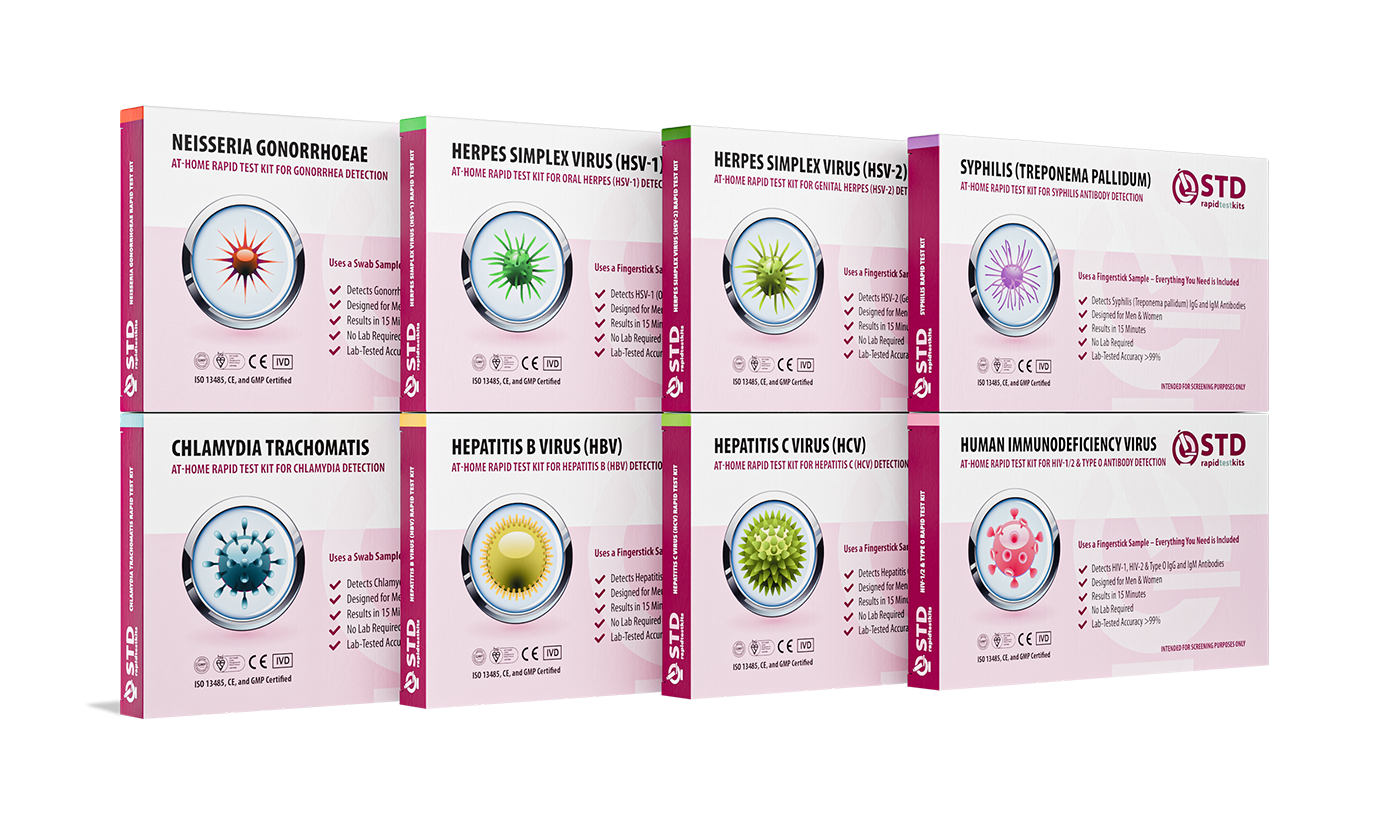
 For Men & WomenResults in MinutesNo Lab NeededPrivate & Discreet
Order Now $149.00 $392.00
For all 8 tests
FAQs
1. Can I get orchitis without an STD?
Yes. Orchitis can be caused by viruses like mumps, urinary tract infections, or even blood-borne infections, not just STIs.
2. How do I know if it’s orchitis or torsion?
Torsion usually causes sudden, severe pain without fever or discharge. Orchitis tends to build over a day or two and often includes fever or urinary symptoms. Only a doctor can confirm.
3. Will it go away on its own?
Sometimes mild viral orchitis will improve without antibiotics, but bacterial orchitis needs treatment. Either way, you should see a doctor.
4. Can I still have kids if I’ve had orchitis?
Yes, especially if only one testicle is affected and you get prompt treatment. Delayed care increases the risk of infertility.
5. What does orchitis feel like?
Aching, heaviness, swelling, and sharp pain in one or both testicles. It may come with fever, nausea, or burning when you pee.
6. Can you get orchitis from oral sex?
If your partner has an untreated STI (like gonorrhea), yes, bacteria can spread to the urethra and eventually reach the testicles.
7. Is orchitis contagious?
Orchitis itself isn't contagious, but the infection causing it, like mumps or an STI, can be passed to others.
8. How long does orchitis last?
With treatment, symptoms usually improve in 1–2 weeks. Swelling and tenderness may take longer to fully disappear.
9. Will I need surgery?
Rarely. Surgery is only needed if there’s an abscess or severe damage. Most cases resolve with medication and supportive care.
10. Should I stop masturbating or having sex?
Yes, until you’re fully healed. Sexual activity can worsen inflammation and may transmit an infection if it’s STI-related.
Protect Yourself
Your balls deserve better than silence. Orchitis might be the infection you’ve never heard of, but it can leave a lasting mark if you ignore it. Whether it starts from an STI, mumps, or another source, one truth remains: pain, swelling, or changes down there aren’t something to tough out, they’re something to take seriously. You’re not weak for getting help. You’re smart for protecting your body, your future fertility, and your sex life. If something feels off, get it checked. Talk to your partner. Demand care. Because when it comes to your testicles, early action isn’t overreacting, it’s survival.
Want to check for STIs discreetly, before they travel south? Visit STD Rapid Test Kits to order fast, reliable at-home tests, before pain forces your hand.
Sources
1. Orchitis – Symptoms and Causes (Mayo Clinic)
2. Orchitis: Causes, Symptoms, Treatment & Prevention (Cleveland Clinic)
3. Epididymitis and Epididymo‑Orchitis: Quick Facts (Merck Manuals)
4. Epididymitis and Orchitis: Causes, Diagnosis & Treatment (Harvard Health)
5. Epididymo‑Orchitis & STIs: Prevention & Symptoms (MyHealth Alberta)


