






Quick Answer: After unprotected sex, test for STDs at 2 weeks for early detection and again at 4–6 weeks for full accuracy. Some infections take longer to appear, so retesting is often key.
Who This Guide Is For (And Why It Matters)
If you’ve had unprotected sex, even just once, and you're worried now because something feels different, you are not alone. This guide is for the anxious scrollers, the “was that a symptom or just irritation?” crowd, and anyone too embarrassed to ask a doctor but brave enough to look for answers.
Whether it was a blackout night, a condom slip, or a trusted partner who swore they were clean, things happen. Testing is not a confession, it’s a tool. You deserve to know what’s happening in your body, not sit in silence waiting for something worse. We’ll walk through what kinds of tests exist, when to take them, what symptoms mean (and don’t mean), and how to move forward.
People are also reading: Rash After Sex: STD, Allergy, or Something Else?
What Actually Counts as an STD Test?
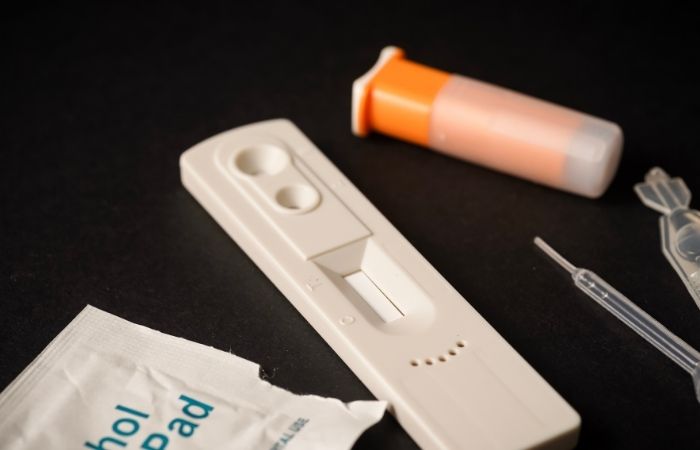
An STD test isn’t just one thing. Depending on what you might have been exposed to, your provider, or your at-home kit, might check for different infections using different methods. Most common STDs like chlamydia and gonorrhea use a NAAT (nucleic acid amplification test), which looks for genetic material in urine or swab samples. For HIV, syphilis, and hepatitis, it’s typically a blood test. Some rapid tests can detect these with a simple finger prick or oral fluid swab.
Rapid STD tests use lateral flow technology (similar to pregnancy or COVID tests) and deliver results in minutes. Mail-in lab kits collect your sample and send it to a certified lab. Both can be done at home, but accuracy depends on timing. According to the CDC guidelines on STD testing, NAAT tests are highly sensitive but still require waiting for the infection to reach detectable levels.
Window Periods: What Each STD Needs to Know
The window period is the time between when someone is exposed to an infection and when a test can reliably find it. It depends on the type of STD and the test. If you test too soon, you might get a false negative. This isn't because the test is broken; it's because the body hasn't made enough markers yet. Here's a breakdown to help you get ready:
| STD | Common Test Type | Sample | Typical Window Period | When Accuracy Peaks |
|---|---|---|---|---|
| Chlamydia | NAAT/PCR | Urine or swab | 7–14 days | 14+ days |
| Gonorrhea | NAAT/PCR | Urine or swab | 7–14 days | 14+ days |
| Syphilis | Blood antibody | Blood | 3–6 weeks | 6–12 weeks |
| HIV | Ag/Ab combo or NAAT | Blood or oral swab | 10–33 days | 4–6 weeks |
| Trichomoniasis | NAAT or rapid antigen | Urine or swab | 5–28 days | 2–4 weeks |
Figure 1. Window periods for common STDs. Use these ranges to time your first test and consider a follow-up if exposure was recent.
Rapid Test vs Lab Test: What’s the Difference?
Let’s say you're panicking in your car, parked outside a pharmacy. You want answers now. That’s where at-home rapid STD tests shine: they give you fast, private results. But not all tests are created equal. Some need lab confirmation. Here’s a side-by-side:
| Method | Privacy | Speed | Sensitivity/Accuracy | Best For |
|---|---|---|---|---|
| At-Home Rapid | Very high | 10–20 minutes | Moderate to high (varies by brand and STD) | Immediate reassurance, private settings |
| Mail-In Lab | High | 2–5 business days | High (similar to clinic tests) | Comprehensive testing without a doctor visit |
| Clinic Visit | Moderate | Same day to 1 week | Very high | Persistent symptoms, treatment access, complex cases |
Figure 2. Choosing the right testing method depends on your symptoms, timing, and emotional needs.
When to Test After Exposure
If you had sex without protection last night, you probably already want to take a test today. It's normal to feel fear, regret, or even shame bubbling up inside you. But most people don't know this: testing right after being exposed might make you feel better when you shouldn't. Why? Because the infection needs time to grow and become visible.
If it hasn't been more than five days, most tests won't find anything yet. That doesn't mean you're clear; it just means your body hasn't made enough markers. The only time you should go right away is if you need emergency care for sexual assault or being at high risk for HIV.
Some STDs, like chlamydia, gonorrhea, and trichomoniasis, may show up on tests if it's been 7 to 13 days. You can test now to catch it early, but if the test comes back negative and the symptoms don't go away, you may need to test again later.
This is the best time if it's been 14 days or more. Around this time, tests for most infections become pretty reliable. However, it may take longer for tests for syphilis and HIV to show the highest levels.
If your head keeps spinning, you only need to take one test to feel better. You can order a Combo STD Home Test Kit without anyone knowing and test when it's convenient for you to get the most accurate results. You don't have to go to the clinic.
Do You Need to Retest? Here’s How to Know
Let’s say you took a test after exposure and it came back negative, but something still feels off. Or you tested early and now you’re wondering if that was premature. Retesting is a normal, often necessary part of the STD timeline.
If you tested too soon after the hookup, you may have missed the detection window. A retest at 4–6 weeks gives your body time to develop detectable antibodies or antigens. For HIV, a second test at 90 days post-exposure is often recommended for final confirmation.
If you've already gotten treatment for an STD, wait a little while before getting tested again. If you test right after taking antibiotics, you might find pieces of dead bacteria, which could give you a false positive. The CDC says you should wait at least three weeks after treatment before getting tested for chlamydia or gonorrhea again. For syphilis, the schedule for retesting depends on the case and should follow medical advice.
Sandra, 32, tested positive for trichomoniasis after experiencing unusual discharge. She treated it right away. But two weeks later, she panicked and tested again, it came back “inconclusive.” Her doctor explained she likely tested too soon and reassured her that waiting another two weeks would offer clarity.
Check Your STD Status in Minutes
Test at Home with Remedium7-in-1 STD Test Kit
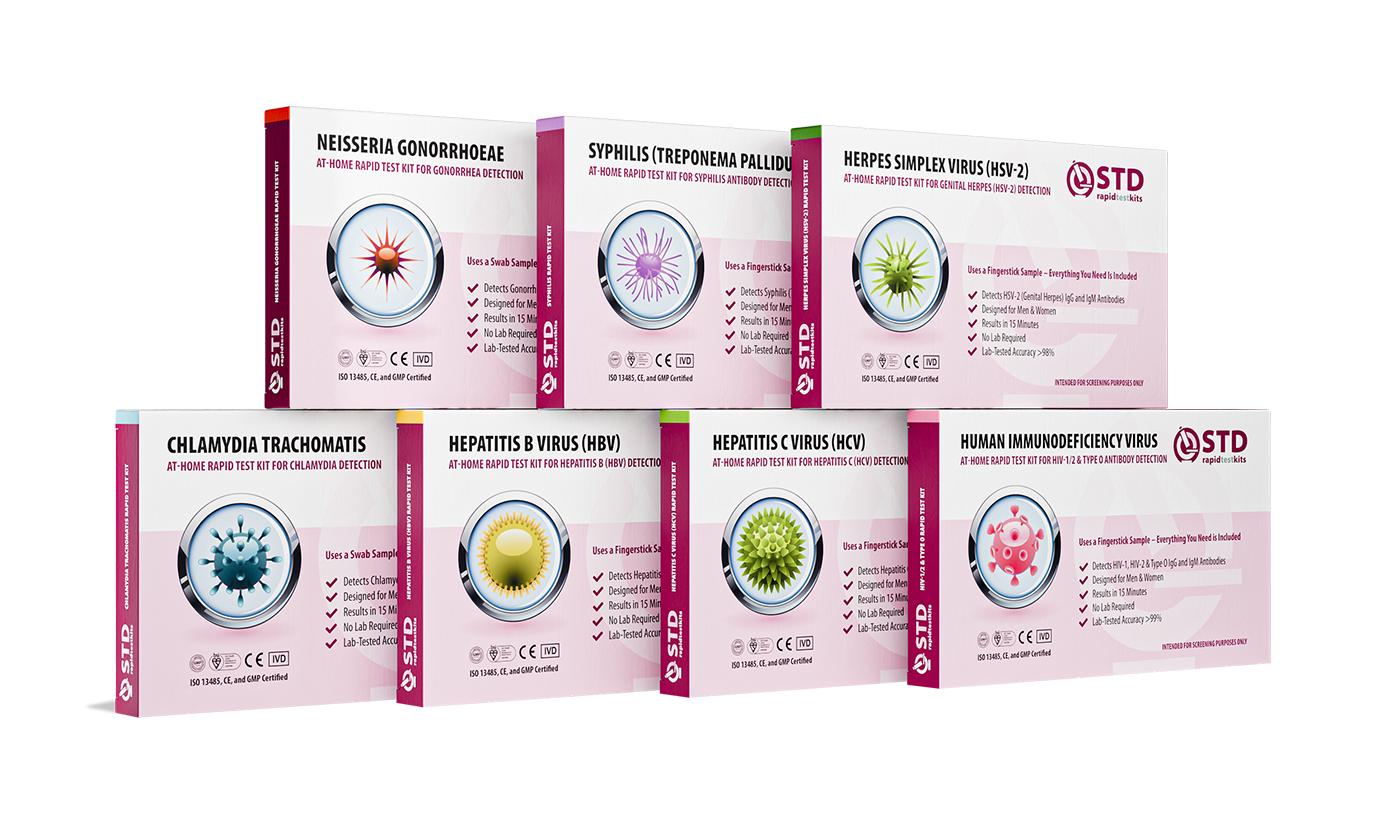
 For Men & Women
 Results in Minutes
 No Lab Needed
 Private & Discreet
Order Now $129.00 $343.00
For all 7 tests
Privacy, Shipping, and Discreet Support
Waiting is hard. Waiting while worried someone else might find out? Even harder. That’s why at-home STD tests prioritize discretion at every step. Kits are shipped in plain packaging, no logos, no health words. Even the return envelope (for mail-in kits) keeps your information private.
Standard delivery usually takes 2–5 business days, and many providers offer express shipping if anxiety is high. It’s worth planning your test around travel or remote work if possible. Got roommates or a partner who doesn’t know yet? You’re not alone. Many people have used workplaces or PO boxes to receive kits securely.
Your results stay with you. No one else gets notified. If you test positive and need help navigating care, many companies now offer discreet telehealth referrals or even prescription pathways, without setting foot in a clinic.
Need a trusted option? Visit STD Rapid Test Kits to explore what fits your situation best.
What If You Test Positive?
The moment you see that result, your stomach drops. It's okay. Deep breath. Most STDs are treatable. The hardest part is the not-knowing, and you’ve already moved past that. Now it’s about action, not panic.
First, confirm the result with a second test, especially if it was taken very early or with symptoms that don’t match the infection. Then, schedule treatment. For bacterial infections like chlamydia or gonorrhea, antibiotics clear things up quickly. For viral infections like herpes or HIV, ongoing management is key, but life absolutely continues.
Dante, 24, saw a faint positive line for syphilis on his home test. He felt numb. But he took a beat, followed up at a clinic, and got on treatment.
“It didn’t define me,” he said. “But it made me take my health seriously for the first time.”
If you test positive, consider informing recent partners, even anonymously. Many services now allow you to send alerts without revealing your identity. Most importantly, don’t disappear into shame. You did the brave thing. Keep going.
People are also reading: I Didn’t Know I Had an STD Until My Organs Started Failing
FAQs
1. I only had unprotected sex once. Can I really get an STD that fast?
Yep. One time is all it takes. It doesn’t matter if it was your first hookup in months or a five-minute slip-up, the viruses and bacteria don’t care. Chlamydia, gonorrhea, syphilis, even HIV, all can be transmitted in a single encounter. Don’t beat yourself up. Just test, treat if needed, and move forward.
2. It burns when I pee, but there’s no discharge. Should I be worried?
That burn is your body waving a red flag. Gonorrhea and chlamydia often start that way, no dramatic symptoms, just a sting that won’t quit. Could it be a UTI? Maybe. Could it be irritation from sex or new products? Also possible. But guessing never cured anything. A test gives you an answer, not anxiety.
3. I tested negative right after the hookup. Am I in the clear?
Not necessarily. Most tests can’t pick up an infection immediately after exposure. It’s like trying to catch a criminal before they leave fingerprints, your body hasn’t registered the invader yet. That early test was a data point, not a verdict. Retest after 2–4 weeks to be sure.
4. Do I really need to test again if the first one was negative?
If your first test was too early, or you’ve had symptoms since, yeah, it’s smart to retest. Think of it like checking your bank account again after a sketchy charge. Better safe than sorry. Plus, second tests often bring peace of mind you didn’t know you needed.
5. Can you catch an STD from oral sex?
Absolutely. Oral sex is not a magic loophole. Herpes, syphilis, gonorrhea, and even chlamydia can show up in the throat or be passed mouth-to-genitals. Just because it feels “lower risk” doesn’t mean it’s risk-free. We get this one a lot, especially from people who were told oral doesn’t count. It does.
6. My partner says they’re clean. Isn’t that enough?
We love trust. We really do. But testing “clean” last month doesn’t mean much if they’ve had new partners since, or if they tested during the wrong window. Most STDs don’t announce themselves with fireworks. Until everyone in the room has a recent, accurate test, it’s okay to double-check for yourself.
7. Why do some STDs have no symptoms at all?
Because nature can be sneaky as hell. Up to 70% of chlamydia cases show no symptoms, especially in women. HPV can lie dormant for years. You could feel totally fine and still be carrying something, and passing it on. That’s why “I feel fine” ≠ “I’m negative.” Testing fills in the blanks.
8. Can you trust tests you do at home?
Yes, these tests are real medical tools if you get them from a reliable source that has been certified. All you have to do is follow the rules, wait for the right time, and don't test too soon. If you have a viral infection like HIV, you may need to go back to the lab for a follow-up.
9. How do I know when it’s safe to have sex again?
The real answer? After you’ve tested, treated (if needed), and your partner’s in the loop too. Some infections clear fast, others take time. If you tested early, wait for the follow-up window. If you got treated, wait until your provider says you’re good to go. No shame in taking a pause to protect your health.
10. I’m scared to know. What if it’s bad?
Totally fair. But here’s the thing: not knowing won’t protect you, it just keeps you guessing. The fear you feel right now? It’s temporary. The relief of knowing, or the power of taking action, is forever. No matter the result, you’ll have a plan, and that’s everything.
You Deserve Answers, Not Assumptions
You're already doing the right thing if you read this. You're being proactive, informed, and protective of both your own health and your partner's. There is no shame in testing. It's about being clear, independent, and caring. This isn't the end of your sex life. It gets safer, smarter, and more powerful, if anything.
How We Sourced This Article: We combined current guidance from leading medical organizations with peer-reviewed research and lived-experience reporting to make this guide practical, compassionate, and accurate. In total, around fifteen references informed the writing; below, we’ve highlighted some of the most relevant and reader-friendly sources.
Sources
1. CDC STD Treatment Guidelines
5. Urinary Tract Infection (UTI) Basics | CDC
6. Painful Urination (Dysuria): Causes, Treatments & More | Healthline
About the Author
Dr. F. David, MD is a board-certified infectious disease specialist who works to stop, diagnose, and treat STIs. He is dedicated to making his work available to more people, whether they live in cities or off the grid. He combines clinical accuracy with a straightforward, sex-positive approach.
Reviewed by: Natalie Kim, NP | Last medically reviewed: October 2025
This article is for informational purposes and does not replace medical advice.


