Published: November 2025 | Last updated: May 2026 | Editorial review and quality control: Martina N.
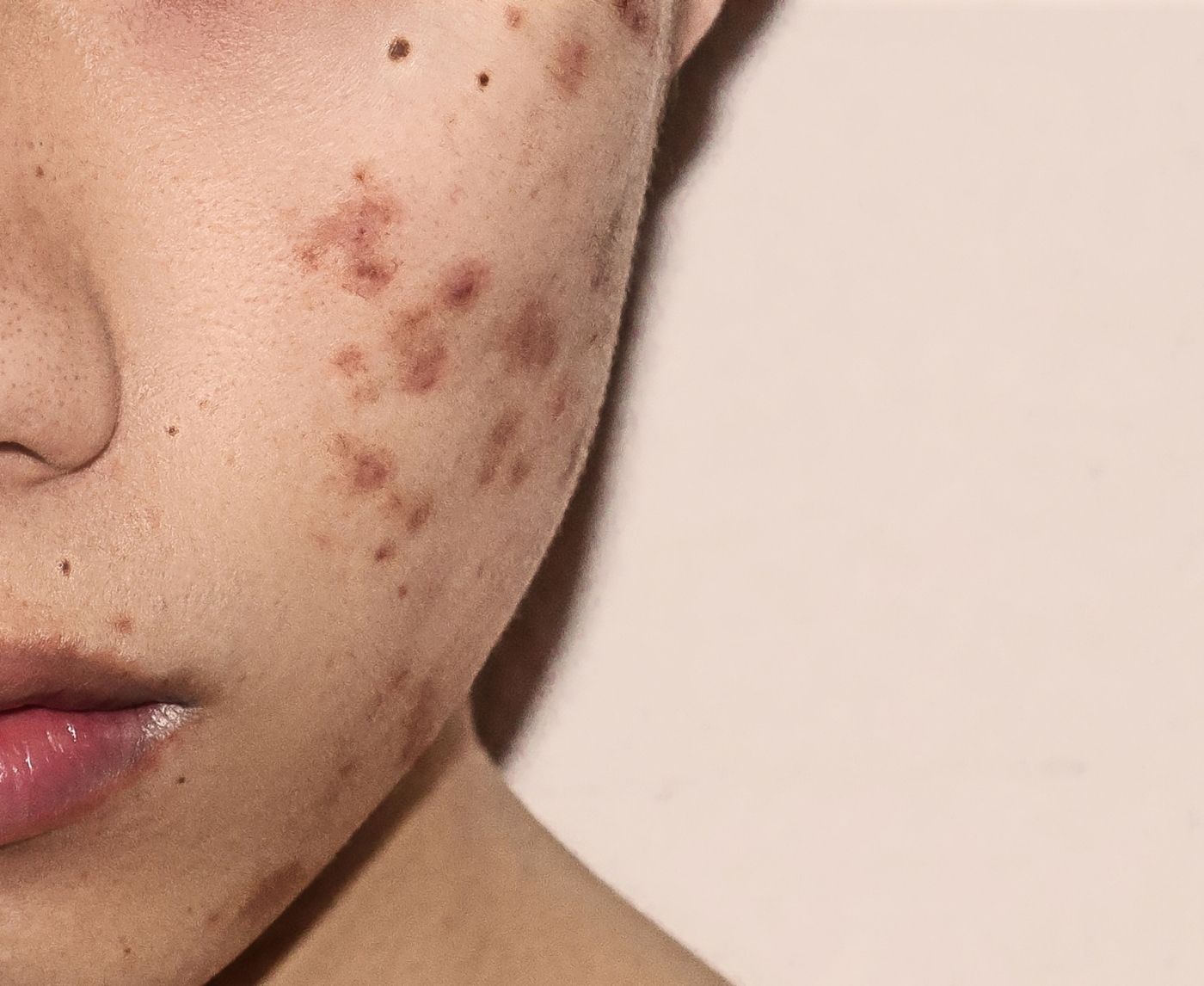
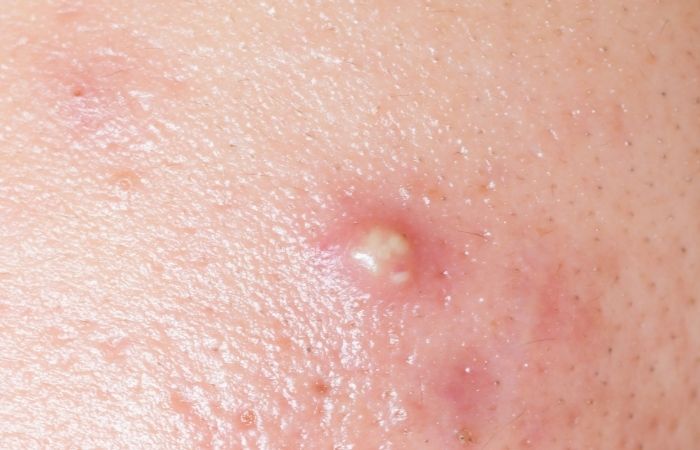
That painful red bump that won't heal could be a pimple. It could also be the start of a herpes outbreak that's about to fool you for weeks. The two look almost identical in their first days, and that visual overlap sends a lot of people to benzoyl peroxide when what they actually need is a swab test.
Genital herpes is one of the most under-diagnosed sexually transmitted infections in the United States. According to the CDC's herpes overview, the majority of people who carry the virus don't know they have it. The single biggest reason is simple: their first outbreak looked like a zit, an ingrown hair, or a friction sore, and they treated it as one.
Most genital bumps turn out to have a simpler cause, like an ingrown hair, folliculitis, or friction from clothing, and resolve on their own within a week. The reason this article exists is the smaller share that don't, and the few clues that separate them from a true pimple before you waste two weeks on the wrong treatment.
Key Takeaways
- Herpes lesions and pimples can look almost identical at first, but herpes typically hurts, blisters, clusters, and recurs in the same spot, while a true pimple is usually a single tender bump that fades in days.
- If a 'pimple' below the waist hurts to the touch, won't pop, or keeps returning to the same area, swab it within 48 hours of appearing for the most reliable result, or use a blood antibody test 12 weeks or more after possible exposure; an earlier screen at 4 to 6 weeks is optional but should be confirmed at 12 weeks.
Why a Bump Down There Is So Easy to Misread
Genital acne is real, but it's much less common than the other things that cause bumps in the area: ingrown hairs, folliculitis, friction sores, contact dermatitis, and herpes lesions. Most people don't second-guess a red bump on the bikini line. They assume it's from tight leggings, waxing, a sweaty workout, or a new laundry detergent.
Herpes doesn't always announce itself with the textbook cluster of fluid-filled blisters. According to the WHO herpes simplex virus fact sheet, many infections are mild or completely silent. A first outbreak can start as one red dot, one itchy patch, or a single sore that someone interprets as a misbehaving zit.
The confusion makes biological sense. Acne forms around oil glands and clogged pores, usually on hair-bearing skin. Herpes lesions form wherever the virus enters through tiny breaks in the skin, which can be anywhere skin meets skin during sex: the genitals, inner thighs, buttocks, lower abdomen, or the area around the anus. Location alone is rarely enough to tell the two apart.
| Feature | Acne / Pimple | Herpes |
|---|---|---|
| Appearance | Single red bump, possible whitehead or blackhead | Cluster of small fluid-filled blisters, sometimes a single one |
| Pain level | Tender if pressed, mild ache if deep | Sharp stinging or burning pain, often disproportionate to size |
| Onset | Develops gradually over days | Can appear within 24 to 48 hours, sometimes preceded by tingling |
| Healing course | Shrinks, drains, or pops, then fades over a week | Blisters open into shallow ulcers, crust, then heal over 7 to 10 days |
| Other body symptoms | Localized only | Possible fever, body aches, swollen lymph nodes during a first outbreak |
| Recurrence | Random, related to skin and hormones | Tends to return in the same general area over time |
When the 'Pimple' Stops Acting Like One
The most common pattern clinicians see is someone trying to pop what looks like a pimple. They squeeze it, scratch it, or apply benzoyl peroxide or salicylic acid. The bump doesn't drain. Instead it gets more painful, opens, and a few smaller blisters appear next to it within a day or two. That's the second stage of a herpes outbreak rather than a stubborn pimple.
Herpes is a viral infection, not a bacterial or follicular one. It doesn't respond to acne treatments, hot compresses, or hydrocolloid patches. Disturbing the lesions can break the skin, invite a secondary bacterial infection, and slow healing further. The CDC's STI treatment guidelines for genital herpes recommend antiviral medication started as early as possible to shorten an outbreak and reduce viral shedding.
Timing is one of the clearest tells. Acne forms slowly and resolves over a week or so. Herpes can move through five stages within ten days: redness, blistering, ulceration, crusting, and healing. If you watch a bump go through that whole arc in a week and a half, you're looking at a likely herpes outbreak, not a stubborn pimple.
If you suspect a bump might be herpes, don't squeeze, exfoliate, or apply acne medications. Acne products can irritate the skin further, open intact blisters, and create a path for bacterial superinfection. Keep the area clean and dry, avoid touching it, and book a swab test within 48 hours of the lesion appearing for the most reliable result.
Where Herpes Can Show Up, and What It Mimics
Herpes doesn't stay confined to the obvious places. It can show up on the upper inner thigh, the crease where the leg meets the body, the buttocks, the area around the anus, the lower back, and even higher on the abdomen. People who receive oral sex from a partner who carries oral HSV-1 can develop genital lesions even if the partner had no visible cold sore at the time. According to the CDC herpes overview, oral HSV-1 is now a meaningful contributor to first-episode genital herpes.
Because the lesion location varies, the misdiagnosis depends on where it lands. A herpes outbreak on the inner thigh gets called razor burn. On the buttocks it's mistaken for a fungal rash. Inside the labia or under the foreskin, sores can hide entirely while still causing burning, tingling, or painful urination. Below is a region-by-region breakdown of the lookalikes.
| Body area | Common misdiagnoses | Herpes-specific clues |
|---|---|---|
| Inner thigh / bikini line | Razor burn, folliculitis, heat rash | Stinging cluster of small blisters, pain when walking or sitting |
| Buttocks or anal area | Hemorrhoids, fungal rash, eczema | Itching or tingling that progresses to ulceration |
| Labia or vulva | Yeast infection, contact dermatitis, allergic reaction | Burning before blisters appear, painful urination if urine touches a sore |
| Penile shaft or scrotum | Ingrown hair, jock itch, friction sore | Painful bumps that rupture into shallow open sores then crust |
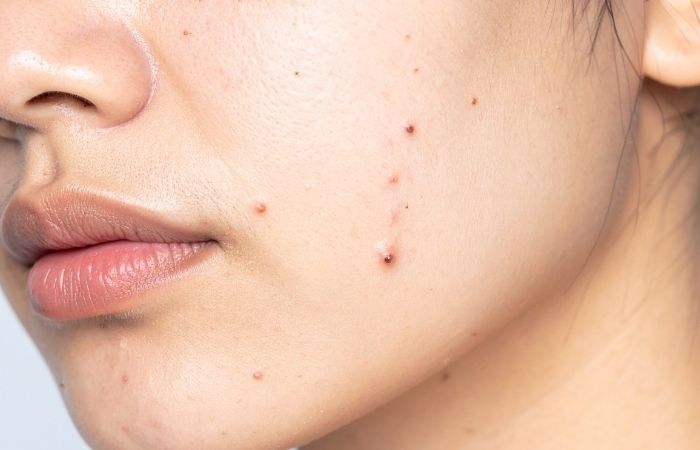
| Lip, nose, or chin | Cold sore (HSV-1), pimple, canker sore | Tingling 12 to 24 hours before a visible blister forms |
When to Test, and Which Test to Use
Two things determine which herpes test will work for you: whether you have a visible lesion right now, and how recently you might have been exposed.
If you have an active sore, the most accurate option is a swab taken from the lesion itself, processed by PCR or viral culture in a lab. Swab tests work best when the blister is fresh and still moist, ideally within 48 hours of it forming. Once a sore crusts over and starts healing, the viral load on the surface drops and false negatives go up. Photograph the area when the lesion first appears, avoid touching it, and book the swab as soon as you can.
If the sore is gone but you want to know whether you've been exposed at some point, a blood antibody test (IgG) can detect past infection. The catch is that antibodies take 4 to 12 weeks to develop after exposure, so a blood test taken too early will miss a recent infection. Blood antibody testing is best suited to confirming past infection once enough time has passed for IgG antibodies to develop, generally 12 weeks or more after possible exposure for a reliable result.
If you're inside the window period and worried, you can test now and retest at 12 weeks to confirm. Two-stage testing catches recent infections that early single tests would miss.
Can herpes really look exactly like a pimple?
Yes. In its earliest stage a herpes lesion can be a single red bump that's visually indistinguishable from a zit. The differences become clear over the next 48 hours: herpes typically hurts more than its size suggests, blisters and crusts within days, and may bring tingling, fatigue, or swollen groin lymph nodes. A 'pimple' that won't pop, returns to the same spot, or feels like burning rather than soreness is worth a herpes test, ideally a swab within 48 hours of the bump appearing.
Living With Herpes: Treatment, Recurrence, and Suppression
Unlike chlamydia or gonorrhea, herpes doesn't clear with antibiotics. The virus settles in nerve cells and can reactivate periodically for the rest of someone's life. There's no cure, but the infection is highly manageable. Antiviral medications such as valacyclovir, acyclovir, and famciclovir can shorten and soften outbreaks when taken at the first sign of an episode, and daily suppressive doses can reduce both the frequency of outbreaks and the risk of transmitting the virus to a partner.
The pattern of outbreaks usually changes over time. The first episode is typically the most intense, with multiple lesions, body aches, fever, and swollen lymph nodes. Recurrences tend to be milder and shorter, often preceded by a familiar tingling or itching in the same area (called the prodrome). Many people learn their personal triggers (stress, illness, friction, hormonal shifts, or a poor night of sleep) and use that knowledge to anticipate episodes and start antivirals at the first sign.
Daily suppression has changed the picture for serodiscordant couples (where one partner has herpes and the other doesn't), substantially reducing transmission risk when combined with condoms and avoiding sex during outbreaks. Studies of suppressive valacyclovir in serodiscordant heterosexual couples found roughly a 48 percent reduction in transmission to the uninfected partner.
Most people with genital herpes have no symptoms or have very mild symptoms that go unnoticed or are mistaken for another skin condition. Because of this, most people who have herpes do not know it.
Retesting: When the Picture Changes
Testing isn't always a one-and-done step. Symptoms evolve, partners change, and a single negative result during the window period doesn't rule out infection. Different scenarios call for different retesting timelines.
| Your situation | When to retest | Why it matters |
|---|---|---|
| First-time symptom, never tested for herpes before | Swab the active lesion now, blood test at 12 weeks | Active swab catches the current outbreak; blood test confirms seroconversion if the swab missed it |
| Known herpes diagnosis, but new or different-looking sores appear | Test during the active symptom window | Rules out a different infection (syphilis, chancroid, molluscum) presenting on top of known herpes |
| Partner just tested positive, no symptoms on your side | 4 to 6 weeks after the exposure for an antibody test, repeat at 12 weeks if first is negative | Allows time for antibodies to develop |
| New partners or ongoing potential exposure | Every 3 to 6 months as part of a routine STI screen | Maintains a current picture and reduces onward transmission |
Why Testing Matters Even When You're Not Sure
Many people delay testing because they're hoping the bump will turn out to be nothing. That instinct is understandable, and sometimes it's right. Most genital bumps aren't herpes. But the cost of guessing wrong is asymmetric. If it's acne and you test, you get a quick negative and peace of mind. If it's herpes and you don't test, you may pass the virus to a partner during the most contagious phase, and you miss the window where antiviral treatment would have shortened the outbreak.
Herpes also sheds asymptomatically. The virus can be present on the skin and transmitted to a partner during periods when there's no visible sore at all. Knowing your status is the only way to make informed decisions about when to use barriers, when to consider daily suppressive therapy, and how to talk about the diagnosis with current and future partners.
It's also worth remembering that herpes is rarely included in a standard STI panel. A clean result from a routine clinic visit usually covered chlamydia, gonorrhea, syphilis, and HIV but not HSV unless you specifically requested it. Ask your provider what was tested, or order a kit that explicitly includes HSV antibody testing.
Stop Guessing, Get a Real Answer
If you've been treating recurring bumps with acne medication that never quite seems to work, or you've been telling yourself it's probably just an ingrown hair for the third time this year, pay attention to the pattern. A bump returning to the same spot three times in a year is a reason to test, not a reason to reach for acne cream again.
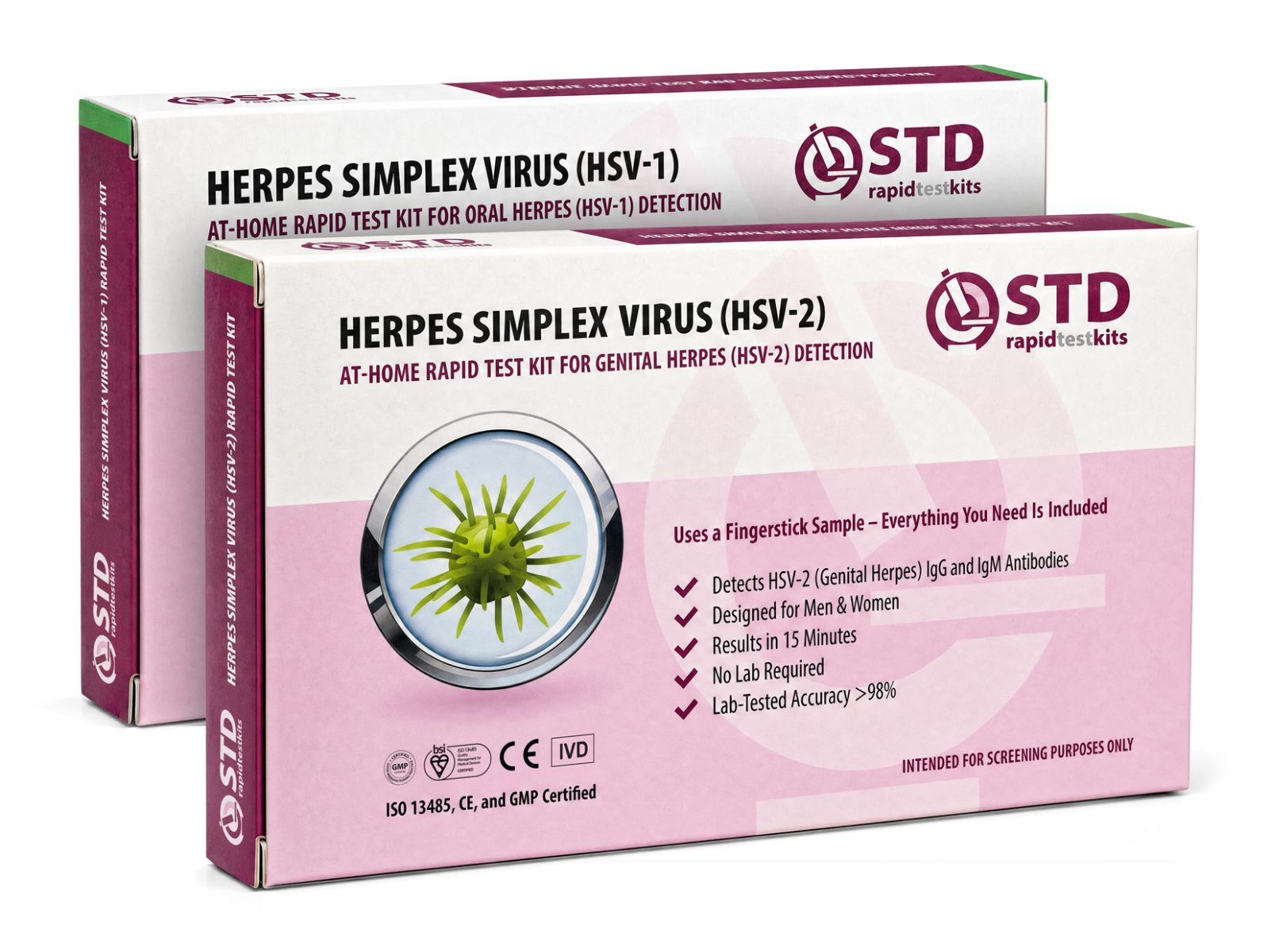
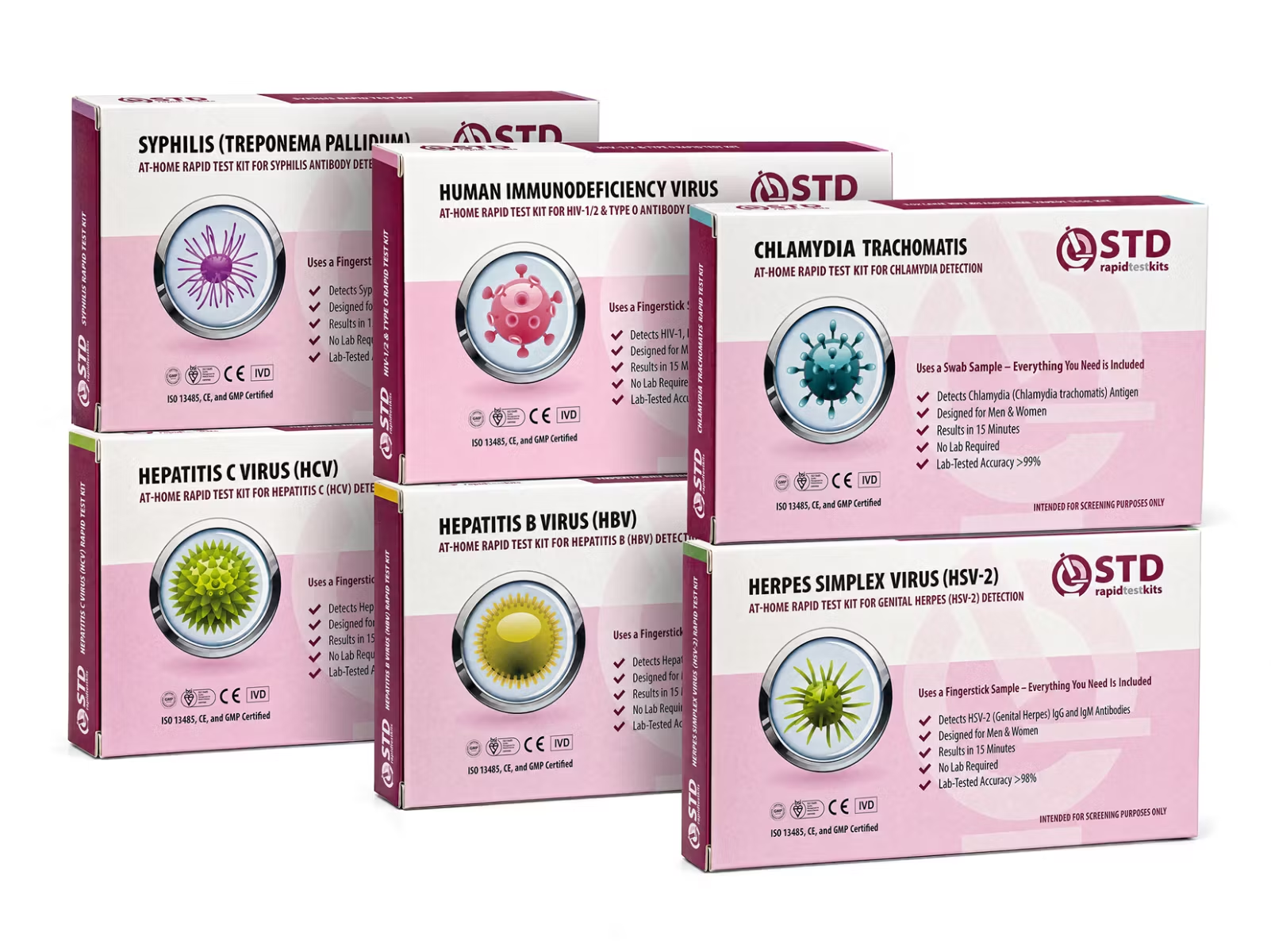
For people who want to know without an awkward clinic visit, a multi-test home kit covers herpes alongside the other infections that present with overlapping symptoms (syphilis, HIV, hepatitis), so you don't have to guess which test to order.
Frequently Asked Questions
- Can a single bump really be herpes?
- Yes. The classic textbook image of grouped fluid-filled blisters is one common presentation, but a herpes outbreak can begin (and sometimes stay) as a single red bump. What separates it from acne is usually the behavior over the next 48 hours: it tingles, hurts more than its size suggests, may blister and crust, and tends to return to the same area later.
- How soon after sex can herpes show up?
- A first outbreak typically appears 2 to 12 days after exposure, but the range is wide. Some people get symptoms within a couple of days. Others don't get a noticeable first outbreak for months, or ever. Asymptomatic carriers can still transmit the virus.
- What if my acne cream isn't working on the bump?
- Acne treatments do not act on viral infections, so no improvement after several days of benzoyl peroxide, salicylic acid, or hydrocolloid patches is a sign the bump may not be acne. If it is getting worse or spreading, stop treating it as acne and book a herpes swab while the lesion is still fresh.
- Can I spread herpes if I think it's just a zit?
- Yes. Herpes is most contagious when active sores are present, and the virus can also shed from the skin during the prodrome (the tingling phase before a visible bump) and even at times when there are no symptoms at all. If you're not sure what a bump is, the safe move is to avoid sexual contact in that area until you've tested.
- Can I test for herpes at home without going to a clinic?
- Yes. At-home options include rapid blood antibody tests for past exposure (most reliable from around 12 weeks after exposure) and lab-based mail-in swab kits for active sores. For an active lesion you suspect is herpes, a swab is more accurate than blood work, and the sooner the swab is taken after the sore appears, the better.
- I had a strange sore weeks ago and now it's gone. Should I still test?
- Yes. A blood antibody test can detect past infection even after the visible sore has healed. If the original sore is fully gone, a swab won't help, but an IgG blood test taken at least 12 weeks after the suspected exposure can tell you whether your immune system has produced antibodies to HSV.
- Does a regular STI panel include herpes?
- Usually not. Standard STI panels often cover chlamydia, gonorrhea, syphilis, and HIV, but herpes is typically excluded unless you specifically ask for it. If you've had clean tests in the past and assumed they ruled out herpes, that may not have been the case. Ask your provider, or order a kit that includes HSV antibody testing.
- Should I tell a partner I might have herpes if I'm not sure?
- If you have an active suspicious sore, pause sexual contact in that area and test before resuming. You don't need to share an unconfirmed suspicion as a diagnosis, but you do need to avoid putting a partner at risk while you sort it out. Once you have a result, an honest conversation, especially about how to use barriers and timing, protects both of you going forward.
How we sourced this article: We synthesized current public-health guidance from the CDC, the World Health Organization, the NHS, and Planned Parenthood with the consensus clinical literature on herpes simplex virus presentation, testing windows, and management. Where the evidence base is uncertain or evolving, we've said so explicitly rather than overclaim. This article is editorial reporting, not personal clinical advice; for symptoms that concern you, see a licensed provider.
- U.S. Centers for Disease Control and Prevention. Genital herpes overview, transmission, symptoms, and prevalence in the United States.
- U.S. Centers for Disease Control and Prevention. STI treatment guidelines for genital herpes, including antiviral regimens and suppressive therapy guidance.
- World Health Organization. Herpes simplex virus fact sheet, covering global prevalence and clinical presentation of HSV-1 and HSV-2.
- NHS. Genital herpes patient information, covering symptoms, swab testing of visible blisters, and treatment in the UK clinical context.
- Mayo Clinic. Genital herpes symptoms and causes, including atypical presentations and recurrence patterns.
- Planned Parenthood. Herpes overview, transmission, and partner-conversation guidance.
