





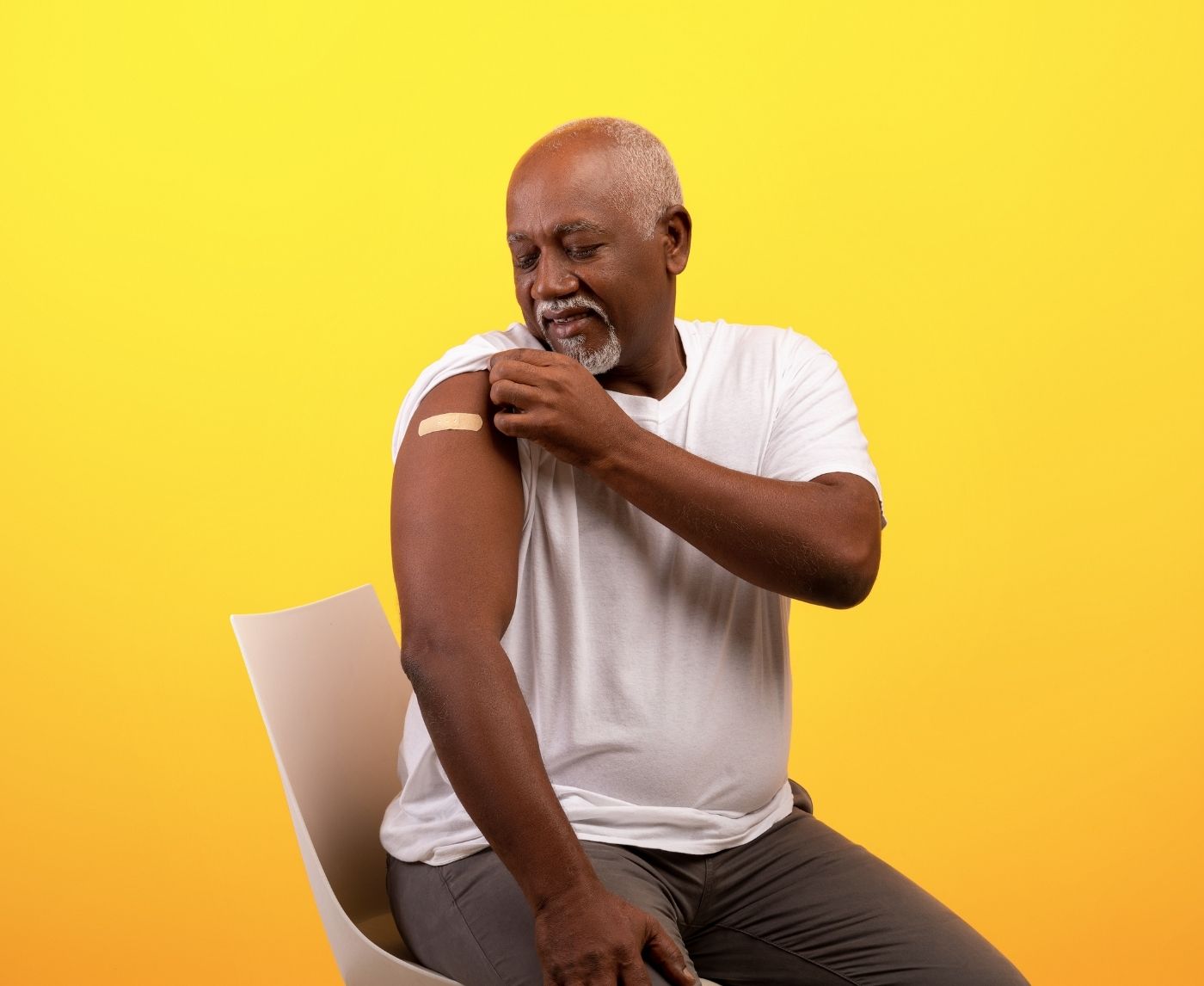

Quick Answer: HPV vaccination for men prevents throat, anal, and penile cancers and genital warts. It is recommended at ages 11–12 with catch‑up through 26, and ages 27–45 via shared decision‑making. The shot is safe, effective, and protects partners too.
Ryan thought it was nothing, a small rough patch at the back of his throat that felt more like a popcorn kernel stuck than anything serious. No pain. No swelling. He only noticed it when his tongue brushed that spot. A few weeks later, at his dental cleaning, the hygienist leaned back mid-sentence. “You might want to get that checked,” she said softly, like she didn’t want to scare him. He laughed it off on the drive home. “Probably nothing,” he told his girlfriend. He didn’t know that nothing could be HPV.
Human papillomavirus isn’t rare. In fact, it’s the most common sexually transmitted infection in the United States. By age 50, at least 80% of sexually active people, men and women, will have had it. But here’s the catch: most men don’t know it’s in their bodies. They don’t get Pap smears. They don’t get regular HPV screening. And yet, the virus can quietly cause cancers in the throat, anus, and penis, often years after the initial infection. The CDC estimates that HPV causes about 19,000 cancer cases in women and 13,000 in men each year in the U.S. Those male cases are almost entirely preventable, with a vaccine many men were never told was for them.
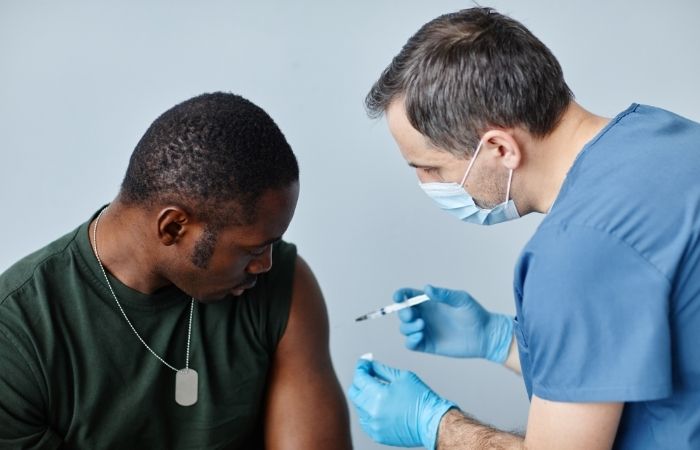
People are also reading: From Days to Minutes. Why Speedy STD Testing Matters
It Doesn’t Always Start Where You Think
When people picture HPV, they often imagine cervical cancer. Public health campaigns have spent years telling women to get vaccinated and screened, and for good reason. But HPV doesn’t care about gender. It spreads through skin-to-skin sexual contact, oral, vaginal, or anal, and can infect areas condoms don’t fully cover. For men, the first “symptom” might not even be genital. It could be a persistent sore in the mouth. A painless growth on the penis. An itch inside the anus that doesn’t go away. In most cases, the body clears the virus naturally, but not always. For some, it stays, silently altering cells until cancer develops.
By the time Ryan’s throat biopsy came back positive for HPV-related oropharyngeal cancer, he had no idea when or from whom he’d gotten it. That’s the reality: you can pick up HPV from a single partner, years before symptoms appear. You can pass it without knowing. You can get it from oral sex even if there’s no visible sign. And if you’re a man, no one’s checking for it, unless it turns into something big enough to see or feel.
Why Weren’t Men in the Room When HPV Was Explained?
When the first HPV vaccines were approved in 2006, the messaging was aimed at girls and women, to prevent cervical cancer. It made sense from a public health standpoint, at the time, female vaccination was seen as the fastest route to reducing population-level HPV rates. But it left boys and men out of the conversation. Uptake lagged. Awareness lagged. According to a 2021 study, only about 56% of men surveyed were willing to vaccinate compared to 80% of women. Many didn’t even know the vaccine was approved for them.
This gap shows up in the data: by 2020, HPV vaccination rates among adolescent boys had risen from 8% in 2011 to just 36%. Girls of the same age group were at 49%. That’s a big improvement, but it’s still not parity, and it’s costing lives. A large U.S. study confirmed that the vaccine not only prevents genital warts but also slashes the risk of head and neck cancers in men. The benefit is real. The problem is, many men never hear about it until it’s too late.
HPV-Related Cancers in Men Are Rising, And It’s Not Just Genital
In the last two decades, the profile of HPV-related disease in men has shifted dramatically. The most common HPV cancer in men today isn’t penile or anal cancer, it’s oropharyngeal cancer, a tumor that forms at the back of the throat, base of the tongue, or tonsils. According to the CDC, oropharyngeal cancers caused by HPV are now more common in men than cervical cancer is in women. That’s a statistic worth repeating: men are now facing an HPV cancer burden that rivals the one that made HPV a household name for women.
In 2019 alone, there were more than 16,000 new cases of HPV-related oropharyngeal cancer in U.S. men, compared to about 3,500 penile and 2,500 anal cancer cases. These aren’t small numbers, and the risk isn’t limited to one demographic. While smoking and drinking increase throat cancer risk, HPV has emerged as a major driver, and it can infect anyone who has ever engaged in oral sex. That means queer men, straight men, monogamous men, everyone.
Check Your STD Status in Minutes
Test at Home with RemediumPapillomavirus (HPV) Test
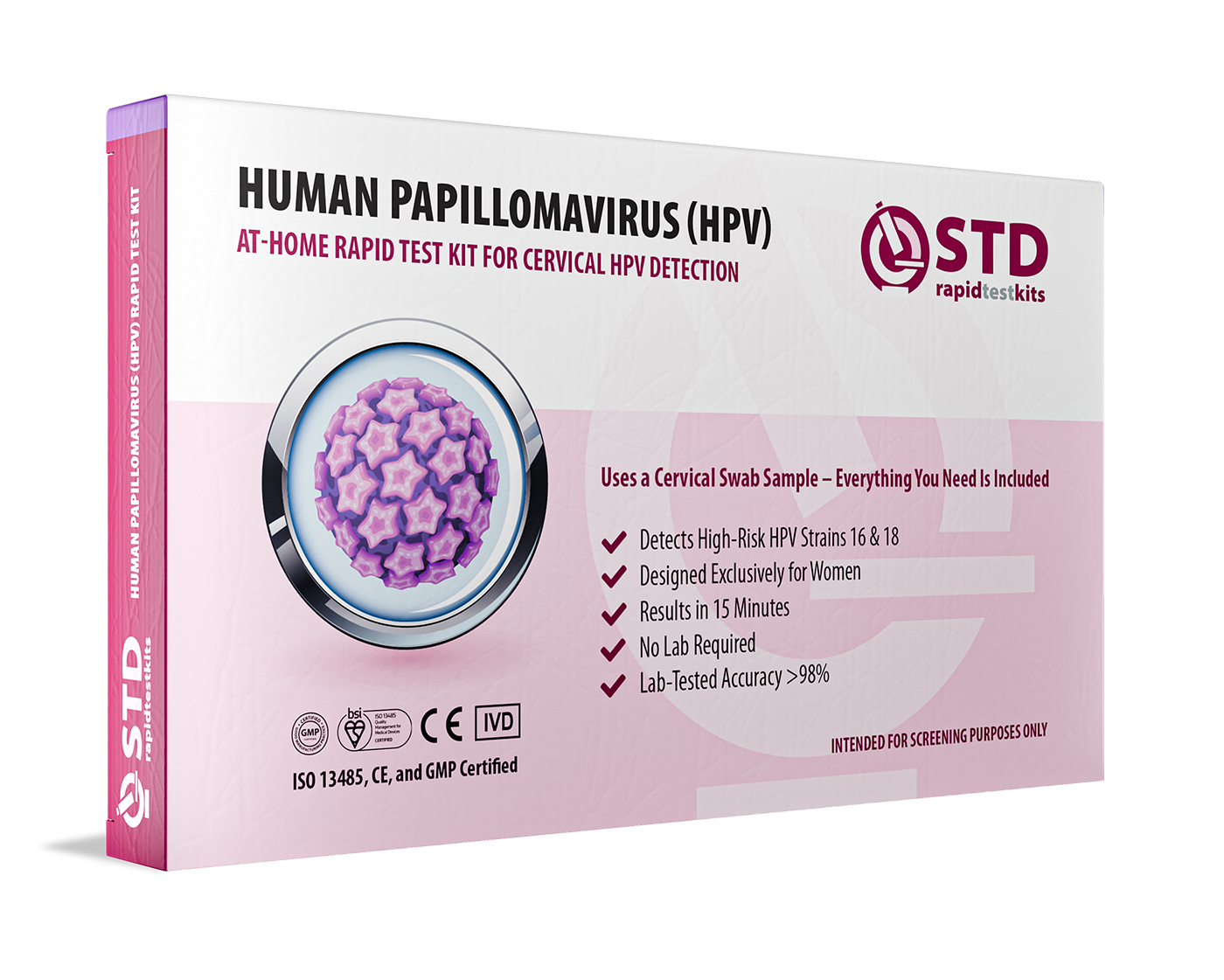
 For Women
 Results in Minutes
 No Lab Needed
 Private & Discreet
Order Now $33.99 $49.00
The Myths That Keep Men Unprotected
Ask the average man about HPV and you’ll hear the same refrains: “Isn’t that for women?” “I’m too old to get the vaccine.” “I’ve been with the same partner for years, why would I need it?” These aren’t just casual misunderstandings, they’re barriers that stop people from seeking protection. A public health survey found that men were significantly less aware of HPV’s cancer link compared to women, and less likely to perceive themselves at risk.
Here’s the truth: The HPV vaccine is approved for use in males up to age 26 as routine, and ages 27–45 through a conversation with your healthcare provider. You can still benefit even if you’ve already been sexually active, because you’re unlikely to have been exposed to all nine HPV strains the vaccine protects against. Being in a long-term relationship doesn’t make you immune; HPV can remain dormant for years before showing up.
Why the Gap Exists, and How We Close It
Part of the reason for this knowledge gap is baked into the early vaccine rollout. Campaigns focused on preventing cervical cancer created an unintended perception that HPV was exclusively a “women’s issue.” Providers were more likely to recommend the shot to girls than boys, and insurance coverage for male vaccination lagged in some states. In some countries, boys still aren’t part of the national HPV vaccination program at all, despite the evidence that gender-neutral vaccination programs drastically reduce HPV circulation and associated cancers.
There’s also stigma. Some men avoid discussing sexual health entirely, fearing it makes them look promiscuous or vulnerable. Others don’t have a regular healthcare provider at all, especially in rural areas where men are less likely to seek preventive care. Without intentional outreach, education, and policy changes, the disparity will continue, and so will the preventable cancers.
HPV Doesn’t Care Who You Are, or Who You Love
Kevin was 24 when he noticed a small bump inside his anus. He’d been in a committed relationship for over a year, and they both tested before moving in together. He assumed it was a hemorrhoid and ignored it. Months later, after persistent discomfort, he saw a proctologist. The diagnosis: HPV-related anal warts. “I didn’t even know guys could get this,” he said.
“I thought HPV was for women, like cervical cancer.”
For gay and bisexual men, especially those living with HIV, HPV risk is significantly higher, and so is the rate of progression to anal cancer.
Then there’s Mark, a 42-year-old straight dad of two. He never skipped a dental cleaning, but during a routine visit, his dentist found an ulcerated lesion on his tonsil. A biopsy confirmed HPV-positive oropharyngeal cancer. Mark’s wife tested negative for HPV strains linked to cervical cancer, but that didn’t change his reality: he was facing months of radiation and chemo for something he’d never been told he could prevent.
HPV is an equal-opportunity virus. It doesn’t distinguish between genders, sexualities, or relationship styles. The same skin-to-skin contact that transmits it to women transmits it to men, through oral, anal, or vaginal sex. Condoms and dental dams lower the risk but don’t eliminate it, because HPV can infect areas they don’t cover.
People are also reading: HSV-1 vs HSV-2: Unpacking Causes, Transmissibility, and Danger
From Stigma to Strategy
The most dangerous thing about HPV in men is not the virus itself, it’s the silence around it. The shame, the gendered misinformation, and the false sense of immunity leave men unprotected. But the conversation is changing. Doctors are now urged to recommend HPV vaccination equally to boys and girls at ages 11–12, with catch-up doses for anyone through age 26. The CDC makes it clear: the shot protects against the strains most likely to cause cancer and genital warts in men and women alike.
And the science is encouraging. Studies show that in countries where both boys and girls are vaccinated, HPV rates plummet. Australia, one of the earliest adopters of gender-neutral vaccination, is on track to virtually eliminate cervical cancer, and drastically cut male HPV-related cancers, within the next decade. That’s not magic. That’s public health in action.
Sex-Positive, Not Fear-Driven
Getting the HPV vaccine isn’t about shaming people for having sex, it’s about protecting the health of everyone involved. Sex is a normal, pleasurable part of life. HPV vaccination doesn’t change that; it just removes one of the biggest viral risks from the equation. It’s no different from wearing a seatbelt: you don’t plan to crash, but you prepare just in case.
Imagine telling a future partner, “Yeah, I’m vaccinated against HPV.” It’s not awkward, it’s empowering. It signals you care about your health and theirs. And for parents, vaccinating sons alongside daughters sends a clear message that everyone’s sexual health matters equally.
Protecting Yourself Starts Now
If you’re reading this wondering whether it’s “too late” for the HPV vaccine, the answer is almost always no. Even if you’ve been sexually active for years, you probably haven’t been exposed to all the HPV types the vaccine covers. Talk to your healthcare provider about your eligibility, if you’re 27 to 45, the CDC recommends a shared decision-making conversation to weigh your benefits. The earlier you vaccinate, the stronger your protection, but later is still better than never.
And if you’re a parent? Make sure your sons are part of the conversation. Schedule their HPV shots alongside other adolescent vaccines. By normalizing it for boys as much as girls, you not only protect them, you help protect future partners and drive down HPV rates across the board.
Testing for HPV in men is limited, but screening for related conditions, such as anal Pap smears for high-risk groups, or regular oral exams, can catch early changes before they become cancer. And if you do develop genital warts or precancerous lesions, early treatment is far easier than tackling advanced disease. Prevention is freedom; silence is risk.
Check Your STD Status in Minutes
Test at Home with Remedium8-in-1 STD Test Kit

 For Men & WomenResults in MinutesNo Lab NeededPrivate & Discreet
Order Now $149.00 $392.00
For all 8 tests
FAQs
1. Can men get HPV?
Yes. HPV affects people of all genders and can cause genital warts, penile cancer, anal cancer, and throat cancer in men.
2. At what age should men get the HPV vaccine?
Ideally at ages 11–12, but catch-up vaccination is recommended through age 26. Ages 27–45 should discuss benefits with a doctor.
3. Is the HPV vaccine safe for men?
Yes. Over 135 million doses have been given in the U.S., with extensive monitoring confirming safety and effectiveness.
4. Does HPV in men cause symptoms? Often, no. HPV can be silent for years, but when symptoms appear they may include warts, throat lesions, or changes in the anal or genital skin.
5. Can HPV cause cancer in men?
Yes. HPV is linked to penile, anal, and oropharyngeal cancers in men, most of which are preventable through vaccination.
6. Can the HPV vaccine help if I already have HPV?
It won’t treat existing infections, but it can protect against other strains you haven’t encountered yet.
7. Do men need to be tested for HPV?
There’s no approved general HPV test for men, but screenings for related conditions can help catch early disease.
8. Will insurance cover the HPV vaccine for men?
Most U.S. insurance plans cover the vaccine through age 26, and many offer coverage beyond with a provider recommendation.
9. Can I get HPV from oral sex?
Yes. HPV can infect the mouth and throat, leading to oropharyngeal cancers.
10. Is HPV vaccination still worth it for monogamous men?
Yes. HPV can remain dormant for years, and the vaccine protects against strains you may not have yet.
Your Health, Your Choice, Your Future
HPV isn’t a “women’s problem.” It’s a human one. Vaccination is a simple, safe step that can save you from years of pain, treatment, and uncertainty. Whether you’re protecting yourself, your partner, or your kids, the choice is the same: get the shot. End the silence. Rewrite the script about who deserves protection.
Don’t wait, book your appointment or order a home consultation today. Protecting yourself from HPV is one of the most powerful sexual health decisions you can make.
Sources
1. CDC: Reasons to Get the HPV Vaccine
2. NIH: Gender Disparities in HPV Vaccine Awareness
3. MarketWatch: HPV Vaccine Benefits for Men
4. NIH: Gender-Neutral HPV Vaccination Impact
5. ScienceDirect: HPV Knowledge and Perceived Risk in Men


