






Quick Answer: Yes, STDs absolutely can spread between women, especially through oral sex, sharing sex toys, genital contact, and even kissing. Testing and protection are just as essential in queer relationships.
Why This Conversation Still Feels Taboo
Many women who sleep with women say they’ve never once been warned about STDs by a doctor. Some even report being told they didn’t “need to worry” about testing. That kind of dismissal isn’t just outdated, it’s medically inaccurate. But it also reflects how queer health has historically been erased from sex ed, clinic forms, and public conversations.
Let’s be real: there’s already enough shame in the STD space without adding queerness into the mix. So a lot of women assume they’re “low risk,” not because the science says so, but because no one ever gave them full information. That silence becomes a blind spot, especially in new relationships where vulnerability runs high and testing feels like a trust issue.
Imagine being two months into a relationship with someone who makes you feel seen for the first time, only to wonder if bringing up testing will kill the vibe. That hesitation can cost people their health. And the truth is, some of the most commonly spread STDs, like HPV, Herpes, and Trichomoniasis, don’t need penis-in-vagina sex to move between bodies.
What STDs Can Spread Between Women, and How
The idea that you need penetration for transmission is a myth. So is the belief that condoms are the only form of protection that matters. When it comes to women having sex with women, risks come from the skin, fluids, and tools we often don’t think twice about sharing.
Let’s break this down with a simple but medically-backed look at how common STDs are transmitted during female-to-female sexual activity. The table below summarizes the most likely transmission routes between women based on peer-reviewed studies and clinical data.
| STD | Can Spread Between Women? | How Transmission Happens |
|---|---|---|
| HPV | Yes | Oral-genital contact, shared sex toys, skin-to-skin contact |
| Herpes (HSV-1, HSV-2) | Yes | Kissing, oral sex, genital contact, fingers with sores |
| Trichomoniasis | Yes | Genital contact, shared toys, fluid exchange |
| Chlamydia | Possibly | Shared sex toys, fingers-to-genital with infected fluids |
| Gonorrhea | Rare, but possible | Oral-genital contact, sex toys without cleaning |
Table 1: Routes of STD transmission between women based on current CDC and academic data
Take HPV, for example. It’s the most common STD globally, and many people carry it without symptoms. Studies confirm it spreads easily between vulva-to-vulva contact or by sharing unwashed toys. The same goes for Herpes, especially HSV-1, the strain most commonly passed via oral sex.
What about Chlamydia? While it’s more commonly passed during vaginal or anal intercourse, research has shown cases of transmission through shared toys and fingers contaminated with vaginal fluids. It's rare, but it's real. And because many lesbian and bi women assume they're "not at risk," these infections often go undetected for months or even years.
That’s not meant to scare you. It’s meant to level the playing field. You deserve the same access to accurate, queer-aware information that heterosexual couples get.

People are also reading: Painful Peeing, No UTI? Here's What Else It Could Be
The Case for Regular Testing, Even Without Symptoms
Here’s the scary part: many STDs are completely symptom-free in the early stages, or forever. It’s possible to carry Trichomoniasis or HPV without a single sign. Some women only find out after abnormal Pap smears or when a partner develops symptoms.
In one composite scenario, we talked to “Sabrina,” 34, who had been in a monogamous relationship with a woman for over a year. When her partner tested positive for Trich during a routine OB-GYN visit, Sabrina was stunned. She had no symptoms. No itching, no unusual discharge. Just a deeply uncomfortable question mark about where it came from, and whether they both had it all along.
That’s why regular testing isn’t about accusing anyone. It’s about catching silent infections before they create long-term complications. Left untreated, infections like Chlamydia and Gonorrhea can cause fertility problems and chronic pelvic pain. Herpes may flare up during times of stress or immune changes. And HPV? Some strains are linked to cervical and throat cancers.
If you're sexually active, even if it's "just oral" or "just with toys", testing every 6 to 12 months is one of the most caring things you can do for yourself and your partners.
Worried about judgment at the clinic? You’re not alone. That’s why discreet at-home test kits exist, like this combo STD test kit for women. No questions, no awkward waiting rooms, just peace of mind, mailed directly to your door.
Check Your STD Status in Minutes
Test at Home with Remedium8-in-1 STD Test Kit
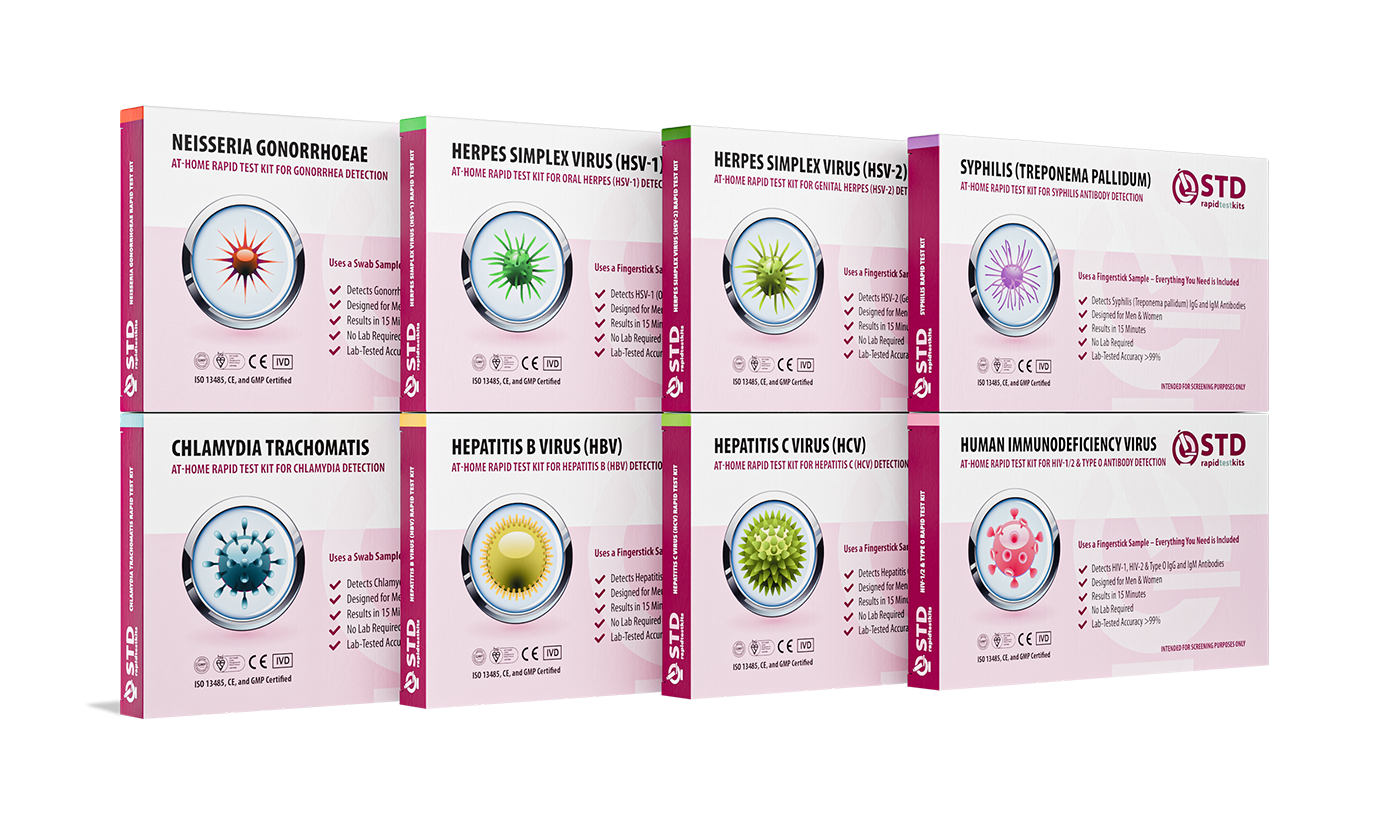
 For Men & Women
 Results in Minutes
 No Lab Needed
 Private & Discreet
Order Now $149.00 $392.00
For all 8 tests
Oral Sex, Kissing, and the Illusion of Safety
It’s easy to believe that oral sex is “safer” than vaginal or anal. And in many ways, it is, there’s less blood exposure, for one. But safer doesn’t mean safe. Oral sex is one of the most common ways herpes and HPV are transmitted between women, especially when no barriers are used.
Picture this: two women in their early 20s meet through a queer dating app. Their connection is instant, and after a few dates, they spend the night together. Neither mentions STDs, because neither thinks it's relevant. One has a small cold sore, dismissed as “just dry lips.” The other ends up with genital HSV-1 two weeks later.
Kissing, especially deep kissing, can transmit oral herpes even when there are no visible sores. Likewise, oral-to-genital contact (cunnilingus) can pass HSV-1 from mouth to vulva, or HPV strains that affect the cervix and throat. And let’s not forget about Gonorrhea, it can live in the throat and be passed during oral sex without anyone feeling sick.
Still think it’s “just kissing”? Think again.
How Clean Is That Toy? Cross-Contamination Explained
Sex toys bring pleasure, connection, and creative intimacy. But they can also bring bacteria, viruses, and parasites along for the ride if not cleaned thoroughly between uses, or between partners. A toy that moves from one body to another without being washed or covered is a known vector for infections like Trich, Chlamydia, and even Hepatitis B.
Imagine sharing a toy during a sleepover-style hookup. No condoms, no wipes, just the heat of the moment. One woman has an undiagnosed STD, maybe no symptoms, maybe mild. The other starts noticing an unusual itch a week later. Most women don’t think to test after sex toy use, and even fewer know that some clinics don’t ask about it unless you bring it up.
So how do you protect yourself? Simple doesn’t mean awkward. Use condoms over toys when switching partners. Clean thoroughly with soap and warm water, or better yet, follow the manufacturer’s disinfection guide. And if that feels like a buzzkill? Reframe it: respecting each other’s health is hot.
Here’s a helpful breakdown comparing protection methods commonly used in queer female sex, and what they actually defend against:
| Method | Protects Against Fluids? | Protects Against Skin Contact? | Effective for Queer Sex? |
|---|---|---|---|
| Dental Dam | Yes | Partially | Moderate (often not used correctly) |
| Condom on Toy | Yes | Yes (if changed between partners) | High |
| Gloves or Finger Cots | Yes | Partially | Moderate |
| No Barrier | No | No | Low |
Table 2: Barrier effectiveness during lesbian sex practices
None of this is about fear, it’s about knowledge. If you knew that using a condom on a toy could cut your risk of Trichomoniasis in half, wouldn’t you at least want that option?
And if you’ve never been told this before, you’re not alone. Most sex ed ignores lesbian, bi, and queer women entirely. That ends here.
When to Test, and How to Choose the Right Option
Maybe you’re already thinking, “I should probably test, just to be safe.” But then comes the next wave of doubt: when? What kind? How long should I wait after exposure? These are the exact questions most people ask at 2AM when they can’t sleep, scrolling symptom checkers in the dark.
Let’s start with timing. Most STD tests have a “window period”, the time between potential exposure and when the test will be accurate. Testing too early may give a false negative. Waiting too long, and you might unknowingly expose someone else.
The table below gives a cheat sheet based on common STDs relevant to women who sleep with women:
| STD | Best Time to Test | Test Type | At-Home Option? |
|---|---|---|---|
| Herpes (HSV) | 2–12 weeks post-exposure | Blood test (antibodies) or swab | Yes |
| HPV | 6+ months post-exposure | Pap smear + DNA test | Clinic only |
| Chlamydia / Gonorrhea | 7–14 days post-exposure | NAAT (urine or swab) | Yes |
| Trichomoniasis | 5–28 days | Swab or urine antigen test | Yes |
Table 3: Optimal testing timelines and at-home availability
If you're anxious and it’s only been a few days, it’s okay to test early, but understand that you may need to repeat the test at the recommended window. This is especially true for infections like herpes, which may take time to show up in blood work if it’s a new infection.
Home testing has come a long way. You can now order a comprehensive combo STD test kit that checks for Chlamydia, Gonorrhea, HIV, Syphilis, and more, without ever stepping into a clinic.
Whether you choose a test now or later, the most important thing is that you know your status. No shame. No stigma. Just self-care that centers your truth and your health.
Case Study: “We Were Monogamous. I Still Got Trich.”
Nina, 36, had been with her partner for over a year. They were exclusive, deeply connected, and shared everything, including a drawer full of toys they’d collected together. Neither had been tested since the start of their relationship because, as Nina put it, “We weren’t sleeping with men, so we figured we were good.”
But then Nina started noticing a faint smell, nothing fishy, just different. Her doctor suggested testing for Trichomoniasis, which she’d never even heard of. When it came back positive, the emotional spiral began. “I felt betrayed, but I also felt stupid,” she said. “How could I have something I didn’t even know I was at risk for?”
Turns out, Trich spreads easily between women through fluids and shared toys, especially if they’re not cleaned between use. Her partner also tested positive. There had been no cheating, just a mutual lack of awareness, fueled by silence in sex ed and the healthcare system alike.
This story isn’t rare. It’s just rarely told.

People are also reading: No Symptoms, Still Positive: What Hep C Means for You Now
Should You Retest? Here's When It Matters
Even after a negative test, you might still need to retest. This isn’t about distrust, it’s about biology. Some infections take time to become detectable, and others can recur after treatment if a partner wasn’t tested too.
If you’ve been treated for an infection like Chlamydia or Trich, most guidelines recommend retesting after 3 months. This isn’t because the meds didn’t work, it’s because reinfection is common if partners aren’t treated together. For Herpes, if your first test is negative but symptoms persist, retesting in 8 to 12 weeks may be more accurate.
Think of testing not as a single act, but as a rhythm, like an oil change or dental cleaning. It’s a small step that keeps the rest of your system running smoothly.
And when in doubt? Retest. It's never overreacting to prioritize your health.
Need a no-pressure option? STD Rapid Test Kits offers discreet delivery, clear instructions, and results in minutes. It's a safe first step when you're in limbo.
Why This Still Isn’t Common Knowledge (And Why That’s a Problem)
Let’s get real. The reason most lesbian and bi women don’t know this stuff isn’t personal, it’s systemic. Medical forms often don’t even ask about sex between women. Many providers have limited training in queer health. And sex ed? Still stuck in the binary, penetration-obsessed past.
The result is a massive information gap. Queer women aren’t warned about STDs, so they don’t test. Because they don’t test, they don’t show up in data. And because they’re not in the data, public health messaging ignores them all over again.
This invisibility feeds shame. It makes people feel like their questions are weird or their experiences invalid. But the opposite is true. Your risks are real. Your body deserves protection. Your love life deserves honest information, not gendered assumptions.
It's okay if you didn’t know this before. You do now. And now you can choose differently, for yourself, for your partner, for the community.
Check Your STD Status in Minutes
Test at Home with RemediumTrichomoniasis Test Kit
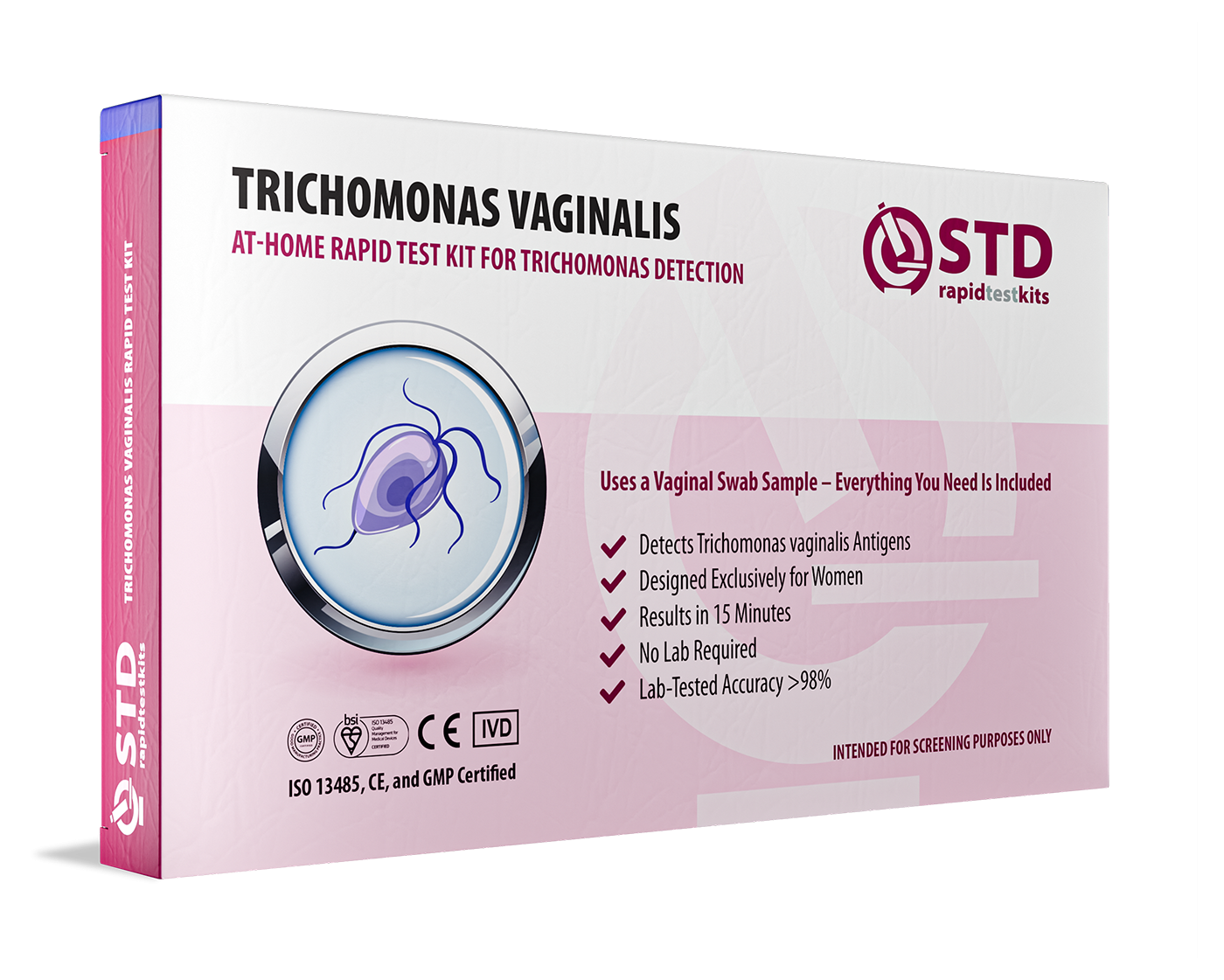
 For WomenResults in MinutesNo Lab NeededPrivate & Discreet
Order Now $33.99 $49.00
The Mental Weight of Not Knowing
There’s another layer no one talks about: the emotional toll of walking around with a silent “what if?” looping in your head. Not knowing your STD status can feel like a secret you’re keeping from yourself. Every twinge becomes a panic spiral. Every bump becomes Google doomscrolling.
For many queer women, this anxiety is compounded by stigma. “I already feel invisible as a lesbian,” one woman told us anonymously. “And then when I got herpes, I felt like I’d failed at being ‘the safe one.’”
Let that sink in. She didn’t fail. The system did. And now she’s rebuilding her confidence, one honest conversation at a time.
Testing isn't just a medical act, it's emotional self-care. It's you saying, “I matter enough to know.” If you're in that fog of doubt, take a breath. You don’t need to stay stuck there.
You can start with a simple test kit, one that treats your identity with respect. Order yours right here.
FAQs
1. Can you really get an STD just from kissing?
Yep, and it happens more often than people think. Cold sores are usually caused by HSV-1, a strain of herpes that’s super contagious, even when there’s no visible sore. One deep makeout session can be all it takes. And if someone has it in their mouth, they can pass it to your genitals during oral sex too. It’s not about fear, it’s about knowing how these viruses move.
2. We didn’t use toys or have penetration, should I still test?
If there was skin-to-skin contact, oral sex, or fingers involved, testing’s still a smart move. STDs like HPV, Herpes, and Trich don’t need penetration to spread. You don’t need a penis in the room for transmission to happen. It's your body, your call, but if you're unsure, it's better to test than to assume.
3. What’s the deal with Trich? I’d literally never heard of it until now.
You’re not alone. Trichomoniasis (or Trich) is one of the most under-discussed STDs out there. It’s caused by a tiny parasite and often spreads through fluid exchange and shared sex toys. Most people, especially women, don’t show symptoms. It’s easy to miss, easy to treat, and way too easy to pass unknowingly.
4. Can STDs pass through fingers or hands?
It’s rare, but yes, especially if there’s a cut, sore, or fluid transfer involved. If your partner has herpes and you're using fingers vaginally after touching an infected area, it’s possible. Same goes for Trich or Chlamydia, though that’s less common. Washing hands and using gloves or finger cots can reduce risk. It's not sterile surgery, but a little hygiene goes a long way.
5. Do dental dams actually work?
They do, when used right. But let’s be honest: not everyone was handed a dental dam how-to manual. They’re most effective when laid flat over the vulva or anus during oral sex, and they need to stay in place (no flipping or reusing). Some people cut up condoms or even use non-microwaveable plastic wrap in a pinch. DIY is valid, as long as you’re mindful of the material.
6. How do I know when it’s the “right time” to test?
If you’ve had any sexual contact (oral, genital, toy-sharing), it's never too early to think about testing. That said, different STDs have different window periods. For example, Chlamydia is usually detectable 7–14 days post-exposure, while Herpes might not show up on a test for 2–12 weeks. If you test early and it's negative, consider retesting later to be sure.
7. But I feel totally fine. Do I still need to test?
Yes, and this is the biggest trap people fall into. Most STDs don’t cause obvious symptoms at first (or ever). You can carry something and pass it along without knowing. Think of testing like brushing your teeth, you don’t wait for a cavity before you do it.
8. What if I test positive? Will I have to tell every partner I’ve ever had?
No one’s asking for a full sexual resume. But it’s important to tell anyone you’ve been with recently, especially if there’s a chance they were exposed. There are even anonymous tools to help notify partners without awkward convos. Testing positive doesn’t make you dirty. It means you're human, and you’re handling it.
9. Is it okay for me to use an at-home test even if I'm in a relationship with someone of the same sex?
Most test kits, like this combo STD kit, don’t care who your partner is. They check for the presence of infections, not the gender of your last hookup. The best part? You can test in your own space, no clinic visit required.
10. I’m scared to find out. What if testing ruins my relationship?
Real talk: not knowing does more damage in the long run. Silence breeds shame, and shame kills intimacy. Testing doesn’t mean you don’t trust your partner, it means you value honesty, care, and health. If someone can’t respect that, the test result isn’t the only red flag you should be watching.
You Deserve Answers, Not Assumptions
Being queer doesn’t make you immune. It makes you powerful, and that power includes the ability to know your health, protect your body, and break cycles of silence. If no one taught you how to have this conversation, you’re not alone. But now, you have the language. You have the data. And you have options that respect your identity without requiring you to explain it.
Don’t wait for symptoms. Don’t wait for fear. Choose clarity on your terms. This at-home combo test kit was designed for people like you, smart, cautious, and done with guessing games.
How We Sourced This Article: We combined current guidance from leading medical organizations with peer-reviewed research and lived-experience reporting to make this guide practical, compassionate, and accurate.
Sources
1. CDC: Genital Herpes – STD Fact Sheet
2. NHS: Sexually Transmitted Infections (STIs)
3. Women Who Have Sex with Women (WSW) – CDC
4. Health issues for lesbians and other women who have sex with women – Mayo Clinic
5. Sexual health for lesbian and bisexual women – NHS
6. About Sexually Transmitted Infections (STIs) – CDC
7. Sexually Transmitted Infections (STIs) – WHO
8. Sexually Transmitted Diseases and Women Who Have Sex with Women – NCBI
9. Likely Female-to-Female Sexual Transmission of HIV – CDC
10. Women Who Have Sex with Women – STI Guidelines Australia
About the Author
Dr. F. David, MD is a board-certified infectious disease specialist focused on STI prevention, diagnosis, and treatment. He blends clinical precision with a no-nonsense, sex-positive approach and is committed to expanding access for readers in both urban and off-grid settings.
Reviewed by: A. Velasquez, RN, MPH | Last medically reviewed: December 2025
This article is for informational purposes and does not replace medical advice.


