





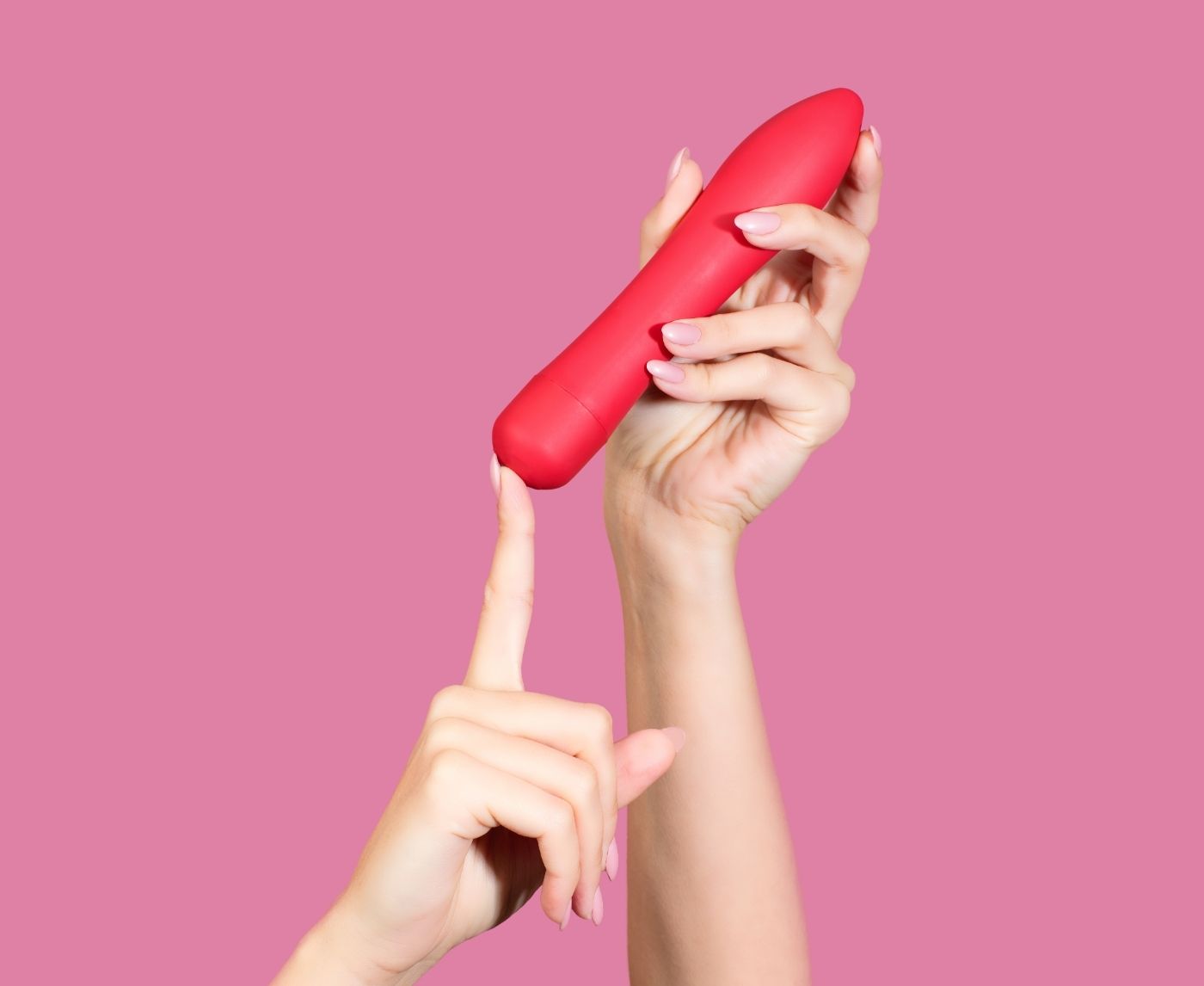

Quick Answer: Yes, you can get an STD from a shared sex toy, especially if it wasn’t cleaned properly or used soon after another person. Infections like herpes, chlamydia, HPV, gonorrhea, and BV can survive on toys and be transferred during use.
How STDs Spread Through Sex Toys
Here’s what most people don’t realize: your body doesn’t care if something was flesh or silicone. If a toy comes in contact with infected fluids or skin, and then gets used on someone else, it’s a transmission route, not a loophole.
The key factors that determine risk:
- What kind of toy was used (porous vs non-porous material)
- How long between uses (STDs can live for hours on some surfaces)
- Whether it was washed, sanitized, or protected with a condom
- The type of contact (vaginal, anal, oral, each carries different risk)
STDs like chlamydia and gonorrhea can live in fluid residue. HPV and herpes can be passed through skin-to-skin contact, even if there’s no visible sore. BV and yeast infections aren’t technically STDs, but they absolutely can transfer if the toy disrupts your vaginal flora. If the toy was used without protection, and especially if it wasn’t cleaned in between partners, your risk of exposure is real.
People are also reading: Super Gonorrhea Is Spreading. Are You at Risk?
Which STDs Can Survive on Toys?
Let’s break it down by infection type and survival potential:
Herpes (HSV-1 or HSV-2): This virus can survive on surfaces for hours, especially in warm, moist environments. If a toy touched an active outbreak, even microscopic, you could be exposed.
Chlamydia and Gonorrhea: These bacteria are fragile outside the body but can survive long enough to transmit through immediate or near-immediate toy reuse, especially if internal fluids are present.
HPV: The virus behind genital warts and cervical cancer doesn’t need visible symptoms to spread. It lives on skin and can cling to toys if not disinfected.
HIV: Transmission via toys is extremely rare but theoretically possible with fresh blood or semen in high volumes and immediate use. Anal toys pose the highest risk if blood exposure is involved.
Trichomoniasis: This parasite can be passed via vaginal fluids and is often asymptomatic. It survives better on moist surfaces than many bacteria.
BV and Yeast Infections: Again, not STDs, but they can absolutely transfer between bodies and create discomfort, odor, and recurring infections after shared toy use.
Types of Toys and Their Risk Levels
Not all toys carry the same risk. Material and usage matter more than most people think.
High-Risk Toys
- Anal plugs, beads, or dildos with no condom use
- Vaginal dildos, especially silicone, jelly, or rubber toys (porous)
- Toys used on multiple partners without washing in between
Moderate Risk
- Non-porous materials like stainless steel or hard plastic (if uncleaned)
- Toys used externally but rubbed on mucous membranes (labia, anus)
Lower Risk
- Toys used with condoms and changed between partners
- Toys sanitized thoroughly with antibacterial or antiviral cleaners
Important: “Wiping it off” isn’t cleaning. Many infections require proper disinfection to be killed, not just a rinse or towel dry.
Symptoms to Watch For After Shared Toy Exposure
If your partner used a toy on someone else and then on you, without cleaning or protection, you’re at risk. But not all STDs show symptoms right away. Some never do.
Here’s what to look out for in the days or weeks after exposure:
- Itching or burning in the vagina, anus, or penis
- Unusual discharge (color, smell, or texture changes)
- Sores, bumps, or blisters near the genitals
- Pain during urination or sex
- Lower abdominal or pelvic discomfort
- Irregular vaginal bleeding or spotting
- Strong or “fishy” odor (often signals BV or trich)
That said, over 70% of people with STDs have no symptoms. The only way to know for sure if you’ve been exposed is to get tested.
Check Your STD Status in Minutes
Test at Home with Remedium7-in-1 STD Test Kit

 For Men & Women
 Results in Minutes
 No Lab Needed
 Private & Discreet
Order Now $129.00 $343.00
For all 7 tests
When to Get Tested (And What to Test For)
The waiting game is real. But timing your STD tests correctly increases accuracy.
Recommended STD testing windows after toy exposure:
- Chlamydia & Gonorrhea: 1–2 weeks
- Trichomoniasis: 1 week
- HIV: 2–4 weeks for early detection; 3 months for conclusive results
- Syphilis: 3–6 weeks
- Herpes (HSV): Antibody tests may take 4–6 weeks to detect
If you’re experiencing symptoms, don’t wait. Get tested immediately, then follow up if needed.
Best option: Use an at-home STD test kit that screens for multiple infections. It’s fast, private, and doesn’t require a clinic visit.
When It’s Not Just About the Infection
This isn’t just about STDs. It’s about trust, consent, and boundaries. For many people, finding out a partner used a toy with someone else feels like a violation, even if there was no intercourse involved.
Why it matters:
- Toys carry intimate memories and associations
- Consent for use is specific, it doesn’t automatically extend to others
- Non-monogamous doesn’t mean non-consensual
- Health risks get compounded when safety isn’t discussed or honored
Whether you define it as cheating or boundary-crossing, your reaction is valid. And it’s okay to feel angry, confused, unsafe, or betrayed.
How to Talk to Your Partner (Without Losing Yourself)
You have every right to ask questions and expect honesty. Here’s how to approach it:
- Start with curiosity, not accusation: “I need to ask something important. Was that toy ever used with someone else?”
- Be clear about what matters to you: “When we share sex toys, I expect that they're only for us, or cleaned properly if that changes.”
- If they’re defensive or dismissive: “This isn’t just about jealousy. It’s about my health and trust. I need to know what I’ve been exposed to.”
And if they admit it happened? You get to decide your next move, whether that’s testing, breaking up, redefining boundaries, or rebuilding trust. What matters is that your body and emotions aren’t treated as collateral damage.
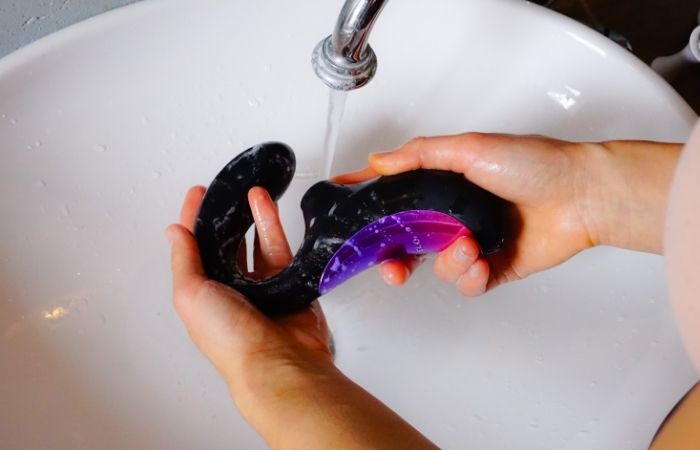
How to Properly Clean Sex Toys (It’s More Than Soap and Water)
If a toy was used on another person, you need to treat it like it’s been exposed to bacteria, viruses, and bodily fluids. Cleaning it isn’t optional, it’s protection.
First, know your material
Porous toys (jelly, rubber, PVC): Can’t be fully sanitized. If one of these was shared, you may want to toss it.
Non-porous toys (silicone, glass, stainless steel): Can be disinfected with heat or chemical solutions
Second, know how to clean them
- Use warm water + antibacterial soap for a basic clean
- For non-porous toys, boil for 3–5 minutes if safe for material
- Use 10% bleach solution for disinfecting (rinse thoroughly)
- Apply toy-safe disinfectant spray (look for virucidal claims)
- Avoid cross-contamination by cleaning between orifices and partners
And never forget: condoms on toys = game changer. Especially when sharing or switching between people. Just remove and replace between uses.
People are also reading: Home vs. Clinic STD Testing: Which is Better for Your Health?
The Risk of Reinfection (Even After You’re Treated)
Here’s something most people miss: even if you treat an STD, reusing the same contaminated toy can reinfect you.
Common scenarios
Treating BV or trich, but using the same unwashed toy afterward
You test clean, partner doesn’t, and the toy acts as a carrier
A herpes outbreak heals, but toy wasn’t disinfected after flare
This is especially common with BV and trichomoniasis, where recurring symptoms feel like “bad luck” but are often toy-related.
BV, Yeast, and Trich: The Hidden Spreaders
Not every post-toy issue is an STD, but it can still wreck your vaginal balance.
- Bacterial Vaginosis (BV): Caused by disruption of healthy flora. Toys shared without cleaning can introduce unfamiliar bacteria that throw off your pH.
- Yeast Infections: Transmissible, especially when using toys back-to-back between partners or switching between vaginal and anal play.
- Trichomoniasis: A parasitic infection that’s highly underdiagnosed and easily spread by moist surfaces like toys and hands.
If you're suddenly dealing with itching, odor, or weird discharge after toy exposure, don't just reach for yeast cream. Get tested for all three.
Protecting Yourself Moving Forward
This isn’t just about what happened. It’s about what happens next.
Your safety checklist
- Get tested for STDs within the proper windows
- Replace or disinfect any shared toys
- Use condoms or barriers on toys, especially if you share
- Don’t switch from anus to vagina without cleaning in between
- Have clear agreements around toy use in open or monogamous dynamics
And if you’re not okay with how the toy was used? That’s valid. What you allow in your sex life should be based on trust, respect, and enthusiastic consent.
Check Your STD Status in Minutes
Test at Home with Remedium3-in-1 STD Test Kit
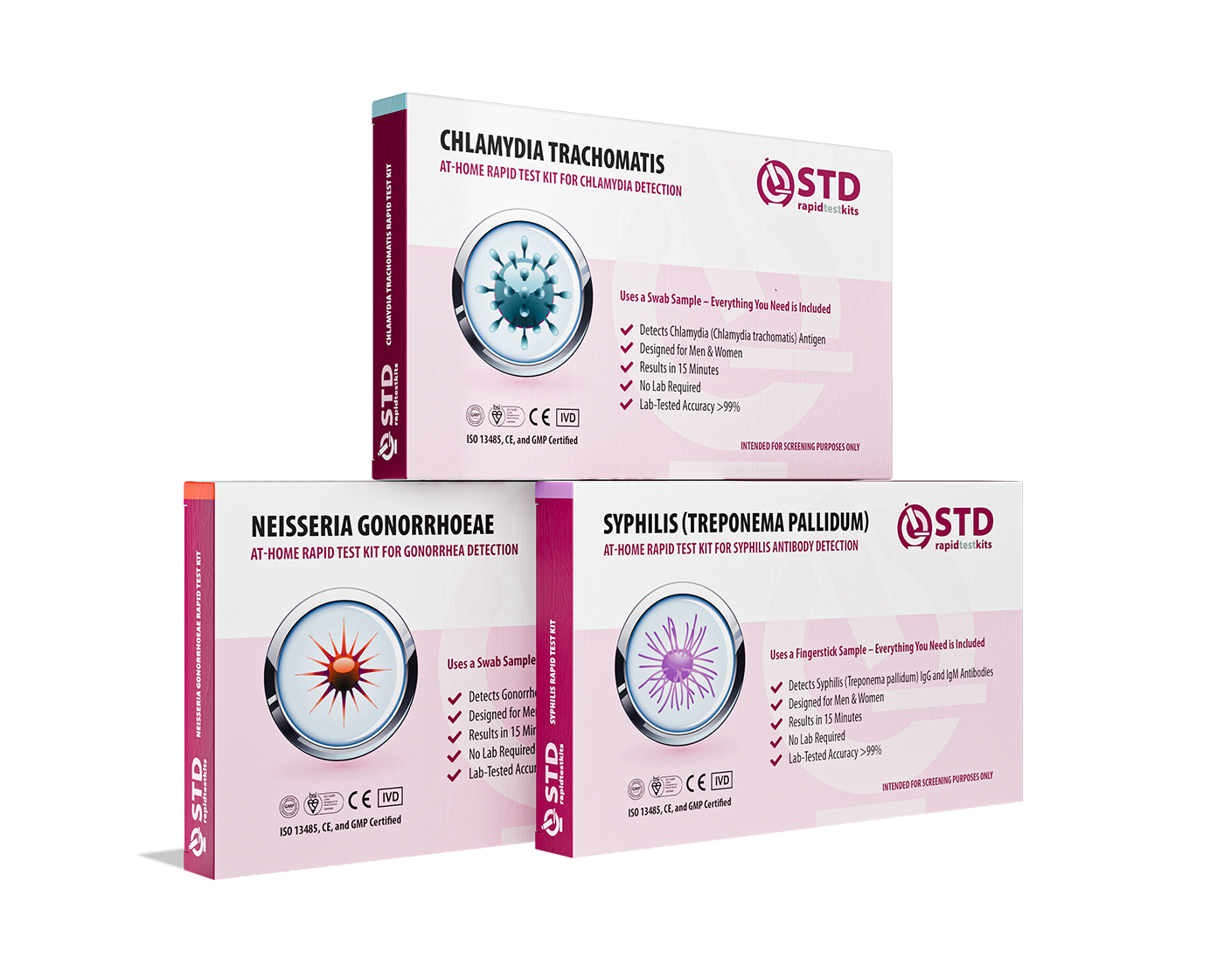 For Men & WomenResults in MinutesNo Lab NeededPrivate & Discreet
Order Now $69.00 $147.00
For all 3 tests
FAQs
1. Can I get an STD from a toy my partner used on someone else?
Yes. STDs like herpes, chlamydia, gonorrhea, HPV, and trichomoniasis can survive on toys, especially if unwashed or used soon after another person.
2. How long can STDs live on a sex toy?
It varies. Herpes can last hours on moist surfaces, while bacteria like chlamydia and gonorrhea may survive minutes to hours. Porous toys hold fluids longer.
3. What if the toy was used externally, not inside?
There’s still risk. Skin-to-skin infections like herpes and HPV can transmit through external contact. Shared lube or surface residue can also be a factor.
4. Should I throw the toy out?
If it's porous (rubber, jelly, or PVC), yes. These materials can't be fully disinfected. Non-porous toys can be sanitized or boiled depending on material.
5. Is it cheating if they used a toy on someone else?
That’s subjective, but many people consider it a boundary violation. If there was no consent or conversation beforehand, your feelings are valid.
6. How soon should I get tested?
Start testing at 1–2 weeks for common bacterial STDs, and again at 3 months for full screening (including HIV and syphilis). Test sooner if you have symptoms.
7. Can toys spread bacterial vaginosis or yeast infections?
Yes. Shared toys can introduce new bacteria or yeast, especially if not cleaned. These aren’t technically STDs, but they can be passed between bodies.
8. Can I disinfect a toy with alcohol or bleach?
Bleach works better than alcohol for viruses and parasites. Use a 10% bleach solution, rinse thoroughly, and air dry. Check the material’s care guide first.
9. Do I need to test even if I feel fine?
Yes. Most STDs are asymptomatic. If a shared toy was used without cleaning, you should test, whether or not you have symptoms.
10. What’s the safest way to share toys in the future?
Use condoms on toys and change them between partners or holes. Clean thoroughly after each use, and never switch from anal to vaginal without sanitizing.
Take Control, Reclaim Safety
Your body isn’t dirty. Your concerns aren’t dramatic. If someone crossed a boundary with your sex toy, it’s not just a physical risk, it’s emotional fallout too. But you are not powerless. You can test, clean, set new rules, and move forward. When in doubt, test it out. Whether for peace of mind or your next partner’s safety, testing is the most powerful way to reset your sexual health.
Sources
1. Everything You Need to Know About Sex Toys and STIs – Healthline
2. What’s Mine Is Yours: A Guide to STIs and Sharing Sex Toys – Lioness
3. STD Risks from Shared Sex Toys: What You Need to Know – Hope Across the Globe
4. Sex Toy Safety – Barrier Use & Sharing Guidelines – LGBTQIA Midwest
5. How to Clean Your Sex Toys Without Damaging Them – Allure


