







Quick Answer: Using a condom on your sex toy reduces the risk of spreading infections like herpes, HPV, and chlamydia, especially if toys are shared or used between different body parts. Even with cleaning, wrapping adds a critical layer of protection.
This Isn’t Just About “Clean”, It’s About What Cleaning Misses
Most people think washing their toys is enough. And yes, warm water and unscented soap are crucial. But here’s the kicker: even freshly cleaned toys can carry infectious cells. Think biofilms, tiny bacterial colonies that cling to surfaces and resist basic cleaning. Think micro-scratches in silicone where viruses like HPV can hide. Think dried fluids you missed around the base or handle.
Imagine this: You’re using a high-end vibrator. You rinse it off in the sink before and after. But in the rush, you miss a spot. Later, your partner uses it vaginally, and two weeks after, they test positive for chlamydia. No one cheated. No one lied. The toy just carried the bacteria across time, skin, and good intentions. That’s how infections get passed in situations most people think are “safe.”
Even medical-grade silicone, often marketed as non-porous, can harbor pathogens if not sterilized properly. And not all toys are boil-safe. You might think your toy is clean because it looks clean. But if you’re not using a barrier, you’re trusting your health to invisible risks.
How STDs Can Spread Through Sex Toys
Yes, you can get an STD from a dildo, butt plug, or vibrator. It doesn’t matter if you’re monogamous, same-sex, or only using toys solo. If there’s skin contact, fluid transfer, or use between partners, or even between vaginal and anal play, there’s a transmission window.
Many STDs don’t require ejaculation or deep penetration to spread. Herpes, for instance, spreads through skin-to-skin contact. HPV can linger on surfaces. Chlamydia and gonorrhea can be transferred through trace amounts of genital secretions, amounts far too small to see, but plenty enough to cause infection.
| STD | Can It Spread via Toys? | Survival on Surfaces | Key Risk Scenario |
|---|---|---|---|
| Herpes | Yes | Minutes to hours | Skin contact or reused toy during outbreak |
| HPV | Yes | Up to 7 days on surfaces | Unwrapped toy used between partners |
| Chlamydia | Yes | Short-lived but transferable | Vaginal fluid on dildo, shared use |
| Gonorrhea | Yes | Up to several hours | Anal-to-vaginal toy use |
| Trichomoniasis | Possibly | Several hours in moist environments | Shared toy with lingering moisture |
Figure 1: STDs that can be transmitted via sex toys, how long they survive, and real-world risks.
And no, these aren’t just scare tactics. The CDC acknowledges that sexual devices can serve as vectors for STI transmission, especially when toys are shared or not disinfected thoroughly between uses. CDC treatment guidelines mention sex toys explicitly for pathogens like chlamydia and gonorrhea.
People are aslo reading: Heat Rash or Herpes? How to Tell the Difference Fast
Cleaning Helps, But Wrapping Seals the Deal
Let’s say you do wash your toy. You use unscented soap, dry it, maybe even store it in a satin pouch. You’re ahead of the curve. But here’s the problem: unless you’re boiling that toy after every use (and most people aren’t), trace pathogens can remain. And when it comes to anal play, even boiling may not remove everything, especially with porous materials.
Now picture this instead: You cover the toy with a condom. You use it. Afterward, you remove the condom, toss it, and then clean the toy as usual. That one extra step just blocked direct contact with any skin, mucus, or fluid. It blocked transmission.
This matters even more when toys are used for both vaginal and anal sex. The bacteria that naturally live in the anus, like E. coli, can cause serious infections if introduced to the vagina. Even solo users can cross-contaminate if they switch between sites without protection.
In shared scenarios, wrapping becomes critical. One toy, two bodies, and no condom? That’s like sharing a toothbrush after a strep diagnosis. You wouldn’t do it. But with toys, the stigma-free message hasn’t caught up yet. That’s what this article, and the sex educators who advocate for wrapping, are trying to change.
Check Your STD Status in Minutes
Test at Home with Remedium8-in-1 STD Test Kit
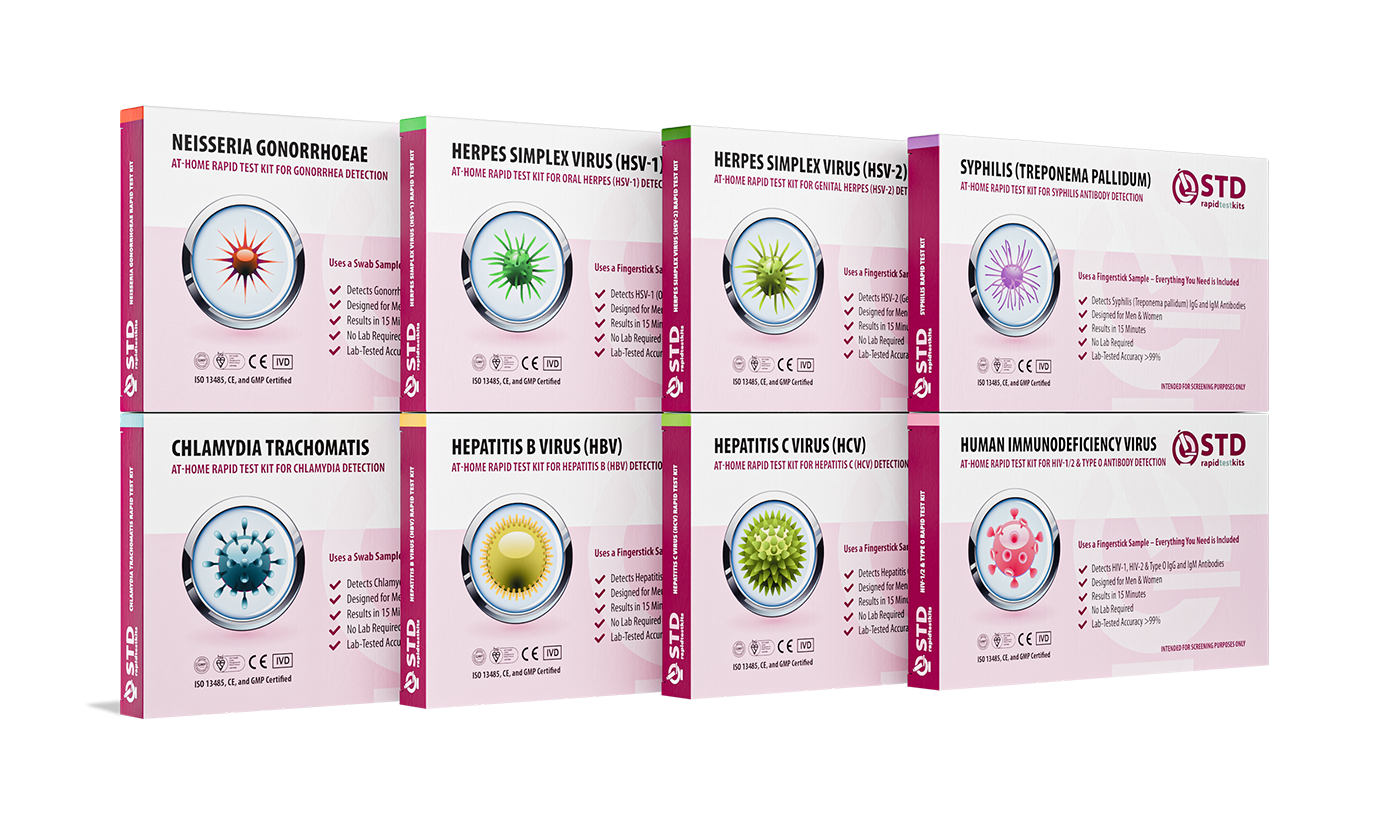
 For Men & Women
 Results in Minutes
 No Lab Needed
 Private & Discreet
Order Now $149.00 $392.00
For all 8 tests
Case Study: “I Thought It Was Just Us. Then My Partner Got Tested.”
Andre, 27, had been in a monogamous queer relationship for nearly a year. He and his partner used a shared set of anal toys, cleaned between uses, but never wrapped. “We figured, it’s just us. We’re careful. We don’t sleep around,” Andre recalls.
Things changed when his partner started experiencing discomfort during bowel movements and unusual discharge. A visit to a clinic confirmed a gonorrhea infection. Andre tested positive too, despite not having penetrative sex outside the relationship. “That was the first time I learned you could get STDs through toys. We felt betrayed, not by each other, but by what we didn’t know.”
The couple hadn’t lied or cheated. They had just skipped the condom step, assuming cleaning was enough. This is the emotional damage STIs can bring, not just in health, but in trust. But it’s also what makes awareness so powerful: knowing better, doing better, and protecting your partners the way you’d want to be protected.
The Condom Isn’t a Mood Killer, It’s a Game-Changer
There’s a myth that putting a condom on a toy kills the mood. That it makes things too “clinical” or breaks the fantasy. In reality, wrapping a toy can enhance pleasure. It makes transitions between partners smoother, reduces the friction of worry, and adds a mental layer of safety that can actually make people more relaxed and aroused.
Some toys, even premium ones, can’t be sanitized the way you’d want. Textured toys, realistic dildos with folds and ridges, double-ended toys, or ones with electronic parts that can't get wet. These all benefit from barrier protection. With a condom, you're not just protecting yourself, you’re extending the life of your toy and lowering your long-term maintenance.
And if you’re thinking, “But I’m the only one using it!”, consider this: your vaginal and rectal microbiomes are different. What’s harmless in one can be disruptive in the other. A yeast infection, for example, can be triggered by introducing anal flora to the vaginal canal. That’s why some people wrap their toy, use it anally, then switch to a fresh condom for vaginal play, even during solo sessions.
Material Matters: Not All Toys Are Created Equal
Let’s get technical for a moment. Sex toys come in all kinds of materials, silicone, glass, rubber, jelly, metal, and ABS plastic. But not all of them are safe for unwrapped use. A lot of cheaper toys are made with porous materials, which means they can hold bacteria in tiny holes, even if they look smooth.
Jelly rubber and PVC toys are especially risky. They often contain phthalates, degrade over time, and can absorb fluids that you can’t scrub out. These are the toys most vulnerable to becoming infection vectors. And unfortunately, many of them are still sold widely and marketed as body-safe.
Even “non-porous” toys like silicone need scrutiny. Unless it’s 100% medical-grade silicone, it can degrade over time or with improper storage. Adding a condom provides an additional barrier against both infection and degradation. It’s like wearing socks in new boots, you don’t have to, but it’s going to make the whole experience safer and more comfortable.
| Material | Porous? | Condom Recommended? | Notes |
|---|---|---|---|
| Medical-grade silicone | No | Yes | Non-porous, but wrapping adds safety for sharing or anal use |
| Jelly rubber | Yes | Always | Highly porous, degrades with time and cleaning |
| Glass | No | Optional | Easy to sanitize, but wrap for shared use |
| ABS Plastic | No | Yes | Non-porous, but surface wear over time warrants protection |
| Latex or PVC | Yes | Always | Can absorb fluids; linked to irritation and allergenic reactions |
Figure 2: Common sex toy materials, their porosity, and whether condoms are recommended for safe use.
How to Choose and Use the Right Condom for Your Toy
Not every condom is toy-safe, and not every toy is condom-friendly. If your toy is silicone, don’t use a silicone-based lube, it can degrade the material. For those toys, water-based or hybrid lubes are best. As for condoms, most standard latex condoms work fine for average-sized toys. But if your toy is girthy, opt for extra-large or non-latex versions that stretch more without breaking.
Here’s a common scenario: you're in the moment, things are heating up, and you grab a toy. Instead of fumbling, have a few condoms pre-cut at the tip (if needed) and stored with your toys. That way, protection is always within reach. Slip it on just like you would on a penis. Smooth out air bubbles to prevent tearing. After use, slide it off, dispose of it, and then clean the toy like normal.
Also, condoms don’t dull sensation the way people fear. In fact, some people say it helps ease discomfort with harder or textured toys, and makes clean-up easier. If you’ve ever hesitated to use toys during your period or post-partum, wrapping can give you the confidence to reintroduce pleasure without mess or anxiety.
Yes, Even Solo Play Can Spread Something
Many readers assume that if no one else is involved, the risk is zero. But infections don’t always need a second person. If you’ve had an STD before, like herpes or HPV, you can auto-inoculate, meaning you can reinfect yourself between different parts of your body. A toy used during an outbreak can carry viral material and transfer it from genital to anal regions, or vice versa. It’s not common, but it happens.
Let’s say you’re masturbating with a wand vibrator during an outbreak of genital herpes. You clean the toy and use it again a few days later, except now, the outbreak is healing and you think you’re in the clear. What you don’t know is that viral shedding continues even after visible sores fade. A reused toy without a barrier might just restart the cycle or spread it elsewhere.
And for people who menstruate, there’s an added layer: open microabrasions in vaginal tissue can increase susceptibility to HIV and other infections. That’s why educators stress protective barriers not just for who you’re with, but for your own safety, regardless of company.
Queer, Non-Penetrative, or AFAB? The Risk Still Exists
STI education has long been centered around cisgender, heterosexual intercourse. But risk doesn’t vanish when penises do. Queer sex, mutual masturbation, oral toy use, and anything involving shared surfaces or fluids can still spread infections.
Jay, 31, identifies as nonbinary and uses toys regularly with their partner. “We assumed there was no risk. We didn’t have PIV sex. We shared a harness and silicone dildo. A year in, I started having pelvic pain and discharge.” Testing revealed trichomoniasis, which neither had been tested for before. “We never thought toys could carry something between us. No one told us that in school. Not even the clinic nurse when we asked.”
This erasure is part of the problem. People outside the cis-hetero script aren’t getting the full picture, and they’re often excluded from both research and public health messaging. That’s why so many queer and gender-diverse educators are stepping in, loudly saying: wrap your toys. Because the risk doesn’t care about your label. It just needs a host, a surface, and a lack of awareness.

People are aslo reading: Tested Positive, Still a Virgin? You’re Not Alone
Boiling, Bleaching, or Wrapping? Here’s What Actually Works
If you’re wondering whether you can skip condoms if you clean well enough, let’s talk science. Yes, some materials can be sterilized. Glass and stainless steel can be boiled. Medical-grade silicone can be placed in the top rack of a dishwasher, without soap. But not all toys tolerate high heat. Many will melt, crack, or degrade.
Bleach soaks? Risky. You’d need a very precise dilution, long soak time, and thorough rinsing. Even then, bleach doesn’t remove all organic matter and can irritate sensitive tissues if residue remains. UV sterilizers? Great for killing some bacteria, less proven against viruses like HPV.
That’s why condoms are the most accessible and foolproof option. They provide a direct, disposable barrier. No heat. No waiting. No guesswork. For under a dollar per use, you’re massively reducing the chance of transmitting or contracting something that could affect your health, your sex life, or your partner’s trust.
| Method | Effectiveness | Limitations | Recommended? |
|---|---|---|---|
| Boiling | High (for non-porous toys) | Can melt cheaper toys, not for toys with motors | Yes, when safe for material |
| Bleach Soak | Moderate | Skin irritation, residue, not virus-proof | Only as last resort |
| Soap and Water | Moderate | Misses microfilms, ineffective for viral particles | Good baseline, not sufficient alone |
| UV Sterilizer | Moderate | Limited virus testing, expensive | Optional supplement |
| Condom | High | May slip if incorrect size or wrong lube used | Strongly recommended |
Figure 3: Methods of sex toy sanitation, with pros, limitations, and safety grading.
Order Now $129.00 $343.00 Check Your STD Status in Minutes
Test at Home with Remedium
7-in-1 STD Test Kit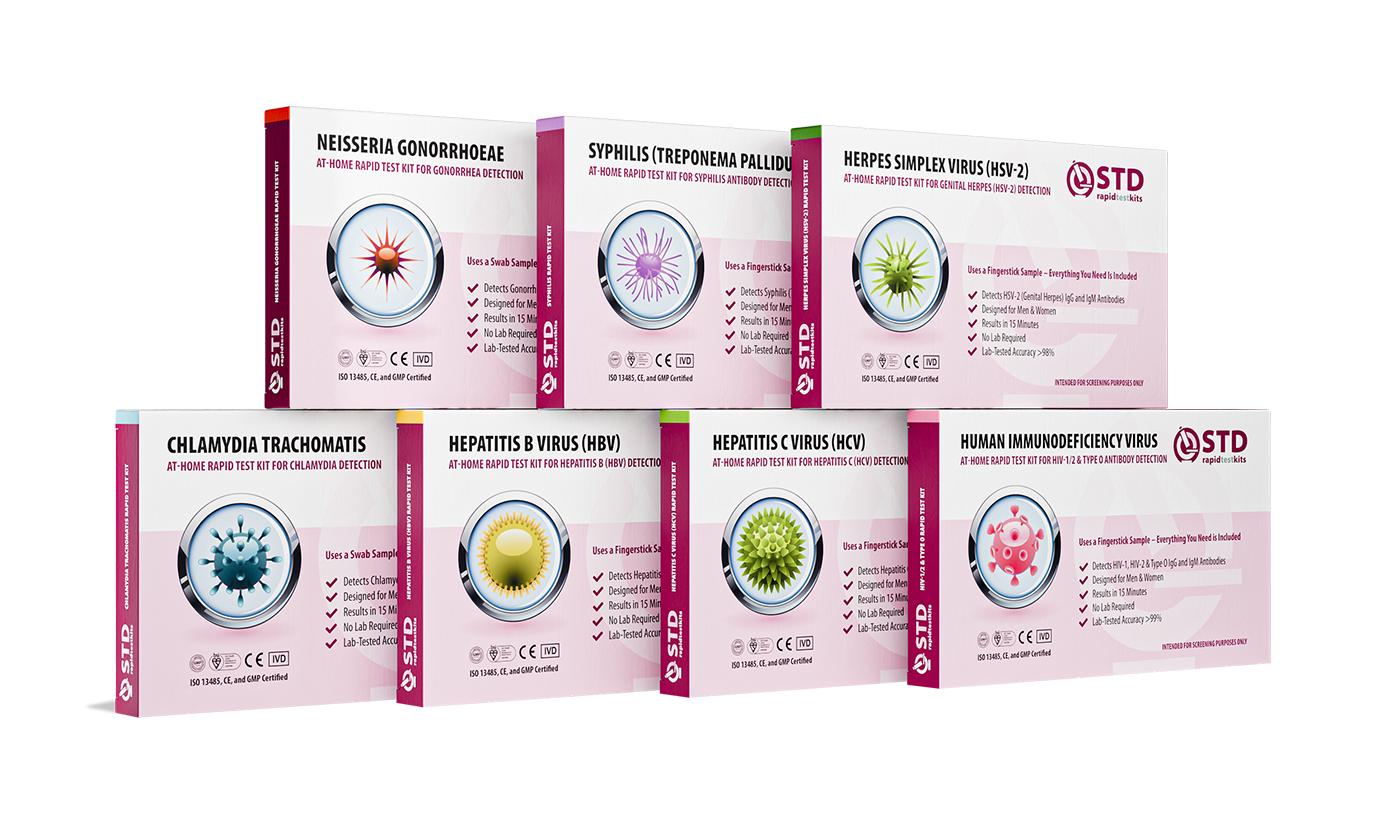 For Men & WomenResults in MinutesNo Lab NeededPrivate & Discreet
For all 7 tests
“But I Got Tested”, Why That Doesn’t Eliminate Toy Risk
Many people fall into a false sense of security after testing negative. But tests have window periods, times between exposure and detection when the virus or bacteria might be present but undetectable. So if your partner tested last week, and they picked something up two days ago, your toy session today could still carry risk.
And not all STDs are part of standard panels. Trichomoniasis, for instance, is often left out unless specifically requested. Same with oral gonorrhea or rectal chlamydia. If your partner says they’re “clean,” they might just be unaware. Testing is vital, yes, but so is prevention.
That’s where wrapping steps in. It doesn’t replace communication, but it adds a safety net beneath it. Think of it like wearing a seatbelt even though you're a good driver. It’s not about distrust. It’s about reality: infections don’t need intent to spread. They just need opportunity. A wrapped toy reduces that window, every time.
FAQs
1. Can a toy give you an STD?
Yes, especially if you're sharing it or switching between body parts without protection. Bacteria and viruses like chlamydia, HPV, and herpes can hitch a ride if there is contact with fluid or skin. It's not about being "dirty"; it's just how biology works.
2. But I clean my toys, doesn’t that kill everything?
Cleaning helps, for sure. But unless you’re boiling your toy every time (and it’s actually boil-safe), you’re probably not killing everything. Some STDs, like HPV, can live on surfaces for days. A quick rinse with soap and water might make it look clean, but that doesn’t mean it’s risk-free.
3. Do I need to wrap toys if it’s just me using them?
If you’re only using the toy vaginally or only anally, and you’re not switching between sites, you’re probably fine. But if you're moving between anus and vagina, even in a solo session, wrapping is smart. Why? Because cross-contaminating your own microbiome can cause infections like BV or UTIs, even without an STD in the mix.
4. Isn’t this just for queer folks or group play?
Not at all. Toy safety applies to everyone. Solo players, couples, long-term monogamous partners, STDs and bacterial infections don’t care about your relationship status. Plenty of people in “closed” relationships pass things unknowingly because no one thought to cover a dildo before switching partners.
5. Okay, but does a condom change how the toy feels?
Surprisingly, most people say no, and some say it actually makes it smoother. It can cut down on friction, reduce that cold-to-skin feeling, and make cleanup way easier. Plus, the mental peace of knowing you’re being safe can free up your brain to focus on, you know, the fun part.
6. What’s the worst that can happen if I don’t use one?
Worst-case? You or your partner could end up with an infection like gonorrhea, trich, or even a recurrent herpes flare. But also, the emotional side, feeling confused, betrayed, or embarrassed when symptoms pop up and you have no idea why. It’s not just about health, it’s about protecting trust.
7. How do I actually put a condom on a toy?
Just like you would on a penis: pinch the tip (or snip it if it’s not needed), roll it down slowly, and make sure it fits snugly. Use lube if needed to prevent breakage, especially on girthier or textured toys. After you’re done, slide it off and toss it. Boom, safe and simple.
8. What if the condom breaks during play?
It happens. If it tears mid-use, stop, switch to a new one, and rinse the toy off just to be safe. If you might have come into contact with bodily fluids, you should think about getting tested, especially if you shared them or used them during an outbreak. No shame, just be proactive.
9. Are some toys riskier than others?
Yes. Textured, porous, or cheaper toys (like those made of jelly rubber or PVC) are harder to clean and more likely to trap bacteria. If you’re using anything porous, or anything you can't sterilize fully, wrapping becomes even more important. It’s like putting a case on your phone: protection just makes sense.
10. Is this overkill for people in monogamous relationships?
Not at all. Even in long-term relationships, bacterial infections can get passed through shared toys. And not everyone gets regularly screened for everything, like trich or HPV. Wrapping isn’t about mistrust. It's about taking care of each other and keeping the fun space you've made safe.
You Deserve Safe Pleasure, Not Silent Risks
Wrapping your toy isn't a sign of paranoia; it's a sign that you know what you're doing. It’s about knowing that your body deserves protection, your partners deserve trust, and your pleasure doesn’t have to come with uncertainty.
Safety shouldn't be an afterthought, whether you're trying something new or sticking with what you know works. It should be part of the ritual. Part of the care. Part of how we respect ourselves and each other in and out of the bedroom.
Don’t wait to learn the hard way. This at-home combo test kit checks for the most common STDs discreetly and quickly, because peace of mind is part of pleasure too.
How We Sourced This Article: We used the most up-to-date advice from top medical groups, peer-reviewed research, and reports from people who have lived through the issues we cover to make this guide useful, kind, and correct.
Sources
1. CDC – 2021 STD Treatment Guidelines
2. Planned Parenthood – Safer Sex Practices
3. How effective are condoms at preventing STIs and HIV?
4. CDC Sexually Transmitted Infections Treatment Guidelines, 2021
5. CDC — The Lowdown on How to Prevent STDs
6. NHS — Sex activities and risk
7. Australian Government — Prevention of sexually transmissible infections
8. Sexually Transmitted Diseases Treatment Guidelines, 2015 (PMC article)
9. Healthline — Everything You Need to Know About Sex Toys and STIs
10. EndingHIV.org.au — Can STIs be transmitted via sex toys?
About the Author
Dr. F. David, MD is a board-certified infectious disease specialist focused on STI prevention, diagnosis, and treatment. He blends clinical precision with a no-nonsense, sex-positive approach and is committed to expanding access for readers in both urban and off-grid settings.
Reviewed by: Hannah Lee, RN, MPH | Last medically reviewed: November 2025
This article is for informational purposes and does not replace medical advice.


