
Published: September 2025 | Last updated: May 2026 | Editorial review and quality control: Martina N.
Is it yeast, or could it be trich?
If antifungal cream stops working within days or barely helps, that points away from yeast. Yeast discharge is thick and white; trich tends to be thinner, yellow to greenish, sometimes frothy. Ask your provider for a NAAT test for trichomoniasis by name.
You treated what looked like a yeast infection. The cream worked for a few days, then the itching came back. The discharge looked off, maybe thinner than usual, maybe with a faintly metallic edge. Your provider wrote another script. A month later, you are back where you started.
Most of the time, recurring vaginal discharge changes turn out to be ordinary yeast or BV, both common and both treatable with standard medication. If antifungal cream resolves your symptoms completely and they stay gone, that is probably what you had, and you do not need to worry about what follows.
But if that cycle of treat-improve-relapse sounds familiar, the problem might not be yeast at all. Trichomoniasis ("trich") is the most common curable non-viral STI in the United States, with more than 2 million infections estimated in 2018 by the CDC, and one of the most consistently misdiagnosed. It mimics yeast and bacterial vaginosis (BV) closely enough that providers, and patients, regularly chalk it up to recurrent yeast and miss the actual cause.
This article walks through why that happens, what trich looks and feels like in women and in men, how testing works (including at-home rapid trich test options), and what to do when symptoms keep coming back. The aim is to give you the language to ask for the right test, whether you walk into a clinic or order one yourself.
Key Takeaways
- Trichomoniasis causes more annual U.S. infections than gonorrhea (more than 2 million in 2018, per the CDC), yet about 7 in 10 people who have it report no symptoms at all.
- Standard STI panels often exclude trich unless you ask for it. If yeast or BV treatment keeps failing, request a NAAT test for trichomoniasis by name.
When a yeast infection is not a yeast infection
Three conditions cause similar discomfort, and each has its own pattern.
Vaginal yeast infections come from Candida overgrowth, usually Candida albicans. Classic signs: thick white "cottage cheese" discharge, intense external itching, swelling, and rarely a strong odor. Antifungal treatment (over-the-counter clotrimazole, prescription fluconazole) clears it within a few days.
Bacterial vaginosis (BV) is a shift in the vaginal microbiome away from protective lactobacilli. It produces thin grey discharge and a fishy odor that gets stronger after sex. BV is not technically an STI; it is treated with antibiotics like metronidazole or clindamycin.
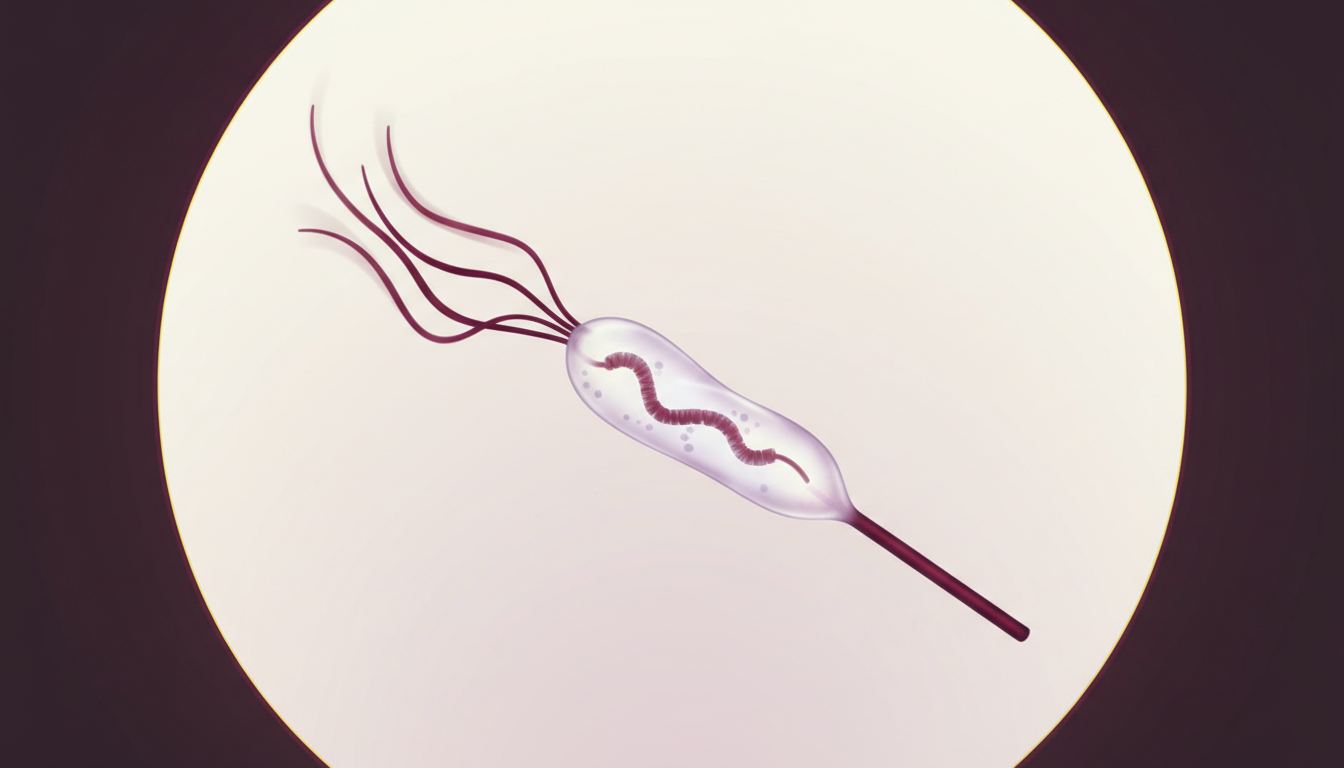
Trichomoniasis is caused by a single-celled protozoan parasite, Trichomonas vaginalis. That makes it different from the bacterial STIs (chlamydia, gonorrhea) and the viral STIs (herpes, HPV, HIV) most people are vaguely aware of. It is sexually transmitted, and the symptom set overlaps heavily with yeast and BV. Trich can produce frothy or yellow-green discharge, irritation during or after sex, raw burning when peeing, and an odor that some people describe as musty or metallic rather than fishy. About 70% of people with the infection have no signs or symptoms at all (CDC). The parasite lives in the vagina and urethra in women, and in the urethra and prostate in men. It does not infect the throat or rectum.
Globally, the WHO estimates approximately 156 million new trichomoniasis infections per year among adults aged 15 to 49 (WHO STIs fact sheet, 2020 estimates), placing it among the most common curable STIs on the planet. The diagnostic problem comes down to overlap: itching plus discharge plus mild odor maps onto all three conditions. When a clinician is making a quick visual call, the most common cause (yeast) wins by default, and trich gets left undiagnosed.
Yeast vs BV vs Trichomoniasis
| Feature | Yeast Infection | Bacterial Vaginosis | Trichomoniasis |
|---|---|---|---|
| Discharge texture | Thick, white, clumpy ("cottage cheese") | Thin, grey, runny | Frothy, watery, sometimes bubbly |
| Discharge color | White | Grey or off-white | Yellow, green, or grey |
| Itching | Severe, mostly external | Mild or absent | Internal and external, often deep |
| Odor | None or faintly sour | Fishy, worse after sex | Musty, metallic, or none |
| Pain with sex | Sometimes | Rare | Common, especially during or after |
| Burning when peeing | Occasional | Rare | Frequent, at the start of stream |
| Responds to antifungal cream | Yes, within days | No | No |
This table is a first-pass screen, not a diagnosis. Any pattern that does not match cleanly is worth testing for.
What the discharge differences look like
The comparison table above describes texture and color in words, but discharge appearance is easier to judge visually. The three figures below show the characteristic discharge pattern of each condition on a clinical specimen swab. These are reference images for comparison; your own discharge may vary in shade or consistency depending on cycle timing, hydration, and co-infections.
What trich actually feels like
When trich does cause symptoms, they often feel "off" in a way that is hard to name. People describing it consistently land on a few patterns:
- Discharge that is thinner than yeast and yellower than BV. Sometimes frothy or bubbly, sometimes just watery. Color ranges from pale yellow to greenish. If the discharge is specifically frothy, that texture is worth investigating further (see our guide to foamy discharge causes and what to test for).
- Itching that is internal as well as external. Yeast tends to itch from the outside in. Trich often feels like a deep irritation that antifungal cream cannot reach.
- Burning when peeing. Especially at the start of the stream. Frequently mistaken for a urinary tract infection at first.
- Pain or spotting after sex. Inflammation of the cervix can cause light bleeding after intercourse, separate from any cut or tear.
- An unusual odor, often metallic or musty, distinct from the fishy smell of BV. Some people notice it most after sex or around their period.
Symptoms can come and go in cycles tied to the menstrual cycle, hormonal birth control, or recent sexual activity, which makes it easy to dismiss as something hormonal. The textbook sign called "strawberry cervix" (small red spots from inflammation visible during a speculum exam) appears in a minority of cases and is rarely something patients see for themselves.
For the roughly 70% of people whose trich is asymptomatic, the only signal is often a partner's diagnosis or a positive screen ordered for unrelated reasons.
Symptoms that may point to trichomoniasis
About 70% of people with trich have no noticeable symptoms at all. Having one or more of these does not confirm infection; only a test can do that.
- Thin, watery, or frothy discharge ranging from pale yellow to greenish Common
- Internal itching or irritation that antifungal cream does not reach Common
- Burning when peeing, especially at the start of the stream Common
- Pain or light spotting after sex Less common
- Musty, metallic, or sour odor distinct from the fishy smell of BV Less common
- Symptoms that worsen around your period or after sex Less common
Why trich keeps getting missed
Trich stays hidden because of a handful of converging factors.
Standard panels often skip it. If you walk into a clinic and ask for an "STI test," the default panel usually runs chlamydia, gonorrhea, syphilis, and HIV. Trich is an opt-in. Many providers will not add it unless the patient names it directly or the visit is specifically for vaginitis symptoms. The CDC's STI Treatment Guidelines recommend testing women with vaginitis symptoms and screening high-prevalence populations, and adoption varies clinic to clinic. If you have ever been told "we tested you for everything" after a pelvic exam, ask whether trich was on the order. If the answer is unclear, trich was probably not included.
The traditional bedside test is unreliable. Wet mount microscopy (looking for moving parasites under a microscope) catches roughly 44% to 68% of infections compared with culture (CDC STI Treatment Guidelines). If the sample sits more than a few minutes, the parasites slow down and become harder to spot. Symptomatic women have been told their wet mount was negative when they were actually positive on a more sensitive lab test.
Empirical treatment muddies the picture. A patient walks in with itching and discharge. The clinician pattern-matches to yeast, prescribes fluconazole, and the visit ends. Cream provides brief relief (yeast may have been a co-infection, or the treatment temporarily soothed irritation), then symptoms return. The cycle gets logged as "stubborn yeast" rather than "wrong diagnosis."
The fix on the patient side is mechanical. Name the test you want at the visit: "I would like a NAAT test for trichomoniasis." That turns the visit from a default panel into a targeted one, and most labs can run it.
How trich spreads between partners
Trich is transmitted through genital-to-genital contact, primarily vaginal sex. The parasite can also spread through shared sex toys (especially without a condom or thorough cleaning between partners) and, less commonly, through fingers if there is direct fluid contact. It does not infect the throat or rectum, which limits its transmission routes compared to chlamydia and gonorrhea.
Trichomoniasis circulates in heterosexual networks largely because of asymptomatic male carriers. Cis men can carry Trichomonas vaginalis in the urethra or under the foreskin with no symptoms whatsoever. They do not itch, they do not have visible discharge, and they will not show up on a routine physical. Men are infected and contagious in roughly the same numbers as women, even though most carry it silently for months.
When men do get symptoms, they tend to be subtle: slight burning at the tip of the penis after sex or urination, occasional clear or whitish discharge, sometimes a feeling of pressure in the prostate area. Symptoms can come and go over weeks and are easily blamed on sweat, friction, or dehydration.
This asymptomatic carriage is why "ping-pong" reinfection is so common. One partner gets treated, recovers, has sex with the untreated partner, and the infection restarts within a week. The CDC recommends "expedited partner therapy" (treating the partner without a separate clinical visit, where state laws permit) for exactly this reason (CDC STI Treatment Guidelines). Treating only one half of the couple just resets the same infection.
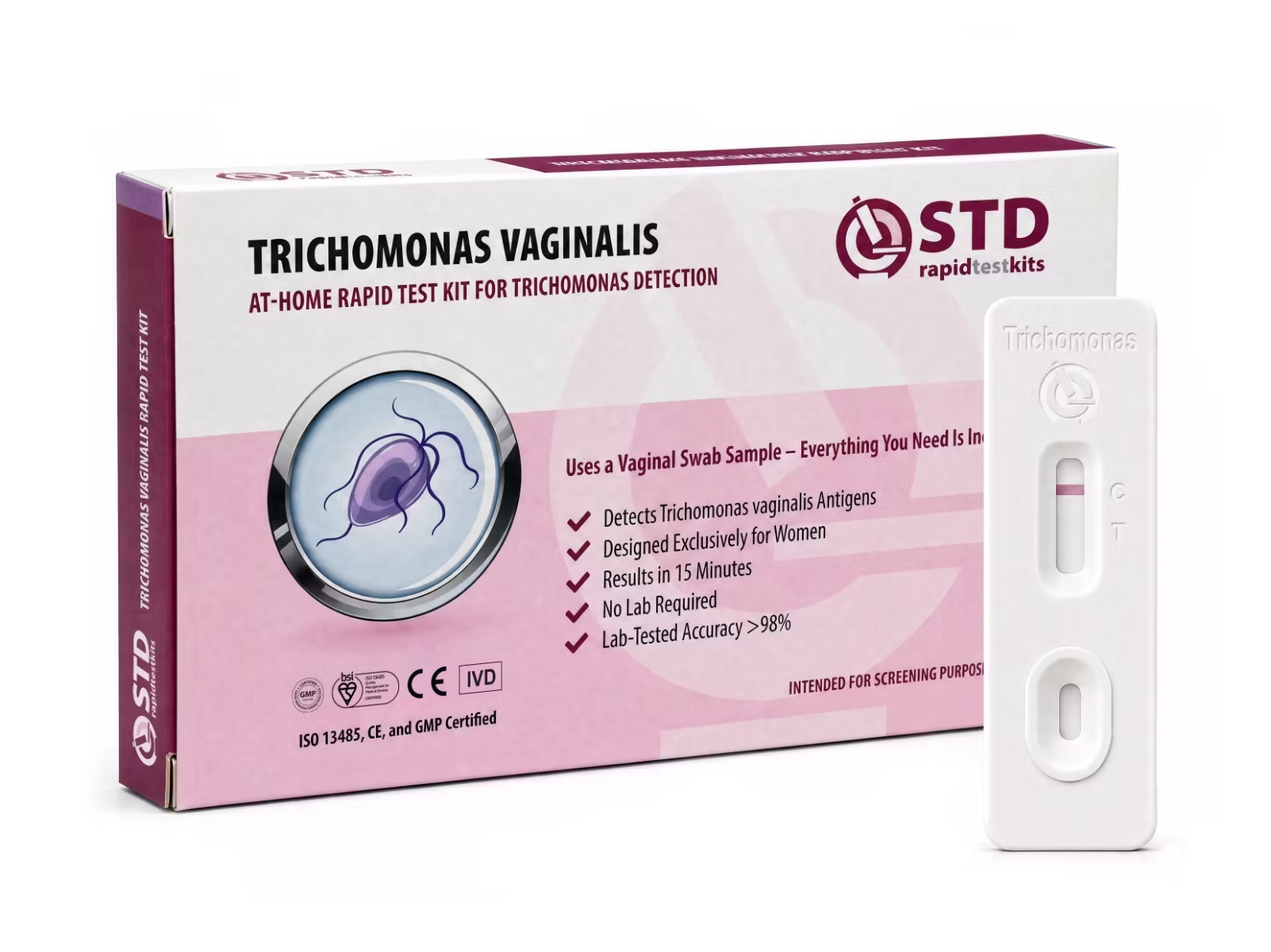
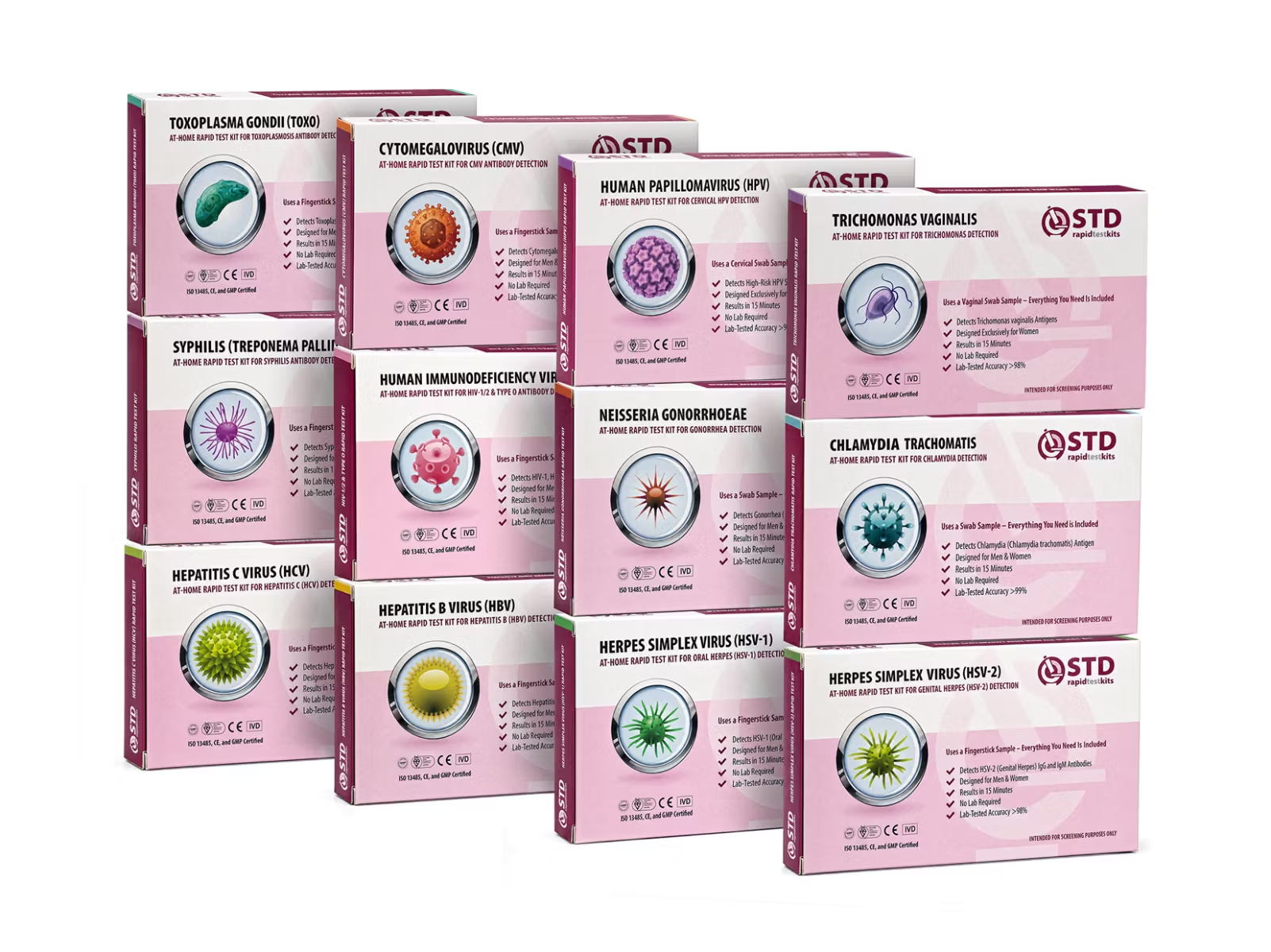
Our rapid trichomoniasis swab is validated for vaginal self-collection only, so it is a kit for women and people with a vagina. Male partners who need testing should see a clinic for a urethral swab or first-catch urine NAAT; the swab and the assay are not designed for male anatomy. For male partners who want broader STI coverage at home, the <a href="https://www.stdrapidtestkits.com/the-8-most-common-std-complete-at-home-self-test-kit-for-men-and-women">8-in-1 combo panel</a> covers HIV, syphilis, hepatitis B, hepatitis C, herpes, chlamydia, and gonorrhea and works for any gender. (This article is published by stdrapidtestkits.com, which sells at-home STI testing kits. We recommend products based on fit-for-purpose for the reader's concern, not commercial benefit.)
Testing for trich: which test, when
Test accuracy for trichomoniasis varies widely depending on which method a clinic or patient uses, and the choice matters when symptoms are persistent.
Wet mount microscopy. A clinician collects a vaginal sample, places it on a slide with saline, and looks for moving parasites under a microscope. Fast (results in minutes) and limited; sensitivity runs roughly 44% to 68% compared with culture (CDC STI Treatment Guidelines). Wet mount is largely being replaced by NAAT and rapid antigen testing in U.S. clinical practice.
Nucleic acid amplification test (NAAT). The current laboratory gold standard. NAAT detects parasite DNA or RNA from a vaginal swab, urine sample, or endocervical sample. FDA-cleared platforms typically report sensitivities of 95% to 100% and specificities above 98% (per the same CDC guidelines). Results take 1 to 3 days. NAAT is what you want if a wet mount came back negative or if symptoms persisted after empirical treatment.
Rapid lateral-flow antigen tests. The home-use category. These detect parasite proteins on a test strip the same way a rapid COVID test does. Sensitivity is lower than NAAT (typically in the 80% to 95% range depending on symptom status) with high specificity, so a positive result is reliable. A negative result in a symptomatic person is worth confirming with a clinic NAAT. Results in about 15 minutes.
Trich has a window period: the gap between exposure and when a test can reliably detect the infection. The incubation period runs roughly 5 to 28 days (MedlinePlus), though it can be longer, and many people never develop symptoms (CDC). For NAAT, sensitivity climbs from unreliable in the first few days post-exposure to peak accuracy by about 7 to 14 days. For rapid antigen tests, give it at least a week, ideally closer to two. If you have active symptoms now, test now; active symptoms suggest the infection is established enough to detect.
Trich infection and testing timeline
- Day 0 Exposure
Parasite transmits during vaginal sex; no detectable infection yet.
- Day 5 Possible symptom onset
Earliest symptoms may appear; most people remain asymptomatic indefinitely.
- Day 7 Earliest reliable NAAT
Nucleic acid amplification can detect low parasite levels.
- Day 14 Peak testing accuracy
Standard recommended retest point if an earlier result was negative.
- Day 28 Late symptom onset
Upper end of the typical incubation window; many never develop symptoms at all.
Most people who develop symptoms notice them within 5 to 28 days. Testing accuracy peaks by about 2 weeks post-exposure.
At-home testing: what the experience is like
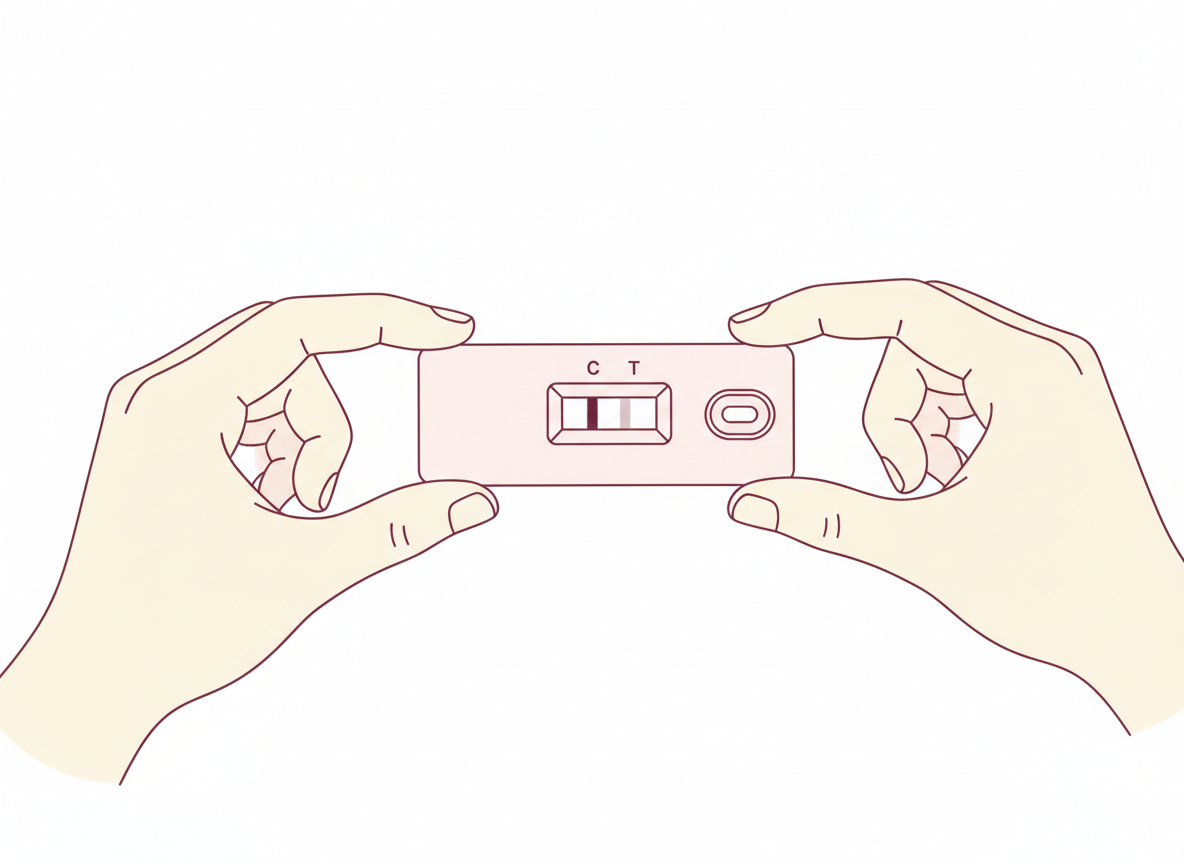
If you would rather skip the clinic, the home-test option for trich is a self-collected vaginal swab paired with a rapid lateral-flow cassette. Sample collection takes about a minute. The swab is inserted about 2 inches into the vagina, rotated for a few seconds, then placed in the buffer solution provided. The result reads in 15 minutes the same way a pregnancy or COVID test reads: control line plus test line.
What the home test is good for:
- A first-pass screen when you have symptoms and want a same-day answer without waiting for a clinic appointment.
- Privacy. No exam, no waiting room, no insurance claim, no record in a chart.
- Quick sorting: is this something I need to escalate?
What the home test is not suited for:
- Ruling out trich definitively when you have symptoms and a negative rapid result. NAAT is more sensitive; if your home test is negative and symptoms persist, follow up with a clinic NAAT.
- Testing male partners. The kit is validated for vaginal self-swab only.
- Test-of-cure right after treatment. Wait at least 3 weeks, then retest, ideally with NAAT.
Red flags that point away from yeast
If any of the following are true, trich is worth ruling out specifically, even if your provider has not raised it.
- You have been treated for yeast two or more times in the last six months and symptoms keep returning.
- Antifungal cream provided partial or no relief.
- Your discharge is thinner, more watery, or differently colored than the thick white texture of classic yeast.
- You have noticed pain or light spotting after sex.
- Symptoms get worse around your period or after sex.
- A current or recent partner has tested positive for trich, or has been treated empirically for "an STD" without you being told which.
- You have had a new sexual partner in the past few months and your symptoms are not behaving like your usual yeast pattern.
None of these is diagnostic on its own. They are reasons to ask for a specific test rather than assuming you already know what your symptoms mean.
If you have been treated for yeast or BV two or more times in the past six months and symptoms keep returning, that pattern alone is enough reason to ask for a NAAT test for trichomoniasis by name. Recurrent vaginitis diagnosed only by symptoms is one of the most common ways trich gets missed in routine care.
Treatment, partners, and avoiding reinfection
Trich is curable with a single course of antibiotics in the 5-nitroimidazole class.
Metronidazole (Flagyl). The CDC's current first-line recommendation for women is 500 mg orally twice daily for 7 days; the NHS recommends the same course. For men, a single 2-gram oral dose remains first-line. The older single-dose 2 g regimen for women is now second-line because the 7-day course has higher cure rates and lower reinfection rates (CDC STI Treatment Guidelines).
Tinidazole (Tindamax). A single 2 g oral dose. Slightly fewer gastrointestinal side effects than metronidazole and a longer half-life. Useful if metronidazole was poorly tolerated.
Side effects are usually mild: a metallic taste, occasional nausea, sometimes a headache. Most people tolerate the full course without trouble.
Practical points worth knowing:
- No alcohol during treatment and for at least 24 hours after the last dose of metronidazole, or 72 hours after the last dose of tinidazole. The combination causes severe nausea and vomiting (a disulfiram-like reaction).
- Avoid sex for at least 7 days after treatment, and until your partner has finished theirs.
- Both partners must be treated. If only one is treated, reinfection is the rule.
- The CDC recommends retesting all sexually active women three months after treatment, regardless of whether you think your partner was treated, because reinfection rates are high.
- If symptoms persist after a full course and you can rule out reinfection or a co-existing infection, drug-resistant trich is rare. It usually responds to a higher-dose tinidazole or a longer metronidazole course.
The most common reason trich comes back: one partner got treated and the other did not. If you tested positive, you need to tell every recent sexual partner. The script does not have to be complicated: "I tested positive for trichomoniasis. It is one of the most common STIs and most people with it have no symptoms. It clears with one round of antibiotics. Please get treated, even if you feel fine." CDC explicitly recommends expedited partner therapy for trich in U.S. states where it is permitted, meaning your provider can prescribe medication for your partner without seeing them in person.
Skip alcohol for at least 24 hours after the last dose of metronidazole, or 72 hours after the last dose of tinidazole. The combination causes severe nausea, vomiting, and flushing. Both partners need treatment at the same time; treating only one person resets the same infection within days of resuming sex.
Trichomoniasis during pregnancy
Pregnancy is the situation where catching trich early matters most. Untreated infection has been associated with preterm rupture of membranes, preterm birth, and low birth weight, all of which carry meaningful risks for the newborn (CDC STI Treatment Guidelines). Oral metronidazole is considered safe across all trimesters, including the first, and is the recommended treatment. The 7-day course (500 mg twice daily) has been shown more effective during pregnancy than the older single 2-gram dose. Tinidazole is generally avoided in pregnancy.
Routine prenatal panels do not always include trich. If you are pregnant and have any vaginal symptoms (unusual discharge, odor change, irritation), ask your OB or midwife specifically whether trich is on the test order. If a recent partner tested positive, ask to be tested even if you feel fine, since asymptomatic infection is the rule. Your partner needs treatment at the same time, or reinfection during the remainder of the pregnancy is likely.
Routine prenatal screening does not always include trichomoniasis. If you have any vaginal symptoms during pregnancy, ask your provider specifically whether trich is on the test order before assuming BV or yeast is the cause. Screening at the first prenatal visit when symptoms are present is what the CDC recommends; oral metronidazole is considered safe in all trimesters.
Why untreated trich is not harmless
Trich gets dismissed as a nuisance infection because it does not cause the dramatic systemic illness of syphilis or the visible lesions of herpes. That dismissal misses the actual risks.
HIV acquisition risk. Active trichomoniasis is associated with about a 1.5-fold increased risk of acquiring HIV (CDC STI Treatment Guidelines). The mechanism is local inflammation: microscopic breaks in the vaginal mucosa and recruitment of CD4+ T cells to the genital tract, exactly the cell type HIV preferentially infects. Treatment also reduces HIV vaginal shedding in women without viral suppression.
Pregnancy complications. Covered in detail above; preterm rupture of membranes, preterm birth, and low birth weight are all associated with untreated trich during pregnancy.
Pelvic inflammatory disease (PID). Less commonly caused by trich than by chlamydia or gonorrhea, yet documented. The chronic inflammation can disrupt the vaginal microbiome, raising the risk of secondary bacterial infections that contribute to PID, with downstream fertility implications.
In men: untreated trich most commonly causes nothing visible. In some cases it has been linked to chronic prostatitis, urethritis, and rarely, fertility concerns. The data on male fertility effects is less robust than the data on female pregnancy effects.
Trich is curable, and the consequences compound when treatment is delayed, even when symptoms never feel severe. Treatment is one short course of antibiotics.
Key risks of untreated trichomoniasis
- About a 1.5-fold higher risk of acquiring HIV, driven by local genital inflammation and CD4+ T cell recruitment (per the CDC STI Treatment Guidelines).
- Preterm rupture of membranes, preterm birth, and low birth weight when untreated during pregnancy.
- Possible pelvic inflammatory disease (PID) with downstream fertility implications, especially during long-running untreated infections.
When to retest, and why it matters
Retesting is the standard of care for trich because reinfection rates are high enough to make a single "all clear" unreliable. The CDC recommends retesting women at 3 months after treatment regardless of partner treatment status (CDC STI Treatment Guidelines).
| Scenario | Retest window | Why it matters |
|---|---|---|
| Tested negative within 7 days of a possible exposure | Retest after day 14 | Reduces risk of false negatives from testing during the window period |
| Treated for trich with metronidazole or tinidazole | About 3 months after treatment | CDC recommendation; catches reinfection from an untreated partner |
| Symptoms returned after a partner was not treated | As soon as symptoms appear | Reinfection is common when only one partner completes treatment |
| Multiple yeast or BV diagnoses in a short window | Test for trich now, even without symptoms | Surfaces missed or chronic trich that was being mistreated |
Common myths that keep trich circulating
Stigma and misinformation help trich persist at the population level. Five misconceptions come up the most often.
Trich myths vs facts
Myth: Trich only happens to people with multiple partners.
Fact: A single exposure to one asymptomatic carrier is enough. Trich does not require a high partner count to transmit.
Myth: If we have both been monogamous for a year, it cannot be trich.
Fact: Trich can persist for months or years without symptoms in the carrying partner. Either of you could have brought it into the relationship from a previous one.
Myth: My yeast cream worked for a few days, so it must have been yeast.
Fact: Antifungal cream can briefly soothe inflammation regardless of cause. Symptom relief is not the same as cure. If symptoms return within a week or two, the diagnosis was likely wrong.
Myth: My partner has no symptoms, so they cannot have it.
Fact: Asymptomatic male carriage is the norm. Most men with trich feel nothing and never test, which is the single most common reason for ping-pong reinfection.
Myth: It will go away on its own if I wait long enough.
Fact: Trich does not self-resolve. The parasite can persist for months or years, and every month of untreated inflammation extends the window of elevated HIV-acquisition risk, ongoing transmission, and possible pregnancy complications.
You are allowed to ask for the right test
If your "yeast" keeps coming back, if antifungal cream is not working, if the discharge looks or smells different from your usual pattern, the most useful thing you can do is name the test you want. A NAAT for trichomoniasis is not unusual; clinics run it routinely for the people who ask.
If a clinic visit is not in the cards this week, an at-home rapid swab can answer the most pressing question the same day, with a clear next step whether the result is positive or negative with continuing symptoms.
Should I test for trich?
Has antifungal or BV treatment failed two or more times in the past six months, with symptoms returning each time?
Yes: Trich is a likely missed diagnosis. Ask your provider for a NAAT test for trichomoniasis by name, or take a rapid at-home vaginal swab as a same-day first screen.
Is your discharge thinner, yellower, or frothier than your usual yeast pattern, or do you have unexplained burning when you pee or pain during sex?
Yes: These patterns are more consistent with trich than yeast. Test now: clinic NAAT is the most sensitive option; a rapid home swab gives a same-day answer if clinic access is delayed.
Has a current or recent partner tested positive for trich, or been treated for an unspecified STI?
Yes: Get tested even without symptoms. Both you and your partner need treatment at the same time to prevent reinfection. Retest at 3 months per CDC guidance.
No: Your symptoms are more likely ordinary yeast or BV. Standard treatment is a reasonable first step. If it fails within two weeks, start again from the first question above.
This is guidance, not a diagnosis. A healthcare provider can advise based on your specific situation.
FAQs
- Can trichomoniasis really feel just like a yeast infection?
- The symptoms overlap enough that many people (and providers) cannot tell them apart without a lab test. The most useful signal is not what the symptoms feel like in the moment, but what happens when you treat for yeast: if antifungal cream resolves the symptoms completely and permanently, it was probably yeast. If symptoms return within days or the cream barely helped, trich becomes the more likely cause. A NAAT test is the only way to confirm.
- What does trich discharge look like?
- Most commonly thin, watery, sometimes frothy or bubbly, with color ranging from pale yellow to greenish. About 70% of people with trich have no noticeable discharge change at all, so absence of obvious discharge does not rule it out. When odor is present, it is more often described as musty or metallic than as the fishy odor associated with BV.
- Can I get trich from a partner who has no symptoms?
- Yes, and this is the main way it spreads. Cis men often carry trich in the urethra or under the foreskin without any symptoms. They can pass it on without knowing. An untreated male partner is the most common reason a treated woman gets reinfected within months, even when he has felt nothing wrong.
- Does a condom prevent trichomoniasis?
- Consistent and correct condom use during vaginal sex significantly reduces trich transmission, though not to zero. The parasite can be present on skin near the protected area, and transmission can occur through fluid contact at the base of the penis or via shared toys. Condoms are still one of the most effective single interventions against trich.
- Why didn't my doctor test for trich?
- Trich requires a separate test order; it is not part of the default panel. Most "standard" STI panels run chlamydia, gonorrhea, syphilis, and HIV by default. Trich is widely available as a NAAT add-on and typically has to be specifically requested unless the visit is for vaginitis symptoms. Ask for it by name on your next visit.
- Will one round of antibiotics fix it?
- Usually yes, when the partner is also treated. The CDC's current first-line treatment for women is metronidazole 500 mg twice daily for 7 days; for men, a single 2-gram oral dose. If your partner is not treated at the same time, reinfection within a few weeks is very common, which is why the CDC also recommends retesting around 3 months after treatment.
- How long can trich live in the body without symptoms?
- Months to years, in some documented cases. The parasite does not have a natural die-off pattern; it lives in the urogenital tract and replicates as long as conditions support it. People have tested positive for trich more than a year after their last possible exposure. Asymptomatic carriage is the rule, particularly in men.
- Can I test for trich at home?
- Yes, using a self-collected vaginal swab on a rapid lateral-flow cassette. A positive result is reliable and actionable: take it to a clinician for a prescription. A negative result with continuing symptoms warrants a follow-up clinic NAAT, which is more sensitive. The at-home kit is validated for vaginal self-collection only; male partners should see a clinic for testing.
- U.S. Centers for Disease Control and Prevention. About Trichomoniasis page, source for the figure that about 70% of infected people have no signs or symptoms, for the 2018 U.S. prevalence estimate of more than 2 million infections, and for the incubation period of 5 to 28 days.
- U.S. Centers for Disease Control and Prevention. STI Treatment Guidelines, Trichomoniasis section: source for the first-line metronidazole 500 mg twice-daily regimen for women, the single 2 g dose for men, wet mount sensitivity range (44% to 68%), NAAT sensitivity of 95% to 100%, the 1.5-fold increased HIV acquisition risk, expedited partner therapy guidance, treatment in pregnancy, and the 3-month retest recommendation.
- World Health Organization. Sexually transmitted infections (STIs) fact sheet, source for the global incidence estimate of approximately 156 million new trichomoniasis infections per year (2020 estimates, ages 15 to 49).
- U.S. National Library of Medicine (MedlinePlus). Trichomoniasis overview page, used for incubation-period confirmation (5 to 28 days) and patient-education cross-reference for symptom descriptions and transmission context.
- U.K. National Health Service. Trichomoniasis condition page, source for cross-jurisdictional confirmation of the metronidazole treatment regimen, symptoms, and partner-notification guidance.
