

Published: September 2025 | Last updated: April 2026 | Editorial review and quality control: Martina N.
The first prenatal visit usually opens with a familiar list: iron levels, blood type, rubella immunity. Then the clinician adds something many patients did not expect: a panel of tests for sexually transmitted infections. The reaction is almost always the same flicker of confusion: why this, why now, why us.
Prenatal STI screening is not a verdict on someone's behavior or relationship. It is an old, well studied piece of preventive medicine. Some infections cause no symptoms for months or years, then quietly affect a pregnancy or a newborn at delivery. Universal screening is the only way clinicians have found to catch those infections before they cause harm. The same tests are offered to every pregnant patient, in every relationship structure, regardless of risk profile.
Why do doctors test for STDs during pregnancy even if you have no symptoms?
Because most prenatal STIs are silent. Chlamydia, syphilis, HIV and hepatitis B can be present for months without producing noticeable signs, and any of them can affect the baby during pregnancy or delivery if untreated. Universal first-trimester screening, with repeat tests later when there is risk of new exposure, lets clinicians treat infections early enough to prevent complications. Treatment during pregnancy is well studied and safe; the larger risk is leaving an undetected infection alone.
Key Takeaways
- Most prenatal STIs cause no symptoms, which is exactly why screening runs at the first prenatal visit instead of waiting for the patient to report something wrong.
- A single first-trimester panel does not cover the whole pregnancy. New exposure after that visit is a recognized gap, and current guidelines support repeat testing in the third trimester for syphilis, HIV and other infections in many regions.
Why prenatal STI screening is offered to everyone, not just "high-risk" patients
Some patients hear the word screening and assume their clinician suspects something. The opposite is true. Universal prenatal STI testing exists precisely so clinicians do not have to guess who might be at risk. Guessing produces missed cases, unequal care, and uncomfortable conversations that drift toward judgment rather than medicine.
The U.S. Centers for Disease Control and Prevention and the American College of Obstetricians and Gynecologists both frame STI screening as a routine part of prenatal care, alongside blood pressure checks and glucose tolerance tests (CDC: STIs and Pregnancy). When a test is offered to every pregnant patient, three things happen at once. Cases get caught earlier. Stigma stops being a barrier to disclosure. And the conversation moves from "Why are you testing me" to "Here is what we found, and here is the treatment."
Public-health programs that introduced universal prenatal screening decades ago dramatically reduced congenital syphilis and perinatal HIV, not through new treatments but by finding infections early enough to use the ones already available.
Universal prenatal STI screening, introduced widely in the U.S. and other high-income countries from the 1980s onward, is credited with the dramatic reductions in perinatal HIV and (until the recent rise) congenital syphilis seen across the surveillance record. The pattern repeats across infections: when testing is offered to everyone, more cases are found earlier than when clinicians try to predict who is at risk.
What infections the standard prenatal panel covers
The exact list varies a little by country and by individual clinic, but the core panel is consistent. CDC's prenatal screening guidance, mirrored by the U.S. Preventive Services Task Force, covers HIV, syphilis, hepatitis B, and chlamydia and gonorrhea for pregnant patients under 25 or with other risk factors (CDC; USPSTF syphilis screening in pregnancy). Hepatitis C testing is now recommended at least once during each pregnancy by CDC. Trichomoniasis, herpes and HPV are not part of the routine panel and are usually only tested when symptoms or specific concerns are present.
| Infection | Why it is screened | Sample type |
|---|---|---|
| HIV | Treatment during pregnancy lowers mother-to-child transmission to less than 1% when started early. | Blood test |
| Syphilis | Untreated syphilis can cross the placenta and cause congenital syphilis. Penicillin during pregnancy is highly effective at preventing it. | Blood test |
| Hepatitis B | Identifies infants who need hepatitis B vaccine and immune globulin within hours of birth. | Blood test |
| Hepatitis C | Screened at least once each pregnancy under current CDC guidance to inform infant follow-up. | Blood test |
| Chlamydia | Untreated infection can cause preterm birth, neonatal conjunctivitis and pneumonia. Routine for patients under 25 or with risk factors. | Urine test or cervical/self-collected swab |
| Gonorrhea | Can cause severe newborn eye infection and preterm complications. Same age and risk criteria as chlamydia. | Urine test or cervical/self-collected swab |
Why symptoms are an unreliable signal in pregnancy
Many sexually transmitted infections are silent. CDC's chlamydia overview describes the infection as one that often has no symptoms, which is the polite clinical way of saying that the majority of people with chlamydia have no idea they are carrying it. Pregnancy makes that even harder to notice, because abnormal discharge, mild pelvic pressure, fatigue and light spotting are all common in early pregnancy without any infection involved.
Syphilis follows the same pattern. The first stage may be a single small painless sore, sometimes internal, sometimes mistaken for a skin tag, ingrown hair or shaving irritation. The second stage can produce a faint rash on the palms or soles that is easily attributed to dermatitis. Both stages can pass without medical attention.
HIV typically does cause an early flu-like illness in the first few weeks after infection, but those symptoms are nonspecific and easily blamed on a cold, morning sickness, or first-trimester exhaustion. Without a test, there is no way to tell. The asymptomatic majority is exactly the population that screening was designed to find.
Pregnancy symptoms such as fatigue, mild discharge, and light spotting overlap closely with how early syphilis, chlamydia, and HIV can present, or fail to present at all. No symptom pattern reliably rules out a prenatal STI. The only tool that does is a test.
The gap most patients do not realize: one early test is not always the whole story
The first prenatal visit usually happens between weeks 8 and 12. Testing at that point catches infections present before pregnancy or contracted very early in it. It does not, by itself, cover the next six months.
Pregnancy does not change how infections move between people. Exposure can happen at any point: a partner's undisclosed contact, a partner's own undetected infection that surfaces later, sometimes a non-sexual exposure such as a shared needle. If a clinician only tests once, an infection acquired in the second or third trimester will not show on a first-trimester result.
This gap is well documented. Congenital syphilis cases in the United States have risen sharply in recent years according to CDC STI surveillance data, and prevention failures have been linked in part to gaps in repeat testing during pregnancy. The fix is not new technology. It is a second test at the right moment.
Current CDC guidance recommends repeat syphilis screening in the third trimester (around 28 weeks) and again at delivery for patients who live in communities with high rates of syphilis or who have been at risk during pregnancy (CDC syphilis treatment guidelines: pregnancy; USPSTF screening recommendation). HIV retesting in the third trimester is also recommended in many U.S. states. Asking the clinician what the retest plan is for your area is reasonable, even if no one brings it up first.
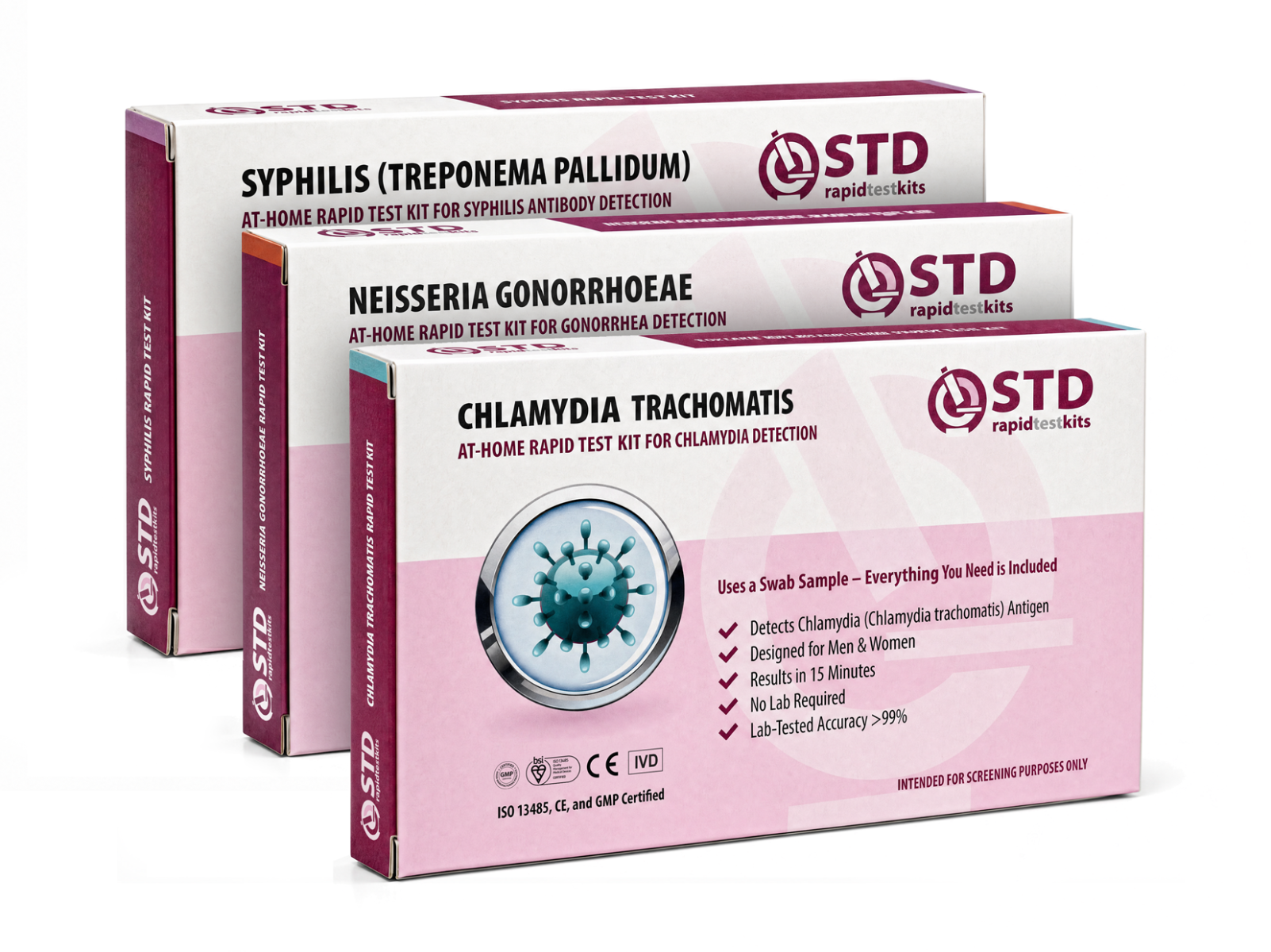
This article is published by stdrapidtestkits.com, which sells at-home rapid STI testing kits. Recommendations are based on what the kits actually test and how they fit prenatal care. At-home rapid tests are a screening tool; they complement, not replace, clinical prenatal care.
How early detection actually protects the baby
The reason these specific infections sit on the prenatal panel is that early treatment changes the outcome dramatically.
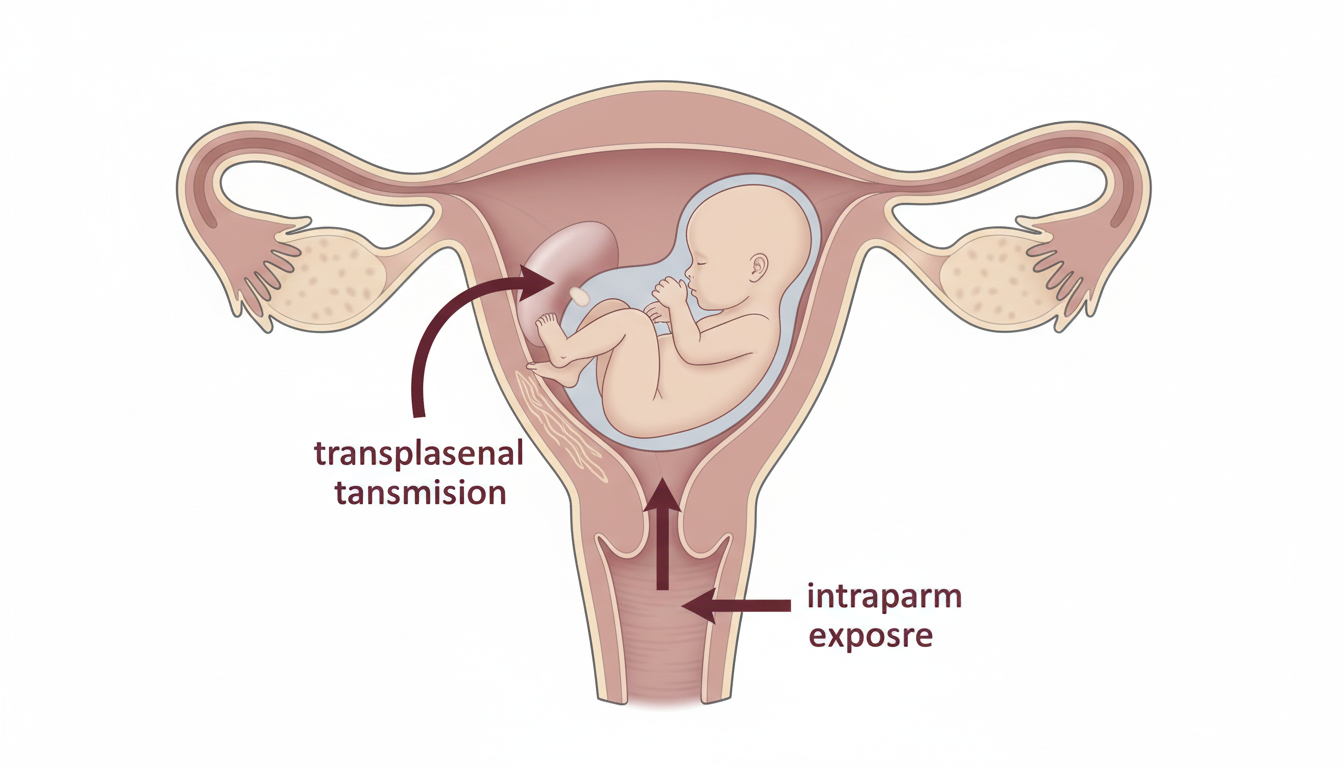
Syphilis is the clearest example. Untreated syphilis in pregnancy can pass through the placenta to the fetus and cause stillbirth, severe newborn illness, or a condition called congenital syphilis with long-term effects on bones, brain and other organs. A timely course of penicillin, which has been used safely in pregnancy for more than 70 years, can prevent congenital syphilis in most cases when started early enough (American Academy of Pediatrics: congenital syphilis overview).
HIV has been the other transformative story. With current antiretroviral therapy started during pregnancy and continued through delivery, the risk of mother-to-child transmission can drop to less than 1% (HIV.gov: preventing mother-to-child transmission of HIV), compared with a 15% to 45% transmission rate in the absence of any intervention (WHO: mother-to-child transmission of HIV). Vaginal delivery is often safe under those conditions; cesarean is reserved for cases where viral load is not suppressed.
Chlamydia and gonorrhea behave differently. They mostly pass to the baby during vaginal delivery rather than across the placenta. Treatment of the pregnant patient before labor, plus standard newborn eye prophylaxis at birth, dramatically reduces neonatal eye infection and pneumonia risk.
Hepatitis B is the example of "detection enables newborn intervention." Identifying infection in the pregnant patient lets the hospital give the baby hepatitis B vaccine and immune globulin within hours of birth, which prevents most cases of vertical transmission.
What happens if a test comes back positive
The first response in most prenatal clinics is calm. Positive screening results are confirmed with a second, more specific test. Treatment then starts as soon as the result is confirmed, often within the same week.
Chlamydia and gonorrhea are treated with short courses of antibiotics that are well studied in pregnancy. Azithromycin and amoxicillin are the common chlamydia regimens during pregnancy, since doxycycline (the preferred regimen outside pregnancy) is contraindicated for pregnant patients. A single intramuscular dose of ceftriaxone is the current first-line gonorrhea treatment per CDC guidelines. Syphilis is treated with intramuscular penicillin G, with the dosing schedule depending on the stage of infection. HIV is managed with combination antiretroviral therapy that continues through pregnancy and delivery, with infant prophylaxis after birth.
Patients sometimes worry that the treatment itself is risky. The opposite is true: leaving an infection untreated is the larger documented risk. Penicillin in particular has decades of safety data in pregnancy. Antiretroviral regimens are now selected specifically for pregnancy safety profiles.
Beyond medication, the clinician will usually discuss partner notification and treatment, follow-up testing to confirm cure, and any adjustments to the delivery plan. The tone of these conversations is medical, not personal.
After a confirmed positive: treatment begins, the partner is asked to test and usually to treat at the same time, follow-up testing confirms cure, and any adjustments to the delivery plan are discussed. The clinic coordinates the sequence; the patient is not expected to drive it alone.
Partner testing and the reinfection risk
One detail that gets less airtime in prenatal visits than it should: treating only the pregnant patient leaves the door open for reinfection. If a partner is also infected and is not treated at the same time, sexual contact during pregnancy can pass the infection back. The treated patient ends up positive again, sometimes by the third trimester, sometimes detected only at delivery.
This is why CDC and most prenatal guidelines recommend expedited partner therapy or direct partner testing whenever a pregnant patient is treated for chlamydia, gonorrhea or syphilis. The phrase clinics use is "treat the couple," and it exists for biological reasons rather than relational ones. A partner who tests negative is fine. A partner who tests positive can be treated quickly. Either way, the pregnancy stays protected.
If raising the topic with a partner feels difficult, framing it as a clinical instruction rather than a personal accusation usually works: the clinician recommended partner testing, full stop. Most clinics will arrange partner-pickup prescriptions or refer to a sexual-health service that can handle it without the pregnant patient being in the middle of the conversation.
Many clinics offer expedited partner therapy for chlamydia, gonorrhea and syphilis: a prescription can be issued without requiring a separate appointment for the partner. Ask by name, since not all practices raise this option unless the patient does.
At-home screening between prenatal visits
Prenatal care is the primary safety net. At-home rapid tests sit alongside it as a way to check on a specific concern between scheduled visits, particularly when a clinic re-screen is not yet planned and there has been a recent exposure or new symptom.
Practical use cases that come up most often:
- A patient was tested at the first prenatal visit, has had a possible exposure since, and the next clinic visit is several weeks away.
- A partner tested positive for an STI and the pregnant patient wants a fast read at home before the follow-up appointment.
- A patient is in the third trimester, has not been offered a repeat screen, and wants a quick check before delivery.
What a home test does well is give a fast, private screening result. What it does not do is replace the confirmatory testing, treatment, and partner management that a prenatal team handles. A positive home result is a signal to call the clinic the same day, not a finished diagnosis. A negative home result during the window period of an exposure is also not a finished answer; the clinic test is the one that closes the loop.
Serologic testing should also be performed twice during the third trimester: at 28 weeks' gestation and at delivery for pregnant women who live in communities with high rates of syphilis and for women who have been at risk for syphilis acquisition during pregnancy.
Why this looks the way it does in practice
From the patient side, prenatal STI screening is mostly invisible. A blood draw at the first visit, a urine sample, sometimes a swab, then nothing else unless a result comes back positive. Most patients never think about it again.
From the clinical side, that quietness is the design. Universal screening means most people test negative, get reassured, and move on. The small share of pregnancies where something is detected get treatment in time to prevent the outcome the screening was designed to avoid. The tradeoff has been studied for decades and consistently favors universal early testing followed by selective retesting.
The two questions worth asking the prenatal team, especially if the topic has not been raised, are simple. What is on my screening panel at this visit? And when will any of these tests be repeated, given my situation? Both questions are routine. Most clinicians appreciate them.
For trichomoniasis, the at-home rapid swab on this site is validated for vaginal self-collection and is not a male-compatible kit. For HPV testing, the at-home kit is similarly female-anatomy only. Neither is part of the standard prenatal panel; both are usually screened in clinic when symptoms or specific risk factors are present.
Frequently asked questions
- If I am in a long-term monogamous relationship, do I really need STI screening at the first prenatal visit?
- Yes. Universal screening is offered to every pregnant patient regardless of relationship status, because some infections can have been silently present from before the relationship started, and because monogamy assumptions cannot rule out conditions that produce no symptoms. The test is brief, and most results are negative. The point is to catch the small share that are not.
- What infections are on the standard prenatal STI panel?
- HIV, syphilis, hepatitis B, and hepatitis C are tested for every pregnant patient. Chlamydia and gonorrhea are tested for patients under 25 or with other risk factors per CDC guidance. Trichomoniasis, herpes and HPV are not on the routine panel and are typically only tested when symptoms or specific concerns are present.
- Is the testing the same as a regular STI screen?
- For the most part, yes: the lab tests used during prenatal care are the same blood, urine and swab assays used outside pregnancy. The only practical difference is that they are bundled into a routine prenatal visit and may be repeated later in pregnancy if there is risk of new exposure.
- Can an STI really affect the baby if it is not treated?
- Yes, which is why these specific infections are screened. Untreated syphilis can cross the placenta and cause congenital syphilis. Untreated HIV can transmit during pregnancy or delivery; with antiretroviral therapy, the transmission risk drops to less than 1%. Chlamydia and gonorrhea mostly transmit during delivery and can cause newborn eye infection and pneumonia. Hepatitis B transmits at delivery, and the newborn vaccine plus immune globulin given within hours of birth prevents most of those cases when the mother's status is known.
- Will the partner need to be tested too?
- For chlamydia, gonorrhea and syphilis, yes. Treating only the pregnant patient leaves a meaningful risk of reinfection during pregnancy if the partner is untreated. Many clinics offer expedited partner therapy or direct partner testing for this reason. The framing is medical, not personal.
- Will positive screening results affect my insurance, custody, or legal status?
- Prenatal medical records are protected under standard medical-privacy laws (HIPAA in the U.S., GDPR plus national health-data law in the EU and UK). Routine STI screening results are not reported to employers, insurers in ways that affect coverage, or family courts. Mandatory public-health reporting exists for some infections (HIV and syphilis are reportable to public-health authorities, identifying you to the health department for partner-services and follow-up), but that reporting is confidential and is not a record shared with relatives or employers.
- If my first-trimester results were negative, why is my clinician suggesting another test in the third trimester?
- Because the first test only covers exposures before the first prenatal visit. If anything has changed (new partner, partner's separate STI diagnosis, possible exposure event), or if the local rate of syphilis or HIV is high, repeat testing in the third trimester catches infections acquired during the pregnancy itself. CDC endorses this for syphilis at 28 weeks and at delivery, and many U.S. jurisdictions endorse it for HIV.
- Are at-home rapid tests safe to use during pregnancy?
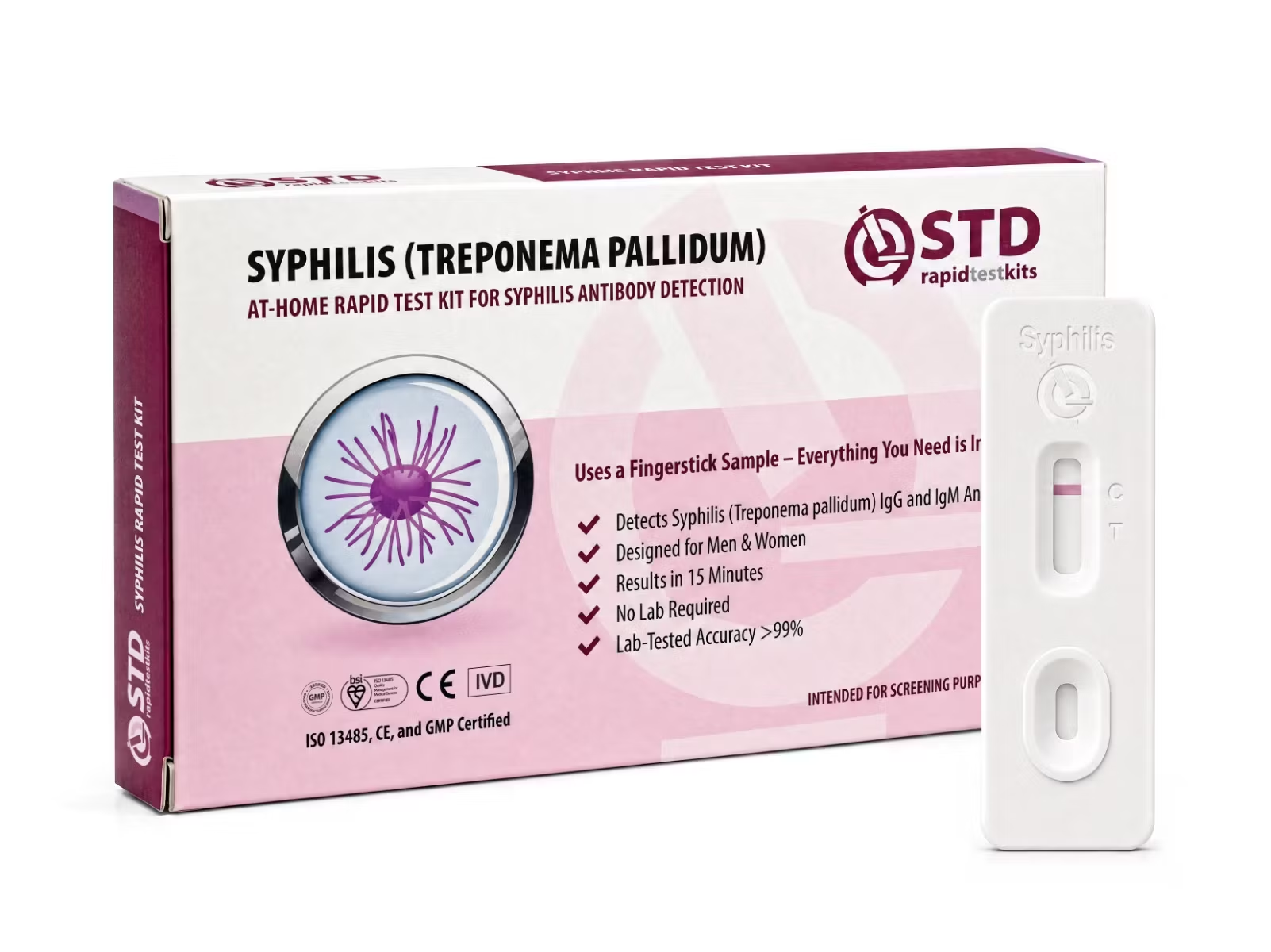
- Yes. At-home rapid tests use blood (fingerstick) and self-collected swab samples; the test process itself does not affect the pregnancy. They are useful as an interim screen between prenatal visits or after a possible exposure. A positive result on a home test is a signal to call your prenatal team the same day for confirmatory testing and treatment. A home test is not a substitute for prenatal care.
- U.S. Centers for Disease Control and Prevention. About STIs and Pregnancy. Overview of recommended prenatal screenings, retesting guidance, and rationale for universal testing.
- U.S. Centers for Disease Control and Prevention. Syphilis During Pregnancy (STI Treatment Guidelines). Penicillin regimens, third-trimester (28-week) and at-delivery retesting timing, and management of congenital syphilis prevention.
- U.S. Preventive Services Task Force. Syphilis Infection in Pregnancy: Screening. Recommendation statement and evidence summary supporting universal first-trimester syphilis testing.
- U.S. Centers for Disease Control and Prevention. About Chlamydia. Overview of chlamydia signs and the asymptomatic nature of most infections, supporting screening regardless of symptoms.
- World Health Organization. Mother-to-Child Transmission of HIV. Source for the figure that, without intervention, the rate of mother-to-child HIV transmission ranges from 15% to 45%.
- HIV.gov. Preventing Mother-to-Child Transmission of HIV. Source for the figure that, with antiretroviral treatment during pregnancy, the risk of transmitting HIV to the baby can be less than 1%.
- American Academy of Pediatrics. Congenital Syphilis Overview. Clinical manifestations of untreated maternal syphilis and the role of timely prenatal treatment.
- U.S. Centers for Disease Control and Prevention. STI Annual Statistics. Surveillance documentation of the recent multi-year rise in U.S. congenital syphilis cases.
