





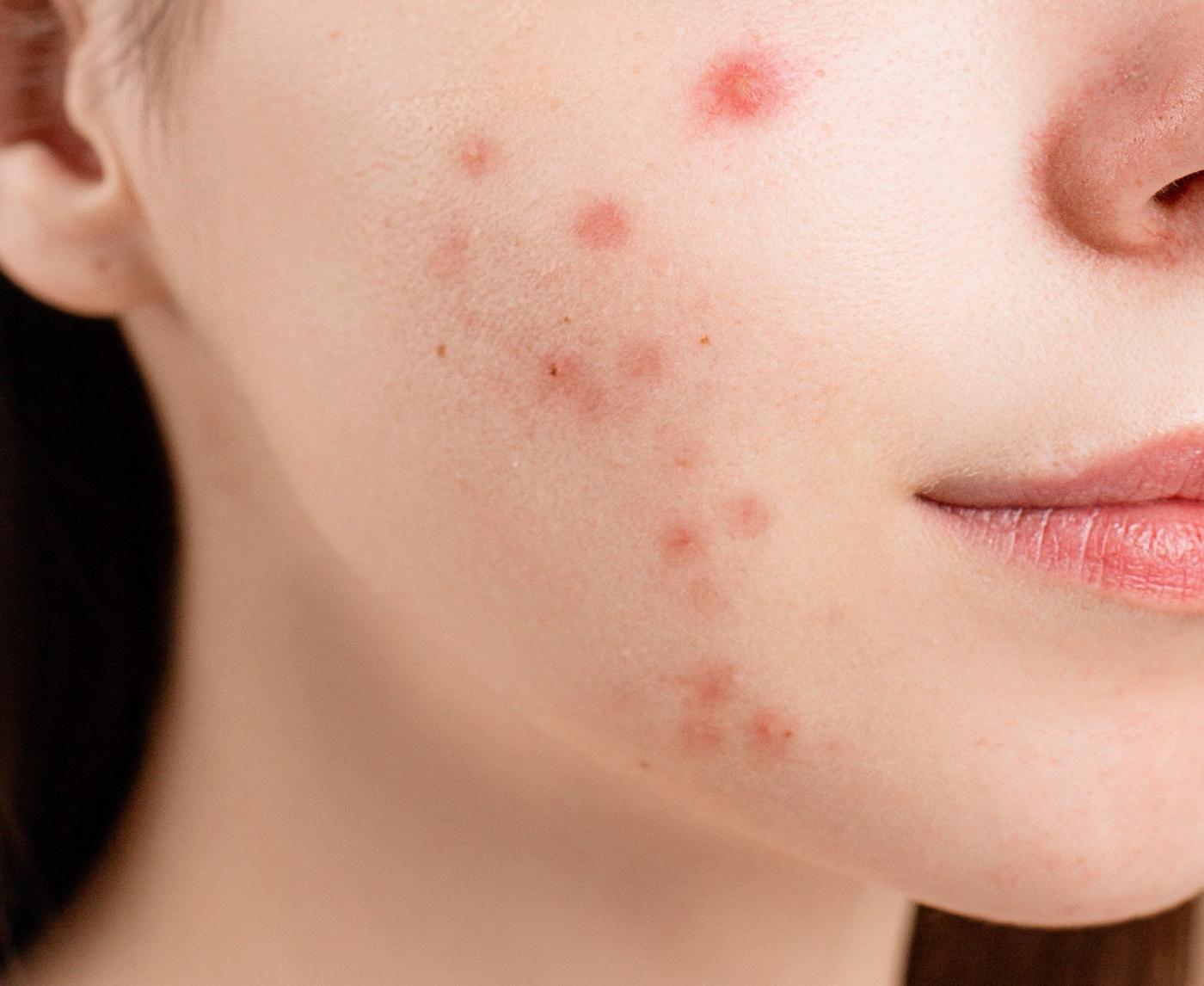

Quick Answer: Herpes can absolutely look like a pimple at first, especially in its early stages or when there’s just one sore. Key differences often include pain, fluid inside the bump, and blistering or ulceration within a few days. If you're unsure, testing is the only way to confirm.
This Is for You If You’re Second-Guessing a Bump
Maybe you’re here because you just got out of the shower and noticed a red bump on your labia, scrotum, or thigh. Or maybe you’ve had the bump for days and now it hurts, or leaks fluid, or changed shape. You could be scared to Google it, or maybe you already did and now you’re spiraling. If that’s you, this article is your no-BS guide to figuring out what’s going on, what herpes really looks like, and what to do if you’re still unsure.
This isn’t fearmongering. This is clarity. Because herpes doesn’t always show up like the textbook photos, clusters of blisters, crusty ulcers, “classic outbreaks.” For many people, especially during their first episode, it shows up looking like a razor bump, a zit, or a clogged follicle. And that’s why it gets missed. That’s how people keep spreading it without knowing.
What Makes a Herpes Sore Look Like a Pimple?
Herpes lesions often start as red, tender bumps, sometimes singular, sometimes in a small group. In their earliest stage, they can mimic acne, especially in high-friction areas like the groin, inner thigh, pubic region, or buttocks. In fact, many people misdiagnose their first herpes sore as a shaving reaction, folliculitis, or even an ingrown hair. What throws people off is the timing: herpes doesn’t always erupt into a visible cluster right away. Sometimes it stays as one painful, stubborn bump, until it doesn't.
Imagine this: you're getting dressed after a weekend trip and feel a little sting when your jeans rub against your skin. You check the mirror and see what looks like a zit. It’s got a little white center, it’s tender, but you think, okay, no big deal. By the next morning, the center has collapsed slightly and the edges are raw. Now it hurts when you pee. Sound familiar? That’s how herpes introduces itself to thousands of people every week, and they almost always think it’s something else first.
Herpes vs. Pimple: Key Differences in Texture, Pain, and Timing
Let’s walk through what typically separates a herpes sore from a standard pimple, especially when it shows up in the genital region. These aren’t hard rules, everyone’s body is different, but they’ll help you get closer to clarity.
| Feature | Pimple | Herpes Sore |
|---|---|---|
| Pain level | Mild discomfort or pressure | Sharp, stinging, or burning pain |
| Center of bump | Usually solid or pus-filled | Often fluid-filled, may blister or rupture |
| Surrounding skin | Relatively calm | Red, swollen, may form an ulcer |
| Time to heal | 3–7 days | 10–14 days (or more without treatment) |
| Other symptoms | None or slight itch | Fever, swollen glands, fatigue may occur |
Table 1: Herpes vs. Pimple comparison. While both may begin similarly, progression, pain, and duration are key differentiators.
People are also reading: Tested Positive for HPV? Here’s What You Actually Need to Know
Case Study: “I Popped What I Thought Was a Zit. It Wasn’t.”
Alejandro, 33, first noticed the bump after a long bike ride. It was on his inner thigh, near where the seat rubbed. “I thought it was a saddle sore or something from sweat,” he explained. “I popped it, cleaned it, and figured it’d heal.” But over the next two days, the area swelled. The bump refilled with fluid. Then the pain became unbearable during sex, sharp, raw, and unlike anything he’d ever felt from a pimple.
“By the time I went to urgent care, it had ulcerated. The nurse took one look and said, ‘This looks herpetic.’ I didn’t even know what that meant. I felt so stupid. But honestly, it really did look like a pimple at first.”
He tested positive for HSV-2, the strain most commonly linked to genital herpes. The good news: he’s now on suppressive therapy and symptom-free. The bad news: he went weeks not knowing he was contagious, and was afraid to tell his partner. Stories like Alejandro’s are not rare. They’re the norm.
Check Your STD Status in Minutes
Test at Home with Remedium7-in-1 STD Test Kit

 For Men & Women
 Results in Minutes
 No Lab Needed
 Private & Discreet
Order Now $129.00 $343.00
For all 7 tests
Why Herpes Is So Easy to Miss the First Time
The first outbreak of genital herpes can vary wildly. Some people get dozens of blisters, flu-like symptoms, and can barely sit down. Others, especially men or those with high pain tolerance, might get one sore and zero other symptoms. For women and nonbinary folks, internal sores on the cervix, vaginal walls, or rectum might not be visible at all, which delays diagnosis even further.
And here’s the kicker: over 80% of people with genital herpes don’t know they have it, according to the CDC. That’s because the virus often presents with subtle or mistaken symptoms. Even doctors can misdiagnose it as dermatitis, folliculitis, or another skin condition, especially if you’re in early stages or don’t have clusters. This isn’t about blame. It’s about biology. HSV thrives on being invisible.
It’s also about timing. Herpes has an incubation period of 2 to 12 days after exposure. So if you’ve recently had unprotected sex or even skin-to-skin contact with someone who didn’t know they were carrying HSV, you could develop symptoms a week later, and assume it’s something else entirely. That gap is where misinformation, delay, and accidental transmission often happen.
When to Get Tested (And What Kind of Test to Use)
If you’re staring at a bump and wondering what the hell it is, you have two main testing options. If it’s an active sore, a swab test (also called PCR or viral culture) is most accurate, especially if done within the first few days of symptoms. If the sore is gone or crusted, you may be advised to take a blood test instead, which looks for HSV antibodies. But those can take weeks to appear after exposure, which means a negative result early on doesn’t always mean you’re clear.
At-home options exist for both blood and swab testing. While swab-based herpes tests must usually be done in a clinic, at-home herpes antibody tests can screen for both HSV-1 and HSV-2, though they can’t tell you where the infection lives (oral vs genital). That said, they’re discreet, fast, and a good starting point for people who aren’t ready to see a doctor in person.
If you’re navigating shame or don’t feel safe seeking in-person care, know this: getting tested is not a confession. It’s an act of care, for you and for anyone you share intimacy with. And if your bump turns out not to be herpes? That’s still a win. You ruled it out. You gave yourself peace of mind.
If you're ready to check discreetly from home, this herpes test kit can help you get answers, without waiting rooms or judgment.
Other Conditions That Look Like Herpes (But Aren’t)
Not every genital bump is an STD. Skin is complicated, and our intimate areas are prone to friction, heat, sweat, and clogged follicles. But that doesn’t mean every sore should be ignored. Here’s how herpes compares to other conditions that mimic its early look, but follow a different course.
| Condition | Similar To Herpes? | How to Tell the Difference |
|---|---|---|
| Ingrown Hair | Yes | Usually has a hair at the center; resolves faster; not painful when urinating |
| Folliculitis | Yes | Multiple small red bumps near follicles; often itchy, not painful |
| Razor Burn | Yes | Diffuse redness and bumps in shaved areas; no fluid or ulceration |
| Molluscum Contagiosum | Yes | Firm, dome-shaped bumps with central dimple; usually painless |
| Genital Warts (HPV) | Sometimes | Warty texture, not painful; tend to cluster and grow over time |
Table 2: Conditions commonly mistaken for herpes, with diagnostic clues to help tell them apart.
If you’re unsure after three to five days, or if the bump worsens, leaks, or starts to scab, it’s time to stop guessing. Get it looked at, or test. Don’t wait for it to turn textbook.
How Long Does It Take for a Herpes Sore to Heal?
The life cycle of a herpes sore can last anywhere from 7 to 14 days, depending on how your immune system reacts and whether this is your first outbreak. Here's a rough idea of how it might go:
Day 1–2: You notice a tingle, itch, or subtle bump. It might feel like chafing or irritation.
Day 3–5: The bump fills with clear fluid and may begin to rupture. Pain increases. Peeing may sting. Flu symptoms may occur.
Day 6–10: The sore crusts over, scabs, and begins healing. Pain decreases.
Day 11–14: The scab falls off. Skin may look raw but is healing. Virus retreats into dormancy.
If you take antivirals like valacyclovir early, they can speed up the healing process and make your symptoms less severe. If you think you might have herpes, talk to a doctor or get an at-home test to make sure. Taking action early helps you deal with future outbreaks and lowers the risk of spreading the disease.
People are also reading: STD Symptoms or Just Anxiety? What Happens After the College Hookup
What If You Already Popped the Bump?
This is one of the most common and panic-inducing questions people ask online: "I popped it, did I make it worse?" If you squeezed or drained what turned out to be a herpes sore, don’t beat yourself up. You didn’t cause the virus, but you may have delayed healing or caused the virus to spread locally.
Popping herpes sores can rupture the skin further, increasing pain and risk of secondary infection. It can also cause more lesions to appear in the area, especially if the fluid spread during contact. If this happened, gently clean the area with soap and warm water, avoid touching it again, and monitor closely. Testing is still possible even if the sore is open. In fact, swab accuracy may be highest at this stage.
Emotionally, this moment can feel like a crash. You may feel dirty, guilty, or terrified of what it means. That spiral is real, but it’s not forever. Herpes is one of the most common viral infections in the world. You’re not broken. You’re not disgusting. You’re human, and now you know.
Partner Conversations After a Surprise Diagnosis
If you were sexually active during the window between exposure and diagnosis, there’s a chance your partner, or partners, may have been exposed. This is where things get heavy. But silence doesn’t protect anyone. You don’t have to be perfect in how you tell someone. You just have to be honest.
Sasha, 24, was two months into dating someone new when she got diagnosed with genital herpes. “I felt like I had to write a breakup text,” she said. “I was so sure he’d ghost me. But when I told him, he just asked if I was okay. He’d had cold sores since high school and didn’t even realize that could be herpes too.”
What helped her most? A short script she practiced: “Hey, I just got tested and found out I have genital herpes. I didn’t know before, and I’m still learning what it means. You may want to get tested too. Let me know if you have any questions, I care about you and wanted you to know.”
Testing your partner, especially with a Combo STD Home Test Kit, can clear the air without awkward clinics or long waits. This one tests for herpes and other common STDs, all from home.
Check Your STD Status in Minutes
Test at Home with Remedium8-in-1 STD Test Kit
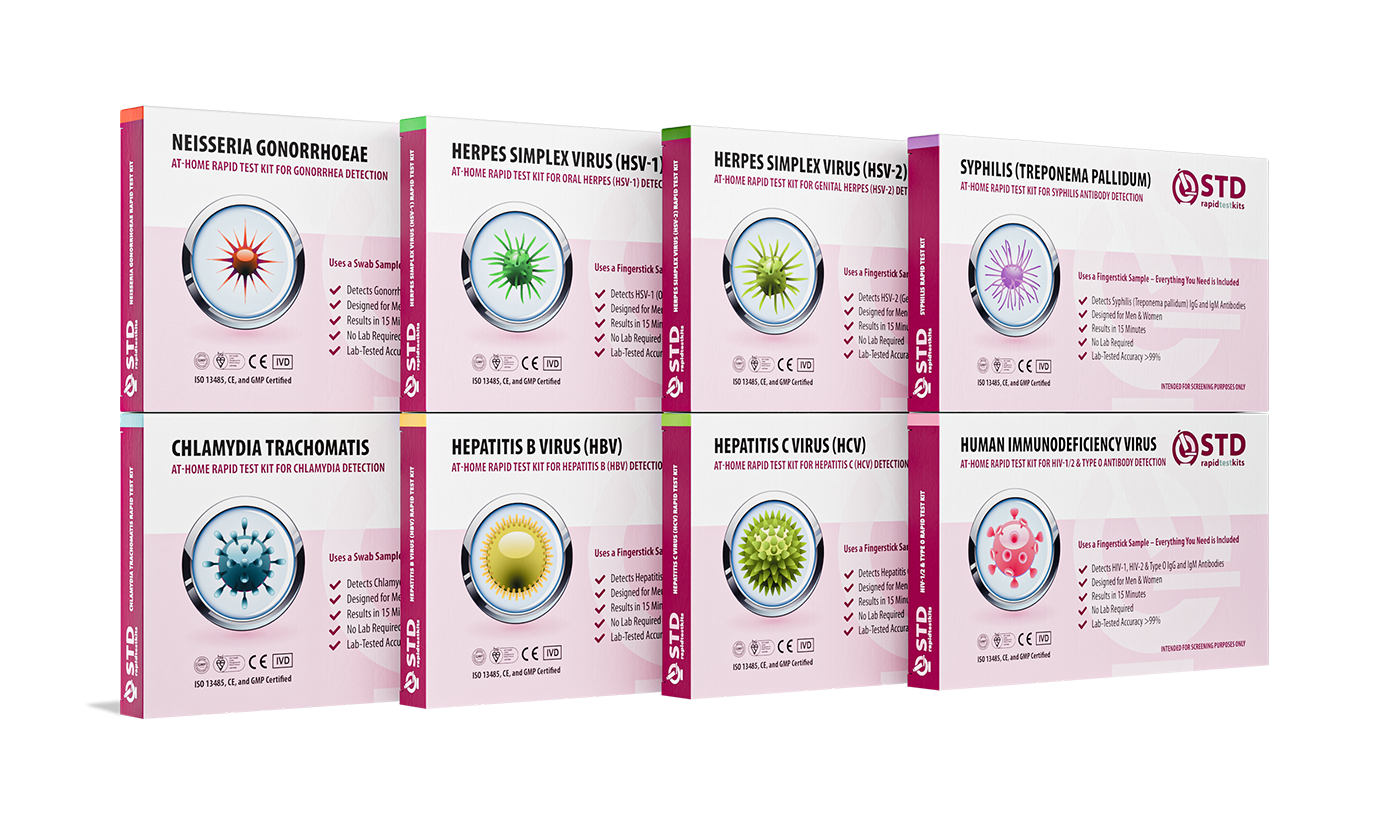 For Men & WomenResults in MinutesNo Lab NeededPrivate & Discreet
Order Now $149.00 $392.00
For all 8 tests
Living With Herpes (Even If You’re Asymptomatic)
Many people go months, or years, between outbreaks, or never have visible symptoms at all. That’s called asymptomatic shedding. It means the virus is active on the skin even if you don’t see or feel anything. That’s how most transmission happens. But there’s good news: with daily antivirals, condom use, and testing, you can reduce transmission risk by over 90%.
Learning you have herpes changes things, but it doesn’t end anything. You can still have sex, fall in love, have kids, and feel amazing in your body. What changes is how you care for it. Think of it like knowing you have eczema, you make lifestyle tweaks, you use meds if needed, you stay aware.
The hardest part is the beginning: not knowing, fearing rejection, feeling like your sex life is over. But with time, education, and support, most people find their way back to confidence, and to partners who care more about connection than your test result.
FAQs
1. Can a single bump really be herpes?
Totally. A lot of people think herpes always means a whole outbreak of blisters, but the first sign can be just one tiny, painful bump. It might look like a zit, a bug bite, or something you got from shaving, but if it starts to burn, blister, or get worse fast, that could be herpes introducing itself.
2. How soon after sex would a herpes bump appear?
Usually within 2 to 12 days, but it’s not an exact science. Some folks see symptoms in just a few days; others don’t notice anything for weeks, or ever. That lag time makes it tricky to link a bump to a specific hookup, which is why testing matters more than guesswork.
3. What does herpes feel like compared to a pimple?
A pimple might sting a little, especially if it’s in a high-friction area, but herpes hits different. Think deeper pain, kind of like a paper cut meets road rash. Some people describe a "zapping" feeling or a raw sting when they pee. It's not just annoying on the surface; it's painful on the nerves.
4. Can I test myself at home for herpes?
Yep. At-home test kits are available for HSV-1 and HSV-2. They usually require a finger-prick blood sample and can give results in a few days. They won't tell you where the infection lives (oral or genital), but they can tell you if you've been exposed. It’s a solid place to start if you’re not ready to walk into a clinic.
5. I popped the bump. Did I mess up my chance to test?
Not necessarily. If it’s herpes, the virus is still present in the area and can usually be swabbed for a few days after the sore appears, even if it’s popped. But the earlier you test during an active outbreak, the better the accuracy. And hey, no judgment, we’ve all popped something we probably shouldn’t have.
6. What if my herpes test comes back negative, but I still think it’s herpes?
This happens more than you’d think. Blood tests can miss early infections, and swabs have to catch the sore at just the right time. If your gut says something’s not right, retest after a few weeks. Your body needs time to make detectable antibodies.
7. Does everyone with herpes get outbreaks?
Nope. Some people never have visible sores at all, but they still carry the virus and can pass it on. Others might get one outbreak and then nothing for years. The virus behaves differently for everyone, and it's not always as dramatic as Google Images makes it look.
8. Can I still date if I have herpes?
Absolutely. Herpes is incredibly common, and most people with it are in relationships, having sex, and living their lives. It’s all about communication, boundaries, and care. There are even dating apps and support groups for people with herpes, but honestly, you probably won’t need them unless you want to.
9. Can condoms prevent herpes?
They help, but they’re not foolproof. Herpes can live on skin outside of where a condom covers. Still, condoms plus daily antivirals significantly reduce the risk. It’s like seatbelts, not perfect, but way better than nothing.
10. Is there any cure for herpes?
Not yet. But treatment is very real and very effective. Antiviral meds like valacyclovir can reduce outbreaks, shorten healing time, and lower the chance of passing it to someone else. Many people go months, or years, without a single flare-up after diagnosis.
You’re Not Alone, And You’re Not Dirty
If you’re still staring at that bump, waiting for it to change, hoping it’ll just disappear, take a breath. You don’t have to figure this out alone. The fear you’re feeling right now doesn’t mean something is wrong with you. It means you care. It means you want answers. That's a strong place to start.
Whether this bump is herpes, a zit, or something else entirely, you deserve clarity, not shame. The faster you get tested, the sooner you can take the next step, whether that’s treatment, a conversation with a partner, or just peace of mind. And if it is herpes? That diagnosis doesn’t define you. It doesn’t make you any less worthy of love, sex, or freedom. It makes you informed, and powerful.
Don’t wait and wonder, get the clarity you deserve. This at-home combo test kit quickly and discreetly checks for the most common STDs.
How We Sourced This Article: We combined current guidance from leading medical organizations with peer-reviewed research and lived-experience reporting to make this guide practical, compassionate, and accurate.
Sources
2. Herpes Info You Can Actually Understand (Planned Parenthood)
3. What Genital Herpes Is and How It Usually Shows Up (CDC)
4. Genital Herpes - Symptoms and Causes (Mayo Clinic)
5. Overview: Genital Herpes (NCBI Bookshelf)
6. Diseases Characterized by Genital, Anal, or Perianal Ulcers (CDC)
7. Screening for Genital Herpes (CDC)
8. Herpes Treatment Guidelines (CDC)
About the Author
Dr. F. David, MD is a board-certified infectious disease specialist who works to stop, diagnose, and treat STIs. He blends clinical precision with a no-nonsense, sex-positive approach and is committed to expanding access for readers in both urban and off-grid settings.
Reviewed by: Nicole L. Torres, NP | Last medically reviewed: December 2025
This article is just for information and doesn't take the place of medical advice.


