





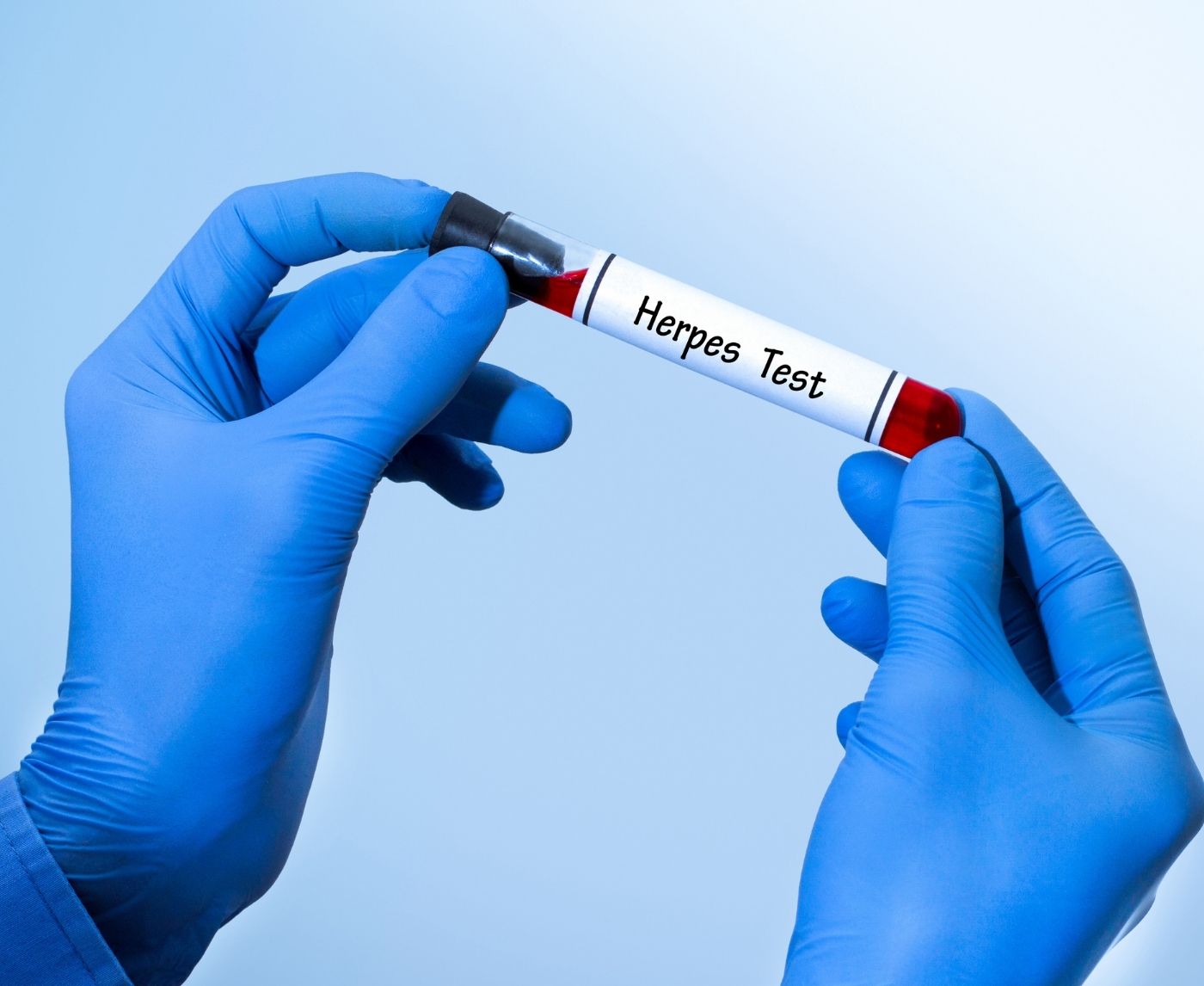

Quick Answer: Yes, you can test too early for herpes. Blood tests may not detect antibodies until 3 to 12 weeks after exposure. Testing early often leads to false negatives, especially with IgG tests.
Why This Happens More Than You Think
Jordan, 24, had never tested for STDs before. After a weekend trip with a new partner, she got paranoid about a small blister that showed up near her vulva. She went to urgent care and asked for “everything.” The tests came back clean, including herpes.
“I felt relieved, but also weirdly unsure,” she said later. “The doctor told me it was probably an ingrown hair. But two weeks later, I had flu-like symptoms and another sore. That’s when I realized something didn’t add up.”
Jordan had tested just five days after exposure. That herpes test was useless, not because the lab made a mistake, but because it was simply too early for her body to produce detectable antibodies. This is what’s known as the window period, and it trips up thousands of people every year.
Window Periods vs. Symptoms: Why They Don’t Always Match
The “window period” is the time between being exposed to the virus and when a test can actually detect it. For herpes, this is often longer than people expect. Many blood tests, especially the common IgG type, rely on your body’s immune response. If your immune system hasn’t started producing detectable levels of antibodies yet, the test comes back negative, even if you’re infected.
Meanwhile, the “incubation period” is how long it takes for symptoms to appear. Herpes symptoms can show up within 2 to 12 days, but some people don’t have symptoms for months, or ever. This mismatch creates confusion: you might feel something’s wrong, but test negative because the virus hasn’t shown up in your blood yet.
Here’s a breakdown of how timing plays into what your test results really mean:
| Timeline After Exposure | What Might Happen | Test Accuracy |
|---|---|---|
| 0–5 days | No symptoms yet, body hasn’t started producing antibodies | Too early, blood tests will likely be negative |
| 5–14 days | First outbreak might begin, or subtle symptoms appear | Swab tests might detect herpes if sores are present; blood tests still unreliable |
| 14–42 days | Antibody production begins, symptoms may resolve | Blood tests (IgG) begin to detect herpes with increasing accuracy |
| 6–12 weeks | No new symptoms for many, or intermittent tingling | IgG blood test becomes most accurate after 12 weeks |
Table 1. Herpes testing accuracy based on timing since exposure. Most false negatives occur when testing is done before the 3-week mark.
People are also reading: What to Do Right After a Positive Hepatitis B Test (No Panic Needed)
Why Early Testing Is So Tempting (and So Tricky)
It’s hard to wait. Especially if you feel something is off. The anxiety can be crushing. For many people, especially those with recent unprotected sex or a cheating partner, the urge to “just get tested now” is strong. And while it’s understandable, early testing can backfire emotionally.
Mike, 31, remembers standing outside a CVS with an at-home test kit. “I bought it the morning after because I noticed a burning sensation and just panicked. I didn’t even read the box.” His test came back negative, but his symptoms persisted. Three weeks later, a clinic-based IgG blood test confirmed HSV-2.
False reassurance from early testing can delay treatment, partner notification, and lead to more anxiety long-term. It can also interfere with legal or medical records, especially if you have multiple negative results on file before a proper diagnosis is made.
If you already tested early and got a negative, don’t beat yourself up. That test may still serve as a baseline. But you likely need to retest at the right time for herpes. And knowing when that is can give you a lot more control.
Check Your STD Status in Minutes
Test at Home with RemediumGenital & Oral Herpes Test Kit
 For Men & Women
 Results in Minutes
 No Lab Needed
 Private & Discreet
Order Now $75.00 $98.00
For all 2 tests
The Two Main Herpes Tests, and When They Work Best
Herpes testing isn’t one-size-fits-all. The right test depends on whether you have symptoms and when you were exposed. Swab tests can detect the virus directly from a sore, but they’re only helpful if a sore is present during the test. Blood tests look for antibodies (your immune system’s response), but they have a lag.
| Test Type | Detects | Best Time to Use | Limitations |
|---|---|---|---|
| Swab (PCR or culture) | Viral DNA or active virus | During outbreak (within 48 hours of sore appearing) | Won’t detect infection if no sores are present |
| IgM Blood Test | Early immune response (temporary antibodies) | 7–21 days post exposure | High false positives and false negatives; not recommended |
| IgG Blood Test | Long-term antibodies to HSV-1 or HSV-2 | Most accurate after 12 weeks | May miss recent infections; can't detect site of infection |
Table 2. Comparison of herpes testing methods by timing and accuracy. IgG is most useful after 12 weeks.
If You Already Tested Early, What Now?
If you tested within two weeks of possible exposure and your test came back negative, it doesn’t mean you’re in the clear. Especially if it was an IgG test. You’re still within the window period, and a follow-up test in a few weeks can give you a more accurate answer.
Some doctors recommend retesting at both 6 weeks and 12 weeks post-exposure. The 6-week test can offer early insight for some people, but the 12-week mark is when IgG results become more reliable. If you had symptoms but no sores, and your test was negative, consider asking for a different type of test, or retest at the proper window.
It's also okay to request both an HSV-1 and HSV-2 test. Many providers only run HSV-2 unless you specifically ask, but HSV-1 is increasingly a cause of genital herpes, especially through oral sex.
Still unsure? Herpes testing can feel murky, and many providers under-test or miscommunicate. If your gut says the test didn’t feel conclusive, trust that instinct. You’re not being paranoid, you’re being proactive.
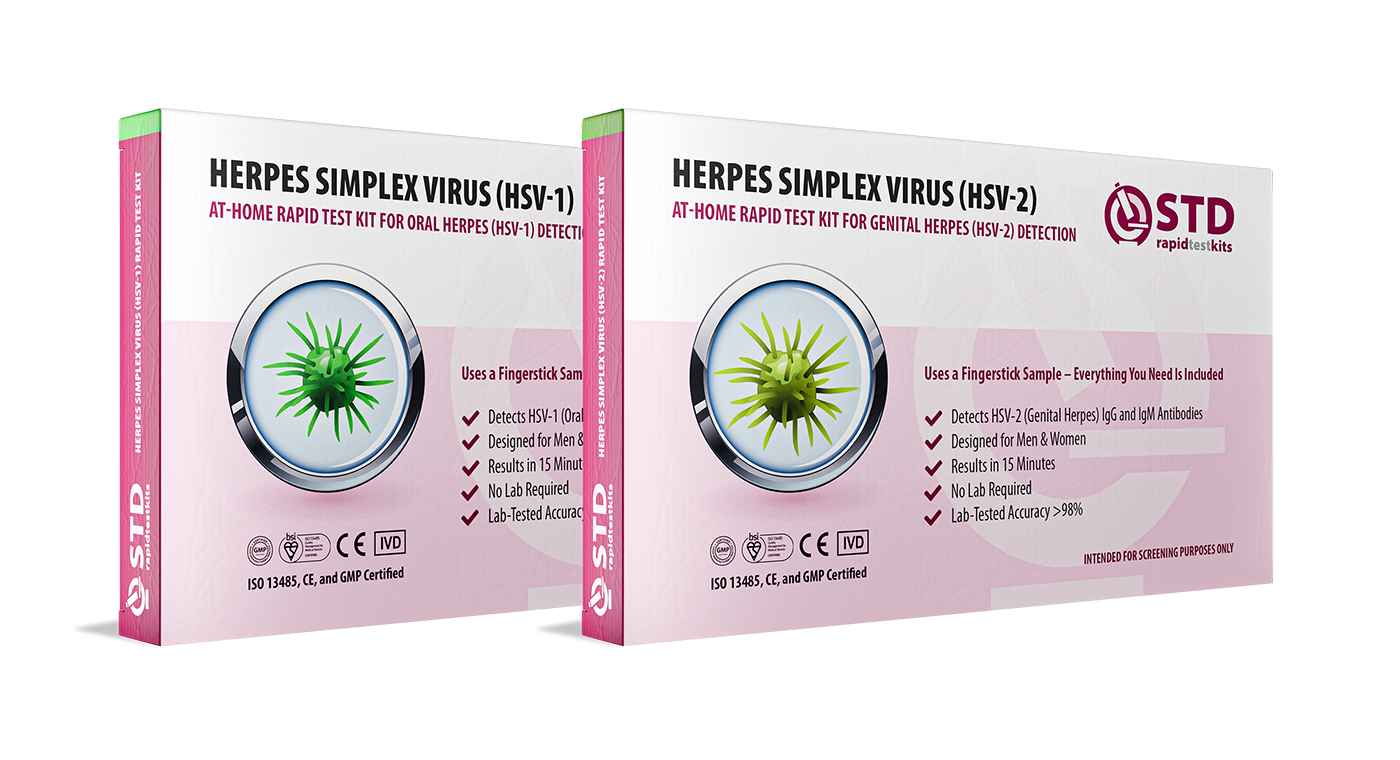
If your head keeps spinning, peace of mind is one test away. Order a herpes rapid test here or return to the full kit options on our homepage.
Case Scenario: The Negative That Wasn’t
Luis, 28, had a one-night stand during a business trip. Ten days later, he felt feverish and had swollen lymph nodes, but no visible sores. The clinic ran an STI panel, including an IgG herpes test. It came back negative. “I remember the nurse saying, ‘You’re clean,’ and I was so relieved,” he said. But six weeks later, his partner developed classic HSV-2 symptoms and tested positive. Luis retested at week nine and was positive too.
This isn’t rare. Herpes antibody tests take time. A negative result at 10 days post-exposure has limited value. If the test had been scheduled at the 12-week mark, Luis might have gotten an accurate diagnosis sooner, and possibly avoided passing the virus to someone else.
This doesn’t mean Luis did something wrong. It means the system often doesn’t explain how herpes testing actually works. That’s why understanding test timing is more than a detail, it’s a form of protection.
So When Should You Test?
The ideal testing window for herpes depends on your goals. If you have symptoms now (especially sores), a swab test is the most direct path. It detects active virus, not just antibodies. But it has to be done quickly, within 48 hours of sore appearance, for best results.
If you’re asymptomatic, the timeline shifts. IgG antibody tests become more reliable after 6 to 12 weeks. While you can test earlier, keep in mind that a negative result doesn’t rule out infection if you're still inside the window period. Here’s a simple but effective guidance strategy:
If you’re in week 1–2 post-exposure, wait unless you have symptoms. If you’re in week 3–6, a blood test might offer preliminary results, but plan to retest. If you’re in week 6–12, testing becomes more valuable. After 12 weeks, most people who are going to test positive will.
And remember, herpes doesn’t always mean symptoms. In fact, around 80% of people with HSV-2 don’t know they have it. That’s why test timing matters so much. It’s not about guilt or certainty, it’s about being informed.
Retesting After an Early Negative
Here’s what retesting can look like if you suspect herpes but tested too early:
You take an IgG test at day 10, negative. But the discomfort lingers. You feel like your skin is on edge, and you’re too anxious to relax. At the six-week point, you take another IgG test. This one comes back “equivocal”, not clearly negative, not clearly positive. The doctor says to wait another month. At 12 weeks, you test again. Positive for HSV-1.
This phased approach can feel exhausting, but it’s also your best shot at clarity. Herpes isn’t like strep, it doesn’t show up instantly. Patience, in this case, is part of protection.
If you're navigating multiple exposures or recent breakups, keep track of when each encounter happened. Testing too soon after a second exposure can overwrite the clarity of a first result. For complex cases, consider getting guidance from a telehealth provider or sexual health clinic that specializes in STI timelines.
Can At-Home Herpes Tests Help?
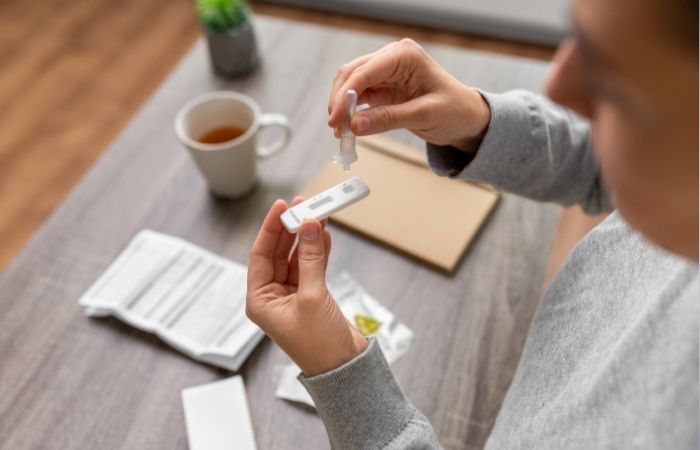
Yes, with caveats. At-home herpes tests can be convenient, especially if you're not ready to talk to a provider. But not all tests are created equal. Swab-based rapid tests can only detect herpes if there's an active sore. Blood-based at-home tests often use fingerprick samples to run an IgG assay through a mail-in lab.
The key with at-home herpes tests is knowing what type of test you’re using and where you are in the timeline. A fingerprick blood test taken two weeks after exposure is likely to come back negative, even if you’re infected. But taken at 12 weeks? It can offer accurate insight without stepping foot in a clinic.
Always choose FDA-cleared or CLIA-certified options. Look for language that explains when the test works best. And if you’re testing alone, give yourself extra grace, emotions can hit hard when you’re waiting for a result without support.
People are also reading: STD in the Throat? These Are the Symptoms You Shouldn’t Ignore
How Discreet Testing Helps People Take Action
Let’s say you live with roommates. You don’t want anyone seeing a clinic appointment on your calendar or hearing a call from your OB/GYN. Or maybe you’re in a new relationship and not ready to open up about your history just yet. Privacy shouldn’t be a barrier to sexual health.
That’s why discreet testing has become such a powerful tool, especially for herpes, where shame and confusion often delay action. Modern test kits arrive in plain packaging, require no awkward phone calls, and give you full control over when and how you test.
Discretion can also mean emotional privacy. Some people simply want to process their fear alone before looping in a partner or provider. And that’s okay. As long as you follow up with confirmatory testing or treatment if needed, starting with a private test is a valid first step.
Ready to explore your options? Visit our homepage or check out our Herpes Rapid Test Kit for a discreet option you can use at home.
How to Talk to a Partner If You're Still Unsure
This is the part no one prepares you for. You’re in limbo, maybe exposed, maybe infected, but not sure. You’re waiting on a follow-up test. And someone else’s health could be at stake. How do you talk about that?
Dina, 34, had tested too early for herpes after an intense weekend with someone new. She didn’t want to scare them, but she also didn’t want to wait weeks before saying anything. “I told him, ‘Hey, I tested, but I might have done it too soon. I just want to be honest,’” she said. “He was more appreciative than anything.”
This kind of conversation is hard, but often healing. When done with care, it builds trust. You don’t have to say everything perfectly. You can simply say: “I tested early for herpes and the result was negative, but I’ve learned that might not be conclusive. I care about your health and want to be transparent.”
And if you're on the receiving end of that message? Give people the benefit of the doubt. The testing system is confusing by design. Most people are doing their best with the knowledge they have.
Check Your STD Status in Minutes
Test at Home with Remedium8-in-1 STD Test Kit
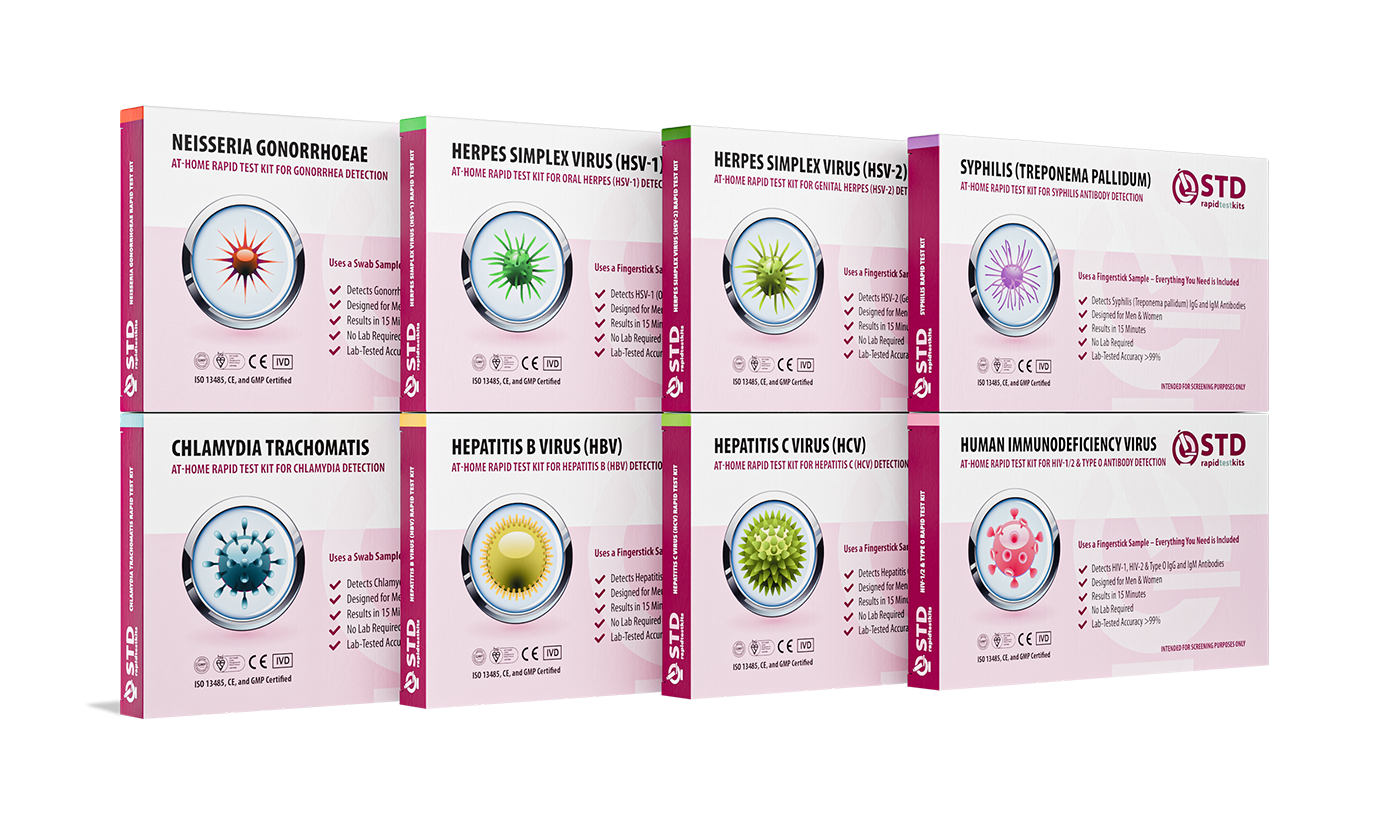 For Men & WomenResults in MinutesNo Lab NeededPrivate & Discreet
Order Now $149.00 $392.00
For all 8 tests
What If You’re Positive, But Only Found Out Later?
Some people don’t find out they have herpes until years after infection. The early test was negative, or they never tested at all. Then suddenly, an outbreak hits, or a partner tests positive. That moment can bring up anger, confusion, and shame. It’s valid to feel all of it.
But it’s also crucial to remember: herpes is incredibly common. According to the CDC, over 1 in 6 adults in the U.S. has HSV-2. Most don’t know they’re infected. This is not a “bad decisions” virus. It’s a skin-to-skin contact virus, and it spreads easily even when there are no symptoms.
Finding out late doesn’t mean you were irresponsible. It means the timing wasn’t right, or the healthcare system failed to explain the timing properly. What matters now is moving forward. Herpes is manageable. Suppressive therapy reduces transmission risk. Open conversations help partners understand. You’re not alone in this.
If you're starting that journey now, give yourself grace. And get informed about how to retest, disclose, and stay safe for future partners.
FAQs
1. Can I really test too early for herpes?
Yes, and it happens all the time. Herpes doesn’t show up instantly on tests, especially if you’re using a blood-based IgG test. Your body needs time (think 3 to 12 weeks) to make detectable antibodies. So if you tested right after a risky hookup and got a negative, that doesn’t necessarily mean you’re in the clear, it might just mean your immune system hasn’t caught up yet.
2. I had symptoms but my test came back negative. What gives?
You’re not imagining it. This is actually pretty common. Herpes swab tests only work if the sore is fresh, and IgG blood tests can miss early infections. If you tested within the first couple of weeks, your result could be a false negative. The move? Retest later, especially if the symptoms don’t go away or keep coming back.
3. How long should I wait to test after a possible herpes exposure?
If you're going for a blood test (IgG), aim for at least 6 weeks, but know that 12 weeks gives the most reliable result. Swab tests are different: if you see a sore, get to a clinic ASAP, ideally within 48 hours, so they can test the lesion directly. No symptoms? Wait it out. Accuracy grows with time.
4. Can I trust a negative herpes test from an at-home kit?
Yes, if you timed it right. Most at-home herpes kits are IgG-based, which means the 12-week rule still applies. If you test too soon, even the best test can miss an early infection. But used at the right time? They’re a discreet, lab-grade tool that saves you a trip and some stress.
5. What if my partner tested positive but I didn’t?
This is where herpes gets messy. One person might show antibodies sooner. Or one person might carry the virus without symptoms for years. You could’ve caught it but tested too early, or you might’ve had it first. Without timeline tracking and serial testing, it’s hard to know. Try not to spiral into blame. Focus on mutual care and clarity.
6. Do herpes tests show whether it’s oral or genital?
Not really. Blood tests can tell you if you have HSV-1 or HSV-2, but they don’t tell you where it lives. Swab tests taken during an outbreak can ID the type and location. But if you're asymptomatic, you're mostly working with puzzle pieces, not a full map.
7. What’s the deal with IgM vs IgG herpes tests?
Skip the IgM. Seriously. It sounds good in theory (“early antibodies!”), but in practice, it’s messy, tons of false positives, weird cross-reactions, and not much clarity. IgG is more reliable for long-term infection. If someone offers you an IgM? Politely decline and ask for an IgG or a swab if you have symptoms.
8. Can I pass herpes to someone even if I test negative?
Yes, especially if you’re still within the window period. Herpes sheds asymptomatically, meaning you can pass it without realizing it, even when you feel fine. That’s why testing is only one part of the picture. Communication, condoms, and meds (if you're positive) all play a role.
9. What if I don’t remember any symptoms, could I still have it?
Absolutely. Most people with herpes never get “classic” outbreaks. They might have mild symptoms that get brushed off as razor burn, ingrowns, or yeast infections. If a partner tests positive and you're negative but untested for months or years, it’s worth checking, even if you’ve never seen a blister.
10. How do I bring this up with someone I’m dating?
Keep it simple, honest, and low on drama. “Hey, I got tested for herpes a while ago, but I’ve since learned it might’ve been too soon. I’m getting retested just to be sure.” Most people will respect the transparency. If they don’t? That says more about them than it does about you.
You Deserve Clarity, Not Confusion
It's not just about the result when you get tested for herpes; it's also about the timing, the setting, and the emotional support. If you tested early and got a negative, you’re not alone. Many people go through this exact arc: worry, early testing, temporary relief, lingering symptoms, and then, eventually, clarity. But you shouldn’t have to wait in silence or shame.
Your health deserves better than rushed tests and murky advice. Whether you’re still unsure or ready to move forward, retesting with confidence and care is the best thing you can do for yourself, and your partners. Herpes is common, manageable, and not the end of intimacy. But it starts with accurate answers.
Don’t wait and wonder, get the clarity you deserve. This at-home combo test kit checks for the most common STDs discreetly and quickly.
How We Sourced This Article: We combined current guidance from leading medical organizations with peer-reviewed research and lived-experience reporting to make this guide practical, compassionate, and accurate.
Sources
1. CDC – Straight Talk on Genital Herpes
2. CDC – How Genital Herpes Is Treated (What to Expect)
3. Mayo Clinic – Getting Tested and Treated for Genital Herpes
5. World Health Organization – Herpes Simplex Virus
6. Planned Parenthood – Herpes Overview and Testing
About the Author
Dr. F. David, MD is a board-certified infectious disease specialist focused on STI prevention, diagnosis, and treatment. He blends clinical precision with a no-nonsense, sex-positive approach and is committed to expanding access for readers in both urban and off-grid settings.
Reviewed by: Dr. Amanda Ruiz, MPH | Last medically reviewed: December 2025
This article is for informational purposes and does not replace medical advice.


