





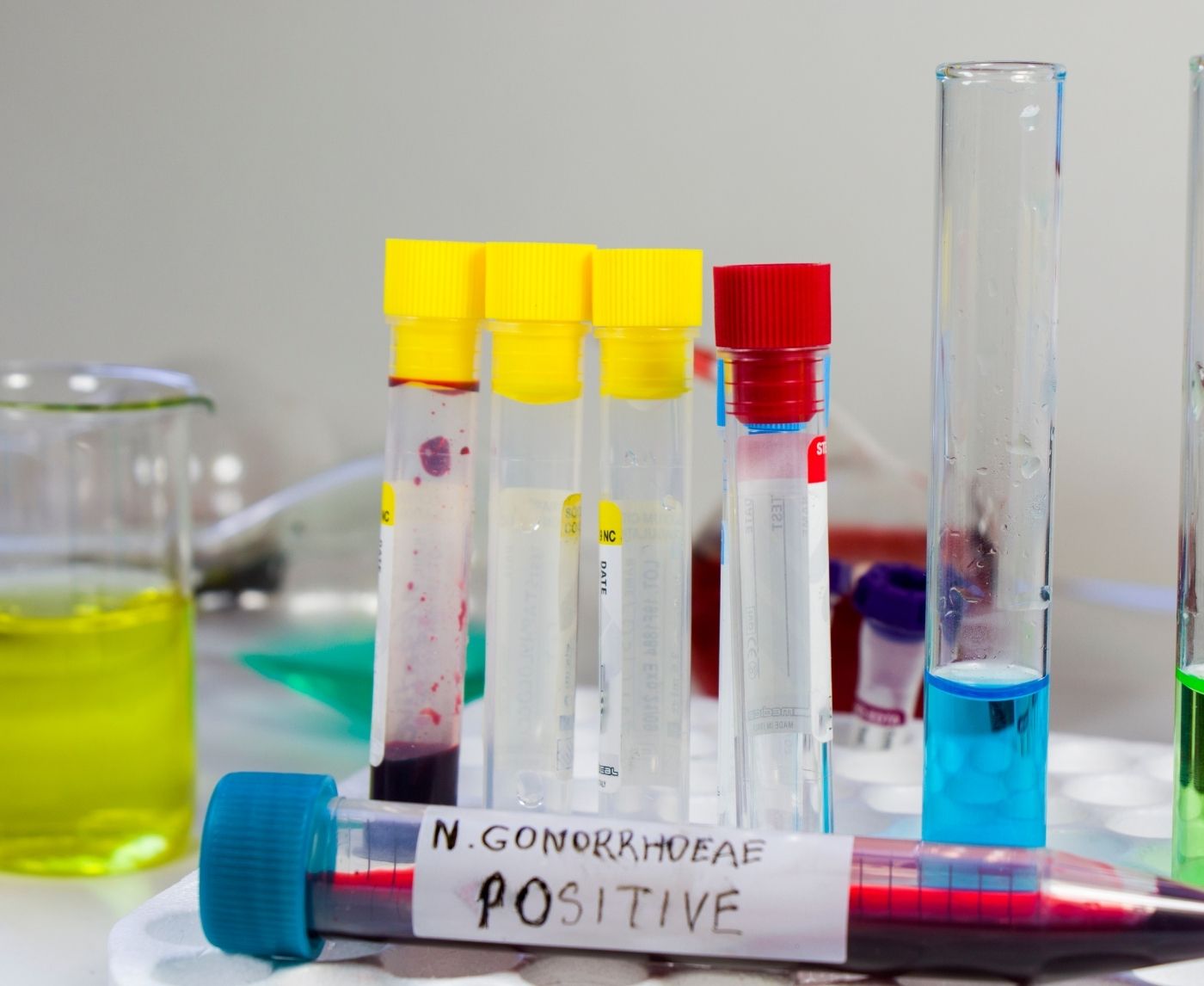

Quick Answer: People keep getting gonorrhea again because the infection is often passed back and forth between partners, hidden in untreated throat infections, or spread by partners who never knew they had it. This “reinfection cycle” is far more common than treatment failure.
Why Gonorrhea Reinfection Happens More Often Than People Think
At first glance, reinfection seems puzzling. After all, the standard antibiotic treatment for gonorrhea is highly effective when taken correctly. In most cases, the bacteria are eliminated within days. Yet reinfection rates remain surprisingly high across many countries.
The key reason is that infections often exist outside the person who was treated. A partner may still carry the bacteria without symptoms, or the infection may remain in a part of the body that was never tested. When sexual contact resumes, the bacteria simply re-enter the body. The cycle starts again.
Public health specialists have a nickname for this pattern: the “ping-pong infection.” One partner unknowingly infects the other, treatment happens for only one person, and the bacteria bounce back and forth.
Dr. Elena Torres, an infectious disease clinician who works in sexual health clinics, explains it plainly: “Most patients assume that if they took the medication, the problem is solved. But infections don’t live in isolation. If a partner wasn’t treated or tested, reinfection becomes almost inevitable.”
This dynamic explains why doctors almost always recommend partner testing and retesting after treatment. Without that step, the infection simply reappears later, leaving people feeling confused and sometimes ashamed about something that was largely outside their control.
The Three Most Common Reasons Gonorrhea Comes Back
Reinfection usually follows one of three patterns. These patterns appear repeatedly in epidemiological research and in real clinical settings. Understanding them can help people recognize where the cycle begins.
| Cause | How It Happens | Why It Leads to Reinfection |
|---|---|---|
| Untreated partner | One partner takes antibiotics while the other never gets tested | The untreated partner passes the infection back |
| Hidden throat infection | Oral gonorrhea goes unnoticed because it rarely causes symptoms | The bacteria can spread again during oral sex |
| New exposure | A new partner carries the infection unknowingly | The person simply contracts it again |
The first scenario, an untreated partner, is by far the most common. Many people delay telling partners because the conversation feels awkward or stressful. Others assume their partner would have symptoms if something were wrong. Unfortunately, gonorrhea often causes no symptoms at all, especially in women and in throat infections.
That silence allows the bacteria to linger. Weeks later, when sexual contact resumes, reinfection happens almost instantly.
One patient described the experience this way:
“I took the antibiotics and felt fine after a few days. But a month later I tested positive again. It turned out my partner never got checked because he assumed he’d know if something was wrong.”
This story isn’t unusual. In many cases, reinfection isn’t about irresponsibility, it’s about gaps in testing, communication, and awareness.
People are also reading: I Keep Getting Sick, Could It Be an Undiagnosed STD?
The Hidden Role of Asymptomatic Infections
Another reason reinfection is so common is that many people simply don’t realize they have the infection in the first place. Gonorrhea can exist in the body without obvious symptoms, particularly in the throat and sometimes in the rectum.
In fact, studies suggest that a significant percentage of throat infections produce no noticeable signs. Someone may carry the bacteria for weeks without feeling sick at all.
This creates a strange situation where someone believes they’re completely healthy while still being able to transmit the infection during oral sex. Because throat testing isn’t always included in routine screening, the infection can slip through unnoticed.
The result is another quiet reinfection pathway. A person receives treatment for genital gonorrhea, but a throat infection remains undetected. Later, oral contact spreads the bacteria again.
Dr. Marcus Nguyen, a public health researcher who studies STI transmission patterns, often reminds patients that silence doesn’t equal safety. “The absence of symptoms doesn’t mean the absence of infection. Gonorrhea is one of the most common infections we see that hides in plain sight.”
This is also why comprehensive testing matters. Clinics increasingly recommend screening multiple sites, genital, throat, and sometimes rectal, depending on sexual exposure.
At-home testing can help people close those gaps. Services like STD Rapid Test Kits allow individuals to screen privately and quickly, which makes it easier to catch infections before they silently circulate between partners.
Reinfection vs. Treatment Failure
One of the most common fears after a second diagnosis is that the antibiotics didn’t work. While antibiotic resistance is a legitimate global concern, true treatment failure is still relatively rare compared to reinfection.
In the majority of repeat cases, the bacteria didn’t survive treatment, they simply came back from another exposure.
| Scenario | What Happens | Likelihood |
|---|---|---|
| Reinfection | Person is exposed to the bacteria again after treatment | Very common |
| Treatment failure | Antibiotics fail to eliminate the bacteria | Relatively uncommon |
Doctors often ask a few key questions when someone tests positive again: Did partners receive treatment? Was there new sexual contact before retesting? Were all possible infection sites screened?
These questions help determine whether the situation is a reinfection cycle or a rare treatment problem.
For many patients, the answer becomes clear once they retrace the timeline of events after their first treatment.
Why Doctors Recommend Retesting After Treatment
Even when treatment works perfectly, doctors still recommend retesting several weeks later. They don't think the antibiotics didn't work, though. It's because reinfection happens often enough that public health rules say people should get tested again.
This is what the recommended timeline usually looks like:
| Testing Stage | Purpose | Timing |
|---|---|---|
| Initial diagnosis | Confirm infection | At symptoms or exposure |
| Treatment | Antibiotics eliminate bacteria | Immediately after diagnosis |
| Follow-up retest | Check for reinfection | About 3 months later |
This retesting window exists because reinfection tends to happen within a few months if partners were not treated or if new exposure occurred.
Some people prefer the convenience of checking earlier using an at-home gonorrhea test kit, which allows them to monitor their status discreetly without scheduling a clinic visit.
That kind of accessibility can make a real difference. The faster someone detects reinfection, the faster treatment can begin, and the sooner the transmission chain ends.
Check Your STD Status in Minutes
Test at Home with Remedium7-in-1 STD Test Kit
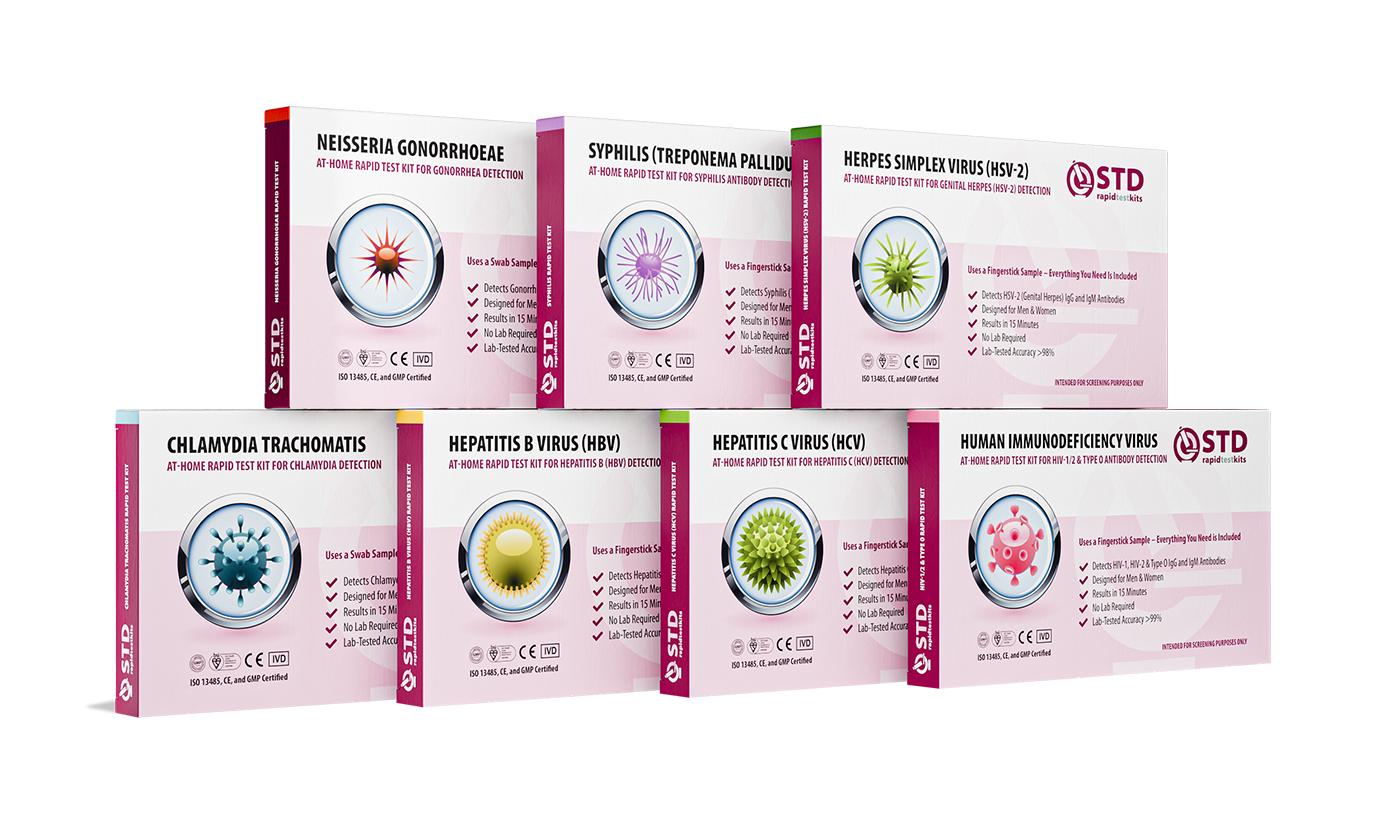
 For Men & Women
 Results in Minutes
 No Lab Needed
 Private & Discreet
Order Now $129.00 $343.00
For all 7 tests
Breaking the Reinfection Cycle
Once someone understands how the reinfection cycle works, the next question is usually simple: how do you stop it from happening again? The answer isn’t complicated, but it does require a few steps that people sometimes skip during the stress of a diagnosis.
The most important step is partner treatment. Anyone who has had sexual contact with the infected person within the previous weeks should be informed and tested. Without that step, treatment only solves half the problem.
Clinicians sometimes explain it bluntly to patients: if two people share the same infection, only treating one of them is like fixing only one side of a leaking pipe.
“When I first tested positive, I was embarrassed and didn’t tell the person I’d been seeing,” one patient recalled. “A month later we hooked up again and I ended up right back where I started.”
These conversations can feel uncomfortable, but they’re one of the most powerful tools for preventing reinfection.
Another critical step is waiting until treatment has fully cleared the infection before resuming sexual contact. Doctors generally recommend avoiding sexual activity for about a week after treatment and until all partners have been treated as well.
Finally, regular testing creates a safety net. Even people in long-term relationships benefit from periodic screening because many infections develop silently.
A Short Case Story: When Reinfection Feels Like Déjà Vu
Jordan, a 27-year-old graphic designer, remembers exactly how confused he felt after his second diagnosis. The first time he noticed burning during urination and decided to get tested immediately. The clinic confirmed gonorrhea, gave him antibiotics, and within days the symptoms disappeared.
“I honestly thought it was over,” he said. “The nurse told me the medication works really well, so I didn’t think much about it after that.”
About two months later the symptoms returned. The second test came back positive again.
At first Jordan wondered whether the medication had failed. But during the follow-up conversation, the clinician asked a simple question: had his partner been treated too?
It turned out the partner never got tested. They had assumed the infection would cause obvious symptoms if it were present.
That moment made everything click. The bacteria had simply traveled back and forth between them without either realizing it.
Stories like Jordan’s are incredibly common in sexual health clinics. Reinfection often feels mysterious until someone retraces the path of exposure.
Prevention Isn’t Just About Condoms
When people think about preventing sexually transmitted infections, condoms are usually the first thing that comes to mind. They remain one of the most effective tools for reducing risk, but reinfection cycles often involve additional factors that condoms alone can’t address.
Testing frequency, communication with partners, and awareness of asymptomatic infections all play equally important roles.
The prevention strategies that public health researchers emphasize tend to include a combination of behaviors rather than a single solution.
| Strategy | Why It Helps |
|---|---|
| Partner testing | Ensures both partners clear the infection at the same time |
| Routine screening | Detects asymptomatic infections early |
| Barrier protection | Reduces transmission risk during sex |
| Follow-up testing | Catches reinfection before complications develop |
None of these steps require perfection. They simply make it harder for the infection to quietly circulate between partners.
That’s why many sexual health professionals frame prevention less as a rulebook and more as a toolkit. The more tools someone uses, the harder it becomes for the bacteria to return.

People are also reading: New Oral Gonorrhea Treatments Are Here, But Testing Still Comes First
The Emotional Side of Reinfection That No One Talks About
There’s a quiet emotional loop that often follows a second gonorrhea diagnosis. People usually start by questioning themselves. Did I do something wrong? Did the medication fail? Is something wrong with my body?
The reality is much less dramatic. Reinfection is usually a social problem, not a biological one. Sexual networks overlap, symptoms are often invisible, and testing doesn’t always happen at the same time for everyone involved. The bacteria simply move through those gaps.
One patient once described the moment like this:
“I felt embarrassed at first. But once the nurse explained that reinfections are incredibly common, it felt less like a personal mistake and more like something that just happens when people don’t realize they’re carrying it.”
This shift in perspective matters. Shame tends to delay testing and conversations with partners. Understanding how common reinfection really is makes it easier to focus on the practical steps that actually stop it: communication, testing, and treatment for everyone involved.
In other words, the solution isn’t guilt. It’s information.
Why Gonorrhea Spreads So Easily Without Anyone Realizing
One of the most frustrating things about gonorrhea is how quietly it can move between people. Many infections cause few symptoms, especially in the throat or in early stages. Someone can feel perfectly healthy while still carrying the bacteria.
That silence creates a perfect environment for reinfection. Imagine two partners who both assume they’re fine because nothing feels wrong. Weeks later, one person gets tested for a completely unrelated reason and suddenly discovers the infection. By that time, the bacteria may have already traveled back and forth more than once.
Public health researchers see this pattern all the time. It’s one reason screening programs emphasize routine testing even when symptoms aren’t present.
The strange irony of gonorrhea is that the people who feel the healthiest are sometimes the ones most likely to unknowingly spread it. Without testing, there’s simply no way to know the bacteria are there.
That’s why early detection matters so much. The sooner someone learns their status, the sooner the chain of transmission stops.
Check Your STD Status in Minutes
Test at Home with Remedium8-in-1 STD Test Kit
 For Men & WomenResults in MinutesNo Lab NeededPrivate & Discreet
Order Now $149.00 $392.00
For all 8 tests
How Testing Changes the Entire Equation
When you look at how gonorrhea spreads, one thing becomes clear: testing interrupts the cycle faster than almost anything else. Antibiotics eliminate the infection, but testing is what reveals where the bacteria are hiding in the first place.
In the past, testing usually required a clinic visit, which meant scheduling appointments, waiting rooms, and sometimes uncomfortable conversations. Those barriers often delayed diagnosis.
Today, testing options are far more flexible. Many people still prefer clinics, while others choose private screening through services like STD Rapid Test Kits so they can check their status from home.
The method matters less than the timing. What matters most is catching infections early and making sure partners get tested too.
When that happens, the reinfection cycle starts to fall apart. Instead of bouncing between people unnoticed, the bacteria run out of places to go.
And that’s ultimately how gonorrhea outbreaks shrink: not through perfect behavior, but through faster detection and treatment.
FAQs
1. Can you get gonorrhea twice?
Yes, and it happens more often than people expect. Gonorrhea doesn’t give your body immunity, so once the bacteria are gone, you’re basically back to square one. If you’re exposed again, even from the same partner, the infection can return just as easily as the first time.
2. Why do people keep getting gonorrhea again?
Most of the time it’s not that the antibiotics failed. It’s that the bacteria never really left the relationship. Maybe a partner didn’t get treated, maybe someone had a silent throat infection, or maybe a new partner unknowingly carried it. Gonorrhea spreads quietly, which makes the reinfection cycle surprisingly easy to fall into.
3. How soon can you get gonorrhea again after treatment?
Technically, as soon as you’re exposed again. Doctors usually recommend waiting about seven days after treatment, and making sure partners are treated too, before having sex again. Skip that step, and the bacteria can come right back like an unwelcome sequel.
4. Does gonorrhea come back after antibiotics?
The antibiotics themselves usually work very well. When people test positive again, it’s usually a brand-new infection rather than the old one surviving treatment. In other words, it didn’t “come back”, it got reintroduced.
5. Can couples pass gonorrhea back and forth?
Absolutely, and clinics see this all the time. Public health folks even have a nickname for it: the “ping-pong infection.” One partner gets treated, the other doesn’t realize they’re infected, and the bacteria bounce back across the relationship the next time they have sex.
6. Can throat gonorrhea cause reinfection?
Yes, and this one surprises people. Gonorrhea in the throat often has zero symptoms, no pain, no coughing, nothing obvious. That means someone can carry it without realizing it and pass it during oral sex, even after a genital infection was treated.
7. Why do doctors tell you to test again after gonorrhea treatment?
Not because they expect the medication to fail. It’s because reinfection happens so often that follow-up testing catches cases that might otherwise go unnoticed. Think of it like a safety check a few months later.
8. Do condoms completely prevent gonorrhea?
Condoms reduce the risk a lot, especially for vaginal and anal sex. But they don't make a perfect shield. You can still get gonorrhea from oral sex or touching infected fluids that get to parts of your body that the condom doesn't cover.
9. What should you do if gonorrhea keeps coming back?
Start by zooming out and looking at the bigger picture. Make sure partners were treated, consider testing the throat or rectum if those exposures happened, and schedule follow-up testing. Once those gaps are closed, the cycle usually stops.
10. Is getting gonorrhea multiple times a sign something is seriously wrong?
Not at all. It’s frustrating, sure, but it’s also incredibly common. Reinfections happen because sexual networks are complicated, symptoms are often silent, and testing doesn’t always happen at the same time for everyone involved.
You Deserve Answers, Not Guesswork
Getting gonorrhea more than once can be annoying or even embarrassing. But in reality, reinfection cycles are very common and are usually due to gaps in testing or partner treatment, not because someone failed.
The good news is that the cycle can be broken. When partners test together, infections are detected early, and follow-up screening happens on schedule, the bacteria lose the opportunity to bounce back.
If you want fast, private answers without waiting for a clinic appointment, you can explore discreet testing options through STD Rapid Test Kits. Early testing and honest conversations are two of the simplest ways to protect both your health and your partners.
How We Sourced This: This article draws on guidance and research from major sexual health authorities, peer-reviewed epidemiology studies, and clinical experience reported by infectious disease specialists. Data and explanations reflect current public health understanding of gonorrhea transmission and reinfection patterns.
Sources
1. Centers for Disease Control and Prevention – Gonorrhea Overview
2. World Health Organization – Gonorrhoea Fact Sheet
3. Mayo Clinic: Signs and Causes of Gonorrhea
4. Planned Parenthood – Gonorrhea Information
5. PubMed—Research on Gonorrhea Reinfection and Transmission
About the Author
Dr. F. David, MD is a board-certified infectious disease physician specializing in sexually transmitted infections, diagnostic testing, and public health prevention. His work focuses on translating complex sexual health research into practical, stigma-free guidance that helps people understand symptoms, testing timelines, and treatment options.
Reviewed by: Michael R. Levin, MD, Infectious Disease | Last medically reviewed: March 2026
This article is only meant to be read for educational purposes. It should not be used instead of professional medical advice, diagnosis, or treatment.


