Published: November 2025 | Last updated: May 2026 | Editorial review and quality control: Martina N.
After a few months of constant fatigue, low-grade fevers, and joint aches that come and go, the appointment script starts to repeat itself. Bloodwork looks normal. The thyroid panel is fine. An autoimmune workup comes back inconclusive. You leave with a referral, a recommendation to sleep more, and the same vague unease you walked in with.
If that loop sounds familiar, there is one category of cause that often does not get checked: a sexually transmitted infection that has been quietly active for months or longer. Some STIs trigger immune responses that look almost identical to autoimmune flares, post-viral fatigue syndromes, or chronic pelvic pain conditions. The CDC's basic facts on STIs note that millions of new infections occur in the United States every year, and that many cause no symptoms a person can see or feel.
This guide walks through what undiagnosed STIs do to the immune system, why they get missed by routine panels, and how to think about whether testing might explain symptoms that have not added up. It is not a diagnostic tool. It is a framework for what to ask for next.
Key Takeaways
- Many STIs cause no noticeable symptoms, but the immune system still responds, which can show up as fatigue, brain fog, joint pain, and low-grade fevers that look like autoimmune flares.
- Routine clinic panels often skip herpes, trichomoniasis, and HPV unless you specifically ask. Asking what was actually tested for, and retesting after the relevant window period, is often the gap worth closing.
When Silence Is a Symptom Too
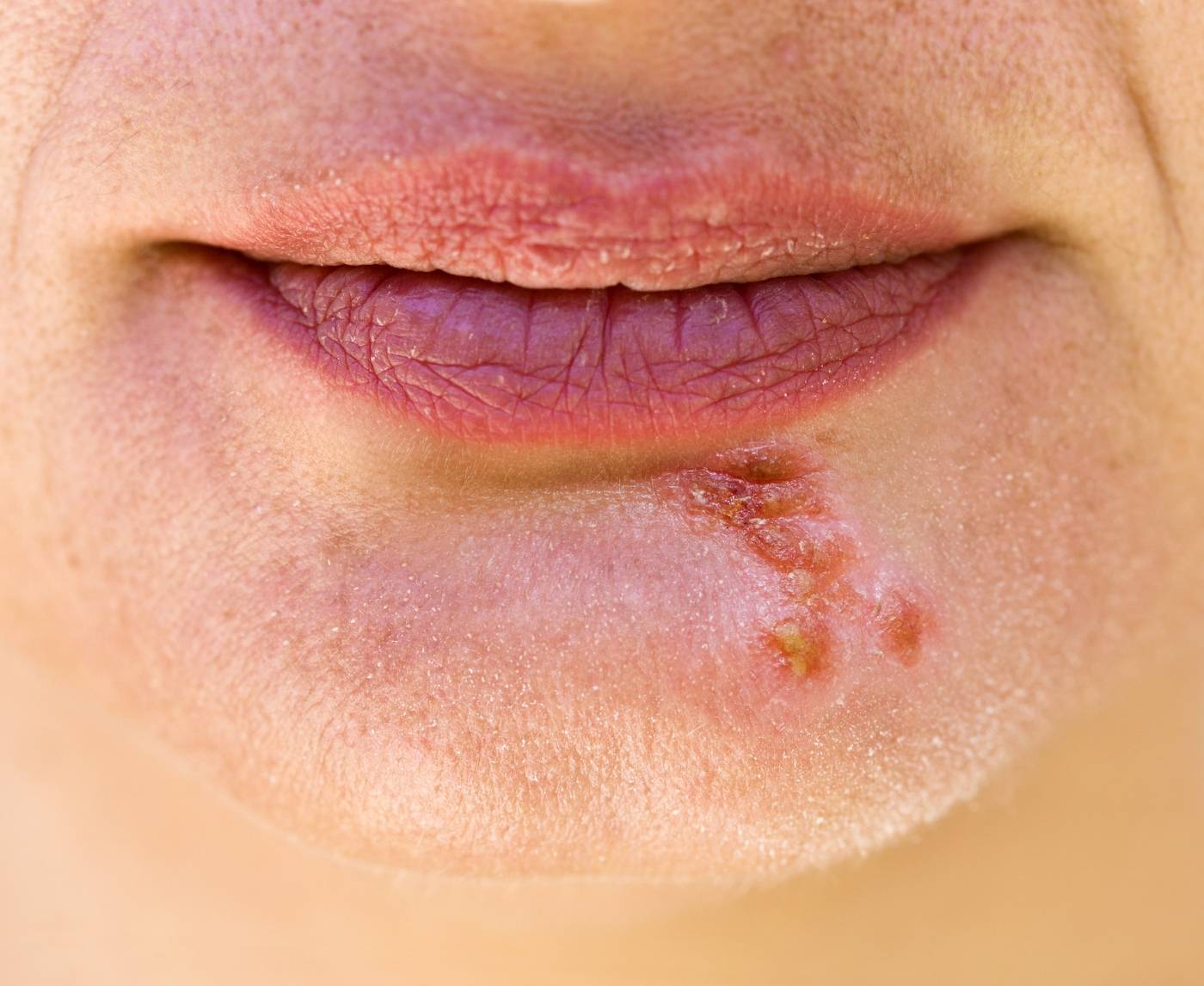
Public-health posters still lead with discharge, sores, and a burning feeling on urination. Those signs are real, but they describe a fraction of what actually happens. Most STIs cause nothing visible at all. Chlamydia, the most commonly reported bacterial STI in the United States, is a textbook example. The CDC's chlamydia overview states that chlamydia often has no symptoms, which is one reason routine screening is recommended every year for sexually active women under 25 and for higher-risk groups regardless of age.
Chlamydia can spread silently through the cervix, urethra, and upper reproductive tract while staying invisible from the outside. The body still fights back, and that immune response is the source of the vague fatigue, intermittent fevers, joint discomfort, and general off-feeling that bring people to the doctor with lab work that shows nothing in particular.
The same pattern applies to other infections. Untreated gonorrhea can cause low-level inflammation that registers as intermittent groin soreness or fatigue. Trichomoniasis can drive recurring urethral irritation in men that gets attributed to a urinary tract infection. In women, chronic pelvic pain and irregular cycles often get categorized as hormonal or stress-related before infection testing is run.
Most STIs cause no visible signs, but the immune system is still fighting. That fight is what produces the fatigue, fevers, and joint discomfort that bring people to the doctor before anyone has thought to put an STI on the working list of suspects.
How Silent STIs Can Look Like Other Conditions
When an STI is asymptomatic locally, the systemic immune response can mimic autoimmune flares with surprising precision. Inflammation is a generic response. The body activates it whether the trigger is an autoimmune attack, a viral reactivation, or a bacterial pathogen, and the downstream feeling can be similar enough that a clinician with limited time in the room reaches for the most familiar diagnostic frame first.
That overlap is one reason patients sometimes get bounced between specialists. A rheumatologist tests for lupus markers and finds nothing definitive. A gastroenterologist works up irritable bowel syndrome. A gynecologist considers endometriosis. Each one is doing the right test for the question they were asked. The problem is which question gets asked first, and whether anyone takes a sexual-history beat detailed enough to put an undiagnosed infection on the list.
The table below maps a few common silent STIs to the immune patterns they produce and the conditions clinicians sometimes consider before they consider an infection.
| Silent STI | Immune Response | Mimics | Commonly Misdiagnosed As |
|---|---|---|---|
| Chlamydia | Chronic pelvic inflammation, fatigue | Autoimmune flare, IBS | Endometriosis, chronic fatigue |
| Herpes (HSV-1/HSV-2) | Nerve inflammation, fatigue, fever cycles | Fibromyalgia, chronic viral syndrome | Shingles, MS, anxiety disorder |
| HIV (acute and early) | Immune surge, fever, joint pain, lymphadenopathy | Mono, lupus, generic viral infection | Long COVID, flu, rheumatoid arthritis |
| Trichomoniasis | Intermittent inflammation, urethral irritation | UTI, interstitial cystitis | Overactive bladder, recurrent yeast infection |
When You Already Have a Chronic Condition
For someone with an existing autoimmune condition like lupus, Crohn's, or rheumatoid arthritis, an undiagnosed STI is harder to spot precisely because the baseline already includes flares. A new infection becomes background noise, and the symptoms it adds are often attributed to the primary diagnosis.
Some of the documented interactions are worth knowing. The CDC's STI clinical guidance notes that co-infection with HIV and other STIs (especially syphilis and HSV) can change how each infection presents and complicate management. People managing chronic fatigue syndrome may experience an HSV outbreak as a generic crash rather than a recognizable viral episode. Pelvic pain conditions like endometriosis or PCOS can mask trichomoniasis or chlamydia, because the flare patterns look similar enough to the patient's usual experience that nothing prompts a fresh STI workup.
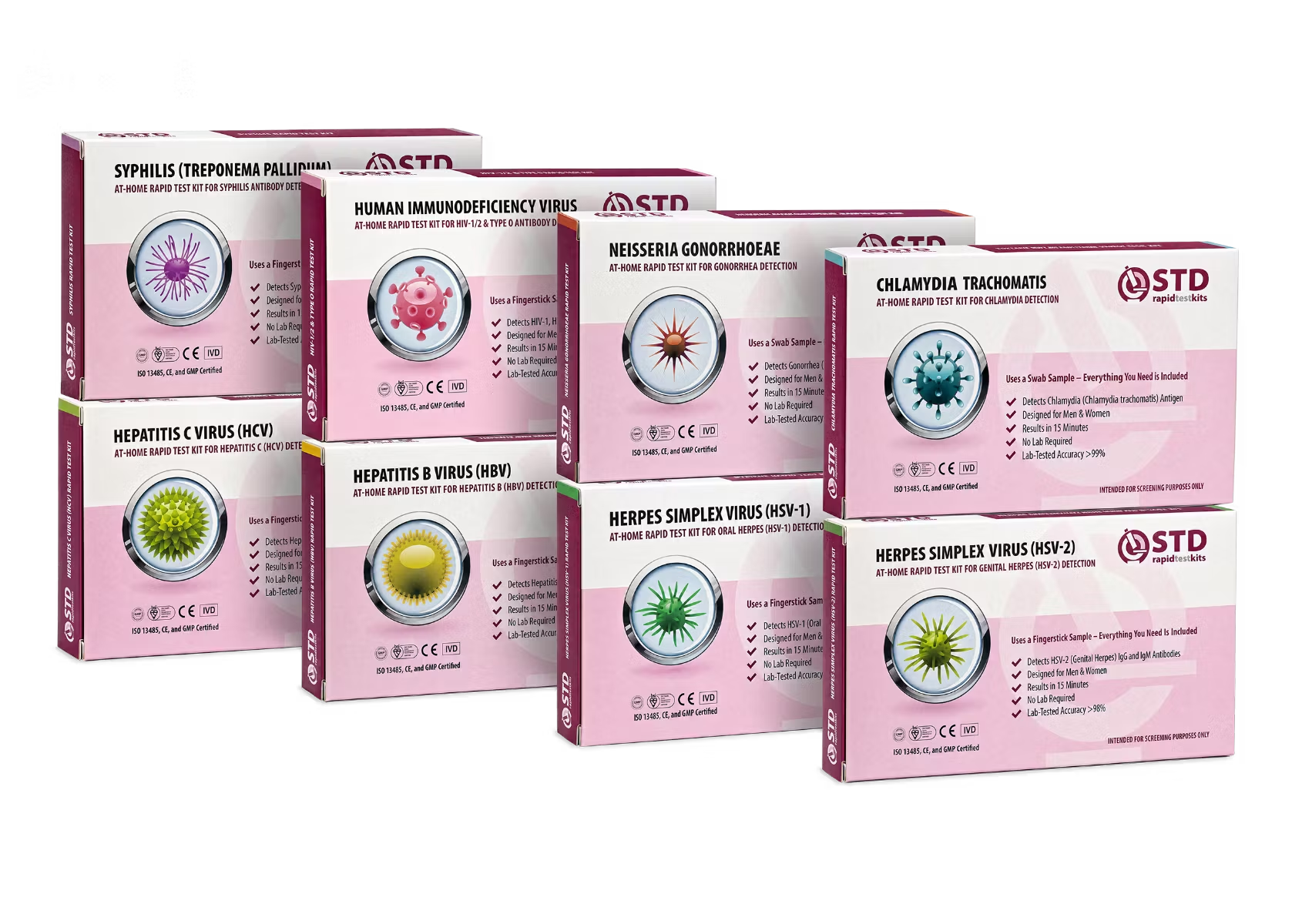
What links these scenarios is a screening gap. Routine physicals do not always include a full STI panel, and chronic-condition follow-up appointments are usually focused on the primary diagnosis. Patients in this situation often need to specifically ask, or test independently from home, to rule out an active infection as a contributor to symptoms they have been attributing to their existing condition for months or years. (Disclosure: this site, stdrapidtestkits.com, sells the at-home rapid tests referenced in the kit below; product mentions are based on fit-for-purpose for the reader's concern, not commercial benefit.)
An overlapping STI flare can look identical to your usual baseline, and chronic-condition follow-up appointments almost never include a full STI panel by default. Specifically asking, or testing independently, is often the only way the question gets answered.
Your Immune System Is Trying to Tell You Something
The human immune system is built to detect and eliminate pathogens quickly. Most acute infections, like a stomach bug or a chest cold, follow a recognizable arc: spike, peak, resolve. STIs like HSV and HIV behave differently. They establish themselves and persist. The immune system stays on alert, sometimes for years, without fully clearing the infection.
That sustained activation has a name. Researchers describe it as low-grade chronic inflammation, and it is one of the mechanisms behind a lot of the symptoms people describe but cannot pin down. You may not see swelling or redness. What you feel is brain fog, broken sleep, vague muscle aches, slow recovery from anything else that hits you, and mood changes that do not match your usual baseline. Some people describe it as a flu that never quite ends.
Standard inflammatory markers like CRP and ESR can be slightly elevated or completely normal in this state. That is part of the diagnostic problem. The lab values do not reliably flag what is happening, so a focused infection workup based on sexual-history risk factors often does more useful work than another round of generic inflammation panels. If a primary-care provider has already run the obvious labs and come up with nothing, this is the moment when broadening the STI panel is worth raising.

Why Standard Panels Sometimes Miss What Matters
The phrase "I had a clean STI test" hides a lot. Not every STI test panel includes the same infections. The default mix at most US clinics covers chlamydia, gonorrhea, syphilis, and HIV. Coverage for herpes, trichomoniasis, and HPV varies widely by clinic protocol and is usually opt-in based on the appointment context.
Routine HSV antibody screening is generally not part of standard STI panels; clinicians typically order it only when symptoms or partner notification make it clinically relevant. The CDC's herpes overview describes the testing options without calling for universal screening of asymptomatic people. Trichomoniasis is included for women in some clinics but is rarely tested for in men. HPV is screened through cervical cytology, which means it is age-based and is generally only checked in people getting routine pelvic exams.
The takeaway is that clinic panels are designed for the most common scenarios. "I tested negative" is more accurately stated as "I tested negative for the four to six things that panel covered." If your symptoms have not been explained, asking your provider what was actually run, and what was not, is a useful next step. The table below shows what most clinic panels cover compared with a typical home combo kit.
| STI | Included in Routine Checkup? | Included in Standard Clinic Panel? | Included in Combo Home Test? |
|---|---|---|---|
| Chlamydia | Only if requested | Yes | Yes |
| Gonorrhea | Only if requested | Yes | Yes |
| Herpes (HSV-1/HSV-2) | No | Rarely | Yes |
| Trichomoniasis | No | Sometimes (women only) | Yes |
| Syphilis | Only in some populations | Yes | Yes |
| HIV | Only with consent | Yes | Yes |
How Long Can an STI Go Undetected?
Years. In some cases, a decade or more. The duration depends on the infection and on how the body's immune response keeps it in check.
Chlamydia is the most-cited example. Untreated, it can ascend the reproductive tract and lead to pelvic inflammatory disease, which the CDC's PID overview notes can develop with mild or no symptoms and can lead to scarring of the fallopian tubes that affects fertility before anyone realizes the underlying infection was ever active. HPV is another long-tail example: a high-risk strain can persist for years before driving cervical cell changes that show up on a Pap test. HSV stays latent in nerve ganglia for life, with reactivation patterns that vary widely between people.
Long duration matters for two reasons. First, the longer an infection persists untreated, the more cumulative inflammation the body has to manage, which contributes to the kind of symptom drift discussed above. Second, some STIs do real anatomical damage during the silent phase. Catching them earlier limits both kinds of harm.
Approximate silent-phase durations
- Chlamydia: months to years untreated and often without symptoms; can quietly cause PID and fertility-affecting scarring before being diagnosed.
- HPV: high-risk strains can persist for years before driving cervical cell changes that appear on a Pap test.
- HSV: latent for life in nerve ganglia, with reactivation patterns that vary widely between people.
- HIV: acute phase can produce fever and lymphadenopathy that look like a generic viral infection; later stages can stay clinically quiet for years without antiretroviral therapy.
When to Test: Timing Matters More Than You Think
Every STI has a window period: the time between exposure and when the test can reliably detect the infection. Testing too early gives false reassurance. Testing too late lets the infection do more damage. The right window varies by infection and by test method, and getting this part right is often more important than picking the most expensive panel.
For chlamydia and gonorrhea, swab-based tests can detect infection from about 1 to 2 weeks after exposure. For HIV, the window depends on the test type: laboratory antigen-antibody ("fourth-generation") tests detect infection by about 18 to 45 days post-exposure, while rapid antibody tests, including most home rapid kits, can take longer to turn positive. For syphilis, antibody tests are generally reliable from about 3 to 6 weeks post-exposure. HSV antibody tests can take 12 to 16 weeks to fully turn positive after a primary infection. The CDC's STI clinical guidance is the authoritative reference on these windows.
Practical version: if you are testing because of a specific exposure or because of symptoms that started recently, picking the right test and timing it correctly matters more than running everything immediately. If a first test comes back negative but symptoms persist, retesting after the relevant window has passed is reasonable. Testing within the window and stopping there is one of the most common reasons people get a false-negative result and walk away thinking the question is answered.

What to Expect from Results, and What Comes Next
Negative results are not always the end of the story. If symptoms persist, the possibilities include a recent exposure not yet detectable in the test's window, a different infection that was not on the panel, or a non-infectious cause that needs its own workup. Repeating the relevant test after the window period closes, or running a broader panel, often clears up which it is.
A positive result is treatable in nearly every case. Bacterial STIs like chlamydia, gonorrhea, syphilis, and trichomoniasis are curable with antibiotics, and the CDC's treatment guidance is updated regularly so most regimens are short and well-tolerated. Viral STIs like HSV and HIV are not curable but are well-managed: HSV antivirals shorten outbreaks and reduce transmission risk, and modern HIV antiretroviral therapy gets viral load to undetectable. The CDC's HIV treatment page describes this under the U=U framework, Undetectable equals Untransmittable, meaning people on consistent suppressive therapy with an undetectable viral load do not sexually transmit HIV.
The single most useful action after a positive result, after starting treatment, is contacting recent partners so they can test and treat. The CDC offers anonymous partner-notification tools for several STIs to make that conversation less awkward when needed. Diagnosis is the moment a previously silent problem becomes a treatable one.
Negative result vs positive result
- Negative: if symptoms persist, retest after the relevant window has closed, or ask for a broader panel that covers infections the first round did not include.
- Positive: start treatment promptly, confirm any home rapid result with a clinician for treatment and follow-up, and contact recent partners so they can test and treat as well.
Privacy and the New Era of Home Testing
Home rapid lateral-flow STI tests have closed the gap between symptom onset and getting a usable answer. The instructions are short, the result is a strip read like a pregnancy test, and the kit ships in unbranded packaging. The privacy is real, and that matters: people who have avoided testing because of stigma, scheduling, or past clinical experiences they did not want to repeat are more likely to actually get tested when the barrier is the size of a 15-minute home test.
The trade-off worth knowing about: home rapid lateral-flow tests are not the same technology as the lab nucleic acid amplification tests (NAATs) that clinics use as the gold standard for chlamydia and gonorrhea. The two are complementary. Home rapid tests are useful for fast screening, especially when symptoms or exposure history make the question urgent. A positive on a home test is worth confirming with a clinician-run lab test, both to start treatment promptly and to satisfy any later requirements such as insurance, occupational health, or partner-notification systems.
Many STIs have no symptoms or may only cause mild symptoms, so people can have an infection but not know it.
How to Retest After a Flare-Up or Exposure
For people with chronic immune conditions or a history of unresolved symptoms, a single round of testing is often not enough. The CDC recommends retesting after treatment for chlamydia and gonorrhea at three months, because reinfection from an untreated partner is common and the original treatment did nothing about that exposure. For HSV, a positive antibody result on a home rapid test is reasonably useful for confirming established infection, but a recent exposure may need a follow-up test 12 to 16 weeks out before a negative result is meaningful.
For people in long-term relationships who already test negative, the most useful approach is testing on the events that change the calculus: a new partner, a known exposure, or a flare in symptoms that has not been explained by other workups. For sexually active adults outside monogamous relationships, the CDC's general recommendation is annual screening at minimum, with more frequent screening for higher-risk groups. People managing chronic immune conditions can reasonably retest every 6 to 12 months as part of tracking what is and is not contributing to their flare patterns.
| Scenario | Suggested retest timing |
|---|---|
| After treatment for chlamydia or gonorrhea | At 3 months, to catch reinfection from an untreated partner |
| After possible HSV exposure | At 12 to 16 weeks, after antibodies have had time to develop |
| Sexually active adults outside monogamy | At least annually, more often for higher-risk groups |
| Chronic immune conditions or unexplained flares | Every 6 to 12 months, as part of tracking flare-pattern triggers |
FAQs
- Can an undiagnosed STI really cause fatigue and immune symptoms?
- Yes. Persistent infections like HSV, HIV, and untreated chlamydia drive sustained immune activation, which the body experiences as fatigue, brain fog, low-grade fever, and joint discomfort. The CDC notes that many STIs cause no symptoms a person can see or feel; the systemic immune response is often the first thing a person actually notices, even when the local infection is silent.
- I keep testing negative but I still feel off. What might be going on?
- Two common reasons. First, the test was run inside the window period, before the infection was reliably detectable. Second, the panel did not include the infection causing symptoms. Most clinic STI panels cover chlamydia, gonorrhea, syphilis, and HIV by default; herpes, trichomoniasis, and HPV are usually opt-in. Asking what was actually tested for, and retesting after the relevant window closes, are reasonable next steps.
- Could I have had an STI for years without knowing?
- Yes. Chlamydia, HPV, and HSV can persist for years without producing symptoms a person notices. The CDC reports that many STIs are asymptomatic, which is one reason routine screening is recommended for sexually active people regardless of how they feel.
- I have been with the same partner for years. Do I still need to test?
- If neither of you tested for a full panel before the relationship started, yes. STIs from past partners can be present and quietly active for years, and silent infections do not have a relationship-status filter. Testing once for a clear baseline, then retesting on a relevant event such as a new partner or unexplained symptoms, is reasonable.
- Why did my doctor not catch this sooner?
- Routine STI panels are designed for common scenarios and do not include every infection by default. If the appointment was framed around a different concern, or the visit did not include detailed sexual-history questions, the panel run may not have included herpes or trichomoniasis at all. This is a system gap rather than a personal failure on either side.
- What does an immune flare from an STI feel like?
- Patterns vary by infection. Common ones include deep fatigue that does not improve with rest, brain fog, low-grade fevers that come and go, joint pain, and sometimes nerve tingling or numbness. The pattern is non-specific, which is why these symptoms often get attributed to stress, autoimmune flares, or post-viral syndromes before a focused infection workup is considered.
- How accurate are home rapid STI tests?
- Sensitivity and specificity vary by infection and by kit; check the specific product's instructions for use for the figures that apply to what you are testing for. Home rapid tests use lateral-flow chemistry rather than the lab NAATs used as the gold standard for chlamydia and gonorrhea, so a positive result on any home rapid test is worth confirming with a clinician before starting treatment.
- If I test positive, what should I do first?
- First, confirm the result with a clinician if your home test is the only one run so far. Second, start treatment. Bacterial STIs are cured with short antibiotic courses; viral STIs are managed with antivirals or antiretrovirals. Third, contact recent partners so they can test and treat as well. The CDC offers anonymous partner-notification tools for several STIs.
You Deserve Answers, Not Assumptions
If your immune system has been flaring, your fatigue feels endless, or every appointment ends in normal labs and a recommendation to rest, an undiagnosed STI is one of the explanations worth ruling out. It is not the only possible cause, and it might not be the cause for you. But it is one of the few causes routine workups skip by default, and it is one of the few you can check on your own without waiting for a referral.
A home test gives a fast, private answer. A clinic visit gives a more comprehensive panel and a treatment path if the answer is positive. Either route is better than continuing to guess. Closing that question, in either direction, removes one variable from a list that may have been open for months.
- U.S. Centers for Disease Control and Prevention. About STIs: prevalence framing and asymptomatic infection messaging.
- U.S. Centers for Disease Control and Prevention. STI clinical guidance hub for the 2021 STI Treatment Guidelines, used for window periods and co-infection management.
- U.S. Centers for Disease Control and Prevention. Chlamydia overview, used for asymptomatic-rate context and screening recommendation for sexually active women under 25.
- U.S. Centers for Disease Control and Prevention. Pelvic Inflammatory Disease overview, used for the silent-PID-from-chlamydia and fallopian-tube-scarring discussion.
- U.S. Centers for Disease Control and Prevention. Genital herpes overview, used for HSV testing options and the absence of universal-screening recommendations.
- U.S. Centers for Disease Control and Prevention. HIV treatment overview, used for the U=U (Undetectable equals Untransmittable) framing.
- U.S. National Library of Medicine, MedlinePlus. Sexually transmitted infections: overview, signs, and diagnostic options.
- World Health Organization. Sexually transmitted infections (STIs) fact sheet.
