





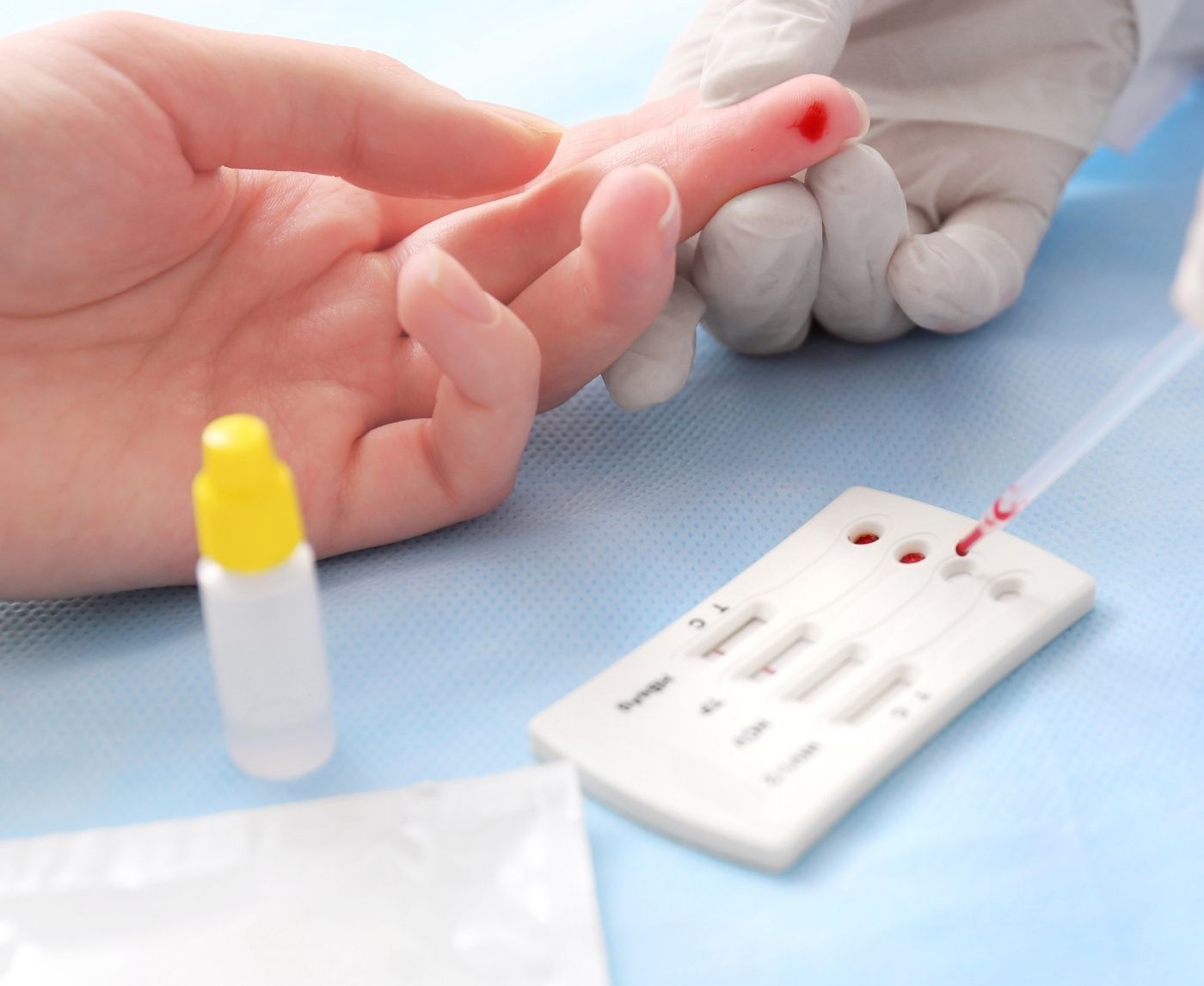

Quick Answer: Start with a combo test covering chlamydia, gonorrhea, and trichomoniasis at 7–14 days after exposure, then follow up with HIV and syphilis testing at 4–12 weeks. For unclear symptoms or multiple risks, a full STD panel is your best bet.
When “Probably Fine” Starts to Feel Like Worry
In a perfect world, every sexual risk would come wrapped in fluorescent alerts, but in real life, the signals are subtle. Maybe you had unprotected sex, or your partner said “I don’t know” when asked if they’d tested recently. Maybe your gut feels weird, a little tingle, a little itch, or low‑grade anxiety. That’s enough. You don’t need symptoms; you just need clarity.
So here’s how to move from “I’m probably okay” to “I need to act,” without turning yourself into a walking panic cycle. The rest of this article gives you a situation‑by‑situation map: when to test, which kind of test to pick, and what results (or retests) to expect.
Window Periods: Why Testing Too Soon Can Lie to You
The trickiest part of ordering the “right” test is timing. Each STD has a “window period” , that window between exposure and when the test can consistently detect infection. Test too early, and you might get a false negative. It's not your fault , it’s biology.
Here’s a simplified view of common infections and their approximate testing windows:
| Infection | Earliest Detection | When Accuracy Peaks |
|---|---|---|
| Chlamydia / Gonorrhea | 5–7 days | 14+ days |
| Trichomoniasis | 7 days | 2–4 weeks |
| HIV (antigen/antibody) | 18–45 days | 12 weeks |
| Syphilis | 3–6 weeks | 12 weeks |
| Herpes (HSV antibody) | 4–6 weeks | 16+ weeks |
Testing too soon doesn’t make you reckless , it just means you may need to plan a follow-up. If you had a recent exposure and test today, remember this: a negative result may just be premature. Testing again later is part of the process, not a failure.
“We Hooked Up , No Condom”: What to Do First
Jaz, 27, had a spontaneous one-night stand with someone she met at a bar. No protection. No STI talk. No idea about testing history. Three days later, she feels fine , but anxious.
Here’s how to think about it: the risk is real, but timing matters. If she tests today, the results might be falsely reassuring. Instead, she starts a timeline:
At 7 days: she orders a combo kit for chlamydia, gonorrhea, and trichomoniasis , these bacterial infections often show up fast.
At 4 weeks: she adds HIV and syphilis testing using a home lab kit with a fingerprick blood sample.
At 12 weeks: she repeats the HIV and syphilis panel to confirm, even if earlier results were negative. That’s how window periods work.
This at-home combo test kit covers the most common infections and arrives discreetly , ideal when you need fast clarity after a risk event.

People are also reading: Safe, Sane, and STI-Free: A Real Guide to BDSM and Sexual Health
“I Don’t Feel Right, But I Can’t Explain Why”: Gut Feelings Matter
Some readers don’t have a story that starts with a broken condom or a skipped test. Instead, there’s just a feeling, something’s off. Maybe it’s a minor itch that won’t go away. Maybe it’s the way a partner looked at you when you asked, “Have you been tested recently?”
That’s more than enough reason to test. STDs like trichomoniasis, herpes, or even HPV can present with vague symptoms or none at all. You’re not being paranoid , you’re being proactive.
In this case, the best move is a full STD panel. Not because you’re “dirty” or “high-risk,” but because you deserve data. A combo panel typically tests for chlamydia, gonorrhe, trichomoniasis, syphilis, HIV, and optionally (depending on the provider), Herpes.
Results often arrive within 2–5 days when using a mail-in kit. Some providers also offer telehealth follow-ups in case of positive results. Whether or not your symptoms go away on their own, the test result gives you clarity, not just for yourself, but for your partners, too.
“We’re Getting Serious”: Testing Before a New Relationship
Andre and Mateo have been dating for a few months, and the vibe is getting serious. They’ve talked about exclusivity, shared playlists, even joked about meeting each other’s families. And now? They’re thinking about ditching condoms. But there’s a pause, neither one remembers the last time they got tested. They feel fine. No symptoms, no red flags. But still, that tiny voice in the back of their heads whispers: are we sure?
This is exactly the moment testing is made for. Not because something feels wrong, but because things are finally feeling right. Getting tested before going condom-free isn’t a buzzkill. It’s intimacy in action. It says, “I care about your body as much as mine.”
So what does that look like in practice? A smart testing panel here would include chlamydia and gonorrhea, both super common and often completely silent, especially in men. That’s a simple urine sample or swab. A HIV test should also be on the list, ideally the 4th generation kind that checks for both antigen and antibodies, usually done by blood. Add in a syphilis screening, just one blood sample gives you answers. And if either of them has had multiple partners in the past, they might consider optional testing for Hepatitis B, Hepatitis C, or HSV (herpes), especially if there's been any history of unprotected sex or previous outbreaks, even if those weren't officially diagnosed.
The best part? They can do all of this together. At home. No awkward clinic visits, no waiting rooms. Just two people, on the couch, maybe sharing snacks while reading instructions. It turns the idea of “sexual health” into something shared, not shameful. And if one of the results comes back positive? That’s not a failure. That’s a chance to take action, get treatment, and move forward, together. No judgment. No drama. Just care.
“I Already Tested , But Was It Too Soon?”
This is one of the most common messages STD test kit providers get: “My results came back negative, but now I’m reading about window periods. Should I test again?”
The answer? Often yes. Especially for HIV and syphilis, early tests may return false negatives because your body hasn’t produced enough antibodies to detect yet.
Reina, 30, took a full panel 6 days after a condom broke with a new partner. She felt relieved by her negative results until she read that syphilis antibodies often don’t show up until 3–6 weeks, and HIV can take up to 12 weeks to confirm with certainty. She immediately planned a 12-week retest.
Here’s a simple guide:
| Tested Too Early For | Retest After | Why It Matters |
|---|---|---|
| HIV | 12 weeks | Detects late antibody responses |
| Syphilis | 6–12 weeks | Antibodies may not be present early on |
| Herpes (HSV) | 16 weeks | IgG antibodies develop slowly |
So don’t let a “negative” lull you into false confidence. Negative results are only as accurate as the test timing allows. A retest is not overkill , it’s confirmation. And if anything has changed since your first test (new symptoms, new partner), retesting becomes even more essential.
“I Just Finished Treatment, Should I Retest?”
If you've recently been treated for an STI, say chlamydia or gonorrhea, you might wonder when and whether to test again. Short answer: yes, and timing matters.
Most guidelines suggest waiting 3 weeks after completing treatment before retesting. That’s because some tests (especially nucleic acid ones) can pick up dead bacteria and give a false positive if you test too soon. ([CDC Guidelines, 2023])
So if you’ve been treated, wait 3–4 weeks to retest. And if you had sex with an untreated partner before that window, consider re-exposure a risk. In that case, start the testing cycle again based on your most recent encounter, not just the treatment date.
Check Your STD Status in Minutes
Test at Home with Remedium10-in-1 STD Test Kit
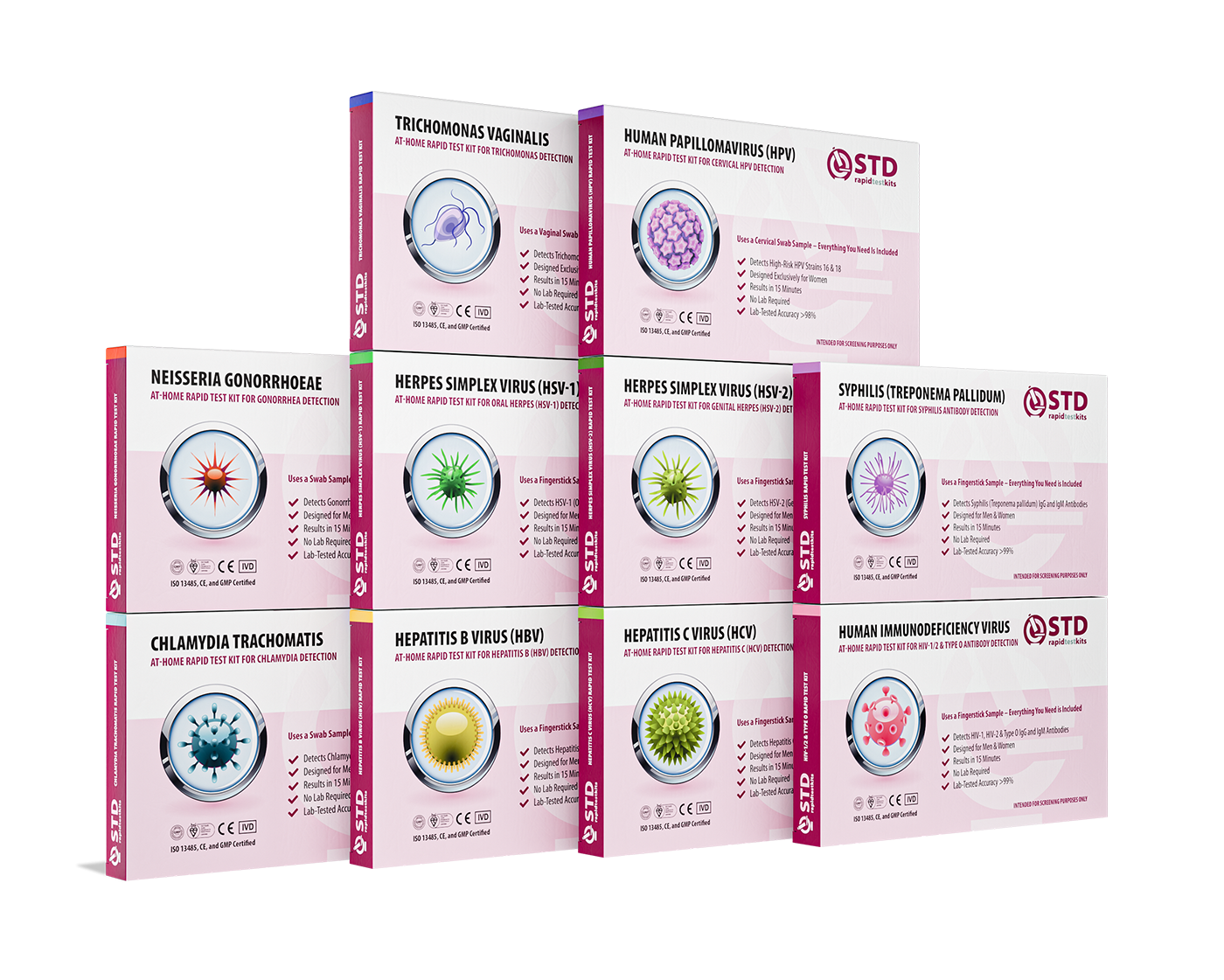
 For Women
 Results in Minutes
 No Lab Needed
 Private & Discreet
Order Now $189.00 $490.00
For all 10 tests
“I’m Not Going to a Clinic , What Are My Options?”
Sometimes you don’t want to, or can’t, walk into a clinic. Maybe it’s privacy. Maybe it’s stigma. Maybe it’s just logistics. The good news: you don’t have to leave your home to get accurate, fast STD results.
Here’s a breakdown of common testing types available at home, and when each is a good fit.
| Test Type | Sample | Speed | Best For |
|---|---|---|---|
| At-Home Rapid Test | Finger-prick blood or swab | 15–30 minutes | Quick answers, peace of mind |
| Mail-In Lab Kit | Urine, swab, or blood | 2–5 business days | Lab-grade results, discreet process |
| Clinic-Based Testing | Professional collection | Same day to 1 week | Complex cases, persistent symptoms |
If you’re looking for privacy, speed, and clarity, STD Rapid Test Kits offers discreet, FDA-approved at-home tests that ship quickly and arrive in unmarked packaging. Whether you need one test or several, you can build your own panel based on what you know , or use a bundled kit that covers all the most common infections.
“I’m Scared of What I Might Find , What If It’s Positive?”
This is the part most people don’t say out loud: “What if I test and it’s bad news?” But here’s the truth: testing doesn’t cause the infection. It reveals it. And most STDs are treatable, manageable, or non-threatening when caught early.
If your result is positive for something like chlamydia or gonorrhea, treatment is often a one-dose antibiotic. If it’s syphilis, treatment typically involves a penicillin injection. HIV management has come so far that early diagnosis often leads to a normal life expectancy.
In other words: testing doesn’t open Pandora’s box. It opens a door to care.
And if you need to notify partners, you don’t have to do it alone. Some test providers offer anonymous partner notification services. You can also use scripts or online platforms that handle the awkward part with dignity and clarity.
If you're here reading this, you already care about your health. That puts you ahead of most people. Order your test now and take one powerful step out of the unknown.
“We Just Got Back From a Trip”: Travel, Retreats, and Testing Gaps
Vacation flings, wellness retreats, or long weekends with your ex, these are common settings for surprise intimacy. And they often involve limited testing access, especially if you’re off-grid or overseas.
Marisol, 34, went to a yoga retreat in Bali. One night she got intimate with a fellow traveler. Condoms were involved, at first, but they didn’t finish with one. She returned home and wondered what to do.
She didn’t want to wait two weeks for a clinic appointment or explain the story to her doctor. Instead, she ordered a mail-in test panel from a verified source, waited a week to reach the earliest detection window, and followed up with an HIV/syphilis retest at 12 weeks.
Home testing empowers you to stay in control no matter where life takes you. And for those with frequent travel or multiple partners per year, routine testing becomes less about fear , and more about hygiene, just like brushing your teeth.
People are also reading: STD Stigma in Small Towns: Why Silence Feels Safer
FAQs
1. Do I really need to test if I feel fine?
Yep. Most STDs don’t make a big entrance. No fireworks. No obvious signs. You can feel 100% normal and still carry something like chlamydia or trichomoniasis. Testing when you “feel fine” is actually one of the smartest things you can do , it’s preventive care, not panic mode.
2. What if I tested too early , was it pointless?
Not at all. Think of early testing like checking the weather before a trip , you get a preview, but you still need to check again before packing. A negative test right after exposure doesn’t mean you’re in the clear forever. Just plan a retest when the window period is fully closed (e.g. 12 weeks for HIV or syphilis). No shame in double-checking.
3. How long do I need to wait after sex to get accurate results?
Depends on the infection. For chlamydia or gonorrhea, 7–14 days is usually enough. For HIV, aim for at least 3 weeks , then retest at 3 months to be sure. If you had a high-risk moment, like a broken condom or no condom at all, set a reminder to test more than once. Your body needs time to show what’s really going on.
4. What if I used protection, do I still need to test?
Condoms are amazing, but not magic. They protect against a lot, especially things passed through fluids , like gonorrhea, chlamydia, and HIV. But they don’t cover everything. Skin-to-skin infections like herpes or HPV can still sneak through. So yes, even if you used a condom (and bravo for that), testing is still smart.
5. Is one test enough, or do I need a full panel?
If you know exactly what you were exposed to (like a partner told you they have syphilis), then you can go targeted. But if you’re just not sure, or something felt off, a full panel makes more sense. It’s like getting the oil changed and tires rotated , better to cover your bases than miss the thing that matters most.
6. Can I get reinfected after treatment?
Absolutely. Happens all the time. You might take the meds, feel better, and jump right back in , but if your partner didn’t treat too, or if you hook up with someone new before retesting, you could catch it again. It’s not about being “dirty.” It’s just how infections work. Retesting a few weeks after treatment helps you stay in control.
7. What does an “inconclusive” result mean?
Basically, the test couldn’t make up its mind. Maybe the sample was too small. Maybe the test was done too early. Maybe it sat in a hot mailbox too long. In any case, treat “inconclusive” as “try again” , not as a green light. Order a retest or contact the provider for next steps.
8. Do I have to tell my partner if I test positive?
Legally, it depends on where you live. But ethically? Yeah, it’s the right thing to do. That doesn’t mean it has to be a face-to-face drama. Many services offer anonymous text or email notifications. And if it helps: you're not just telling them what *you* have , you're giving them a chance to care for *themselves* too.
9. What if I can’t afford to test right now?
There are options. Some clinics and nonprofits offer free or low-cost STD testing , especially for HIV, chlamydia, and gonorrhea. But if you want the privacy of at-home kits, check for bundled discounts or lower-cost single tests first. Combo kits aren’t your only option. Your health is worth planning around , even if that means starting small.
10. How often should I test if I have more than one partner?
General rule? Every 3–6 months if you’re regularly sexually active with multiple partners. But if something sketchy happens, no condom, unknown status, or symptoms, don’t wait for your “scheduled” test. Act sooner. Routine testing is like brushing your teeth: do it regularly, and sooner if you just ate something sticky.
You Deserve Answers, Not Assumptions
Whether it was a hookup, a weird itch, a partner’s confession, or just your own intuition, something brought you here. And that means you're already taking care of yourself. Getting tested isn’t about judgment; it’s about clarity, peace of mind, and protecting the people you care about.
You don’t have to wait until something hurts. You don’t need permission or symptoms. This at-home combo test kit covers the most common STDs with fast, discreet shipping and easy results. Take back your power, and your health, one test at a time.
How We Sourced This Article: We combined current guidance from leading medical organizations with peer-reviewed research and lived-experience reporting to make this guide practical, compassionate, and accurate. In total, around fifteen references informed the writing; below, we’ve highlighted six of the most relevant and reader-friendly sources.
Sources
1. CDC STD Screening Recommendations
2. NHS – Sexually Transmitted Infections Overview
3. HPV Infection from Fingering and Fisting
4. UAB Medicine – Home STD Testing Overview
5. STI Screening Recommendations – CDC
6. Screening for STIs at Home or in the Clinic? – PMC
7. Accuracy of Self-Collected vs Healthcare Worker Specimens – Nature
About the Author
Dr. F. David, MD is a board-certified infectious disease specialist focused on STI prevention, diagnosis, and treatment. He blends clinical precision with a no-nonsense, sex-positive approach and is committed to expanding access for readers in both urban and off-grid settings.
Reviewed by: Dr. Andrea Kline, OB-GYN | Last medically reviewed: October 2025
This article is for informational purposes and does not replace medical advice.


