
Published: September 2025 | Last updated: May 2026 | Editorial review and quality control: Martina N.
BDSM and kink don’t have a dedicated rulebook for STI prevention, and the standard one rarely fits how scenes actually play out. Most safer-sex curricula assume penetrative sex with one partner, no shared toys, no blood, no rough contact, and no questions about what happens during oral, rimming, or grinding. A community that already takes consent and aftercare seriously deserves better than that.
This guide covers how infections move during impact play, rope, blood scenes, oral, and shared toys; what barriers genuinely protect against and where their coverage stops; how to clean gear without killing the mood; and when testing is actually informative after a high-intensity scene. It’s written for people whose sexual-health knowledge already runs ahead of the default.
Key Takeaways
- STIs in kink scenes spread through skin-to-skin contact, mucosal contact, and shared surfaces, not only through penetration. Barriers and toy hygiene matter as much as the standard rules suggest, sometimes more.
- Test timing depends on the infection: chlamydia and gonorrhea become detectable roughly 1 to 2 weeks after exposure, fourth-generation HIV tests by about 45 days, and syphilis treponemal tests by about 6 weeks.
How STIs Spread in BDSM (Even Without Penetration)
The myth worth dismantling first: STI risk equals penetration. It doesn’t. Several common infections move between bodies during activities that look nothing like vaginal or anal sex, and the routes are well documented in mainstream public-health guidance.
Skin-to-skin contact on or near genital tissue can transmit herpes simplex (HSV-1 and HSV-2), human papillomavirus (HPV), and, when a chancre is present, syphilis. Mucosal contact during oral play, kissing with active sores, or rimming can move chlamydia and gonorrhea into the pharynx or rectum, and is the main adult route for hepatitis A. Shared insertive toys that pass between bodies without thorough cleaning carry whatever was on them, often long enough to transmit.
The CDC’s genital herpes overview describes asymptomatic viral shedding as a major reason HSV transmission happens between partners who believe they’re symptom-free. The same logic applies to most of the infections in the table below: visible symptoms are the exception, not the default. RACK (Risk-Aware Consensual Kink) and SSC (Safe, Sane, Consensual) frameworks both lean on this kind of specificity: name the route, decide on mitigation, then play.
| Activity | STI Risk | Common Infections |
|---|---|---|
| Oral-genital contact (e.g., oral sex) | High (fluid exchange) | Chlamydia, Gonorrhea, Herpes, Syphilis, HPV |
| Impact play (e.g., spanking, flogging) | Medium (skin-to-skin, broken skin) | Herpes, HPV, MRSA, Hepatitis B |
| Rimming (oral-anal contact) | High (mucosal contact) | Gonorrhea, Herpes, Hepatitis A, Syphilis |
| Blood play, cutting, needle scenes | Very High (bloodborne) | HIV, Hepatitis B, Hepatitis C |
| Shared sex toys (unwashed) | High (surface contact and fluids) | Chlamydia, Gonorrhea, Trichomoniasis, HPV |
| Scratching, biting, skin tears | Medium to High (blood or saliva) | Herpes, HIV, Syphilis |
What Condoms Don’t Cover (Literally)
Condoms reduce transmission risk for several major STIs, including HIV, chlamydia, gonorrhea, and trichomoniasis, when used correctly and consistently. According to the CDC’s condom guidance, condoms provide less protection against infections that can be transmitted through sores or cuts on the skin, including HPV, genital herpes, and syphilis chancres on the scrotum, labia, perineum, or thighs.
A hot grind scene with no penetration but plenty of skin contact, a flogging session that breaks skin, a scene where lube transfers between bodies via shared toys: each one falls outside the protection condoms were designed for. An active HSV-2 lesion on a thigh, for example, sits beyond what any condom physically reaches. HPV (the virus behind genital warts and several cervical, anal, and oropharyngeal cancers) lives on skin in a wider area than condoms can cover.
That doesn’t make condoms useless. It means the protection model for kink scenes needs more tools, more honesty about coverage limits, and barrier choices matched to the specific activity rather than a default.

Barriers Beyond Condoms: The Real Toolkit for Safer BDSM
The toolkit that actually fits kink scenes is broader than the one most sex-ed classes teach. Each item has a specific job, and pairing the right barrier with the right activity is the difference between protection that works and protection that’s theatre.
Nitrile or latex gloves protect against bloodborne pathogens during fisting, cutting, or handling toys between partners. The CDC’s viral hepatitis guidance highlights gloves and barrier use as standard precautions wherever blood or mucus might be exchanged. Dental dams (or a condom or glove cut into a flat sheet) work for oral contact on vulvas or anuses, which is where rimming, sensation play, and oral sex carry their highest STI loads. Finger cots protect during manual penetration across multiple partners. Non-latex options (polyurethane, polyisoprene, or nitrile) cover latex allergies without dropping protection.
Match each barrier to a specific risk rather than stacking everything by default. A scene with fisting and impact but no oral contact doesn’t need a dam. A scene with rimming and shared toys does. Negotiation handles the rest. “I want to glove up before I switch from you to them” reads as competence, not as a buzzkill, especially in dynamics where everything else is already negotiated explicitly.
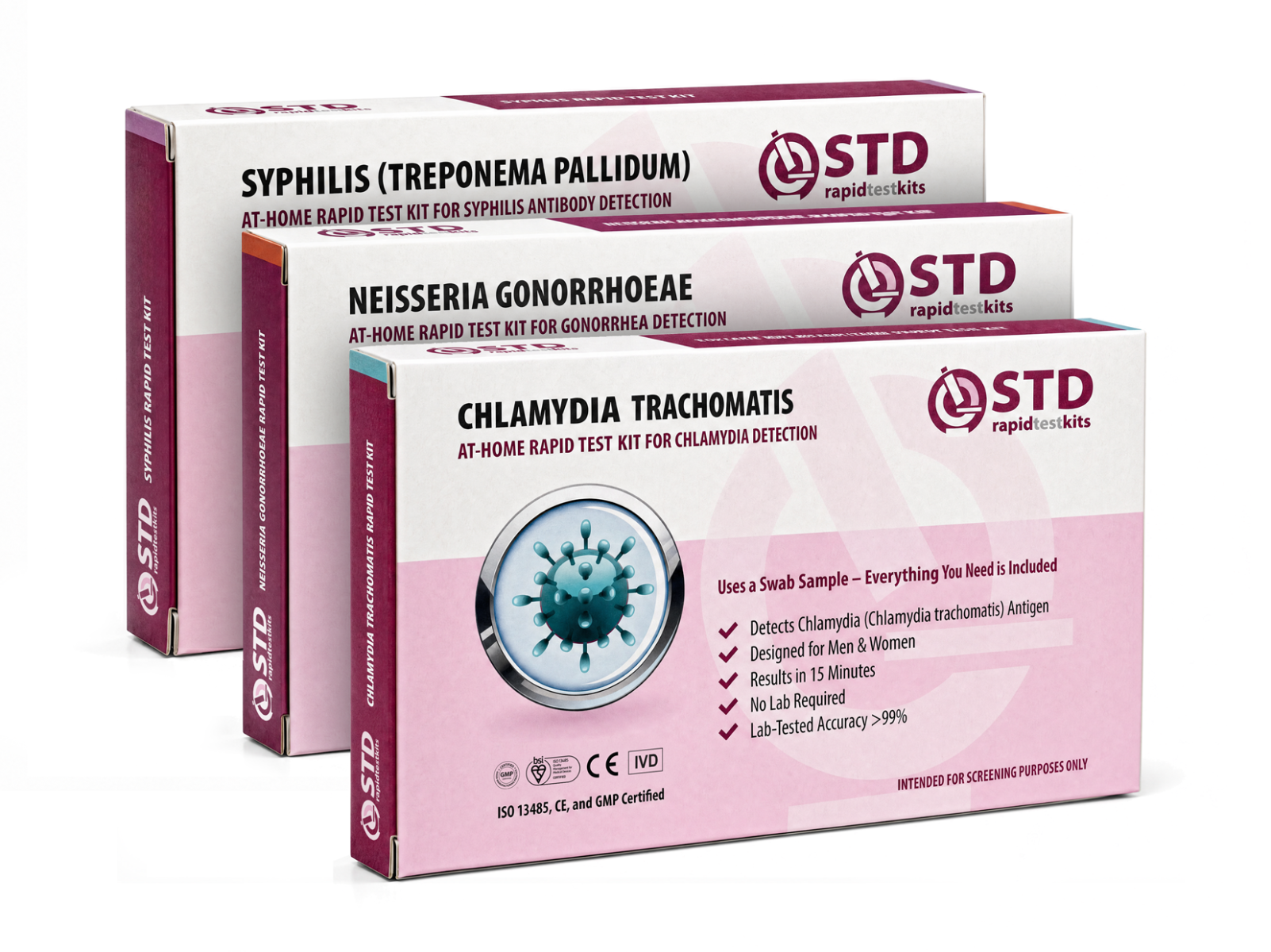
How to Clean BDSM Toys, Gear, and Surfaces
Anything that touches mucosa, broken skin, or blood needs cleaning between uses and between partners. The right method depends on the material: porous materials hold microbes longer, and certain pathogens (notably trichomoniasis) can survive on damp surfaces for hours. Boiling, hot soapy-water washes, or 70% isopropyl wipes handle most non-porous toys; leather and rope need more care because soap and water can damage them.
Adding cleaning to aftercare is a habit worth building. The come-down ritual that’s already part of most experienced kink dynamics (water, snacks, debriefing) folds in gear hygiene without much friction. It also gives both partners visible evidence that the next scene starts from a known-clean baseline rather than from a hope.
| Item Type | Cleaning Method | STI Risk If Unclean |
|---|---|---|
| Silicone or glass toys | Boil 3 to 5 minutes, or wash with hot soapy water | Chlamydia, Gonorrhea, Trichomoniasis |
| Leather gear (cuffs, paddles) | Wipe with alcohol-free disinfectant; air dry | Herpes, MRSA |
| Ropes | Hand wash with mild soap, hang dry completely | HPV, Herpes |
| Metal clamps or tools | Boil, or autoclave if available | Hepatitis B, Hepatitis C, HIV |
| Motorized insertables (not boil-safe) | Surface clean only; use a condom over the toy | Gonorrhea, Trichomoniasis |
Testing as Aftercare: When Should You Get Checked?
STI testing doesn’t have to read as “I did something wrong.” For people who play often, with multiple partners, or in scenes that involve blood or mucus, testing belongs on a maintenance schedule alongside hydration and emotional check-ins. Testing too early, though, can give false reassurance. Each infection has a window period during which it isn’t reliably detectable, and that window varies by infection and by test method.
According to CDC testing guidance, NAAT testing for chlamydia and gonorrhea is reliable around 1 to 2 weeks after exposure. Fourth-generation HIV antigen/antibody combination lab tests detect most infections by about 45 days. Syphilis treponemal tests typically confirm infection by roughly 6 weeks. HSV antibody seroconversion can take up to 16 weeks. For a single high-risk exposure, the standard approach is a baseline panel followed by a repeat at the appropriate window.
If a scene involved any of the following, testing is worth scheduling rather than wondering about:
- Fluid exchange (saliva, semen, vaginal fluid, blood)
- Oral-to-genital or oral-to-anal contact without a barrier
- Insertive toys shared between bodies without cleaning
- Broken skin, visible lesions, or active rashes on any partner
- Biting or scratching that drew blood

What People Get Wrong About STIs and Kink
Several persistent myths float through play parties and online kink spaces. Each one corresponds to a real exposure route that gets ignored when the myth is repeated, so it’s worth naming them directly.
“No penetration means no STI risk.” Herpes, HPV, syphilis, and (less commonly) gonorrhea can move through kissing, oral, rimming, and skin-to-skin rubbing. Penetration is one of many transmission routes, never the only one.
“I’d know if someone had an STI.” Most chlamydia and gonorrhea infections produce no noticeable symptoms; CDC chlamydia data describes the infection as often having no symptoms even when it can cause serious health problems. HSV can transmit during asymptomatic shedding, which is why partners often don’t know they were exposed until weeks later, sometimes longer.
“Toys don’t count as transmission risks.” Insertive toys carry whatever was on them. Trichomoniasis and bacterial pathogens can survive on damp surfaces for hours under typical bedroom conditions, which is why toy cleaning between bodies (not just between scenes) matters.
“My circle is educated, so we’re fine.” Kink communities skew toward people who research, ask questions, and negotiate. That doesn’t immunize anyone from outdated information; keep your STI knowledge as current as your gear.
Many STDs don’t cause any symptoms that you would notice, so the only way to know for sure whether you have one is to get tested.
Queer, Poly, and Kinky: Special Considerations for Sexual Health
Sitting at the intersection of kink, queerness, and non-monogamy usually means more partners, more variety in activities, and more conversations about all of them. It can also mean meeting clinicians whose default risk model assumes a monogamous cisgender heterosexual patient, which fits almost nobody in this community. Three points worth knowing up front:
Risk follows activity, not identity. Lesbian, transmasculine, and nonbinary partners aren’t exempt from HPV, bacterial vaginosis, trichomoniasis, or herpes. Oral-to-genital and genital-to-genital contact transmit STIs regardless of who’s having them, and sharing insertive toys without cleaning is a common route that gets undercounted in clinical reporting on queer scenes.
Polyamory doesn’t inherently raise risk. A polycule where everyone tests quarterly and shares results openly is safer than a monogamous pair where neither partner tests. What raises risk is silence: gaps in disclosure, gaps in testing, gaps in tracking exposure timelines.
U=U has scope limits worth knowing. The CDC’s HIV prevention guidance describes Undetectable=Untransmittable as well established for sexual transmission. CDC also notes that more research is needed before extending U=U with the same confidence to non-sexual routes such as needle sharing, which is directly relevant for blood play and needle scenes. See the callout below for the practical takeaway.
A partner with HIV on effective treatment and a sustained undetectable viral load does not transmit HIV through sex. Per CDC guidance, the evidence base for U=U is strongest for sexual transmission; more research is needed before extending the same confidence to non-sexual routes such as needle sharing. For blood play, cutting, or needle scenes, pair U=U with appropriate barriers and harm-reduction practice rather than treating undetectable status as a free pass.
How to Disclose, Negotiate, and Normalize STI Conversations
The hardest part of STI disclosure is often the first sentence. Once it’s in the negotiation, the rest tends to take care of itself, because kink dynamics are already built around explicit consent about topics most people never openly discuss. One template that works in practice:
“Before we plan a scene, I usually share my testing status. My last full panel was three weeks ago, negative across the board. I retest quarterly. Anything you want to share about your status or recent exposures?”
That frame does three things at once: it offers concrete information instead of vague reassurance, it normalizes the question without making it feel like an accusation, and it signals that you take this seriously enough to volunteer first. Most experienced kinksters respond well, often with relief that someone else opened the topic.
Having a positive STI status doesn’t disqualify anyone from kink. Plenty of people manage HPV, herpes, hepatitis B, or HIV and continue to play safely and openly. What changes is the level of communication: disclosing status, agreeing on barriers, and (for HIV specifically) confirming treatment and viral-load status are all standard inputs to a negotiated scene, not deal-breakers.
Before You Play Again, Play It Smart
The community that perfected aftercare and negotiated consent can extend the same care to sexual health. Test on a schedule that matches your scene load. Keep the barriers you actually need on hand. Clean gear as part of the come-down. Disclose what you know about your status, and ask what your partner knows about theirs.
FAQs
- Can you get an STI without penetration?
- Yes. Skin-to-skin contact, oral play, kissing with active sores, rimming, and shared toys can all transmit common STIs. Herpes, HPV, syphilis chancres, and (less commonly) gonorrhea move without penetration. Activity matters more than the label “actual sex.”
- Is impact play risky for STIs on its own?
- Impact play that doesn’t break skin or transfer fluids is low risk. Once skin breaks (canes, hard floggers, certain whip strikes), or once an implement passes between bodies with blood or mucus on it, the risk profile changes. Active sores or warts in the impacted area raise risk further.
- I wore gloves, am I protected?
- Gloves help a lot, especially in scenes with blood. They stop working the moment you reuse the same glove across body parts or partners. Treat each glove like a condom: one job, one body, then change.
- Do I need to test after a play party?
- Usually yes, if there was oral contact, broken skin, fluid exchange, or shared insertive toys. The most actionable number is the bacterial-STI window: 1 to 2 weeks is usually enough for chlamydia and gonorrhea. Syphilis needs about 6 weeks. A fourth-generation HIV lab test is reliable by about 45 days. HSV antibodies can take up to 16 weeks to appear. Practical pattern: a baseline panel shortly after the event, then a window-appropriate repeat.
- I already have herpes (or HPV). Can I still play?
- Yes. Many people manage chronic STIs and continue to play safely. The conversation becomes more explicit about transmission routes, what barriers cover, what they don’t, and whether antivirals (for HSV) are in use. Most experienced kinksters respond well to the disclosure when it’s framed clearly.
- Can a clean-looking toy still transmit something?
- Yes. Looking clean isn’t the same as being disinfected. Porous toys, silicone with residue, and damp surfaces can carry trichomoniasis, bacterial pathogens, and viral loads long enough to transmit between users. Clean between bodies, not just between scenes.
- How do I bring up STI testing with a new partner?
- Lead with your own status. “I tested three weeks ago, here’s what I tested for, I retest quarterly. Anything you want to share?” That makes disclosure mutual rather than interrogative, and most seasoned partners respond well.
- Are at-home STI test kits accurate?
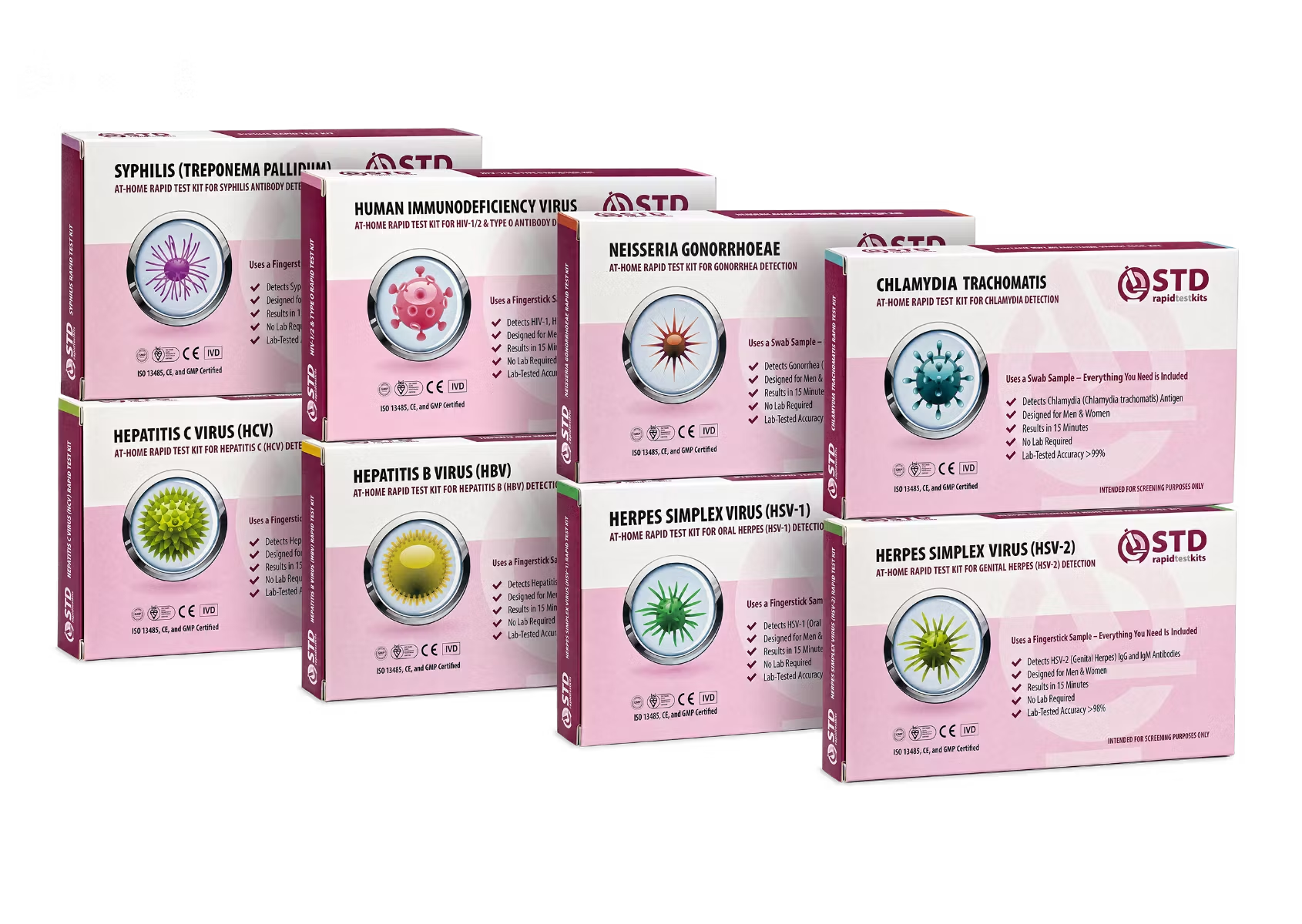
- Reputable rapid lateral-flow tests have high sensitivity and specificity when used correctly and after the appropriate window period. They’re a fast first-line screening tool. A positive result, or any persistent symptom, is worth confirming with lab NAAT or treponemal testing through a clinic.
How We Sourced This Article: We combined current guidance from leading public-health bodies (CDC, NHS, WHO) with consumer-facing patient-education resources to make this guide practical and accurate. Around a dozen references informed the writing; below we’ve highlighted the most relevant root-level sources. Every external link in this article was checked to ensure it leads to an authoritative destination and opens in a new tab.
- U.S. Centers for Disease Control and Prevention. STI Treatment Guidelines and general STD information, including transmission routes and testing window periods.
- U.S. Centers for Disease Control and Prevention. HIV Basics, including U=U (Undetectable=Untransmittable) scope and prevention guidance.
- U.S. Centers for Disease Control and Prevention. Genital herpes overview, including asymptomatic viral shedding and transmission routes.
- U.S. Centers for Disease Control and Prevention. Condom guidance, including effectiveness against HIV and limited protection against skin-to-skin STIs.
- U.S. Centers for Disease Control and Prevention. Chlamydia overview, including asymptomatic infection.
- U.S. Centers for Disease Control and Prevention. Viral hepatitis overview, including transmission routes for hepatitis A, B, and C.
- NHS. Sexually transmitted infections (STIs) overview and clinical testing guidance.
- World Health Organization. Sexually transmitted infections (STIs) fact sheet, global epidemiology and prevention.
