






Quick Answer: Herpes can look like a pimple, an ingrown hair, or a razor burn, especially in early stages. What sets it apart is the pain, blistering, or clusters. But the only way to know for sure is to test.
Why This Guide Exists (And Who It's For)
This article is for anyone who’s googled their symptoms in the middle of the night, stared in the mirror, or felt too embarrassed to ask a doctor. It’s for people who’ve had casual sex, monogamous sex, or no sex at all and still ended up confused by a strange bump. It’s also for those who are done with fear tactics and just want real answers without shame.
Whether you’re dealing with one mystery bump or a recurring rash, understanding the visual signs of herpes, and how they compare to common skin conditions like pimples or ingrowns, can help you make informed choices. Not guesses. Not panic decisions. Actual next steps.
We’ll cover the real signs of herpes, compare it to similar conditions, explain what early herpes can feel like, and show why you can’t always trust what you see. You’ll also get real advice on when to test, what to expect from a home herpes test, and how to get answers discreetly.
People are also reading: STD or Something Else? Waking Up with Discharge Explained
Herpes, Pimples, Ingrowns: What’s the Difference?
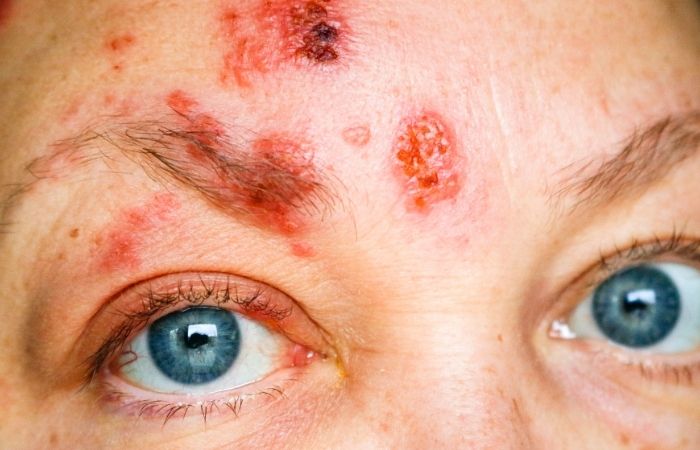
First, let’s set the record straight: there is no single “herpes look.” That’s what makes it so confusing. Herpes can present as tiny red bumps, fluid-filled blisters, flat spots, or even small cuts that look like a shaving nick. It can be one bump or several. It might hurt. Or itch. Or do nothing at all.
Compare that to a pimple: whitehead or blackhead, inflamed, and often located in oily areas like the face or upper back. Ingrown hairs are usually deeper under the skin, sometimes painful, with a visible hair trapped inside. Razor burn? Red, patchy, itchy, but not blistering.
Still confused? You’re not alone. Here’s a structured breakdown to help:
| Condition | Appearance | Pain or Itch? | Common Locations | Other Clues |
|---|---|---|---|---|
| Herpes (HSV-1 or HSV-2) | Blisters, grouped sores, red base, may crust | Yes – pain, tingling, itching | Mouth, genitals, anus, thighs | Often recurs in same spot; may begin with tingling |
| Pimple | Whitehead or blackhead; red and raised | Sometimes – mild tenderness | Face, back, buttocks, genitals | No grouped pattern; more likely near oil glands |
| Ingrown Hair | Red bump, may have visible hair inside | Yes – can be painful or swollen | Anywhere hair is shaved or waxed | Often singular; resolves with exfoliation |
| Razor Burn | Red, flat, irritated patches | Itchy but not painful | Shaved areas – pubic, legs, armpits | Appears shortly after shaving; fades fast |
Figure 1: Visual and symptom comparison of skin conditions that may be confused with herpes.
“I Was Sure It Was an Ingrown. Then It Blistered.”
Janelle, 28, first noticed a small bump on her inner thigh after shaving before a date. She assumed it was an ingrown hair, it looked red, slightly raised, and came with a little itch. Two days later, it felt sore. A few more bumps appeared around it. “I thought maybe I’d reacted to the new body wash,” she said. But by the fourth day, the bumps turned into fluid-filled blisters. “It didn’t feel like acne anymore. It hurt to sit down. That’s when I got scared.”
“I thought I was being paranoid, but I couldn’t shake the feeling something was off.”
Janelle’s story isn’t rare. Many people report mistaking their first herpes outbreak for pimples, boils, or irritation. The key red flag? The progression, from itch to pain, from bump to blister, often in a cluster.
Still, not all herpes cases are painful. Some people test positive with almost no visible symptoms. Others report only tingling or flu-like fatigue during their first outbreak. That’s why testing, not guessing, is the only reliable path to answers.
When a Bump Isn’t “Just a Bump”
So when should you worry? If you notice any of the following, it’s worth considering herpes and getting tested:
- Blisters that burst or crust over
- Painful urination or burning near genitals
- Tingling or flu-like symptoms before bump appears
- Clustered bumps in the same area
- Recurring bumps in the same spot
On the other hand, if your bump has a visible hair, feels more like a clogged pore, or responds to warm compresses, it may just be a skin issue. But again, looks can be deceiving, especially in early stages.
Herpes can absolutely look like a pimple. That’s why so many people miss it, or wait too long to test. If your bump has changed in appearance, hurt more over time, or spread, it’s time to get clarity.
Whether it’s herpes, acne, or something else, you deserve to know. At-home test kits for Herpes Type 1 and 2 are available, discreet, and take just minutes to use. Don’t wait for the next outbreak to find out.
Check Your STD Status in Minutes
Test at Home with RemediumOral Herpes Test Kit

 For Men & Women
 Results in Minutes
 No Lab Needed
 Private & Discreet
Order Now $33.99 $49.00
Early Herpes Symptoms: Not What You’d Expect
Herpes isn’t just a “blister disease.” In fact, many people never get classic blisters at all, especially during their first outbreak. Early signs can feel more like the flu, or like something is “off” in the body. Some report only tingling or itching. Others feel nothing until sores appear. And some never notice symptoms at all.
Here’s the real kicker: your body can carry the virus for years before showing a single outward sign. That’s how so many people unknowingly pass it to partners. And it’s why herpes continues to spread even among people who “don’t sleep around” or who always use condoms.
Below is a simplified table of what early herpes symptoms may include, especially in the first outbreak, which tends to be more intense than recurrences:
| Symptom | Common Timing | How It Feels | Herpes-Specific Clue |
|---|---|---|---|
| Tingling, itching, or burning | 1–2 days before outbreak | Localized, unsettling, not sharp | Often precedes a blister cluster |
| Flu-like symptoms | Early outbreak | Fatigue, body aches, fever | More common in first outbreak |
| Redness or swelling | Start of outbreak | Sore to touch, warm skin | Can mimic folliculitis or shaving rash |
| Blisters or sores | 2–5 days after first symptoms | Can be painful, ooze or crust | May appear in clusters or solo |
Figure 2: Common early symptoms of herpes, including non-visual cues that often go unnoticed.
Yes, Herpes Can Appear Outside the Genitals
Most people associate herpes with either cold sores (mouth) or genital sores (pubic area). But here’s the truth: herpes can appear in other places too, especially if skin-to-skin contact occurred there.
You can get herpes on your:
- Thighs (from grinding or outercourse)
- Buttocks or lower back (during oral or rear-position sex)
- Around the anus (even without penetration)
- Mouth or chin (from kissing or oral sex)
- Fingers or cuticles (herpetic whitlow)
These locations are especially confusing because people assume herpes is always “on the genitals.” But the virus follows nerve paths, not logic. And if you’ve ever had oral sex with someone who had a cold sore, even if you didn’t see it, you could be carrying HSV-1 genitally without knowing.
Case in point: a 24-year-old man named Andre had one painful sore just below his belly button after a weekend hookup. He thought it was a friction burn. A week later, it was diagnosed as genital HSV-1, likely from oral sex. He never saw a cold sore on his partner.
“I didn’t even know you could get herpes in that spot. It looked like a razor cut.”
That's why location isn’t everything, and why testing matters more than assumptions.
Can You Tell by Looking? (No, And Here’s Why)
This might be the most dangerous myth about herpes: that you can look at a bump and just know whether it’s herpes or not. The truth? Even doctors get it wrong visually. And herpes doesn’t always look the same between people, or even from outbreak to outbreak in the same person.
Herpes can show up as:
- A single bump that looks like a zit
- A raw spot that looks like a shaving nick
- A crusty area that resembles eczema
- A patch of red skin with no blister
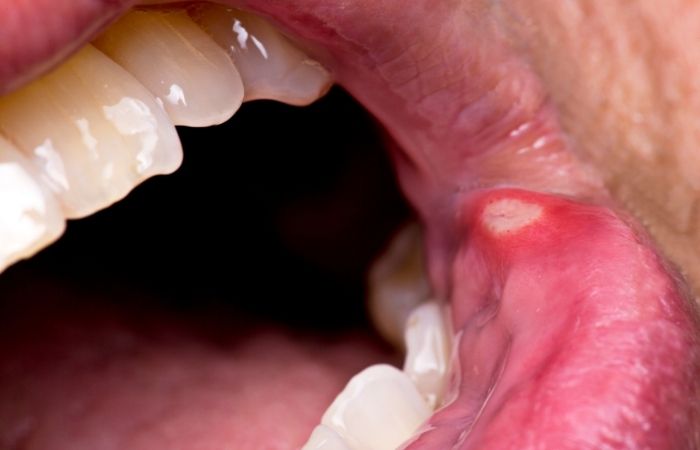
- Tiny ulcers that look like canker sores
In early stages, it may not hurt. In later outbreaks, you may only notice a slight itch or burning sensation. Some people even go years thinking they just get “heat rashes” before learning they’ve had herpes all along.
And remember: herpes doesn't need to blister to be contagious. According to the CDC, viral shedding can happen without symptoms, which is why people unknowingly pass it to their partners.
Testing isn’t about paranoia, it’s about clarity. And today, you can get at-home herpes tests that offer privacy and speed without the clinic stress.
Don’t wait until it “looks worse.” Herpes can spread and hurt more the longer you delay action.
People are also reading: HPV in Men: Why Testing Still Doesn’t Exist, And What You Can Do
Testing at Home Doesn’t Have to Be a Big Deal
If you're still second-guessing your symptoms, know this: you don't need to book a doctor’s appointment just to check. Combo STD kits let you test for herpes and other common infections in one go, no awkward waiting rooms, no judgment.
Testing positive isn’t a sentence. It’s just data. And with herpes, the sooner you know, the sooner you can manage it, protect others, and take the mystery out of what your body is telling you.
Whether it’s a pimple or not, you deserve peace of mind.
Misdiagnosed, Misunderstood: Real Stories
Sam, 33, had what looked like a small boil after a camping trip. He chalked it up to poor hygiene, popped it with tweezers, and forgot about it. A month later, another bump appeared in the same spot, this time more painful. A doctor finally swabbed it: HSV-2.
“I’d had herpes for a year and didn’t know. I probably gave it to my ex without realizing.”
Lucía, 25, was told she had a yeast infection because she had itching and redness with no visible sores. Her partner later tested positive for herpes, prompting her to retest. Her swab came back positive for HSV-1, genital.
Herpes is often misdiagnosed as:
- Bacterial folliculitis
- Yeast infections
- Urinary tract infections
- Allergic skin reactions
That's why if your symptoms don’t improve, or come back repeatedly, it’s time to dig deeper. Visual inspection isn’t enough. A herpes test can clarify what’s really going on.
Window Periods: When to Test and When to Retest
If you’re staring at a bump and wondering if now is the time to test, here’s the deal: herpes has a window period. That means the virus may not be detectable for a few days after exposure, especially if using a blood test (which detects antibodies, not the virus itself).
For herpes, the most accurate test depends on:
- Swab (PCR or culture) - if there’s an active sore
- Blood test (IgG) - if no sore is present
Here’s a guide to timing:
| Test Type | Detects | Best Time to Use | Notes |
|---|---|---|---|
| Swab (PCR) | Viral DNA in a lesion | Immediately during symptoms | Most accurate with an active sore |
| Blood (IgG antibody) | Immune response to virus | 4–12 weeks after exposure | Won’t detect very early infections |
Figure 3: When to test for herpes, depending on symptoms and exposure date.
If you test too early and it comes back negative, don't panic. Retesting at 8 to 12 weeks can offer clarity, especially if you had a high-risk exposure or recurring symptoms.
Prevention: No, It’s Not Too Late
Whether you’re positive or just cautious, herpes prevention isn’t hopeless. Here’s what works, without shame, scare tactics, or unrealistic rules.
- Condoms and dental dams lower the risk, but they don't get rid of it completely.
- Skin-to-skin contact spreads herpes, so areas that aren't covered by condoms can still spread the virus.
- Taking antiviral drugs like valacyclovir every day lowers the risk of passing it on.
- Being honest with your partners builds trust and lets them make smart decisions. A lot of people with herpes have healthy sex lives.
- Regular testing, especially after getting a new partner, can help find infections early, even if there are no symptoms.
You don’t have to live in fear or confusion. Whether it’s herpes or not, taking action today means less uncertainty tomorrow. Get answers. Get support. And get back to your life.
Check Your STD Status in Minutes
Test at Home with RemediumGenital Herpes Test Kit
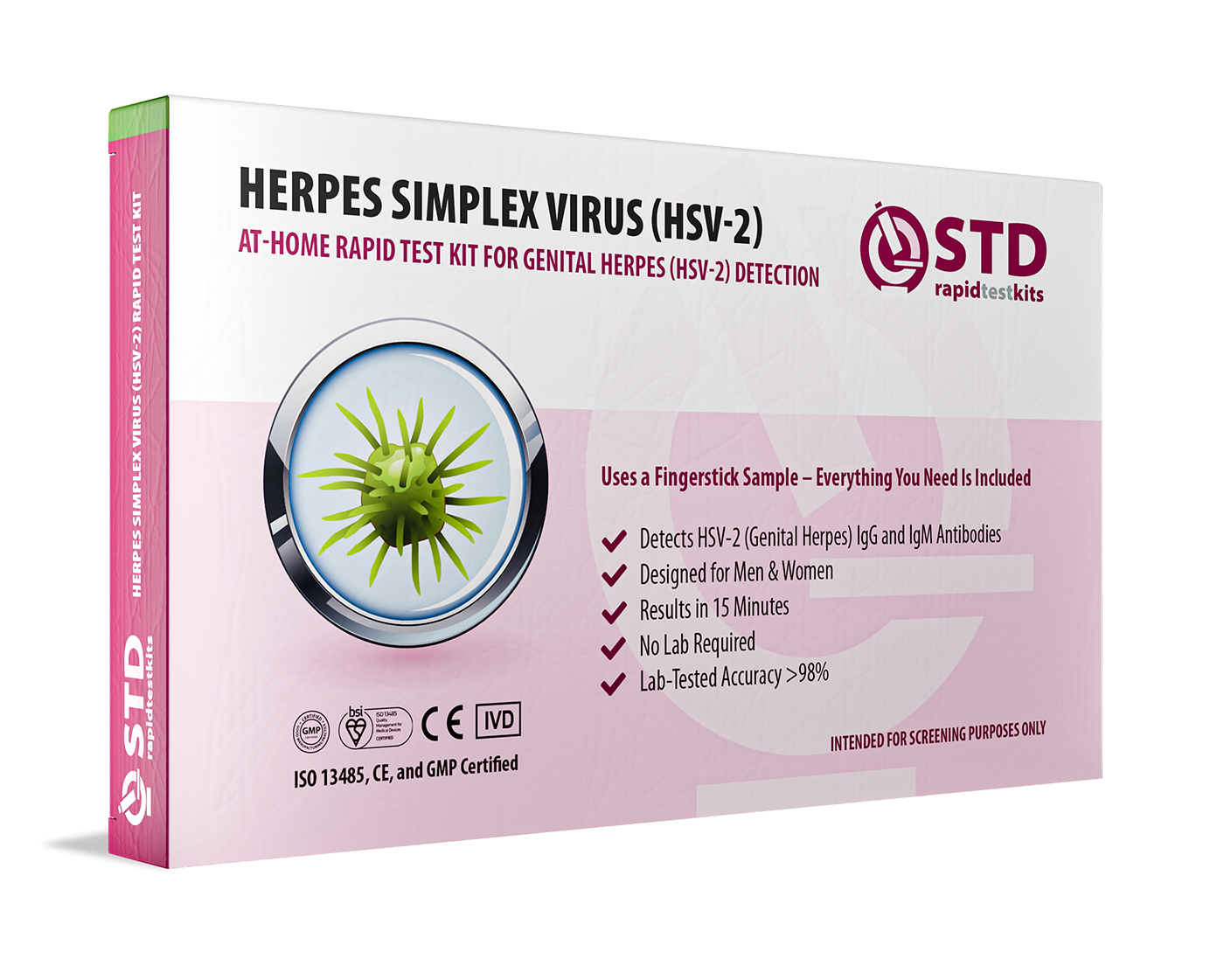 For Men & WomenResults in MinutesNo Lab NeededPrivate & Discreet
Order Now $45.99 $49.00
FAQs
1. Can herpes really look like just one pimple?
Yes, and that’s exactly why so many people miss it. We’ve seen cases where the first outbreak was mistaken for a zit, bug bite, or even a shaving nick. Herpes doesn’t always roll out in dramatic clusters; sometimes it’s just one angry bump in the wrong place at the wrong time. If it sticks around, hurts more than it should, or shows up in the same spot again, that’s your cue to test.
2. If it doesn’t hurt, it can’t be herpes… right?
Not quite. While pain is common, it’s definitely not universal. Some people feel a weird tingle, others get a mild itch, and a surprising number feel nothing at all. One guy told us his “sore” felt like a sunburn on his thigh, but it was herpes. Bottom line: no pain ≠ no virus.
3. I saw a hair inside the bump, so it has to be an ingrown, yeah?
Not necessarily. Ingrown hairs often trap a visible strand under the skin, especially if you shave or wax. But herpes bumps can show up in the exact same places. The difference? Ingrowns usually chill out in a few days. Herpes tends to flare, blister, or sting. And if it returns in the same spot, game changer. Get tested.
4. I tested negative, but I’m still suspicious. Could it be wrong?
Totally possible, depending on when you tested. Herpes antibody tests need time, often 4 to 12 weeks post-exposure, to detect the virus. Swab tests are only useful when there’s an actual sore. If your timing was off or the bump disappeared too fast, a false negative isn’t unheard of. Wait a few weeks and try again if you’re still unsure.
5. Can I really get herpes without “real sex”?
Oh yes. Skin-to-skin contact is all it takes. Oral sex, grinding, shared toys, mutual touching, all fair game for transmission. We’ve heard from people who got HSV-1 genitally from a single makeout session with a partner who had a cold sore. It’s unfair, but it’s real.
6. What happens if I pop a herpes blister?
Let’s not. Popping herpes lesions is like poking a beehive. It can spread the virus to surrounding skin, delay healing, and raise the risk of bacterial infection. If something’s oozing or raw, keep it clean and dry, and let it do its thing.
7. Does herpes always show up in the same spot?
Often, yes. The virus chills in your nerves and tends to reactivate in the same general area. But it’s not always identical. One person might get a sore on the left lip the first time and then right next to it six months later. Familiar spot = big clue.
8. My partner has herpes. Does that mean I’m doomed?
Nope. Couples navigate this all the time. With open convo, condoms, and maybe daily antivirals, transmission can be minimized significantly. Many couples stay together for years, some never even pass it on. Honesty + tools = power.
9. Are at-home herpes tests legit?
Yes, and a godsend for anyone who hates waiting rooms. At-home herpes tests, like those from STD Rapid Test Kits, are reliable, private, and easy to use. Just follow the timing guidelines, and you’re good to go. You get results, not awkward eye contact.
10. Do I have to tell my partners if I test positive?
Look, it’s your call, but here’s the thing: telling them isn’t about guilt, it’s about trust. You deserve a partner who respects your honesty. And while disclosure can be scary, it often brings unexpected closeness. If words fail you, there are even anonymous text tools to help start the convo.
You Deserve Answers, Not Assumptions
What you're feeling is real, whether it's a single bump, an odd itch, or just a fear that won't go away. It's not always clear that you have herpes. It doesn't always look like you think it does. That's why it's so important to get real answers instead of just making guesses.
Don't let fear, shame, or not knowing keep you from moving forward. Testing gives you control again, no matter what the result is, good, bad, or in between.
Order a discreet combo STD test kit to check for herpes and other infections. It’s private, fast, and doctor-trusted, so you can stop worrying and start healing.
How We Sourced This Article: We combined current guidance from leading medical organizations with peer-reviewed research and lived-experience reporting to make this guide practical, compassionate, and accurate. In total, around fifteen references informed the writing; below, we’ve highlighted some of the most relevant and reader-friendly sources.
Sources
1. World Health Organization – Herpes Simplex Virus Overview
2. Peer-Reviewed: Herpes Simplex Virus – Clinical Microbiology Reviews
3. Planned Parenthood – Herpes Information
5. Genital Herpes: Symptoms & Causes , Mayo Clinic
About the Author
Dr. F. David, MD is a board-certified infectious disease specialist focused on STI prevention, diagnosis, and treatment. He blends clinical precision with a no-nonsense, sex-positive approach and is committed to expanding access for readers in both urban and off-grid settings.
Reviewed by: Dr. Marisa Lane, MPH | Last medically reviewed: December 2025
This article is for informational purposes and does not replace medical advice.


