





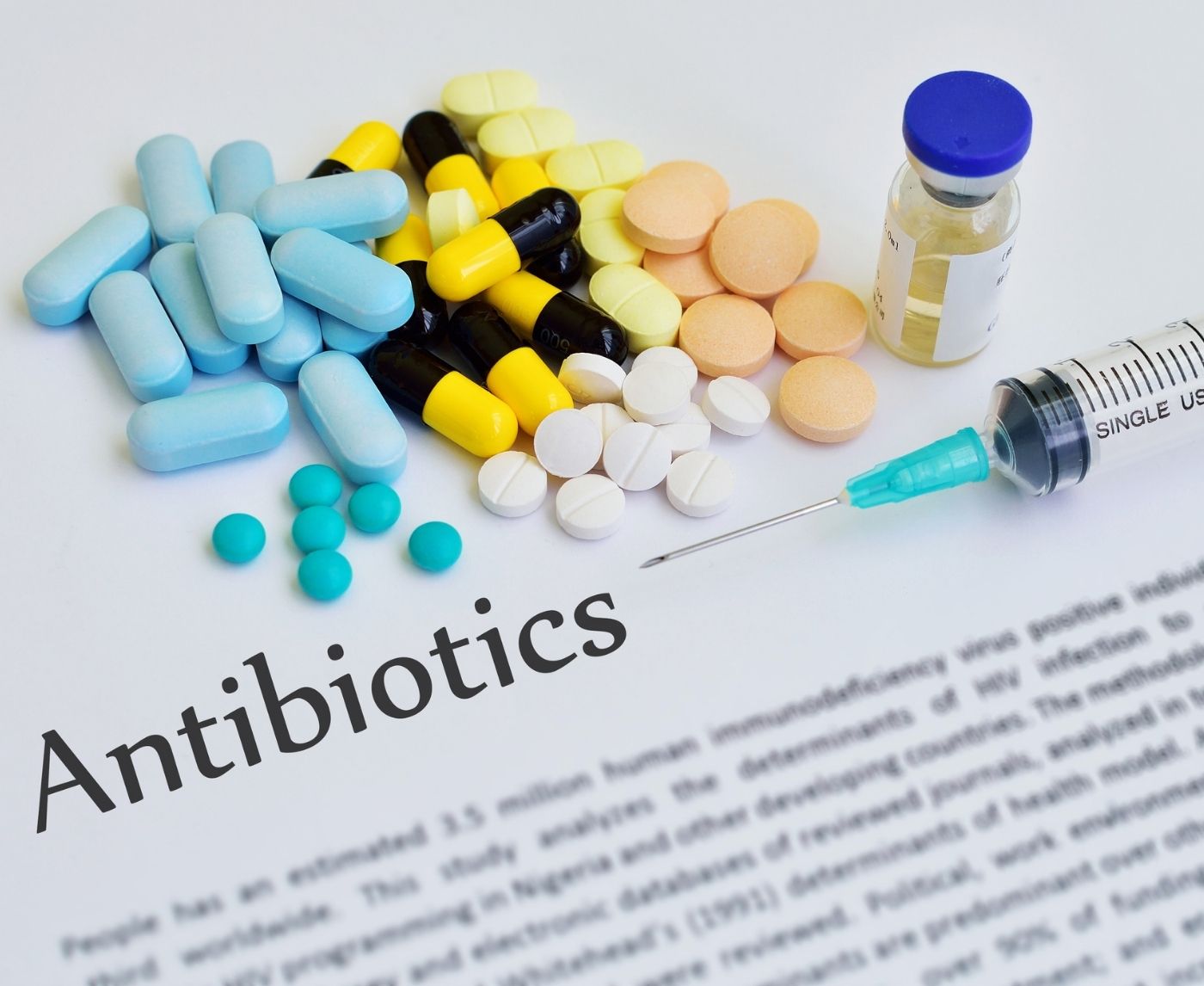

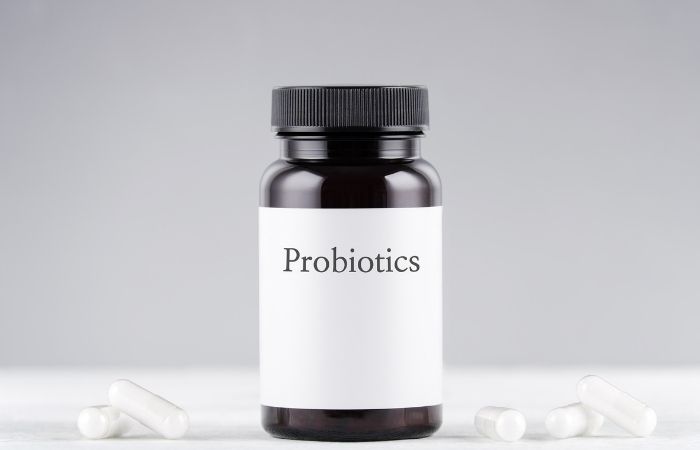
Quick Answer: Probiotics may help the vaginal microbiome recover after antibiotics, which can make you less likely to get infections, but they don't directly stop STDs. They help, but they don't protect, and you should use them along with testing and safer sex practices.
Why You Might Be Googling This at 2AM
Most people don’t take antibiotics expecting to worry about STDs. But if you had sex, especially unprotected sex, shortly before or after a round of antibiotics, you might feel like your body’s defenses are scrambled. And in a way, they are.
Antibiotics are powerful. They’re meant to wipe out infection. But they also wipe out the good bacteria that keep your vaginal or rectal microbiome in balance. That includes strains like Lactobacillus crispatus, which help maintain a low pH, ward off invaders, and keep opportunistic pathogens like chlamydia or gonorrhea from gaining a foothold.
So the question isn’t just, “Can probiotics protect me?” It’s, “Did antibiotics leave me more vulnerable, and can I fix that in time?”
How Antibiotics Mess With Your Microbiome (And Why That Matters)
When you take a broad-spectrum antibiotic, like ciprofloxacin or azithromycin, it doesn’t just target the bacteria causing your UTI or sinus infection. It kills indiscriminately. That means the beneficial bacteria in your vagina, rectum, or gut take a hit too.
The vaginal ecosystem is more delicate than most people realize. When healthy bacteria like Lactobacillus get wiped out, often by antibiotics, the pH rises. That creates the perfect opening for unwanted guests like Gardnerella (which causes bacterial vaginosis) or STDs like trichomoniasis, chlamydia, and gonorrhea to move in and take hold.
This isn't just a theory. One 2021 review in Frontiers in Cellular and Infection Microbiology found that disruptions to the vaginal microbiome directly correlate with higher risk of acquiring sexually transmitted infections.
Here’s where probiotics come in, but not in the way you might think.
What Probiotics Can (and Can’t) Do for STD Risk
Probiotics are live microorganisms that, when taken in the right amount, can help restore healthy bacteria. Think of them as backup dancers for your immune system. But here’s the reality check:
They won’t stop an STD from entering your body. If someone transmits herpes, no amount of yogurt or capsules can block it. What probiotics can do is help your natural defenses return faster after antibiotics have cleared the stage.
That means rebuilding vaginal or rectal flora so your mucosal immunity, the skin-like lining that acts as a barrier, is stronger and more acidic. This might make it less likely that infectious agents will thrive if they’re introduced. But again, it’s support, not protection.
| What Probiotics Do | What They Don’t Do |
|---|---|
| Help restore vaginal flora after antibiotics | Kill or prevent STDs directly |
| Lower pH and improve mucosal immunity | Replace barrier protection like condoms |
| Reduce recurrence of bacterial vaginosis | Detect or treat existing infections |
Figure 1. What probiotics are designed to support versus what they cannot replace. Testing and safer sex are still essential.
People are also reading: Why HPV Vaccination is Just as Important for Men as It Is for Women
Post-Antibiotics + Sex = What Now?
If you recently had sex and took antibiotics, whether for a UTI, sinus infection, or even to treat an STD like chlamydia, you may be wondering whether your body is in recovery mode… or risk mode.
Here’s how to think about it:
If you used protection and haven’t noticed any symptoms, probiotics can help your body return to baseline. They’re a wellness aid. But if you had unprotected sex, feel off, or had a partner disclose a recent exposure, your best move is to get tested.
Symptoms like discharge, itching, burning, or spotting don’t automatically mean an STD, but they do mean your flora is disrupted. And when that happens, testing is care. Not confession.
How Your Microbiome Impacts STD Risk
We often think of our immune system as a fortress, but the microbiome is the moat, and when antibiotics drain the moat, you’re easier to breach.
The vaginal microbiome, dominated by Lactobacillus, produces lactic acid that keeps pH low (between 3.5 and 4.5). This acidic environment isn’t friendly to STIs like gonorrhea or trichomoniasis. But after antibiotics, the loss of this defense mechanism can leave you more susceptible.
Studies have shown that women with low vaginal Lactobacillus levels are up to 4x more likely to acquire chlamydia. Another NIH-backed study found similar associations for HIV risk in the presence of bacterial vaginosis, often triggered by antibiotic use or douching.
In men, the research is newer but still relevant. Rectal microbiome disruption, especially among men who have sex with men, can impact mucosal immunity and potentially increase vulnerability to rectally transmitted STDs.
Check Your STD Status in Minutes
Test at Home with RemediumHIV Rapid Test Kit
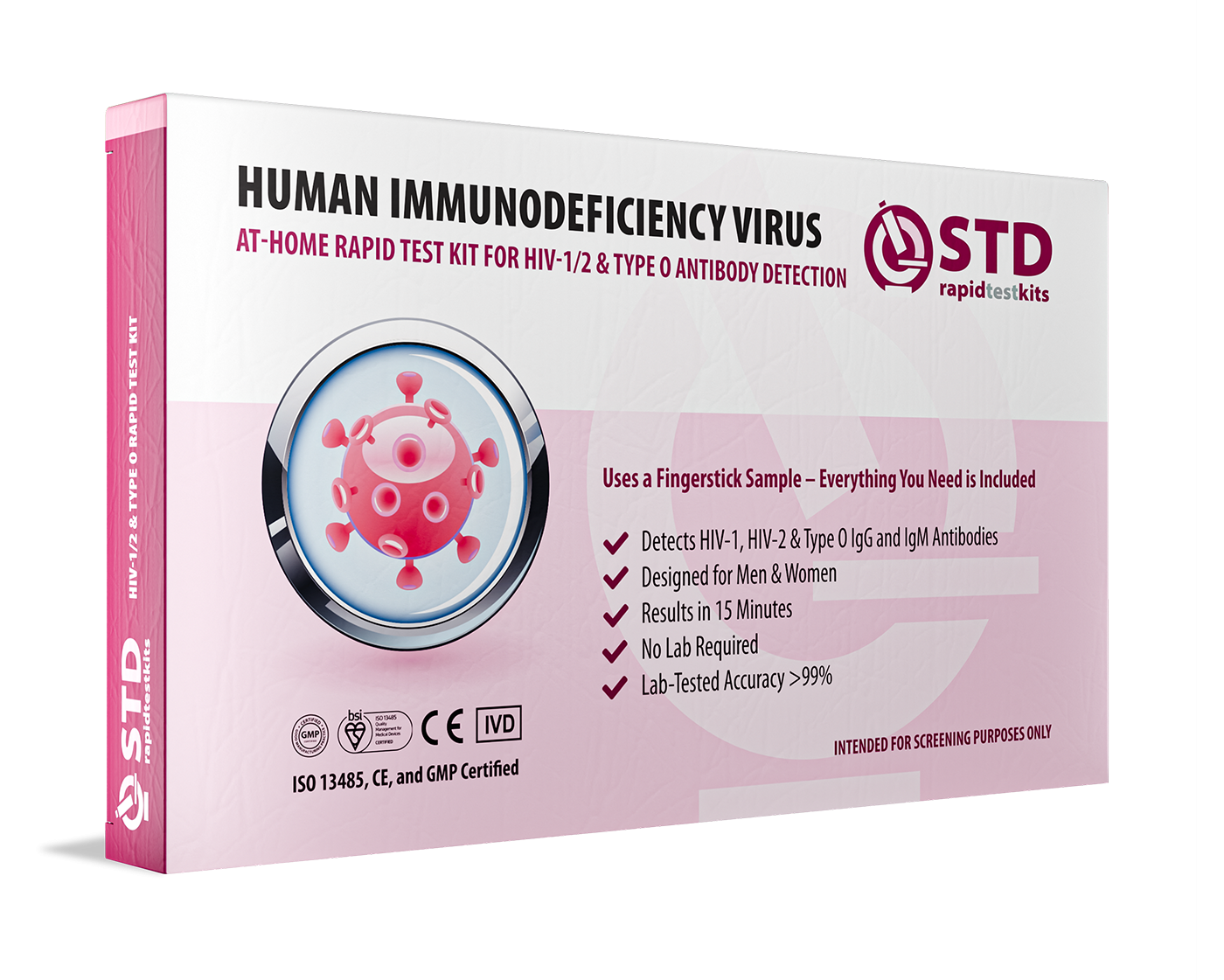
 For Men & Women
 Results in Minutes
 No Lab Needed
 Private & Discreet
Order Now $33.99 $49.00
Real Talk: “I Took Antibiotics and Hooked Up. Should I Be Worried?”
Maya, 26, had just finished a course of amoxicillin for strep when she had unprotected sex with a new partner. “It was spontaneous,” she said. “He seemed clean. But a few days later I felt off, itchy, not like a yeast infection, just… not right.”
She didn’t want to overreact. But she also didn’t want to wait it out. Maya took an at-home combo STD test and also started a probiotic with high CFU vaginal strains. Her test came back negative, but she said the probiotics helped her symptoms settle within a week.
This isn’t medical proof, but it’s the lived experience many people report. Disruption, anxiety, relief. Testing first, then rebuilding.
Which Probiotics Actually Help? (And Which Don’t)
Not all probiotics are equal. The ones that matter most for vaginal and sexual health include:
| Strain | Known Benefit |
|---|---|
| Lactobacillus crispatus | Helps maintain vaginal pH; lowers STD susceptibility |
| Lactobacillus rhamnosus | Supports both gut and vaginal flora; reduces yeast recurrence |
| Lactobacillus reuteri | Shown to reduce risk of bacterial vaginosis |
| Bifidobacterium longum | Helps rebuild gut lining post-antibiotics |
Figure 2. Probiotic strains most associated with vaginal and sexual health recovery. Always check product labels for CFU counts and strain inclusion.
Look for a product with at least 10 billion CFUs and specific mention of vaginal or urogenital support. Some are oral capsules; others are suppositories designed for direct use. Both have research behind them, but suppositories may deliver faster local results for vaginal flora balance.
Testing Is Still the Only Way to Know
Let’s be super clear: probiotics do not replace testing. They don’t clear infections. They don’t detect them. And they don’t make condoms optional.
If you’re even mildly concerned, especially if symptoms have started or your partner’s status is unknown, take the guesswork out of it. Combo kits check for the most common STDs discreetly, with results in minutes or days depending on the type.
Probiotics are part of the healing, not the detection. Think of them as rebuilding the wall. But only testing tells you if something got through before the wall went up.
People are aslo reading: How STD Stigma Affects Mental Health,And What You Can Do About It
When to Take Probiotics If You’re Sexually Active
Here’s a practical breakdown for sexually active people navigating antibiotics and potential exposures:
- Before antibiotics: If you’re prone to BV or yeast infections, you can take probiotics preventatively. Some start 2–3 days before starting antibiotics.
- During antibiotics: Take probiotics 2–4 hours after your antibiotic dose to avoid immediate kill-off. Not everyone makes it, but many do.
- After antibiotics: Continue probiotics for 7–14 days to rebuild vaginal flora.If you notice any discharge, smell, or pain, test it out.
Even without antibiotics, regular probiotic support can help balance flora and reduce recurrence of infections. But again, they’re not a shield. They’re support.
One last note: avoid douching, which wipes out all flora, good and bad, and increases your STD risk even more than antibiotics alone.
Probiotic Recovery Doesn’t Replace Protection
We need to be honest here: it’s tempting to believe that a “natural fix” like probiotics can undo risky decisions. But the reality is more nuanced. Yes, a disrupted microbiome raises risk. Yes, probiotics may help restore it. But that doesn't mean they’re prevention tools.
If you’re having sex, especially with new or multiple partners, your best bet is a mix of protection, communication, and regular testing. Probiotics can support recovery, especially after treatment with antibiotics for STDs like chlamydia or gonorrhea. But they can’t fix an exposure that already happened.
There’s no shame in taking care of your body after the fact. Healing isn’t failure, it’s a form of prevention too.
Check Your STD Status in Minutes
Test at Home with RemediumChlamydia & Gonorrhea Test
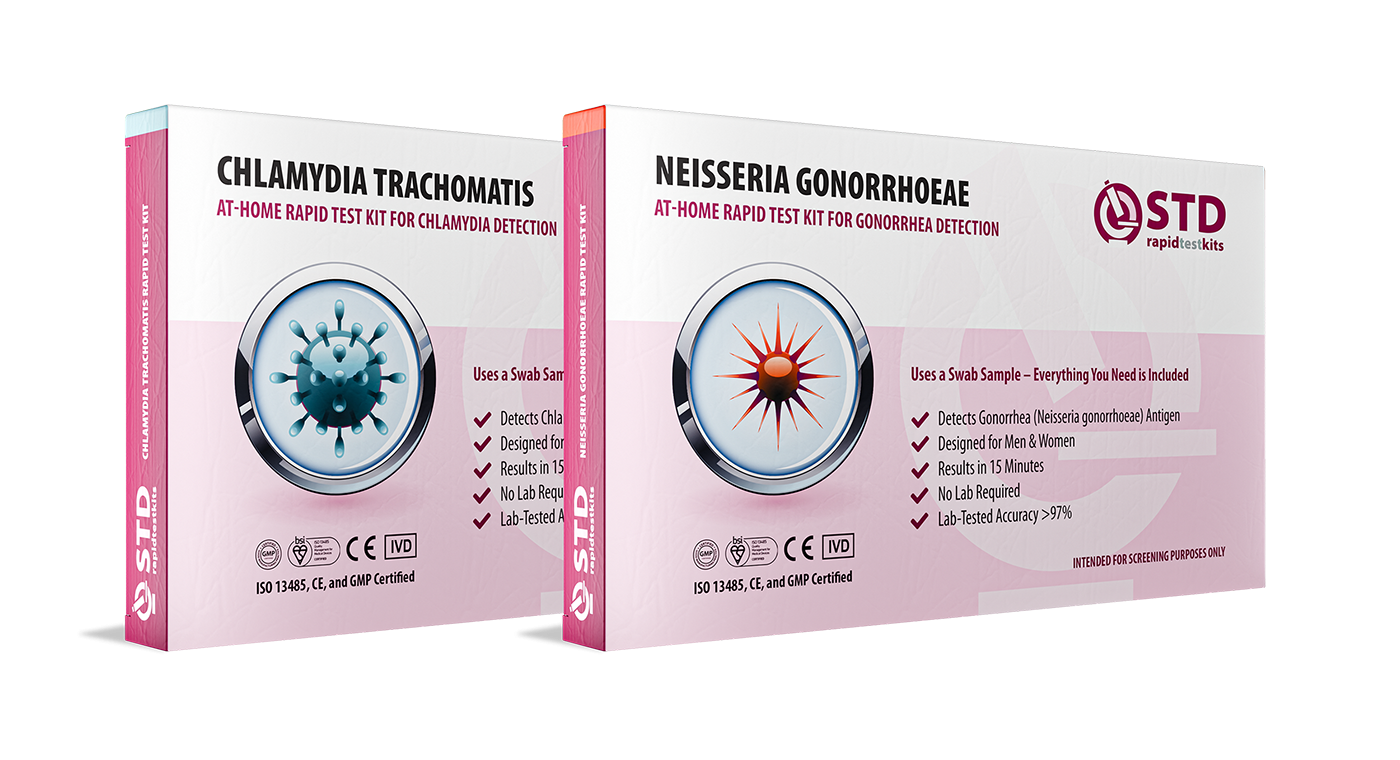 For Men & WomenResults in MinutesNo Lab NeededPrivate & Discreet
Order Now $49.00 $98.00
For all 2 tests
“I Thought the Antibiotics Would Protect Me” , A Common Misunderstanding
Ty, 33, had just finished a week of antibiotics for a dental infection when he hooked up with a casual partner during a weekend trip. “I figured since I was already on meds, I had some kind of buffer,” he admitted. “It sounds dumb now, but I didn’t even think I could catch something.”
Three weeks later, Ty noticed discharge and a burning sensation during urination. His gonorrhea test came back positive. The antibiotics he’d taken? Wrong class. Wrong infection. “I assumed they covered me,” he said. “I didn’t realize antibiotics are so specific.”
Ty’s story isn’t rare. Many people mistakenly think being “on antibiotics” equals “extra protection.” But unless you're being treated for a specific infection, those meds aren't doing anything against STDs. In fact, they might be making your natural defenses weaker, not stronger.
Facts and Myths About Probiotics, Antibiotics, and STD Protection
| Myth | Fact |
|---|---|
| "I'm already taking antibiotics, so I can't get an STD." | Most antibiotics only work on some kinds of bacteria. They won't stop new infections until they go after that specific pathogen. |
| “Probiotics can kill STDs.” | Probiotics support your natural defenses but do not cure or prevent STDs. Only targe |
| “If I feel fine, I don’t need to test.” | Many STDs are asymptomatic, especially in early stages. Testing is the only way to know. |
| “Probiotics make condoms unnecessary.” | Absolutely false. Probiotics can’t stop transmission. Barrier methods are still essential. |
Figure 3. Common misconceptions that increase risk after antibiotics and unprotected sex.
Probiotics Can Be Part of the Plan, But Not the Whole Plan
If you’ve taken antibiotics recently and had any kind of sexual exposure, this is your moment to pause, not panic, and plan. Start by evaluating risk. Was the sex protected? Do you know your partner’s testing history? Have you had symptoms since?
If there’s any question mark in those answers, the next best step is clarity. STD Rapid Test Kits offers discreet, fast home testing options you can trust, and use without leaving your home. Then, yes, take probiotics. Support your system. But do it alongside testing and honest self-awareness, not instead of them.
Your microbiome is powerful. But it’s not magic. Protecting your sexual health takes layered choices, testing, barrier protection, microbiome recovery, and communication. No single step does it all. But together? They make a difference.
Confidentiality matters, too. These test kits come in discreet packaging, with no visible branding, and customer support that doesn’t judge. Your health is yours. And your next move is private, smart, and supported.
Order your confidential combo test here, and give yourself the peace of mind your gut and body deserve.
FAQs
1. Can probiotics keep you from getting an STD?
No, probiotics can't stop STDs. They help keep the vaginal or gut microbiome healthy, which helps keep the immune system strong, but they don't stop germs like chlamydia or herpes.
2. Do antibiotics make it more likely that you'll get an STD?
Yes, they can. Antibiotics kill both good and bad bacteria. This can change the protective flora in your genital tract, making it easier for STDs to spread if you come into contact with them.
3. Which probiotic strains help vaginal health after antibiotics?
The most evidence-backed strains include Lactobacillus crispatus, rhamnosus, and reuteri. These help restore pH and prevent infections like bacterial vaginosis, which can raise STD risk.
4. Can you take probiotics during antibiotic treatment?
Yes. Take them 2–4 hours after your antibiotic dose to reduce bacterial kill-off. They won’t interfere with antibiotic effectiveness and can ease gut side effects too.
5. After being treated for chlamydia, is it safe to take probiotics?
Yes, for sure. Many doctors actually recommend it. Antibiotics used to treat chlamydia can mess up the vaginal microbiome, but probiotics may help you get better faster.
6. If I feel bad after taking antibiotics, should I get tested for STDs?
Yes. Even if your symptoms are mild, like discharge, itching, spotting, or smell, it's a good idea to get tested. These could mean that your flora is out of whack or that you have an STD.
7. Can probiotics help if I get a yeast infection or BV after antibiotics?
Absolutely. It’s super common to feel off down there after antibiotics, itchy, irritated, or just “not right.” Probiotics with the right strains can help your body bounce back faster and may lower the chances of dealing with bacterial vaginosis or yeast overgrowth.
8. Will probiotics affect STD test results?
No. Probiotics won't make STD tests give false positives or negatives. But they won't "clear" an infection either; only the right antibiotics can do that.
9. Do men benefit from probiotics after taking antibiotics and having sex?
Maybe. Most studies look at vaginal health, but the rectal and gut microbiomes also affect immunity and inflammation, especially in MSM populations.
10. After taking antibiotics, how long should I take probiotics?
A course of 7 to 14 days is common, but some people need to stay on it longer for chronic flora problems. Always follow the dosage instructions and talk to a provider if you need to.
You Deserve Answers, Not Assumptions
There’s no shame in doing damage control. Antibiotics can save lives, but they can also leave you vulnerable. Whether you took them for a UTI, a throat infection, or STD treatment itself, the question of what happens next is valid. And so is your choice to take charge of it.
Don't let shame or confusion stop you from taking care of your health. This private test kit you can use at home checks for a number of STDs and gives you results quickly. Add probiotics to it to help your body heal from the inside out, because healing is just as important as protection.
How We Sourced This Article: We combined peer-reviewed microbiome studies, STD transmission data, and lived-experience reports from Reddit, VICE, and women’s health blogs. Clinical guidance from CDC, Mayo Clinic, and Planned Parenthood shaped the STD-specific language.We also included strain-specific probiotic findings from NIH-funded research to make sure that the recommendations are based on the most up-to-date science.
Sources
2. Beyond Bacterial Vaginosis: Vaginal Lactobacilli and HIV Risk
3. Randomized Trial of Lactin-V to Prevent Recurrence of Bacterial Vaginosis
About the Author
Dr. F. David, MD is a board-certified infectious disease specialist focused on STI prevention, diagnosis, and treatment. He blends clinical precision with a no-nonsense, sex-positive approach and is committed to expanding access for readers in both urban and off-grid settings.
Reviewed by: J. Tanaka, MPH | Last medically reviewed: September 2025
This article is only for informational purposes and should not be taken as medical advice.


