

Published: June 2025 | Last updated: April 2026 | Editorial review and quality control: Martina N.
Which STDs hide silently in women, and how long can they go undetected?
Seven sexually transmitted infections commonly stay symptom-free in women for months: chlamydia, gonorrhea, certain high-risk HPV types, trichomoniasis, Mycoplasma genitalium, herpes (HSV-2) during latency, and early-stage syphilis. Asymptomatic carriage typically lasts 6 to 12 months for bacterial infections and can extend to years for viruses. Routine screening every 6 to 12 months, or after any new partner, is the only reliable way to catch them before they damage fertility.
Key Takeaways
- Most women with chlamydia or gonorrhea have no symptoms during the first months of infection, which is why annual screening matters even when you feel fine.
- Untreated silent STIs can cause pelvic inflammatory disease, infertility, ectopic pregnancy, and elevated HIV risk, so early testing protects long-term reproductive health.
Most women picture sexually transmitted infections as something loud: a burning feeling, an unusual discharge, a sore that hurts. The reality is much quieter. The bacteria, viruses, and parasites that cause the most damage to female reproductive health rarely announce themselves. They settle into the cervix or upper tract, multiply for months, and leave their fingerprint as scar tissue, abnormal cells, or chronic pelvic pain long after the original encounter.
This is the reason public health agencies recommend screening on a calendar, not on a symptom check. The infections that matter most are the ones you cannot feel.
This article is published by stdrapidtestkits.com, which sells at-home STI testing kits. We recommend products based on fit-for-purpose for the reader's concern, not commercial benefit.
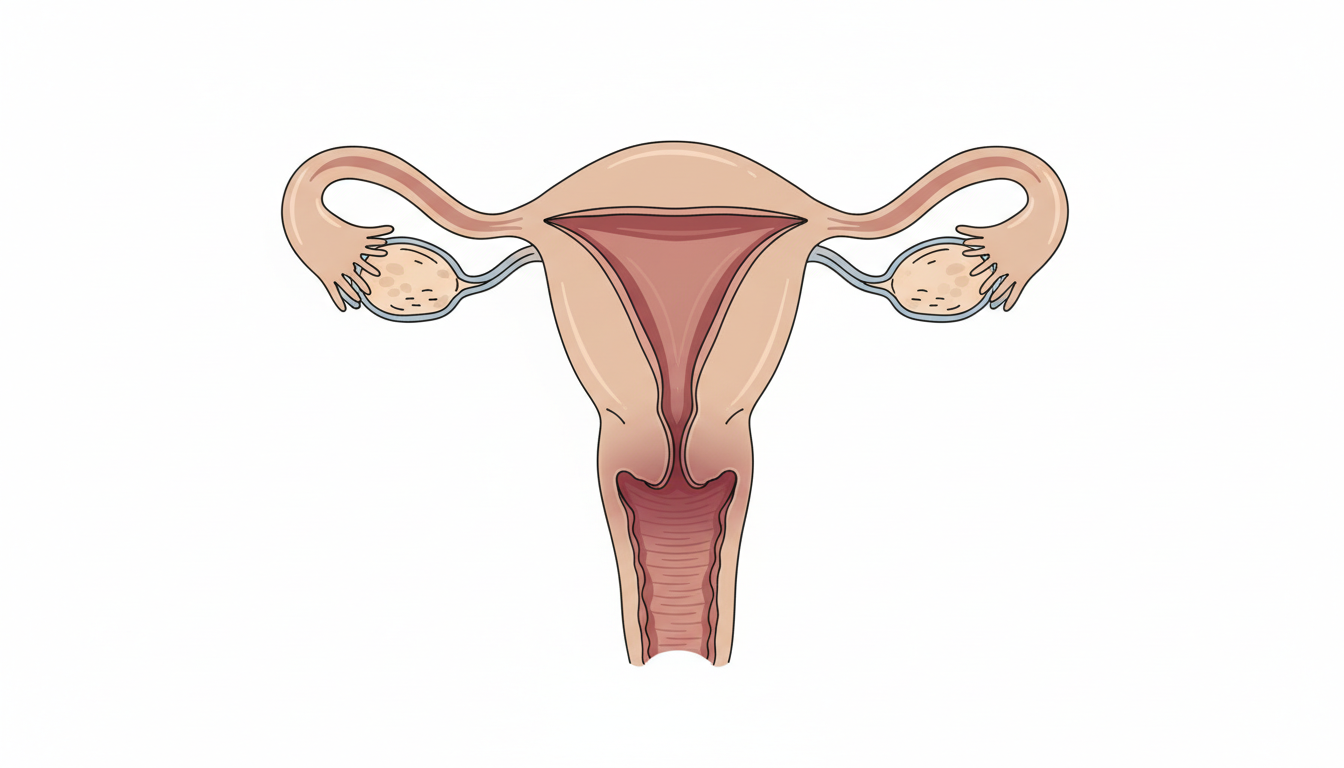
Why silent STDs love female anatomy
The cervix sits where columnar and squamous tissues meet, a transition zone where bacteria like chlamydia and gonorrhea attach with ease. Inflammation here causes no nerve-driven pain, so a growing infection sends no signal to act. Vaginal discharge naturally shifts through the menstrual cycle, which means early changes get filed away as ovulation or pre-period spotting. According to the CDC's STI overview, most bacterial infections in women begin without obvious symptoms and only declare themselves through complications.
Three anatomical realities make hidden infection easy:
- Cervical canal depth. The infection site sits beyond reach of any casual self-check.
- Low pain-receptor density. The upper vagina and cervix do not generate the sharp signals that something inflamed elsewhere in the body would create.
- Hormonal camouflage. Estrogen-driven discharge changes look similar to mild infection discharge, so early color or odor shifts blend into the normal cycle.
Waiting for an obvious symptom is like waiting to smell smoke before changing the smoke alarm batteries.
Most women who eventually develop pelvic inflammatory disease, infertility, or cervical cancer were never warned that they had an active infection. The pathogens did their damage quietly. Screening on a calendar catches them before complications begin, which is why the CDC and WHO frame STI testing as preventive care rather than a response to symptoms.
Chlamydia: the fertility thief
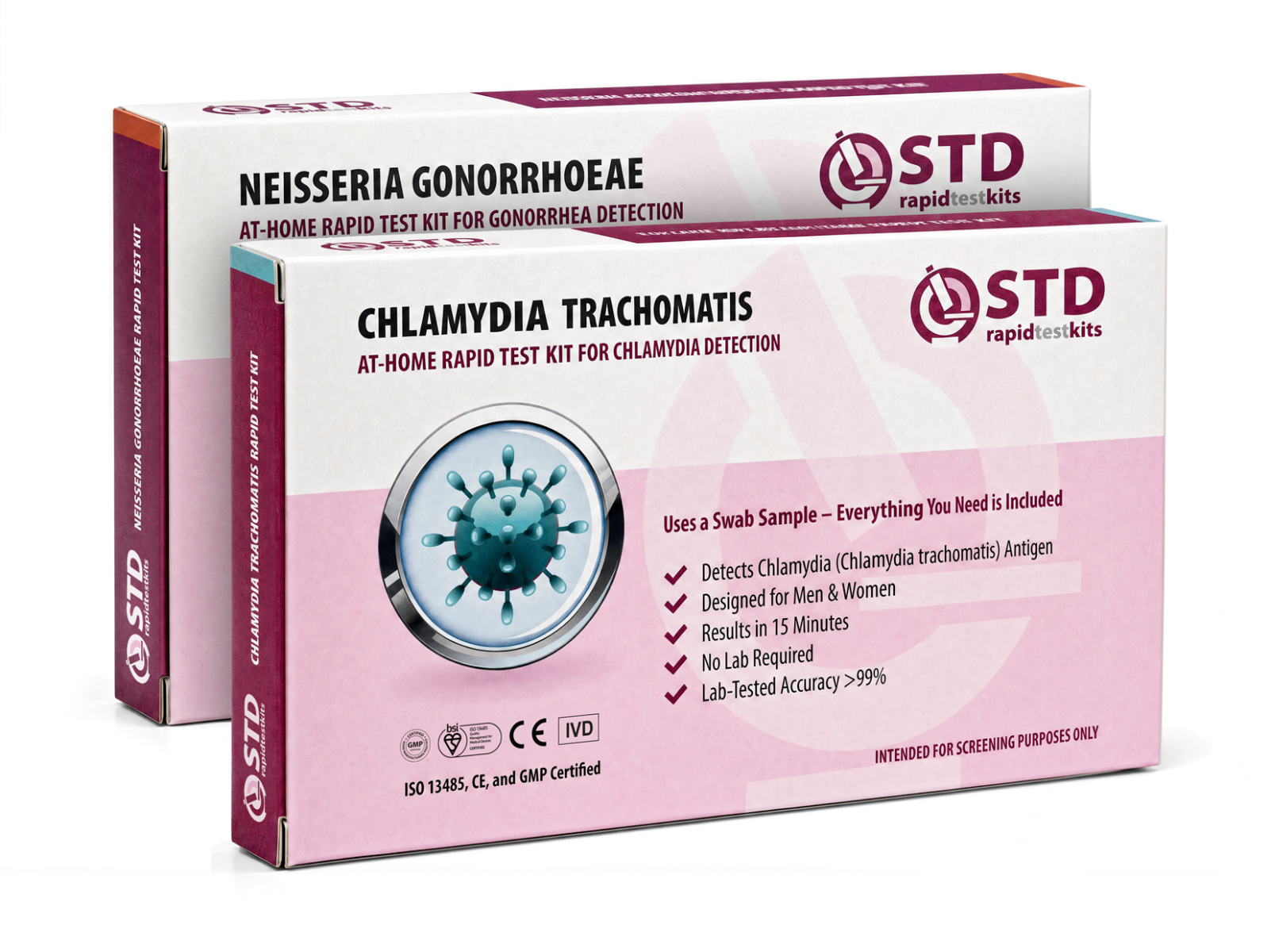
Chlamydia trachomatis sits at the top of every silent-STI list. The CDC's chlamydia fact sheet notes that most infected women have no symptoms during the first months. When symptoms eventually appear, they tend to be subtle: light bleeding between periods, mild pelvic ache, brownish discharge. None of those pull a healthy young woman to a clinic, which is exactly the problem.
Untreated chlamydia ascends from the cervix to the uterus and fallopian tubes within weeks. Even when no acute pain develops, scar tissue builds up. The result is tubal-factor infertility and ectopic pregnancy: a quiet infection years earlier becomes a structural problem today.
- Incubation: 7 to 21 days, but tissue contact begins immediately.
- Window for accurate testing: 1 to 3 weeks after exposure for a standard NAAT.
- Hidden clue: post-coital spotting when not menstruating, caused by friable cervical tissue.
- Long-term risks: pelvic inflammatory disease, tubal-factor infertility, ectopic pregnancy.
The CDC's screening guidelines recommend annual chlamydia screening for all sexually active women under 25 and for any woman with a new or multiple partners. After a positive result, retest at three months to confirm cure and rule out reinfection.
- Pelvic inflammatory disease (PID). Bacteria ascend from the cervix to the uterus and fallopian tubes within weeks of untreated infection.
- Tubal-factor infertility. Scar tissue narrows or blocks the fallopian tubes, preventing eggs from reaching the uterus.
- Ectopic pregnancy. Fertilized eggs may implant outside the uterus, a medical emergency requiring urgent care.
- Chronic pelvic pain. Long-term inflammation can leave persistent low-grade pelvic discomfort even after the infection is cleared.
Gonorrhea: the symptom-free superbug
Most women infected with Neisseria gonorrhoeae have no symptoms, according to the CDC's gonorrhea fact sheet. When symptoms do appear, they often look like a mild urinary tract infection: a faint burn during urination, slight discharge, vague pelvic pressure. Most women treat it as a small annoyance and move on, while bacteria climb to the upper reproductive tract.
Gonorrhea also brings a separate worry: antibiotic resistance. The CDC tracks rising resistance to multiple antibiotic classes, with ceftriaxone as the last reliable first-line option in current treatment guidelines. Resistant strains remain treatable, but they shrink the margin for delay.
- Incubation: 2 to 14 days; asymptomatic carriage can last six months.
- Long-term risks: pelvic inflammatory disease, chronic pelvic pain, increased HIV acquisition.
- Co-infection: chlamydia and gonorrhea travel together so often that treatment guidelines often presume both.
- Pharyngeal route note: oral-sex transmission to the throat usually causes no symptoms and can seed genital infection later. A throat swab is the only test for that route, and clinics handle it; we do not sell pharyngeal swabs.
If your last gonorrhea screen was a year or more ago, schedule one.
HPV: the quiet cell-shaper
Human papillomavirus is not one virus. It is a family of more than 200 strains. Most clear within one to two years without ever causing a symptom. The CDC's HPV page identifies certain types as high-risk, capable of integrating into cervical DNA and slowly changing cell behavior over a decade or more. That long latency is why nearly every cervical cancer traces back to a much earlier, undetected HPV infection.
Genital warts come from low-risk strains and are visible. The strains that matter for cancer risk are invisible. You cannot feel them, see them, or self-detect them. Cervical screening is the only path.
- Latency: months to years; average clearance for young women is 8 to 24 months.
- Symptom reality: high-risk cancer-linked strains do not produce warts.
- Co-test cadence: Pap test plus HPV co-test every 5 years for women aged 30 to 65 is widely recommended; Pap alone every 3 years is also acceptable.
- Self-collection: self-collected HPV swabs have shown high agreement with clinician-collected samples in published validation studies.
- Vaccination: ACIP recommends routine HPV vaccination through age 26 and shared clinical decision-making for adults aged 27 through 45.
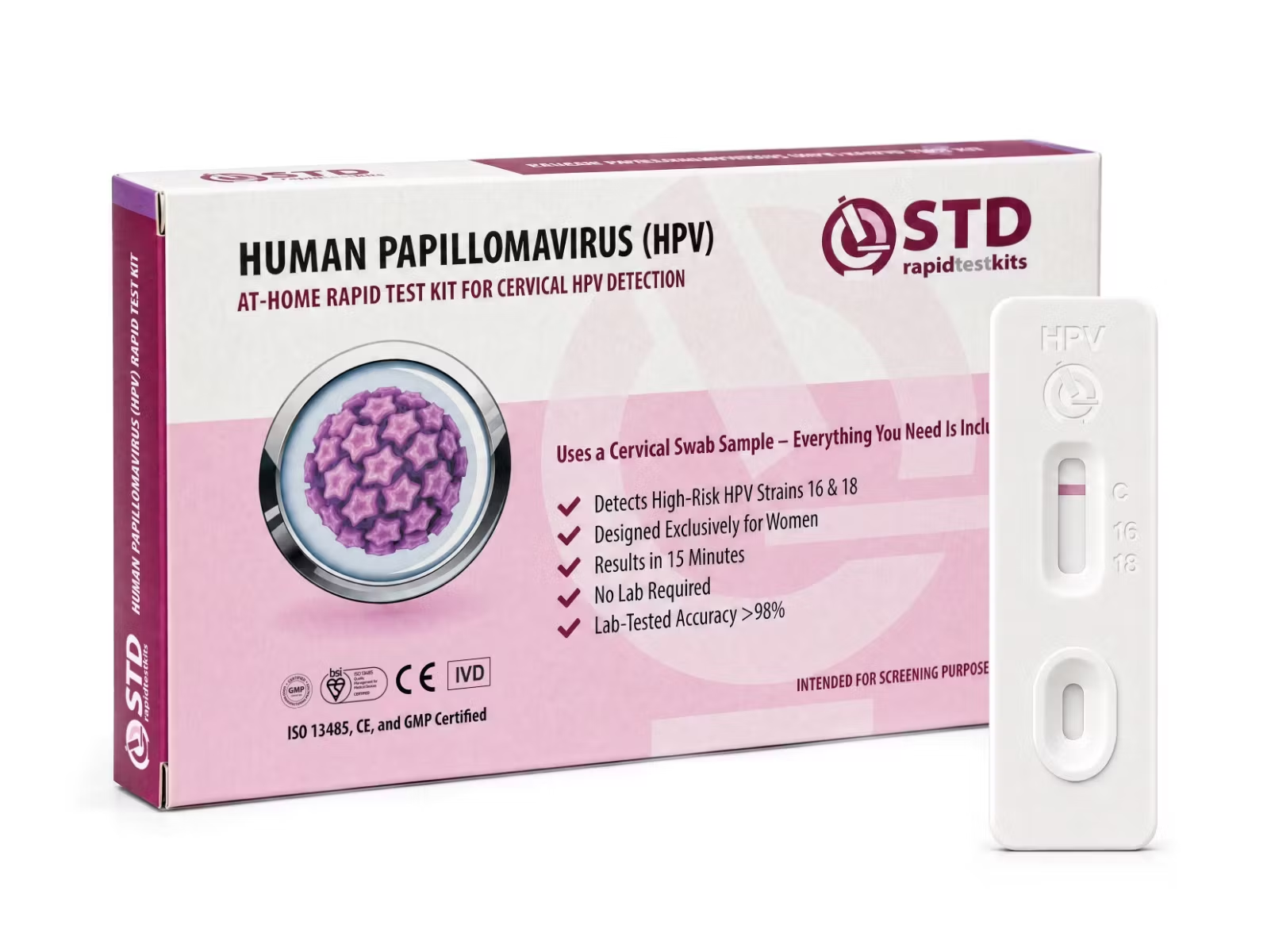
If you have never had a Pap or you are overdue, that is the highest-yield screening action you can take this year. An at-home HPV swab is an option for women who want a quiet first step before a clinic visit.
Trichomoniasis: the overlooked parasite
Trichomonas vaginalis is a microscopic single-celled parasite that causes one of the most common curable STIs worldwide. The CDC's trichomoniasis fact sheet states that about 70% of people with the infection do not have any signs or symptoms. When symptoms do appear, they include a frothy discharge with a fishy odor, vulvar itching, and discomfort during urination.
Trichomoniasis is unusual on this list because it is treated with a single dose of metronidazole or tinidazole, both inexpensive and widely available. The catch: many routine STI panels do not include it. Many women carry trich for a year or more simply because no one tested for it.
- Incubation: 5 to 28 days; asymptomatic carriage can last over a year.
- Long-term risks: preterm birth, low birth weight in pregnancy, three-fold increase in HIV acquisition risk.
- Diagnostic note: the older wet-mount microscopy method misses about half of cases; a NAAT or rapid lateral-flow test is more sensitive.
- Reinfection trap: partners must be treated together, otherwise reinfection is common.
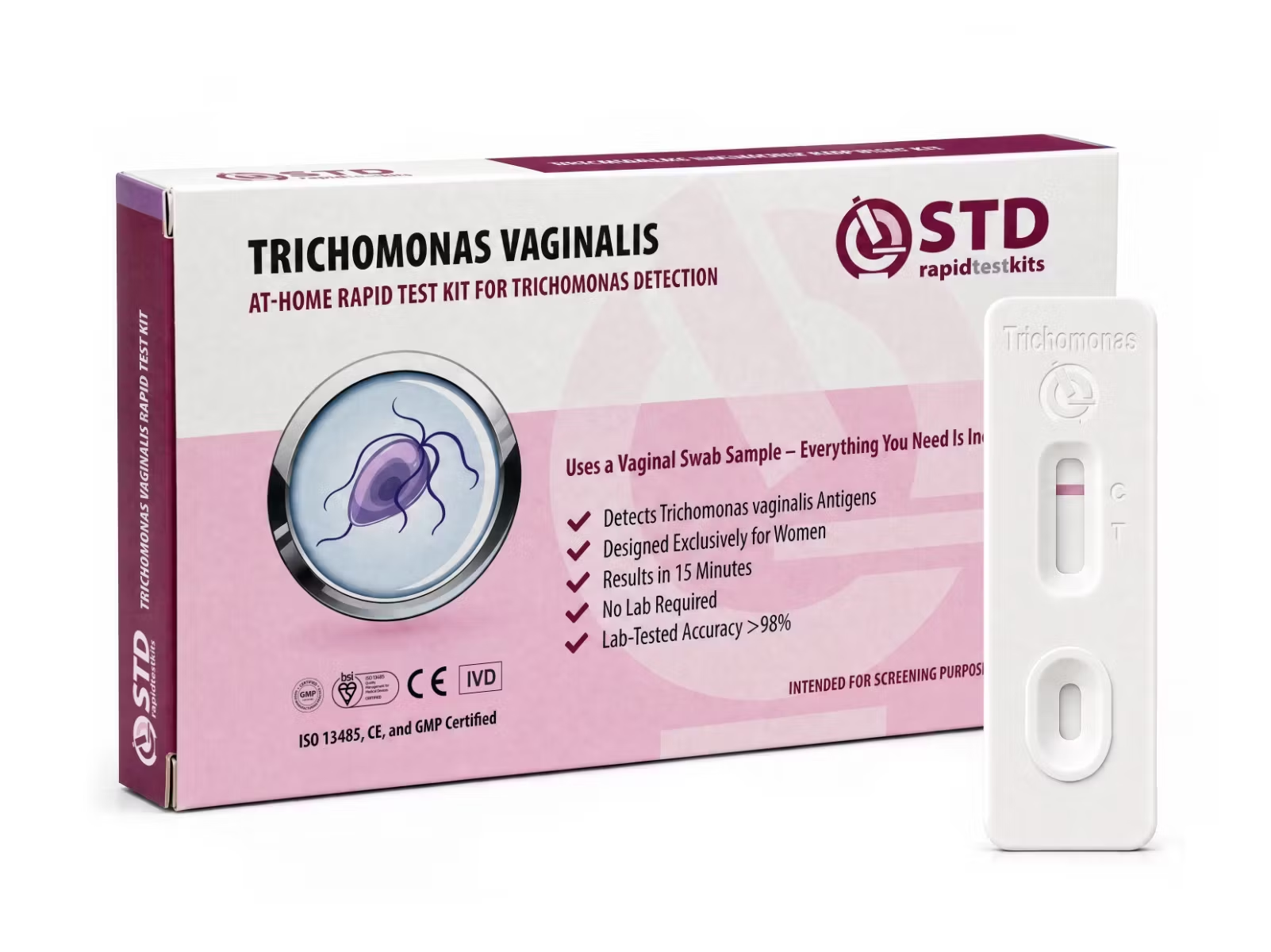
If you have never been tested for trichomoniasis specifically, ask, or pick a panel that includes it. The standalone home swab for women covers this exact gap.
Mycoplasma genitalium: the antibiotic-dodger
Mycoplasma genitalium (MG) is a tiny bacterium that often goes unnamed in routine STI panels. Per the CDC's STI treatment guidelines, MG can persist for months or years without symptoms in women. When it does cause complaints, they mimic chlamydia or premenstrual symptoms: light pelvic pain, mild bleeding, occasional discharge.
The harder problem with MG is treatment. Macrolide antibiotic resistance has climbed past 50% in many regions, which means a standard azithromycin course often fails. Resistance-guided therapy with moxifloxacin is now the second-line approach in current CDC guidance.
- Incubation: 1 to 3 weeks; silent persistence can last 1 to 2 years untreated.
- Mimics premenstrual symptoms when symptoms do appear, so women often shrug them off.
- Linked to elevated tubal-factor infertility risk in women with persistent untreated infection.
- Action step: if pelvic inflammatory disease tests negative for chlamydia and gonorrhea, ask specifically for an MG NAAT.
We do not sell a home test for Mycoplasma genitalium. MG diagnosis still requires a laboratory NAAT through a clinic. If you have unexplained pelvic symptoms after negative chlamydia and gonorrhea results, an MG-specific assay through a clinic is the right next step.
Syphilis: the silent stage
Early-stage syphilis is famous for the chancre, a painless ulcer at the site of contact. In women, the chancre often forms on the cervix, where mirrors and nerves do not reach. The painless lesion heals on its own in three to six weeks, then the bacterium Treponema pallidum settles into a long latent phase.
Surveillance data show that syphilis cases among women have risen sharply in recent years, with many detected only at routine prenatal screening. The CDC's syphilis fact sheet describes the stages and complications in detail. During pregnancy, untreated syphilis raises the risk of stillbirth, neonatal death, and congenital syphilis.
- Latent stage can last 1 to 20 years without genital symptoms.
- Secondary syphilis: a faint body rash, sometimes on the palms and soles, can appear weeks to months after the primary chancre. It is often mistaken for eczema.
- Pregnancy risk: untreated syphilis causes stillbirth in a substantial share of cases per CDC surveillance data.
- Screening: a treponemal antibody test or RPR. A reactive screen requires a confirmatory test through a clinic.
Syphilis is curable with penicillin at any stage, with the time between exposure and treatment determining whether organ damage develops.
Universal syphilis screening at the first prenatal visit is standard practice in the United States. Untreated maternal syphilis can transmit to the fetus and cause stillbirth, neonatal death, or congenital syphilis. If you are pregnant or planning pregnancy and your last screen was more than a year ago, ask your provider for an RPR or treponemal test at the next visit.
Herpes (HSV-2): when the virus sleeps
HSV-2 enters sacral nerve clusters and stays there for life. The CDC's genital herpes page notes that many people with HSV-2 antibodies have never noticed an outbreak. Transmission can still occur during asymptomatic shedding, when the virus is active on the skin without producing visible sores.
Diagnosis is the awkward part. Swab tests detect live virus only when a sore is present. Type-specific IgG blood tests confirm past exposure but cannot tell you when it happened. A positive HSV-2 antibody result indicates lifetime infection, not recent exposure.
- First noticeable outbreak may appear during stress, illness, menstruation, or never at all.
- Asymptomatic shedding occurs regularly throughout the year, even without visible sores (per published viral shedding studies).
- Daily condom use substantially reduces female HSV-2 acquisition risk; daily antiviral suppression by an infected partner reduces transmission further.
- Window period: antibody tests become reliable around 12 weeks after exposure.
If a partner has disclosed HSV-2 and you have never been tested, an antibody test gives you a starting baseline. A fingerstick at-home antibody test is one option for that screening step.
When silence turns to PID
Pelvic inflammatory disease (PID) is the downstream consequence of the silent infections above. The CDC's PID page describes PID as inflammation of the upper reproductive organs caused by bacteria ascending from the cervix. PID significantly raises the risk of infertility and ectopic pregnancy, per CDC guidance.
PID can be acute and obvious, with severe pain and fever, or chronic and quiet. The chronic form causes the most reproductive damage, because there is no clear moment to seek treatment.
Each subsequent PID episode roughly doubles the risk of infertility and ectopic pregnancy, which is why preventing the first episode through STI screening matters more than treating the second one.
Home rapid tests will not diagnose PID itself. They can identify the bacterial infections that cause it before they ascend.
Book a same-week clinical evaluation if you notice any of these:
- New or worsening pelvic pain, especially deep pain during sex.
- Fever or chills with any pelvic discomfort.
- Heavy or unusual bleeding outside your normal cycle.
- Unusual discharge with a strong odor.
Even mild symptoms after a recent unprotected encounter deserve attention. Early antibiotic treatment is what protects future fertility.
Screening schedules and at-home testing
Routine screening looks different at different life stages. The CDC's screening recommendations provide the framework most clinicians follow. Use the table below as a starting point, then adjust for your own risk profile.
About home testing technology: at-home rapid kits are FDA-cleared lateral-flow immunoassays. They are useful screening tools, especially for the most common silent infections like chlamydia and gonorrhea. They are not the same as laboratory NAAT testing, which has higher analytical sensitivity for low-level infections. Use the home test as a starting point (easier, faster, private) and a clinic for confirmation, MG-specific assays, and prescription treatment.
| Life stage or risk | What to test for | How often |
|---|---|---|
| Sexually active under 25 | Chlamydia and gonorrhea | Annually, plus after each new partner |
| New partner or partner change | Full panel including syphilis and HIV | Immediately, then again at 3 months |
| Pregnancy | Syphilis, HIV, hepatitis B, chlamydia, gonorrhea | First prenatal visit, plus third trimester for higher-risk patients |
| Aged 30 to 65 | Pap test plus HPV co-test | Every 5 years (or Pap alone every 3 years) |
| History of PID | Full panel including MG (clinic) and trichomoniasis | Every 6 months |
| Same-sex partner with HSV-2 disclosure | Type-specific HSV-2 IgG antibody | 12 weeks after last exposure, then annually |
Common screening myths, busted
Several beliefs keep women from screening on a regular schedule. Here are the most common, and what is actually true.
- "My last Pap was normal, so I am fine." A Pap looks for cervical cell changes. It does not check for chlamydia, gonorrhea, MG, or HSV-2. Different tests, different targets.
- "I am in a monogamous relationship, so I do not need to test." A meaningful share of PID cases occur in self-described monogamous women, because a partner's earlier infection can sit silent for months.
- "Condoms cover everything." Condoms reduce risk substantially, but HPV and HSV can shed on skin outside the latex zone. Vaccination and screening fill those gaps.
- "Symptoms would tell me." This is the central myth of silent STIs. They are silent precisely because symptoms do not show.
The simplest fix: book screening on a calendar. Tie it to an existing yearly habit (your birthday, the start of a new school year, your annual gynecologic visit) so it becomes routine rather than a reaction to fear.
Fertility, pregnancy, and partner planning
A meaningful share of unexplained infertility traces back to old, undiagnosed chlamydia or MG. Even low-grade endometritis from gonorrhea can affect implantation. The good news: a one-cycle pre-conception checklist catches most of these issues early.
- Run a full STI panel at least three months before trying to conceive.
- Make sure your most recent Pap is up to date and any HPV results are addressed.
- Test partners together. Treatment that covers only one half of a couple invites reinfection.
- Retest 4 weeks after antibiotics for bacterial infections, to confirm cure before conceiving.
If you have a known history of PID or a previous ectopic pregnancy, share that with your obstetrician at the first prenatal visit. Some pre-conception evaluations include an ultrasound or hysterosalpingogram check of the fallopian tubes, particularly if previous treatment was delayed.
Partner notification matters. The CDC offers free anonymous notification cards through clinic systems, and several state health departments run anonymous text-message systems. You do not need to confront anyone in person; you do need to make sure they know to test.
For women who want a single comprehensive baseline, the 10-in-1 women's home kit covers the major silent infections in this article in one box.
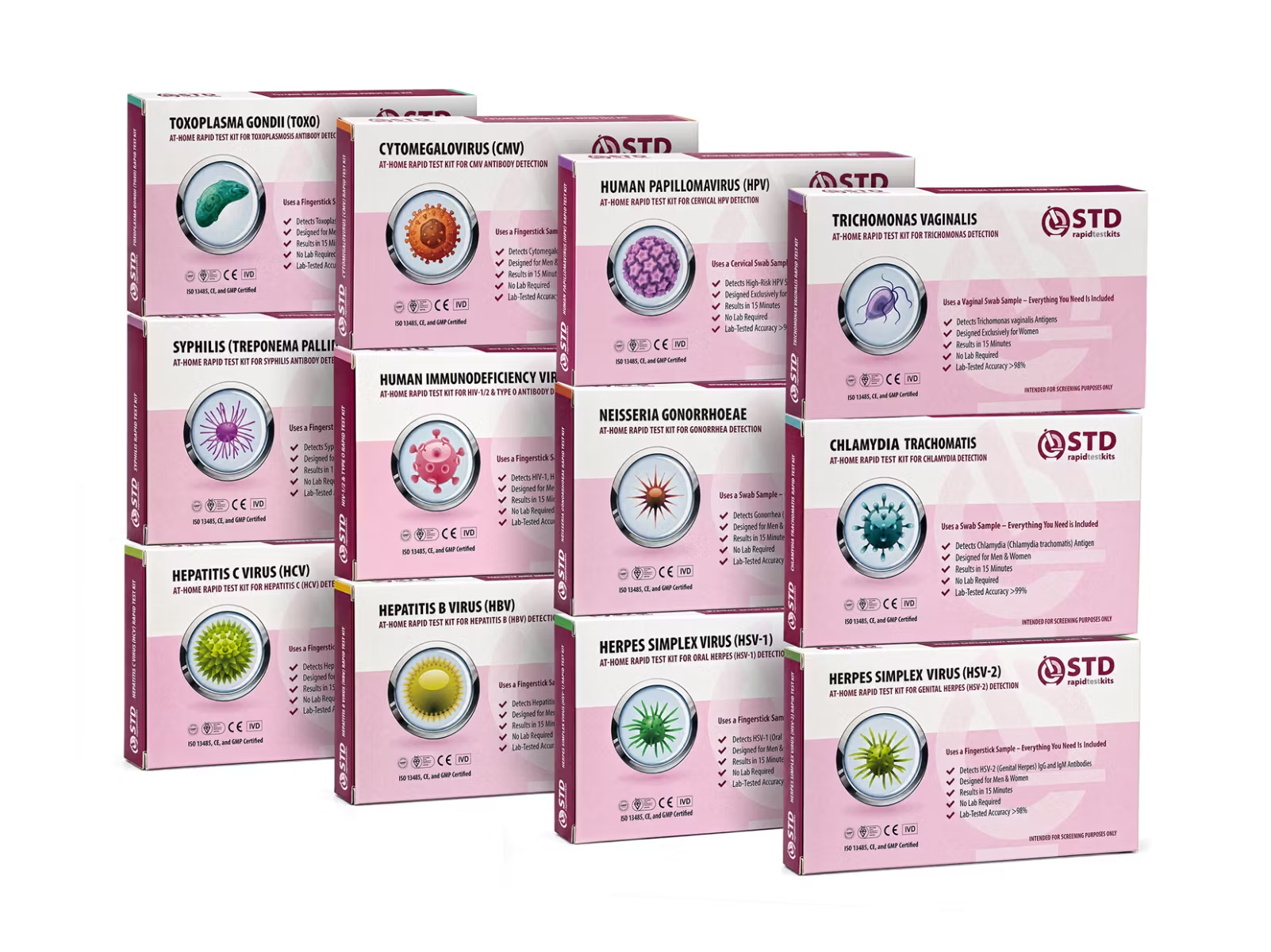
Many sexually transmitted infections do not cause any symptoms, so a person can have one and not know it. That is why testing is important even when you feel fine.
Frequently asked questions
- How long can chlamydia stay hidden in a woman's body?
- Annual screening catches the vast majority of asymptomatic chlamydia before complications develop. Untreated carriage of up to two years has been documented, though most cases either clear or progress to complications within 12 months.
- Can HPV stay dormant for years and then cause cancer?
- High-risk HPV strains can sit in cervical cells for a decade or longer before causing detectable cell changes, which is why co-testing every 5 years is recommended rather than waiting for symptoms. Routine Pap or HPV co-testing catches those changes early, well before cancer develops.
- Does a normal Pap mean I do not have gonorrhea?
- No. A Pap looks at cervical cell shape, not bacterial DNA. Gonorrhea screening uses a separate swab test. The two are not interchangeable.
- Can I get an STI from oral sex only?
- Yes. Gonorrhea, syphilis, chlamydia, HSV-1, and HSV-2 can all transmit through oral sex. Pharyngeal infections are usually symptom-free, so they are easy to miss without testing.
- Are at-home rapid tests as accurate as clinic testing?
- Home rapid tests are FDA-cleared lateral-flow immunoassays. They are reliable screening tools, but they are not identical to laboratory NAAT testing, which has higher analytical sensitivity. Use a home test as a fast, private starting point, and confirm any positive result through a clinic.
- Why test for Mycoplasma genitalium if my doctor does not mention it?
- MG is now a recognized cause of cervicitis and PID, and CDC guidance supports MG-specific testing in symptomatic patients with negative chlamydia and gonorrhea results. The assay is not yet on every clinic's standard panel, so asking specifically helps.
- Will condoms fully block HSV-2?
- No. Condoms substantially reduce HSV-2 acquisition risk, but the virus can shed on skin outside the latex zone. Daily antiviral suppression by an infected partner adds further reduction in transmission risk.
- How often should I test if I am in a long-term monogamous relationship?
- Once a year remains the safe default, especially if neither partner has had a recent full panel. Earlier infections can sit silent for months and only declare themselves through complications later.
- U.S. Centers for Disease Control and Prevention. Chlamydia fact sheet, including asymptomatic prevalence in women, screening recommendations, and treatment guidelines.
- U.S. Centers for Disease Control and Prevention. Gonorrhea fact sheet, including asymptomatic prevalence and antibiotic resistance trends.
- U.S. Centers for Disease Control and Prevention. Genital HPV infection fact sheet, including the link between high-risk HPV types and cervical cancer.
- U.S. Centers for Disease Control and Prevention. Trichomoniasis fact sheet, including asymptomatic prevalence and complications.
- U.S. Centers for Disease Control and Prevention. Sexually transmitted infections screening recommendations and treatment guidelines including Mycoplasma genitalium.
- World Health Organization. Sexually transmitted infections fact sheet, including global prevalence and complications.
