







Quick Answer: Chlamydia is frequently misdiagnosed in Latina women due to symptom overlap with UTIs, provider bias, and insufficient STD screening. Accurate diagnosis depends on proper testing, not assumptions.
When Pain Gets Dismissed: What Chlamydia Symptoms Really Look Like
Chlamydia is known as the “silent” infection for a reason, nearly 70% of women with it show no symptoms at all. But when symptoms do appear, they’re usually vague: a little cramping, a change in discharge, some irritation after sex. The problem? These signs overlap heavily with common conditions like yeast infections and UTIs, which are often assumed first, especially in young women who aren't visibly distressed or who speak softly in a second language.
In a lot of urgent care settings, chlamydia isn't even talked about unless the patient brings up a recent sexual encounter or asks for STD testing. This makes a dangerous gap for Latina women. Cultural norms may make it hard to talk about sex openly, especially when you're not married. Some patients even say they won't share their sexual history because they are afraid of being judged or making assumptions.
What happens next is a diagnostic shortcut: “It’s probably just a UTI.” The clinician prescribes antibiotics that don’t target chlamydia trachomatis, and the infection continues silently, potentially spreading to the uterus or fallopian tubes.
The Numbers Don’t Lie: Latinas and the Chlamydia Testing Gap
Latina women face one of the highest rates of untreated chlamydia in the country, yet they are less likely to be screened regularly compared to their white counterparts. According to CDC surveillance reports, Hispanic women aged 15–24 represent a disproportionately high number of new chlamydia cases each year, but community clinics and primary care providers often fail to offer routine screenings unless pregnancy is involved.
Even when symptoms like unusual discharge or spotting appear, they’re often chalked up to menstrual irregularities, stress, or minor infections. Here's how some of the disparities look numerically:
| Population Group | Reported Chlamydia Cases (per 100,000) | Screening Rate (Estimated) |
|---|---|---|
| Latina Women (15–24) | 1,935 | ~52% |
| White Women (15–24) | 1,210 | ~64% |
| Black Women (15–24) | 4,480 | ~58% |
Figure 1. Comparison of reported chlamydia cases and estimated screening rates among young women by race/ethnicity. Source: CDC STD Surveillance 2023.
The disparity isn’t just about who gets infected, it’s about who gets tested. And in many Latina communities, the test never gets offered.

People are also reading: Silent STDs: Why You Shouldn’t Wait for Symptoms to Get Tested
“I Don’t Want My Parents to Know”: Shame, Silence, and the Cost of Waiting
Natalie was 19 when she went to a university health clinic for what she thought was a yeast infection. She felt itchy, had a slight burn when peeing, and was spotting unexpectedly. The intake nurse asked about her last sexual encounter. Natalie froze. Her parents, devoutly Catholic, were covering her student health plan. She lied and said she wasn’t sexually active.
As a result, no STD test was ordered. A prescription for antifungal cream was handed over, and the appointment ended in under 10 minutes. Two weeks later, her symptoms worsened. She finally paid out-of-pocket for an at-home test, and tested positive for chlamydia.
Stories like Natalie’s show how stigma, religion, and fear of parental discovery can actively prevent Latina patients from accessing basic sexual health care. This isn’t just personal shame, it’s cultural silence, reinforced by systems that don’t ask the right questions or offer judgment-free options.
For many, the solution comes down to autonomy and privacy. That’s why more Latinas are turning to discreet at-home STD test kits, offering control, confidentiality, and accurate results without the risk of face-to-face discomfort. You can explore private options like the Chlamydia Rapid Test Kit directly from home, on your terms.
Check Your STD Status in Minutes
Test at Home with RemediumChlamydia Test Kit
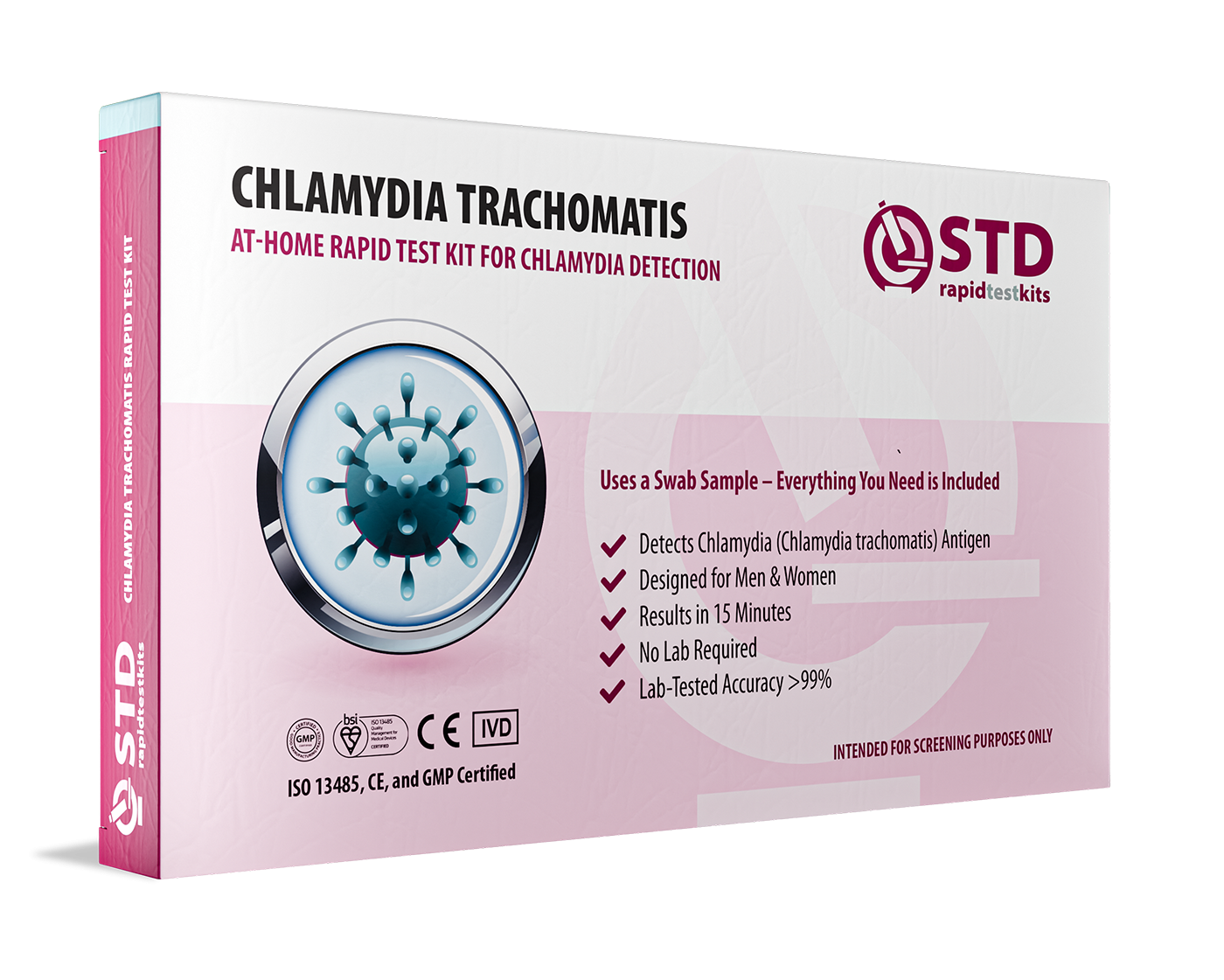
 For Men & Women
 Results in Minutes
 No Lab Needed
 Private & Discreet
Order Now $33.99 $49.00
UTI or Chlamydia? Why Doctors So Often Get It Wrong
One of the most common mistakes in diagnosing chlamydia is confusing it with a urinary tract infection. Both can cause burning during urination, abdominal discomfort, and urgency. But while UTIs are often bacterial infections of the bladder, chlamydia is a sexually transmitted infection that requires different antibiotics and carries different long-term risks.
The overlap in symptoms means a rushed or incomplete exam can lead to the wrong diagnosis. But here’s where bias creeps in: studies have shown that women of color, especially Latinas and Black women, are more likely to be diagnosed with a UTI based on symptoms alone, without confirmatory testing.
Clinicians may unconsciously assume a Latina patient is less likely to have multiple partners, or may avoid discussing sexual history due to perceived “modesty.” Others may not offer STD testing unless the patient insists. The result? A dangerous pattern of underdiagnosis and delayed treatment.
| Symptom | UTI | Chlamydia |
|---|---|---|
| Burning when urinating | Common | Possible |
| Abnormal vaginal discharge | Rare | Common |
| Pelvic or lower abdominal pain | Occasional | Common |
| Frequent urination | Very common | Sometimes |
| Pain during sex | Rare | Common |
Figure 2. Overlapping and distinct symptoms between UTIs and chlamydia. Misinterpretation can lead to incorrect treatment.
Without testing, specifically a nucleic acid amplification test (NAAT), it’s nearly impossible to know the difference for sure. And yet, in community clinics serving underserved populations, chlamydia testing is often skipped.
“It Felt Like I Had to Beg”: When Latinas Have to Ask for STD Tests
Daniela, 32, went to a community clinic for her annual Pap smear. She asked if they could include STD testing. The nurse hesitated and asked if she had symptoms. Daniela said no, just that she wanted to be safe. The nurse glanced at her chart and said, “You're married, right? If nothing's bothering you, you're probably fine.”
That was the end of the conversation. Daniela left without the test. She later discovered her husband had cheated, and she had unknowingly contracted chlamydia.
What Daniela experienced is part of a larger problem: patients having to self-advocate just to receive basic sexual health screenings. It shouldn’t take suspicion or drama to justify an STD test. But for many Latina women, that’s the reality, especially if they present as “low risk” in the eyes of a provider who doesn’t ask deeper questions.
This creates a painful catch-22. If you speak up, you risk being labeled. If you stay quiet, you risk getting hurt. It's why having access to private, no-questions-asked combo STD test kits is more than just convenient; it's also safe.
The Emotional Toll: When Misdiagnosis Becomes Medical Trauma
When misdiagnosis becomes a pattern, it turns into something deeper: medical trauma. For some Latinas, each dismissed symptom chips away at trust in the system. Others carry the guilt of not pushing harder for tests or fear that their pain was “their fault.”
In one Reddit thread, a 21-year-old Latina shared how she was told by three different doctors that her pelvic pain was “probably ovulation-related.” Months later, her untreated chlamydia had progressed to pelvic inflammatory disease (PID). She wrote, “I kept blaming myself for not knowing better. But how was I supposed to know?”
That sentence, “How was I supposed to know?”, sits at the heart of this issue. Because the responsibility shouldn’t fall entirely on the patient to diagnose herself, decode her symptoms, or demand the right lab orders.
If you've ever left a clinic feeling like your voice wasn’t heard or your pain was minimized, you are not alone. You deserve care that listens the first time. You deserve answers without shame. And if your doctor won’t order the test, you have other options.
STD Rapid Test Kits offers accessible, private testing options you can use at home, no judgment, no waiting rooms, and no permission required.
When It’s Missed Twice: The Dangerous Cost of Skipping Retesting
Testing once isn’t always enough. For many Latina women, the first hurdle is getting tested at all, but the second is just as critical: retesting. According to CDC guidelines, anyone treated for chlamydia should be retested within 3 months to ensure the infection is gone and hasn’t been re-acquired. But this doesn’t always happen, especially in communities where follow-up care is inconsistent, underfunded, or culturally insensitive.
Valeria, 29, got tested after noticing some light bleeding between periods. She was diagnosed with chlamydia, took the prescribed antibiotics, and figured that was that. No one told her to come back in a few months. Six months later, during a fertility checkup, her OB-GYN discovered signs of scarring that indicated reinfection, or incomplete treatment.
Here’s what many don’t realize: even if the symptoms go away, the damage can continue silently if the bacteria weren’t fully cleared or if a partner wasn’t treated. Retesting matters. It’s not about blame, it’s about protection.
| Timeline | Recommended Action | Why It Matters |
|---|---|---|
| 0–14 days after exposure | Testing possible, but may require retest later | Window period may produce false negatives |
| 14–21 days after exposure | Peak accuracy for most chlamydia tests | Best time to confirm or rule out infection |
| 3 months post-treatment | Retest recommended | Detects reinfection or treatment failure |
Figure 3. Ideal testing and retesting windows for chlamydia detection and follow-up.
If a clinician doesn’t mention this, or if you’re worried about returning to a judgmental provider, you can take retesting into your own hands. The Combo STD Home Test Kit offers peace of mind without having to revisit a clinic that failed you the first time.
People are also reading: Exposed to Gonorrhea? What Happens Next Hour-by-Hour
“Will I Still Be Able to Have Kids?”: The Fertility Fallout
It’s one of the most heartbreaking outcomes of untreated chlamydia: infertility. When chlamydia goes undiagnosed or misdiagnosed, the bacteria can ascend the reproductive tract, causing inflammation in the fallopian tubes and leading to pelvic inflammatory disease (PID). The result? Scar tissue that blocks eggs from traveling, increasing the risk of ectopic pregnancy or complete infertility.
Studies estimate that up to 1 in 5 women with untreated chlamydia will develop PID. Among those, about 1 in 10 will face infertility. For Latina women, who may already face barriers to fertility care, this outcome can feel especially devastating.
And yet, it’s often preventable. The key is catching the infection early, treating it completely, and ensuring partners are tested too. But how can you do that if no one offers you a test to begin with?
That’s why normalizing routine STD testing, especially for young, sexually active Latinas, isn’t just good public health policy. It’s a reproductive justice issue. You have a right to protect your fertility just as much as your pleasure. And you shouldn’t need to defend that to your doctor, your partner, or your community.
If you’re unsure whether you were fully treated, or you’ve never been retested, now is the time. Take control on your own terms with a discreet, science-backed option like the Chlamydia Rapid Test Kit.
Check Your STD Status in Minutes
Test at Home with Remedium6-in-1 STD Test Kit
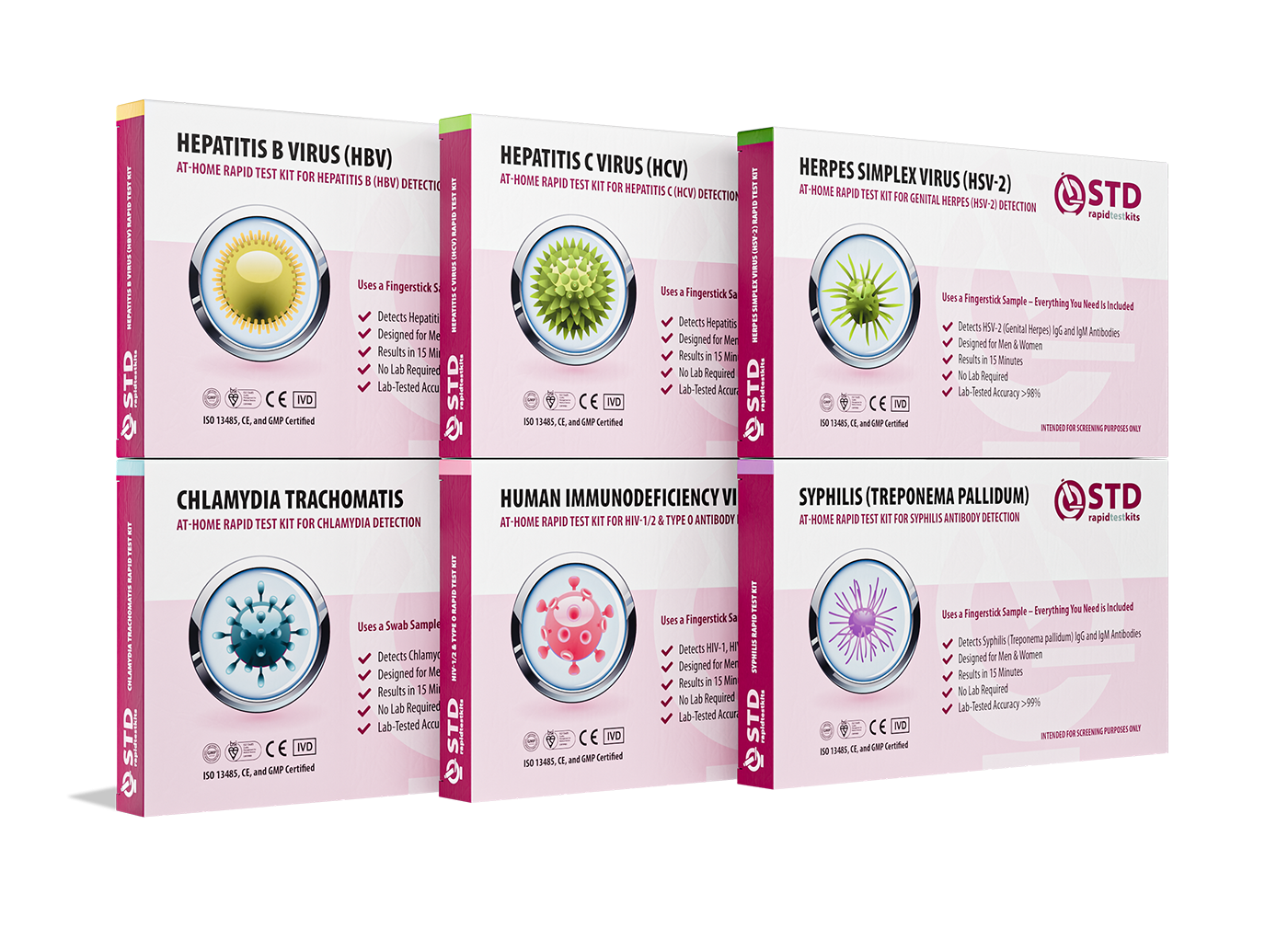 For Men & WomenResults in MinutesNo Lab NeededPrivate & Discreet
Order Now $119.00 $294.00
For all 6 tests
When Silence Hurts More Than the Symptoms
There’s a specific kind of ache that comes not from the infection, but from not being heard. It’s in the awkward silences when your doctor glances at the clock instead of asking follow-up questions. It’s in the quiet ride home after a visit where you were told “it’s probably nothing.” And it’s in the gut-feeling you keep pushing down because speaking up feels harder than staying quiet.
For many Latina women, this silence is generational. Maybe you were raised not to talk about sex. Maybe you were taught that “good girls” don’t need STD tests. Or maybe your first experience with a healthcare provider made you feel like your body didn’t deserve a second opinion.
But here’s the truth: asking for a test isn’t a confession. It’s an act of care. Taking control of your health doesn’t mean you did something wrong, it means you’re doing something right. Whether you’re dealing with mysterious cramps, a weird discharge, or just that anxious “what if?” feeling after a hookup, you deserve answers without shame attached.
If no one taught you how to advocate for your sexual health, let this be your permission slip. You don’t need perfect timing, the “right” reason, or someone else’s approval. You just need to start. And if you’re not ready for a clinic? There are private, accurate test kits that meet you where you are, on your schedule, in your space, without judgment.
Your silence isn’t protecting you. But your choices can. And every step you take to break that silence? That’s power.
FAQs
1. Wait, can chlamydia really feel like a UTI?
Totally. That “burning when I pee” feeling? The pressure down there? That’s textbook UTI... but also very possible with chlamydia. The twist is, if you’ve had sex recently, even protected sex, and a doctor skips the STD test? You could be walking around untreated. Happens all the time.
2. Why do doctors keep brushing off Latina women?
Whew, loaded question. It’s part unconscious bias, part broken system. Some providers assume you’re not “high risk” or think you're exaggerating. Add in cultural silence, language gaps, and rushed appointments? Boom, missed diagnosis. It’s not fair, but it’s real. That’s why learning to advocate, or testing privately, is a power move.
3. I don’t have symptoms, should I still get tested?
Yes. Seriously, yes. Most people with chlamydia feel nothing. No burn, no drip, no signs. That’s how it spreads, silently. If you’re sexually active (and especially if your partner has other partners), regular testing is self-love. Think of it like a teeth cleaning: awkward, but necessary.
4. How do I ask for an STD test without feeling judged?
Here’s the cheat code: you don’t owe anyone your sexual history. You can just say, “I’d like a full STD screening, including chlamydia.” Full stop. If the vibe feels off or they push back? Walk. Or skip the awkward convo and get tested at home instead, way less stress, zero side-eye.
5. Can I still have babies if I had untreated chlamydia?
Possibly, yes, but it depends on how long it went untreated. Chlamydia can cause scarring in your reproductive tract, but that’s not a guarantee. If you’re worried, talk to an OB-GYN about testing your tubes or hormone levels. And even if there’s damage, fertility help exists. Don’t lose hope, just get answers.
6. Why is retesting a thing? I already took antibiotics.
Great question. Sometimes the meds work perfectly, and sometimes they don’t. Or your partner doesn’t get treated and reinfects you. Retesting 3 months after treatment isn’t about shame; it’s about making sure you’re really clear. Think of it like a follow-up oil change after a repair job.
7. What if I’m scared someone at home will find out I got tested?
You’re not the only one. Between shared mailboxes, nosy relatives, and old-school shame, privacy matters. That’s why discreet kits exist. The packaging is lowkey, results come to your phone, and no one has to know. Your health is yours, not a family conference.
8. Are those rapid at-home STD tests actually legit?
Yes, if you get the real ones. Most use NAAT (the gold standard lab tech) or high-sensitivity antigen detection. They’re not sketchy strip tests from random websites. Look for brands that explain the science, show certifications, and offer combo kits like this one.
9. How soon can I test after a hookup?
If it’s been less than a week, you might be testing too early. The sweet spot for chlamydia is around 14 days post-exposure. If you’re really anxious, test now, but plan to retest in two weeks just to be safe. Peace of mind isn’t a one-shot deal.
10. Do I have to tell my partner if I test positive?
Yes, but you have options. You can tell them directly, use anonymous notification tools, or ask your clinic for help. It’s not about blame, it’s about breaking the chain. And if they flip out? That says more about them than about you. You’re being responsible. Period.
You Deserve Answers, Not Assumptions
No one should have to beg to be believed. No one should leave a clinic feeling dismissed, unseen, or uncertain. And yet, for too many Latina women, that’s exactly what happens when STD symptoms are ignored or misread. The consequences aren’t just emotional, they’re physical, reproductive, and relational.
But misdiagnosis doesn’t have to be the end of the story. You have options. You have the right to test, to retest, to treat, and to know. Whether your provider listens or not, your body is still speaking. You deserve to understand it.
If you're ready to get clarity, take back your power with a Combo STD Home Test Kit. It’s discreet, accurate, and puts the control back in your hands, where it belongs.
How We Sourced This Article: We combined current guidance from leading medical organizations with peer-reviewed research and lived-experience reporting to make this guide practical, compassionate, and accurate.
Sources
2. NIH – Pelvic Inflammatory Disease
3. Planned Parenthood – Chlamydia Testing and Treatment
5. Chlamydial Infections – CDC Treatment Guidelines
6. Chlamydia Screening Among Females Aged 15–21 Years – CDC
7. Chlamydia – StatPearls (NIH/NCBI)
9. Health Disparities in Hispanic or Latino People – CDC
About the Author
Dr. F. David, MD is a board-certified infectious disease specialist focused on STI prevention, diagnosis, and treatment. He blends clinical precision with a no-nonsense, sex-positive approach and is committed to expanding access for readers in both urban and off-grid settings.
Reviewed by: Dr. Ana V. Ramirez, MPH | Last medically reviewed: January 2026
This article is for informational purposes and does not replace medical advice.


