







Quick Answer: Asymptomatic STDs like chlamydia, gonorrhea, and herpes often show no signs, but they can still cause permanent harm. Get tested regularly, even if you feel fine.
What It Means When Nothing Hurts (Yet)
When people talk about STDs, the picture is usually loud, painful urination, weird discharge, blisters, itching. But what if your body doesn’t send those signals? That’s more common than you think. In fact, the CDC estimates that about 70% of people with chlamydia and up to 50% with gonorrhea show no symptoms at all. For many, it’s not until there’s damage, fertility issues, chronic pelvic pain, or transmission to a partner, that they realize something was wrong.
Imagine you're in your twenties, just ended a relationship, and started seeing someone new. You feel healthy. You've never had any "weird" symptoms, so you assume you're good to go. Weeks turn into months. Then your new partner tests positive and brings it up with you, confused and scared. That’s the moment everything flips.
This isn’t about blame. It’s about biology. Some infections lie low, replicate quietly, and damage silently, especially in people assigned female at birth, whose anatomy allows STDs to climb internally without obvious signs. But all genders are at risk. Men can carry gonorrhea or herpes without knowing, passing it during oral, vaginal, or anal sex even when they feel “clean.”
The Most Common Asymptomatic STDs (And How They Work)
Not all STDs are silent, but many can be. And for each, the “quiet period” can last weeks, months, or even years depending on your body, immune response, and the type of infection.
| STD | Can Be Asymptomatic? | Potential Long-Term Effects |
|---|---|---|
| Chlamydia | Yes (70% of women, 50% of men) | Pelvic Inflammatory Disease, infertility, ectopic pregnancy |
| Gonorrhea | Yes (about 50% of cases) | Joint pain, sterility, chronic pelvic pain |
| Herpes (HSV-2) | Yes (many carriers never have an outbreak) | Transmission to partners, neonatal herpes risk |
| HPV | Often silent, especially in men | Cervical, penile, and anal cancers |
| HIV | Can be symptom-free for years | Immune suppression, opportunistic infections |
| Syphilis | Yes (especially in early and latent stages) | Neurological damage, organ failure, death |
Figure 1. Common STDs that may show no symptoms, and what happens if they go untreated.
The real danger of these infections isn’t just that they go unnoticed. It’s that they continue to spread while doing damage under the surface. Testing is the only way to interrupt that cycle. Waiting for signs? That’s exactly how they keep moving.

People are also reading: Virgin but Tested Positive? Here's What That Means
Why People Don’t Realize They’re Infected
The biggest misconception? “I’d know if I had something.” But most STDs don’t work like that. They don’t all cause dramatic symptoms, especially in early stages or in healthy bodies that don’t react aggressively. That’s not luck. That’s biology doing a slow burn instead of a blaze.
Consider Jenna, 28, who thought her occasional cramps were just her IUD adjusting. It wasn’t until her routine Pap test flagged abnormal cells that her provider ran an HPV test. Positive. Further screening showed a strain linked to cervical cancer. She hadn’t had new partners in over a year. The virus had been there, quietly replicating, for months, maybe longer.
It’s not always about pain. Sometimes it’s discharge that seems “normal,” or no symptoms at all. Some people feel slightly off, fatigue, light spotting, sensitivity, but don’t connect it to an STD. Others chalk things up to yeast infections, UTIs, or stress. The truth is, many STDs mimic other conditions, or stay entirely under the radar until they’re discovered during pregnancy, fertility checks, or partner testing.
And yes, there’s stigma too. Some people don’t want to know. Others are scared of the results, the judgment, the implications. But not knowing doesn’t protect you. It just lets the infection win time.
Check Your STD Status in Minutes
Test at Home with Remedium7-in-1 STD Test Kit
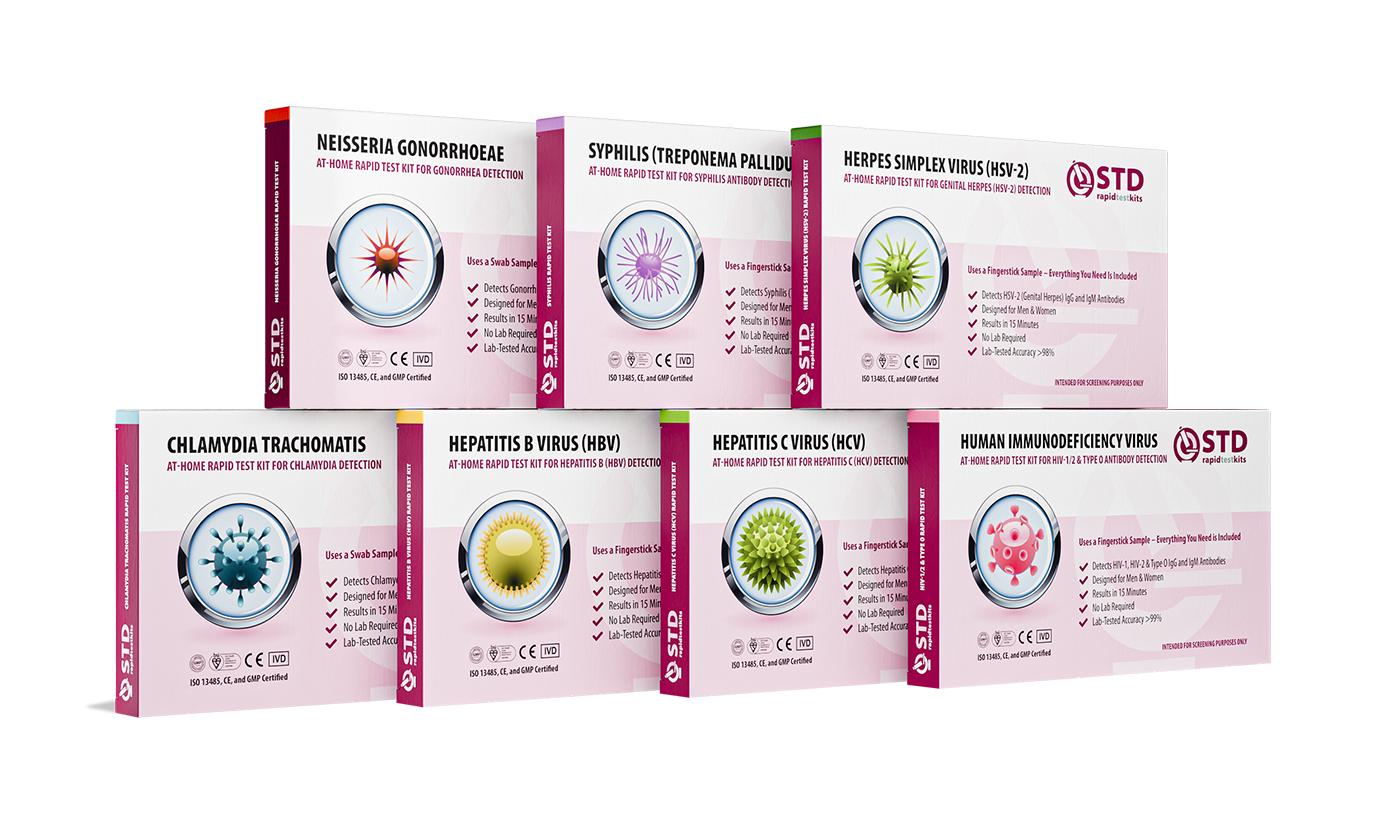
 For Men & Women
 Results in Minutes
 No Lab Needed
 Private & Discreet
Order Now $129.00 $343.00
For all 7 tests
How Silent STDs Still Spread (Even Without Symptoms)
Even when you don’t feel a thing, your body can still shed the infection, especially with viral STDs like herpes or HIV. This means you can be contagious without any signs. In fact, asymptomatic shedding is one of the main reasons herpes spreads in long-term relationships where neither person knew they had it.
For bacterial infections like chlamydia and gonorrhea, transmission often happens through vaginal, anal, or oral sex, with or without condoms. Infections can live in the throat, rectum, or urinary tract, and standard symptom checklists don’t always account for those areas unless someone is tested specifically.
Let’s say you get a blowjob at a party. No ejaculation. You feel fine. Weeks later, your throat hurts, but you write it off as allergies. In reality, that encounter could have transmitted gonorrhea or even syphilis, both of which can colonize the throat without causing immediate red flags. A standard urine test won’t catch that unless a throat swab is done.
This is why comprehensive testing matters. It’s also why relying on symptoms, or worse, partner appearance, isn’t a strategy. The healthiest-looking, cleanest-feeling person can still carry an STD silently.
The Long-Term Risks of Ignoring an Asymptomatic Infection
If there’s no discomfort, no urgency, why bother testing? That’s the trap. The damage of an untreated STD doesn’t always happen overnight, but when it does show up, it’s often irreversible.
For example, chlamydia and gonorrhea are major causes of Pelvic Inflammatory Disease (PID), which can lead to infertility, chronic pelvic pain, and life-threatening ectopic pregnancies. And it doesn’t take years for that to happen. In some cases, a few months of silent infection is all it takes to scar reproductive organs permanently.
In men, untreated gonorrhea can cause epididymitis, which affects sperm ducts and can reduce fertility. Infections that reach the bloodstream can trigger sepsis or joint inflammation. Syphilis, if ignored, can invade the nervous system and cause blindness, heart damage, or even death.
HPV is another stealth player. You can carry it for years without symptoms, and pass it unknowingly. For some, it causes warts. For others, it mutates into cancer. It’s a roll of the dice unless you get screened and vaccinated. And that’s not just a “women’s issue.” HPV-related cancers are on the rise in men too, particularly in the throat and anus.
Sometimes the damage isn’t even physical. The mental toll of discovering a silent infection, especially if it’s later than ideal, can spiral into shame, mistrust, relationship strain, and anxiety. And that’s why early, shame-free testing matters.
| Untreated STD | Possible Complication | Timeframe If Left Undetected |
|---|---|---|
| Chlamydia | Infertility, PID, ectopic pregnancy | 1–3 months |
| Gonorrhea | Joint infections, scarring, infertility | 1–4 months |
| Syphilis | Brain, heart, and nerve damage | Years (if progresses to tertiary stage) |
| HPV | Cervical, anal, and throat cancers | Often 5–10 years |
| HIV | Immune collapse, AIDS, death | 2–10 years untreated |
Figure 2. Timeline of common complications if asymptomatic STDs go untreated.
This isn’t meant to scare, it’s to empower. Knowledge changes everything. The earlier you test, the more control you keep.
Testing Without Symptoms: Who Should Do It (And How Often)
You don’t need symptoms to qualify for a test. In fact, the CDC recommends regular screening for anyone under 25 who’s sexually active, and for anyone with multiple partners, new partners, or a history of STDs. But the real rule is this: if you're having sex, testing is part of care, like brushing your teeth or going to the dentist.
Rosa, 32, got tested every year, like clockwork. She never had symptoms, never suspected anything. But after a partner disclosed a past exposure, she bumped up her schedule and got tested early. It saved her from an escalating trichomoniasis infection that would’ve otherwise gone unchecked. She now tests every three months and says it’s the most “adulting” thing she does.
If you're in a monogamous relationship, talk with your partner about retesting after any breaks, new exposures, or before stopping condom use. If you're non-monogamous, on dating apps, or just playing it safe, every 3 to 6 months is a good rhythm. And if you’ve never been tested, start now. You don’t need a symptom to justify care.
At-Home Testing: A Silent Revolution for Silent STDs
The good news? You don’t have to wait in a clinic, explain your sex life to a stranger, or rearrange your week just to get tested. STD Rapid Test Kits offers fast, discreet, medically approved testing you can do from home. That means privacy, convenience, and no waiting rooms.
Here’s how it works. You choose your kit, whether it’s a single test like Chlamydia or a Combo STD Home Test Kit, and it ships discreetly to your door. You follow the instructions (usually involving a fingerstick, urine sample, or swab), read your results within minutes, and take your next steps from there.
Even if the result is negative, it’s reassurance you didn’t have yesterday. And if it’s positive? You know early. You can start treatment. You can prevent further damage and avoid passing it to someone you care about. That’s power, not panic.
Don't let silence decide your health. Order a discreet home test today and get answers you can trust. Testing doesn’t mean you’re dirty, it means you’re responsible, respectful, and in charge of your story.
What If You Test Positive, And You Feel Fine?
First: take a deep breath. Testing positive doesn’t mean you’re dirty, broken, or that your love life is over. It means the test did its job. It found something before it could hurt you, or someone else. That’s a win, even if it doesn’t feel like one yet.
If you test positive while asymptomatic, your provider may confirm the result with a lab test, especially for viral infections. For bacterial STDs like chlamydia or gonorrhea, treatment is usually fast, simple, and highly effective. You’ll likely be given a one-time antibiotic or short course, and be advised to notify any recent partners.
It might feel awkward, but honesty helps prevent reinfection. There are even anonymous notification services and prewritten scripts if you’re nervous. And in many states, you can access expedited partner therapy, meaning your partner gets meds without needing a visit.
Jorge, 26, tested positive for gonorrhea after a one-night stand. He felt zero symptoms and almost skipped his routine screening. But once the test came back positive, he messaged his last two partners. One thanked him. The other got tested and treated early, before symptoms kicked in. “It was weird,” he said. “But it felt right.”
If that’s where you are right now, positive, confused, still feeling fine, know this: you’ve taken the most important step already. Now it’s about moving forward. Treatment. Retesting. Protecting partners. And forgiving yourself. Most people will go through this at some point. The difference is how soon you deal with it.

People are also reading: Scared to Tell Them You Have an STD? Here’s How to Say It
When the First Sign Is a Positive Test
Sometimes the first sign of an STD isn’t pain, it’s paperwork. It’s the test result blinking “positive” when you were just trying to check a box. This is what happened to Lana, 24, during a pre-IUD checkup. No symptoms. No complaints. Just a nurse who said, “Let’s go ahead and do full screening while we’re here.” Her chlamydia result was positive. And her first question was, “How? I feel fine.”
This is the reality for thousands of people each day. Positive tests without symptoms aren’t flukes, they’re reminders that silence doesn’t mean safety. What you’re feeling isn’t always what your body is fighting. That’s why screening during routine checkups, relationship changes, or even “just to be safe” is so essential.
If you’re reading this and it’s been a while since your last test, or you’ve never done one, this is your nudge. Getting tested doesn’t mean you expect bad news. It means you want to be honest with your body. With your partners. With your peace of mind.
Don’t wait for a symptom to give you permission. Sometimes, the best time to test is when you feel nothing at all.
Check Your STD Status in Minutes
Test at Home with Remedium8-in-1 STD Test Kit
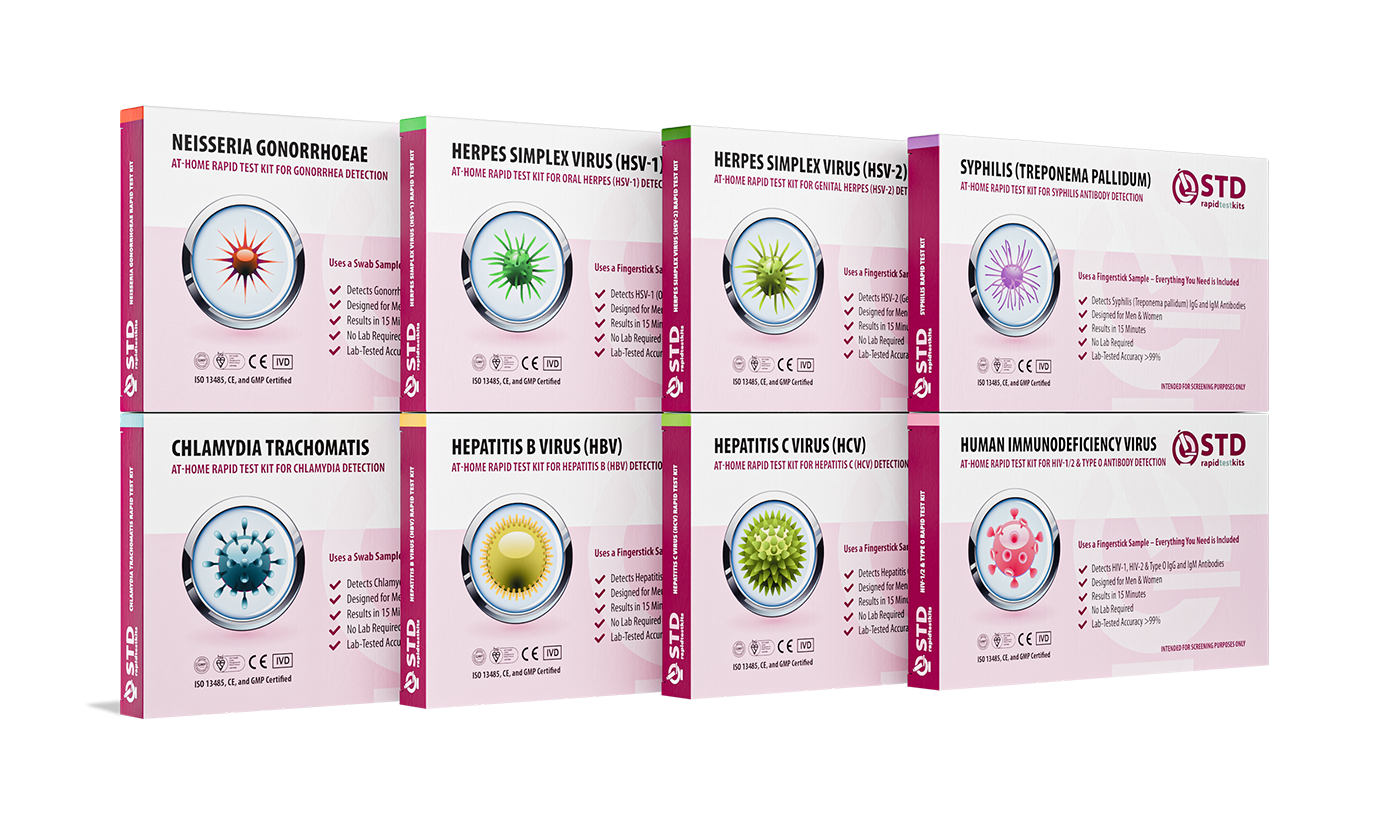 For Men & WomenResults in MinutesNo Lab NeededPrivate & Discreet
Order Now $149.00 $392.00
For all 8 tests
Testing Isn’t a Confession, It’s a Conversation
The fear around STD testing isn’t always about the test. It’s about what it means, what it says about you. But here’s the truth: getting tested doesn’t mean you’ve been reckless. It doesn’t mean you’re dirty. It means you respect your body enough to ask questions. It means you respect your partners enough to be honest. That’s not shameful, that’s powerful.
Imagine you’re heading out for a weekend trip with someone new. Things are heating up, but there’s that thought in the back of your mind: “Should I have gotten tested?” That thought can sit with you the entire time, because your body might be fine, but your peace of mind isn’t. Now imagine you tested two days earlier. That’s a different trip. That’s freedom.
And no, you don’t have to explain your whole sex life to anyone to deserve a test. Whether you’ve had one partner or ten, oral sex or casual hookups, testing is your right. It's not about how many people you’ve slept with, it’s about staying in the driver’s seat of your health.
If you’re feeling unsure, there’s no need to overthink it. A discreet combo kit lets you screen for the most common STDs all at once. No judgment, no paperwork, no explanations. Just answers, on your terms.
FAQs
1. Can I really have an STD and feel completely fine?
100%, yes. That’s actually the norm with infections like chlamydia and HPV. Your body can carry these silently for months, even years. You might not notice anything weird, but that doesn’t mean nothing’s happening inside.
2. How long can an STD hide before causing problems? It varies. Some STDs, like syphilis or HIV, can lie low for years before showing major symptoms. Others, like chlamydia, can quietly mess with your reproductive system in just a few months. It’s sneaky like that.
3. What if I feel fine but my partner tested positive?
You need to get tested, even if you’re symptom-free. You could be a carrier without knowing it. This doesn’t mean you cheated or did anything wrong. Bodies are messy. Timing is weird. What matters is what you do next.
4. Can an STD clear up on its own?
Some viral ones, like HPV, might go dormant or get suppressed by your immune system. But bacterial STDs like gonorrhea and chlamydia? Nope. Those need treatment. And waiting it out can cause way more damage than just taking the meds.
5. Do I need to tell my partner if I test positive but have no symptoms?
It’s the right thing to do. It can be a hard convo, but framing it with care and facts helps: “Hey, I tested positive and I didn’t have any symptoms, but I want you to be able to take care of yourself too.” You’re giving them the gift of early knowledge.
6. What if I only had oral sex, can I still get an STD?
Yep. Gonorrhea, syphilis, and herpes can all be transmitted through oral. And guess what? Infections in the throat often don’t show symptoms. You could be carrying it and not know unless you specifically test for oral exposure.
7. Do rapid tests work even if I don’t have symptoms?
They do, if you test at the right time. Most rapid tests pick up the infection by detecting antibodies or antigens, not symptoms. That said, testing too early can lead to false negatives. Always check the window period, and retest if you're unsure.
8. Is it embarrassing to test positive if I’ve never had symptoms?
Nope. It’s human. The real embarrassment would be letting fear stop you from finding out. So many people test positive while feeling totally fine. Testing is not a confession, it’s just information.
9. How often should I test if I’m not in a committed relationship?
Think of every 3 to 6 months as your check-in window. If you have multiple partners, start or stop seeing someone new, or just want peace of mind, it’s worth it. Treat it like routine maintenance, not damage control.
10. Can I trust at-home tests for something this important?
If you use an FDA-approved kit and follow the instructions, absolutely. They’re designed to be just as accurate as clinic-based screening for common STDs. And let’s be honest, when you’re nervous or busy, testing in your own bathroom at 11PM feels like a game-changer.
You Deserve Answers, Not Assumptions
You can’t feel trust issues growing in your relationship. You can’t feel your fallopian tubes scarring. You can’t feel a virus spreading quietly from one partner to the next. But silent STDs do all of that. And the only thing louder than symptoms is regret, regret that you didn’t check when you had the chance.
But here’s the good news: you do have the chance. Right now. This at-home combo test kit checks for the most common STDs discreetly and quickly. No judgment. No waiting rooms. Just clarity, and control.
How We Sourced This Article: We combined current guidance from leading medical organizations with peer-reviewed research and lived-experience reporting to make this guide practical, compassionate, and accurate.
Sources
1. CDC – Chlamydia: Detailed Fact Sheet
2. Getting Tested for STIs | CDC
3. Sexually Transmitted Infections (STIs) Fact Sheet | WHO
5. Sexually Transmitted Infection (STI) Tests | MedlinePlus
6. Sexually Transmitted Infections (STIs) | NHS
7. STD Testing: What’s Right for You? | Mayo Clinic
8. Know the Facts About STIs | CDC
About the Author
Dr. F. David, MD is a board-certified infectious disease specialist who works to stop, diagnose, and treat STIs. He blends clinical precision with a no-nonsense, sex-positive approach and is committed to expanding access for readers in both urban and off-grid settings.
Reviewed by: Dr. Maria Velasquez, MPH | Last medically reviewed: December 2025
This article is for informational purposes and does not replace medical advice.


