







Quick Answer: Gonorrhea typically shows up between 2 to 7 days after exposure, but symptoms can take up to 14 days, or never appear at all. For accurate results, test no earlier than 7 days after exposure and retest if symptoms persist.
Why This Guide Exists (And Who Needs It)
Not everyone has the luxury of walking into a clinic right after a hookup gone wrong. Some of us live hours from the nearest testing center. Others have to hide it from parents, roommates, or partners. Many are just trying to deal with the anxiety of “What if?” in silence. This guide is for anyone who’s had a risky sexual encounter and can’t stop thinking about it, but doesn’t know what to do next.
Maybe your new partner told you afterwards that they hadn’t been tested in a while. Maybe someone you trusted turned out to be cheating. Or maybe you just want to be safe, not sorry. We’re not here to judge how you got here. We’re here to walk you through what happens next, physically, emotionally, and practically.
We’ll cover the first few hours post-exposure, how symptoms can evolve (or not), when testing makes sense, and why timing matters more than panic. This isn’t just about science. It’s about sanity. And we’re going to break it down piece by piece.
The Gonorrhea Clock: What Happens in the First 72 Hours
Within the first few hours of exposure to gonorrhea, you’re unlikely to feel anything. That doesn’t mean it didn’t “work”, it means it’s too early for your body to react. Think of it like a crime scene. The bacteria needs time to settle in, replicate, and start irritating the tissues it’s infected. This period, before symptoms begin or before the infection is detectable, is known as the incubation period.
By hour 12, most people feel totally normal, which is why the anxiety gets so loud. You’re on high alert for the slightest sensation. A tickle becomes a burning sensation in your mind. A regular discharge suddenly feels abnormal. But medically, it’s unlikely that anything you feel at this stage is caused by gonorrhea. Emotionally, though? It’s already begun.
Some people start to feel irritation or a burning sensation while peeing as early as day 2 or 3. For others, it’s nothing for a full week. And about 1 in 10 men and up to 80% of women won’t have symptoms at all, even though they’re infected and contagious [CDC]. That’s why this window, the first three days, is filled with more questions than answers.
Below is a general breakdown of what may or may not happen after exposure. Keep in mind that these are averages, not guarantees. Your body might take more time, or none at all.
| Time Since Exposure | What You Might Feel | What’s Detectable |
|---|---|---|
| 0–24 hours | No symptoms; anxiety may spike | Too early to detect with any test |
| 24–72 hours | Still typically asymptomatic | Infection may be incubating, not yet testable |
| 3–5 days | Early signs possible (burning, discharge, urgency) | Some high-sensitivity lab tests might begin detecting |
| 5–7 days | Symptoms more likely to emerge | Most tests begin detecting gonorrhea reliably |
Table 1: Generalized symptom and detection timeline for gonorrhea. Actual timing can vary based on individual immune response, exposure route, and test type used.

People are also reading: How to Read a Chlamydia Rapid Test Without Getting It Wrong
Symptoms… Or Just Overthinking? What to Watch For
At some point, your brain starts playing tricks. You check your underwear a little more closely. You overanalyze every bathroom trip. For people with vaginas, the difference between normal cervical mucus and “discharge” can suddenly feel impossible to interpret. For people with penises, that slight tingle might just be dehydration or a random irritation, but it’s hard to trust yourself when you’re scared.
Let’s be clear: symptoms can start subtly. You may notice a slight burning when you pee. A mild yellowish or greenish discharge. Swelling around the genitals or testicles. Spotting between periods. Or nothing at all.
One story that sticks with us came from a woman in her late 20s who had just started seeing someone new. After unprotected oral sex, she felt “a little scratchy down there” two days later, but brushed it off as stress. On day six, she had a mild fever and started experiencing more noticeable discharge. By day eight, she tested positive for both gonorrhea and chlamydia. She didn’t blame her partner. “We were just both clueless about timing,” she said. That’s exactly why understanding the window is so important.
And here’s a twist: oral and rectal gonorrhea are often completely symptomless. But they can still spread and show up on tests, if you test the right area.
Check Your STD Status in Minutes
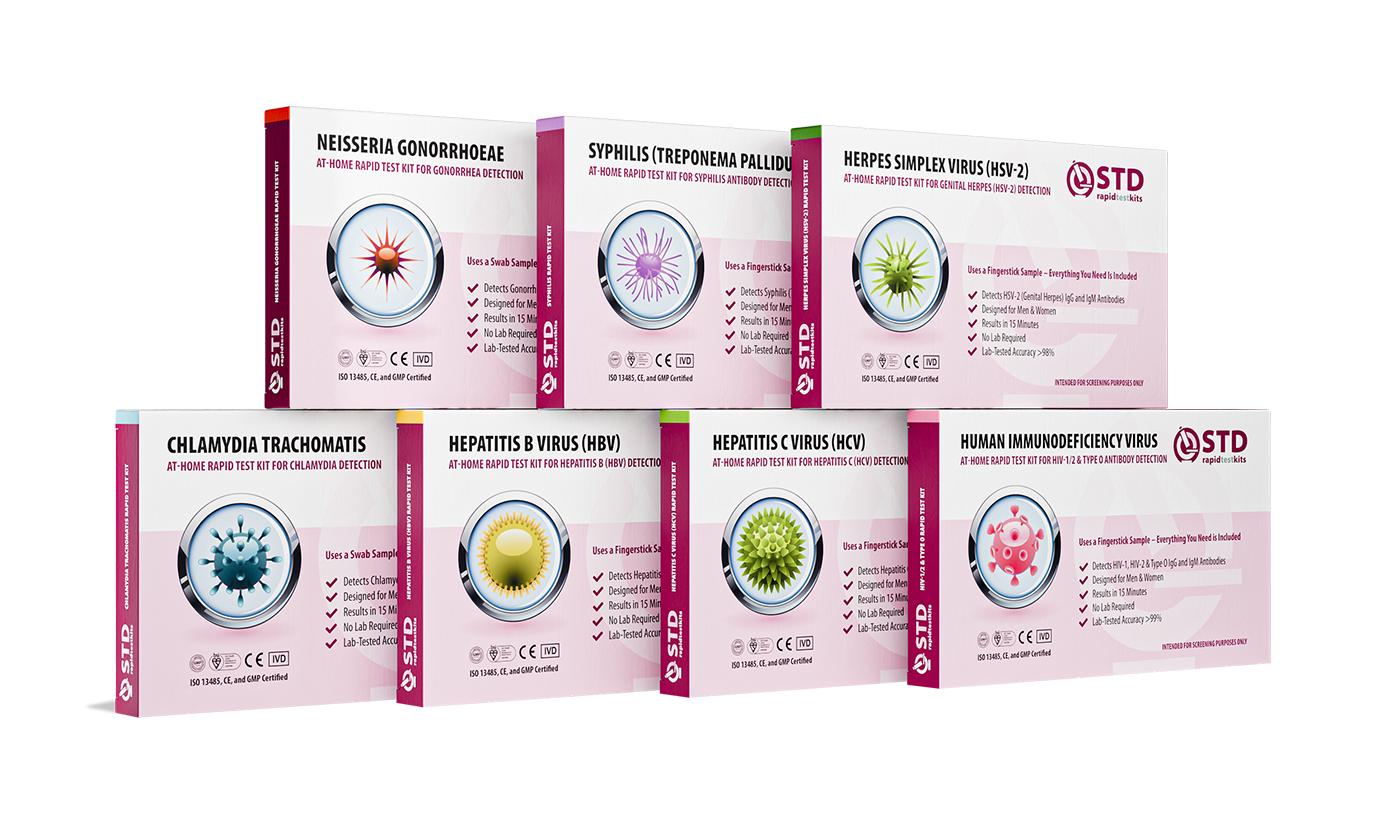
Test at Home with Remedium7-in-1 STD Test Kit
 For Men & Women
 Results in Minutes
 No Lab Needed
 Private & Discreet
Order Now $129.00 $343.00
For all 7 tests
How Soon Is Too Soon? When Testing Works (And When It Lies)
If you're reading this before the 5-day mark post-exposure, we get it. The impulse to test immediately is strong. You want closure. But here’s the tough truth: testing too early can give you a false sense of security. A negative result before your body has produced enough of the bacterial DNA for detection doesn’t mean you’re clear, it just means you tested during the fog.
A NAAT (nucleic acid amplification test) is usually used to check for gonorrhea. This can be done with a urine sample or a swab of the infected area. These tests are very accurate, but only when there are enough bacteria to be found. Most guidelines say you should wait at least seven days after possible exposure to get a reliable result.
Let’s break it down with clarity you can trust. This table compares test types and when they give the best results.
| Test Type | Sample | Minimum Reliable Testing Time | Peak Accuracy Window |
|---|---|---|---|
| NAAT (Clinic) | Urine, vaginal, cervical, rectal, throat swab | 7 days post-exposure | 10–14 days post-exposure |
| Mail-in Lab Kit | Urine or swab | 7 days | 10–14 days |
| At-Home Rapid Test | Urine (usually) | 7–10 days | 14+ days |
Table 2: Testing methods and when they’re most accurate for gonorrhea detection. Retesting is advised if symptoms persist or exposure was high-risk.
Still unsure when to test? A good rule of thumb: if it’s been less than 7 days, wait. If you’re at day 7 and can’t stop thinking about it, test, but be prepared to retest at day 14. It’s not overkill. It’s self-protection.
If your head keeps spinning, peace of mind is one test away. Order a discreet gonorrhea test kit here, you don’t need to wait in a clinic line to take control.
What If You Test Negative But Still Feel Off?
This is one of the most gut-wrenching scenarios: you do everything right, you test at day 6, and it comes back negative. But something still feels... off. Maybe there’s an itch that won’t go away. Maybe you’ve got discomfort during sex, or just a hunch that something isn’t right. You’re not imagining it, and you’re not alone.
One man we spoke with tested negative on day 4 after a one-night stand. By day 11, he had pain while urinating and mild discharge. His retest? Positive. “I felt like such an idiot,” he said. “I thought I was safe after that first result.” But he wasn’t. He’d just tested too soon for the bacteria to show up. That first negative wasn’t wrong, it was just premature.
This is why medical professionals recommend a retest window for gonorrhea and other STDs. Here’s what to consider:
If your test was taken before day 7: Consider it preliminary. Retest between day 10–14 to confirm.
If your test was taken at day 7 or later and you’re symptom-free: You’re likely in the clear, but stay alert if symptoms appear, and test again if needed.
If you’ve been treated but symptoms come back: A test-of-cure may be needed, especially if your partner wasn't treated or if the bacteria was resistant to medication.
Trust your instincts, but also trust the science. Testing isn’t a one-and-done thing for everyone. It’s a process, especially if you were exposed during an emotionally complex encounter, or you’ve had multiple partners.
Can You Have Gonorrhea With No Symptoms?
Yes. Loudly, clearly, and often. You can absolutely have gonorrhea without knowing it, and still pass it to someone else. That’s part of what makes it so tricky. Studies show that up to 80% of women and 10–15% of men with gonorrhea never develop symptoms [WHO].
In one Reddit thread, a poster described going for a routine STD panel after their partner tested positive. “I felt completely fine, zero symptoms,” they wrote. “Turns out I had both gonorrhea and trich. I wouldn’t have known if they hadn’t told me.”
This is why public health experts push for regular testing, especially if you’re sexually active with multiple partners or don’t always use protection. Gonorrhea doesn’t care if you feel clean. It doesn’t always leave a clue. But it does leave consequences if ignored, especially for reproductive health and fertility.
So yes, you might feel fine. That doesn’t mean you are. When in doubt, test. When still in doubt, test again.
When to Retest: Timing Depends on the Situation
Retesting isn’t just for people who tested too early. It’s also vital if you’ve been treated, have a new partner, or are in a relationship where trust is uncertain. Gonorrhea can return, not because the treatment failed, but because reinfection happens all the time.
Here’s a typical retest timeline:
- If you were exposed but tested before day 7, retest at day 14 for confirmation.
- If you were treated for gonorrhea, retest in 3 months as recommended by the CDC [CDC Treatment Guidelines].
- If your symptoms return or persist after treatment, retest immediately, this could be antibiotic resistance.
We heard from a 33-year-old trans man who tested positive, got treated, then hooked up with someone new three weeks later. “I didn’t want to be paranoid, but I also didn’t want to assume they were clean,” he said. He retested just to be safe. It came back negative, but he said it gave him the confidence to keep that new relationship open and honest from the start. That’s what testing can do: protect your health and your connections.
STD Rapid Test Kits offers combo kits if you’re unsure which STD might be in play, because it’s rarely just one. When in doubt, screen for the top infections together.
People are also reading: Pregnant and Having a Herpes Outbreak? Here’s What You Need to Know
Let’s Talk About Privacy, Stigma, and Discreet Testing
If you’re nervous about someone seeing your test kit, your results, or even your browsing history, we see you. Privacy matters. And it’s not just about embarrassment. For many, it’s about safety, autonomy, and peace of mind.
At-home tests for gonorrhea offer discreet packaging (often unmarked), private sample collection, and no need for awkward clinic visits. Results arrive via secure digital systems, and only you can decide who sees them.
We once spoke with a college student living in a dorm who used a home test after a friend got diagnosed. “There’s no way I could’ve gone to the campus clinic without people seeing me,” she said. “Ordering the test online was the only way I could handle it emotionally.” That’s valid. And increasingly common.
Shipping times vary by location, but many users report receiving their test within 2–3 business days. Plan ahead if you live rurally or are heading out of town, you can even bring your test with you and use it on the road.
Check Your STD Status in Minutes
Test at Home with RemediumGonorrhea Test Kit
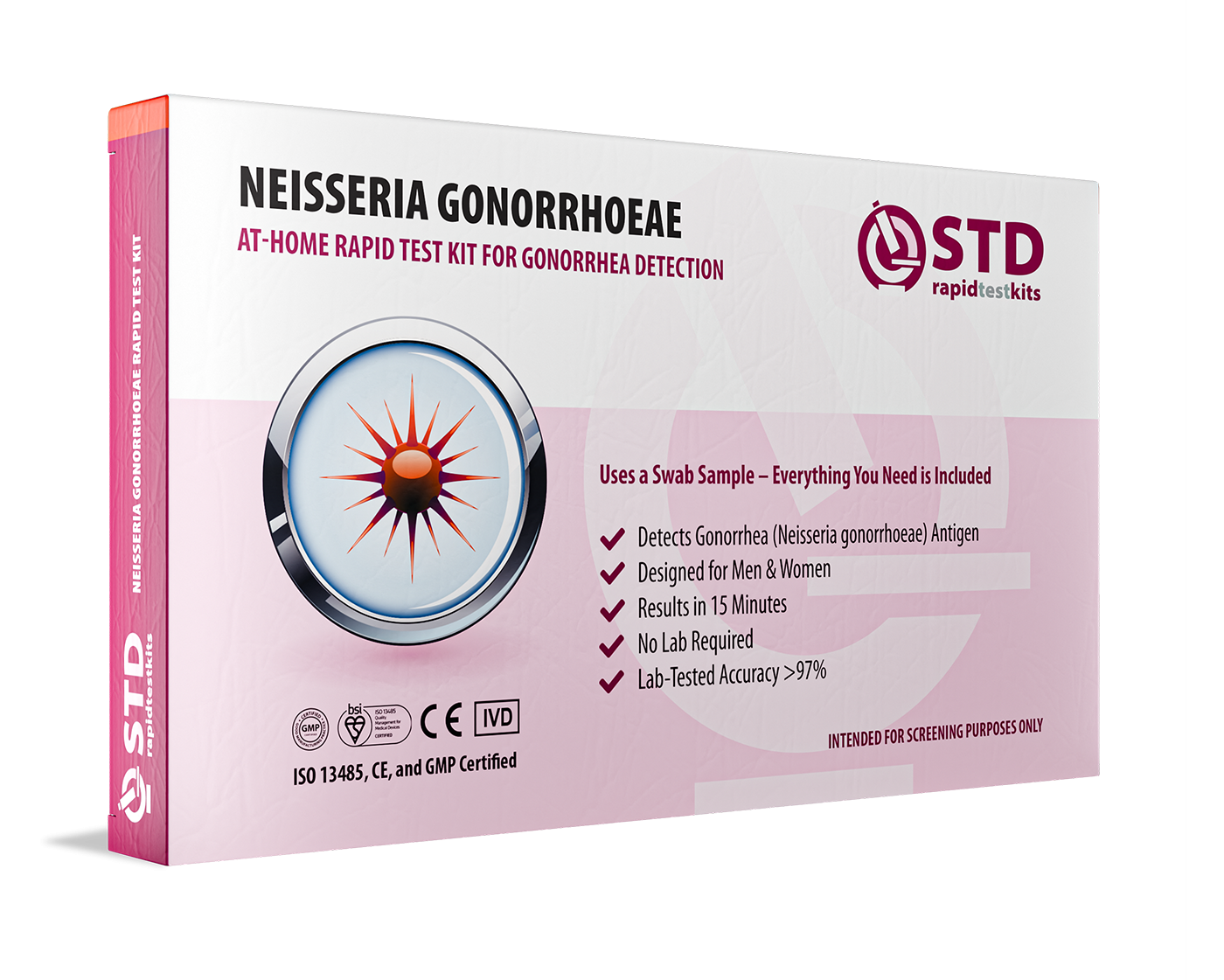 For Men & WomenResults in MinutesNo Lab NeededPrivate & Discreet
Order Now $33.99 $49.00
What If You Test Positive?
Let’s remove the panic from that sentence. Testing positive for gonorrhea isn’t the end of the world, it’s the beginning of clarity. Most cases are treatable with a single dose of antibiotics, especially when caught early. The real risk comes from waiting too long and letting the infection spread or complicate your health.
If you test positive using an at-home kit, you may be referred to a telehealth provider or local clinic for treatment. Some services can mail prescriptions or set up virtual consultations. If you tested at a clinic, they’ll usually provide treatment on the spot or same day.
We recommend contacting current or recent partners to let them know. It’s never easy, but there are anonymous notification tools like Tell Your Partner that let you inform someone without revealing your identity.
One 40-year-old woman shared how she sent an anonymous text through the platform to someone she had hooked up with casually. “I didn’t want to shame him, I just didn’t want him to unknowingly pass it on,” she said. That’s how you stop the cycle.
And if you need to retest a partner or check that treatment worked, you can order a combo STD test kit here, no judgment, just data.
FAQs
1. Can gonorrhea really show up the next day?
Nope. As much as your anxiety might convince you otherwise, gonorrhea doesn’t move that fast. It usually takes 2 to 7 days after exposure before symptoms might start, and even longer before a test can detect it. That weird twinge in your groin the morning after? Probably nerves, not bacteria.
2. What’s the first sign something’s wrong?
That depends on your body and where the infection landed. Some people get a burning feeling when they pee. Others notice weird discharge that wasn’t there yesterday. But honestly? A lot of people don’t feel a damn thing, which is why so many cases go unnoticed. Trust your gut, but also trust the timeline: symptoms don’t mean confirmation, and silence doesn’t mean safety.
3. What if I feel fine, should I still test?
Yes, especially if you had unprotected sex or your partner’s status is unknown. Think of it like wearing a seatbelt. You don’t wait until you’re flying through the windshield to put it on. Just because gonorrhea isn’t knocking on your door with obvious signs doesn’t mean it’s not inside.
4. Why did my test come back negative but I still feel weird?
Timing is everything. If you tested before day 7 post-exposure, your body might not have had time to build up enough of the bacteria to show on a test. That early negative doesn’t mean you’re in the clear, it might mean you jumped the gun. Retest around day 14, especially if symptoms are creeping in or you’re losing sleep over it.
5. Are at-home gonorrhea tests actually reliable?
They can be! If you follow the instructions and wait until the window period has passed, modern at-home tests (especially ones using NAAT technology) are surprisingly accurate. They’re basically the same kind many clinics use, just in a kit you can take while wearing pajamas.
6. Can I get gonorrhea more than once?
Unfortunately, yes. Having it once doesn’t make you immune. In fact, reinfection is common, especially if a partner wasn’t treated at the same time. We’ve seen folks test positive, get treated, hook up with the same untreated partner again... and boom, they’re right back where they started.
7. What’s the deal with oral or anal gonorrhea?
They’re sneakier. Throat and rectal gonorrhea often show zero symptoms but can still be passed on. That’s why site-specific testing matters. If the exposure happened during oral or anal sex, ask for a swab in that area, urine tests might miss it entirely.
8. Will antibiotics mess with my test results?
They can. If you’ve started antibiotics, even for something unrelated, it could lower the bacterial load and lead to a false negative. Best move? Hold off on antibiotics until after testing, unless your doctor says otherwise.
9. How long do I have to wait to retest after treatment?
If you've completed your treatment and want peace of mind, wait 7–14 days before doing a test-of-cure. The CDC also recommends everyone retest in 3 months. And yeah, that applies even if you’re back with the same person, because biology doesn’t care about monogamy pledges.
10. Can untreated gonorrhea mess with fertility?
Yes, and that’s why we harp on early testing. Left untreated, gonorrhea can lead to PID (pelvic inflammatory disease) in people with vaginas and testicular inflammation in people with penises. Both can impact fertility. It’s one of those things that seems minor, until it’s not.
You Deserve Answers, Not Assumptions
If you’ve been exposed to gonorrhea, there’s no shame in being scared, uncertain, or just deeply annoyed that your body isn’t giving you clear signals. Whether you’re experiencing symptoms or silence, your concern is valid, and your desire for clarity is powerful.
Testing is a tool, not a confession. It’s a step toward control, toward communication, and toward protecting yourself and others. Whether you choose a clinic, a mail-in lab, or an at-home rapid test, what matters is that you do something. Waiting blindly rarely gives peace. Testing, smart, well-timed testing, does.
Don’t wait and wonder, get the clarity you deserve. This at-home combo test kit checks for the most common STDs discreetly and quickly.
How We Sourced This Article: We combined current guidance from leading medical organizations with peer-reviewed research and lived-experience reporting to make this guide practical, compassionate, and accurate.
Sources
2. Planned Parenthood: Gonorrhea Testing & Treatment
4. Gonococcal Infections in Adolescents and Adults – CDC Treatment Guidelines
5. Gonorrhoea (Neisseria gonorrhoeae infection) – WHO
6. Gonorrhea: Symptoms and Causes – Mayo Clinic
7. Gonorrhea Clinical Presentation – Medscape
8. Gonorrhea Overview – Cleveland Clinic
9. Gonorrhea (The Clap) – MedlinePlus
10. Gonorrhea Information – Colorado Department of Public Health
About the Author
Dr. F. David, MD is a board-certified infectious disease specialist focused on STI prevention, diagnosis, and treatment. He blends clinical precision with a no-nonsense, sex-positive approach and is committed to expanding access for readers in both urban and off-grid settings.
Reviewed by: Dr. C. Lane, MPH | Last medically reviewed: December 2025
This article is for informational purposes and does not replace medical advice.


