







Quick Answer: If you’ve tested positive for chlamydia, it’s important to tell any recent sexual partners so they can get tested and treated too. Disclosure can be awkward or scary, but it’s a key part of stopping reinfection and protecting your partner’s health.
Why This Conversation Matters More Than You Think
When Jade, 26, got tested “just in case” after her best friend found out she had an STI, she expected a clean slate. “I didn’t feel sick. I didn’t even have discharge or burning,” she said. But the chlamydia test came back positive. She had already slept with someone new two weeks earlier. “I thought about ghosting him,” she admitted, “but then I realized, what if someone had done that to me?”
That’s the cycle this article aims to break. Chlamydia is common, treatable, and often symptomless. But when people don’t talk about it, it spreads quietly, between hookups, inside relationships, and even within marriages. This isn’t just about medical responsibility. It’s about emotional accountability. It’s about trust, even when it’s hard.
You might be thinking: Why me? Why now? Why this? And that’s okay. This guide walks you through the words, the timing, the reactions you might face, and the emotional hangover that can follow. You’re not alone in this. And you don’t have to navigate it blindly.
Chlamydia Doesn’t Always Look Like Anything
Let’s get one thing straight: many people who have chlamydia don’t feel a thing. That’s why it’s so easy to pass it along without realizing it. The Centers for Disease Control and Prevention (CDC) estimates that over 1.6 million cases of chlamydia were reported in the U.S. in a single year, and the real number is likely far higher due to under-testing and stigma.
In clinical terms, chlamydia is a bacterial infection spread through vaginal, anal, and oral sex. It can live in the cervix, urethra, throat, or rectum. If untreated, it can cause complications like pelvic inflammatory disease (PID), infertility, or epididymitis. But for many, there are no early red flags. No rash. No discharge. Just a false sense of security, until a test flips the script.
It’s not unusual to test positive weeks or even months after exposure. That means you may not know who you got it from, or who you might’ve given it to. And that’s where things get messy emotionally, especially in relationships built on assumed exclusivity.
“I Didn’t Cheat. So How Did I Get This?”
This is one of the most loaded questions in any STD disclosure. And it deserves a careful answer. Because chlamydia doesn’t require betrayal, it only requires biology and bad timing. You can contract it even if your partner had it long before you met. You can carry it quietly and pass it on unknowingly.
In many couples, this conversation triggers accusations, tears, and questions that have more to do with trust than bacteria. But what if we reframed it? What if testing positive wasn’t a betrayal, but a chance to protect someone else before they get hurt?
Here’s where clinical facts can help take the sting out of suspicion. Chlamydia can lie dormant or unnoticed for weeks. Condom use reduces but doesn’t eliminate risk, especially with oral or anal contact. Some people test negative early on, only to test positive weeks later as the infection incubates.
| Chlamydia Scenario | Possible Explanation |
|---|---|
| Both partners were symptom-free | Asymptomatic transmission is common; one may have carried it unknowingly |
| Used condoms most of the time | Condoms reduce but don’t eliminate risk, especially during oral sex |
| Tested negative months ago | May have been too early or exposed since then |
| In a monogamous relationship | Partner may have been infected before the relationship began |
Table 1. Common explanations people overlook when trying to understand how chlamydia spread.
In short: don’t let the “who gave what to whom” game stop you from doing what’s right. This isn’t courtroom drama, it’s public health, and someone else’s well-being might depend on your honesty.

People are also reading: Ingrown Hair, Allergy, or Herpes? Don’t Guess
How to Start the Conversation Without Losing It
You're probably imagining every worst-case scenario: They’ll scream. They’ll accuse you. They’ll leave. But disclosure doesn’t always lead to disaster. In fact, when handled with empathy and transparency, it can deepen trust, even if it hurts in the moment.
Start with the truth. Say it out loud before the actual conversation. Practice it like a script. You don’t need to explain your entire sexual history. You don’t need to know where it came from. You only need to share that you tested positive, and that your partner deserves to know because their health matters too.
Here’s how that might sound:
“Hey, this is awkward, but I need to tell you something important. I just got tested and found out I have chlamydia. I didn’t have any symptoms, so I didn’t know. I wanted to tell you so you can get checked too.”
It’s okay if your voice shakes. It’s okay if you pause to breathe. What matters is that you say it. What comes next is out of your control, but you’ve done the right thing.
Check Your STD Status in Minutes
Test at Home with RemediumChlamydia Test Kit
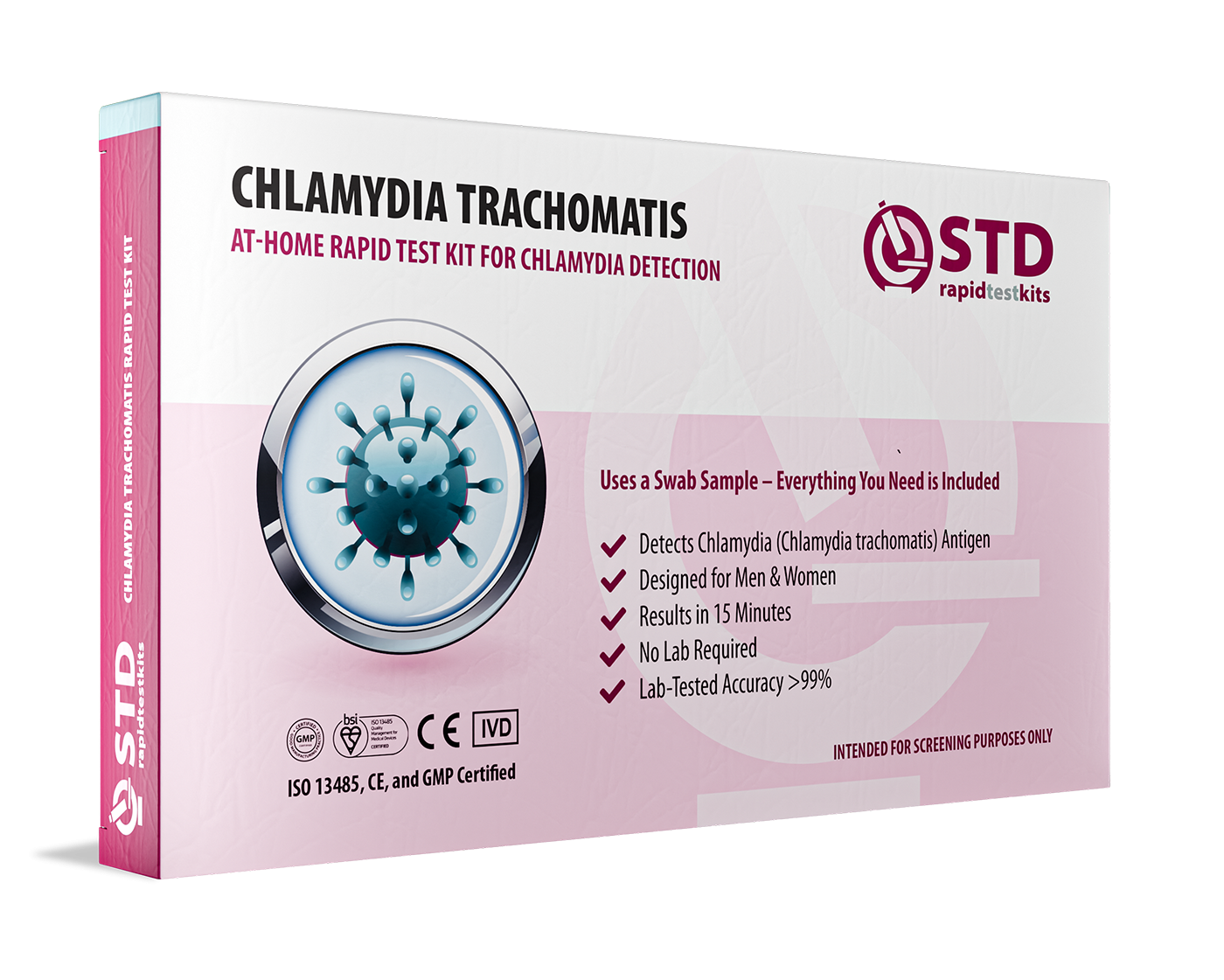
 For Men & Women
 Results in Minutes
 No Lab Needed
 Private & Discreet
Order Now $33.99 $49.00
What Reactions to Expect (And How to Handle Them)
Not everyone will thank you. Some people will feel shocked, hurt, even betrayed. Others might go quiet. A few will be grateful you told them at all. The range is wide, and often has more to do with their own fears than your words.
Let’s break down a few possible reactions through the lens of lived experience:
Luca, 34, told his ex-girlfriend about his positive test two months after they’d hooked up again. “She hung up on me. I cried for an hour. Then she texted the next day saying thanks for letting her know. Turns out she tested positive too.”
Marisol, 21, told her boyfriend in person. “He thought I was cheating. I wasn’t. We fought. But after reading the test timeline, he realized he might’ve had it first. We both got treated. We’re still together.”
The lesson? People react in real-time. But many come around once they’ve processed the fear and understood the facts. If they lash out, give them space. If they ghost, that’s on them, not on you. You’ve shown courage by saying something. That counts.
Why Timing Matters (But Late Is Better Than Never)
There’s no perfect time to tell someone they might’ve been exposed to chlamydia. You’ll always feel like it’s too soon, too awkward, too messy. But waiting too long raises the stakes, both emotionally and medically.
If your partner is still within the incubation or treatment window, early testing can prevent long-term damage. That’s especially critical for people with uteruses, since untreated chlamydia can silently travel upward and cause pelvic inflammatory disease (PID), which increases the risk of infertility. For men, untreated chlamydia can lead to urethritis and other painful complications.
Still, many people delay disclosure because they’re afraid of what it will mean for the relationship. That’s valid. But here’s a reframe: waiting doesn’t make the news easier. It just shortens the time your partner has to act on it. Even if you’re already past the moment of trust, or if the relationship is over, your honesty still has value.
One Reddit user shared this:
“I got the text from a guy I hadn’t seen in three months. We’d only hooked up twice. But I appreciated it. I got tested and sure enough, I had it. Treated it before I even had symptoms. He probably saved me from a bigger problem.”
Whether it’s a new partner, a former flame, or someone you’re not even speaking to anymore, late disclosure is still responsible disclosure. Silence helps no one.
Is Texting Okay? Choosing Your Medium
Many people freeze when they realize they have to break this news. So let’s address the question head-on: Can you text someone that you gave them chlamydia?
The answer depends on the situation. If it was a one-night stand, a casual partner, or someone you’re not emotionally close to, a clear and respectful text might be appropriate. If it’s a current or recent partner, a call or in-person talk shows care, but isn’t required.
The most important thing is clarity. Don’t be vague. Don’t hint. Don’t ghost after dropping the info. If you can, include helpful next steps, like where to get tested or how treatment works.
Here are anonymized examples from real disclosures:
“Hey, just wanted to give you a heads up. I tested positive for chlamydia. I didn’t have symptoms, so I didn’t know earlier. You should probably get tested too.”
“Hi, this is a little awkward but important, I got an STD test recently and it came back positive for chlamydia. Wanted to let you know in case you need to get checked.”
Short, factual, and kind is the goal. You’re not obligated to stay in a long back-and-forth, but staying open to questions can help reduce defensiveness.
What If You Don’t Tell Them?
Let’s not sugarcoat it: avoiding the conversation might feel easier in the short term. But not telling someone they may have chlamydia carries real consequences, both for their health and for yours.
Untreated chlamydia doesn’t always “go away.” It can linger, spread to others, or flare up again later. And if you stay sexually active with someone you haven’t told, you risk reinfecting each other in an endless loop. Antibiotics don’t grant immunity.
In some jurisdictions, knowingly exposing someone to an STD without disclosure can even have legal consequences. But beyond law, this is about ethics. If the roles were reversed, wouldn’t you want to know?
| Disclosure Delay | Potential Consequences |
|---|---|
| 1–2 weeks after exposure | Partner may still test positive early; earlier treatment reduces risk of complications |
| 1–2 months later | Partner may develop internal symptoms or complications like PID without knowing |
| Never told | Partner remains untreated, may suffer fertility impact, and unknowingly spread it further |
Table 2. How delayed or skipped disclosure can affect your partner’s health trajectory.
The guilt of staying silent rarely stays silent. It creeps in, when they say they’re not feeling right, when they tell you they’ve booked a doctor’s visit, when they trust you with something fragile. That’s a burden you don’t need to carry. Honesty is hard, but silence is heavier.
What If They Don’t Believe You?
Sometimes the conversation doesn’t go as planned. You tell them. You try to be calm. And they accuse you of cheating, or lying, or making it up to punish them. That’s brutal. But it doesn’t mean you did the wrong thing.
In high-emotion situations, people hear through fear. If your partner spirals into blame, take a deep breath. Stay grounded. Bring it back to facts: this is a medical issue, not a moral one. You didn’t give them chlamydia on purpose. You’re telling them now because it matters.
Offer them resources. A testing link. An article. A hotline. But don’t argue if they aren’t ready to hear it. You’ve planted the seed. What they do with it is their responsibility.
And if you’re in a situation where you're afraid the conversation might trigger violence or emotional abuse, you don’t have to handle it alone. Some states offer anonymous partner notification services through public health departments. You can also ask a clinic or provider to contact them without using your name.
If safety is a concern, prioritize that first. Always.

People are also reading: Herpes vs Acne: What That Facial Bump Really Means
How to Protect Yourself and Your Partners Moving Forward
Testing positive once can feel like a scarlet letter. But it doesn’t have to define your sexual health story. What matters more is what you do next.
After treatment (usually a short course of antibiotics), you’ll need to avoid sex for at least seven days. This allows the meds to work and stops reinfection. If you and your partner are both being treated, wait until you’ve both finished meds and cleared the window.
Use this experience as an invitation to normalize testing in your relationships. You’re not “dirty” for having had chlamydia, you’re responsible for facing it. Future partners deserve that same care. You can now speak from experience: testing matters, even when everything feels fine.
Need a discreet way to test again? Order a chlamydia test kit that arrives in unmarked packaging and gives you answers in minutes, no clinic required. It’s privacy without delay, and peace of mind you can act on.
What If You're Not in Contact Anymore?
Sometimes the hardest part isn’t telling someone, it’s finding them. Maybe it was a vacation hookup. Maybe things ended on bad terms. Maybe they ghosted you, and now you're debating whether to re-enter their inbox with bad news.
If this person had sexual contact with you in the weeks or months before your positive test, they deserve to know. That doesn’t mean you owe them an apology, a relationship, or emotional labor. It just means they need to be aware so they can protect their health.
Even a simple message, without fanfare or follow-up, makes a difference. Something like:
“Hey. I tested positive for chlamydia recently. I wanted to let you know because we hooked up a while ago. I had no symptoms, so I didn’t know. Hope you’re doing okay.”
You don’t need a response. You don’t need to reopen old wounds. You just need to take the step. Most people, even if surprised, appreciate being told. And if they block you, ignore you, or lash out? You still did the right thing. Silence helps no one, but a short message can stop a cascade of harm.
Check Your STD Status in Minutes
Test at Home with Remedium6-in-1 STD Test Kit
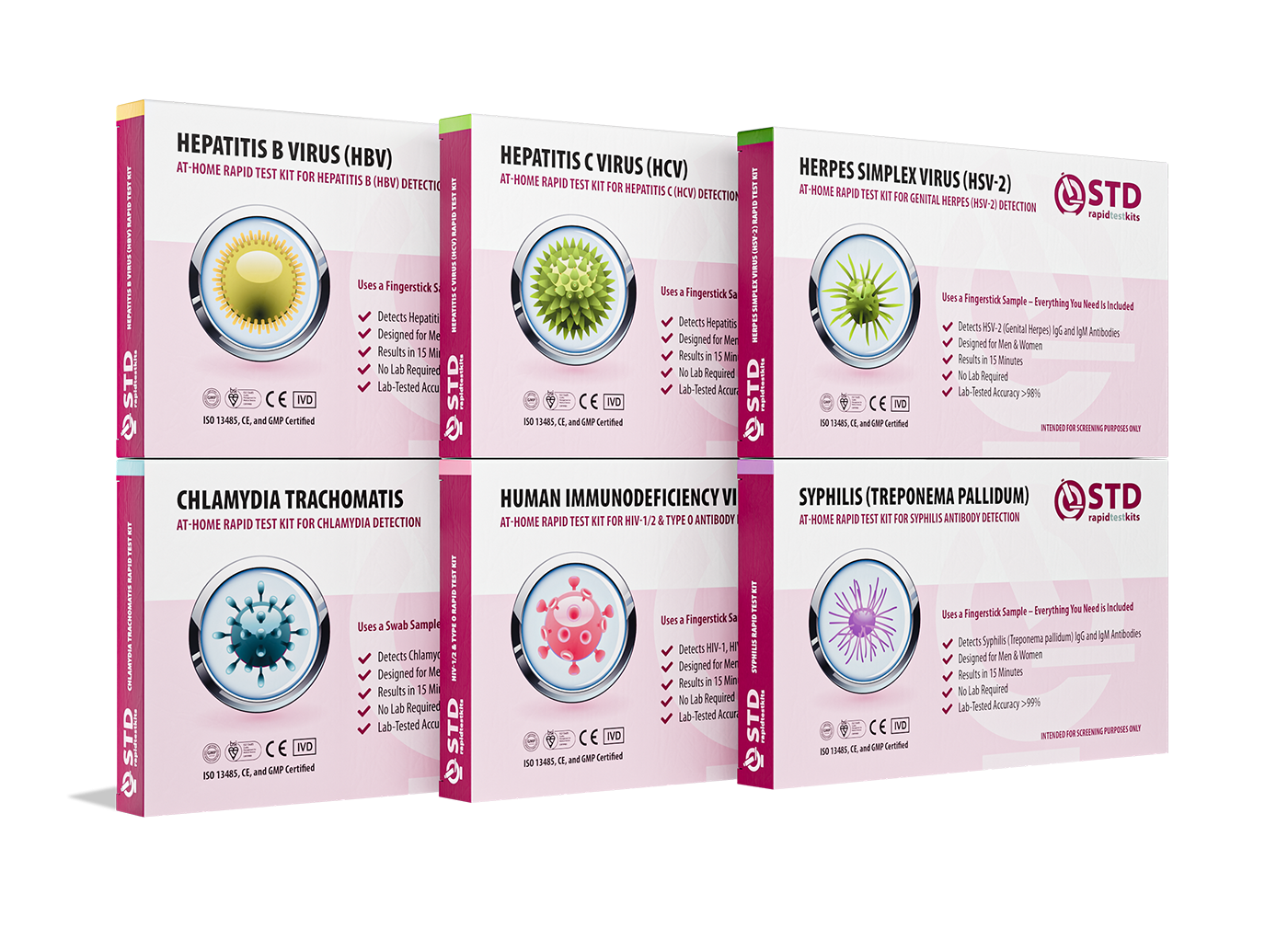 For Men & WomenResults in MinutesNo Lab NeededPrivate & Discreet
Order Now $119.00 $294.00
For all 6 tests
Don’t Let This Be the End of the Conversation
Sexual health isn't a one-time disclosure. It’s a lifelong conversation, and you’re already having it, whether you meant to or not. This experience can be a springboard for more honest, shame-free, stigma-smashing talks with partners moving forward.
You now know what most people don’t: that chlamydia doesn’t always show symptoms, that testing is essential even in “low-risk” moments, and that disclosure can be more intimate than sex itself.
Make it a habit. Before a new partner, say: “I usually get tested every few months. Have you been checked recently?” Or: “I had an STI scare once and learned a lot, mind if we talk about that before we hook up?” These don’t kill the vibe. They protect it.
And if a partner ever responds with anger, shame, or judgment? That’s about them, not you. You deserve sex that’s safe, honest, and affirming. You’ve already proven you’re capable of having the hardest talk. That power doesn’t go away.
FAQs
1. Can I really give someone chlamydia even if I had no idea I had it?
Yep. That’s the kicker with chlamydia, you can feel totally fine and still pass it on. No burning, no discharge, no drama. That’s why it spreads so easily. It’s not about being reckless. It’s about being human in a system that doesn’t encourage regular testing unless something feels wrong.
2. Do I have to tell someone if we used protection?
If there was sexual contact, yes, even with a condom, it’s the right move. Condoms help a lot, but they don’t make you invincible. Oral sex, skin-to-skin contact, or a slipped condom can still lead to transmission. If the roles were reversed, wouldn’t you want a heads-up?
3. How long should I wait before telling someone?
Don’t wait for the “perfect moment”, it doesn’t exist. As soon as you’ve processed your result and feel emotionally steady enough, have the conversation. Earlier is better for their health, even if it’s awkward. You can start with a text if your voice shakes too much to say it out loud. Courage isn’t always loud.
4. What if they freak out or accuse me of cheating?
It happens. Sometimes people hear “STD” and forget everything else. If they react badly, pause. Let them feel their feelings, but stay grounded. You’re not defined by one infection. Share the facts: most people with chlamydia don’t know they have it, and it can be sitting there quietly for weeks. That doesn’t make anyone “dirty.” It makes them human.
5. I’m scared they’ll break up with me if I tell them. Should I wait until after treatment?
That’s a real fear, and you’re not wrong to feel it. But waiting doesn’t make the conversation easier. It just adds another layer of secrecy. Telling them shows respect, even if it risks discomfort. And if someone leaves because you got tested, treated, and were honest? That says more about them than you.
6. Can I get chlamydia again from the same person after treatment?
Absolutely. This is the part no one tells you. If your partner doesn’t get treated, or doesn’t finish treatment properly, you can pass it back and forth like an invisible game of ping-pong. That’s why both of you need meds, and why you need to hold off on sex for at least seven days after finishing them.
7. Is it okay to use a clinic to tell them instead?
100% yes. If the idea of reaching out makes you panic, you can ask your provider or public health clinic to notify partners anonymously. In many places, they won’t even use your name. The point is not who says it, it’s that someone does.
8. What if I tested positive after a hookup months ago, do I still have to tell them?
Look, there’s no statute of limitations on decency. If you know someone might still be affected, it’s never too late to say something. Even a quick message like, “Hey, this might be out of the blue, but I tested positive and figured I should let you know,” can make a huge difference in someone’s health, and peace of mind.
9. Will this go on my record forever?
Not in the way you think. STD test results may live in your medical chart, but they don’t follow you around like a scarlet letter. And if you use an at-home test kit, it’s completely private. No insurance. No awkward clinic waiting rooms. Just you, your results, and the next step.
10. Does this mean I’m bad at picking partners?
Not even close. STDs don’t reflect your morals, your intelligence, or your worth. They reflect biology, access, and timing. The only “bad” choice is not knowing, and now you do. That makes you safer, smarter, and more responsible than you were yesterday.
You’re Not the Mistake, You’re the Messenger
This moment does not define who you are. If you test positive for chlamydia, it doesn't mean you're careless, dirty, or broken. It makes you human, and telling your partner shows strength, not shame.
It takes guts to have this conversation. It takes even more to do it with empathy. Whether you’ve already told them, are still working up the nerve, or are planning the message in your head, you’re choosing care over convenience. That matters.
Don’t wait and wonder. This at-home combo test kit checks for the most common STDs discreetly and quickly. If you're unsure where things stand, take the test. Clarity is power.
How We Sourced This Article: We combined current guidance from leading medical organizations with peer-reviewed research and lived-experience reporting to make this guide practical, compassionate, and accurate.
Sources
3. Planned Parenthood – What Is Chlamydia?
4. CDC – Conversation Tips for Talking About STIs with a Partner
5. CDC – Chlamydial Infections Treatment and Partner Management Guidelines
6. CDC – What to Do After Testing Positive for Gonorrhea or Chlamydia
7. NIH / NCBI – Chlamydia Overview (StatPearls)
8. Peer‑Reviewed: Partner Notification for STIs Including Chlamydia
9. CDC – Expedited Partner Therapy (EPT) for Chlamydia and Gonorrhea
About the Author
Dr. F. David, MD is a board-certified infectious disease specialist focused on STI prevention, diagnosis, and treatment. He blends clinical precision with a no-nonsense, sex-positive approach and is committed to expanding access for readers in both urban and off-grid settings.
Reviewed by: Avery Kim, RN, MPH | Last medically reviewed: January 2026
This article is meant to give information and should not be taken as medical advice.


