







Quick Answer: Syphilis can have no symptoms for years during what’s called the latent stage. The infection remains in your body, detectable by blood test, even when you feel completely normal.
When Silence Is a Symptom Too
One of the most dangerous myths about syphilis is that you would “definitely know.” That if something serious were happening, your body would scream. Sometimes it does. Sometimes it whispers. And sometimes it goes completely quiet.
Primary syphilis may begin with a single sore called a chancre. It’s often painless. It can appear in places you don’t see easily, inside the vagina, inside the anus, in the throat. It heals on its own within weeks, even without treatment. That healing tricks people into thinking the problem solved itself.
It didn’t.
Secondary syphilis can cause a rash, swollen lymph nodes, fatigue, or flu-like symptoms. But even this stage doesn’t always look dramatic. The rash may be faint. The fatigue may feel like stress. Then those symptoms fade too. And what comes next is where confusion sets in.
The Stage Most People Don’t Know About: Latent Syphilis
Latent syphilis is exactly what it sounds like. The bacteria are still in your body. They are still alive. But there are no outward signs. No sores. No rash. No discharge. Nothing that makes you rush to urgent care.
This stage can last for years. Sometimes decades.
And this is where people begin to panic when they finally test positive. They say things like, “But I never had symptoms.” Or, “I would have noticed.” Or quietly, “How long has this been inside me?”
The answer depends on timing, exposure, and whether testing ever happened before.
| Stage | What Happens in the Body | Common Symptoms | Can It Be Asymptomatic? | Approximate Timeline |
|---|---|---|---|---|
| Primary | Bacteria enter through microscopic breaks in skin or mucous membranes | Painless sore (chancre) at infection site | Yes, sore may go unnoticed | 10–90 days after exposure |
| Secondary | Bacteria spread through bloodstream | Rash (often palms/soles), fever, swollen nodes | Yes, symptoms may be mild or mistaken for other illness | Weeks to months after chancre |
| Latent | No visible symptoms, infection remains active internally | None | Yes, fully silent | Can last years or decades |
| Tertiary | Long-term organ damage if untreated | Neurological, cardiac, or systemic complications | Symptoms eventually severe | 10–30+ years after infection |
Notice something important in that table. Silence isn’t rare. It’s built into the disease’s progression.

People are also reading: Did Syphilis Kill These Famous Men? The Hidden History of STDs
“But I Feel Fine.” That’s Exactly the Problem.
A 32-year-old man once described his diagnosis like this: “I only tested because my new partner wanted a clean slate. I thought it would be routine. When the nurse said I was positive for syphilis, I laughed. I said, ‘That’s impossible.’ I hadn’t had a symptom in years.”
That’s latent infection.
The bacteria responsible for syphilis, Treponema pallidum, doesn’t always trigger dramatic inflammation once it settles in. Your immune system contains it, but doesn’t eliminate it. The infection goes underground. It becomes detectable only through blood testing.
During early latent syphilis, transmission to partners can still occur. During late latent syphilis, transmission risk lowers, but the bacteria can still damage organs over time. That’s why testing matters even when nothing feels wrong.
How Long Can Syphilis Actually Stay Hidden?
The short answer is: years. The longer answer depends on whether the infection was treated.
If untreated, syphilis can remain in the latent stage for decades. Some people never progress to tertiary complications. Others develop serious health consequences years later involving the heart, brain, or nervous system.
What makes this unsettling is that you cannot rely on symptom memory to date the infection. That chancre five years ago might have been missed. That rash you assumed was an allergy might have been secondary syphilis. Or you might never have experienced noticeable symptoms at all.
| Scenario | Symptoms Noticed? | Likelihood of Going Undetected | Detection Method |
|---|---|---|---|
| Missed primary sore inside vagina or anus | No | High | Blood test |
| Mild rash mistaken for allergy | Unclear | Moderate | Blood test |
| Completely asymptomatic infection | No | Very high | Blood test |
| Routine STI screening every 6–12 months | Irrelevant | Low | Blood test catches early |
The key takeaway isn’t panic. It’s clarity. Without blood testing, there is no reliable way to know how long syphilis has been present.
Window Period: When Testing Actually Works
If your concern is recent exposure, timing matters.
Syphilis has what’s called a window period, the time between infection and when a blood test can reliably detect antibodies. For most people, this is around three to six weeks after exposure. Testing earlier may produce a false negative.
Picture someone who tests at ten days because anxiety is overwhelming. The result comes back negative. Relief floods in. But the bacteria haven’t triggered detectable antibodies yet. Weeks later, the blood test turns positive. The infection didn’t appear out of nowhere. It was simply too early to catch.
This is why smart testing strategy beats impulsive testing. And if you’re in that anxious waiting period right now, you deserve a plan instead of spiraling.
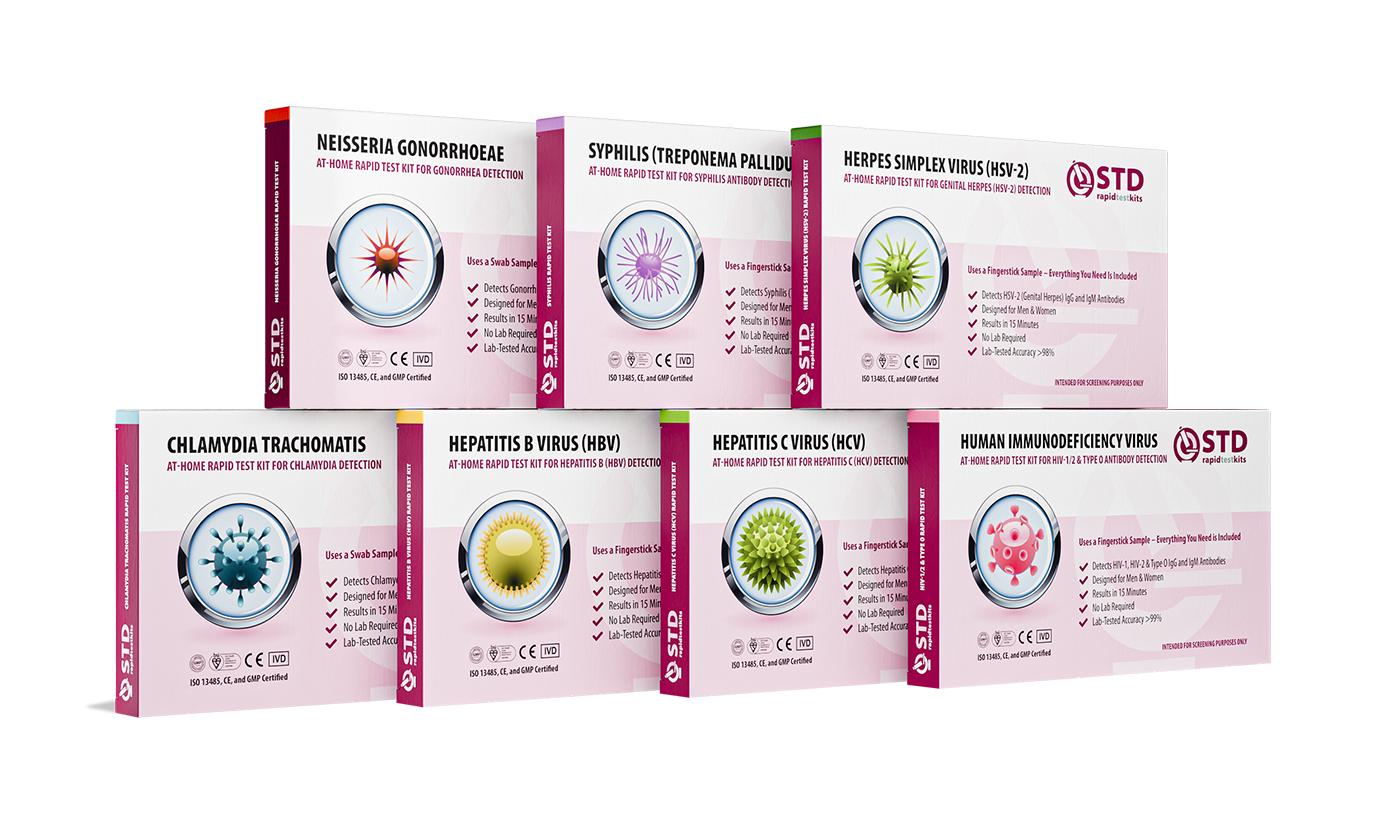
You can explore discreet, lab-grade options through STD Rapid Test Kits, including a Syphilis Rapid Test Kit that allows you to test privately at home. Peace of mind doesn’t require a waiting room.
The Emotional Shock of a “Silent” Diagnosis
When people test positive without symptoms, the first reaction is rarely physical. It’s emotional.
“How could I not know?”
“Who gave this to me?”
“Have I had this for years?”
These questions aren’t about blame. They’re about lost time. About uncertainty. About trust.
But here’s the steady truth: a silent infection is not a moral failure. It’s a feature of the disease. The body doesn’t broadcast everything happening inside it. And modern testing exists precisely because symptoms are unreliable.
What Happens If Latent Syphilis Is Never Treated?
This is where the conversation shifts from quiet to serious.
Untreated syphilis can eventually progress to tertiary disease in some individuals. That can involve neurological complications, cardiovascular damage, or systemic problems years after the original infection.
Not everyone progresses. But the risk is real enough that screening programs exist worldwide to prevent it.
The good news is that treatment, typically penicillin, is highly effective at all stages. The earlier it’s given, the simpler recovery tends to be. Even latent syphilis can be treated successfully once detected.
So What Should You Do If You’re Unsure?
If it’s been more than six weeks since a possible exposure, a blood test can provide clarity. If it’s been years since your last STI screening and you’ve had new partners, testing is not dramatic. It’s responsible.
If you’re pregnant or planning to be, screening becomes even more important because untreated syphilis can affect a fetus. That’s not meant to scare you. It’s meant to underscore why silent infections matter.
And if your anxiety is coming from an exposure last weekend, breathe. There is a window period. Testing too early doesn’t help. Mark a date. Set a reminder. Create a plan instead of doom-scrolling.
Check Your STD Status in Minutes
Test at Home with Remedium7-in-1 STD Test Kit
 For Men & Women
 Results in Minutes
 No Lab Needed
 Private & Discreet
Order Now $129.00 $343.00
For all 7 tests
How Accurate Is a Syphilis Test During the Silent Stage?
This is the part most people don’t ask until after they see a result. If syphilis can hide quietly, can a test miss it too?
Syphilis testing is typically done through blood. These tests detect antibodies your immune system produces in response to the bacteria. Once antibodies form, they usually remain detectable, even during latent stages when you have no symptoms at all.
Imagine someone who hasn’t been tested in five years. No rashes. No sores. No red flags. They take a blood test today and it comes back positive. That doesn’t mean the infection is new. It means antibodies have been present, sometimes for years, and the test finally caught what symptoms never revealed.
| Stage of Infection | Test Type | Detection Reliability | Key Consideration |
|---|---|---|---|
| Primary (early) | Treponemal antibody test | Moderate if within first 2–3 weeks | Testing too early may yield false negative |
| Secondary | Treponemal + non-treponemal tests | High | Antibody levels usually strong and detectable |
| Early Latent | Treponemal + non-treponemal tests | High | No symptoms, but blood test remains positive |
| Late Latent | Treponemal test | Very high | Antibodies typically persist for life |
The most common reason for a missed infection isn’t faulty testing. It’s testing too soon after exposure. That window period matters more than most people realize.
False Negatives: When “Negative” Doesn’t Mean No Infection
Let’s walk through a realistic scenario.
A woman has unprotected sex on a Friday night. Anxiety hits by Sunday. She orders a test immediately. It arrives Wednesday. She tests ten days after exposure. The result is negative. Relief floods in.
But the average window period for syphilis is roughly three to six weeks. Her immune system may not have produced detectable antibodies yet. The test didn’t lie. It just didn’t have enough biological evidence to work with.
This is why timing strategy matters more than urgency. If you’re within three weeks of exposure, testing may need to be repeated. If you’re past six weeks, results are far more reliable. If it’s been years, testing is still meaningful because latent infection remains detectable.
The goal is not to test out of panic. It’s to test at the right time.
Can You Transmit Syphilis Without Symptoms?
Another uncomfortable truth: yes, especially at first.
During primary and secondary stages, even mild or unnoticed symptoms can coincide with infectious periods. Early latent syphilis may still carry transmission risk. Later latent stages carry significantly lower risk through sexual contact, but the infection is still present in the body.
Picture someone in a new relationship. They feel healthy. They’ve had no symptoms in years. They assume everything is fine. Without testing, they have no way to know whether a silent infection is part of the picture.
This isn’t about fear. It’s about informed consent and shared safety. You and the people you care about are protected by testing.
Why Some People Never Notice Early Symptoms
The chancre of primary syphilis is often painless. That alone explains a lot.
If it appears inside the vagina, on the cervix, inside the rectum, or at the back of the throat, it may never be seen. It heals on its own within weeks. Secondary rashes can look like dry skin, heat rash, or even eczema. They may not itch. They may not hurt.
And in some cases, symptoms are so subtle they don’t register as “medical.” Fatigue during a stressful month. Swollen lymph nodes during allergy season. A mild fever brushed off as a cold.
Years later, when a blood test turns positive, people replay those moments in their heads. Was that it? Was that the sign I missed?
Maybe. Or maybe there were never noticeable symptoms at all. Both scenarios are medically plausible.
The Long-Term Risk: What Happens Years Later?
Untreated syphilis can, in some individuals, progress to tertiary disease. This may affect the heart, brain, blood vessels, or nervous system. It does not happen overnight. It takes a long time to develop, sometimes decades after the first infection.
Not everyone with latent syphilis develops these complications. But screening programs exist precisely because prevention is far easier than managing advanced disease.
The reassuring part of this conversation is that treatment is straightforward. Penicillin remains highly effective. Even latent syphilis responds well to therapy once detected. The key is knowing.
A Case Study: “I Thought It Was in the Past.”
Marcus was 41 when he tested positive during a routine physical. He hadn’t had a new partner in three years. He had no symptoms. No history of sores. No memorable rash.
“I felt embarrassed,” he said. “Like I’d been walking around with something I should have known about.”
But here’s what actually happened. At some point years earlier, he likely experienced a mild or unnoticed primary stage. It resolved. The infection entered latency. It remained silent. A simple blood test finally revealed it.
He was treated. Follow-up tests confirmed response to therapy. No organ damage. No complications. Just clarity.
Silence does not mean doom. It means undetected. And undetected is fixable.

People are also reading: Is It Just a Virus or Could It Be HIV Here’s How to Tell
If You’re Reading This Because You’re Afraid
Pause.
Take one slow breath.
If you have not had symptoms, that does not automatically mean you have late-stage disease. If you had a risky encounter years ago, testing now is still worthwhile. If you’re within weeks of exposure, create a timeline instead of spiraling.
You deserve answers grounded in biology, not fear.
If privacy is part of your hesitation, discreet at-home testing can remove barriers. The Syphilis Rapid Test Kit offers confidential screening without clinic visits, while still maintaining clinical reliability when used at the appropriate window.
How to Create a Smart Testing Plan
Testing strategy depends on three things: timing, symptoms, and partner status.
If exposure was recent, wait at least three weeks before testing, and consider retesting at six weeks for maximum reliability. If exposure was over six weeks ago, testing now can provide accurate insight. If it’s been years since your last STI screen and you’ve had new partners, this is a reasonable time to check.
There is no shame in testing. Only information.
And information restores control.
Syphilis and Pregnancy: Why Silent Infections Matter Even More
There’s one situation where silent syphilis becomes especially urgent: pregnancy.
A woman can feel completely healthy, carry no symptoms, and still pass syphilis to a developing fetus. That’s why prenatal screening includes routine blood testing, even when there are no signs of infection. It isn’t about suspicion. It’s about protection.
Imagine someone who hasn’t been tested in years and becomes pregnant unexpectedly. She feels fine. Her partner feels fine. A routine prenatal screen returns positive. The shock is immediate. But what matters most is not how long it was there, it’s that it was caught before causing harm.
Treatment during pregnancy is highly effective at preventing congenital syphilis when administered promptly. The danger lies in not knowing.
Why Antibodies Can Stay Positive for Life
Understanding syphilis testing can be challenging because some antibodies remain in the body after treatment is completed. This doesn't mean that the infection is still going on. That means your immune system knows it.
Think of it like a scar in your medical history. It doesn’t mean the wound is open. It means it once existed.
This is why follow-up testing after treatment often involves comparing antibody levels over time. Doctors look for declining titers rather than a complete disappearance of antibodies. Without an explanation, the nuance can be hard to understand, which is why it's important to get professional help after a good result.
Talking to a Partner About a Silent Infection
One of the hardest parts of a diagnosis without symptoms is the conversation that follows.
“I tested positive for syphilis.”
Even when you add, “I had no symptoms,” the words can feel heavy.
But here’s the grounding reality: a silent infection does not automatically indicate recent infidelity. It may have been present for years. Without prior testing, pinpointing timing is often impossible.
Approach the conversation from a place of health, not accusation. This is about care. About mutual protection. About making sure both people get clarity and treatment if needed.
Many couples walk through this moment and come out stronger because they chose transparency over avoidance.
Why Shame Delays Testing, And Why It Shouldn’t
Shame thrives in silence, and syphilis already thrives in biological silence. That combination keeps people stuck.
Someone may avoid testing because they “feel fine.” Or because they’re afraid of what a positive result would mean about their past. Or because walking into a clinic feels exposing.
But testing is not a confession. It’s a health decision.
At-home options exist precisely because privacy matters. Ordering through STD Rapid Test Kits allows you to screen discreetly and on your own schedule. No waiting room. No awkward eye contact. Just information.
Check Your STD Status in Minutes
Test at Home with Remedium6-in-1 STD Rapid Test Kit
 For Men & WomenResults in MinutesNo Lab NeededPrivate & Discreet
Order Now $119.00 $294.00
For all 6 tests
When Should You Retest After Treatment?
If you are treated for syphilis, follow-up blood testing is typically recommended to confirm that antibody levels are declining appropriately. This usually occurs at intervals over several months.
Picture someone who receives treatment and assumes the chapter is closed. Months later, follow-up testing confirms antibody titers are falling as expected. That decline is reassurance that therapy worked.
If you have new exposures after treatment, new testing may be necessary. Reinfection is possible. Treatment protects you from that specific infection, not from future exposures.
The Bigger Picture: Why Routine Screening Matters
Many people with latent syphilis discover it through routine screening, not symptoms. That is not a failure. That is public health working as designed.
If you have multiple partners, are entering a new relationship, or haven’t been screened in more than a year, testing is reasonable even if you feel perfectly healthy. Feeling normal does not guarantee absence of infection.
The goal is not to live in fear of what you might find. It’s to remove uncertainty from the equation.
FAQs
1. Can syphilis really hide in your body for years without you noticing?
Yes, and that’s the part that surprises most people. During the latent stage, there are no visible symptoms. You can feel completely normal, go to work, date, travel, live your life… and the only clue would be a blood test. Silence isn’t rare with syphilis. It’s built into how the infection behaves.
2. If I never saw a sore, does that mean I didn’t have syphilis?
Not necessarily. The first sore, called a chancre, is often painless. It can show up inside the vagina, on the cervix, inside the rectum, or even in the throat. Many people never see it. Others mistake it for an ingrown hair or minor irritation. And it heals on its own, which makes it even easier to dismiss.
3. How long can syphilis stay untreated before it causes serious problems?
It varies. Some people remain in the latent stage for years without progressing. Others may develop complications a decade or more later if untreated. The important thing isn’t guessing the timeline, it’s knowing that treatment is highly effective once diagnosed. Early or late, detection changes the outcome.
4. If I test positive now, does that mean I was recently infected?
Not always. That’s one of the hardest parts emotionally. A positive result could reflect a recent exposure, or it could be from years ago. Without previous testing records, it’s often impossible to pinpoint timing. It's normal for doctors to not know everything, but that can be uncomfortable.
5. Can I spread syphilis if I don’t have symptoms?
Yes, in the beginning. Transmission can happen even if symptoms are mild or not noticed. Later latent syphilis is far less contagious sexually, but the infection is still present in the body. This is why testing isn’t about how you feel, it’s about what’s happening biologically.
6. Does syphilis ever just clear up on its own?
No. Symptoms may disappear, but the bacteria remain unless treated with antibiotics. When people say, “It went away,” what usually happened is the infection moved into the silent stage. It didn’t resolve. It went quiet.
7. I tested negative two weeks after exposure. Am I in the clear?
Probably too soon to know for sure. The window period for syphilis is typically three to six weeks. Testing before that can give false reassurance. If you’re within that early window, mark a retest date instead of relying on one early result.
8. Is an at-home syphilis test actually reliable?
When taken at the correct time after exposure, quality rapid blood tests are accurate at detecting antibodies. The biggest factor affecting reliability isn’t the kit, it’s timing. If you’re unsure about your window period, that’s worth clarifying before testing.
9. If I feel totally fine, is testing overkill?
Not at all. Many syphilis diagnoses happen during routine screening in people who feel completely healthy. Testing isn’t dramatic. It’s proactive. It’s the same logic as checking blood pressure, you don’t wait for a crisis.
10. Why does this diagnosis feel so heavy if it’s treatable?
Because STIs carry emotional weight, even when they’re medically manageable. There’s history, stigma, fear of judgment, fear of relationship fallout. That reaction is human. But medically speaking, syphilis is treatable, especially when caught through testing. The sooner you know, the simpler the path forward.
You Deserve Answers, Not Assumptions
Syphilis can hide quietly for years. That’s not a moral judgment. It’s microbiology. Silence does not equal safety, but it also does not equal catastrophe.
The most empowering move you can make is simple: test at the right time. Whether it’s been six weeks or six years, clarity is still available to you.
Don’t wait and wonder. A discreet at-home syphilis test can provide answers privately and quickly. Your results. Your timeline. Your health.
How We Sourced This Article: This article combines the most up-to-date medical advice on syphilis staging, testing windows, and treatment from top public health organizations with peer-reviewed infectious disease research and first-hand accounts.
Sources
2. World Health Organization – Syphilis
3. Mayo Clinic – Syphilis Symptoms and Causes
4. StatPearls – Syphilis Overview
5. CDC – Sexually Transmitted Infections Treatment Guidelines: Syphilis
About the Author
Dr. F. David, MD is a board-certified infectious disease specialist focused on STI prevention, diagnosis, and treatment. He combines clinical precision with a sex-positive, stigma-aware approach to expand access and empower informed decision-making.
Reviewed by: L. Ramirez, NP-C | Last medically reviewed: February 2026
This article is only meant to give you information and should not be used as medical advice.


