
Published: August 2025 | Last updated: May 2026 | Editorial review and quality control: Martina N.
For the better part of a decade, the standard cure for gonorrhea was a 500 mg ceftriaxone shot in the clinic, full stop. That was the last antibiotic class still reliably working against the bug, and public-health agencies kept warning that resistance to ceftriaxone was a question of when, not if. In December 2025, the FDA approved a different option: zoliflodacin, branded NUZOLVENCE, a single 3 g oral dose for uncomplicated urogenital gonorrhea (Innoviva Specialty Therapeutics, December 12, 2025). It is the first new chemical class approved for gonorrhea in roughly 30 years.
This article walks through what that actually means: what the new drug does, where it fits in clinical practice, where it does not (yet), and why testing still has to come first. If you are weighing whether to test at home, the answers below point to the situation you are actually in, not a brochure version of it.
Key Takeaways
- The FDA approved zoliflodacin (NUZOLVENCE), a single 3 g oral dose, in December 2025 for uncomplicated urogenital gonorrhea. In a Phase 3 trial of 930 patients across five countries, it was non-inferior to the ceftriaxone-plus-azithromycin standard regimen.
- Approval covers urogenital infection only. Throat and rectal gonorrhea, plus complicated infections, still require ceftriaxone per current CDC guidance. Asymptomatic infections at all sites continue to drive resistance, so home testing matters more than ever.
What changed in December 2025
Zoliflodacin had been in late-stage development for years through a not-for-profit collaboration between Innoviva Specialty Therapeutics and the Global Antibiotic Research and Development Partnership (GARDP). The pivotal Phase 3 study was the largest clinical trial ever run for a new gonorrhea treatment: 930 patients across 16 trial sites in Belgium, the Netherlands, South Africa, Thailand, and the United States (FDA approval announcement). The endpoint was microbiological cure of urogenital infection, and zoliflodacin met the non-inferiority bar against the ceftriaxone-plus-azithromycin reference regimen.
The FDA label limits the indication to uncomplicated urogenital gonorrhea in adults and adolescents aged 12 and older who weigh at least 35 kg. Pharyngeal (throat) infections and rectal infections were not part of the approved indication. That distinction sounds technical, but it matters in the real world, because gonorrhea regularly establishes itself at the throat and rectum without symptoms, and those sites are often the engine of community spread. For now, those infections still need the ceftriaxone shot.
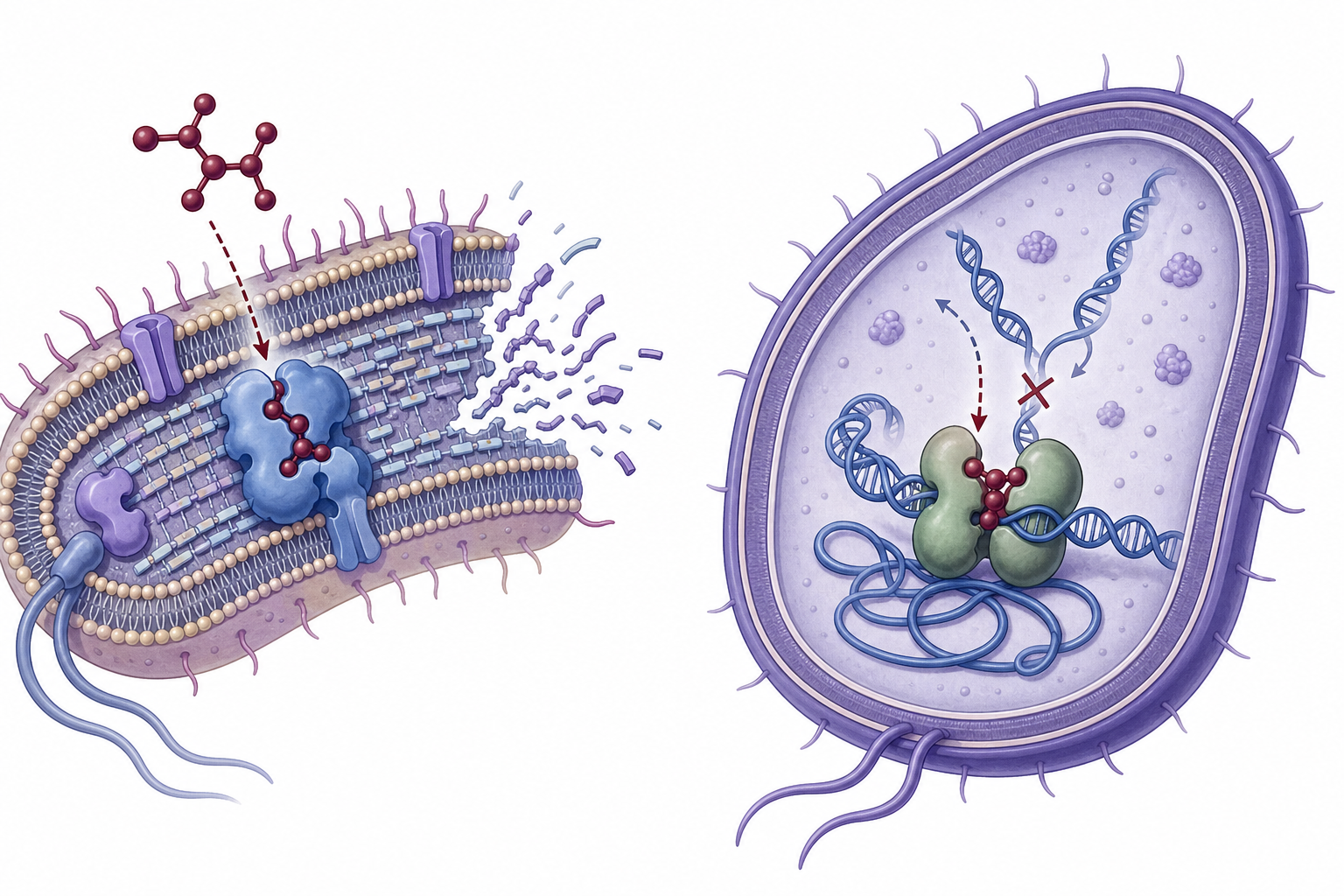
One more piece of context: zoliflodacin is the first new chemical class approved for gonorrhea since the early 1990s. Ceftriaxone is a cephalosporin, a beta-lactam that disrupts the bacterial cell wall. Zoliflodacin belongs to a brand new class called spiropyrimidinetriones, which work on a different bacterial target entirely (a topoisomerase enzyme involved in DNA replication). That mechanistic difference is the whole reason public-health agencies have been hopeful: resistance to one class does not automatically mean resistance to the other.
Indication: uncomplicated urogenital gonorrhea. Patients: aged 12 and older, weighing at least 35 kg. Not covered by the current label: pharyngeal (throat) infection, rectal infection, disseminated gonococcal disease, gonococcal arthritis, neonatal infections, and pelvic inflammatory disease. Those still require ceftriaxone.
How ceftriaxone and zoliflodacin work, side by side
Antibiotics kill bacteria by attacking specific machinery the bug needs to live or replicate. Two drugs hitting two different targets are unlikely to lose effectiveness at the same time, which is why a second mechanism in clinical use is a strategic win, not just a convenience.
Ceftriaxone is a third-generation cephalosporin given by intramuscular injection. The CDC has recommended a single 500 mg dose since 2020 (CDC Drug-Resistant Gonorrhea guidance). It binds to penicillin-binding proteins on the bacterial cell wall, blocks wall synthesis, and the cell ruptures under its own internal pressure. It works against most strains worldwide. Treatment failures are still rare in the United States, but they have been documented in several countries with active surveillance (WHO fact sheet).
Zoliflodacin (NUZOLVENCE) is taken as a single 3 g oral suspension. It inhibits a bacterial enzyme called type II topoisomerase, which Neisseria gonorrhoeae needs to unwind and re-coil its DNA during replication. Block the enzyme, the DNA stays knotted, and the bacterium cannot copy itself. Because the cell-wall machinery and the DNA-unwinding machinery are completely separate targets, strains that have developed ways to defeat cephalosporins are not protected from zoliflodacin by default. The Phase 3 trial intentionally included sites in high-prevalence regions to test the drug against contemporary strains, and it held up.
| Feature | Ceftriaxone (current standard) | Zoliflodacin / NUZOLVENCE (newly approved) |
|---|---|---|
| FDA indication | Uncomplicated gonorrhea, all anatomic sites (urogenital, pharyngeal, rectal) | Uncomplicated urogenital gonorrhea in patients aged 12+ and 35 kg+ |
| Form | Intramuscular injection | Single oral dose (suspension) |
| Dose | 500 mg single dose | 3 g single dose |
| Drug class | Cephalosporin (beta-lactam) | Spiropyrimidinetrione (first-in-class) |
| Mechanism | Disrupts bacterial cell wall synthesis | Inhibits bacterial DNA topoisomerase |
| First approval | Approved decades ago | December 12, 2025 |
| Active against ceftriaxone-resistant strains | No (by definition) | Yes, in trial isolates |
| Where it is delivered | Clinic or pharmacy with trained staff | Pharmacy fill, taken under guidance |
The Phase 3 trial: what the data actually showed
The Phase 3 study sponsored by GARDP enrolled 930 adults and adolescents with uncomplicated urogenital gonorrhea. Participants were randomly assigned either a single 3 g oral dose of zoliflodacin, or the dual reference therapy of 500 mg intramuscular ceftriaxone combined with 1 g oral azithromycin (study summary). The primary endpoint was microbiological cure at the urogenital site, measured by culture-based test of cure roughly a week after dosing.
Zoliflodacin met the predefined non-inferiority margin, meaning it did not perform meaningfully worse than the dual reference regimen. It cleared the urogenital infection in most patients who received it, and the effect held in subgroups that included strains with reduced susceptibility to historic frontline antibiotics. The trial was not designed to show zoliflodacin is better than ceftriaxone, only that it is comparable enough to be a credible alternative. That nuance matters: do not read non-inferiority as superiority.
Treatment-emergent side effects in the zoliflodacin arm skewed mild and self-limiting. The most commonly reported events were headache, transient decreases in certain white blood cell counts (neutropenia and leukopenia), and gastrointestinal complaints. No serious adverse events were attributed to the drug in the published trial summary. Long-term safety surveillance will continue as real-world use scales up, which is standard for any newly approved antibiotic.
Enrollment: 930 adults and adolescents with uncomplicated urogenital gonorrhea. Sites: 16 across five countries (Belgium, the Netherlands, South Africa, Thailand, and the United States). Comparator arm: 500 mg intramuscular ceftriaxone plus 1 g oral azithromycin. Primary endpoint: microbiological cure at the urogenital site. Result: non-inferior to the ceftriaxone-plus-azithromycin reference regimen, with mild and self-limiting side effects.
Where each drug fits: indication boundaries matter
This part is easy to gloss over, and it is the part that determines what your clinician actually prescribes. Zoliflodacin is approved for uncomplicated urogenital gonorrhea, meaning infection of the urethra in men or the cervix in women, in patients aged 12 years and older who weigh at least 35 kg. The label does not yet cover pharyngeal infection (in the throat), rectal infection, disseminated gonococcal disease, gonococcal arthritis, neonatal infections, or pelvic inflammatory disease.
This is not a minor caveat. Pharyngeal gonorrhea is common, often symptomless, and a known reservoir for resistant strains because it sits next to commensal Neisseria species that swap genetic material with N. gonorrhoeae. Rectal gonorrhea is also frequently asymptomatic. Both routes drive ongoing transmission, and both currently still need ceftriaxone. Until the indication is expanded (and that requires further trials), zoliflodacin alone is not a substitute for the ceftriaxone shot when a clinician suspects extragenital infection.
Untreated gonorrhea carries real stakes beyond discomfort. Repeated or prolonged infection is a leading cause of pelvic inflammatory disease, which can scar the fallopian tubes and reduce fertility; in men, it can cause epididymitis with similar downstream risk. Active mucosal gonorrhea also raises HIV acquisition risk, because the local inflammation disrupts the mucosal barrier that normally limits HIV entry (CDC About Gonorrhea). Those downstream harms are the reason early detection and a completed course of antibiotics matter, not just for the current infection but for the years of fertility and exposure risk that follow.
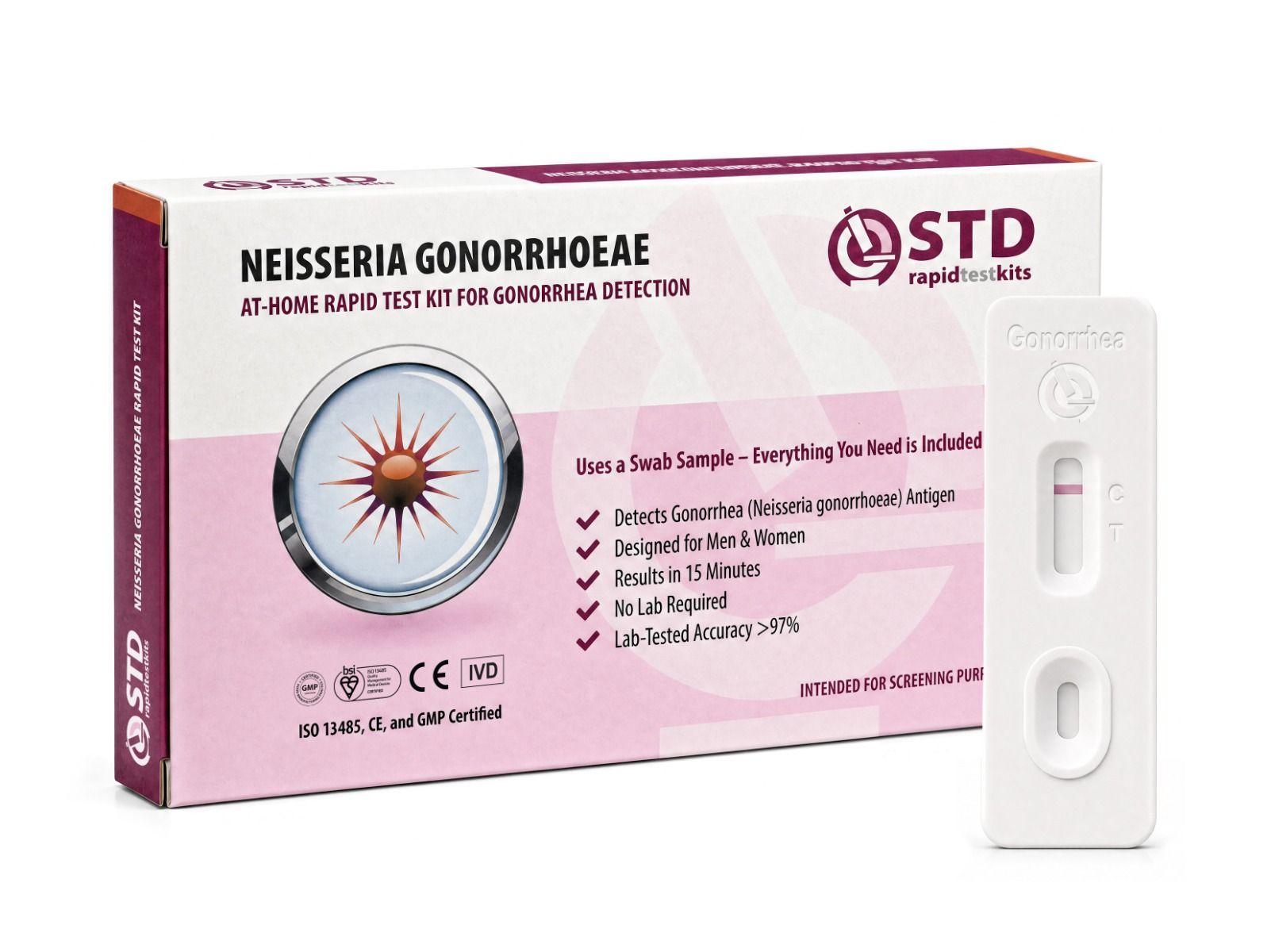
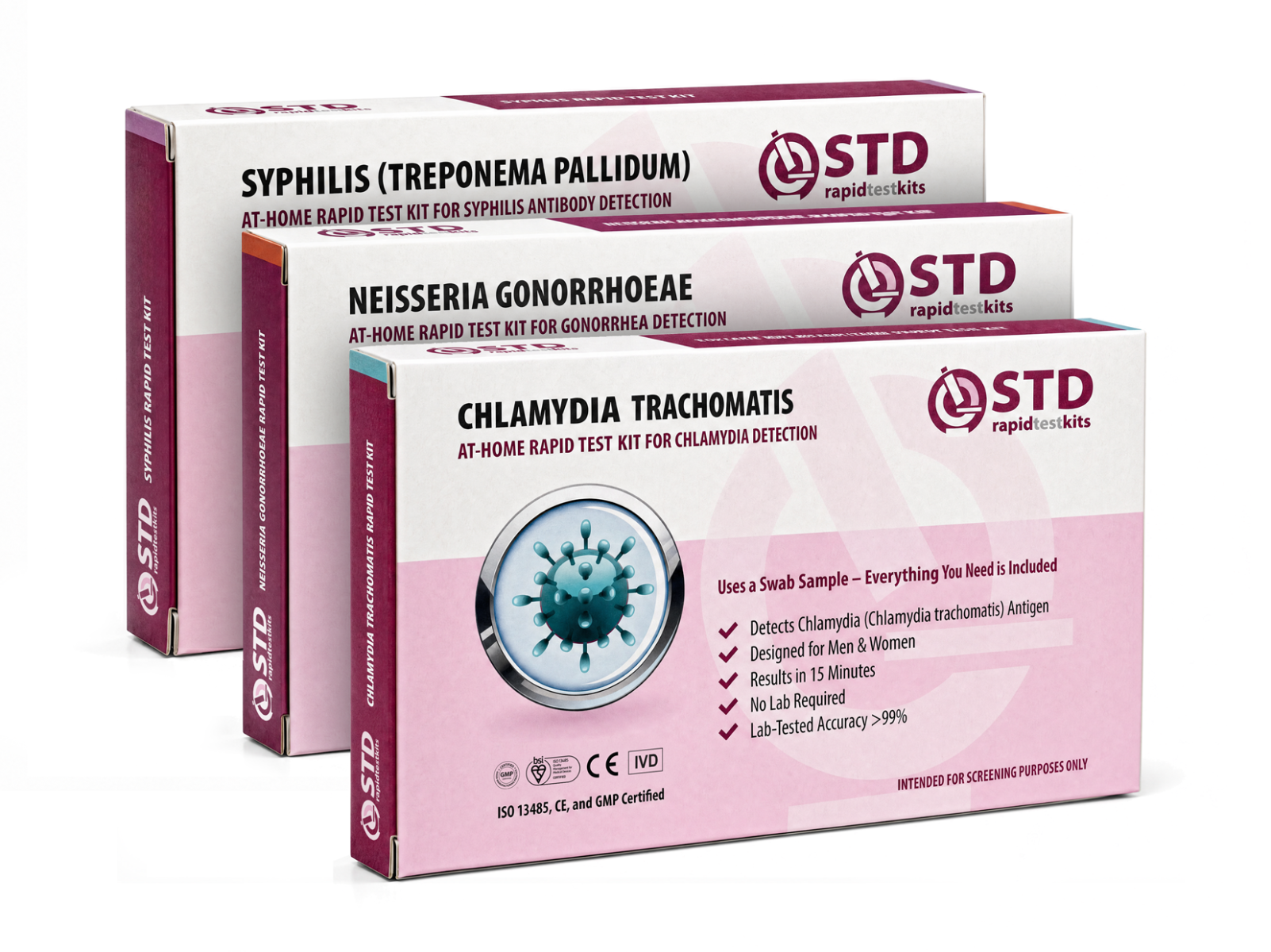
For our home-testing readers, this matters in a specific way. Disclosure: stdrapidtestkits.com sells the rapid gonorrhea swab kit described in this article. Our at-home rapid gonorrhea kit uses a self-collected genital swab (vaginal or penile) and detects urogenital infection. If your exposure included oral or anal sex, a clinic visit for throat or rectal swab testing is still the right tool. We do not sell a pharyngeal or rectal swab kit; a positive at-home urogenital result does not rule out a separate throat or rectal infection.
Zoliflodacin's FDA approval does not cover pharyngeal or rectal gonorrhea. Those infections still require ceftriaxone and a clinic visit, even if a partner was treated with the new oral pill. Our at-home rapid swab tests urogenital infection only.
Why super gonorrhea made this approval urgent
The phrase super gonorrhea is shorthand for strains of N. gonorrhoeae that resist multiple antibiotic classes, including the last reliable workhorse. The bug has burned through sulfonamides, penicillins, tetracyclines, macrolides, and fluoroquinolones in succession over the past 80 years. By 2020, cephalosporins were the only remaining first-line option in CDC and WHO guidance (CDC Drug-Resistant Gonorrhea).
Globally, gonorrhea is enormous. The WHO estimates 82 million new cases occurred in 2020 alone, with the highest incidence in the African and Western Pacific regions (WHO multi-drug-resistant gonorrhoea). The volume of infection is what creates evolutionary pressure: every untreated or partially treated case is a chance for the bacterium to acquire a resistance mutation and pass it on. Verified clinical treatment failures to ceftriaxone have already been reported in Australia, France, Japan, Slovenia, Sweden, and the United Kingdom (WHO multi-drug-resistant gonorrhoea), even though the United States has not yet confirmed one in routine surveillance.
Adding a structurally unrelated antibiotic to clinical practice does two things at once. First, it gives clinicians an option when a resistant strain emerges. Second, it slows down resistance to the older drug, because the new drug can carry some of the treatment load. Public-health agencies tend to favor holding zoliflodacin in reserve for situations where it is clearly needed, rather than blanket-replacing ceftriaxone overnight. Stewardship and resistance run in opposite directions: rotate antibiotics too aggressively and resistance simply chases the new one too.
Gonorrhea has developed resistance to nearly all the antibiotics used for its treatment. We are currently down to one last recommended and effective class of antibiotics, cephalosporins, to treat this common infection.
Side effects and tolerability: what to expect
Both drugs have well-characterized side effect profiles, and for most people they are mild and short-lived.
Ceftriaxone is a deep intramuscular injection, typically into the gluteus muscle. Many patients describe the injection itself as briefly painful, followed by local soreness for up to a day or two. Beyond the injection site, side effects are uncommon at the single 500 mg dose: occasional diarrhea, mild headache, or fatigue. Allergic reactions are the main safety concern; patients with a documented severe penicillin or cephalosporin allergy need an alternative regimen, which a clinician will select based on the individual case.
Zoliflodacin is taken by mouth as a single 3 g oral suspension, so there is no injection-site discomfort to manage. In the Phase 3 trial summary, the most common treatment-emergent events were headache (reported by roughly one in ten participants), transient reductions in certain white blood cell counts, and gastrointestinal symptoms such as loose stools or nausea. None of these were severe enough in the trial to be flagged as serious adverse events. Because the drug is new in clinical use, long-term safety data will continue to accumulate; clinicians and the FDA will track real-world adverse event reports as prescribing volume scales up.
For patients, the most practical difference is logistical. A single oral dose given in the same visit as the diagnosis can simplify the cascade from positive test to completed treatment, particularly for people who would otherwise need a separate appointment for an injection. That convenience matters for sticking with treatment, and treatment adherence is one of the levers that bends the resistance curve downward.
Will zoliflodacin replace ceftriaxone everywhere?
Probably not, and probably not soon. The clinical and public-health communities have several reasons to keep both in active use. Ceftriaxone still works in the overwhelming majority of cases, and its label covers more anatomic sites than zoliflodacin does. Trial data on zoliflodacin for pharyngeal and rectal infections will need to mature before guideline writers can expand its role. Cost, supply, and global access also matter: ceftriaxone is generic, cheap, and widely distributed; a newly approved branded antibiotic takes time to reach every clinic that needs it.
The likely near-term pattern is dual availability. Ceftriaxone remains the workhorse for most cases, including throat and rectal infections. Zoliflodacin becomes the option when a ceftriaxone-resistant strain is identified, when a patient cannot tolerate the injection, when delivery logistics complicate the shot (rural clinics, mobile health programs), or when expanded indications eventually open up. Updated CDC treatment recommendations will follow the usual process: a careful review of evidence followed by formal guidance, rather than a same-day switch.
Which drug, when
- Zoliflodacin first-line when: a ceftriaxone-resistant strain is confirmed, the patient cannot tolerate the injection, or delivery logistics rule out a clinic shot.
- Ceftriaxone still required for: pharyngeal infection, rectal infection, complicated gonorrhea, disseminated gonococcal disease, and pelvic inflammatory disease.
- For most uncomplicated urogenital cases in 2026: either drug is reasonable; the choice is usually clinician-led and shaped by local guidance, allergy history, and access.
Testing first: the part that does not change
A new antibiotic is downstream of the same upstream question every reader has to answer: am I infected, and if so, where? Gonorrhea is often silent. Per CDC patient guidance, most women with gonococcal infection have no symptoms at all, and asymptomatic infection at the throat and rectum is common across genders. Silent infections are the ones that quietly drive transmission and give the bug more chances to develop resistance.
Testing windows depend on the technology. Lab-based nucleic acid amplification tests (NAATs) generally detect gonorrhea about one to two weeks after exposure, in line with standard CDC STI screening practice. Home-use rapid lateral-flow swab tests follow similar timing for symptomatic urogenital infection. Testing too soon after a known exposure can produce a false negative, which is why a single negative result close to exposure is not the same as an all-clear; a repeat test, or a clinic NAAT, may still be appropriate if exposure risk was high.
How soon after exposure can I test for gonorrhea?
Most rapid and lab tests reliably detect gonorrhea about 1 to 2 weeks after a possible exposure. Testing earlier than that can miss a new infection. If symptoms appear sooner, test sooner anyway and retest at the 2-week mark to confirm. Throat and rectal exposure require a separate swab at a clinic; our at-home kit covers urogenital infection only.
Prevention still does the heavy lifting
No antibiotic, however clever its mechanism, gets ahead of resistance if transmission keeps accelerating. Three things remain the strongest tools against gonorrhea, and they were the right tools before zoliflodacin and they are still the right tools now. Prevention is unglamorous, and that is precisely why it works. The drugs are a backstop for when prevention fails, not the primary plan.
The three tools that actually move the needle
- Barrier protection during sex: condoms and dental dams meaningfully reduce gonorrhea transmission across vaginal, anal, and oral sex when used correctly and consistently. The gap between perfect use and consistent use is wide enough that consistency carries most of the value.
- Routine testing: annual testing is the CDC's baseline for sexually active people under 25, and for older adults with new or multiple partners, or partners with a known STI history. Quarterly testing is reasonable for people with higher exposure patterns. Home-use rapid kits make the cadence easier to keep up.
- Partner notification and concurrent treatment: when a positive test happens, telling recent partners so they can test (and treat) closes the loop that would otherwise let reinfection bounce back. Many regions offer anonymous notification services if direct conversation feels too hard.
Frequently asked questions
- Is zoliflodacin FDA approved as of 2026?
- Yes. The FDA approved zoliflodacin under the brand name NUZOLVENCE on December 12, 2025, for uncomplicated urogenital gonorrhea in adults and adolescents 12 years and older who weigh at least 35 kg. It is the first new chemical class of antibiotic approved for gonorrhea in roughly 30 years.
- Can I get zoliflodacin instead of the ceftriaxone shot?
- Sometimes. Zoliflodacin is an alternative for uncomplicated urogenital infection. For throat (pharyngeal) or rectal gonorrhea, complicated infection, or pelvic inflammatory disease, ceftriaxone remains the standard. A clinician will match the drug to the site of infection.
- Does zoliflodacin work against drug-resistant strains?
- It targets a different bacterial enzyme than cephalosporins, so strains that resist ceftriaxone are not automatically protected from zoliflodacin. The Phase 3 trial included isolates with reduced susceptibility to older drugs, and zoliflodacin retained activity. Long-term resistance trends will need monitoring as real-world use expands.
- Can gonorrhea go away on its own?
- No. Untreated gonorrhea can clear at one site and persist at another, but the typical course is chronic infection that risks pelvic inflammatory disease, infertility, epididymitis, disseminated gonococcal infection, and increased HIV acquisition risk. It always needs antibiotic treatment, even when symptoms are absent.
- How soon after sex can I test for gonorrhea?
- Two weeks post-exposure is the practical cutoff for both rapid swabs and lab NAATs. Before day seven, bacterial load is often below the detection threshold even in an established infection, so an early negative is not the same as an all-clear. Symptoms appearing sooner are worth testing immediately, but a confirmatory retest at the two-week mark is still advisable if the first result is negative. For oral or anal exposure, request a throat or rectal swab from a clinic; our at-home kit covers urogenital infection only.
- Can I get gonorrhea again after being treated?
- Yes. Treatment cures the current infection but does not provide future immunity. Reinfection is common when a recent sexual partner has not also been tested and treated, or after a new exposure. Partner notification and a repeat test at three months after treatment are both reasonable steps.
- Are at-home gonorrhea tests reliable?
- Lateral-flow rapid swab tests perform well for symptomatic urogenital infection when used correctly and at the right time after exposure. They are useful for screening, privacy, and speed. A positive at-home result should be confirmed by a clinic NAAT before treatment, and a negative result close to a high-risk exposure should be repeated.
- Does using a condom fully prevent gonorrhea?
- Condoms substantially reduce risk across vaginal, anal, and oral sex when used correctly and consistently, but they do not eliminate it. Gonorrhea can transmit via contact with secretions on uncovered skin or mucous membranes. Combining condoms with regular testing and partner communication is more effective than any single measure alone.
- U.S. Centers for Disease Control and Prevention. Drug-Resistant Gonorrhea: current status of cephalosporin susceptibility, the single 500 mg ceftriaxone recommendation, and ongoing resistance surveillance in the United States.
- World Health Organization. Multi-drug-resistant gonorrhoea fact sheet: 82 million new global cases in 2020, documented ceftriaxone treatment failures in Australia, France, Japan, Slovenia, Sweden, and the United Kingdom, and the global resistance trend.
- Innoviva Specialty Therapeutics, press release dated December 12, 2025. FDA approval of NUZOLVENCE (zoliflodacin) as a single-dose oral antibiotic for uncomplicated urogenital gonorrhea in patients aged 12 and older, weighing 35 kg or more; Phase 3 trial of 930 patients across 16 sites in Belgium, the Netherlands, South Africa, Thailand, and the United States; non-inferiority to ceftriaxone-plus-azithromycin.
- U.S. Centers for Disease Control and Prevention. About Gonorrhea: transmission via vaginal, anal, and oral sex; asymptomatic infection at urogenital and extragenital sites; increased HIV acquisition risk in active mucosal infection.
- Pharmacy Times. Editorial coverage of the FDA approval of zoliflodacin, summary of mechanism of action (topoisomerase inhibitor in the spiropyrimidinetrione class) and broader clinical context for the new oral regimen.
- Global Antibiotic Research and Development Partnership (GARDP). Background on the not-for-profit Phase 3 trial sponsorship and the public-private collaboration that developed zoliflodacin for global access.
