







Quick Answer: Yes, you can get an STD without penetration. Oral sex, genital rubbing, sharing sex toys, and even kissing can transmit certain infections like herpes, chlamydia, or HPV.
Who This Article Is For (And Why It Matters)
If you’ve ever been blindsided by a test result, this article is for you. If you’ve sat with the question “how did I get an STD if I didn’t even have sex?”, you’re not alone. This guide is also for the folks navigating new relationships, testing after a close-call hookup, or worried about a sore that showed up days after oral. And it’s especially for those who still equate “no penetration” with “no risk.”
Here’s the truth: intimacy looks different for everyone. Whether you’re experimenting, taking things slow, or keeping it casual, your risks don’t always match your assumptions. Skin, saliva, fluids, and toys, these are all ways infections can spread, even when sex isn’t “all the way.” Understanding that is key to protecting your health and removing the shame from testing. Because testing isn’t just smart, it’s self-care.
How STDs Spread Without “Real” Sex
Let’s be clear: many STDs don’t need penetration to get from person to person. They just need contact, skin to skin, mouth to genitals, fluids to mucous membranes. And that means activities like oral sex, dry humping, mutual masturbation, and even kissing can be enough to transmit an infection.
Take herpes, for example. Oral herpes (HSV-1) can be passed through kissing, and genital herpes (HSV-2) spreads through skin-to-skin contact. You don’t need ejaculation. You don’t need to “go inside.” You just need close, unprotected friction, and sometimes not even that. According to the CDC, herpes can spread even when no visible sores are present.
HPV (human papillomavirus), one of the most common STIs globally, is often spread through genital contact without penetration. It can also live on shared sex toys. Same with chlamydia and gonorrhea, which can infect the throat during oral sex or the rectum through external contact. Even syphilis can enter through microscopic cuts in the skin during kissing or rubbing.
Table: Common STDs and Their Non-Penetrative Transmission Routes
| STD | Can Spread via Oral Sex | Can Spread via Skin-to-Skin | Can Spread via Kissing | Can Spread via Shared Toys |
|---|---|---|---|---|
| Herpes (HSV-1 & HSV-2) | Yes | Yes | Yes (HSV-1) | Yes |
| HPV | Yes | Yes | Rarely | Yes |
| Chlamydia | Yes | No | No | Yes |
| Gonorrhea | Yes | No | No | Yes |
| Syphilis | Yes | Yes | Yes (via open sores) | Possible |
| HIV | Yes (rarely from oral) | No | No | Unlikely but possible |
| Trichomoniasis | Uncommon | No | No | Yes |
Figure 1. This table outlines common STDs and how they can be transmitted during non-penetrative sexual activities like kissing, grinding, and using shared sex toys.
“But We Didn’t Even Have Sex!”, Real Stories, Real Risks
Jordan was 23, a self-described “late bloomer,” and careful about everything. No intercourse, always asked about protection. But when a burning throat and swollen lymph nodes hit a week after a hookup, they tested positive for gonorrhea of the throat. The cause? Oral sex, no condom.
In another story, Ava and her girlfriend had been exclusive for months. No one else, no penetrative sex, just hands, mouths, and the occasional toy. Ava got tested on a whim and found out she had chlamydia. They traced it back to a toy used without a condom during a past relationship. It had been cleaned, but not sanitized. That detail changed everything.
These aren’t rare edge cases. According to a 2022 study in the journal Sexually Transmitted Infections, rates of oral and anal STDs have been rising among populations reporting low or no vaginal intercourse. The routes are there, what’s missing is the education.
And that absence creates more than risk, it creates shame. People feel dirty, foolish, or lied to when they test positive after what they thought was “safe” or “non-sexual” contact. This stigma isn’t just emotional, it delays care, discourages partner notification, and fuels misinformation. Busting these myths isn’t just about clarity, it’s harm reduction.

People are also reading: Can You Get an STD from Kissing, Grinding, or Oral?
Oral, Grinding, and Toys: The Transmission Paths No One Talks About
Let’s walk through what actually happens during these overlooked activities:
Oral sex: Most people skip condoms or dental dams here, thinking it’s low risk. But chlamydia, gonorrhea, herpes, syphilis, and HIV can all be passed through mouth-genital contact. Even flossing right before oral increases the chance of transmission by opening small cuts in the gums.
Grinding or “dry humping”: If one partner has a herpes sore or HPV wart, even on skin not covered by a condom, rubbing together can be enough for the virus to transfer. Same goes for skin touching areas near the genitals like the inner thighs or buttocks.
Shared sex toys: If a toy goes from one person to another without a new condom or proper disinfection, infections can linger on the surface and move between users. Even silicone toys can retain fluids in micro-pores, especially if they’re not boiled or cleaned with medical-grade cleaner.
So no, “we didn’t have sex” isn’t the shield it seems. It’s time we retire that phrase, and replace it with better questions like, “Was there contact?” “Were barriers used?” and “Have we tested recently?”
Check Your STD Status in Minutes
Test at Home with Remedium8-in-1 STD Test Kit
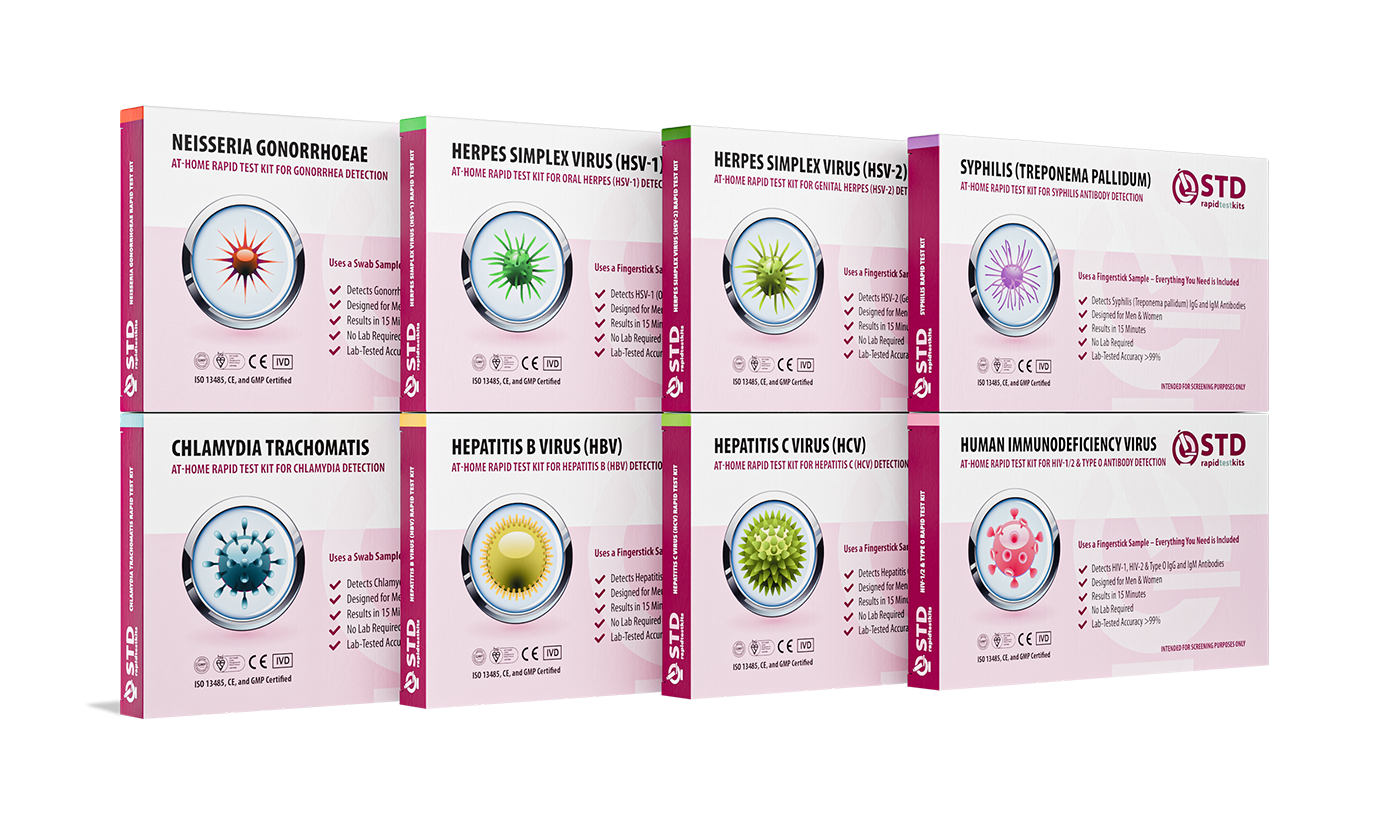
 For Men & Women
 Results in Minutes
 No Lab Needed
 Private & Discreet
Order Now $149.00 $392.00
For all 8 tests
How Long After Non-Penetrative Contact Should You Test?
Timing matters. Whether it’s oral sex, skin contact, or toy use, every STD has a “window period”, the time between exposure and when it shows up on a test. Testing too early might give you a false negative, even if you’re infected. That’s not just frustrating, it can be dangerous if you think you’re in the clear and stop taking precautions.
Let’s say you had unprotected oral sex last night. A test today might not detect anything. But that doesn’t mean you’re safe. It means it’s too soon. You may need to wait days, or even weeks, before a test can accurately detect certain infections. In fact, Mayo Clinic guidelines recommend testing for chlamydia and gonorrhea at least a week after exposure, and up to 3 months for HIV depending on the test type.
We know it’s hard to wait. One reader, Quinn, took a test three days after giving oral sex during a hookup at a party. It came back negative. But a sore throat lingered, and a second test two weeks later showed positive for gonorrhea. That gap, the window, makes all the difference.
Table: STD Testing Windows After Non-Penetrative Exposure
| STD | Minimum Time Before Testing | Ideal Testing Window | Type of Test |
|---|---|---|---|
| Chlamydia | 5–7 days | 2 weeks | NAAT (urine/throat swab) |
| Gonorrhea | 5–7 days | 2 weeks | NAAT (urine/throat swab) |
| Syphilis | 3 weeks | 6–12 weeks | Blood antibody test |
| Herpes (HSV-1/2) | 7 days (if symptomatic) | 2–12 weeks (if asymptomatic) | Swab or blood test |
| HPV | Months (no routine test for men) | 6+ months for detection | Pap smear / DNA test (cervix) |
| HIV | 10–33 days (NAAT) | 1–3 months (Ag/Ab test) | Blood or oral fluid |
| Trichomoniasis | 5–7 days | 1–4 weeks | NAAT or rapid antigen |
Figure 2. Window periods vary widely depending on the STD and test type. Testing too soon may produce false negatives, even if you’ve been infected.
What Testing Looks Like for Non-Penetrative Risk
Let’s say you’ve had oral sex, used a toy with a partner, or had close genital contact, now what? Here’s what happens next: if it’s been a week or more, you can take a test at home or through a clinic. You’ll likely be using a NAAT test, which looks for the genetic material of infections like chlamydia or gonorrhea. These tests are highly sensitive and work well for oral or rectal swabs, urine, or vaginal samples.
For herpes, a swab test is best if there’s an active sore. Otherwise, a blood test might be used, but those can’t always tell when you were infected or if symptoms will appear. That’s why timing and context matter so much. If you’re confused about whether your symptoms line up with your timeline, it’s okay to test more than once.
And here’s where we come in. You can order an at-home combo test kit to check for multiple STDs discreetly. No waiting rooms, no awkward questions, just clarity, quickly. If you’ve had any type of sexual contact and you’re unsure, testing is a smart move. Not because you're dirty or reckless, but because you care enough to check.
“But I Used Protection…” , Why Condoms Aren’t Perfect
This part can feel especially frustrating. You did what you were told. You used a condom or dental dam. You were careful. And you still tested positive.
Condoms work, really well, in many cases. According to CDC data, they reduce the risk of HIV by around 80% and are highly effective for chlamydia, gonorrhea, and trichomoniasis. But they don’t cover everything. Skin around the genitals, mouth, or inner thighs isn’t protected. That’s how herpes and HPV slip through. Even with oral sex, unless you’re using barriers consistently (and most people don’t), the risk is real.
And let’s be honest, barrier methods are often skipped during spur-of-the-moment encounters. A one-time decision, a little alcohol, or just not having a dam on hand, that’s all it takes. That’s not failure. That’s human. The solution isn’t guilt, it’s knowledge and better tools.
Why This Conversation Still Feels Taboo
There’s a reason you probably didn’t learn this in school. Sex ed in most places skips over oral sex. It ignores queer sex. It treats virginity like a switch you flip, not a spectrum of experiences. And so, when someone like Kai, Ava, or Jordan gets an STD without “having sex,” they feel broken. Tricked. Alone.
This silence doesn’t protect anyone, it only causes harm. It leads people to test late, assume false safety, or delay treatment because their experiences don’t match what they were taught to fear. STDs aren’t punishments. They’re infections. They spread through contact, not judgment.
Breaking that silence means being honest: most people don’t use protection for every sexual act. Most people don’t define sex the same way. And that’s okay, as long as we equip each other with real tools to navigate risk and recovery. This article is one of those tools.
What If You Test Positive Without “Having Sex”?
The moment that positive result hits, it doesn’t matter how “safe” you thought you were. There’s a gut punch, a mix of confusion, anger, and deep embarrassment. But here’s what no one tells you: testing positive without intercourse is not rare, and it doesn’t mean you did anything wrong. It means you trusted your partner. It means your understanding of risk was incomplete, not your morals, not your intelligence.
Let’s start there: you are not dirty. You are not broken. And you don’t have to carry this alone. The next steps are surprisingly simple, even if your emotions aren’t.
If you used an at-home test and got a positive result for chlamydia, gonorrhea, or trichomoniasis, the next step is treatment, usually a simple antibiotic. Most urgent care centers and telehealth platforms can help. You can also seek confirmatory testing, especially for herpes or syphilis, where timing can affect accuracy. And yes, you can order a discreet confirmatory test from home if visiting a clinic isn’t an option.
Then comes the hardest part: telling your partner(s). But here’s what makes that easier, knowing that most people are understanding. STDs are far more common than we admit. Many people have them without knowing, and many get them without ever having “full” sex. Frame it like this: “I just found out I have [infection]. I didn’t know before, and I want you to be safe too.” That’s not shame. That’s care.
Case Snapshot: From Panic to Plan
Nina, 21, was a college junior when she got tested after noticing some unusual vaginal itching. She’d only had oral sex with her new partner and had never had penetrative sex. Her results? Positive for trichomoniasis. Her first thought was panic, then shame. But with help from a nurse on a telehealth app, she got treatment that day. She texted her partner, explained without blame, and he got tested too. Negative. They stayed together. They now use dental dams. No drama. Just growth.
What Nina learned, and what you might too, is that STD testing doesn’t ruin relationships. It reveals who’s worth keeping around. It teaches care, not punishment.
What About Emotional Recovery?
Testing positive hits differently when you didn’t think you were even at risk. For many people, especially those in queer, celibate, or slowly-intimate relationships, it can feel like a betrayal, not just by a partner, but by your own body. This is normal. So is grief, anger, or shame. But those feelings don’t get the final say. You do.
Recovery isn’t just about medication, it’s about reclaiming your story. Your body is not ruined. You are not now “used up.” You are not less desirable. And anyone who makes you feel otherwise doesn’t deserve access to your body again. Period.
Consider journaling or talking with a therapist if you’re spiraling. If you don’t have access to mental health support, there are free hotlines and text services where trained counselors can talk you through the waves. Healing isn’t just physical, it’s layered. And you’re allowed to take your time.
People are aslo reading: Can You Get an STD from Oral Sex?
How Private Is At-Home STD Testing, Really?
Extremely. Every order from STD Rapid Test Kits is shipped in plain packaging, no one will know what’s inside unless you tell them. Billing is discreet. No clinic visits. No waiting rooms. You take your test at home and get results in minutes, or in a few days depending on the kit. And you decide when (or if) to share them.
For many readers who live with roommates, in dorms, or with unsupportive families, this option can be a literal lifeline. It allows you to take control without adding visibility. That’s not secrecy, that’s autonomy. And it matters.
If your head keeps spinning, peace of mind is one test away. Order your combo STD test here and get answers without judgment.
Check Your STD Status in Minutes
Test at Home with Remedium7-in-1 STD Test Kit
 For Men & WomenResults in MinutesNo Lab NeededPrivate & Discreet
Order Now $129.00 $343.00
For all 7 tests
Who Is Most at Risk, and Most Overlooked?
You’d be surprised. People often assume “low-risk” means “no risk,” but that’s how transmission thrives. Teens and young adults are among the most affected by STDs, but also the most under-tested, especially when they’ve never had penetrative sex. Queer folks, especially lesbian and bi women, are often told they don’t need to test unless there’s a penis involved. That’s not just wrong, it’s dangerous.
Even people in monogamous relationships may carry STDs from earlier exposures or unknowingly pass infections between each other if one partner was exposed before getting tested. This doesn’t mean someone cheated. It means we’ve all been let down by silence and bad sex ed. Testing is not an accusation. It’s a baseline for care.
The good news? At-home testing makes that care easier, faster, and less intimidating. You don’t need a doctor’s permission to know your status. You don’t need “real sex” to have a reason to check. You just need a few minutes, and the willingness to know.
FAQs
1. Can I really get an STD if we didn’t “have sex”?
Yep, 100%. If your idea of “sex” means penetration, then a lot of people fall into this trap. STDs don’t care about definitions. If there was skin-to-skin contact, oral sex, genital rubbing, or even toy sharing, there was risk. It’s not about what you call it, it’s about how close you got and what touched what.
2. What’s the deal with herpes and kissing? Is that even real?
Totally real. HSV-1, the strain behind most cold sores, can be passed through a kiss, especially if someone has a sore or is shedding the virus (which they might not even know). That means kissing someone with a cold sore can absolutely lead to oral herpes, which can later show up genitally too. It’s not “gross.” It’s just biology doing what biology does.
3. I only gave oral sex. Should I still test?
Yes. Oral sex might seem low-stakes, but it’s a solid transmission route for gonorrhea, chlamydia, syphilis, and even herpes or HIV in some cases. If you’ve got a sore throat that won’t quit or swollen lymph nodes after a hookup, a throat swab might tell you more than cough drops ever could.
4. Wait, I’ve never had penetrative sex, how could I have chlamydia?
We hear this one a lot. If you’ve had oral, shared toys, or rubbed genitals together without a barrier, chlamydia is still on the table. It’s sneaky and often symptom-free. You didn’t do anything wrong, you just didn’t have all the facts. Now you do.
5. Do sex toys really carry STDs?
Yes, especially if they’re passed between partners without cleaning or without using a fresh condom. Fluids and bacteria can linger on surfaces, even if they look clean. Think of it like a toothbrush, just because it’s not visibly dirty doesn’t mean you’d want to share it after someone else used it. Same idea, way higher stakes.
6. How long do I have to wait before testing actually works?
It depends on what you’re worried about. Most bacterial STDs like chlamydia or gonorrhea show up in about a week, but testing at 2 weeks is safer. Viral stuff like herpes or HIV might take longer. We covered this in the main article with a full table, scroll back for the full lowdown.
7. I used protection. Why did I still test positive?
You probably did everything “right”, and it still happened. Condoms are great, but they don’t cover everything. Infections like herpes and HPV live on skin around the genitals, not just where the condom goes. Plus, let’s be honest, most people skip protection during oral. It’s not your fault. It’s just reality. Now you deal with it and move forward smarter.
8. Does testing mean I have to tell my partner everything?
Nope. Testing is for you, first and foremost. If the result is negative, it’s your private win. If it’s positive and they might’ve been exposed, then yes, it’s kind to loop them in so they can protect themselves too. But how much you share and how you say it? That’s yours to decide. We’ve even got anonymous notification tools if you want to keep it low-key.
9. I’m terrified I’ll be judged for testing or testing positive. Is that normal?
Unfortunately, yes, but it shouldn’t be. That fear is rooted in shame, not truth. Getting tested means you care. Testing positive means your body did what bodies do. Anyone who shames you for taking responsibility for your health isn’t someone whose opinion should carry weight in your life. This isn’t about guilt. It’s about care, starting with yourself.
10. What’s the easiest way to test without dealing with clinics?
At-home kits. No doctor’s office, no clipboard, no waiting room. Just discreet shipping, a test you take in private, and results fast. If you’re overwhelmed, start with a combo test. It checks for the most common STDs, and you can breathe easier knowing you’ve got answers.
You Deserve Answers, Not Assumptions
If you take one thing from this article, let it be this: you don’t need to meet someone else’s definition of sex to justify your concern. If something happened and now you’re worried, that’s enough. And if you tested positive without “going all the way,” it doesn’t mean you were reckless, it means sex, and risk, are more complicated than we’re taught.
Don't wait and wonder; get the answers you need. This at-home test kit checks for the most common STDs quickly and without drawing attention to itself. Peace of mind in a matter of minutes, not months.
How We Sourced This Article: We combined current guidance from leading medical organizations with peer-reviewed research and lived-experience reporting to make this guide practical, compassionate, and accurate.
Sources
1. Planned Parenthood: STDs, HIV & Safer Sex
3. CDC: About Genital HPV Infection
4. CDC: Genital Herpes — Fact Sheet
5. MedlinePlus: Sexually Transmitted Infections
6. Cleveland Clinic: Sexually Transmitted Infections
7. Healthline: Can You Get an STD Without Having Sex?
8. CDC: Condom Effectiveness — STI Prevention
About the Author
Dr. F. David, MD is a board-certified infectious disease specialist focused on STI prevention, diagnosis, and treatment. He combines clinical accuracy with a straightforward, sex-positive attitude and is dedicated to making his work available to more people, both in cities and in rural areas. Dr. David is known for taking complicated medical information and turning it into language that is easy to understand and that gives people power, teaches them, and breaks down shame around sexual health.
Reviewed by: J. Alvarez, NP-C | Last medically reviewed: November 2025
This article is just for information and doesn't take the place of medical advice.


