Published: November 2025 | Last updated: May 2026 | Editorial review and quality control: Martina N.
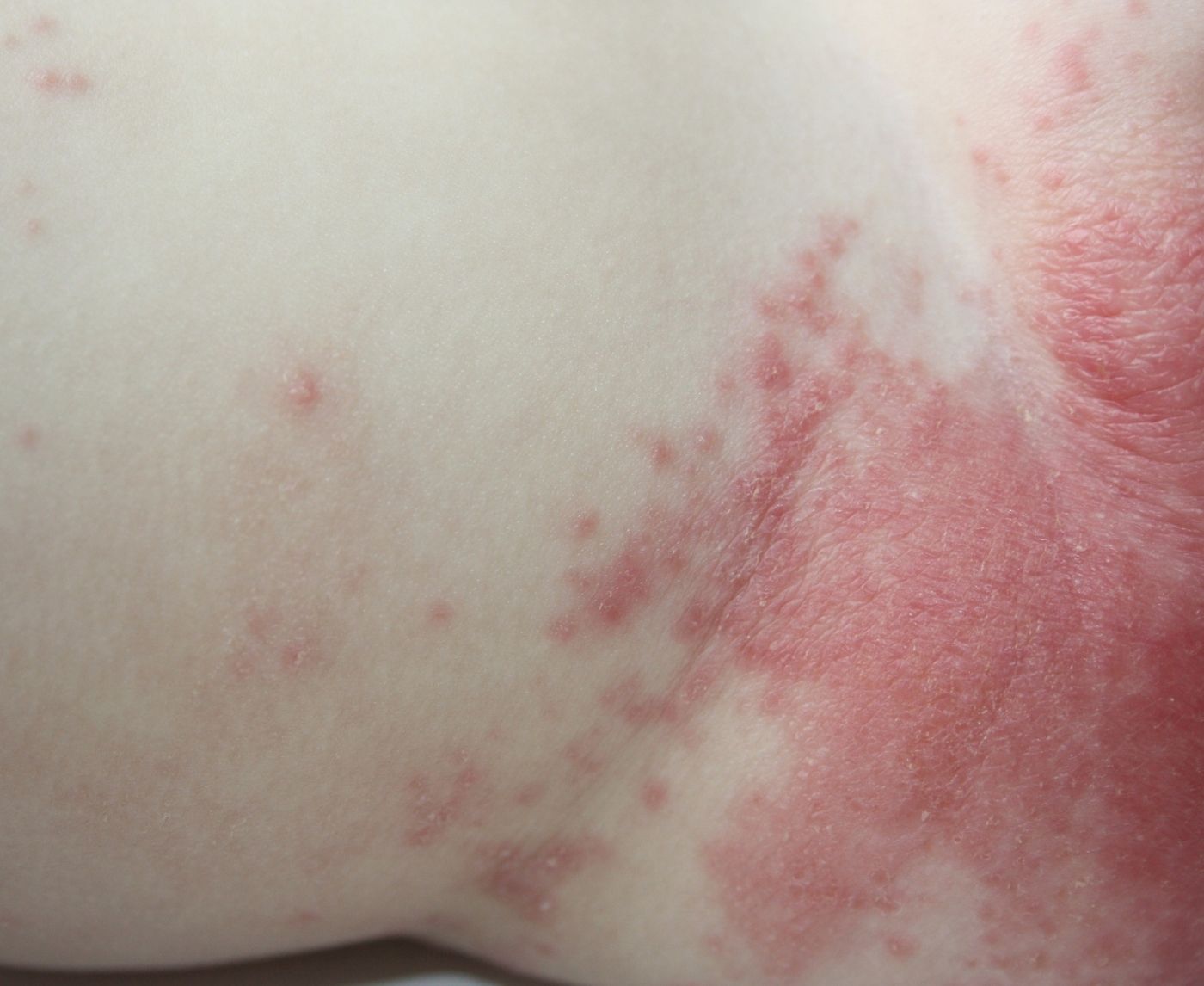
A red patch shows up on your skin a few days after a hookup, no itch, no blister, and four days later it's gone and you almost forget about it. That sequence, rash appears, rash fades, worry fades, is one of the most common reasons people skip an STD test they probably should have taken.
Some sexually transmitted infections trigger a short, mild rash and then move deeper into the body, where they keep replicating, keep being transmissible, and keep causing damage. Syphilis, herpes, and acute HIV all behave this way. The visible response can be brief; the actual infection is not.
This article walks through what an STD-related rash that has already faded can still mean, which infections to think about based on what your skin did, when each test becomes accurate, and what to do if it has been days, weeks, or months since the rash disappeared. The goal is calm, specific information so you can decide what to test for and when, instead of guessing from a rash that might never come back.
Key takeaways
- An STD rash can disappear within days while syphilis, herpes, and HIV stay active and transmissible inside the body.
- If you had a rash after recent unprotected sex, the right move is testing on the correct timeline, even if your skin looks completely normal now.
Why an STD rash can vanish while the infection stays
Most rashes are an immune-system signal rather than a measure of how much pathogen is left in the body. When skin reacts to an invading bacterium or virus, it can flare with redness, blisters, or maculopapular spots, then settle as your immune cells push the visible inflammation back down. The bug itself is often unaffected by that surface calm.
Three infections are especially good at this disappearing trick.
Syphilis. The first sign of syphilis is usually a single firm, painless sore (a chancre) at the contact site. According to the CDC's syphilis overview, this primary lesion heals on its own in a few weeks whether or not you treat it. Untreated, the bacterium Treponema pallidum moves into the bloodstream. Weeks to months later, secondary syphilis can appear: a rough copper-red rash, often on the palms and soles, sometimes mucous patches, sometimes patchy hair loss. That rash also fades. The infection then enters a latent phase that can last years before damaging the heart, brain, or nervous system.
Genital herpes (HSV-1 and HSV-2). An initial outbreak may be a tight cluster of small blisters that ulcerate and crust over in 1 to 2 weeks. After that, the virus retreats up nerve fibers and lies dormant in nerve ganglia. Recurrences vary widely; some people have one outbreak ever, others have several a year. Even when no blister is visible, the virus can shed from skin and mucosa and infect a partner. Asymptomatic shedding is now considered a major driver of HSV transmission.
Acute HIV. Two to 4 weeks after exposure, most newly infected people develop flu-like symptoms during what the CDC describes as acute HIV infection: fever, sore throat, swollen lymph nodes, and sometimes a flat, pink-to-red rash on the trunk. The rash usually fades within several days. Viral load during this window is at its highest, so this is also when transmission risk to partners is highest.
Most people who have syphilis don't know they have it. Without treatment, syphilis can spread to the brain and nervous system, the eye, or the ear and result in long-term complications.
Which STDs commonly cause skin changes
Not every STD leaves a visible mark, and the marks they do leave are easy to mistake for friction, eczema, ingrown hairs, heat rash, or an allergic reaction. The table below summarizes the most common patterns and, importantly, whether you can still pass the infection on after the skin clears. If your rash matched any of these patterns, even briefly, it is worth checking the timeline of any recent unprotected sex and testing on the right window. You don't need to panic. You do need a plan.
| Infection | Typical skin sign | How long it lasts | Still infectious after it clears? |
|---|---|---|---|
| Syphilis (primary) | Single painless firm sore (chancre) at contact site | 3 to 6 weeks | Yes. Bacterium continues to spread internally. |
| Syphilis (secondary) | Copper-red maculopapular rash, often on palms and soles | 2 to 6 weeks | Yes, until treated with penicillin. |
| Genital herpes (HSV) | Cluster of small painful blisters that ulcerate and crust | 1 to 2 weeks | Yes. Asymptomatic viral shedding can occur between outbreaks. |
| Acute HIV | Flat pink-to-red trunk rash with flu-like symptoms | Several days | Yes. Viral load is highest in this acute phase. |
| Disseminated gonorrhea | Few scattered pustules on hands or limbs, sometimes with joint pain | Days to weeks | Yes, until treated. |
| Reactive arthritis (post-chlamydia) | Rarely, scaling rash on palms or soles | Variable | Yes, if the underlying chlamydia is untreated. |
Testing after a rash: when each result becomes reliable
The biggest mistake people make after an STD-related rash fades is testing too soon, getting a negative, and assuming they're done. Tests detect either the pathogen itself or the antibodies your body builds against it. Both take time after exposure to reach a level the test can pick up. That gap between exposure and reliable detection is the window period.
Test too early and you can get a false negative while still being infectious. Test on the right timeline and the result actually means something. The table below shows the windows that matter most for the infections that cause rashes. Testing earlier than the minimum window may need a follow-up test. If more than two weeks have passed since the rash faded and the exposure that worried you, you're in a workable testing window for HIV (with a sensitive lab test), chlamydia, and gonorrhea. Herpes and syphilis antibody tests need longer to be definitive, often 6 to 12 weeks or more. If you're inside any window, a sensible approach is to test now for what's reliable and book a second test for what isn't yet.
The CDC's 2024 laboratory recommendations for syphilis testing are useful for understanding why a single negative blood test in the first few weeks after exposure isn't the end of the conversation.
| Infection | Best test type | Earliest reliable result | Most accurate window |
|---|---|---|---|
| HIV | Lab antigen/antibody combo, or NAAT for very early window | 10 to 14 days (NAAT); ~18 to 45 days (Ag/Ab combo) | 45 days post-exposure for Ag/Ab, 90 days for absolute confidence |
| Syphilis | Treponemal blood test plus non-treponemal confirmatory (RPR/VDRL) | 3 to 6 weeks | 6 to 12 weeks |
| Genital herpes (HSV-2) | Type-specific IgG antibody blood test; PCR if a sore is present | 3 to 6 weeks | 12 to 16 weeks for antibody seroconversion |
| Chlamydia | NAAT on swab or urine | About 7 days | 14+ days |
| Gonorrhea | NAAT on swab or urine | About 7 days | 14+ days |
stdrapidtestkits.com sells at-home STI testing kits. We recommend products based on fit-for-purpose for the reader's concern, not on commercial benefit. Where a clinic visit or lab confirmation is the right call, we say so plainly.
STD rash or just irritation? What you can and can't tell from the surface
Skin gets inflamed for dozens of reasons that have nothing to do with sex: heat, friction from new underwear, an aggressive shave, allergic reactions to a soap or detergent, fungal infections, eczema flare-ups, or a stress-related hive episode. Early STD rashes can mimic all of these.
Studies on the diagnostic accuracy of genital herpes specifically have shown that even experienced clinicians sometimes misread early HSV as folliculitis, ingrown hairs, yeast infection, or contact dermatitis until a swab or blood test confirms the cause. Secondary syphilis can be mistaken for psoriasis, pityriasis rosea, or a drug reaction. The acute HIV rash looks like a generic viral exanthem.
Two practical implications:
- You usually can't tell an STD rash apart from a non-STD rash by photo alone. Visible patterns help narrow the list, but they rarely close the case.
- Timing and context, especially recent unprotected sex, are the most important data points. A rash 5 to 30 days after a new partner means more than a rash three months into a heatwave.
If your skin reaction was anywhere near the timing of a possible exposure, a test on the right window is the way to know. The image gallery below shows representative clinical patterns for the three infections most likely to cause a rash that fades, plus a common non-STD comparison for orientation.
Asymptomatic doesn't mean uninfected, and it doesn't mean uninfectious
One of the harder ideas to sit with is that you can feel completely fine, look completely fine, and still be passing an STD to a partner. Public-health surveillance has shown this for decades, and it's the central reason routine screening exists.
For genital herpes, the CDC's herpes overview states explicitly that the skin can release the virus from areas without a visible sore, and that you can transmit HSV to a partner who has no idea you're infected. Longitudinal swab studies have documented viral shedding on a meaningful proportion of days between visible outbreaks, with some episodes lasting only hours and others lasting a couple of days. Condoms reduce risk but don't eliminate it because herpes can shed from skin not covered by the condom.
For syphilis, the latent stage that follows the primary chancre or the secondary rash is exactly that: latent for the person, not for the bacterium. Early latent syphilis (within the first year of infection) is generally considered transmissible to sex partners.
For chlamydia and gonorrhea, asymptomatic infection is common. The CDC's chlamydia overview notes that the infection often produces no symptoms but can still cause serious health problems. Untreated, it can lead to pelvic inflammatory disease, infertility, or chronic pelvic pain.
For HIV, viral load during acute infection (the same period when a transient rash may appear) is at its highest, which is why early acute infections account for a disproportionate share of new transmissions, even from people who feel entirely well. So if you had a possible exposure, current symptom-free skin doesn't tell you whether the infection is gone, present, or never there. A test does.
Where to test, and what each option actually does
Once you've decided to test, the choice is clinic, mail-in lab kit, or rapid at-home test. Each has trade-offs around speed, privacy, cost, and which infections it covers reliably.
Clinic-based testing. A sexual health clinic, a primary-care provider, or a community health center can do a physical exam, swab any active lesions, and send the right blood and urine samples to a lab. This is the right place to go if a sore is currently present, if you have systemic symptoms, or if you want all of HIV, syphilis, chlamydia, gonorrhea, and herpes covered with the highest-sensitivity laboratory technology available. Results take a few days.
Mail-in lab kits. You self-collect a sample at home (urine, blood drop, or swab depending on the test) and ship it to a certified laboratory. Sensitivity is comparable to clinic-based lab testing because it's the same lab technology behind the scenes. Results come back in a few days through a secure portal.
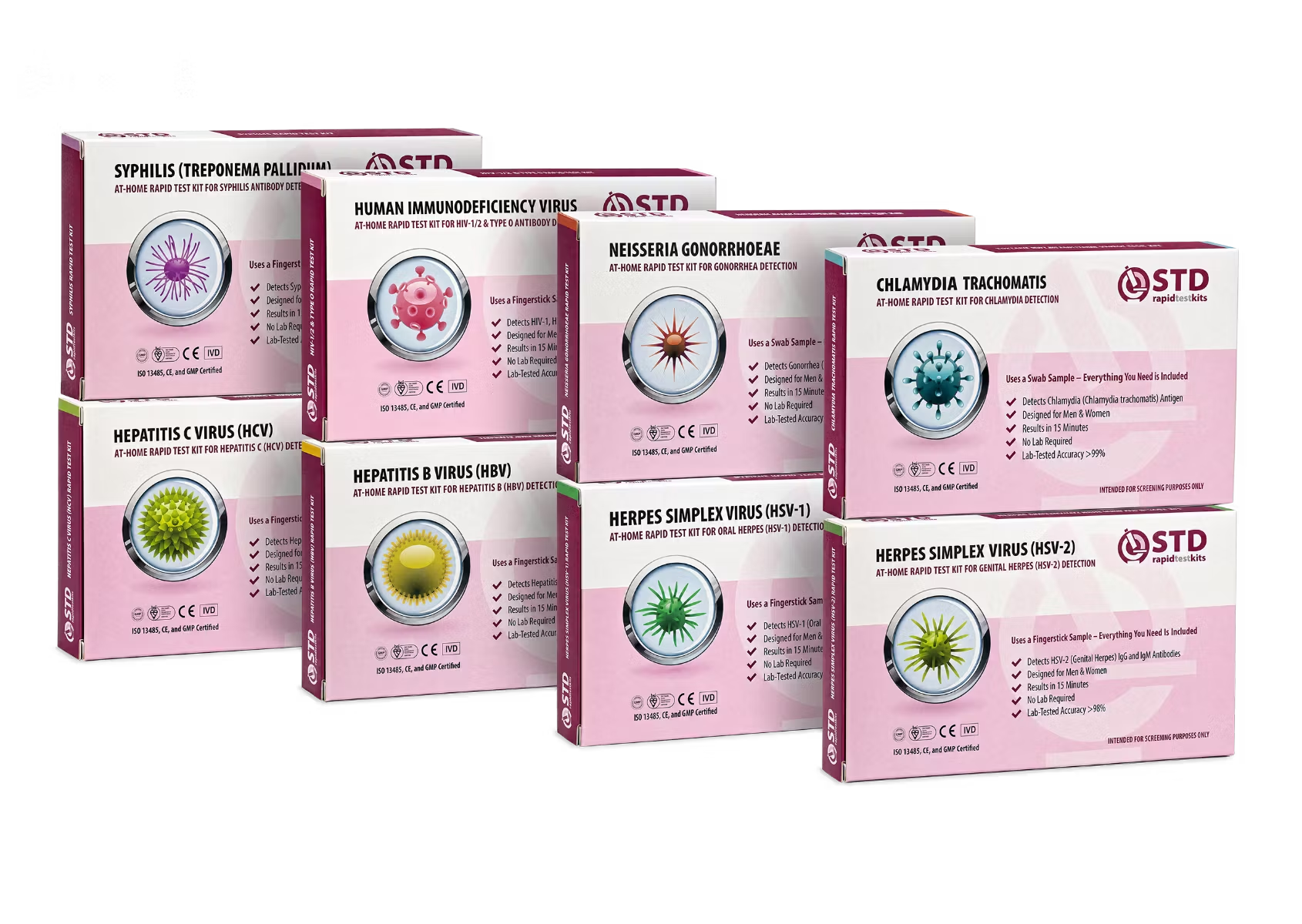
At-home rapid tests. These are lateral-flow immunoassay cassettes you run yourself, with a result in about 15 minutes. They're a different technology than the laboratory NAAT/PCR tests used for confirmation. They're useful for fast screening when you want an answer at home, especially for HIV, syphilis, and the bloodborne hepatitis viruses, but a positive result on a rapid test should always be confirmed with a laboratory test, and a negative result inside the test's window period should be repeated later.
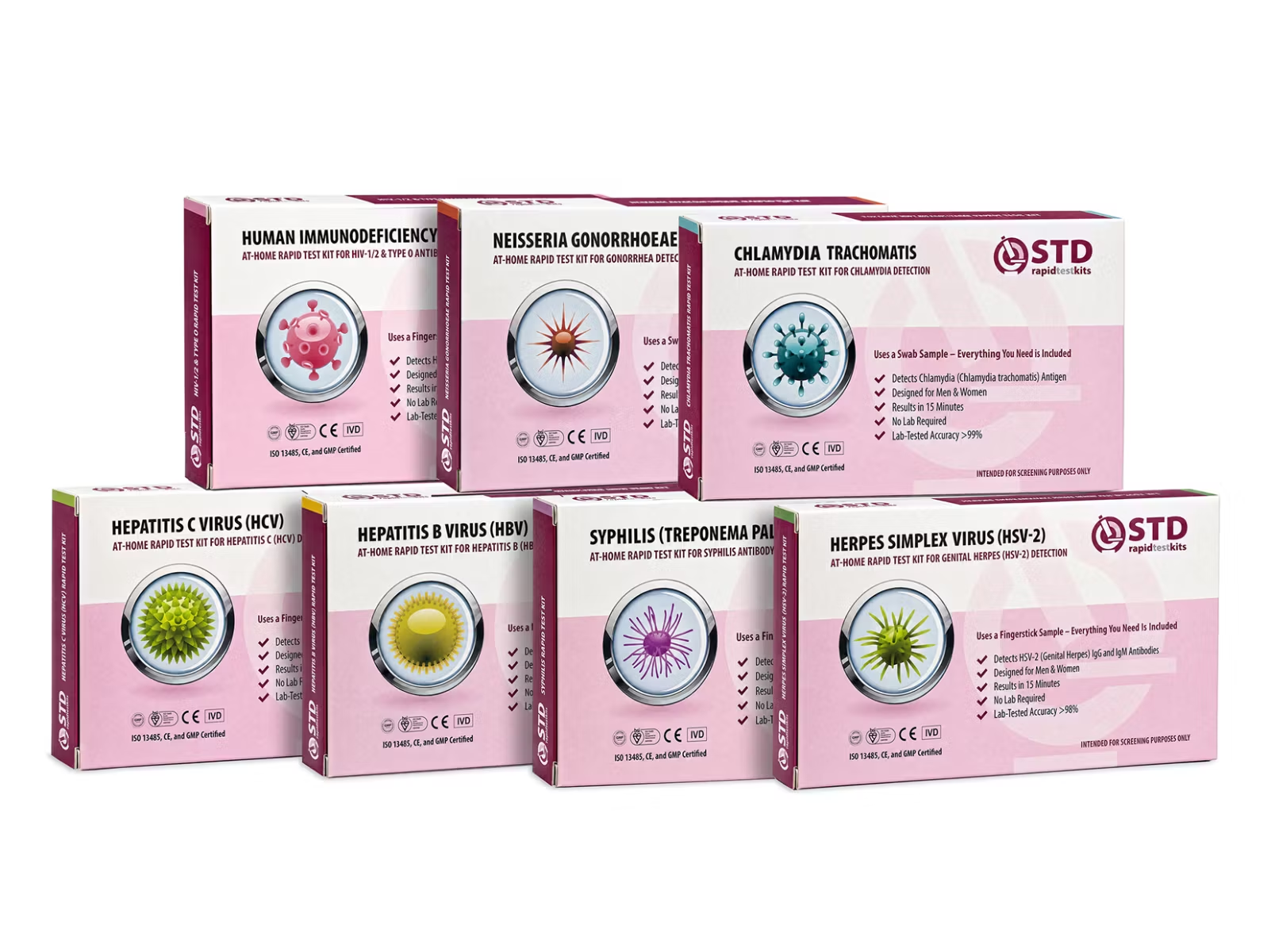
The table below compares the three routes by privacy, speed, sensitivity, and what each is best suited for. For a fast at-home screen across multiple infections after a rash, the kit linked below is a reasonable starting point. A positive result on any rapid test should be followed up with a laboratory confirmatory test through a clinic or mail-in kit, and a negative result before the relevant window period should be repeated.
| Method | Privacy | Speed | Sensitivity | Best for |
|---|---|---|---|---|
| At-home rapid lateral-flow test | Very high | About 15 minutes | High for screening; positives should be confirmed | A fast first answer, especially for HIV, syphilis, hepatitis |
| Mail-in lab kit | High | 2 to 5 days | Equivalent to clinic lab | Reliable result without an in-person visit |
| Clinic-based testing | Moderate (medical record) | 1 to 3 days | Highest, with physical exam available | Active sores, complex symptoms, complete panel |
If you already tested, when to retest
One negative test isn't always the end. Whether you should retest depends on when you tested compared to the actual exposure date, and there's no limit on how often you can do it. Each test is a check-in, not a verdict on your character. The list below covers the most common reasons to plan a follow-up.
- You tested within 7 days of exposure. Most infections won't show up yet. Plan a follow-up at 2 to 3 weeks for chlamydia, gonorrhea, and HIV NAAT, and at 6 to 12 weeks for syphilis and herpes antibody tests.
- You tested for herpes within 2 to 3 weeks of the rash. IgG antibody tests usually need 12 to 16 weeks to be definitive after exposure, so a negative this early is not conclusive.
- You've had a new partner since you last tested. Each new exposure resets the testing window. A clean test from three months ago doesn't cover a new contact last week.
- Symptoms returned. Recurrent rash, sores, discharge, or pelvic pain are reasons to retest and to be examined in person if possible.
Privacy and emotional safety
One of the biggest barriers to testing isn't the test itself. It's being seen testing. The pharmacy aisle, the clinic waiting room, the medical record. For people in small towns, in shared housing, or in relationships where this is hard to talk about, privacy isn't a luxury; it's the difference between testing and not testing.
At-home kits ship in plain packaging without external branding. The result is yours alone, and you choose whether and when to share it with a partner or a clinician. If a result is positive, almost every STD that causes a rash is treatable: syphilis is curable with penicillin, chlamydia and gonorrhea with antibiotics, herpes is manageable with antivirals, and HIV is now managed long-term with single-pill daily regimens that can suppress the virus to undetectable levels.
Knowing early matters because every infection on this list is easier to treat the sooner it's caught, and because you stop being a transmission risk to your partners as soon as treatment starts.
Bottom line
Skin healing is what your immune system did at the surface. Whether the infection itself has cleared is a separate question, and the only reliable way to answer it is a test on the right window period for the specific infection you might have been exposed to. If you had a rash after a possible exposure, map your dates, pick the right test for what you were potentially exposed to, and follow the window period rather than the calendar of how your skin looks now. Most STDs covered in this article are curable or manageable when caught early, and follow-up testing typically takes about 15 minutes at home or a few days through a lab.
Next steps
- Map your exposure date and pick the right test for that infection's window period, not for how your skin looks today.
- A positive rapid result always needs lab confirmation; a negative inside the window period should be repeated at the correct interval.
FAQs
- My rash is gone. Does that mean I'm fine?
- Not necessarily. Syphilis, herpes, and acute HIV can all cause a rash that fades within days to weeks while the infection itself stays active and transmissible. The only way to know for sure is to test on the correct window for whichever infection you might have been exposed to.
- How soon after a rash should I test?
- It depends on the infection. NAAT tests for chlamydia and gonorrhea can be reliable around 14 days after exposure. HIV laboratory antigen/antibody combo tests are reliable by about 45 days. Syphilis blood tests usually become reliable at 6 weeks, and herpes IgG antibody tests can take 12 to 16 weeks to be definitive.
- What if I never saw a blister, just redness or irritation?
- Early herpes can present as a non-specific patch of redness, a tingling sensation, or a small split in the skin without obvious blisters. Primary syphilis can be a single painless sore that's easy to miss, especially if it's internal. If a rash or skin change happened in a window that matches a possible exposure, it's worth testing even if it never became dramatic.
- My partner tested negative. Do I still need to test?
- Yes. Their negative result might be inside the test's window period, or they might have tested for a different set of infections than what your rash suggests. Your testing decision depends on your timeline and your symptoms, not theirs.
- Can I pass something on if I feel completely fine?
- Yes. Asymptomatic transmission is well documented for herpes (through viral shedding), syphilis (in the early latent stage), and chlamydia and gonorrhea (which are silent in many infections), even from people who feel entirely well.
- I tested the day after the rash and it was negative. Am I clear?
- Probably not yet. Most tests need at least one to several weeks after exposure to detect an infection reliably. A negative result inside the window period should be repeated at the right interval for the specific test.
- Are at-home rapid tests accurate?
- FDA-approved at-home rapid tests for HIV and syphilis typically report sensitivity in the mid to high 90s percent and specificity above 99 percent when used inside the correct window period. The catch is timing: a result before the window has closed can read negative even when the infection is present. A positive on a rapid test is a strong signal worth confirming, and an in-window negative is a reason to retest at the right interval rather than treat as final.
- Should I tell a recent partner that I had a rash?
- If your rash could plausibly have been an STD-related reaction, telling a recent partner so they can test too is the kind move and the public-health-correct move. You don't need certainty to give someone a heads-up; you just need enough information for them to make their own choice.
- U.S. Centers for Disease Control and Prevention. About Syphilis: stages, symptoms, and progression of untreated infection.
- U.S. Centers for Disease Control and Prevention. About Chlamydia: asymptomatic infection and downstream reproductive complications.
- U.S. Centers for Disease Control and Prevention. About HIV: acute HIV infection, flu-like symptoms within 2 to 4 weeks, and high viral load during the acute phase.
- U.S. Centers for Disease Control and Prevention. About Genital Herpes: asymptomatic viral shedding from skin without visible sores and transmission risk.
- U.S. Centers for Disease Control and Prevention. Laboratory Recommendations for Syphilis Testing, MMWR Recommendations and Reports 2024: window periods and confirmatory testing logic.
- National Health Service (UK). Sexually Transmitted Infections (STIs): symptom overview and recommendations on testing.
- StatPearls, U.S. National Library of Medicine. Sexually Transmitted Infections: clinical reference for incubation periods and asymptomatic shedding.
