







STD in the Throat? Signs You Might Have an Oral STD
Quick Answer
Many common beliefs about STDs are false and can lead to increased risk of infection and complications. Understanding the facts about transmission, symptoms, and prevention is crucial for protecting your health.
Myth 1: "You'd Know If You Had an STD"
One of the most pervasive myths is the belief that all STDs present obvious symptoms. In reality, many STDs are asymptomatic, meaning individuals may not experience any noticeable signs of infection. For instance, chlamydia and gonorrhea often show no symptoms, especially in women, yet can cause serious health issues like infertility if left untreated.
Relying solely on the presence of symptoms to determine your STD status is risky. Regular testing is the only reliable way to know for sure and to prevent unknowingly transmitting infections to others.

People are also asking:Can a child become infected with an STD by hugging an infected parent?
Myth 2: "You Can't Get an STD from Oral Sex"
Oral sex is often perceived as a safer alternative to vaginal or anal intercourse, but this belief is misleading. STDs such as herpes, gonorrhea, syphilis, and HPV can be transmitted through oral-genital contact.
Using protection, like condoms or dental dams, during oral sex can significantly reduce the risk of transmission. It's essential to recognize that all forms of sexual activity carry some level of risk and to take appropriate precautions.
Myth 3: "Only Promiscuous People Get STDs"
STDs do not discriminate based on the number of sexual partners. Even individuals in monogamous relationships or those with a single partner can contract an STD if their partner is infected.
This myth contributes to stigma and can prevent people from seeking testing or treatment. Understanding that anyone who is sexually active is at risk is vital for promoting responsible sexual health practices.
Order Now $129.00 $343.00 Check Your STD Status in Minutes
Test at Home with Remedium
7-in-1 STD Test Kit Claim Your Kit TodaySave 62%
 For Men & Women
 Results in Minutes
 No Lab Needed
 Private & Discreet
For all 7 tests
Myth 4: "STDs Go Away on Their Own"
Some people believe that STDs will resolve without medical intervention. While certain infections may clear up over time, many require treatment to prevent complications. For example, untreated syphilis can progress to severe health issues, and herpes remains in the body indefinitely, with potential for recurrent outbreaks.
Seeking prompt medical attention and adhering to prescribed treatments are essential steps in managing STDs effectively.
Myth 5: "You Can't Get the Same STD Twice"
It's a common misconception that once you've had an STD, you're immune to future infections. However, reinfection is possible with many STDs, including chlamydia and gonorrhea, especially if exposed again through unprotected sex.
Continued vigilance, regular testing, and consistent use of protection are necessary to prevent reinfection and to maintain sexual health.
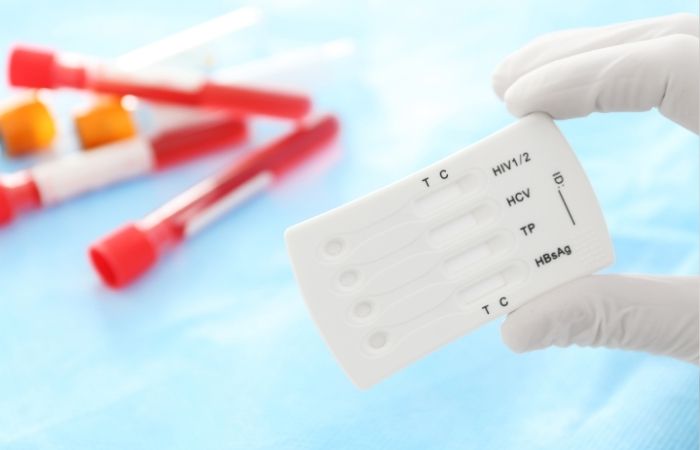
People are also asking: Can you get chlamydia or gonorrhea from a public toilet?
Myth 6: "If You're in a Relationship, You Don't Need to Test"
Monogamy isn’t a shield. People assume that being in a committed relationship eliminates the need for STD testing, but real life isn’t always that clean-cut. Some partners bring infections unknowingly from previous relationships. Others cheat. Some infections, like HPV or herpes, can remain dormant for months or even years before symptoms (if any) appear.
And here’s the emotional side of it: even in relationships built on trust, testing should be seen as care, not suspicion. It's one of the most intimate, respectful things you can do, “I want us both to be safe, no matter what.”
Whether you’re six weeks into dating or six years married, STD testing is about ownership of your body, not judgment of your partner.
Get tested discreetly together with the Complete STD Home Test Kit Package
Myth 7: "If You Use Condoms, You're 100% Protected"
Condoms are amazing. They reduce the risk of HIV by up to 98%, and they lower the odds for chlamydia, gonorrhea, and other bacterial infections. But here’s the truth: they’re not perfect.
STDs like herpes, HPV, and syphilis can be spread through skin-to-skin contact, meaning areas not covered by the condom. A cold sore on the mouth? That’s HSV-1. A wart on the groin? That’s HPV. These can spread even if penetration never happens.
This doesn’t mean you shouldn’t use condoms, it means you shouldn’t rely on them as your only line of defense. Testing, vaccines (like for HPV), suppressive treatment, and honest conversations are part of the bigger picture.
Protection isn’t just latex. It’s knowledge, behavior, and routine check-ins with your health.
Check Your STD Status in Minutes
Test at Home with Remedium6-in-1 STD Rapid Test Kit

Claim Your Kit Today
Save 60%
For Men & WomenResults in MinutesNo Lab NeededPrivate & DiscreetOrder Now $119.00 $294.00
For all 6 tests
Myth 8: "You Can Tell If Someone Has an STD by Looking"
This one’s not just wrong, it’s dangerous.
STDs are masters of disguise. Most have long asymptomatic periods, and some never show symptoms at all. You can’t “see” chlamydia or HIV. Herpes doesn’t always cause visible sores. HPV often causes no symptoms unless it’s a high-risk strain that leads to cancer.
And the people who do have visible symptoms? They’re often the ones who already know and are managing their condition responsibly.
Judging someone’s sexual health based on appearance, vibe, or “cleanliness” is both harmful and totally unreliable. It’s the myth that makes people feel invincible after a hookup, only to find out weeks later that you don’t need to see it to get it.
Myth 9: "If You’ve Been Tested Once, You’re Good"
STD testing is not a one-and-done event. It’s not like getting vaccinated. It’s more like dental care, you don’t just brush once and hope for the best.
If you’re sexually active, especially with multiple partners, you should get tested:
- At least once a year
- After every new partner
- If you’ve had unprotected sex
- When symptoms appear
- Before starting a new relationship
And if you’ve had sex that didn’t involve penetration (oral sex, mutual masturbation, rimming), you still need to test, because those routes can still transmit infections.
Too many people get one clean test, then carry that “I’m good” status around for years, assuming they’re immune. In reality, STDs don’t care how long ago your last test was.

People are also asking: Are home STD tests okay for virgins?
Myth 10: "Only Certain Groups Get STDs"
This myth is rooted in stigma and discrimination, and it’s done lasting damage. Whether it’s associating STDs with the LGBTQ+ community, sex workers, or people who’ve had “too many” partners, the result is always the same: shame replaces science.
The truth? STDs affect:
- Straight people
- Married couples
- Teens and older adults
- People with one partner and people with ten
If you have genitals and you’re sexually active, you’re in the conversation. Full stop. When we pretend STDs only happen to “those people,” we stop testing. We stop asking questions. And we stop protecting ourselves.
Shame isn’t prevention. Facts are.
FAQs
1. Can you get an STD from oral sex even if no one finishes?
Yes. Ejaculation isn’t necessary for transmission. Herpes, HPV, gonorrhea, and syphilis can all spread through skin contact, saliva, and pre-ejaculate. If your mouth touches infected skin or fluids, you’re at risk, even if it only lasted “a few seconds.”
2. If my partner looks clean and says they’re clean, is that enough?
Nope. Many STDs show no visible symptoms, and people can test positive without ever knowing they were exposed. A clean look isn’t a clean test. If they haven’t been recently tested and shared the results with you, it’s not confirmation, it’s hope.
3. Can I still get STDs if I only have sex with women?
Yes. Women who have sex with women (WSW) can still transmit herpes, HPV, chlamydia, and more, especially through oral sex, fingering, or sharing sex toys. Dental dams, gloves, and toy hygiene all matter.
4. I used a condom, do I still need to test?
Yes. Condoms reduce risk, but they don’t eliminate it. Skin-to-skin STDs like herpes and HPV can spread from areas not covered by the condom. And condoms can slip or tear. If there was exposure, there’s still a chance.
5. Do I need to test if I’ve only had sex once?
Yes. One encounter is all it takes. If your partner had an STD, or was exposed without knowing, you could contract it. The risk isn’t about numbers; it’s about exposure.
6. I’m on birth control, does that protect me from STDs?
No. Hormonal methods (pill, IUD, patch, etc.) only prevent pregnancy. They offer zero protection against STDs. Using both birth control and condoms is called dual protection, and it’s the safest route if you’re not monogamous with a tested partner.
7. I got the HPV vaccine, can I skip testing?
No. The HPV vaccine protects against certain high-risk and wart-causing strains, but not all of them. Testing is still important, especially for people with cervixes who need regular Pap smears and HPV screenings.
8. Can I catch something from a toilet seat?
No. STDs don’t survive long outside the body and require direct skin or mucous membrane contact. You can’t catch chlamydia or herpes from a toilet. That’s myth-driven fear, not biology.
9. If I had chlamydia once and got treated, am I immune?
No. You can get reinfected any time you’re exposed again. Chlamydia doesn’t give you immunity. That’s why both partners must get treated, and why testing after three months is often recommended.
10. I’m embarrassed to get tested, what should I do?
You’re not alone. But shame is the virus’s best friend. Testing isn’t gross or slutty, it’s smart. It means you care about yourself and your partners. And you can do it without ever stepping into a clinic.
Check Your STD Status in Minutes
Test at Home with Remedium10-in-1 STD Test Kit
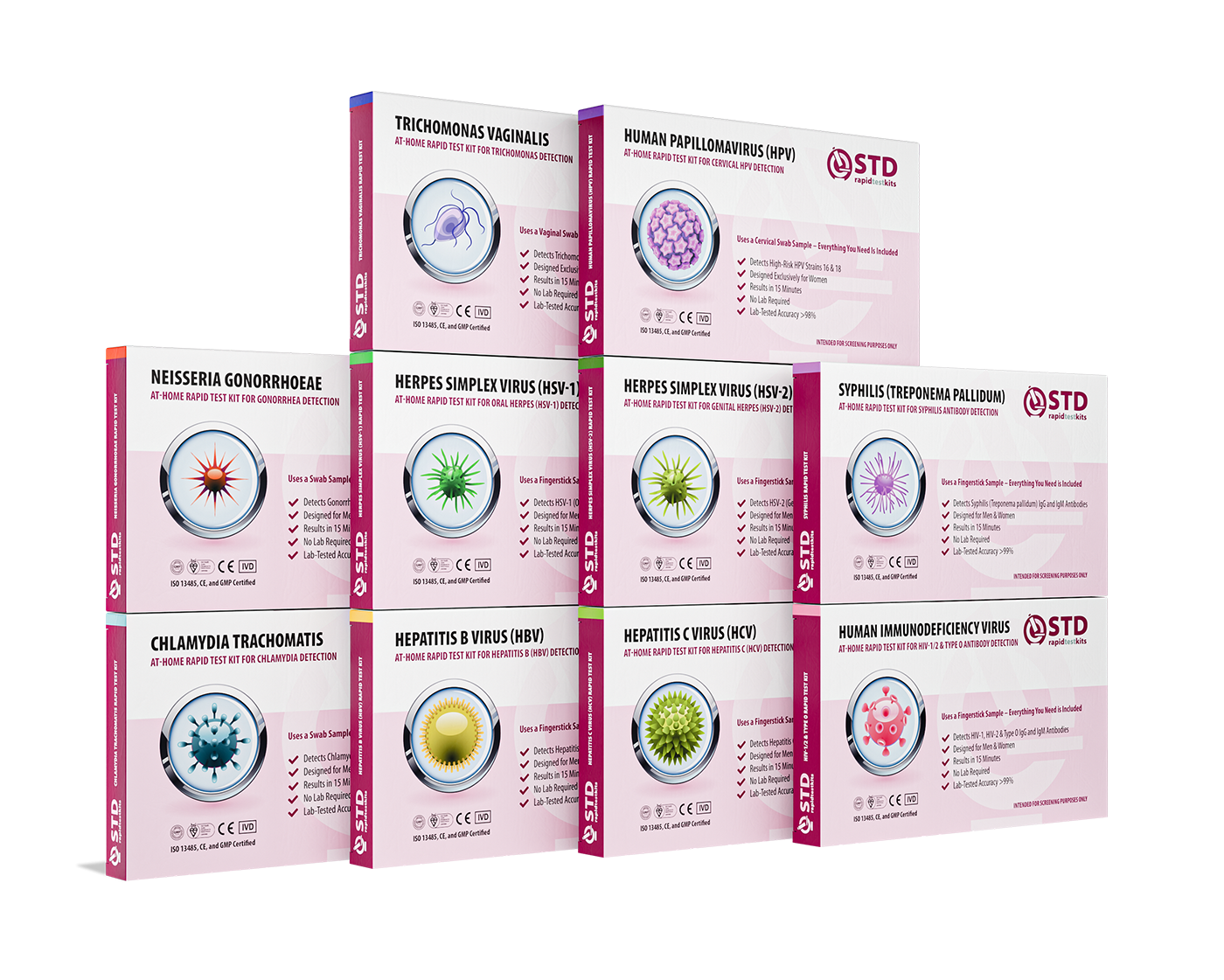
Claim Your Kit Today
Save 61%
 For WomenResults in MinutesNo Lab NeededPrivate & Discreet
Order Now $189.00 $490.00
For all 10 tests
Testing Is Not an Admission, It’s Protection
Still think STD testing is for “promiscuous” people? Still afraid your partner will take it the wrong way?
Here’s the real story: testing is intimacy. It says, “I care about your body and mine.” It keeps your health in your hands. It prevents long-term damage. And it stops STDs from spreading in silence.
You don’t need to go to a clinic. You don’t need to have a conversation in fluorescent lights with someone who can’t pronounce “chlamydia.”
STDs are facts. Myths are poison.
They poison your confidence. Your communication. Your ability to make smart choices. They convince you that testing is only for “other people,” that protection is optional, and that symptoms will scream when they arrive.
The truth? STDs are often silent. You can feel great and still carry something. You can love someone and still be at risk. And you can believe you’re safe, and still be wrong.
But you’re here. You asked questions. You read the science. You stopped the cycle of silence. That’s how we win. So don’t let a lie dictate your health. Don’t let shame write your story. Take control. Take the test. Take back your body.


