







Quick Answer: HIV symptoms in the early stage often feel like flu-like illness, fever, sore throat, fatigue, swollen lymph nodes, but many people have mild symptoms or none at all. The only reliable way to know is testing at the right time.
First, Let’s Separate Panic From Physiology
After a sexual encounter that felt risky, condom broke, no condom, or you’re just unsure, it’s common to scan your body for signs. Anxiety can make your throat feel tighter. It can make your heart race. It can even make you sweat at night. The mind is powerful, especially when shame or fear is mixed in.
But anxiety doesn’t cause HIV symptoms. The virus follows a biological timeline. Understanding that timeline is how you regain control.
Acute HIV infection, sometimes called early HIV infection, typically begins two to four weeks after exposure. This phase happens when the virus first enters the bloodstream and the immune system reacts. According to the Centers for Disease Control and Prevention, many people experience flu-like symptoms during this stage, while others feel nothing at all.
Picture this: Daniel, 27, had unprotected sex while traveling. About three weeks later, he developed a fever and sore throat. “I thought it was just jet lag and a cold,” he said. “It didn’t even cross my mind until I remembered the date.” That timing matters more than the symptom itself.
What Early HIV Actually Feels Like (When It Shows Up)
When HIV does cause symptoms early on, they’re not usually dramatic. They don’t scream. They whisper. That’s part of what makes them confusing.
People often describe it as the worst flu they’ve had in years. Not the sniffly kind. The deep-body ache kind. The kind where your neck feels tender and you can’t quite get warm.
| Symptom | How It Commonly Feels | How Long It May Last |
|---|---|---|
| Fever | Low to moderate fever, often 100–102°F, sometimes with chills | Several days to two weeks |
| Sore throat | Persistent, not always with congestion or cough | Several days |
| Swollen lymph nodes | Tender glands in neck, armpits, or groin | Days to weeks |
| Fatigue | Heavy exhaustion not relieved by rest | One to two weeks |
| Rash | Flat or slightly raised red patches, often on torso | Several days |
| Night sweats | Drenching sweats that soak sheets | Intermittent during acute phase |
Notice what’s missing. Burning during urination. Thick discharge. Sharp pelvic pain. Those symptoms are far more typical of infections like gonorrhea or chlamydia, not HIV.
That’s why so many people type “does HIV cause burning?” into search bars. The short answer is usually no. HIV itself doesn’t directly cause the classic burning sensation people associate with sexually transmitted infections. If burning is your main symptom, you’re more likely dealing with something bacterial or urinary, not HIV.
Similarly, spotting between periods isn’t a hallmark early HIV symptom. Hormonal changes, stress, and other infections are more common causes. HIV in its acute phase usually does not manifest as abnormal vaginal bleeding.
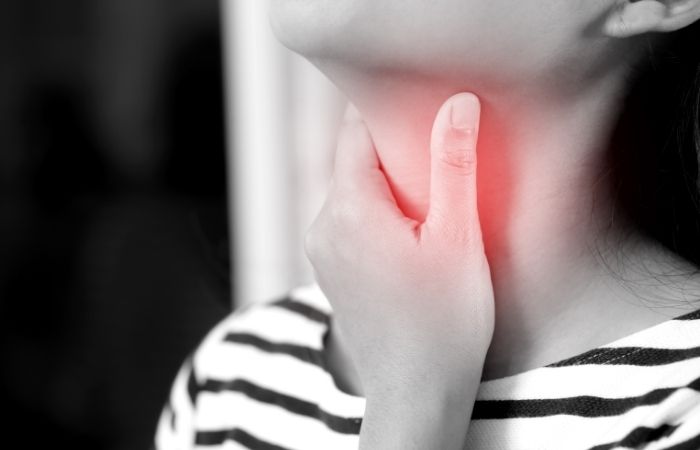
People are also reading: Think It’s Just a Cold Sore? Why It Could Be Syphilis Instead
And Then There’s Silence
This is the part that makes people uncomfortable. You can absolutely have HIV with no symptoms at all. No fever. No rash. No sore throat. Nothing that would make you cancel plans or stay in bed.
In fact, a significant number of people either have very mild early symptoms or mistake them for something ordinary. After that initial phase, the virus can enter a long clinical latency stage. During this period, someone may feel completely healthy for years while the virus slowly affects the immune system.
Jasmine, 32, described it this way: “If you asked me how I felt, I would’ve said amazing. I was running marathons. I had no idea.” She only found out during routine screening.
This is why “what HIV feels like” can be a misleading question. Sometimes it feels like nothing. And nothing can be the most dangerous assumption of all.
Flu or HIV? Why Timing Tells the Real Story
Every winter, urgent care clinics fill up with people who have fever, fatigue, and sore throat. Most of them have seasonal viruses. A small fraction have something else. Symptoms alone don’t give you certainty. Timing does.
Acute HIV symptoms typically appear two to four weeks after exposure. Flu symptoms, by contrast, show up within one to four days of catching the virus. That difference in timing is crucial.
| Feature | Seasonal Flu | Acute HIV Infection |
|---|---|---|
| Symptom onset after exposure | 1–4 days | 14–28 days (most common) |
| Common symptoms | Fever, cough, congestion, aches | Fever, sore throat, lymph node swelling, rash |
| Duration | 3–7 days typically | Several days to 2 weeks |
| Long-term effects | Resolves fully | May enter symptom-free stage |
Imagine this scenario. It’s day three after sex, and you wake up with a scratchy throat. That timing makes HIV extremely unlikely to be the cause of those immediate symptoms. But if it’s week three and you suddenly feel flu-like without congestion or cough, it’s reasonable to consider testing.
The body follows biology, not fear. And biology has a schedule.
Check Your STD Status in Minutes
Test at Home with RemediumHIV Rapid Test Kit
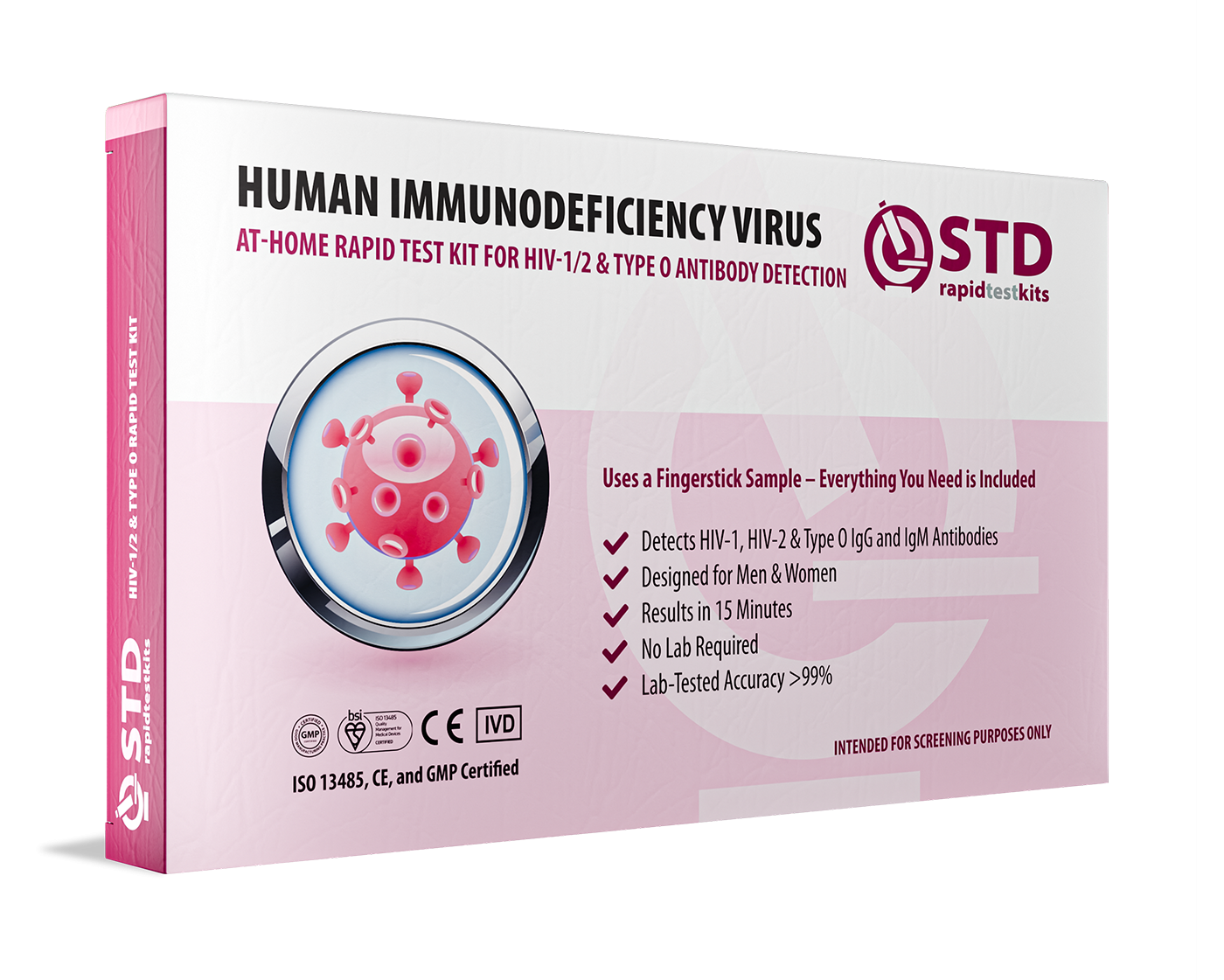
 For Men & Women
 Results in Minutes
 No Lab Needed
 Private & Discreet
Order Now $33.99 $49.00
The Window Period: Why Testing Too Early Feels Reassuring, But Isn’t
Let’s go back to that 2AM Google spiral. You felt something strange. Maybe it’s day five after exposure. Maybe it’s day nine. Your brain wants certainty now. So you search for an HIV test, take one immediately, and hope a negative result will calm you down.
Here’s the hard but empowering truth: testing too early can give you false reassurance. Not because the test is bad. Not because you did anything wrong. But because HIV has what’s called a window period.
The window period is the time between exposure to HIV and when a test can reliably detect it. During this time, a person may be infected, but the test might not yet show positive. That doesn’t mean the virus isn’t there. It means the immune system or viral markers haven’t reached detectable levels.
| Test Type | What It Detects | Typical Window Period | When Results Are Most Reliable |
|---|---|---|---|
| Nucleic Acid Test (NAT) | Actual HIV virus in blood | 10–33 days | 3–6 weeks after exposure |
| Antigen/Antibody (Lab blood test) | HIV p24 antigen + antibodies | 18–45 days | 4–6 weeks after exposure |
| Rapid Antibody Test (fingerstick or oral fluid) | HIV antibodies | 23–90 days | 6–12 weeks after exposure |
If you test on day three, you are outside every reliable detection window. If you test on day ten, a NAT might detect infection, but most rapid antibody tests likely will not. If you test at six weeks, accuracy improves dramatically for most methods.
This is where people get tripped up. Marcus tested at day seven and got a negative result. He relaxed. Then at week five, he developed swollen lymph nodes and tested again. That result was positive. The first test wasn’t “wrong.” It was simply too early.
When people search for “HIV symptoms but tested negative,” this timing mismatch is often the explanation. Symptoms and testing windows don’t always line up perfectly. That’s why retesting at the right time matters.
What HIV Does Not Feel Like
Clarity is calming. So let’s say this plainly. HIV does not typically cause thick genital discharge. It does not usually cause sharp pelvic pain. It does not create an immediate burning sensation right after sex. It does not cause symptoms within hours or a couple of days of exposure.
If your main symptom is burning during urination within 48 hours of sex, you are far more likely dealing with a bacterial infection like gonorrhea, chlamydia, or a urinary tract infection. If you have clusters of painful blisters, that points more toward herpes. If you have intense itching and cottage cheese–like discharge, yeast is more probable.
HIV’s early phase is systemic. It affects the whole body, not just one localized area. That’s why fever, fatigue, and swollen lymph nodes are more typical than discharge or localized burning.
This doesn’t minimize your fear. It redirects it toward accuracy.
Symptoms in Men vs Women: Is There a Difference?
When people look for "HIV symptoms in men vs. women," they usually want something clear. women." The truth is that early HIV symptoms are mostly the same for both men and women because the virus affects the immune system, not specific reproductive organs.
During an acute infection, both men and women may have fever, fatigue, a rash, and swollen lymph nodes. The difference is often in how the symptoms are understood. Women may think that changes in their hormones are making them tired. Men might think it's just stress or too much training. Social narratives influence perception.
Later-stage HIV, when untreated, can present differently because of hormonal, anatomical, and immune system factors. But in early infection, the symptoms are generally similar.
That means no gender is “safer” from silent infection. The absence of obvious genital symptoms does not rule out HIV for anyone.

People are also reading: Pain in One Testicle After Sex? It Could Be More Than a Pull
When Anxiety Mimics Infection
Anxiety can create very real physical sensations. Your throat tightens. Your stomach churns. You wake up sweaty. You check your temperature repeatedly. You become hyper-aware of every sensation.
Chris described it like this: “I convinced myself my lymph nodes were swollen. I kept pressing my neck all day.” After testing at the appropriate window and receiving a negative result, those sensations faded. The body relaxed once the mind did.
This is not to dismiss anxiety as imaginary. It’s to acknowledge how powerfully fear can amplify normal sensations. If your symptoms appear within days of exposure, fluctuate rapidly, and worsen when you’re thinking about them, anxiety may be playing a role. But the only way to truly calm that spiral is accurate testing at the right time.
So When Should You Actually Test?
If you believe you were exposed to HIV, the most reliable approach is to test based on the window period of the test type you’re using. If you want the earliest possible detection, a NAT around two to three weeks after exposure can identify infection sooner than antibody-only tests. However, these are typically done in clinical settings.
For most people using at-home rapid tests, testing at six weeks offers strong reassurance, with follow-up testing at three months providing near-conclusive results. Many healthcare authorities consider a negative antibody test at 12 weeks post-exposure to be definitive for most cases.
If you cannot stop thinking about it, testing earlier can provide preliminary information. Just understand that a negative early result may require repeat testing to confirm.
You do not need to wait in fear. You need a plan.
If you want privacy and clarity without sitting in a waiting room, you can explore discreet options at STD Rapid Test Kits. Choosing the right test at the right time is what turns panic into action.
Check Your STD Status in Minutes
Test at Home with Remedium8-in-1 STD Test Kit
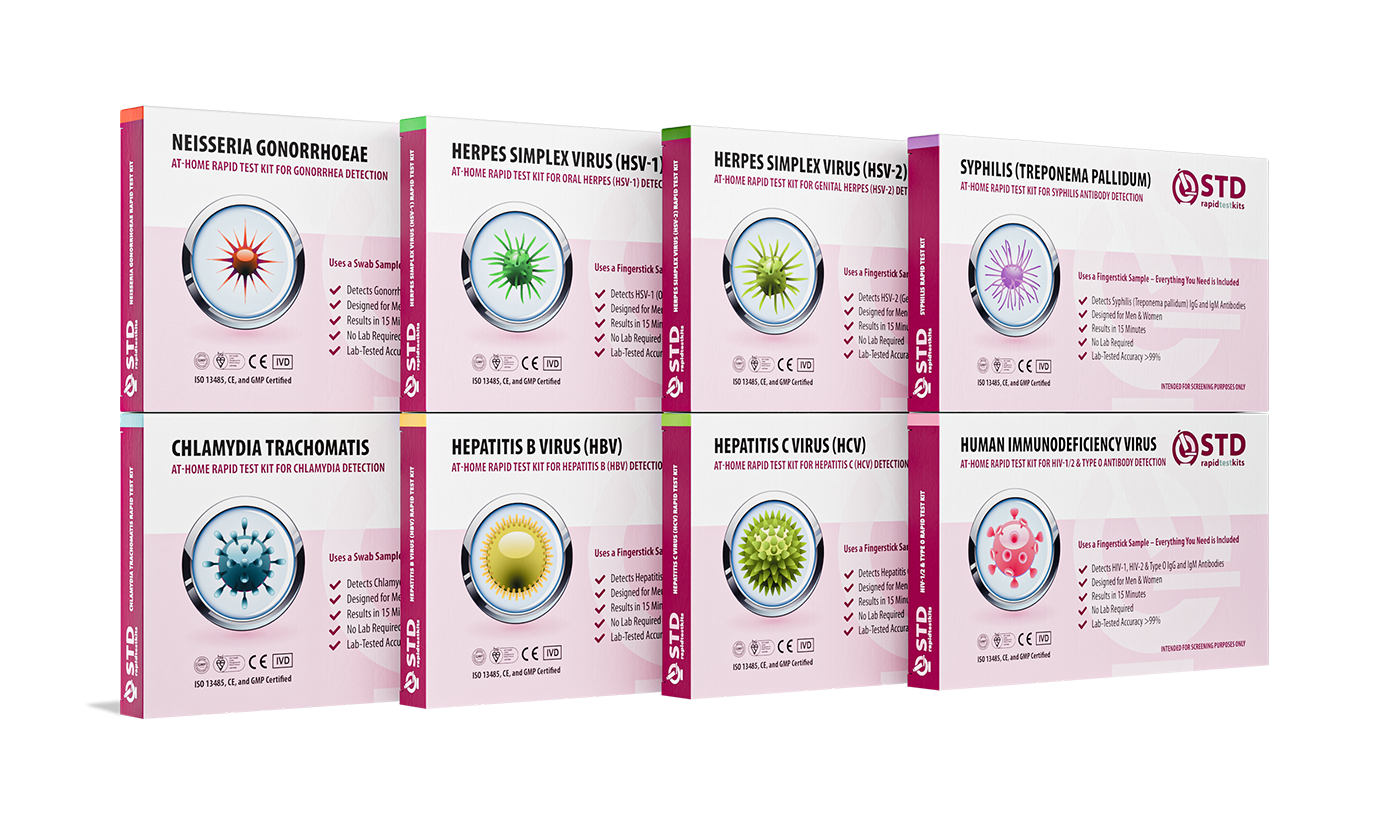 For Men & WomenResults in MinutesNo Lab NeededPrivate & Discreet
Order Now $149.00 $392.00
For all 8 tests
If the Result Is Positive
Take a breath. Modern HIV treatment has transformed what this diagnosis means. With early treatment, people living with HIV can live long, healthy lives. Many reach undetectable viral levels, meaning the virus cannot be transmitted sexually. This is often summarized as U=U: undetectable equals untransmittable.
The first 24 hours after seeing a positive result can feel surreal. Your brain may go quiet. Or loud. Or both. That reaction is human. The next step is confirmatory testing and connecting with a healthcare provider for evaluation and treatment planning.
Today’s antiretroviral therapy is highly effective when taken consistently. Early diagnosis improves outcomes dramatically. The sooner you know, the sooner you can protect your health and your partners.
And if your test is negative but your exposure was recent, schedule your retest. Peace of mind isn’t built on one rushed result. It’s built on timing.
FAQs
1. Be honest, can you really have HIV and feel completely fine?
Yes. And that’s the part that makes people uneasy. You can wake up energized, hit the gym, go to work, laugh with friends, and still be in an early stage of HIV infection without knowing it. The virus doesn’t always create drama. Sometimes it just sits quietly. That silence isn’t a moral statement. It’s biology. And it’s exactly why testing matters more than symptom-checking.
2. I felt sick three days after sex. Is that HIV?
Three days feels terrifying when you’re counting. But biologically, that’s far too soon for HIV symptoms to show up. The virus needs time, usually two to four weeks, to trigger that flu-like immune reaction. If you’ve got a scratchy throat on day three, it’s almost certainly a cold, stress, lack of sleep, or coincidence. Timing is your reality check.
3. What does early HIV actually feel like if it does show up?
Most people describe it as “the weirdest flu I’ve had.” Fever that makes you feel hollowed out. Lymph nodes that feel tender when you turn your neck. Fatigue that doesn’t budge after a full night of sleep. Not everyone gets every symptom. Some get one or two. Some get none. It’s less about intensity and more about timing.
4. Does HIV cause burning when I pee?
Usually, no. Burning during urination is far more typical of bacterial infections like gonorrhea or chlamydia. HIV’s early symptoms are systemic, meaning they affect the whole body, not just your genitals. If your only symptom is burning, HIV is lower on the probability list than other treatable infections.
5. I have a rash. How do I know if it’s HIV or just heat or stress?
Here’s the frustrating truth: you can’t diagnose HIV from a rash alone. An HIV-related rash is often flat, red, and spread across the torso, but so are dozens of other harmless rashes. Allergic reactions, new laundry detergent, heat, anxiety-induced hives, they can all look similar. If the rash appears two to four weeks after a possible exposure and is paired with fever or fatigue, testing makes sense. If it showed up the next morning, it’s almost certainly something else.
6. If I tested negative at two weeks, can I relax?
You can exhale a little, yes. But don’t close the book yet. At two weeks, some test types may still be in their window period. That means a follow-up test at six weeks, or three months for full confirmation, might be recommended depending on the test you used. Think of early testing as gathering information, not delivering a final verdict.
7. Why do my symptoms get worse when I read about HIV?
Because your nervous system is paying attention. Anxiety amplifies sensation. You read “swollen lymph nodes” and suddenly your neck feels tight. You read “night sweats” and notice you’re warm under the blanket. This doesn’t mean you’re imagining everything. It means fear sharpens awareness. The antidote isn’t more Googling. It’s a properly timed test.
8. Can HIV symptoms disappear on their own?
Yes. Early flu-like symptoms can fade after a week or two. That doesn’t mean the virus has left. It means the acute phase has passed. After that, HIV can enter a stage where you feel normal again. That pattern, get sick, feel better, assume you’re fine, is why so many diagnoses happen during routine screening rather than symptom-driven visits.
9. Is spotting between periods a sign of HIV?
In early infection, that’s very unlikely. Spotting is usually related to hormones, stress, contraception changes, or other infections. HIV doesn’t typically show up as sudden abnormal bleeding in the first weeks. If spotting is your only symptom, there are more common explanations worth exploring.
10. I’m still scared even after a negative test. What now?
That lingering fear is human. Especially if the encounter felt risky or emotionally complicated. First, confirm your test was taken outside the window period for accuracy. If it was, trust the result. If it wasn’t, schedule the follow-up and put it on your calendar. A plan reduces anxiety faster than reassurance alone. You don’t need to punish yourself with worry. You need clarity, and clarity has a timeline.
You Deserve Clarity, Not Guesswork
HIV doesn’t announce itself with flashing lights. Sometimes it feels like the flu. Sometimes it feels like exhaustion you can’t quite explain. Sometimes it feels like absolutely nothing at all. That silence is exactly why testing matters.
If you’re stuck replaying symptoms in your head, give yourself something solid to stand on. Choose the right test at the right time. If you want discreet, private options without sitting in a clinic waiting room, you can order a reliable at-home option from this HIV rapid test kit or explore broader screening with a combo panel at this at-home combo test kit. Your results are private. Your timeline is yours. Your health is worth clarity.
How We Sourced This Article: We looked at the most recent advice from the Centers for Disease Control and Prevention, the World Health Organization, and peer-reviewed research on infectious diseases to better understand the patterns of early HIV symptoms and the best times to get tested. We compared timing ranges from different clinical sources and added stories from people who have lived with the symptoms to show how they are usually seen in real life.
Sources
1. Centers for Disease Control and Prevention – About HIV
2. Centers for Disease Control and Prevention – HIV Testing Overview
3. World Health Organization – HIV Fact Sheet
5. Mayo Clinic – HIV/AIDS Symptoms and Causes
7. MedlinePlus – HIV Infections and AIDS
8. NIH HIVinfo – HIV and AIDS: The Basics
About the Author
Dr. F. David, MD is a board-certified infectious disease specialist focused on STI prevention, diagnosis, and treatment. He blends clinical precision with a no-nonsense, sex-positive approach and is committed to expanding access to clear, stigma-free health education.
Reviewed by: Angela Morris, MD | Last medically reviewed: March 2026
This article is only for information and should not be taken as medical advice.


