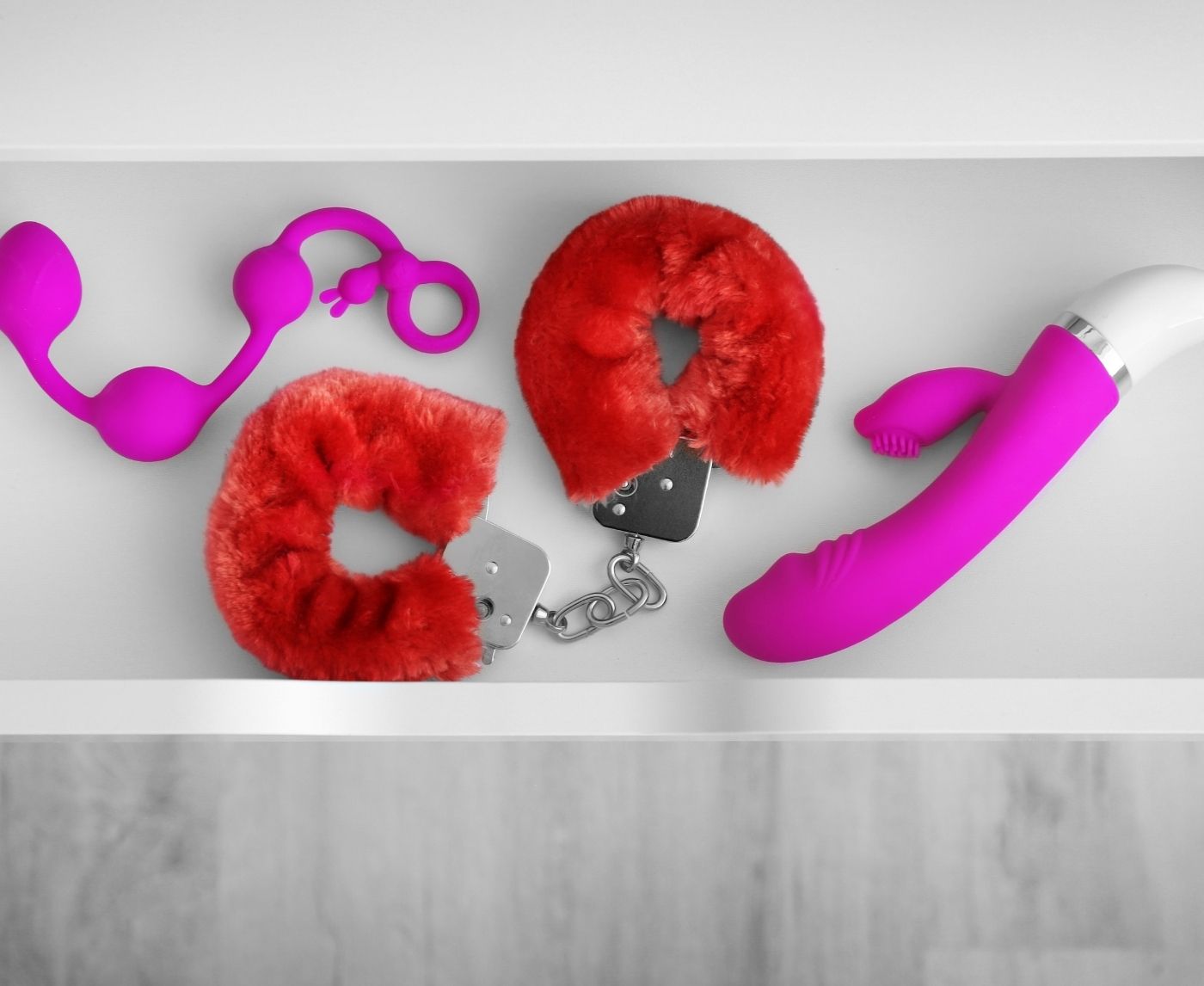
Published: November 2025 | Last updated: May 2026 | Editorial review and quality control: Martina N.
Most people do not think about sex toy hygiene until something prompts them to. A new partner, a shared toy, a stray article online about HPV surviving on surfaces. The question that follows is almost always the same: did the toy do something? The reassuring part is that HPV spreads primarily through direct skin-to-skin sexual contact, not through objects sitting in a drawer. The complicating part is that toys can act as a temporary carrier of skin cells and fluids when they move from one body to another. A short cleaning routine handles most of that complication. This guide walks through what the science says about HPV survival on surfaces, the cleaning steps that actually work, when sharing toys raises real risk, and when testing makes sense.
Key Takeaways
- HPV spreads primarily through skin-to-skin sexual contact, so a clean toy used alone carries very little transmission risk on its own.
- Most exposure pathways through shared toys vanish with a 20 to 30 second soap-and-water wash, a quick dry, and clean storage.
What Happens When a Toy Is Not Cleaned Between Partners
When a toy touches genital skin, it picks up the same microscopic material your skin already carries: shed cells, natural lubrication, normal vaginal or rectal bacteria, and occasionally viral particles if a current infection is present. Used alone and stored properly, none of that becomes a hygiene problem. The same person, the same body, the same microbes.
The risk equation shifts when a second person enters the picture. A toy that moves directly from one partner to another without cleaning can carry the first person's cells onto the second person's skin. The CDC notes that HPV is transmitted through intimate skin-to-skin contact, and a fluid-coated toy briefly becomes a vector for that kind of contact even though objects are not the usual route.
That transfer does not guarantee infection. The majority of exposures do not lead to transmission, because the immune system, the vaginal microbiome, and intact skin all act as natural barriers. The point is that the mechanism exists, and a short cleaning step removes most of it. Public health bodies frame hygiene around personal-contact items the same way they frame food handling: friction with soap and water is the single most effective baseline step against most microbes.
- Vaginal, penile, or rectal bacteria from the first user
- Skin cells that may contain viral particles, including HPV
- Traces of bodily fluids and lubricant residue
None of this guarantees infection in the next user, but each one is a pathway that a 30-second wash removes.
How Long Can HPV Survive on Surfaces?
This is the question that sends people down a late-night Google spiral. The honest answer is that researchers are still mapping the exact numbers, and the laboratory and real-world findings do not always line up.
Unlike fragile viruses such as HIV, HPV is relatively stable outside the body. Laboratory experiments have detected viral particles on inanimate surfaces for hours to days under controlled conditions. Detecting viral DNA, however, is not the same as confirming that infection can occur. The World Health Organization's HPV fact sheet addresses HPV entirely as a sexually transmitted infection, with no mention of surface or object-based transmission as a separate route, a framing consistent with the broader public health consensus.
In everyday situations, the risk depends heavily on three factors: moisture, material, and time.
| Factor | Why It Matters | Real-World Impact |
|---|---|---|
| Material | Porous surfaces can trap fluids and microbes in tiny pockets. | Lower-quality toys may hold bacteria longer than smooth ones. |
| Moisture | Viruses and bacteria survive longer in damp environments. | Storing toys while still wet keeps microbes viable for longer. |
| Cleaning | Soap and friction physically lift contaminants off surfaces. | A short wash with soap and water dramatically lowers the residue left behind. |
The Cleaning Routine That Actually Works
Sex toy hygiene does not require laboratory disinfectants, exotic sprays, or complicated rituals. The goal is straightforward: remove bodily fluids and skin cells before another person's body or another part of your own body contacts the toy.
Most sexual health clinics describe the same four-step baseline: warm water, mild soap, friction, and full drying. Toy-specific cleaners exist and are fine to use, but plain unscented soap remains the simplest reliable option.
| Step | What To Do | Why It Works |
|---|---|---|
| Wash | Use warm water and mild unscented soap for 20 to 30 seconds. | Friction lifts microbes and fluid residue off the surface. |
| Rinse | Rinse thoroughly until no soap film remains. | Prevents soap residue from irritating sensitive tissue on next use. |
| Dry | Pat dry with a clean towel, or air dry on a clean surface. | Moisture supports microbial survival; a dry toy stays cleaner longer. |
| Store | Keep toys in a clean pouch, dedicated container, or original box. | Prevents recontamination from drawer dust, fabric, or other items. |
Sharing Toys Between Partners
When toys move between people during the same encounter, hygiene becomes a more practical concern. Three habits do most of the work, and none of them require pausing the mood for a science lab.
The simplest is washing the toy between partners. This works well when a sink is within reach and the rhythm of the encounter allows a short break. A 20 to 30 second wash is enough for non-porous toys, and the same hot-water-and-soap habit applies between vaginal and anal use in the same session, since rectal bacteria can cause urinary or vaginal infections if introduced into a different body cavity.
A second option is keeping condoms on shared toys. A condom acts as a disposable barrier: when the toy moves to a new partner, swap the condom. This is the practical choice during partnered play when stopping to wash is not realistic, and it works for porous toys that are harder to clean thoroughly.
The third option is the most obvious: keep separate toys for each partner. It sounds basic, but it removes the cross-transfer question entirely. HPV can be present without causing symptoms for extended periods, meaning transmission can happen even in relationships where neither partner is aware of active infection, which is one reason shared-toy hygiene matters beyond new encounters.
Studies of HPV in women who have sex with women suggest that shared toy use may contribute to transmission if cleaning is skipped, which is one of the few documented contexts where toys are part of the transmission conversation.
This article is published by stdrapidtestkits.com, which sells at-home STI testing kits. We recommend products based on fit-for-purpose for the reader's concern, not commercial benefit.
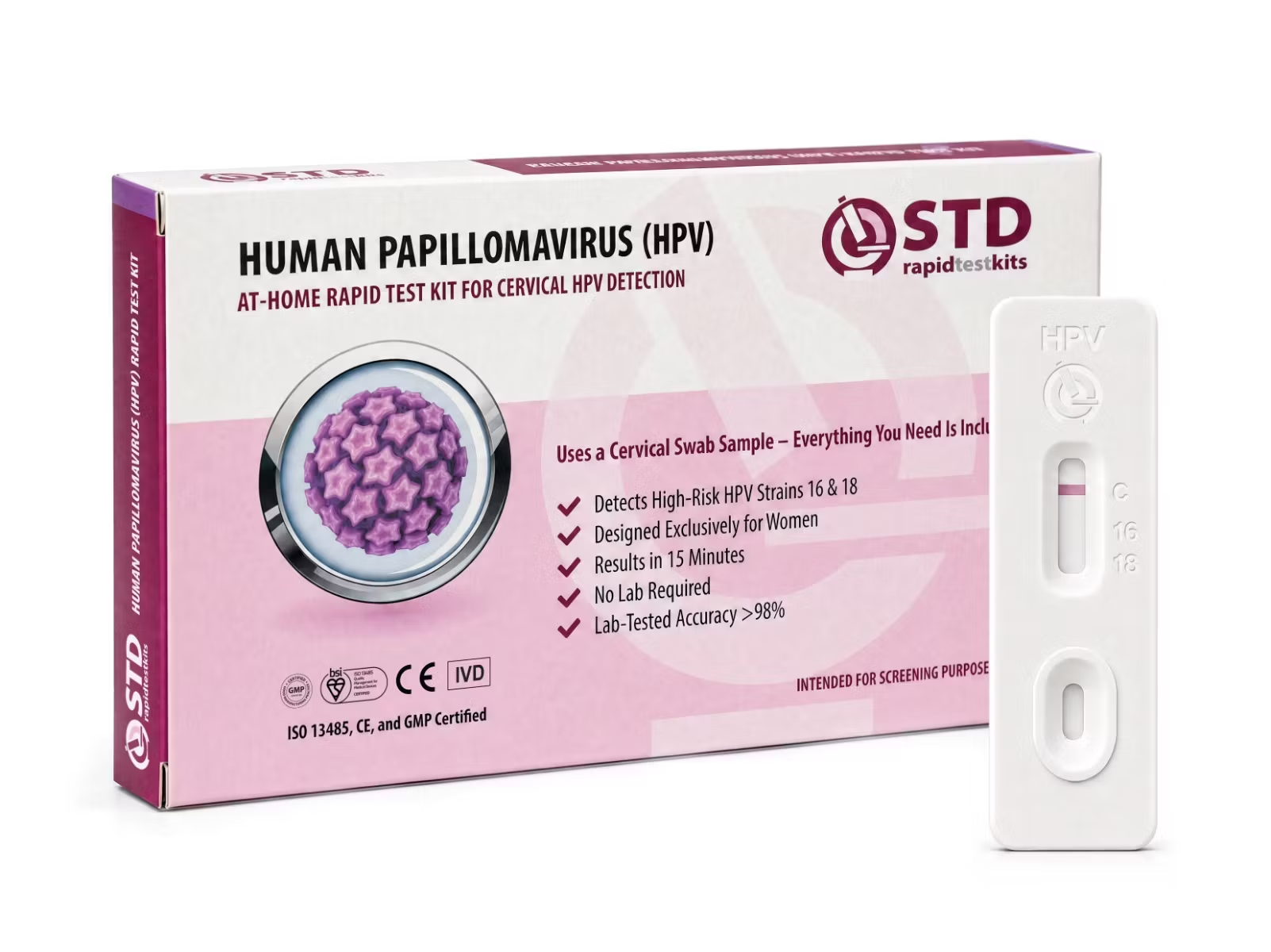
HPV is spread through intimate skin-to-skin contact. You can get HPV by having vaginal, anal, or oral sex with someone who has the virus.
Materials Make Cleaning Easier or Harder
Not all sex toy materials handle cleaning the same way. The single biggest variable is porosity. Non-porous materials have a smooth molecular surface that does not trap fluids in microscopic pockets. Porous materials, by contrast, have tiny voids that can hold residue even after a thorough wash.
For HPV and other sexually transmitted infections, this distinction matters less than people fear, because surface-mediated transmission is already a minor pathway. It matters more for opportunistic bacteria and yeast, which can persist in porous materials and cause irritation, odor, or recurring infections.
| Material | Porous? | Cleaning Difficulty |
|---|---|---|
| Medical-grade silicone | No | Easy; soap and water; can often be boiled if the manufacturer allows |
| Borosilicate glass | No | Very easy; soap and water; check for chips before each use |
| Stainless steel | No | Very easy; soap and water; can be boiled briefly |
| ABS hard plastic | No (but may have seams) | Easy on smooth surfaces; pay attention to crevices |
| Jelly rubber or TPR / TPE | Yes | Harder to sanitize; use a condom barrier each time |
The Cleaning Mistakes People Do Not Realize They Are Making
Most people who skip thorough cleaning are not being careless. They assume a quick rinse or a wipe is enough. Sexual health educators hear the same pattern often: someone uses a toy, rinses it for two seconds, drops it back in a drawer, and moves on.
Plain water does not remove much on its own. Body oils, fluids, and microscopic skin cells cling to surfaces, especially on textured toys with ridges or grooves. Without soap and friction, those residues stay behind, which matters more if the toy will be used again soon or shared.
Storing toys while they are still damp is the next quiet pitfall. Moisture creates an environment where bacteria and yeast can multiply over time. Even toys used solo can develop odor or cause irritation if they are washed but not fully dried before storage. Air drying on a clean surface for an hour, or patting fully dry with a clean towel, prevents this.
Bedside drawers create their own problem. Many toys end up loose in nightstand drawers, touching fabric, dust, hair, and other objects. A clean toy stops being clean when it shares a drawer with a pile of cables and tissues. A dedicated pouch, a sealed container, or even the original packaging keeps things stable between uses.
Antibacterial wipes get over-trusted. Many wipes leave a chemical residue that can irritate vulval or anal tissue and may degrade certain toy materials. Many sexual health clinicians advise against antibacterial wipes on items that contact mucous membranes, since residue can linger on sensitive tissue.
The reassuring part is that fixing these habits is fast. Wash, dry, store. Three steps, less than a minute, and the most common hygiene concerns resolve immediately.
- Rinsing with water alone instead of using soap and friction
- Storing toys while they are still damp from a wash
- Keeping toys loose in a bedside drawer with cables, fabric, and dust
- Relying on antibacterial wipes that leave irritating residue
What Most People Get Wrong About HPV Risk
When people start researching HPV and sex toys, the internet pushes them toward the alarming end of the spectrum. Articles cite viruses surviving on surfaces, studies mention traces of viral DNA, and the conclusion sounds like every toy is a hidden threat. The science reads differently when you zoom out.
The dominant driver of HPV transmission is direct skin-to-skin contact during sex. Genital contact, oral sex, and other intimate touching account for the overwhelming majority of new infections. A toy in a drawer does not harbor HPV in any meaningful sense; the virus is not multiplying on the silicone. What can happen is that fresh skin cells or fluids from a recent use sit on the surface for a window of time, and if a second person makes mucosal contact before cleaning, those cells can transfer.
That mechanism is not unique to HPV. The same principle applies to bacterial vaginosis-associated bacteria, yeast, herpes simplex virus, and trichomoniasis. Hygiene is the lever that works across all of them, because soap and friction do not need to know which microbe is on the surface to remove it.
One source of confusion is the gap between detecting viral DNA and confirming infectious virus. Studies that find HPV DNA on shared toys are usually using PCR-based detection, which finds genetic material whether or not the virus is still capable of causing infection. The presence of DNA is a marker of recent contact, not a guarantee that someone who touches the surface next will become infected. Most exposures do not lead to infection, especially when skin is intact and the second person has prior partial immunity from past exposure or vaccination.
This is why public health framing keeps coming back to the same short list: vaccination for those eligible, consistent condom use during partnered sex, routine cervical screening for those with a cervix, and basic hygiene for shared items. Persistent infection with high-risk HPV types accounts for nearly all cervical cancers, which is why screening on the recommended schedule matters even for people in long-term relationships who have no symptoms.
Finding HPV DNA on a surface confirms that recent contact occurred. It does not confirm that infectious virus is still present, or that the next person to touch the surface will become infected. PCR picks up genetic material regardless of whether the virus is still viable.
Should I get tested after sharing a sex toy with someone new?
If a toy moved between bodies without cleaning and you do not know your partner's STI status, testing is reasonable and reassuring. Most exposures do not lead to infection, but screening removes the guesswork. HPV-specific home screening is available for vaginal self-swab; for broader peace of mind, an at-home multi-STI panel covers infections like chlamydia, gonorrhea, syphilis, and HIV with a single kit. Timing matters: each infection has its own window before tests reliably detect it, so check the test's instructions for when to sample.
When Testing Makes Sense
Most people who share toys never experience a transmitted infection from doing so. The pathway is real but limited, and cleaning closes most of it. That said, testing can be the right move when the question keeps sitting in the back of your mind.
Three situations make testing especially worthwhile: a new partner with unknown STI status, a missed cleaning step you found out about afterward, and the slow accumulation of low-information sexual contacts where you have not screened in a while. None of those scenarios mean infection is likely. They mean uncertainty is high, and uncertainty is the part testing actually fixes.
Home testing has become a practical option for people who would otherwise put off a clinic visit. Rapid lateral-flow kits collect a self-swab or fingerstick blood sample and return results in 15 to 30 minutes for most infections. They are screening tools, not lab-grade NAATs, so a positive result is worth confirming with a clinic. A negative result, taken after the correct window, is reassuring and removes the late-night spiral.
HPV specifically is worth flagging here: routine HPV testing is not currently part of standard at-home multi-STI panels, and clinic-based HPV testing for those with a cervix is typically bundled into cervical screening on a multi-year cadence. A vaginal self-swab rapid test is one option for women who want to check between cervical screening intervals.

FAQs
- Can you actually get HPV from a sex toy?
- Technically yes, but it is not how HPV usually spreads. The virus moves mainly through skin-to-skin sexual contact. The concern with toys is narrower: if a toy touches one person's genitals and then another's without cleaning, it can carry skin cells or fluids with it. Think of it less like the toy holding HPV and more like it briefly carrying what was on someone's skin.
- How long can HPV survive on a sex toy?
- Laboratory studies have detected HPV DNA on surfaces for hours to days, but DNA detection is not the same as infectious virus. Real-world transmission through objects is treated as a minor pathway by public health bodies. A short soap-and-water wash between uses removes most of what would matter.
- Do condoms on sex toys actually help?
- Yes, and it is one of the easiest habits to add. A condom acts like a removable cover for the toy. When the toy moves between partners, swap the condom for a fresh one. It is especially useful during partnered play when stopping to wash the toy is impractical, and it is the recommended option for porous toys that are harder to clean thoroughly.
- What is the best way to clean a sex toy after use?
- Warm water, mild unscented soap, 20 to 30 seconds of rubbing, a thorough rinse, and full drying before storage. Non-porous toys like silicone, glass, and stainless steel handle this routine very well. Some can be boiled briefly if the manufacturer confirms that is safe. Avoid antibacterial wipes for anything that contacts mucous membranes, since residues can irritate sensitive tissue.
- Are silicone toys safer than other materials?
- For hygiene, silicone is one of the easiest materials to keep clean because it is non-porous, so fluids and microbes do not embed in tiny surface pockets. Glass and stainless steel share that advantage. Jelly rubber and TPR or TPE toys are softer and more porous, so a condom barrier is usually recommended for those.
- Should toys be cleaned between partners during the same encounter?
- Ideally yes. If a toy moves from one person's body to another, that is the moment when cells and microbes can transfer. Washing the toy or swapping a condom between partners closes most of that exposure pathway with very little disruption to the encounter.
- Do I really need to clean toys if I only use them alone?
- Yes. Solo use still deposits body fluids and skin cells on the toy. If those sit on the surface between uses, especially in a damp state, bacteria and yeast can multiply over time. That can lead to irritation, odor, or recurring vaginal or urinary issues. Wash, dry, and store after each use, the same way you would treat any other item that contacts intimate tissue.
- If I shared a toy with someone new, how soon can I test?
- Timing is the key variable, because each infection has its own window before tests can reliably detect it. Most at-home tests for chlamydia and gonorrhea become reliable around 14 days after exposure; syphilis from 3 to 6 weeks; HIV antibody tests from 18 to 45 days depending on the assay. An HPV vaginal self-swab detects current infection but has no universal window, since it depends on whether the virus is present at the sampled site at the time you swab. Take any panel after the infection-specific window printed on the kit instructions, and consider a follow-up test at 90 days if early testing was negative and the exposure was high-risk.
How we sourced this article: Our article was constructed based on current advice from the most prominent public health and medical organizations, including the U.S. Centers for Disease Control and Prevention, the World Health Organization, the UK National Health Service, the National Cancer Institute, Cleveland Clinic, and Johns Hopkins Medicine. We reviewed published guidance on HPV transmission, surface persistence of viral particles, sexual health hygiene framing, and at-home STI screening, and translated that into practical language for at-home decision making. This article is not a substitute for personalized clinical advice; if symptoms or a confirmed exposure concern you, see a licensed provider.
- U.S. Centers for Disease Control and Prevention. HPV overview, transmission pathways, and prevention guidance. Used to support the article's framing of HPV as primarily transmitted through intimate skin-to-skin contact.
- World Health Organization. Fact sheet on human papillomavirus and cervical cancer, covering transmission as a sexually transmitted infection, vaccination, and cervical screening.
- UK National Health Service. Human papillomavirus overview, used for general background on HPV, prevention, and HPV vaccination context.
- U.S. National Cancer Institute. HPV and cancer: persistent high-risk HPV infection and cervical cancer risk context informing the cancer-risk paragraph.
- Cleveland Clinic. Human papillomavirus overview, used for general background on HPV symptoms, transmission, and prevention framing.
- Johns Hopkins Medicine. Human papillomavirus (HPV) reference page, used for general background on HPV and at-home decision making.
