







Quick Answer: To safely test for HIV at home, use a trusted rapid test kit, follow the steps closely (clean hands, collect sample, wait the full time), and read results exactly when the instructions say, not before, not after. One line is negative, two lines means positive, and faint lines count. Always confirm positives with a lab test.
What’s in the Box (and What It’s For)
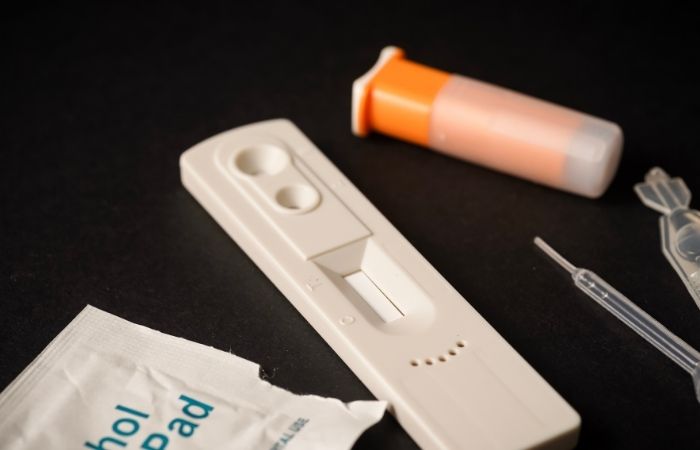
Before you even touch the swab or lancet, take a breath. Open the box and lay everything out in front of you. It helps to see the parts clearly, it makes the process less mysterious and less scary. Most FDA-approved HIV rapid tests (like the ones offered on STD Rapid Test Kits) contain a few core components:
You’ll usually find:
- A sealed test cassette
- A dropper or buffer solution vial
- A sterile lancet (if it’s a finger-prick blood test)
- An alcohol pad
- An instruction sheet (read it!)
- A waste pouch or container
Each of these items serves a purpose, not just for accuracy, but for your safety. If anything looks damaged or missing, don’t use the test. Order a new one. The integrity of the materials matters.

People are also reading: Burning After Sex but No STD? It Could Be BV, Yeast, or Trich
Before You Start: A Few Things to Know (That No One Tells You)
Testing at home isn’t just about technique, it’s about mindset. So here’s what most guides won’t say:
First, give yourself time. Don’t do it when you’re rushing out the door or multitasking. Block off 30–40 minutes, even though the test only takes 15–20. You’ll want space to settle your nerves, read the instructions fully, and sit with the results.
Second, prep like it’s a ritual. Wash your hands. Clean your surface. Dim the lights if it helps. You’re not just following protocol, you’re reclaiming control. You’re saying, “I care enough about my body to face the unknown.” That’s courage. That’s self-respect.
Mika, 26, shared her story online:
“I lit a candle. Played some soft music. I know that sounds dramatic, but it helped me not feel like I was in a clinic waiting room. It was mine. My moment.”
And third: don’t do it hungry, drunk, or sleep-deprived. Your emotional and physical state matters. A clear mind helps you read results accurately and react to them with less fear.
Step-by-Step: How to Use the HIV Rapid Test Without Melting Down
Most rapid HIV tests work on one of two methods: oral fluid (like OraQuick) or finger-prick blood. The instructions will differ slightly, but here’s the general flow with added real-life clarity.
- Read everything first. Before you touch a thing, sit down and read the full instruction manual. Front to back. It may not be thrilling, but it will save you from second-guessing later.
- Wash your hands and dry them well. Sounds obvious, but moisture can mess with some test components. Use warm water and a clean towel.
- Lay out all materials on a clean, flat surface. Create a mini test station. Turn off distractions. Make sure you won’t be interrupted.
- Collect your sample. If it's an oral test: Swab your upper gums, then your lower gums. Not your teeth. Not your tongue. Go slow and steady. If it’s a finger-prick test: Use the alcohol pad to clean your fingertip. Use the lancet to poke (usually the side of the finger hurts less), squeeze gently, and collect the drop in the tube or on the pad provided.
- Add the buffer (if required). Some tests include a solution to mix with your sample. Add exactly the amount instructed. Too much or too little can mess up results.
- Set a timer. This is crucial. Most HIV rapid tests require 15 to 20 minutes to develop. Looking too early might show nothing. Waiting too long can lead to “ghost lines” that look like a positive but aren’t real. Trust the timer.
- Read the results exactly when the time is up. No sooner. No later. Seriously. This is the moment where most people mess up, not because they’re careless, but because they’re scared.
One Line, Two Lines, Faint Lines, What Your HIV Test Is Telling You
Okay. The timer just buzzed. Your palms are sweaty. Your brain is already imagining the worst. Don’t panic, this is where you take back control. Let’s break down what you’re about to see and how to interpret it with calm, not chaos.
Most HIV rapid tests have a simple two-line system. Kind of like a pregnancy test, but with different stakes. The test cassette will have a Control (C) line and a Test (T) line.
| What You See | What It Means | What to Do |
|---|---|---|
| Only the Control (C) line appears | Negative result | You likely don’t have HIV, but check timing & risk. Retest if needed. |
| Both Control (C) and Test (T) lines appear | Positive result | You may have HIV. Follow up with a lab test immediately. |
| No Control (C) line, even if there’s a T line | Invalid result | Test didn’t work. Discard it and try again with a new kit. |
| Faint Test (T) line plus Control (C) line | Still a positive | Faint lines count. Confirm with a lab test ASAP. |
Table 1: HIV rapid test result visuals and what they actually mean.
This part messes with people the most: faint lines are still valid. If there’s even a shadow of a second line next to the “T,” that’s considered a reactive result. Don’t tell yourself, “Well, it’s barely there, so maybe I’m fine.” The test detected something. Your next move is a lab confirmation.
Why the Control Line Matters More Than You Think
The Control line isn’t just a formality, it tells you the test is functioning correctly. If it doesn’t show up, nothing you see on the test is valid. Even if there’s a bold T line, no C = no good. This usually means the kit was stored improperly, expired, or wasn’t performed correctly (which is why instructions are your best friend).
If you get an invalid result, don’t reuse the kit. Open a new one. And yes, we know it sucks to go through the wait again. But it’s better than making a life decision off faulty data.
Check Your STD Status in Minutes
Test at Home with RemediumHIV Rapid Test Kit
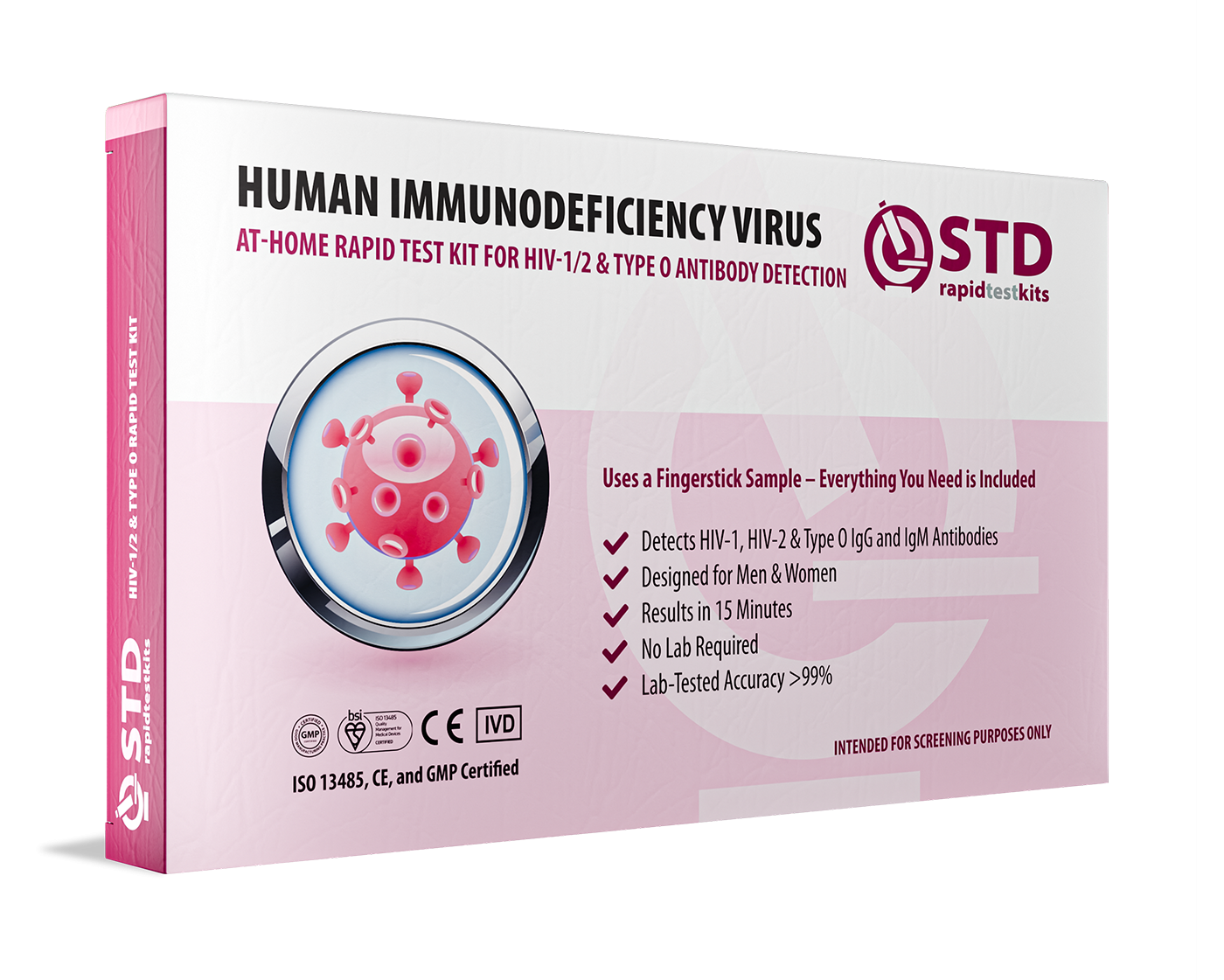
 For Men & Women
 Results in Minutes
 No Lab Needed
 Private & Discreet
Order Now $33.99 $49.00
What If the Test Is Positive?
Let’s be real: this is the moment everyone dreads. You waited, you checked, and now… there are two lines. It’s okay to feel whatever hits you, numbness, panic, tears, nothing at all. Just know this: you are not broken.
A positive rapid test result is not a final diagnosis. It’s a red flag saying, “Hey, let’s double-check this with more accurate tools.” What you do next matters more than the line itself.
Here’s your next move: schedule a confirmatory test, ideally a 4th-generation antigen/antibody test or a nucleic acid (RNA) test. Most clinics, health departments, or telehealth platforms can arrange this within days. If you tested through a service like STD Rapid Test Kits, follow their guidance for next steps or lab referral.
Tyrese, 29, shared:
“I saw the line and thought my life was over. But the follow-up test gave me clear answers. I started treatment the next week, and now I’m undetectable. That line didn’t end my life, it started the part where I took control.”
Remember: HIV today is treatable. With medication, you can live a full life, keep your immune system strong, and, when you reach undetectable status, have zero risk of passing it on. That’s not theory. That’s science.
What If the Test Is Negative… but You’re Still Worried?
This happens all the time. You get one line, negative, but your brain won’t stop spiraling. “What if it’s too soon? What if I did it wrong?” That’s valid.
HIV has a window period, meaning the time between exposure and when it shows up on a test. For most rapid tests, that’s 3 to 12 weeks. If you test too soon, your body may not have produced enough antibodies for the test to detect.
If it’s been under 3 weeks since your last possible exposure, a negative result isn’t conclusive. Retest at the 6-week mark. And again at 12 weeks if you want total peace of mind.
Lina, 22, tested negative 10 days after a condom broke.
“I still couldn’t sleep,” she said. “So I marked my calendar, retested at 6 weeks, then again at 3 months. Negative both times. That’s when I finally exhaled.”
If your test is negative, but your anxiety is sky-high, it’s okay to retest. Testing isn’t just for diagnosis, it’s for reassurance. Use it how you need to. No shame in double-checking your peace of mind.
Invalid Result? Here’s What That Looks Like
Don’t panic if your cassette looks… weird. If the control line is missing, the background looks smudgy, or there’s any kind of splash or smear that doesn’t match the examples on the instruction sheet, your result is invalid. That means the test couldn’t function correctly and needs to be redone.
Common causes:
- Using the wrong sample size
- Mixing up the buffer solution
- Reading the result too late (past the time window)
- Test was stored somewhere too hot, cold, or humid
Always keep a backup test on hand if you’re testing solo. It saves you from the added stress of scrambling for a replacement.
People are also reading: Retest or Relax? STD Retesting Timelines You Can Trust
After the Test: What to Do With Your Emotions (and the Trash)
Whether your test was negative, positive, or invalid, one thing’s almost guaranteed: your brain is still buzzing. That’s normal. Even when the result is what you hoped for, the build-up alone can leave you feeling drained, jumpy, or weirdly flat. You just did something hard, give yourself permission to land.
First: breathe
Literally. Sit somewhere soft. Close your eyes. Inhale. Exhale. Repeat. Your nervous system needs a moment to come back online. Don’t rush into Googling things or texting anyone unless you really want to. You don’t owe anyone immediate processing. This moment belongs to you.
Second: document it
Take a photo of your test result (especially if it’s positive or faint). Write down the time and date. This helps in case you need to follow up with a provider or do a confirmation test. Keeping a record also grounds your experience. It moves the result from panic into clarity.
Third: clean up the test kit safely and discreetly
Here's how:
| Item | Disposal Method | Privacy Tips |
|---|---|---|
| Used cassette or swab | Wrap in tissue or paper towel, place in regular trash | Seal in a ziplock if you're sharing a bin |
| Buffer solution & plastic parts | Dispose in normal household waste | Use an opaque bag if worried about others seeing |
| Lancet (finger-prick test only) | Recap if possible, then place in rigid container (like a bottle) before tossing | Label it as sharps if you're being cautious |
Table 2: Safe and discreet disposal of HIV self-test kit components.
If you’re especially concerned about privacy, do the test when others aren’t home and dispose of materials outside your house, like in a public bin or at a park. You’re not being paranoid, you’re protecting your space, and that’s valid.
When Should You Retest?
Timing is everything in HIV testing. One negative test doesn’t always mean you’re in the clear, especially if you’re testing within the window period. Here's a general breakdown:
| Time Since Exposure | Can You Test? | Is the Result Conclusive? |
|---|---|---|
| Less than 2 weeks | Yes (if anxious) | No – retest at 6 and 12 weeks |
| 3–6 weeks | Yes | Maybe – follow up recommended |
| 12+ weeks | Yes | Yes – most results are conclusive |
Table 3: HIV testing window period and when to retest for accuracy.
If you tested during a high-stress period, like after a risky night or a condom mishap, you might feel tempted to test again the next day. That’s understandable, but remember: results are only meaningful when enough time has passed. Until then, focus on self-care and make a retest plan instead of spiraling.
For those who test positive: retesting isn’t usually needed unless your confirmatory lab result is unclear. But you will continue regular testing to monitor viral load once treatment begins.
Need to Talk to Someone? You’re Not Alone
Even with a negative result, the emotional toll of testing can be heavy. And if your result is positive, or even uncertain, talking to someone can break the isolation spiral that often hits afterward. You're not dramatic for needing support. You're human.
Here are some low-pressure options:
- HIV.gov offers a provider locator and general education tools.
- POZ HIV Hotlines lists confidential support lines by state and topic.
- Thorn's Mental Health Helplines connect you to trained listeners, not just crisis staff.
Some people find it easier to text or DM a support group rather than pick up the phone. That’s okay too. Online spaces like Reddit’s r/hivaids or private Facebook groups can offer peer-led insight, lived experience, and a sense of “me too” when you need it most.
Check Your STD Status in Minutes
Test at Home with Remedium10-in-1 STD Test Kit
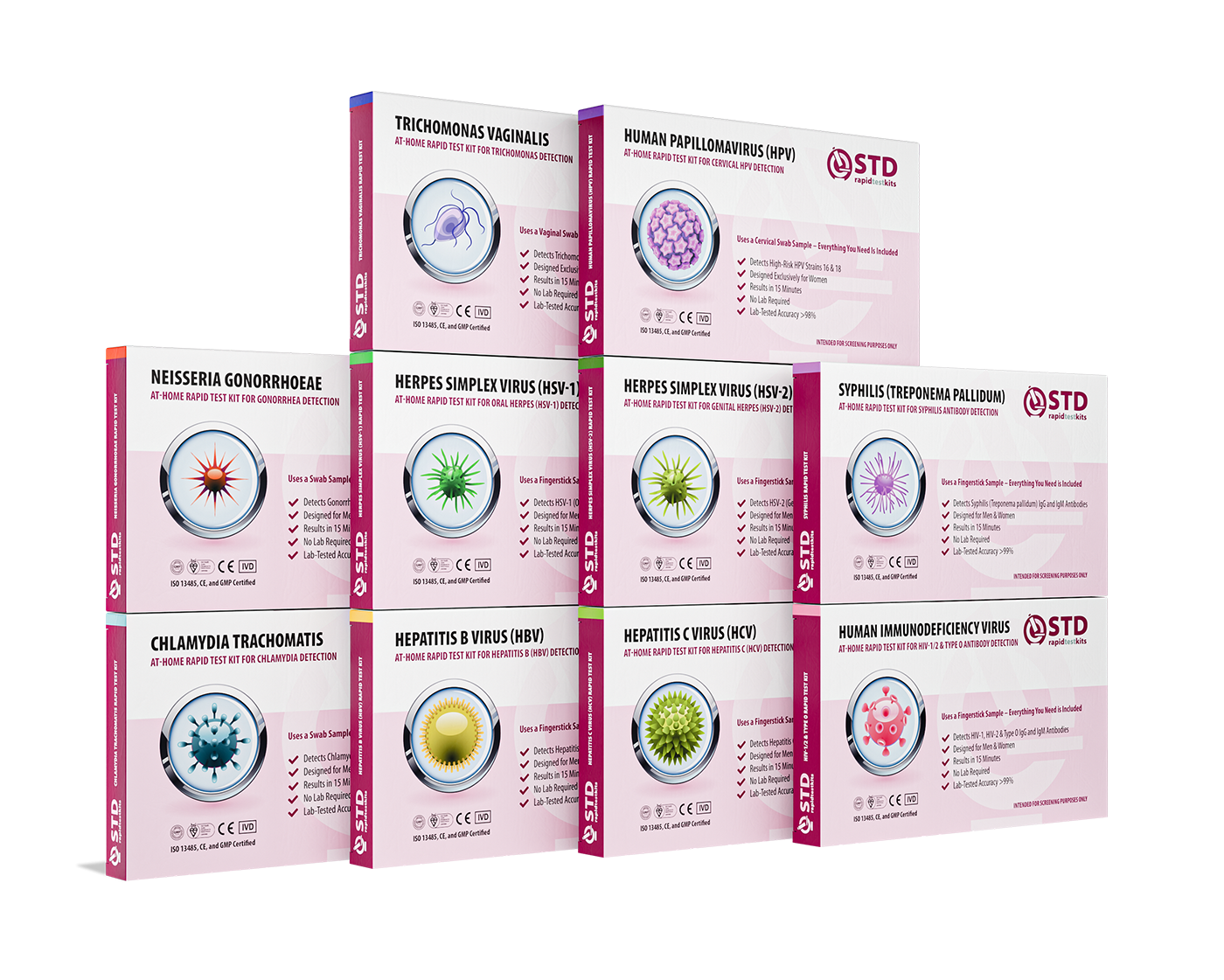
 For WomenResults in MinutesNo Lab NeededPrivate & Discreet
Order Now $189.00 $490.00
For all 10 tests
FAQs
1. Is an at-home HIV test actually reliable?
Totally, if you follow the steps. Most FDA-approved rapid HIV tests clock in at over 99% accuracy after the window period. But “accurate” doesn’t mean magical. If you test too early (like right after a risky hookup), your body might not have enough antibodies yet. So yes, they’re reliable, but only when you give them the time they need to work right.
2. What if I see a faint second line?
Still counts. Think of it like a pregnancy test: one line is negative, two means it’s trying to tell you something. Faint just means early detection or low antibody levels, not a mistake. If you see even a whisper of a second line, treat it as a positive and confirm with a lab test. No guessing. No denial spirals.
3. Can I take this test in the middle of the night in my bathroom?
Yes, and honestly, that’s how a lot of people do it. Just make sure you’ve got decent lighting, clean hands, and about 30 quiet minutes. Whether it's 2 a.m. or lunchtime, HIV doesn’t care. The test works all the same. Just don’t rush it or read the result in the dark while panicking. Give yourself a moment.
4. What if I mess up one of the steps?
If you don’t see the control line, the test didn’t work. Doesn’t matter what else shows up, it’s invalid. But if that line shows up and everything else looks okay, you’re probably fine. Still, when in doubt, don’t force an answer out of a janky result. Grab another test. Your peace of mind is worth the extra swab.
5. Do I need to test again after a negative?
Depends on the timing. If it’s been 12 weeks since your last potential exposure, and you tested negative, you’re likely in the clear. But if it’s only been a week or two? That’s too soon. Your body needs time to react, and the test can’t read what isn’t there yet. So mark your calendar. Retest at 6 weeks. Then again at 12 if you need that extra exhale.
6. Can someone else read the result for me?
100%. If you’re too nervous to look, ask a friend. Text a pic to a hotline nurse. Some folks have literally covered the cassette with a sticky note and waited until a therapist session to peek. Do whatever makes you feel safe. Courage doesn’t mean facing it alone. It just means you’re doing it your way.
7. Could it be a false positive?
It's rare, but possible, especially if you’ve got an autoimmune condition or recently had another infection. That’s why home tests aren’t the final word. They're the “hey, something’s up” tool. If yours comes back positive, don’t spiral, just schedule a lab test. That’s where the real confirmation happens.
8. Can I throw the test away in my regular trash?
Yes, but do it smart. Wrap the used stuff in tissue, zip it in a sandwich bag, and toss it. If you're living with other people and want privacy, take it outside or wait until trash day. Some folks keep an empty vitamin bottle for discreet disposal. Whatever works, you don’t need a hazmat suit. Just be mindful.
9. How soon can I test after a possible exposure?
If we’re being honest? Most people test way too early, and then panic when the result feels uncertain. Technically, you can test as soon as 2–3 weeks after exposure, but the result might not be conclusive. Antibodies take time to build up. If something risky happened yesterday, mark your calendar and wait at least 21 days. Then test again at 6 weeks. Then again at 12, just to be sure. Patience is part of the process.
10. What should I do while I wait to retest?
Waiting is brutal, we know. But you don’t have to just sit in fear. Take care of yourself. Sleep, hydrate, eat something besides instant noodles. If you’re sexually active during this time, use protection, always. Consider talking to a provider about PEP if it’s been less than 72 hours since exposure. And most importantly? Don’t isolate. Waiting with support is way easier than spiraling alone in your room.
Scared Doesn’t Mean You Can’t Do It
We get it. HIV testing can feel like crossing a bridge with no idea what’s on the other side. But here’s the truth: no matter what the result is, knowing is always better than not knowing. Testing is a form of self-respect. It’s a sign that you care about your health, your partners, and your future.
If you haven’t tested yet, or want to retest with more confidence, grab an FDA-approved HIV home test kit from a source you trust. Order here with full privacy and fast delivery. You’ve got this.
How We Sourced This Article: We consulted peer-reviewed research, public health guidance, test manufacturer data, and firsthand experiences from real users to build this guide. Around fifteen reputable sources shaped the content below, but we’ve highlighted the most accessible and reader-friendly ones to support your next steps.
Sources
3. HIV.gov — HIV Testing Overview & Self-Testing
4. FDA — Information on OraQuick In-Home HIV Test
5. AIDSmap — How Accurate Is HIV Self-Testing?
About the Author
Dr. F. David, MD is a board-certified infectious disease specialist who loves making STI testing easier to understand. His clinical work is all about providing care without stigma and making it easier for people in both rural and urban areas to get quick diagnoses.
Reviewed by: Riley C. Stone, RN, MPH | Last medically reviewed: October 2025
This article is for informational purposes and does not replace professional medical advice.


