
Published: August 2025 | Last updated: April 2026 | Editorial review and quality control: Martina N.
Rectal chlamydia is an infection of the rectal lining caused by Chlamydia trachomatis, the same bacterium responsible for most genital chlamydia cases. The rectal lining can host the infection comfortably, often without producing the discharge, pain, or burning that drive people to a clinic. That is why a large share of rectal cases are caught only when someone explicitly asks for a swab, when a partner tests positive, or when routine multi-site screening is done as part of a standard sexual health visit.
This guide covers what rectal chlamydia feels like when it does cause symptoms, the situations where it stays completely silent, how it differs from hemorrhoids and other common rectal complaints, what testing involves, and the current CDC-recommended treatment, including where our at-home kit fits and where a clinic visit is the better call.
What does rectal chlamydia feel like, and how do you know if you have it?
Rectal chlamydia can cause mucus or pus-like discharge, dull rectal pressure, mild bleeding after bowel movements, internal itching, or a constant feeling that you need to use the bathroom (called tenesmus). Many cases produce no symptoms at all. The only reliable way to confirm or rule it out is a rectal swab tested with a nucleic acid amplification test (NAAT), ideally 7 to 14 days after exposure. A urine chlamydia test cannot detect rectal infection. If you have had no relevant sexual exposure in the past few weeks, a benign cause such as hemorrhoids or an anal fissure is more likely; this guide will help you distinguish.
Key Takeaways
- A urine chlamydia test cannot detect rectal infection. Site-specific testing matters because chlamydia is found where the swab is taken, not where it is convenient to sample.
- Many rectal chlamydia cases produce no symptoms. Routine screening, partner notification, and multi-site testing close the gap that symptoms alone cannot.
What rectal chlamydia feels like (when it feels like anything)
When symptoms do appear, they cluster around inflammation of the rectal lining. Clinicians call this proctitis. In day-to-day life it shows up as discomfort that does not match anything obvious in your routine.
The most consistent description is a low, persistent pressure deep inside the rectum, like you need to have a bowel movement even when you have just had one. People often see mucus or pus-like fluid when they wipe. Some notice small streaks of blood after a bowel movement, especially if the lining is irritated. Internal itching or a raw, burning sensation can develop as inflammation builds. The discomfort sits inside the rectum rather than on the surrounding skin, which is one of the more useful clues that what you are feeling is not just an external skin irritation.
Public-health authorities describe chlamydia as frequently asymptomatic at any anatomical site, and rectal cases are no exception (CDC, about chlamydia). Symptoms, when present, are rarely dramatic. They are usually just persistent enough to be noticed.
| Symptom | What it feels like | How common |
|---|---|---|
| Rectal discharge | Mucus or pus-like fluid noticed when wiping | Moderately common |
| Rectal pressure or pain | Dull ache or pressure deep inside, not surface-level | Common in symptomatic cases |
| Bleeding | Small streaks after a bowel movement, often mixed with mucus | Less common |
| Internal itching or burning | Sensation feels internal, not skin-level | Variable |
| Tenesmus | Feeling you need to go even when the rectum is empty | Common in symptomatic cases |
| No symptoms at all | Normal bowel habits, no pain, no discharge | Very common |
When silence is the symptom
This is the part most people miss. A large portion of rectal chlamydia infections cause no noticeable symptoms whatsoever. The rectal lining can host Chlamydia trachomatis without triggering enough inflammation to produce discharge or pain. Public health authorities frequently describe chlamydia as a "silent infection" for exactly this reason (CDC, about chlamydia).
Asymptomatic cases are particularly common in two groups. First, men who have sex with men, where rectal screening alongside urethral and pharyngeal sampling is part of recommended routine care for sexually active adults. Second, women whose rectal lining can become infected from the cervix without anal penetration ever taking place. Multiple screening studies have detected rectal chlamydia in women who explicitly denied receptive anal intercourse, which has shifted the conversation around when rectal swabs should be offered to female patients.
The takeaway: feeling fine is not the same as being infection-free. Screening guidelines focus on exposure history and routine intervals rather than waiting for someone to complain of a problem.
Why a negative urine test does not rule out rectal infection
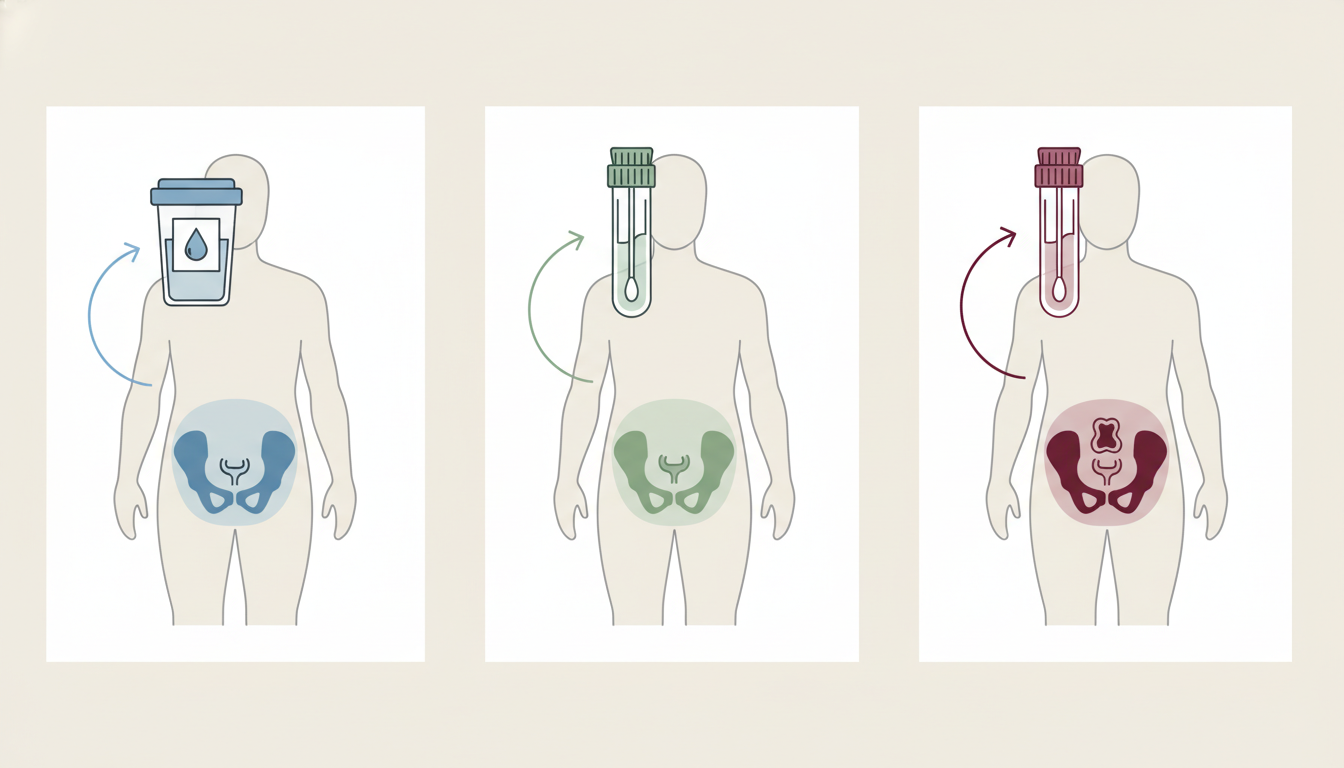
Chlamydia testing is site-specific. The most accurate technology, the nucleic acid amplification test (NAAT), can detect Chlamydia trachomatis with very high sensitivity, but only at the site where the sample is collected. A urine sample tests the urethra. A vaginal or cervical swab tests the cervix and surrounding tissue. A rectal swab tests the rectum. The CDC's STI treatment guidelines specifically recommend that screening should match the patient's anatomical sites of exposure, not just the most convenient sample type (CDC STI treatment guidelines, chlamydial infections).
This explains a confusing pattern many people encounter: a standard STD panel comes back negative, symptoms briefly resolve, then return, and a partner later tests positive. The original panel was probably not wrong. It just was not complete.
| Test type | Body site sampled | Detects rectal chlamydia? |
|---|---|---|
| Urine NAAT | Urethra | No |
| Vaginal or cervical swab | Cervix and surrounding tissue | No |
| Rectal swab NAAT | Rectal lining | Yes |
| Pharyngeal swab | Throat | No (detects pharyngeal infection only) |
Rectal chlamydia versus hemorrhoids: why people confuse them
One of the most searched questions on this topic is some version of "is this an STD or just hemorrhoids?" The overlap is real, and guessing from sensation alone is unreliable.
Hemorrhoids tend to cause external swelling near the anal opening, surface-level itching, and bright red blood on toilet paper or in the bowl. The discomfort is usually external and can often be felt or seen with a small mirror. Rectal chlamydia, when it produces symptoms, tends to feel deeper. Pressure inside the rectum, mucus or pus-like discharge, internal irritation. Bleeding from rectal chlamydia, when it happens, is often mild and mixed with mucus rather than the bright-red streak typical of an irritated external hemorrhoid.
The honest answer: there is no reliable way to distinguish them at home by feel alone. If symptoms persist beyond a few days, follow a recent sexual exposure, or do not respond to standard hemorrhoid care (warm sitz baths, fiber, topical treatments), testing makes more sense than guessing.
| Feature | Rectal chlamydia | Hemorrhoids |
|---|---|---|
| Discharge | Mucus or pus possible | Not typical |
| Location of discomfort | Deep, internal pressure | External, near the anal opening |
| Bleeding pattern | Possible, often mild and mixed with mucus | Common, bright red on paper or in the bowl |
| Itching | Internal, not skin-level | Skin-level, around the opening |
| Sexual exposure link | Often present | Not related |
| Resolves with hemorrhoid creams | No | Often, partially |
How soon do symptoms appear, and when can you test reliably?
When symptoms develop, they typically appear 7 to 14 days after exposure, although the range varies. Some people develop discomfort earlier, some weeks later, many never at all. The timing matters more for testing than for symptoms because NAATs need enough bacterial genetic material in the sample to register a positive result.
Testing in the first 5 days after a known exposure can produce a false-negative even with a high-sensitivity NAAT. By day 7 the test is significantly more reliable, and by day 14 the great majority of infections are detectable. If a test was taken very early and a partner is later confirmed positive, retesting at the 2-week mark is sensible. The CDC also recommends a follow-up test approximately 3 months after treatment, which catches reinfection before symptoms restart.
Severe symptoms (significant pain, heavy bleeding, fever, signs of systemic illness) need same-day medical evaluation regardless of how recent the exposure was. Those signs can point to complications or to a different infection like lymphogranuloma venereum (LGV), an invasive serovar of Chlamydia trachomatis that requires a longer antibiotic course than standard rectal chlamydia.
0 to 5 days after exposure: Even a NAAT may miss it. Wait if symptoms allow.
7 to 14 days: Optimal window for a rectal swab NAAT. Most infections are now detectable.
3 months after treatment: Retest, even if you feel fine. The CDC recommends a follow-up test because reinfection rates are high enough that routine rescreening is part of standard care (<a href="https://www.cdc.gov/std/treatment-guidelines/chlamydia.htm" target="_blank" rel="noopener">CDC STI treatment guidelines</a>).
"But I never had anal sex": how rectal chlamydia happens anyway
Receptive anal sex is the most common transmission route for rectal chlamydia, but it is not the only one. The rectum and the vaginal canal sit close together anatomically, and bacteria do not respect tidy compartments. Other routes that bring chlamydia to the rectum are summarised below.
None of this is unusual or reckless. It is biology. The relevant point for testing decisions: rectal exposure is broader than "did I have anal intercourse," and screening guidelines have been slowly catching up to that reality, particularly for women who are systematically under-tested rectally because the question often is not asked.
Cervix-to-rectum contiguous spread. In women, vaginal secretions carrying Chlamydia trachomatis can reach the rectal opening through normal anatomy and hygiene without any anal penetration. Multiple screening studies have detected rectal infection in women who reported no receptive anal sex.
Shared sex toys. A toy used vaginally or by an infected partner and then anally (or vice versa) without cleaning or barrier-use can transfer bacteria between sites and people.
Fingers or hands. Contact between genital fluids and the anal opening, including during partnered or solo sex, can introduce the bacterium.
Oral-to-anal contact. Less common as a transmission route for chlamydia specifically, but biologically possible if pharyngeal chlamydia is present.
How a rectal swab works (and where at-home kits fit)
A rectal swab is straightforward. A small, soft swab is inserted a short distance past the anal sphincter, rotated for a few seconds, then withdrawn. The collection itself is uncomfortable for a few seconds rather than painful for most people, and the lead-up anxiety is usually larger than the procedure. The swab is then sent for NAAT analysis, with results typically available within a few days. Patient-collected rectal swabs perform comparably to clinician-collected ones when basic instructions are followed, which has expanded self-collection options in some settings.
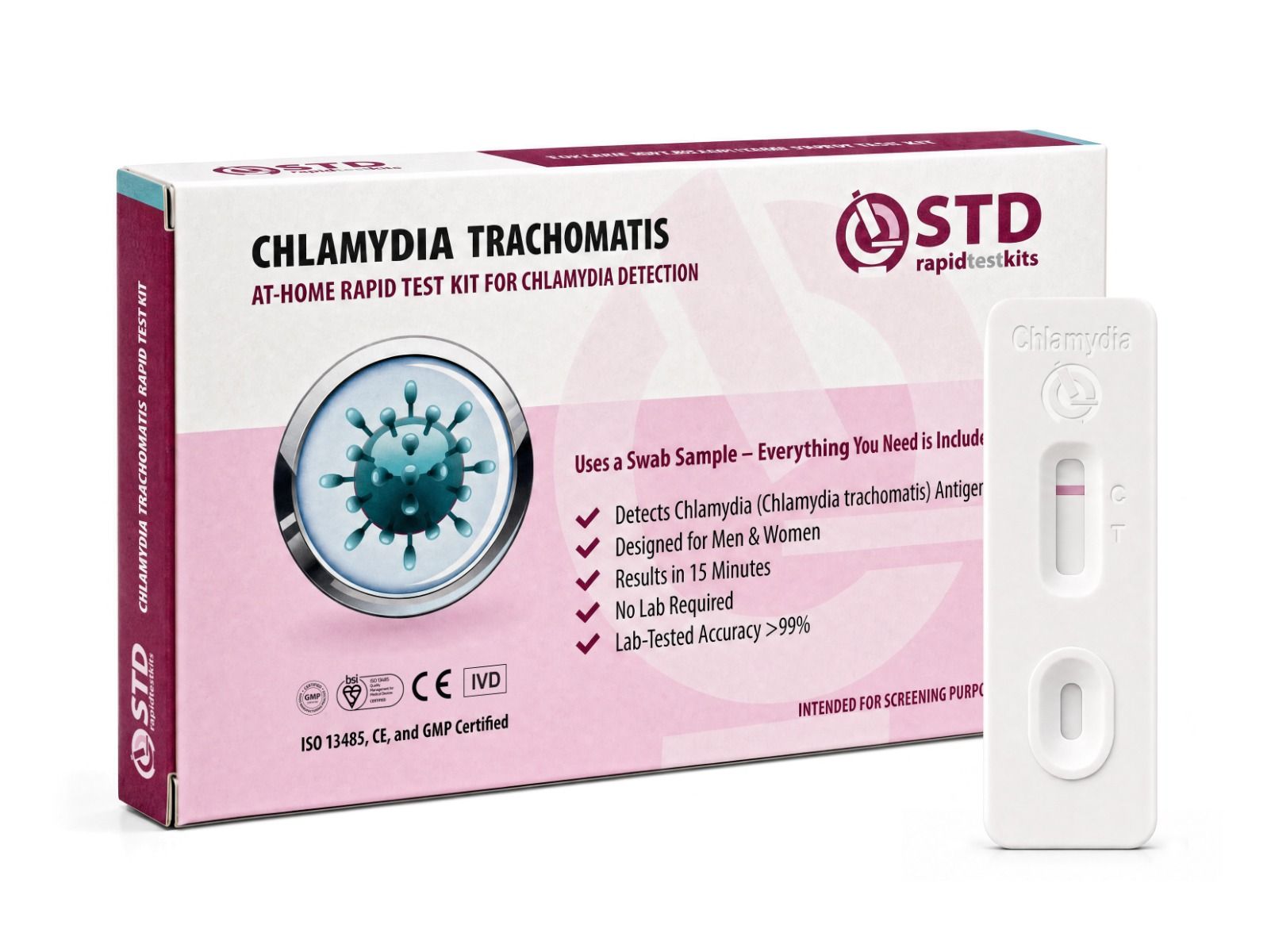
Our rapid lateral-flow chlamydia test is a genital self-swab, not a rectal swab. It is validated for vaginal or penile collection. If your concern is specifically rectal-only screening, a clinic visit, a sexual-health service, or a multi-site mail-in panel processed by a lab is the correct route. Where our genital test does serve people in this situation: confirmed or suspected rectal exposure is also frequently associated with genital exposure, and screening the genital site is a useful first step alongside arranging a rectal swab through a clinic. Multi-site infection is common enough that catching the genital component early is rarely wasted effort.
This site sells rapid at-home STI tests; where a kit genuinely fits the situation described, it is noted below.
What happens if rectal chlamydia is left untreated
Untreated rectal chlamydia can persist for months, sometimes longer. The most direct consequence is ongoing rectal inflammation (proctitis), which may progress to more pronounced discharge, pain, and bleeding over time. Severe untreated cases can develop into deeper rectal complications, although these remain uncommon when treatment is accessed within a reasonable window.
Beyond the local inflammation, untreated rectal infection can be transmitted to sexual partners during ongoing contact, which is one reason partner notification is part of standard care. Untreated STIs broadly have also been linked to higher HIV susceptibility because inflamed tissue offers more accessible entry points for the virus during exposure (WHO, sexually transmitted infections fact sheet). The WHO fact sheet specifically names herpes, gonorrhoea, and syphilis in its HIV-risk discussion; the underlying tissue-vulnerability mechanism applies to inflammation from any STI source, including rectal chlamydia.
For women, untreated genital chlamydia can ascend to the upper reproductive tract and cause pelvic inflammatory disease (PID), with downstream effects on fertility. Rectal infection alone does not directly cause PID, but women with rectal infection often have concurrent cervical infection, so the screening question is interconnected. The straightforward answer to "can I just wait and see?" is that some chlamydia infections do clear on their own, but the proportion is uncertain, the timeline is unpredictable, and antibiotics are simple, accessible, and highly effective.
Chlamydia is a common sexually transmitted infection. It often has no symptoms but can cause serious health problems if not treated.
Treatment and the reinfection loop
Rectal chlamydia is treated with antibiotics. The CDC's current first-line regimen is doxycycline 100 mg twice daily for 7 days, which has shown higher cure rates for rectal infection than single-dose alternatives in clinical studies (CDC STI treatment guidelines, chlamydial infections). Single-dose azithromycin is an alternative for people who cannot take doxycycline, but for rectal infection specifically, the doxycycline regimen is preferred. Treatment is given even if symptoms are mild or absent, because the goal is bacterial clearance, not symptom relief.
Stopping antibiotics early when symptoms ease is the most common pitfall. Residual bacteria can remain after the discomfort clears, so finishing the full 7-day course matters even on day five when you feel fine. The other recurring problem is partners. If a current sexual partner is infected and untreated, resumed sexual activity re-seeds the infection, which is why simultaneous partner treatment is part of standard care. This is the most common reason a positive retest at 3 months looks like the antibiotics failed, when in fact the medication worked but the exposure repeated.
Avoid sexual activity until the full course is complete and for 7 days after the last dose. The CDC also recommends retesting around 3 months after treatment, regardless of symptoms.
Days 1 to 7: Doxycycline 100 mg twice daily, taken as prescribed even if symptoms ease.
Last dose plus 7 days: Avoid all sexual activity to prevent transmission and reinfection during the clearance window.
3 months after treatment: Routine retest, per CDC guidance, to catch reinfection from an untreated partner.
When at-home testing is the wrong choice
Most adults researching rectal chlamydia symptoms can choose between a clinic visit and an at-home kit based on convenience and privacy preferences. At-home testing fits cleanly for routine screening of the genital site in asymptomatic adults, follow-up after a partner's positive result if your exposure was genital, and discreet retesting after a previous course of treatment. A handful of situations call for clinic care instead, summarised in the warnings below.
Severe pain, heavy bleeding, fever, or signs of systemic illness. Skip self-testing and go to urgent care or your provider. Severe symptoms can indicate complications or a different infection that needs immediate evaluation.
Pregnancy. Chlamydia during pregnancy has implications for both the pregnancy and the newborn. A clinical evaluation is the right starting point, not an at-home rapid test.
Suspected rectal-specific exposure. Our genital self-swab does not sample the rectum. A clinic, sexual-health service, or a mail-in lab kit that includes rectal swab collection is the correct match.
Recurrent or persistent symptoms after recent treatment. A clinical evaluation can investigate possible treatment failure, reinfection, or differential diagnosis (such as lymphogranuloma venereum, which requires a longer antibiotic course).
Why co-testing for other STIs makes sense here
Rectal chlamydia rarely travels alone. The most common co-occurring infection is rectal gonorrhea, which shares the same transmission routes and is frequently found alongside chlamydia when both targets are tested. People with confirmed rectal exposure also have elevated background risk for syphilis, hepatitis, and HSV-2 depending on the exposure context. Comprehensive screening replaces a series of "is it just this?" questions with a single, fuller picture.
For at-home use, a multi-infection panel covers the genital and bloodborne side of that picture in a single kit. It does not replace a rectal swab when one is indicated, but it can reduce the number of separate test windows you need to manage and is a practical companion to a clinic-based rectal swab.
Frequently asked questions
- Can I have rectal chlamydia and feel completely normal?
- Yes. A large share of rectal chlamydia infections produce no noticeable symptoms. The infection can sit in the rectal lining for weeks without causing discharge, pain, or bleeding. This is why routine screening and partner notification matter; symptoms alone are not a reliable signal.
- What is the most common symptom when one does appear?
- Internal rectal pressure or a constant feeling that you need to use the bathroom (tenesmus), often combined with mucus or pus-like discharge noticed when wiping. The discomfort is typically deep and internal rather than surface-level.
- How can I tell rectal chlamydia from hemorrhoids?
- Usually you cannot, by feel alone. Hemorrhoids tend to cause external swelling and bright red blood on paper. Rectal chlamydia tends to feel deeper, with possible mucus discharge. Persistent symptoms, recent sexual exposure, or symptoms that do not respond to standard hemorrhoid care are signals to test rather than guess.
- When should I test after exposure?
- 14 days is the reliable cutoff for a rectal NAAT. Earlier than day 7, the bacterial load may be too low to register a positive. Test at the 2-week mark if you tested before that window and a partner later confirms positive.
- Does a urine chlamydia test detect rectal infection?
- No. A urine sample tests the urethra. Rectal infection is detected only by a rectal swab. Site-specific testing is the underlying principle: chlamydia is found where the sample is taken from, not where it is convenient to sample.
- Can I get rectal chlamydia without anal sex?
- Yes, particularly for women. Rectal infection can occur through cervix-to-rectum contiguous spread, shared sex toys, fingers, or other contact routes. Multiple screening studies have detected rectal chlamydia in women who reported no receptive anal sex.
- How is rectal chlamydia treated?
- Doxycycline 100 mg twice daily for 7 days is the CDC's preferred regimen because it outperforms single-dose azithromycin specifically at the rectal site. Azithromycin remains an option for people who cannot take doxycycline. Hold off on sex for 7 days after the final dose.
- Do I need to retest after treatment?
- Yes. The CDC recommends a follow-up test approximately 3 months after treatment. Reinfection is common, especially when a sexual partner was not treated at the same time. Retesting confirms clearance and catches reinfection early.
- U.S. Centers for Disease Control and Prevention. About chlamydia: public-health overview including transmission, asymptomatic infection, and screening guidance.
- U.S. Centers for Disease Control and Prevention. STI treatment guidelines for chlamydial infections, including current first-line doxycycline regimen for rectal infection and 3-month retesting recommendation.
- World Health Organization. Sexually transmitted infections fact sheet, covering global epidemiology and the link between untreated STIs and HIV susceptibility.
- NHS (UK National Health Service). Chlamydia overview, symptoms, testing, and treatment guidance.
- MedlinePlus (U.S. National Library of Medicine, NIH). Chlamydia infections: symptom presentation, testing, and clinical management overview.
