







Quick Answer: Reactive arthritis after sex is an inflammatory joint condition triggered by untreated STDs like chlamydia or gonorrhea. It usually develops 1–4 weeks after infection and can cause joint swelling, heel pain, eye inflammation, and urinary symptoms.
This Isn’t Just “Arthritis.” It’s Your Immune System Reacting.
Reactive arthritis isn’t a bacteria invading your joints. It’s your immune system overreacting after an infection somewhere else, most commonly in the genitals, urinary tract, or gut. Think of it like friendly fire. The infection triggers an immune response, but instead of standing down once the threat is handled, the immune system keeps firing.
The most common sexual trigger is untreated chlamydia. In some cases, gonorrhea can also be involved. What makes this complication so sneaky is that the original STD may have been mild, or completely asymptomatic. No discharge. No dramatic symptoms. Just a quiet infection the body tried to handle.
Then weeks later, the joints start talking.
Historically, doctors called this “Reiter’s syndrome.” Today, the term reactive arthritis is used instead. It reflects what’s actually happening: an inflammatory reaction following infection. It is not contagious, but the STD that triggered it absolutely was.
How It Shows Up in Real Life (And Why People Miss It)
Marcus, 27, thought he pulled something playing basketball. His right knee ballooned up. His ankle felt stiff in the mornings. Two weeks earlier, he’d had mild burning when urinating after a new partner, but it went away on its own.
“I didn’t even connect it. I thought the pee thing was dehydration or something. Then my eye got red and irritated, and my doctor asked about STDs. I was shocked.”
That pattern is classic. Reactive arthritis often follows a specific sequence. First: genital or urinary symptoms, or none at all. Then: joint pain, often in knees, ankles, or feet. Sometimes: eye inflammation or skin changes.
It usually begins 1 to 4 weeks after the triggering infection. By then, the sexual encounter feels like old news. That delay is why people rarely connect joint pain after chlamydia with the infection itself.
And yes, it happens more often in men, particularly those between 20 and 40. But women absolutely develop reactive arthritis too. It’s just more frequently underdiagnosed because symptoms may be milder or attributed to other conditions.

People are also reading: You Didn’t Cheat. You Still Got HPV. Here’s Why That Happens
What Reactive Arthritis Actually Feels Like
This isn’t the slow, wear-and-tear arthritis people associate with aging. It’s inflammatory. It can be sharp. It can make walking feel strange. Some people notice heel pain first. Others wake up stiff and swollen.
Here’s how symptoms typically cluster:
| Symptom Area | What It Feels Like | Why It Happens |
|---|---|---|
| Joints (knees, ankles, feet) | Swelling, warmth, stiffness, pain when walking | Immune system inflammation targeting joint tissue |
| Heels / Achilles tendon | Sharp pain when stepping out of bed | Inflammation where tendons attach to bone |
| Urinary tract | Burning urination, urgency, discharge | Initial STD infection site |
| Eyes | Redness, irritation, light sensitivity | Inflammatory spillover response |
| Skin (less common) | Small rashes or mouth sores | Immune activation |
Not everyone gets all symptoms. Some people only experience joint pain. Others develop the full combination of urinary symptoms, arthritis, and eye inflammation.
About half of people recover within six months. For others, symptoms can linger longer, especially if the underlying infection was never treated.
Why Untreated STDs Raise the Risk
Here’s the uncomfortable truth: reactive arthritis is largely preventable.
When chlamydia is diagnosed and treated early with antibiotics, the immune trigger window narrows significantly. But when someone delays testing, often because symptoms are mild or stigma gets in the way, the bacteria can persist quietly.
That persistence increases the chance the immune system reacts in a way it shouldn’t.
This is why testing matters even when symptoms fade. Burning that “went away”? That doesn’t mean the infection cleared. It may just mean your body temporarily suppressed symptoms.
If you’ve had unprotected sex or new partners and you’re unsure of your status, you don’t have to wait for a clinic appointment. STD Rapid Test Kits offers discreet at-home options that check for common infections like chlamydia and gonorrhea. Knowing early protects not just your partners, but your joints.
The Timeline Nobody Explains Clearly Enough
If you’re trying to connect the dots, timing is everything. Reactive arthritis does not happen the day after sex. It usually develops one to four weeks after the triggering infection. That gap is exactly why people miss the connection.
Here’s how it often unfolds. You have unprotected sex or a new partner. Within days, you might notice mild burning with urination, unusual discharge, or nothing at all. The symptoms fade or feel manageable. Then, weeks later, one knee swells. Your heel hurts. Your lower back feels stiff when you stand up.
By that point, your brain isn’t thinking “STD.” It’s thinking gym injury, stress, bad mattress, aging. But the immune system remembers the infection, even if you’ve tried to forget it.
The most commonly implicated trigger is untreated chlamydia, particularly in young adults. In some cases, gonorrhea may play a role. Not everyone with an STD develops reactive arthritis. But when it does happen, it follows this delayed immune pattern.
Check Your STD Status in Minutes
Test at Home with Remedium8-in-1 STD Test Kit
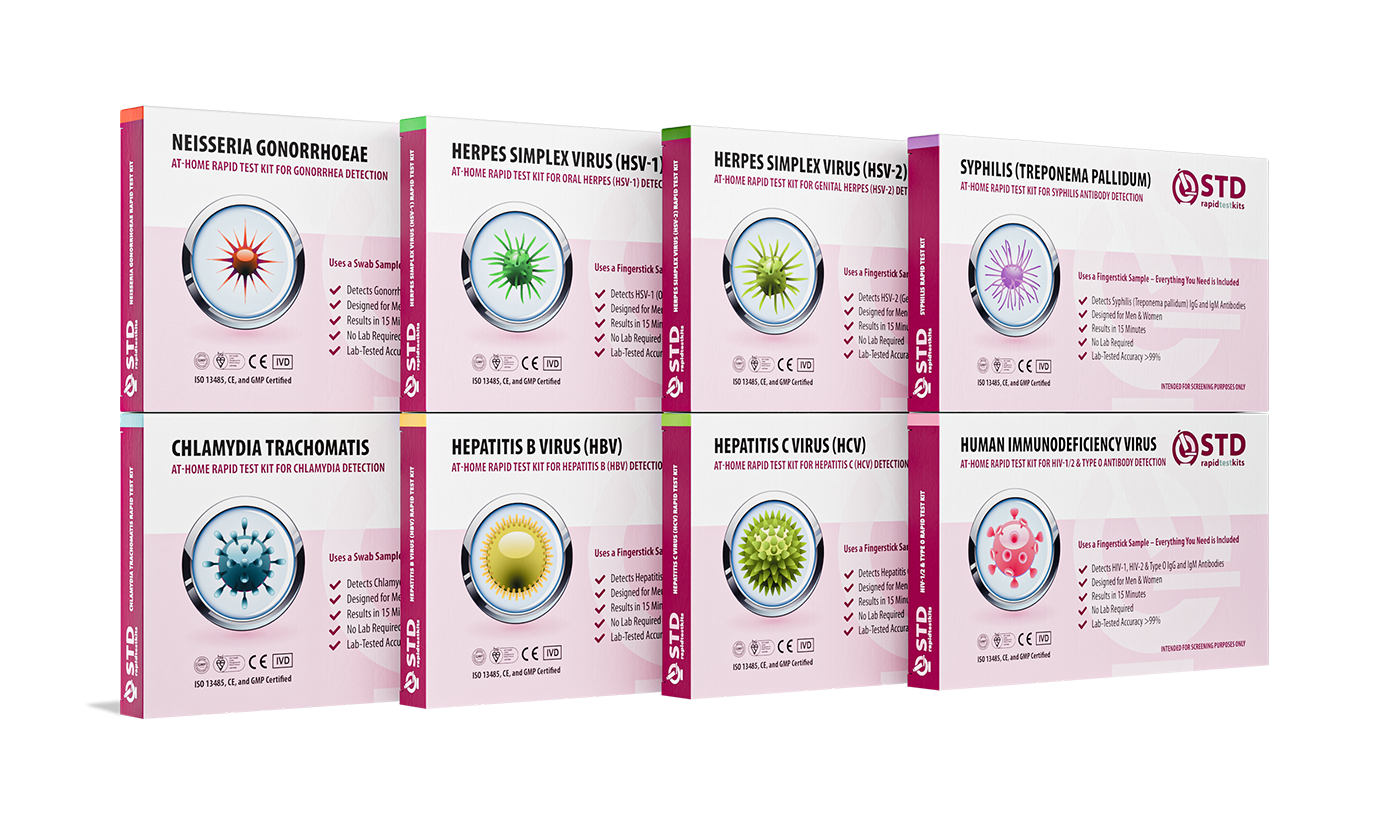
 For Men & Women
 Results in Minutes
 No Lab Needed
 Private & Discreet
Order Now $149.00 $392.00
For all 8 tests
Reactive Arthritis vs. Other Causes of Joint Pain
Joint swelling after sex can feel terrifying because arthritis has a heavy reputation. But not all arthritis is the same. Reactive arthritis is inflammatory and triggered by infection. That’s very different from age-related osteoarthritis or from septic arthritis, which is an emergency caused by bacteria directly infecting a joint.
Understanding the differences matters because treatment paths are different, and the emotional implications are different too.
| Condition | Main Trigger | Typical Onset | Common Clues |
|---|---|---|---|
| Reactive Arthritis | Immune response after infection (often STD) | 1–4 weeks after infection | Recent urinary symptoms, eye redness, heel pain |
| Osteoarthritis | Wear and tear over time | Gradual, years | Age-related stiffness, worsens with activity |
| Septic Arthritis | Bacteria inside joint | Sudden, severe | High fever, extreme joint pain, medical emergency |
| Autoimmune Arthritis (e.g., rheumatoid) | Chronic immune disorder | Gradual or episodic | Symmetrical joint involvement, fatigue |
Reactive arthritis usually affects one or a few joints asymmetrically. One knee. One ankle. Sometimes the lower back or sacroiliac joints. That asymmetry is a clue doctors look for.
If you have high fever, severe inability to move the joint, or feel acutely ill, that’s not something to wait on. Seek immediate care. But most reactive arthritis cases are inflammatory without systemic collapse.
How Doctors Connect the Dots
There isn’t one single test that says “this is reactive arthritis.” Diagnosis is clinical. Doctors look at timing, recent infections, symptom patterns, and may order blood tests or joint imaging.
Often, they’ll test for underlying infections, especially chlamydia, even if urinary symptoms are gone. That’s because the bacteria can linger silently. In some cases, patients test positive weeks after their initial symptoms faded.
Aisha, 32, remembers sitting in urgent care confused.
“I went in for my ankle. I left with an STD diagnosis I didn’t know I had. It was embarrassing at first. But honestly, I was relieved there was a reason.”
That relief matters. Because once the trigger is identified, it can be treated.
Is Reactive Arthritis Permanent?
This is one of the most searched questions, and one of the most anxiety-driven.
For many people, reactive arthritis is temporary. Symptoms may last three to six months and gradually resolve with treatment and anti-inflammatory support. However, a smaller percentage experience recurrent or chronic symptoms.
Early identification of the underlying STD reduces ongoing immune stimulation. That’s why testing is not about shame. It’s about preventing a temporary inflammatory storm from becoming a longer one.
If you’re unsure of your exposure timeline or never tested after a new partner, taking action now still matters. A discreet at-home chlamydia test kit can help clarify whether infection is still present. Clarity reduces fear, and protects your future health.
Why Shame Delays Testing, And Why That Matters for Your Joints
Let’s say the burning lasted three days. Let’s say it went away. Let’s say you told yourself it was friction, dehydration, a new soap, anything but an STD. That moment, the one where you decide not to test, is often where reactive arthritis quietly begins.
Untreated chlamydia can persist for months without dramatic symptoms. Many people, especially women, never notice obvious signs at all. The infection doesn’t need to be loud to trigger an immune response later.
This isn’t about blame. It’s about biology. The longer bacteria remain in the body, the more opportunity the immune system has to mount an inflammatory reaction. That reaction sometimes misfires. When it does, joints become collateral damage.
Sex-positive truth: people have sex. Condoms break. New relationships happen. You are not reckless for being human. But testing after exposure isn’t optional self-judgment. It’s preventative care.

People are also reading: HPV Throat Cancer Rates Are Exploding in the South. Here's Why.
Who Is Most at Risk?
Not everyone who has an STD gets reactive arthritis. Some things make the risk higher, and some of them are in your genes. A specific immune marker known as HLA-B27 is linked to increased susceptibility, although not all individuals with this marker exhibit symptoms.
Young adults between 20 and 40 are most commonly affected. Men are diagnosed more frequently than women, possibly because urethral symptoms are more noticeable. Women often experience subtler initial infections, which can delay detection and treatment.
If you’ve searched phrases like “swollen knee after STD,” “heel pain after infection,” or “burning urination and joint pain,” you’re not alone. These symptom clusters are exactly how reactive arthritis presents.
What Treatment Actually Looks Like
There are two layers of treatment. First: eliminate the trigger. If chlamydia or gonorrhea is present, antibiotics are prescribed. Even if urinary symptoms are gone, treatment still matters.
Second: manage inflammation. Doctors may recommend nonsteroidal anti-inflammatory medications. In more persistent cases, additional therapies are used under rheumatology guidance. The goal is to calm the immune response while the body resets.
Daniel, 30, describes the shift once he understood what was happening.
“Once I knew it was reactive arthritis, I stopped spiraling. I treated the infection. The swelling slowly went down. I wish I’d just tested sooner.”
The earlier the underlying infection is addressed, the better the outlook tends to be.
Prevention Isn’t Complicated, But It Is Intentional
Reactive arthritis is not something you “catch” directly. You prevent it by preventing or promptly treating the infection that triggers it.
That means testing after new partners. Testing after condom failure. Testing when something feels even slightly off. And yes, testing even if symptoms disappear.
If going to the clinic seems awkward or inconvenient, discreet at-home options get rid of that problem. The Combo STD Home Test Kit lets you check for several common infections in one private test. You collect your sample, follow instructions, and gain clarity without a waiting room.
Testing isn’t panic. It’s power. It protects your partners. And in rare cases like this, it protects your joints too.
When Joint Pain After Sex Is Probably Not Reactive Arthritis
Not every ache after intimacy signals something serious. Muscle strain, dehydration, starting a new workout routine, or even stress can all cause short-term pain. Reactive arthritis has a pattern, delayed onset, asymmetric swelling, often tied to a recent infection.
If your pain appeared the next morning and resolved quickly without swelling, it’s less likely immune-driven. If it’s persistent, inflamed, and accompanied by urinary or eye symptoms, that’s when evaluation makes sense.
The goal isn’t to assume worst-case scenarios. It’s to recognize patterns early enough to intervene.
Check Your STD Status in Minutes
Test at Home with Remedium6-in-1 STD Test Kit
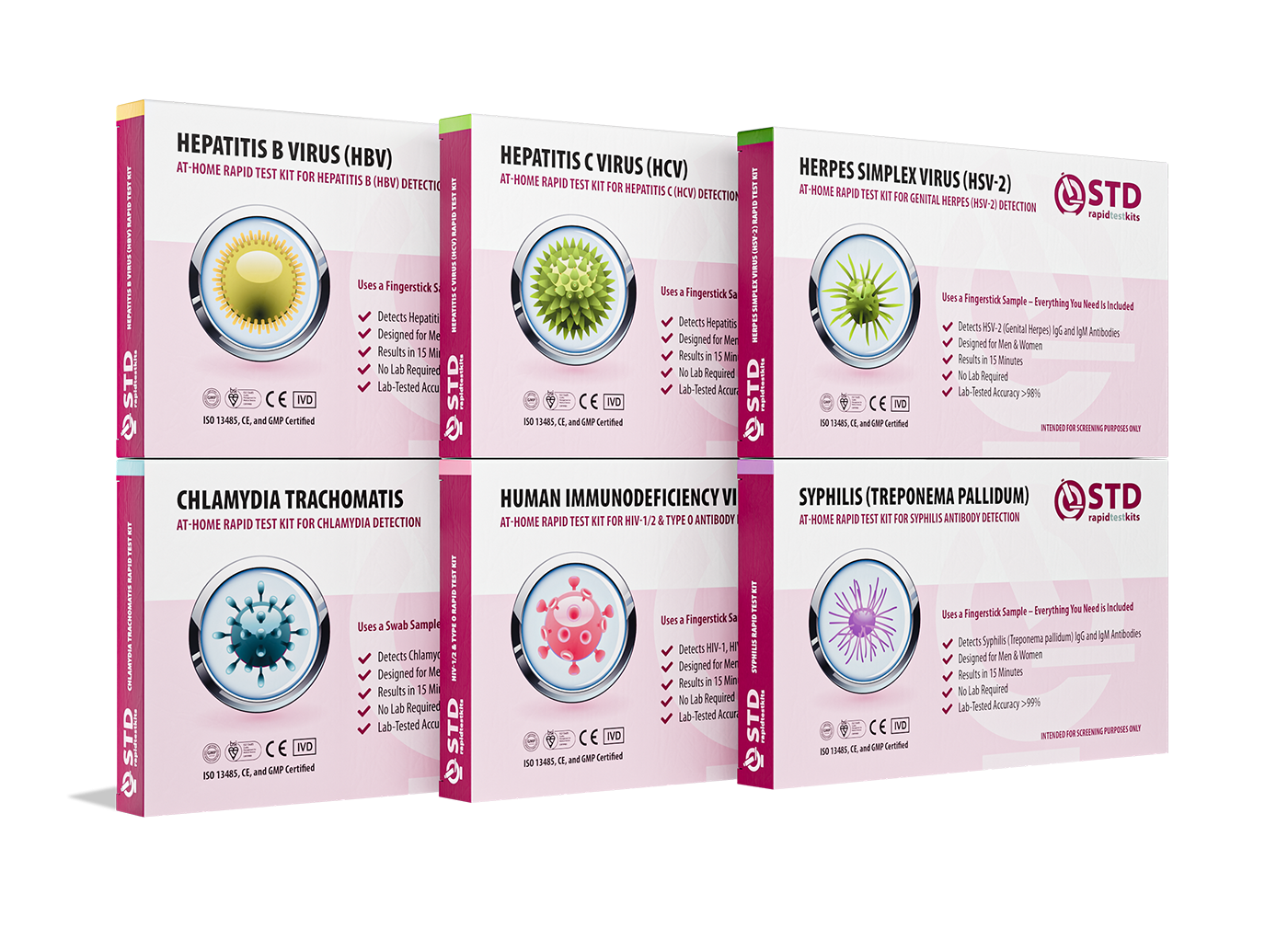 For Men & WomenResults in MinutesNo Lab NeededPrivate & Discreet
Order Now $119.00 $294.00
For all 6 tests
The Part No One Warns You About, It Can Be Preventable
Reactive arthritis sounds dramatic because it is. But here’s the grounding truth: it is a complication, not a guarantee. Most people with chlamydia will never develop it. Most people with gonorrhea won’t either. The difference often comes down to timing.
Testing early reduces bacterial load. Treating promptly lowers immune activation. That means fewer opportunities for the inflammatory cascade that leads to joint swelling weeks later.
This is where sexual health shifts from something reactive to something strategic.
If you had a new partner and never tested, or you experienced urinary symptoms that resolved on their own, this is your cue, not to panic, but to check. Even delayed testing can clarify whether infection is still present.
Peace of mind is not dramatic. It’s responsible. And if you’re weighing your options, you can start at STD Rapid Test Kits to explore discreet screening choices that fit your timeline.
What This Means for Your Future Health
Reactive arthritis does not mean your body is broken. It means your immune system reacted strongly to something it perceived as a threat. In most cases, once the infection is treated and inflammation calms, the joints recover.
But ignoring symptoms or avoiding testing increases uncertainty. Chronic inflammation, even if rare, is more likely when triggers persist. That’s why early awareness matters more than fear.
You are not weak for having symptoms. You are not reckless for needing information. And you are not alone in this experience.
Testing, treatment, and communication are protective acts. They reduce complications, reduce transmission, and reduce anxiety. That’s not just sexual health, that’s whole-body health.
FAQs
1. Wait, can an STD really mess with my joints?
Yes. And I know that sounds dramatic. But reactive arthritis is a real, documented inflammatory response that can follow infections like chlamydia. It’s not common compared to the total number of infections, but it’s real enough that rheumatologists ask about recent sexual history when someone shows up with unexplained knee swelling. Your immune system doesn’t care whether the infection came from a stomach bug or sex. It just reacts.
2. I had burning when I peed, but it went away. Doesn’t that mean I’m fine?
Not necessarily. STDs like chlamydia are notorious for going quiet. Symptoms can fade while the bacteria stick around. That’s part of why reactive arthritis can feel so random, the trigger happened weeks ago, and you assumed it resolved. Disappearing symptoms are not the same as cleared infection.
3. How long after sex would joint pain even start?
Typically one to four weeks after the infection begins. That delay is the plot twist. You’re not thinking about that hookup anymore. You’re thinking about your swollen ankle. But immunology works on its own schedule, not your calendar.
4. Is this the same thing as regular arthritis?
Nope. Different origin story. Osteoarthritis is wear-and-tear over years. Reactive arthritis is inflammatory and triggered by infection. It often hits suddenly, usually one or two joints, and sometimes brings bonus features like red eyes or heel pain. Think flare, not fade.
5. Why does heel pain keep coming up in this condition?
Because reactive arthritis loves attacking where tendons attach to bone. The Achilles tendon is a favorite target. So if stepping out of bed feels like you landed on a Lego, and you recently had urinary symptoms, that pattern is worth paying attention to.
6. Is this permanent? Be honest.
For most people, no. Many cases calm down within a few months, especially once the underlying infection is treated. A smaller percentage have lingering or recurrent symptoms. Early treatment improves the odds. This is not a life sentence for the vast majority.
7. Can women get reactive arthritis too, or is this mostly a male thing?
Women absolutely can get it. It’s diagnosed more often in men, possibly because urethral symptoms are harder to ignore. But women frequently have subtler initial STD symptoms, which can delay testing, and that delay matters. Underdiagnosed doesn’t mean unaffected.
8. If I already have joint swelling, is it too late to test?
No. Even if joint symptoms have started, identifying and treating the underlying infection is still critical. You can’t undo the immune response instantly, but you can remove the trigger that’s fueling it.
9. What if my joint pain showed up the next day after sex?
That’s probably not reactive arthritis. This condition has a delay. Immediate soreness is more likely muscle strain, positioning, dehydration, or a coincidence. Reactive arthritis is sneaky. It waits.
10. So what’s the move right now?
If you’ve had new partners, skipped testing, or had urinary symptoms that “mysteriously” vanished, get screened. Not because you did something wrong. Because your body deserves clarity. Testing early protects your partners, and in rare cases like this, it protects your joints too.
You Deserve Clarity, Not Confusion
If your body feels off, listen to it. If your joints started hurting weeks after sex, don’t brush it aside. And if you’re unsure of your STD status, that uncertainty is solvable.
Don’t wait and wonder. Get the clarity you deserve. This at-home combo test kit checks for common infections discreetly and quickly, so you can move from anxiety to action.
How We Sourced This Article: This guide integrates clinical guidance from leading public health organizations, peer-reviewed rheumatology research, and real-world patient narratives to explain reactive arthritis clearly and compassionately. Research included infectious disease guidelines, immunology studies, and sexual health reporting. Only reader-relevant, high-authority sources are listed below.
Sources
2. NHS – Reactive Arthritis Overview
3. Mayo Clinic – Reactive Arthritis Symptoms and Causes
4. WHO – Sexually Transmitted Infections Fact Sheet
5. CDC STI Treatment Guidelines – Chlamydial Infections
6. StatPearls – Reactive Arthritis (NIH Bookshelf)
About the Author
Dr. F. David, MD is a board-certified infectious disease specialist focused on STI prevention, diagnosis, and treatment. He blends clinical precision with a no-nonsense, sex-positive approach and is committed to expanding access to accurate sexual health information.
Reviewed by: Rachel K. Morris, PA-C | Last medically reviewed: February 2026
This article is only meant to give you information and should not be used instead of medical advice.


