







Quick Answer: Yes, Hepatitis B can be passed from a pregnant person to their baby during childbirth. But early testing, third-trimester antivirals, and giving the baby both the Hep B vaccine and immune globulin at birth can reduce the transmission risk by over 95%.
The Diagnosis You Didn’t Expect
Hepatitis B isn’t rare. About 1 in 100 pregnant people in the U.S. test positive for it. Many have no symptoms, no idea how they got it, and often no clue they were ever at risk. For immigrants from countries with high HBV rates, or for those who missed childhood vaccination, the diagnosis often arrives out of nowhere, at a routine prenatal visit. And that’s when the spiral starts:
- Will I hurt my baby?
- Can I still deliver vaginally?
- Is this an STD?
- Will I always have it?
Let’s clear something up right now: you are not broken. And with the right steps, your baby will be just fine.

People are also looking for... Is It the Flu, or Acute Hepatitis B?
What Is Hepatitis B, Really?
Hepatitis B (HBV) is a virus that affects the liver. It spreads through blood, semen, vaginal fluids, and from parent to child during birth. It’s not always sexually transmitted, but it can be. Once inside the body, HBV can:
- Cause no symptoms for years (chronic infection)
- Lead to liver damage or cancer if untreated
- Pass silently to others, even babies during labor
There’s no cure, but there are powerful ways to manage it, especially during pregnancy.
How the Virus Gets to Your Baby
This is the silent danger: most pregnant people with hepatitis B feel totally fine. But inside, the virus may be replicating quickly, especially if the person is HBeAg-positive or has a high viral load. Here’s how vertical transmission happens:
- During childbirth, the baby passes through the birth canal and contacts blood and fluids containing HBV.
- If not immediately protected, the baby’s immune system isn’t strong enough to fight it off.
- Up to 90% of babies infected at birth will develop chronic hepatitis B, and most won’t show symptoms until later in life.
This is why early intervention isn’t optional, it’s essential.
Timing Is Everything: Testing and Treatment
Current CDC guidelines recommend that every pregnant person be screened for Hepatitis B early in pregnancy using the HBsAg blood test. If you test positive, your provider will take these next steps:
- HBV DNA testing: To measure your viral load
- HBeAg testing: To assess infectiousness
- Liver function panels: To monitor liver health
If your viral load is high (>200,000 IU/mL), you’ll likely start an antiviral like tenofovir between weeks 28–32 of pregnancy. This reduces your baby's risk by dramatically lowering the amount of virus present during delivery. This isn’t just a precaution, it’s a protective plan.
Check Your STD Status in Minutes
Test at Home with RemediumHepatitis B & Hepatitis C Test Kit
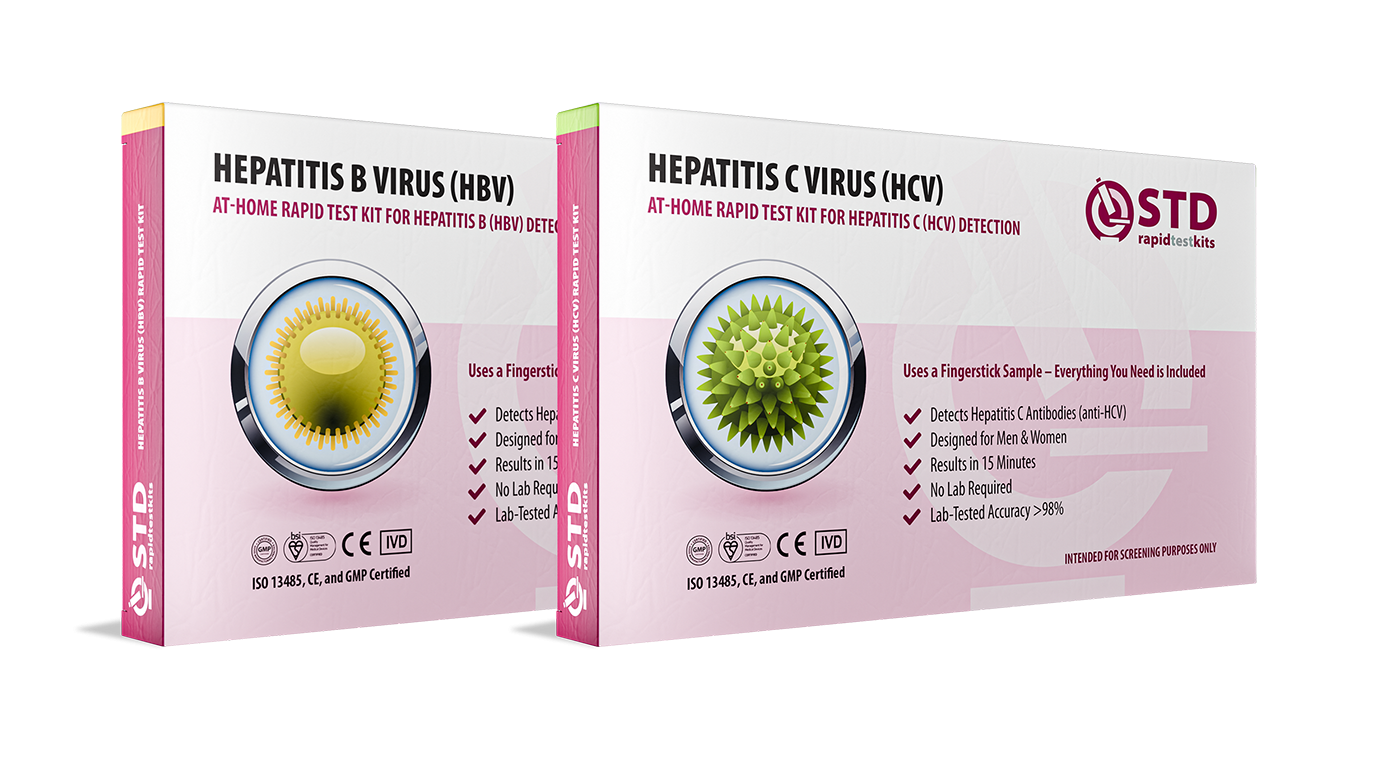
 For Men & Women
 Results in Minutes
 No Lab Needed
 Private & Discreet
Order Now $49.00 $98.00
For all 2 tests
What Happens at Birth (and Why It’s Crucial)
Here’s where everything comes together. The moment your baby is born, two things must happen, ideally within 12 hours:
1. Hepatitis B Vaccine (Dose 1)
Jumpstarts the baby’s immune response and begins long-term protection.
2. Hepatitis B Immune Globulin (HBIG)
Provides immediate antibodies to fight the virus in case exposure already occurred.
Together, these reduce your baby’s risk of infection by 94–99%, even if your viral load is high. The key? Timing. Delays beyond 12–24 hours increase the odds of transmission. Make sure your birth team knows your HBV status ahead of time so this protocol is ready to go.
What If You Didn’t Know You Had It?
It happens. Some people aren’t tested until late pregnancy, or not at all. In some countries, prenatal hepatitis B screening is still inconsistent, and for some uninsured patients in the U.S., testing may be skipped entirely. Here’s what to do if you find out late:
- Inform your provider immediately
- Request third-trimester antivirals if there’s time left
- Ensure the delivery hospital has the vaccine and HBIG ready for the baby
- Get family members or other children tested and vaccinated
You can’t change the past. But you can still protect your child’s future.
Real Talk: Pregnancy, Stigma, and Shame
Too many people carry the weight of a diagnosis like Hepatitis B with silence and self-blame. The stigma hits differently during pregnancy. It whispers things like:
“You must’ve done something wrong.”
“Is it even safe for you to be a parent?”
“What kind of mother has a virus?”
Let’s be clear: this is a virus. It’s common, it’s often invisible, and it’s not a moral failing. You are allowed to be both Hep B positive and a safe, loving, fully capable parent. In fact, your awareness is your baby’s best protection.

People are also looking for... How Long Does Hepatitis B Live Outside the Body? (Longer Than You Think)
Can I Still Breastfeed If I’m Hep B Positive?
Yes. According to the CDC and WHO, breastfeeding is safe for babies born to Hep B positive mothers, as long as the infant received both the vaccine and HBIG at birth. Even if you’re on antiviral therapy, breastfeeding is encouraged. The benefits far outweigh any minimal risk, and breast milk doesn’t carry high HBV levels.
A few exceptions:
- If your nipples are cracked and bleeding, pause until healed
- Always clean breast pumps and nipples properly
- Keep up with your baby’s full vaccination schedule
Feeding your baby is an act of trust, and science is on your side.
Long-Term Monitoring for Baby and You
Your baby will need:
- 2nd dose of Hep B vaccine at 1–2 months
- 3rd dose at 6 months
- Final testing at 9–12 months to confirm immunity and check for infection
And you? You’ll need:
- Ongoing liver health monitoring
- Regular HBV DNA viral load testing
- Continued antiviral therapy if needed postpartum
The goal isn’t just a safe birth. It’s a safe life, one where both of you thrive, not just survive.
Common Myths About Hepatitis B and Pregnancy
Let’s bust some myths that keep people scared, silent, and misinformed.
Myth #1: I must have done something wrong to get Hep B.
Nope. Hepatitis B can be transmitted through birth, unsterile medical tools, or sex. Many people got it as children, long before their first kiss.
Myth #2: My baby will definitely get infected.
Absolutely false. With timely vaccination and HBIG, the transmission rate drops to less than 1%.
Myth #3: I can’t breastfeed.
Yes, you can. As long as your baby is properly immunized at birth, breastfeeding is safe, even encouraged.
Myth #4: I shouldn’t have more kids.
Wrong again. With the right care plan, future pregnancies can be just as safe. Knowledge and access are key.
Should My Partner Get Tested Too?
Yes. If you’re Hep B positive, your sexual partner(s) should be screened for:
- HBsAg (active infection)
- HBsAb (immunity)
- HBcAb (previous exposure)
If they’re not immune, they should begin the hepatitis B vaccine series immediately. This helps prevent re-infection between partners and adds an extra layer of protection for your growing family. Plus, talking about it breaks down the secrecy that keeps Hep B in the shadows. Shared health is shared power.
Check Your STD Status in Minutes
Test at Home with RemediumHepatitis B Test Kit
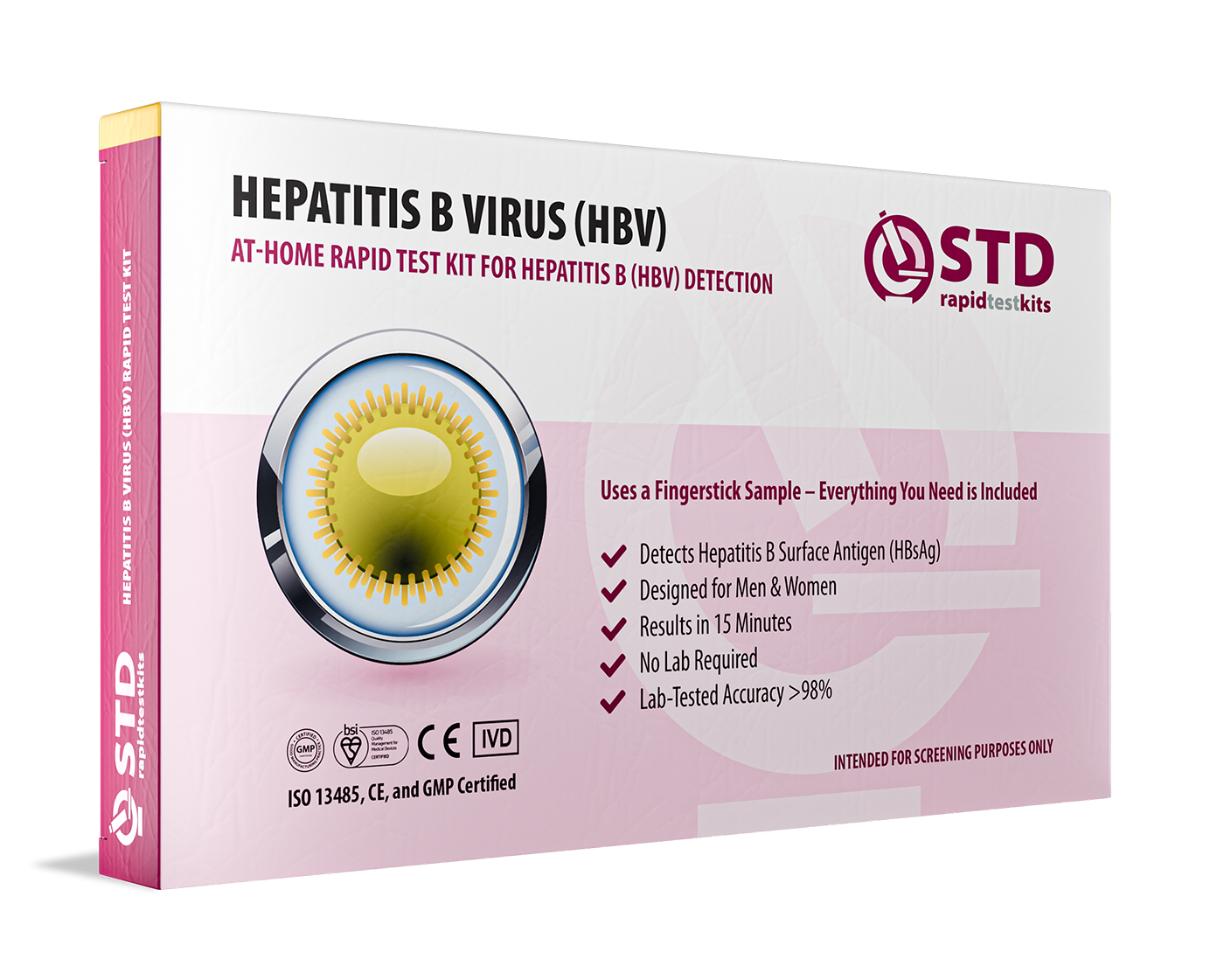 For Men & WomenResults in MinutesNo Lab NeededPrivate & Discreet
Order Now $33.99 $49.00
Hepatitis B: A Global and Cultural Issue
Worldwide, more than 257 million people live with chronic Hepatitis B. It disproportionately affects communities from:
- East and Southeast Asia
- Sub-Saharan Africa
- Pacific Islands
- Parts of Eastern Europe and the Middle East
In many of these regions, perinatal transmission is the main reason Hep B stays in families for generations. But here’s the hope: just one generation of early testing, vaccination, and informed pregnancy care can change that forever. This is how you break the cycle, not just for your baby, but for your entire bloodline.
FAQs
1. Can I have a healthy baby if I’m Hep B positive?
Yes. With the right care, the risk of passing hepatitis B to your baby can be reduced to under 1%.
2. Is Hepatitis B an STD?
It can be, but not always. Hep B spreads through blood, semen, and other body fluids, including during childbirth.
3. Will I have Hep B forever?
Possibly. Some people clear the infection naturally. Others live with chronic Hep B and manage it through medication and monitoring.
4. Can I take antivirals during pregnancy?
Yes. Drugs like tenofovir are considered safe during pregnancy and help prevent transmission to the baby.
5. Can Hep B harm my pregnancy?
In some cases, yes. High viral loads are linked to preterm labor, low birth weight, and preeclampsia, but with care, these risks are manageable.
6. Does the baby need all 3 vaccine doses?
Absolutely. The full Hep B vaccine series is what ensures long-term protection, not just the first shot at birth.
7. Can I still deliver vaginally?
Yes. The mode of delivery doesn’t impact transmission risk as long as the newborn receives proper immunoprophylaxis at birth.
8. Should I tell my pediatrician about my Hep B status?
Yes, right away. They’ll track your baby’s vaccination schedule and post-vaccine testing at 9–12 months.
9. Can I vaccinate my baby later?
No. The first 12 hours after birth are critical. Delaying that first shot greatly increases infection risk.
10. Will my future pregnancies be affected?
Not if you follow the same care plan. With testing, treatment, and planning, you can have more healthy pregnancies and births.
Screen Early
Pregnancy with Hepatitis B isn’t a dead end, it’s a detour. A challenge, yes, but one with clear answers and science-backed solutions. You’re not reckless. You’re not dirty. You’re one of millions quietly carrying a virus that doesn’t define your worth, or your ability to protect your child. Screen early. Treat if needed. Advocate for your birth plan. And above all, trust that your vigilance can rewrite your baby’s future. Because silence doesn’t protect families, truth and action do.
For discreet Hep B and STI testing options you can use at home, visit STD Rapid Test Kits. Safe pregnancy starts with knowing what’s really going on in your body, and what to do about it.
Sources
1. Clinical Overview of Perinatal Hepatitis B (CDC)
2. Viral Hepatitis in Pregnancy (ACOG FAQs)
3. Pregnancy and Hepatitis B Management (Hepatitis B Foundation)
4. Hepatitis B Information for Pregnant Women (Minnesota Dept. of Health)
5. Prevention of Mother‑to‑Child Transmission of Hepatitis B (WHO)


