How Long Does Hepatitis B Live Outside the Body? (Longer Than You Think)
HBV stays infectious for up to 7 days. Where it lives, what kills it, when to test.



- Hepatitis B remains infectious on environmental surfaces and inside dried blood for at least 7 days at room temperature, per CDC surveillance data.
- Plain soap, hand sanitizer, and dry air will not reliably inactivate HBV. A fresh 1:10 bleach solution, EPA-registered disinfectants labeled for bloodborne pathogens, or autoclaving will.
Published: July 2025 | Last updated: May 2026 | Editorial review and quality control: Martina N.
Most viruses fall apart within minutes once they leave the warm, wet environment of the human body. The hepatitis B virus is a notable exception. According to the U.S. Centers for Disease Control and Prevention, HBV can stay infectious for at least seven days on environmental surfaces, including inside dried blood (CDC MMWR, 2018).
That single fact reshapes how you should think about a borrowed razor, a flake of blood on a shared piece of medical equipment, or a public bathroom that was wiped clean but never properly disinfected. This guide walks through what the science actually says about HBV survival outside the body, where the real exposure risks are, what disinfectants work, and what to do if you think you have been exposed.
Why Hepatitis B Survives Longer Than Most Viruses
Hepatitis B is a bloodborne virus that infects the liver. It spreads through contact with blood, semen, vaginal fluid, and other body fluids from a person who carries the virus. Routes include sex, sharing needles or syringes, mother-to-baby transmission at birth, accidental needle-sticks in clinical settings, and sharing personal items that may have trace blood on them, such as razors and toothbrushes.
HBV is far more infectious than HIV and considerably more environmentally stable, which is the reason surface and shared-item exposures get separate guidance from the CDC and WHO (WHO Hepatitis B Fact Sheet). Two reasons matter for the surfaces question:
- The infectious dose is extremely small. A volume of blood far too small to see can still carry enough viral particles to transmit infection.
- HBV is structurally stable. Its compact, partially double-stranded DNA genome inside a protein capsid resists the drying and temperature swings that destroy fragile RNA viruses like HIV within hours.
The practical translation: a microscopic smear of dried blood on a razor, nail clipper, or toothbrush that you cannot see and would not think to scrub can still pass the virus along, days after it dried.
How Long Does Hepatitis B Live on Surfaces?
The CDC's environmental survival data on HBV is the most cited number on this page. The summary: hepatitis B virus can remain viable and infectious on nonporous environmental surfaces for at least seven days at room temperature, even after the visible blood or fluid has dried (CDC MMWR, 2018). Surfaces and items where HBV can persist include:
- Bathroom counters, sink handles, and shower fixtures with trace blood (from shaving cuts, picked scabs, or hygiene tools).
- Personal grooming tools: razors, toothbrushes, tweezers, nail clippers, electric trimmers.
- Shared medical equipment: glucometers, lancet devices, thermometers, dental tools that were not properly sterilized.
- Sex toys and reusable menstrual products that were not disinfected between uses.
- Tattoo and body-piercing equipment in unregulated settings.
- Bandages, dressings, and clothing with dried blood.
The seven-day window applies under typical room-temperature conditions. Cooler temperatures and protection from sunlight can extend viability. Researchers studying HBV's environmental stability have found viral DNA detectable for substantially longer in certain conditions, though detectable and infectious are not the same thing (Environmental Stability of HBV, PMC).
What matters for everyday risk: if blood from a person with hepatitis B has dried on a surface within the last week, and that surface has not been properly disinfected, the virus may still be capable of causing infection if it gets into another person's bloodstream through a cut, scrape, or mucous membrane.
How long does hepatitis B live outside the body?
The CDC reports that hepatitis B virus remains viable and infectious on environmental surfaces for at least seven days at room temperature, including inside dried blood. Cooler temperatures can extend that window. Routine cleaning will not reliably kill it; a 1:10 bleach solution or an EPA-registered disinfectant labeled for bloodborne pathogens is needed to inactivate the virus on shared surfaces.
What Kills HBV (and What Doesn't)
This is where most people get the disinfection wrong. Hepatitis B is not destroyed by air drying, plain soap, or general-purpose surface sprays. Many of the products marketed for antibacterial use have no specific kill claim for enveloped viruses, let alone for HBV specifically.
What does NOT reliably kill hepatitis B:
- Dry air. The virus enters a dormant state on dry surfaces and remains infectious.
- Sunlight at typical indoor exposure levels. Direct, prolonged ultraviolet may reduce viability but is not a household solution.
- Plain bar or hand soap. Useful for removing visible material, not for inactivating the virus.
- Quaternary ammonium wipes without a specific HBV claim on the label.
- Vinegar, tea-tree oil, or other natural cleaners.
- Most alcohol-based hand sanitizers, which are formulated for skin antisepsis, not surface disinfection.
What does reliably inactivate HBV on surfaces:
- A 1:10 dilution of household bleach (one part 5.25 percent sodium hypochlorite to nine parts water), applied to a pre-cleaned surface and left wet for at least 10 minutes before wiping.
- EPA-registered hospital-grade disinfectants that specifically list HBV on the product label. The U.S. Environmental Protection Agency maintains a public list of products effective against bloodborne pathogens.
- Autoclaving (steam sterilization at 121 degrees C / 250 degrees F for 30 minutes minimum) for reusable medical or piercing tools.
- Boiling for at least 10 minutes for non-electronic items that tolerate it.
The bleach solution loses potency once mixed. Make it fresh, ideally within 24 hours of use, and store the diluted solution out of direct light.
Never mix bleach with ammonia, vinegar, or any acid-based cleaner. The reaction releases toxic chlorine gas. Use bleach on its own, with ventilation, and wear gloves to protect skin.
Everyday Objects That Can Carry Hepatitis B
You do not need to share a needle or have unprotected sex to be exposed to HBV. The list of plausible household and personal-care items where transmission has been documented in the medical literature is longer than most people expect.
High-risk shared items, when there is any chance of blood contact:
- Razors and electric trimmers. Shaving nicks are common. Even cleaned blades can hold microscopic blood residue between teeth or behind the head.
- Toothbrushes. Bleeding gums during brushing leave viral particles on bristles, which can survive for days.
- Nail clippers, manicure tools, and cuticle scissors. Tiny cuts at the cuticle line transfer trace blood that is invisible after a wipe.
- Tweezers and ingrown-hair tools. Same principle: small surface cuts, trace blood on the metal.
- Reusable menstrual products. Cups, discs, and reusable pads need full disinfection between users, not just rinsing.
- Sex toys. Especially when shared between partners without a barrier or proper cleaning protocol.
- Body-piercing and tattoo equipment in unlicensed settings. Licensed studios use single-use needles and autoclaved tools; informal home piercings do not.
- Diabetes care equipment. Glucometers, lancing devices, and insulin pens used by more than one person have been implicated in HBV outbreaks in long-term care facilities.
Hepatitis B does not spread through hugging, sharing utensils, food or water, casual contact, breastfeeding without cracked nipples, mosquitoes, or coughs and sneezes. The exposure route is always blood or other body fluid getting into another person's bloodstream or mucous membrane.
Can You Get Hepatitis B From a Public Bathroom?
This is the question that drives the most anxiety, and the answer is: realistically very unlikely, but not impossible if conditions line up wrong.
Genuinely low-risk surfaces in a typical public bathroom:
- Toilet seats. The skin of the buttocks and thighs is intact in almost all cases. Without a break in the skin and without a fresh blood deposit, transmission does not happen here.
- Doorknobs and faucet handles. Trace contamination is possible, but the virus has to reach a wound or mucous membrane to infect.
- Floors and tiles. Same logic.
Higher-risk conditions, even in a clean-looking restroom:
- An open wound (a fresh cut, scrape, or shaving nick) coming into direct contact with a surface that has fresh or dried blood from someone with hepatitis B.
- Touching a contaminated surface and then touching the eyes, mouth, genitals, or a fresh wound before washing.
- Restroom surfaces in settings where blood exposure is common and cleaning is irregular (after-hours bars, sporting venues, certain medical or correctional environments).
Universal precautions, the same approach hospitals use, are the safe baseline: assume any blood you encounter could carry a bloodborne virus, cover broken skin, wash hands thoroughly after touching shared surfaces, and avoid sharing personal hygiene items. Anxiety about public restrooms specifically is usually disproportionate to the actual risk; the larger real-world danger is almost always the borrowed razor at home.
Can Dried Blood Transmit Hepatitis B?
Yes, and this is the part most people get wrong. Dried blood does not mean dead virus. Hepatitis B virions inside a flake of dried blood are in a stable, dormant state. Once that flake gets back into solution (sweat, saliva, water, another person's blood), the virus reactivates and can establish infection if it reaches the bloodstream.
Real-world sources of dried-blood exposure:
- Blood on clothing or fabric that brushes against an open wound.
- Blood under fingernails after grooming or first aid that the person never washed off.
- Dried blood in the cracks of a shared bathroom counter, a gym mat, or a kitchen surface.
- Blood on used bandages, adhesive pads, or sanitary products that were not disposed of properly.
- Blood on a piece of broken glass, a needle, or a sharp tool left out after an accident.
The standard occupational health protocol for cleaning up dried blood spills, used in clinics, dental offices, and first-aid responses, looks like this: put on disposable gloves, soak up any wet blood with absorbent paper, apply a fresh 1:10 bleach solution to the affected surface, let it sit for at least 10 minutes, then wipe and dispose of all materials in a sealed bag. That protocol is overkill for many home situations, but it is the gold standard worth knowing.
Living With Someone Who Has Hepatitis B
Sharing a bathroom, a kitchen, or a bedroom with a partner or family member who has chronic hepatitis B is safe with basic precautions. There is no need to isolate, eat with separate dishes, or avoid normal physical affection.
What does change:
- Personal items stay personal. Each person uses their own razor, toothbrush, nail clippers, tweezers, and any item that can come into contact with blood.
- Cover cuts and scrapes. Both the person with HBV and the people they live with should keep wounds covered with a clean dressing until fully healed.
- Clean blood spills properly. Use the bleach protocol described above, with gloves, for any visible blood on shared surfaces.
- Vaccinate the household. The hepatitis B vaccine is the single most effective protection. According to the World Health Organization, the vaccine offers nearly 100 percent protection against hepatitis B when the full series is completed (WHO Hepatitis B). Household members and sexual partners of someone with chronic HBV are at higher risk and should be vaccinated if they are not already.
- Use condoms for sex with a partner who has HBV unless both partners are vaccinated and immune. Latex condoms substantially reduce transmission risk during vaginal, anal, and oral sex.
- Test exposed contacts. Anyone with a known unvaccinated exposure should be evaluated for post-exposure prophylaxis, which involves hepatitis B immune globulin (HBIG) plus starting the vaccine series, ideally within 24 hours of exposure (CDC ACIP guidance).
HBV can survive outside the body for at least 7 days. During that time, the virus can still cause infection if it enters the body of a person who is not infected.
HBV vs Hepatitis C vs HIV: Survival Outside the Body
The reason hepatitis B gets a separate conversation about surfaces is that, among the bloodborne viruses most people worry about, it is by far the most environmentally stable. The comparison below summarizes how long each virus can typically remain viable outside the body and the practical risk level that follows.
HBV is the bloodborne virus where surface contamination matters most, and precautions that would feel excessive for HIV are reasonable defaults for HBV. The good news is that the same precautions (gloves, bleach disinfection, no shared personal items) work for all three viruses and for hepatitis C as well, so there is no need to learn three different protocols.
| Virus | Survival outside the body (typical) | Environmental risk level |
|---|---|---|
| Hepatitis B (HBV) | At least 7 days at room temperature; longer in cooler or protected conditions | High. Trace blood on shared surfaces is a real concern. |
| Hepatitis C (HCV) | Up to several days on dry surfaces under research conditions | Moderate. More stable than HIV, less than HBV. |
| HIV | Minutes to hours in typical room conditions; rapidly inactivated by drying | Low. Surface transmission is not a meaningful route. |
Myths About How Hepatitis B Spreads
Public health messaging on hepatitis B has improved over the years, but several stubborn myths still circulate. Each of these is wrong, and clearing them up matters for both the people worried about exposure and the people living with chronic HBV who face unnecessary stigma.
Common myths and the actual evidence:
- "You can get hepatitis B from casual contact, hugging, or sharing a meal." No. HBV requires blood or body-fluid exposure. Casual contact, including sharing dishes or eating food prepared by a person with HBV, does not transmit the virus.
- "If the blood is dry, the virus is dead." No. HBV remains infectious in dried blood for at least seven days.
- "Hand sanitizer will kill it." Not reliably. Alcohol-based hand rubs are designed for skin antisepsis. They may reduce viral load on visibly clean hands but should not be relied on for surface disinfection.
- "Toilet seats spread HBV." Extremely unlikely under normal conditions. Intact skin is an effective barrier and the virus needs an entry point.
- "HBV is mainly a sexually transmitted infection." Sex is one route, but in the U.S. perinatal and childhood transmission, household exposure, and injection drug use are also major routes. Globally, mother-to-child transmission is the leading cause of chronic infection (WHO).
- "There's no point in testing if I feel fine." Wrong, and this is the most dangerous myth. Most adults with chronic HBV have no symptoms until liver damage is advanced, which is why the CDC recommends universal adult screening at least once in a lifetime (CDC Viral Hepatitis).
People living with chronic hepatitis B are safe to share a workplace, a classroom, a meal, and physical affection with. Insisting otherwise is not caution; it is misinformation that hurts the roughly 296 million people worldwide who live with chronic HBV. The honest line: blood-to-blood routes are the risk; everything else is not.
If You Think You've Been Exposed: What to Do
An exposure event includes any plausible blood-to-blood contact: a needle-stick, a shared razor or grooming tool, a piercing or tattoo from an unregulated setting, sex with a partner who has HBV without a condom, or contact between someone else's blood and a fresh wound or mucous membrane.
The recommended steps, in order:
- Within 24 hours, contact a clinician or urgent-care provider. Post-exposure prophylaxis for unvaccinated people involves hepatitis B immune globulin (HBIG) plus the first dose of the HBV vaccine series. The earlier these are given, the better; effectiveness drops sharply after 7 days.
- Confirm your vaccination status. If you completed the three-dose HBV vaccine series and your post-vaccination antibody titer (anti-HBs) was confirmed protective, you are likely already protected and may not need HBIG.
- Get baseline testing. A clinician will typically order HBsAg (surface antigen, detects active infection), anti-HBc (core antibody, detects past or current infection), and anti-HBs (surface antibody, detects immunity from vaccine or past infection).
- Follow up at the right intervals. HBV antibodies and antigens have variable detection windows. Repeat testing at 6 weeks, 3 months, and 6 months post-exposure is standard for people who were unvaccinated at the time of exposure.
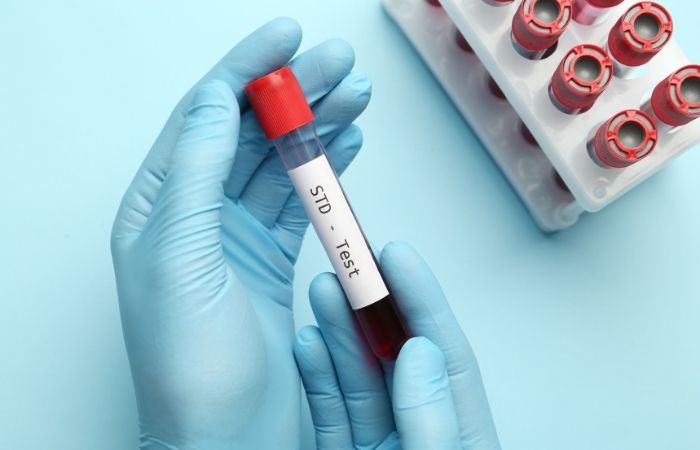
- At-home rapid tests have a role for screening, not confirmation. A rapid HBsAg fingerstick test can detect active infection at home in about 15 minutes, but a positive result should always be confirmed by a clinician with full panel testing, and a negative result close to the exposure date does not rule out infection yet.
Post-exposure timing at a glance
- HBIG plus first vaccine dose works best within 24 hours of exposure; effectiveness drops sharply after 7 days.
- Baseline labs: HBsAg, anti-HBc, anti-HBs. Repeat at 6 weeks, 3 months, and 6 months if unvaccinated at the time of exposure.
- A negative at-home rapid test close to the exposure date does not rule out infection; lab follow-up is still required.
Managing Anxiety About HBV Exposure
The same fact that makes HBV a real public-health concern (that it survives outside the body for a week and a microscopic amount of blood can transmit) also makes it a trigger topic for people with health anxiety, OCD, or contamination fears. The information in this article is meant to be empowering, not destabilizing.
If reading this has spiraled you into checking surfaces, scrubbing the bathroom for an hour, or replaying possible exposures in your head, the practical reset looks like this:
- The risk in your daily life is shaped almost entirely by whether you share personal items with people who have HBV and whether you are vaccinated. If you do not share razors, toothbrushes, or grooming tools, and you are vaccinated, your environmental risk is very low.
- One round of proper disinfection of your high-touch surfaces is enough. Repeating it because of intrusive doubt does not change the actual risk.
- If a specific exposure event is bothering you, talk to a clinician once and get the testing schedule. Then stop checking. The testing schedule, not internet research, is the path to certainty.
- If contamination fears are interfering with daily functioning, consider talking to a therapist who works with OCD or health anxiety. Exposure and response prevention is the evidence-based treatment.
Bottom Line: What Actually Matters for HBV Surface Safety
You will see a lot of competing messages about hepatitis B surface risk online. The honest summary is short:
- HBV survives at least seven days on environmental surfaces and inside dried blood.
- The big real-world risks are shared personal items with trace blood, unregulated piercing or tattooing, and unprotected contact with someone whose HBV status is unknown.
- The big real-world solutions are the hepatitis B vaccine, individual personal-care items, proper disinfection with bleach or EPA-listed products, and prompt post-exposure care after a known exposure.
- If you have had a possible exposure, get tested. An at-home rapid test is a useful first screen; lab confirmation and a clinician's evaluation are the next step.
The CDC, the World Health Organization, and the NHS all converge on the same practical guidance: vaccinate, do not share blood-contact items, disinfect properly, and test when in doubt. That guidance is unchanging precisely because the virus is so stable.
FAQs
- How long does hepatitis B survive outside the body?
- At least 7 days at typical room temperature on surfaces and inside dried blood, according to the CDC. Cooler temperatures and protection from sunlight can extend that window.
- Can you get hepatitis B from a public toilet seat?
- Realistically, no. Intact skin is an effective barrier, and HBV requires entry into the bloodstream through broken skin or a mucous membrane. Standard hand hygiene and universal precautions are more than sufficient.
- What disinfectant actually kills hepatitis B on surfaces?
- A fresh 1:10 dilution of household bleach (one part bleach to nine parts water) left wet for at least 10 minutes, or an EPA-registered disinfectant labeled as effective against HBV. Plain soap and most alcohol wipes are not reliable.
- Does hepatitis B die in dried blood?
- No. HBV remains infectious inside dried blood for at least 7 days. Once the dried blood is rehydrated in another person's wound or mucous membrane, the virus can re-establish infection.
- Can I share a toothbrush or razor with someone who has hepatitis B?
- No. Both items can carry trace blood from bleeding gums or shaving nicks that remains infectious for days. Personal grooming items should never be shared, regardless of anyone's known HBV status.
- Does hand sanitizer kill hepatitis B virus?
- Not reliably. Alcohol-based hand rubs are designed for skin antisepsis and do not have a validated HBV kill claim. For surfaces, use bleach or an EPA-registered disinfectant labeled for bloodborne pathogens.
- How can I test for hepatitis B at home?
- A rapid HBsAg (surface antigen) fingerstick test can detect active infection at home in about 15 minutes. Use it as a first screen; a positive result should always be confirmed by lab testing with a clinician's evaluation.
- Should I get the hepatitis B vaccine if I share a household with someone who has it?
- Yes. The CDC and WHO both recommend HBV vaccination for household contacts and sexual partners of people with chronic hepatitis B. The WHO notes that the full vaccine series offers nearly 100 percent protection against hepatitis B infection.
- U.S. Centers for Disease Control and Prevention. Prevention of Hepatitis B Virus Infection in the United States: Recommendations of the Advisory Committee on Immunization Practices (ACIP), MMWR 2018. Includes the 7-day environmental survival figure and post-exposure prophylaxis guidance.
- World Health Organization. Hepatitis B fact sheet covering global transmission, vaccine effectiveness, and prevention guidance.
- U.S. Centers for Disease Control and Prevention. Viral Hepatitis landing page with screening recommendations, surveillance, and patient education resources.
- National Health Service (UK). Hepatitis B overview: symptoms, complications, transmission, and prevention guidance for UK readers.
- NCBI / PMC. Review of the environmental stability of hepatitis B virus, including evidence on prolonged surface viability and disinfection effectiveness.