
Published: September 2025 | Last updated: April 2026 | Editorial review and quality control: Martina N.
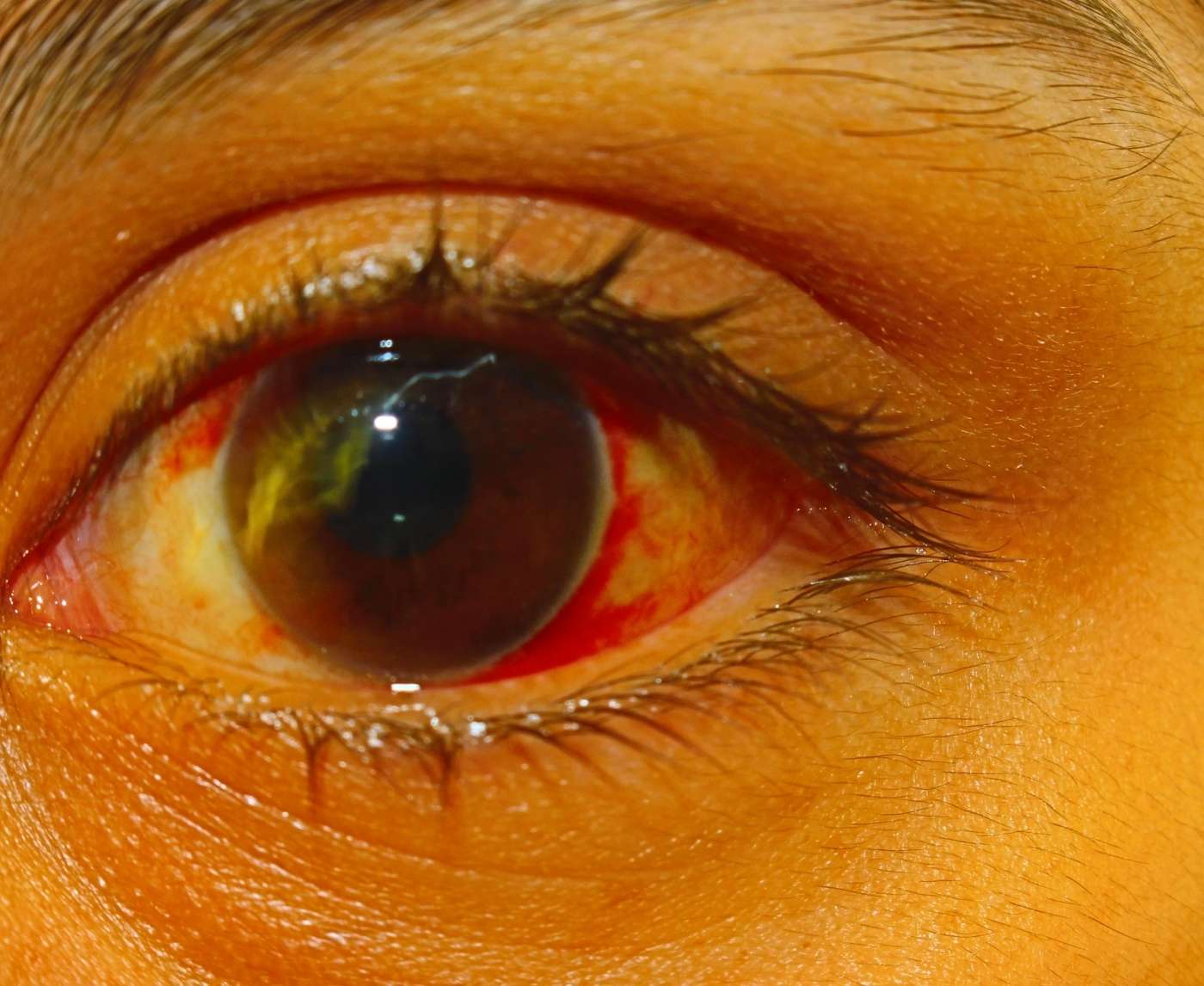
Waking up to a red, sticky eye after a recent sexual encounter sets off a particular kind of dread. Most red eyes are pink eye, the everyday viral or bacterial conjunctivitis that resolves on its own within a week or two. A small fraction are something else: chlamydial conjunctivitis, also called ocular chlamydia or adult inclusion conjunctivitis. Same bacterium that causes genital chlamydia, different anatomical site. The treatments are not interchangeable, and the wrong response (more drugstore drops, more waiting) can let symptoms drag on for weeks.
This guide walks through how to tell the difference, how the bacteria reach the eye in the first place, what testing actually looks like, why the standard treatment is oral antibiotics rather than topical drops, and how to handle the everyday logistics (partners, contact lenses, when to push for same-day care).
How can I tell if my red eye is chlamydia or just pink eye?
Most red eyes are not chlamydia. Common pink eye (viral or routine bacterial) usually clears within a week or two, with thin watery or mildly mucoid discharge. Ocular chlamydia tends to produce thicker yellow-green discharge, drags on past 1 to 2 weeks, often affects only one eye, and does not respond to over-the-counter eye treatments. The strongest tell is a recent sexual exposure (especially oral-genital contact) in the prior 1 to 3 weeks. If your eye fits that pattern, get tested for chlamydia at the eye and at a genital site, since co-infection is common.
Key Takeaways
- Ocular chlamydia mimics pink eye but produces thicker, yellow-green (mucopurulent) discharge, persists past a week, and does not clear with standard over-the-counter drops.
- Genital chlamydia frequently coexists with eye infection, so a genital swab or NAAT is often the most accessible route to a diagnosis when an ocular swab is not on offer.
When Pink Eye Isn't Pink Eye
Most cases of acute conjunctivitis in adults are viral, caused by adenoviruses. A smaller share are bacterial, with common pathogens like Staphylococcus aureus or Streptococcus pneumoniae. Allergic conjunctivitis fills out the bucket. These typically clear within one to two weeks, often without treatment, per CDC clinical guidance on conjunctivitis, which describes the common forms as self-limited.
A separate, less common category is conjunctivitis caused by sexually transmitted bacteria. Chlamydia trachomatis serovars D through K cause adult inclusion conjunctivitis when these bacteria reach the eye. Clinicians describe it as a chronic, follicular conjunctivitis that often persists for weeks or months without targeted antibiotic treatment.
The mistake most people (and many providers) make is assuming a red eye is one of the common forms. Adult inclusion conjunctivitis is uncommon enough that it rarely makes the first guess unless the patient brings up recent sexual contact. The infection sits in the conjunctiva (the thin membrane that lines the inner eyelid and covers the white of the eye) and produces a different symptom pattern than the routine cases.
The same bacterium also causes a related but distinct eye condition called trachoma, primarily in regions with limited access to clean water and sanitation. The WHO classifies trachoma as the leading infectious cause of blindness worldwide. Adult inclusion conjunctivitis in high-resource settings is a much milder picture and rarely causes lasting vision damage when treated.
Trachoma and adult inclusion conjunctivitis are both caused by Chlamydia trachomatis, but they are not the same condition. Trachoma develops from repeated reinfection over years, primarily where water and antibiotics are scarce, and can cause blindness. Adult inclusion conjunctivitis is a single-episode infection in adults with access to standard care; it is uncomfortable and persistent without treatment, but it does not progress to trachoma after one episode.
How Chlamydia Reaches the Eye
The main route is direct contact between the eye and infected genital fluids. Fingers handle a partner's genitals, then rub an eye. Semen or vaginal fluid lands near the face during oral sex. A shared towel or pillowcase carries enough bacteria to seed an eye if used to wipe the eye area. Many cases are autoinoculation: someone who already has genital chlamydia (often without symptoms) transfers bacteria from their own genitals to their own eye via fingers.
A separate category is shared fomites: contact lens cases, eye makeup, washcloths, or bedding used by an infected partner. These routes exist but are far less common than direct or autoinoculation transfer.
Newborns can acquire ocular chlamydia during vaginal delivery from a parent with untreated genital infection. This is a different clinical picture than the adult cases this article focuses on, and it is the reason prenatal chlamydia screening is built into the current CDC STI Treatment Guidelines.
What ocular chlamydia is not: airborne, casually contagious like a respiratory virus, or transmissible through ordinary social contact. The bacteria need direct fluid transfer to a mucous membrane. Living with someone who has it does not put you at meaningful risk; sharing intimate or close-fluid contact does.
One useful framing: chlamydia is an opportunistic mucosal pathogen. It infects whichever mucous membrane it reaches. Cervix, urethra, rectum, throat, and yes, conjunctiva. The eye is not a special target; it is one more available surface when fluid happens to make contact.
Pink Eye vs Ocular Chlamydia: How To Tell
Both conditions cause red eyes, both can produce discharge, and both can affect either eye. The differences live in the texture and amount of discharge, the duration, the response to treatment, and whether anything else in your sexual-health timeline lines up.
Use the table below as a rough guide, not a diagnosis. If your symptoms genuinely match the right-hand column, especially the duration and exposure rows, testing matters more than guessing.
| Feature | Common Pink Eye | Ocular Chlamydia |
|---|---|---|
| Discharge | Watery or thin mucus, clear to mildly cloudy | Thick, yellow-green, mucopurulent, crusts the lashes |
| Duration | Resolves in one to two weeks | Persists past 1 to 2 weeks; can drag on for months |
| Onset | Often after a cold, allergen exposure, or eye irritation | Gradual, 1 to 3 weeks after sexual exposure |
| Eyes affected | Often both eyes within a couple of days | Frequently starts in one eye and may stay there |
| Response to OTC drops | Often improves quickly | No improvement, may worsen or plateau |
| Other symptoms | Cold or upper respiratory symptoms | Possible genital, throat, or rectal symptoms; preauricular lymph node swelling |
| Sexual exposure history | Not relevant | Recent unprotected oral or genital contact |
Symptoms That Should Raise the Flag
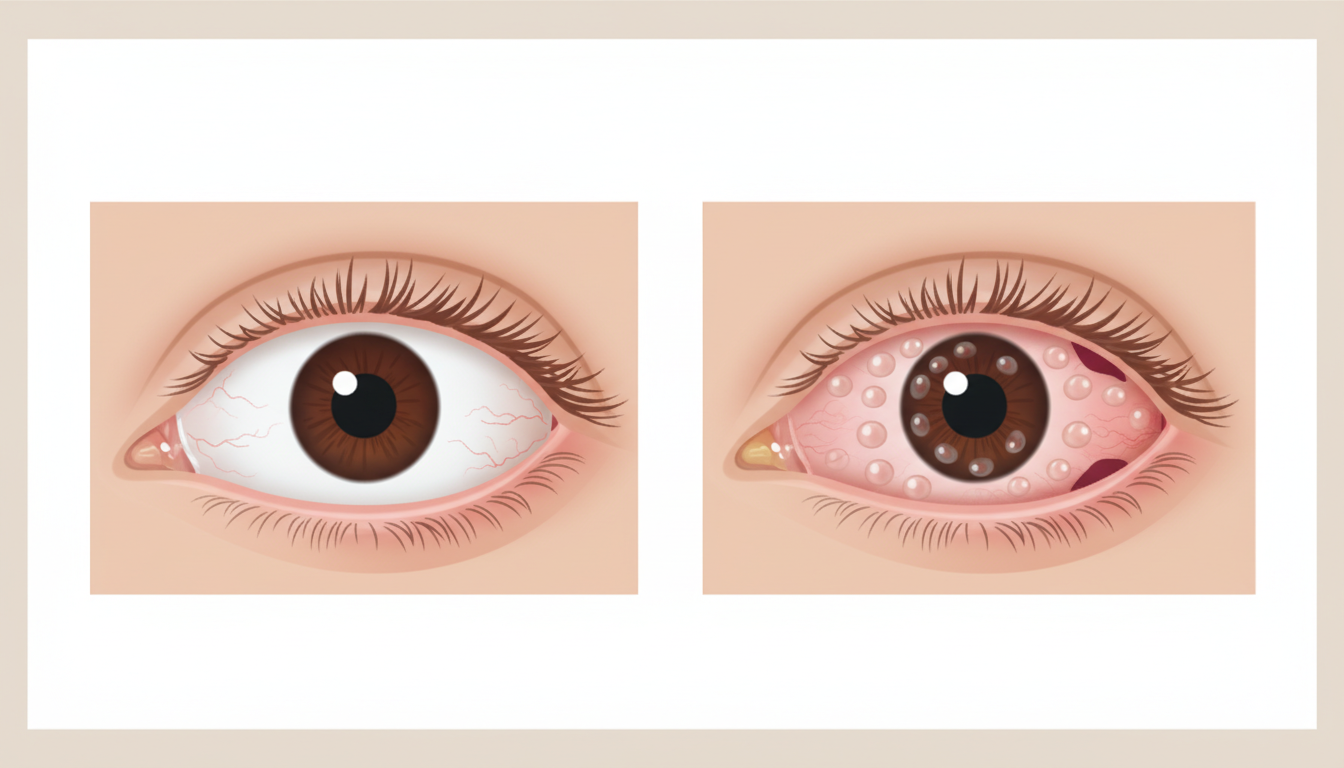
The textbook description of adult inclusion conjunctivitis is a unilateral (one-eyed), chronic, follicular conjunctivitis with a mucopurulent discharge. In plain language: one red eye, sticky yellow-green discharge that crusts the eyelashes overnight, and small bumps on the inner eyelid when a clinician pulls down the lower lid. Those bumps (follicles) are a telltale sign specialists actively look for.
Other features people often report:
- A gritty or sandy sensation, like there is something in the eye that won't rinse out
- Eyelid swelling, often more pronounced on the lower lid
- Sensitivity to bright light (photophobia)
- Discharge that crusts the lashes shut overnight and re-forms during the day
- A swollen, tender lymph node in front of the ear on the same side as the affected eye (preauricular lymphadenopathy)
- Symptoms that progress or plateau rather than improving with standard pink eye treatment
Many people with ocular chlamydia also have, or have recently had, mild genital symptoms (urethral burning, vaginal discharge, pelvic discomfort) that they brushed off. CDC clinical pages on chlamydia note that most genital infections are asymptomatic or minimally symptomatic, so the eye may be the first site that prompts attention.
If your symptoms fit the unilateral, mucopurulent, persistent pattern AND you have had unprotected sexual contact in the prior 1 to 3 weeks, treat the eye as a clinical signal worth investigating, not a routine pink eye to wait out.
Testing: What Works, What Doesn't
Diagnosing ocular chlamydia involves two questions: is the bacterium present at the eye, and is it also present at a genital site? Both matter for treatment, partner notification, and follow-up. The lab gold standard for chlamydia detection at any anatomical site is nucleic acid amplification testing (NAAT), which finds the DNA of the bacterium with high sensitivity, even when symptoms are mild or absent.
Testing options break down by sample type. Standard bacterial culture (the workhorse of urgent-care eye swabs) often misses chlamydia because the lab method is different; you have to ask specifically for chlamydia testing, or have the sample sent to a lab that runs NAAT on conjunctival specimens.
| Test method | Sample | Detects ocular chlamydia? | Where available |
|---|---|---|---|
| Conjunctival swab + NAAT | Lower-eyelid conjunctival swab | Yes, direct test | Specialty eye clinic or sexual-health clinic with referral |
| Genital NAAT | Vaginal swab, penile swab, or first-catch urine | Catches genital co-infection (very common with eye cases) | Sexual-health clinics, primary care, telehealth lab orders |
| Rapid lateral-flow swab (home) | Self-collected genital swab | Catches genital co-infection only, not the eye directly | At-home rapid test kit |
| Standard bacterial conjunctivitis culture | Eye swab cultured for routine bacteria | Often misses chlamydia (different lab method needed) | Most general urgent-care labs |
A small subset of red-eye presentations need urgent ophthalmologic attention rather than at-home screening. See a clinician the same day if any of these apply: rapidly worsening eye pain, new blurred or reduced vision, severe light sensitivity that prevents normal function, copious thick discharge that returns within hours of cleaning, or a known recent gonorrhea exposure. Hyperacute gonococcal conjunctivitis is a true ophthalmologic emergency and progresses in hours rather than days.
Treatment: Why Oral Antibiotics Are Standard
Adult inclusion conjunctivitis is treated with systemic (oral) antibiotics, not topical eye drops alone. The CDC STI Treatment Guidelines recommend two regimens for chlamydial infection:
- Doxycycline 100 mg by mouth twice daily for 7 days
- Azithromycin 1 g by mouth as a single dose
Doxycycline is the preferred regimen for genital chlamydia in non-pregnant adults, with azithromycin as an alternative when doxycycline is contraindicated (pregnancy, intolerance) or when adherence to a 7-day course is uncertain. For ocular cases, oral therapy is preferred over topical because the bacterium is typically present at multiple anatomical sites and topical antibiotics do not address that.
What treatment does:
- Clears the conjunctival infection and the genital infection together
- Stops onward transmission once the course is complete and the post-treatment abstinence window has passed (the CDC recommends abstaining from sex for 7 days after starting treatment)
- Reduces the risk of long-term complications (chronic conjunctivitis, pelvic inflammatory disease, infertility)
What treatment does not do:
- Provide instant relief; symptom improvement typically takes a few days, with full resolution over 1 to 2 weeks
- Prevent reinfection if a partner is untreated
- Replace the need to inform sexual partners
Topical lubricating drops can help with discomfort during recovery, but they do not treat the infection. Steroid eye drops should not be used without specialist guidance, as they can mask symptoms while the underlying infection persists and may cause harm if a different organism is actually present.
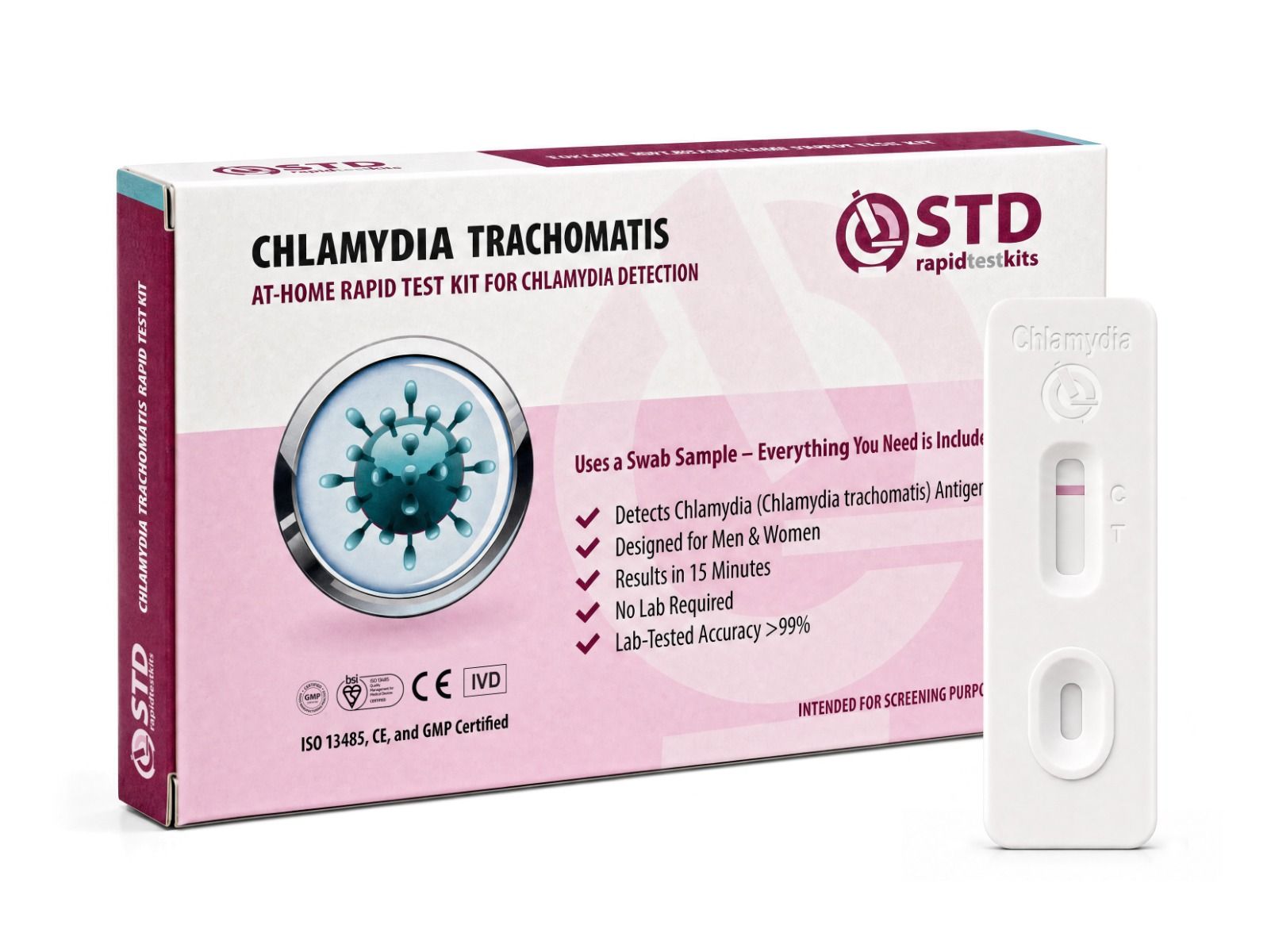
One disclosure on what we sell: stdrapidtestkits.com offers at-home rapid lateral-flow STI tests; a positive result still needs a clinician for the prescription antibiotic course. The kit below covers the genital site, which is co-infected in most adult ocular cases.
Can You Spread It to Others?
Yes, but the spread is not casual. Chlamydia trachomatis needs direct fluid transfer to a mucous membrane. Sexual contact is the high-risk route. Hand-to-eye autoinoculation by the infected person themselves is the second most common route. Household transmission to roommates or family members through ordinary contact is uncommon, but discharge on shared towels, pillowcases, or eye makeup can carry enough bacteria to seed an eye if reused promptly.
Practical hygiene during the symptomatic period:
- Wash hands often, and especially before touching the face or the unaffected eye
- Use a clean towel and pillowcase each day, or switch to disposable face cloths
- Throw away any eye makeup that may have been used during the infection
- Keep contact lens cases out of rotation until treatment is complete
- Avoid sharing washcloths or towels with anyone in the household
Sexual transmission to partners is the bigger concern. Anyone you have had vaginal, anal, or oral sex with in the 60 days before symptom onset should be informed and offered testing and treatment, per CDC partner-services guidance. Anonymous notification services exist in most regions if a direct conversation is hard. Sex while symptomatic should be off the table until at least 7 days after a single-dose azithromycin regimen, or until the doxycycline course is complete and symptoms have resolved.
Ocular Chlamydia in Newborns
In newborns, chlamydia in the eye is a recognized complication of vaginal birth from a parent with untreated genital infection. Symptoms typically appear 5 to 14 days after birth and include eyelid swelling, mucopurulent discharge, and conjunctival redness. The clinical name is neonatal inclusion conjunctivitis or ophthalmia neonatorum.
Unlike most pediatric pink eye, this form requires prompt systemic antibiotic treatment. Untreated neonatal chlamydia can also cause an interstitial pneumonia in the first months of life, which is why current pediatric practice treats with oral erythromycin or azithromycin rather than topical drops alone, per the CDC STI Treatment Guidelines.
For adult readers with new babies: if your child has eye discharge within two weeks of birth, mention any untreated or undiagnosed STI exposure during pregnancy to the pediatrician, even if you had no symptoms. The infection often goes unnoticed in the parent because most genital chlamydia in adults is asymptomatic. Prenatal screening catches most cases, but not all.
Tell the pediatrician about any untreated or undiagnosed STI exposure during pregnancy, even if you had no symptoms. Most parental chlamydia infections are silent, so prenatal screening can miss late-pregnancy acquisitions. Oral antibiotics treat both the eye infection and the small but real risk of chlamydial pneumonia in the first months of life.
Long-Term Risks of Leaving It Untreated
Untreated ocular chlamydia in a high-resource setting rarely causes blindness. The infection is responsive to oral antibiotics and most cases resolve fully with a standard course. The realistic long-term risks come from leaving it untreated for weeks or months: chronic follicular conjunctivitis, conjunctival scarring, corneal neovascularization (small blood vessels growing where they should not), and persistent low-grade inflammation that can affect comfort and vision over time.
The bigger risk often lives elsewhere in the body. Untreated genital chlamydia (which most ocular cases co-occur with) can cause pelvic inflammatory disease, ectopic pregnancy, and tubal-factor infertility in people with a uterus, and epididymitis in people with testes. CDC clinical pages describe these as the consequential outcomes of letting an asymptomatic or minimally symptomatic chlamydia infection sit untreated for months.
The trachoma question comes up often. Trachoma is caused by repeated, untreated infections with the same bacterium over years, primarily in regions with limited access to water for face-washing and limited antibiotic availability. A single episode of adult inclusion conjunctivitis treated promptly is a different clinical picture and does not progress to trachoma in someone with access to standard care.
The case for treating quickly is not catastrophic harm. It is the much more practical case of clearing an uncomfortable, persistent infection, protecting partners, and removing the asymptomatic genital infection that most likely sent bacteria to the eye in the first place.
Realistic ocular complications of untreated infection
- Chronic follicular conjunctivitis: persistent low-grade inflammation that drags on for weeks or months without targeted antibiotics.
- Conjunctival scarring: long-term changes to the inner eyelid lining that can affect comfort and tear-film stability.
- Corneal neovascularization: small abnormal blood vessels growing across the corneal surface, which can affect clarity over time.
Prevention and Next Steps
Most prevention is hand hygiene. Washing hands after intimate contact, before touching the face, and before handling contact lenses or removing eye makeup eliminates the autoinoculation route that drives most adult cases. Condoms and dental dams reduce the genital chlamydia risk that sits upstream of ocular infection. Routine STI screening (annually for sexually active adults under 25, or with new partners) catches asymptomatic genital chlamydia before it has the chance to spread to a mucosal site like the eye.
Practical things you can act on this week:
- If your eye has been red and discharging for more than a week, get a clinical exam and ask specifically about chlamydia testing
- If you have had unprotected sex in the last month and have any genital symptoms, screen for chlamydia regardless of what your eye is doing
- If you are starting a new sexual relationship, an STI panel for both partners removes a lot of downstream uncertainty
- If you have already been treated, plan a retest about 3 months later (per CDC STI Treatment Guidelines) to catch reinfection from an untreated partner
Ocular chlamydia is not a morally loaded diagnosis. It is a bacterium following its biology. The actionable response is testing, a 7-day antibiotic course, and a partner conversation. The infection clears, vision is preserved, and the eye returns to baseline.
Trachoma is the leading infectious cause of blindness worldwide and is caused by the bacterium Chlamydia trachomatis.
FAQs
- Can chlamydia really infect the eye?
- Yes. The same bacterium that causes genital chlamydia, Chlamydia trachomatis, can infect any mucous membrane it reaches, including the conjunctiva. In adults, this almost always happens via direct contact with infected genital fluids, either from a partner or via your own fingers (autoinoculation). The clinical name is adult inclusion conjunctivitis.
- How is ocular chlamydia different from regular pink eye?
- Three differences are most useful: discharge texture (thicker, mucopurulent, yellow-green rather than thin and watery), duration (persists past 1 to 2 weeks rather than clearing in a week), and response to standard pink eye drops (no improvement). A recent unprotected sexual exposure makes the diagnosis much more likely.
- How long after sexual exposure do eye symptoms appear?
- Most adult cases show up 1 to 3 weeks after the exposure event, though it can stretch longer. The onset is gradual rather than sudden, which is part of why it gets misread as ordinary pink eye that just is not clearing on schedule.
- Can a home STI test detect chlamydia in the eye directly?
- No. Home rapid tests use a self-collected genital swab and detect chlamydia at that site. The eye itself needs a conjunctival swab analyzed by a clinical lab. The home test is still useful, because most adult ocular cases come with a co-existing genital infection, and a positive genital result is a strong indication that the eye symptoms are also chlamydial.
- What is the standard treatment, and how fast does it work?
- Standard treatment is a short oral antibiotic course. Most people notice the eye improving within a few days, with full resolution over one to two weeks. Eye drops alone won't clear it because the bacterium is typically present at genital sites too; oral antibiotics treat both simultaneously.
- Should I tell my partner if only my eye is affected?
- Yes. Eye involvement strongly suggests there is also a genital infection in your body, which means a partner has likely been exposed. Anyone you have had vaginal, anal, or oral sex with in the 60 days before symptoms started should be told, tested, and treated. Anonymous partner-notification services exist in most regions if a direct conversation is hard.
- Can I wear contact lenses during treatment?
- No. Contacts trap bacteria against the conjunctiva, slow healing, and can cause secondary irritation. Switch to glasses for the duration of treatment and discard the lenses, lens case, and any eye makeup that was in use during the infection. Restart with fresh supplies once your eye is fully back to baseline.
- Is ocular chlamydia related to trachoma?
- Same bacterium, different clinical picture. Trachoma is the result of repeated, untreated chlamydial eye infections over years, primarily in regions with limited water access and limited antibiotic availability. A single episode of adult inclusion conjunctivitis treated promptly does not progress to trachoma in someone with access to standard care.
- What if I can't get to a sexual-health clinic?
- Telehealth services can order a genital chlamydia NAAT through a partner lab in many regions, and your primary care provider or GP can usually request a conjunctival swab if eye symptoms persist past two weeks. At-home rapid swab tests cover the genital site and are useful as a first screen if clinic access is delayed; a positive result still needs a clinician for the prescription antibiotic course.

- U.S. Centers for Disease Control and Prevention. Clinical pages on chlamydial infection, including transmission, symptoms, screening recommendations, and complications.
- U.S. Centers for Disease Control and Prevention. STI Treatment Guidelines: chlamydial infections in adults, adolescents, and neonates, including doxycycline and azithromycin regimens, retesting interval guidance, and partner-management practice.
- U.S. Centers for Disease Control and Prevention. Clinical overview of conjunctivitis, including viral, bacterial, and chlamydial subtypes and differential diagnosis.
- World Health Organization. Trachoma fact sheet, covering global burden, transmission, and the relationship between Chlamydia trachomatis and infectious blindness.
- U.S. Centers for Disease Control and Prevention. About STI risk and oral sex, including how chlamydia and other STIs can transmit through oral-genital contact.
- U.K. National Health Service. Chlamydia overview, including testing access, retesting after treatment, and partner-notification practice in the U.K. context.
- Merck Manuals (Professional Edition). Adult inclusion conjunctivitis, covering clinical presentation, diagnosis, and treatment of the chlamydial form of conjunctivitis in adults.
