





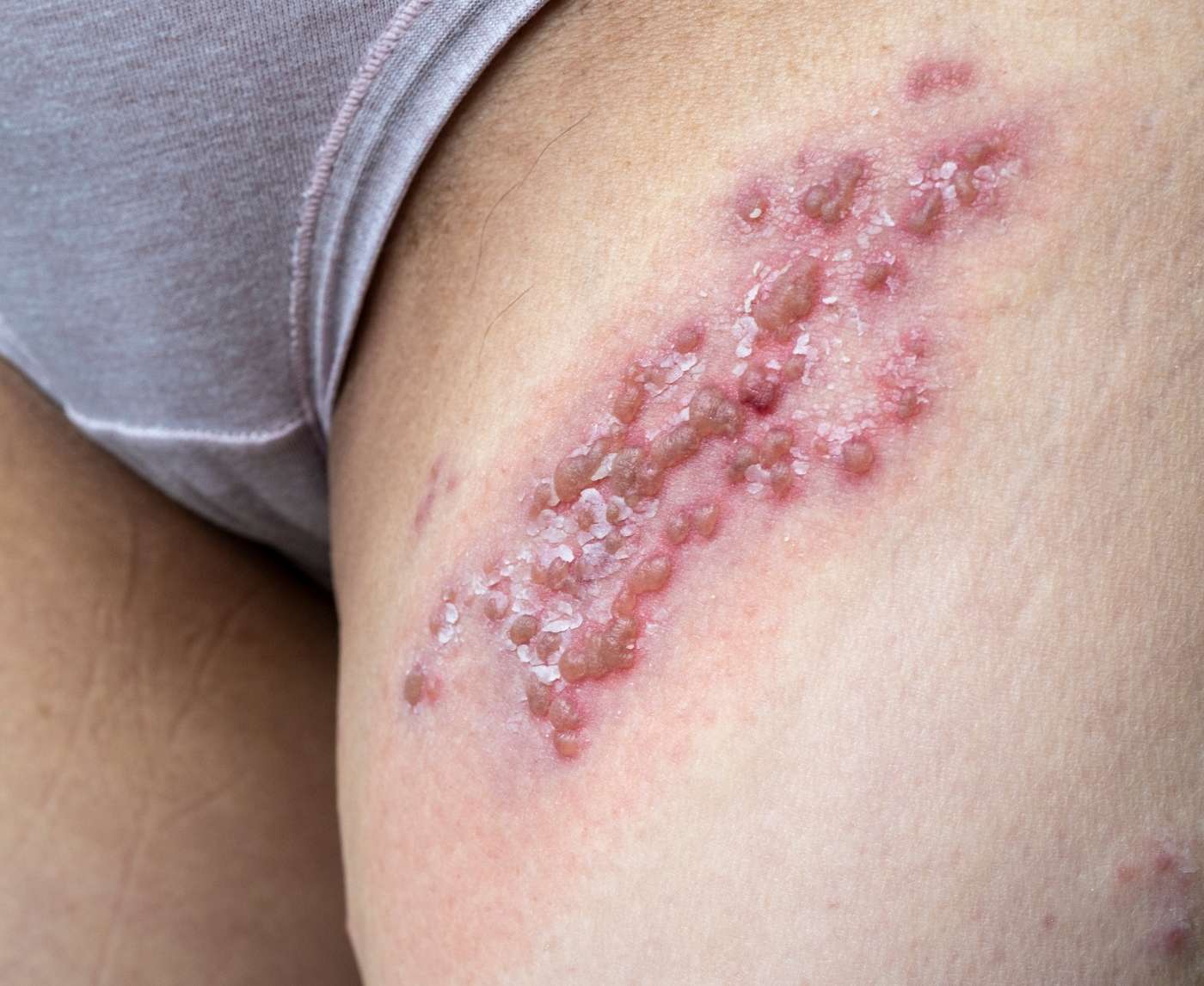

Quick Answer: A syphilis sore is usually a single, firm, painless ulcer called a chancre. A herpes sore is typically painful, appears as a cluster of blisters, and may burn or tingle before it forms. Pain alone isn’t definitive, testing is the only way to know.
First Clue: Does the Sore Hurt?
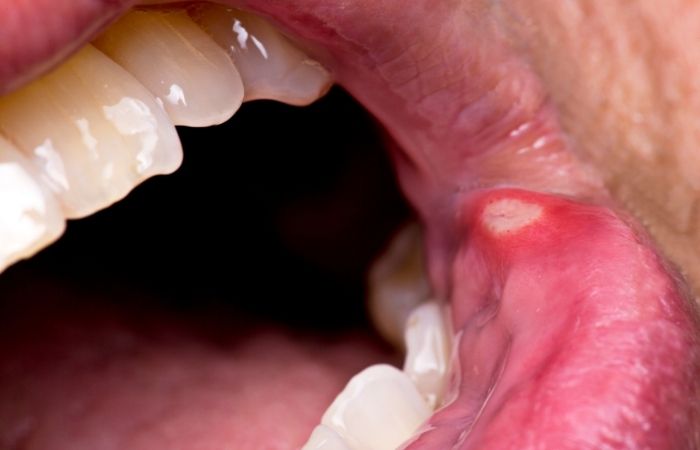
Let’s start with the question almost everyone types at 2AM: “Does a syphilis sore hurt?” The short answer is usually no. A classic syphilis chancre is painless. It often feels firm at the edges and smooth in the center. It may look small, round, and almost deceptively harmless.
That’s why people miss it. Or dismiss it. Or assume it’s friction, shaving irritation, or a random skin issue. It doesn’t scream. It doesn’t burn. It just sits there quietly.
Herpes behaves differently. Herpes sores often hurt. They can tingle before appearing. They may itch, burn, or feel raw. When they open, they can sting sharply, especially during urination or contact with clothing.
But here’s where things get complicated: not every herpes outbreak is dramatic. Some are mild. Some barely hurt. And some people don’t notice them at all.
So pain is a clue. It’s not a verdict.
What It Looks Like: Ulcer vs Blister
Imagine two different scenes.
Scene one: You see a single sore. It’s round. The edges are clean and defined. The center looks open but not oozing. It doesn’t look wet or crusted. It doesn’t multiply. It just exists.
Scene two: You notice tiny fluid-filled bumps. Maybe two. Maybe five. They look like small blisters grouped together. Over a few days, they burst. They crust. The area feels tender and inflamed.
The first description fits a typical syphilis chancre. The second matches a classic herpes outbreak.
| Feature | Syphilis Chancre | Herpes Sore |
|---|---|---|
| Number of sores | Usually one | Often multiple, clustered |
| Pain level | Typically painless | Often painful or burning |
| Texture | Firm, smooth edges | Fluid-filled blisters that rupture |
| Healing pattern | Heals on its own in 3–6 weeks | Crusts and heals in 2–4 weeks |
The key visual difference is blister versus ulcer. Herpes begins as blisters. Syphilis begins as a clean-edged ulcer.
But bodies don’t always follow textbook descriptions. And lighting, skin tone, shaving, and friction can distort appearance. That’s why visual self-diagnosis has limits.
People are also reading: What to Say If You Gave Someone an STD
Timing: When Did It Show Up?
Now rewind. When was your last sexual contact?
Syphilis sores usually appear about three weeks after exposure, though it can range from 10 to 90 days. That’s a wide window. And because the sore is painless, many people don’t connect it to something that happened weeks earlier.
Herpes symptoms often appear faster. The first outbreak typically develops within 2 to 12 days after exposure. That shorter timeline is one of the strongest differentiators.
If a sore appeared three days after a new partner, herpes is statistically more likely. If it appeared a month later, syphilis becomes more plausible. But again, plausible is not certain.
| Infection | Average Incubation Period | Range |
|---|---|---|
| Syphilis | 21 days | 10–90 days |
| Herpes | 4–7 days | 2–12 days |
Timing gives context. It narrows possibilities. But it doesn’t close the case.
The Part That Surprises People
Here’s what many people don’t realize: both sores can heal without treatment.
A syphilis chancre disappears in three to six weeks even if you do nothing. That doesn’t mean the infection is gone. It means it’s moved deeper into your body.
A herpes outbreak also resolves on its own. The virus stays dormant in nerve tissue and may reactivate later.
Healing does not equal cured.
This is where testing becomes non-negotiable.
Testing: The Only Way to Know for Sure
When someone messages us saying, “It doesn’t hurt so it can’t be herpes,” or “It burns so it must not be syphilis,” I gently interrupt that logic. Symptoms overlap. Pain varies. And anxiety distorts perception.
Syphilis is detected through blood testing. Antibody tests typically become reliable about three to six weeks after exposure.
Herpes can be tested through swabbing an active sore or via blood antibody tests, though blood tests are more useful weeks after exposure rather than immediately.
If you’re in that uncertain window and spiraling, peace of mind doesn’t have to wait for a clinic appointment. You can explore discreet options at STD Rapid Test Kits, including at-home solutions designed for privacy and speed.
The goal isn’t fear. It’s clarity.
When Pain Misleads You
I once spoke with someone, we’ll call him Marcus, who had a single painless sore. He was certain it wasn’t herpes because it didn’t hurt. He waited. It faded. Two months later, he developed a rash on his palms. That’s when testing confirmed syphilis in its second stage.
I’ve also spoken with someone who had one small sore that burned lightly. She assumed syphilis because there was only one. Testing revealed herpes simplex virus type 2.
The body does not follow internet myths.
Pain is common with herpes. But not guaranteed. Syphilis is usually painless. But irritation or secondary infection can make it uncomfortable.
This is why symptom comparison is a guide, not a diagnosis.
Where the Sore Appears Matters More Than You Think
The location of a sore changes how it feels, how quickly it’s noticed, and how often it’s misinterpreted. A painless ulcer on the shaft of a penis is usually spotted quickly. A painless sore inside the vagina, on the cervix, or deep in the anus can go completely unnoticed for weeks.
That’s one reason syphilis is often diagnosed later than people expect. The chancre may be hidden. It may not hurt. It may heal before someone even realizes it was there.
Herpes, on the other hand, tends to announce itself more loudly. On external skin, the burning or tingling phase can feel like something electrical is happening under the surface. On mucosal tissue, the sores may sting intensely when urine or sweat hits them.
But neither infection is confined to genitals alone. Both can appear orally. Both can appear anally. And both can occur in people of any gender.
This is where we slow down and look closer.
Oral Sores: Cold Sore, Syphilis, or Something Else?
You wake up with a sore on your lip. Or maybe inside your mouth. You had oral sex two weeks ago. Now your brain is replaying everything.
Oral herpes often begins with tingling or itching before a blister forms. The blister breaks, crusts, and heals within two to three weeks. It’s usually painful, especially during the blistering phase.
Oral syphilis presents differently. It tends to be a single painless ulcer with firm edges. It may appear on the lip, tongue, or inside the mouth. It does not typically tingle beforehand.
Because syphilis sores are painless, people often assume it’s a canker sore or irritation from biting the cheek. That assumption can delay testing.
If a mouth sore appears within a few days of oral sex and burns sharply, herpes becomes more likely. If it appears weeks later and does not hurt, syphilis enters the conversation.
Again, likely is not certain. Testing remains the final word.
Check Your STD Status in Minutes
Test at Home with Remedium7-in-1 STD Test Kit
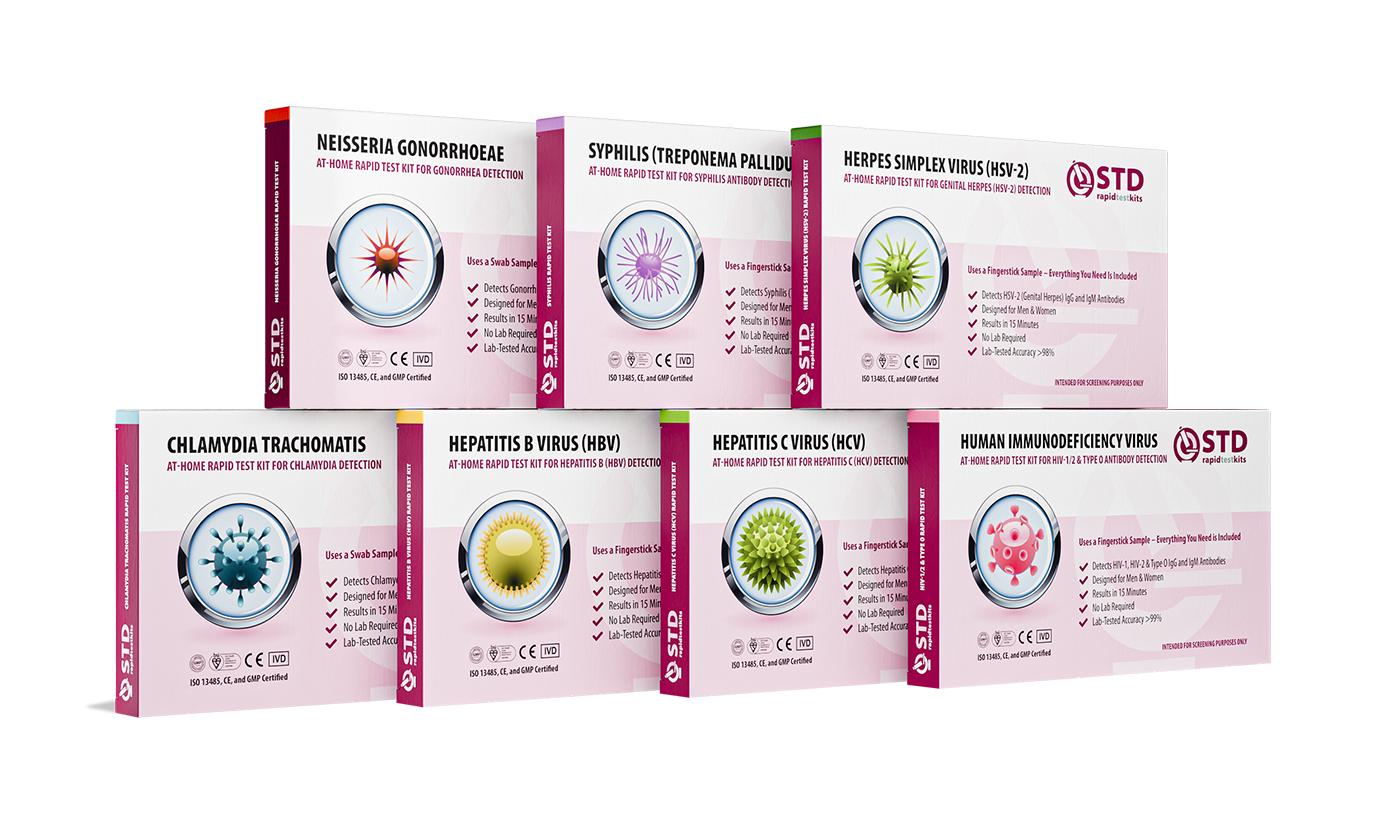
 For Men & Women
 Results in Minutes
 No Lab Needed
 Private & Discreet
Order Now $129.00 $343.00
For all 7 tests
Recurrence: One-Time Event or Repeat Pattern?
This is a major differentiator that people don’t talk about enough.
Syphilis does not cause recurring sores in the same way herpes does. The primary chancre heals and typically does not return. If untreated, the infection progresses internally rather than producing repeated ulcers.
Herpes is different. After the first outbreak, the virus stays dormant in nerve cells. It can reactivate. Some people experience frequent outbreaks. Others may only have one noticeable episode in their lifetime.
If you’ve had similar sores before in the exact same area, especially accompanied by tingling beforehand, herpes becomes more probable.
If this is your first and only painless ulcer, and it appeared weeks after exposure, syphilis rises on the differential list.
But remember: some people with herpes never have noticeable recurrences. And some people with syphilis never noticed the primary sore at all.
Systemic Symptoms: What Happens Beyond the Sore?
Sometimes the body sends backup signals.
With herpes, especially during a first outbreak, you might feel flu-like symptoms. Fever. Body aches. Swollen lymph nodes. Fatigue. The area around the sores can feel inflamed and tender.
With syphilis, systemic symptoms often appear later. A rash, especially on the palms and soles, can develop weeks after the chancre heals. There may be swollen lymph nodes or mild fever, but it’s often subtle.
That rash on the palms is one of the most distinctive clues of secondary syphilis. It’s not itchy. It doesn’t usually hurt. It just exists. Quietly.
The absence of these broader symptoms does not rule either infection out. But their presence can provide important context.
| Symptom Category | Syphilis | Herpes |
|---|---|---|
| Primary sore pain | Usually painless | Often painful or burning |
| Flu-like symptoms | Uncommon in primary stage | Common in first outbreak |
| Rash on palms/soles | Common in secondary stage | Not typical |
| Recurrence of sores | No recurring chancres | Recurring outbreaks possible |
When you zoom out and look at the whole pattern, not just the sore, the picture becomes clearer.
What If It’s Just One Sore?
This is the gray zone that drives people into spirals.
One sore does not automatically mean syphilis. While herpes often causes clusters, it can present as a single lesion, especially in milder cases or during recurrences.
Similarly, syphilis is typically a single chancre, but multiple chancres can occasionally occur.
I’ve spoken with people who stared at one small ulcer for days, trying to decide which infection it “looked more like.” That mental tug-of-war doesn’t provide clarity. Testing does.
If the sore is active, swabbing can provide answers for herpes. If the sore has healed or you’re weeks out from exposure, blood testing becomes more reliable, especially for syphilis.
At-home testing options can reduce the delay that comes from waiting for an appointment. If you want to skip the anxiety of sitting in a clinic waiting room, you can explore discreet blood-based testing options designed for privacy and speed through available home test kits.
When to Test for Accurate Results
Timing affects accuracy. Testing too early can produce false reassurance.
For herpes, swab testing works best when sores are fresh and unhealed. Blood antibody tests may not turn positive until several weeks after exposure. Testing immediately after a risky encounter rarely provides meaningful results.
For syphilis, blood tests are typically reliable about three to six weeks after exposure. Earlier testing may require follow-up confirmation.
If you’re unsure whether you’re in the right testing window, that uncertainty alone is reason enough to plan a retest rather than rely on guesswork.
Clarity often comes in stages. And that’s okay.
The Emotional Spiral Is Real, But You Don’t Have to Stay There
A sore appears and suddenly your mind starts writing worst-case scenarios. You replay conversations. You count days. You question everything.
I’ve watched people swing between denial and panic within the same hour. “It doesn’t hurt, so it must be fine.” Ten minutes later: “Wait, what if painless is worse?”
Neither fear nor reassurance from strangers online replaces a test result.
If you suspect either infection, the most stabilizing step is to get answers. Not assumptions. Not Reddit threads. Not pixelated comparison photos.
You deserve certainty.

People are also reading: From Sores to Brain Damage: The Real Progression of Syphilis in the Body
Can You Have Both at the Same Time?
This is the question people whisper once the initial panic settles: “What if it’s both?”
It’s possible. Coinfection happens. If someone has had unprotected sexual contact, especially with a new or multiple partners, exposure risk isn’t limited to one infection at a time. Syphilis and herpes can coexist.
Clinically, this matters because one infection can make transmission of the other more likely. Open sores from herpes can increase vulnerability to other infections, including syphilis. And because early syphilis sores are painless, someone may not realize they were contagious.
I once spoke with a patient who assumed her painful sores meant herpes alone. Testing revealed herpes simplex virus type 2, and early syphilis antibodies. She had treated one in her mind while the other quietly progressed.
This isn’t meant to scare you. It’s meant to underline a simple truth: testing panels matter. If you’re worried about one STD, it often makes sense to test for several at the same time.
If you want to cover your bases without making multiple clinic visits, comprehensive options are available through the STD Rapid Test Kits homepage, including combination kits designed to screen for multiple common infections discreetly.
Treatment Differences: Why It’s Important to Know Which One
The reason we care about distinguishing between these two isn’t just academic. The treatments are entirely different.
Syphilis is bacterial. It is treated with antibiotics, most commonly penicillin. When caught early, treatment is straightforward and highly effective. Once treated properly, the infection clears, though follow-up blood tests are necessary to confirm response.
Herpes is viral. There is no cure, but antiviral medications can reduce outbreak severity, shorten healing time, and lower transmission risk. Many people live normal, healthy lives with herpes. Some rarely experience symptoms after the first outbreak.
If you mistake syphilis for herpes and do nothing, syphilis progresses. If you mistake herpes for syphilis and expect antibiotics to “fix it permanently,” you’ll be confused when outbreaks return.
Knowing the difference isn’t about shame. It’s about choosing the right treatment path.
What a Positive Result Actually Means
This is where the emotional temperature spikes.
People often equate a positive STD result with something catastrophic. In reality, both infections are manageable. One is curable. The other is controllable.
If you test positive for syphilis, early treatment prevents long-term complications. Follow-up blood work confirms declining antibody levels. Once treated, you’re not “permanently infected.” You’re treated and monitored.
If you test positive for herpes, you are not damaged. You are not unlovable. You are not alone. Antiviral therapy, disclosure conversations, and informed partners become part of your routine, but your life continues normally.
I’ve watched people cry over herpes diagnoses and then months later say, “I barely think about it anymore.” I’ve watched people panic over syphilis and then feel immense relief once treated.
The unknown is scarier than the diagnosis.
What If Your Test Is Negative But You’re Still Worried?
Sometimes the first test comes back negative, but anxiety lingers. Maybe you tested too early. Maybe the sore had already healed. Maybe you’re in that window period where antibodies haven’t formed yet.
This is where timing becomes strategy rather than guesswork.
If you tested for syphilis within two weeks of exposure, a follow-up test at six weeks increases reliability. If you swabbed for herpes after the sore healed, that result may not capture the virus accurately. In that case, blood testing later may provide more clarity.
Negative does not always mean final. It sometimes means “retest at the right time.”
And that is not failure. That is precision.
The Decision Moment: What Should You Do Right Now?
If you’re reading this because you’re staring at a sore, pause.
Ask yourself three questions. When did it appear? Does it hurt? Has anything like this happened before?
Those answers guide likelihood, but not certainty.
The stabilizing next step is testing. Not obsessively comparing photos. Not waiting for it to vanish. Not convincing yourself it’s nothing.
If privacy is your concern, at-home blood-based options allow you to check for infections like syphilis without stepping into a clinic. If you’re dealing with a fresh blister, timely swab testing improves herpes detection accuracy.
You don’t need to panic. But you do need information.
Check Your STD Status in Minutes
Test at Home with Remedium6-in-1 STD Test Kit
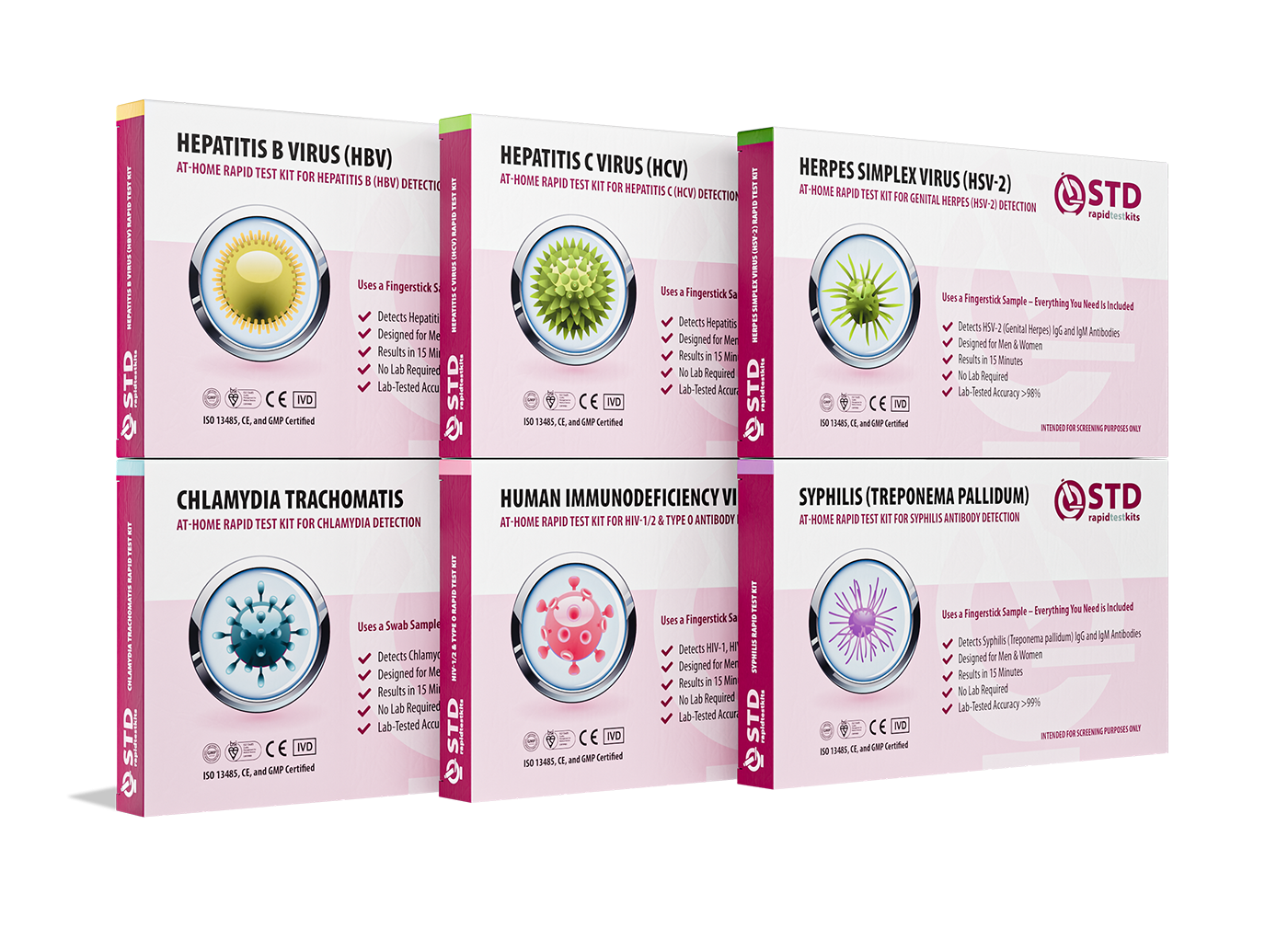 For Men & WomenResults in MinutesNo Lab NeededPrivate & Discreet
Order Now $119.00 $294.00
For all 6 tests
Zooming Out: Why Syphilis Rates Are Rising Again
This comparison matters more today than it did a decade ago.
Syphilis rates have been increasing in many countries, especially among adults in their 20s and 30s. Because early syphilis can be painless and subtle, infections spread silently.
Herpes remains common as well, particularly HSV-1 transmitted through oral contact and HSV-2 through genital contact. Many people carry the virus without symptoms.
Both infections thrive on assumptions. “It didn’t hurt.” “It healed.” “It was just one sore.”
Assumptions delay testing. Testing interrupts transmission.
You’re Not the Only One Googling This
Every day, thousands of people search some version of: “single sore herpes or syphilis.” Or “STD sore that doesn’t hurt.” Or “herpes blister vs syphilis ulcer.”
The anxiety is universal. The confusion is common. The silence is unnecessary.
The difference between spiraling and stabilizing often comes down to one action: getting tested at the right time.
When you remove guesswork, the situation becomes manageable.
FAQs
1. If it doesn’t hurt at all, is it basically guaranteed to be syphilis?
Not guaranteed. Painless is classic for syphilis, yes. But bodies don’t read textbooks. I’ve seen mild herpes outbreaks that barely stung. Pain is a clue, not a verdict. If you’re staring at a sore thinking, “It doesn’t hurt, so I’m safe,” that’s your cue to test, not relax.
2. If it hurts a lot, can I rule out syphilis?
Also no. Syphilis sores are usually painless, but if the area is irritated, rubbed by clothing, or secondarily infected, discomfort can show up. If something burns sharply and feels raw, herpes moves higher on the list, but we still don’t diagnose by vibes alone.
3. What if there’s only one sore? I thought herpes came in clusters.
It often does. But not always. First outbreaks can start with a single lesion. Recurrences especially can be subtle, one blister, not a dramatic cluster. So if you’re counting lesions in the mirror trying to solve a mystery, pause. Counting isn’t testing.
4. The sore disappeared. Am I in the clear?
I wish it worked that way. A syphilis chancre heals on its own even if the infection is still active inside the body. A herpes outbreak also resolves without treatment. Healing does not equal cured. If anything, a disappearing sore is your reminder to test while you still remember the timeline.
5. How soon after exposure should I test?
If it’s herpes and you have a fresh sore, swab testing works best right away. If it’s syphilis, blood tests are usually reliable around three to six weeks after exposure. Testing at day three because anxiety is loud rarely gives useful information. Strategic timing beats panic testing.
6. Can I get syphilis or herpes from oral sex?
Yes. Both infections can spread through oral contact. A painless lip ulcer weeks after oral sex deserves attention just as much as a genital sore. Transmission doesn’t care which body part was involved.
7. What if I’m too embarrassed to go to a clinic?
You are not the first person to feel that way. And you won’t be the last. That’s exactly why at-home testing exists. Privacy isn’t avoidance, it’s access. The important thing isn’t where you test. It’s that you test.
8. If I test positive, is my dating life over?
No. Full stop. If it’s syphilis, treatment clears it. If it’s herpes, millions of people date, love, marry, and have sex responsibly while managing it. A diagnosis changes logistics, not your worth.
9. Can stress cause sores that look like STDs?
Stress alone doesn’t create syphilis or herpes. But it can trigger herpes outbreaks if you already carry the virus. It can also make you hyper-focus on normal skin variations. Anxiety is powerful. So is information.
10. I’m still not sure what it is. What’s the safest move?
The safest move is simple: test, then follow up if needed. Not guess. Not wait indefinitely. Not self-diagnose based on a photo from 2009. Clarity beats speculation every time.
You Deserve Clarity, Not Guesswork
If there’s one takeaway here, it’s this: pain is a clue, not a diagnosis. A single painless ulcer leans toward syphilis. A painful cluster of blisters leans toward herpes. But leaning isn’t knowing.
Whether it’s one sore or several, whether it burns or doesn’t hurt at all, the most empowering step is confirmation. If you’re ready to replace uncertainty with answers, discreet options are available through comprehensive at-home testing kits that allow you to take control privately and confidently.
Your health is not a moral judgment. It’s a data point. And data is powerful.
How We Sourced This Article: This guide integrates current clinical guidelines from leading public health authorities, peer-reviewed infectious disease research, and patient-reported symptom patterns to ensure both medical accuracy and emotional relevance.
Sources
2. CDC – Genital Herpes Fact Sheet
3. World Health Organization – Syphilis Overview
4. Mayo Clinic – Genital Herpes Symptoms
5. NHS – Syphilis Symptoms and Treatment
6. Planned Parenthood – Herpes Information
About the Author
Dr. F. David, MD is a board-certified specialist in infectious diseases who works to stop, diagnose, and treat STIs. He combines clinical precision with a candid, stigma-free approach to sexual health education.
Reviewed by: Jordan L. Reyes, PA-C | Last medically reviewed: February 2026
This article is for informational purposes only and should not be used as medical advice.


