





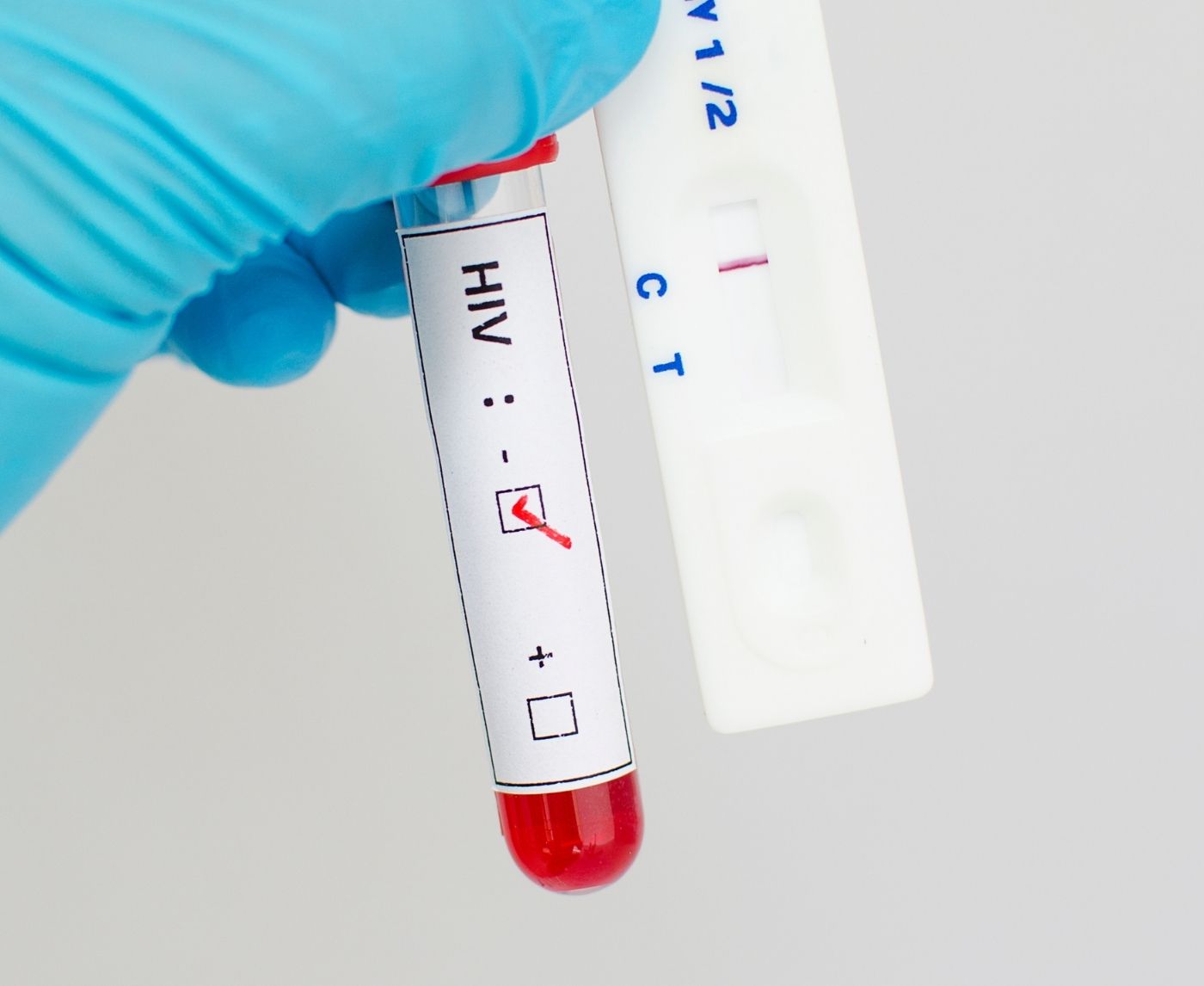

Quick Answer: A negative gonorrhea test can miss early or asymptomatic infections. Retest 14 days after exposure or if symptoms persist, especially if your first test was within the 5–10 day window.
Who This Is For (And Why Retesting Matters)
This guide is for you if you’ve already tested negative for gonorrhea but something doesn’t sit right. Maybe you're still having symptoms. Maybe your exposure was recent. Maybe your partner’s result didn’t match yours. Or maybe you’re in a new relationship and just want to be absolutely sure. You're not being paranoid, you’re being smart. Retesting isn't about distrust; it’s about timing, accuracy, and protecting your body before a silent infection spreads unnoticed.
We’re also talking to people with no symptoms at all. Because the truth is, gonorrhea often doesn’t announce itself. Up to 50% of people with the infection show no signs, especially those assigned female at birth. That means you could feel fine, test negative, and still have a case brewing. That’s why public health experts recommend repeat screening after new partners, especially if you tested within the first 7–10 days post-exposure.
How Gonorrhea Tests Work, and Where They Can Go Wrong
Most tests for gonorrhea use a method called NAAT (nucleic acid amplification testing), which looks for the bacteria's DNA in urine or a swab sample. It is thought to be very accurate, but only when there is enough bacteria for the test to find. That's where timing comes in.
If you test within just a few days of exposure, your body might not have enough bacterial DNA to trip the test. And even if you’re symptomatic, that doesn’t guarantee detection, especially if the infection site wasn’t sampled (for example, testing urine when the infection is in the throat). Timing, location, and test type all affect accuracy. Here's how they compare:
| Test Type | Sample Site | Earliest Accuracy | Retesting Recommended? |
|---|---|---|---|
| NAAT Urine Test | Urethra (Penis) | 7 days post-exposure | Yes, if tested before day 14 |
| NAAT Vaginal/Cervical Swab | Vagina/Cervix | 7–10 days | Yes, if first test was early |
| NAAT Throat or Rectal Swab | Oral/Anal | 7–10 days | Yes, especially if exposure was oral/anal only |
| At-Home Rapid Antigen | Varies | 10+ days | Yes, confirm with lab-based NAAT |
Table 1. Gonorrhea test types and when retesting may be necessary depending on exposure timing and site.
Now imagine you're a week out from a hookup with someone you barely know. You take an at-home test. It comes back negative. You feel a little bit safer, but not certain. That’s when retesting becomes more than just reassurance, it becomes smart sexual healthcare.
People are aslo reading: STD or Just a Cold? Why Your Throat Hurts After Oral Sex
Case Study: “I Tested Negative. Then My Ex Said She Had It.”
Jesse, 27, had a breakup and a rebound in the same week. “We used protection, but the condom didn’t last the whole time. I felt fine, but I took a test five days later just to be safe.” The result? Negative. But two weeks after that, Jesse’s ex texted: she’d tested positive for gonorrhea during a routine STI screen.
“I was like, what?! I had no symptoms, I tested negative, so I thought I was in the clear,” Jesse says. He retested at a clinic 15 days after exposure. This time, the result was positive. “If I hadn’t done that second test, I would’ve just kept thinking I was good, and I could’ve passed it on.”
Stories like Jesse’s aren’t rare. They’re common, and they’re why the CDC and WHO recommend retesting after high-risk exposure, even if your first result says “negative”.
Check Your STD Status in Minutes
Test at Home with Remedium8-in-1 STD Test Kit
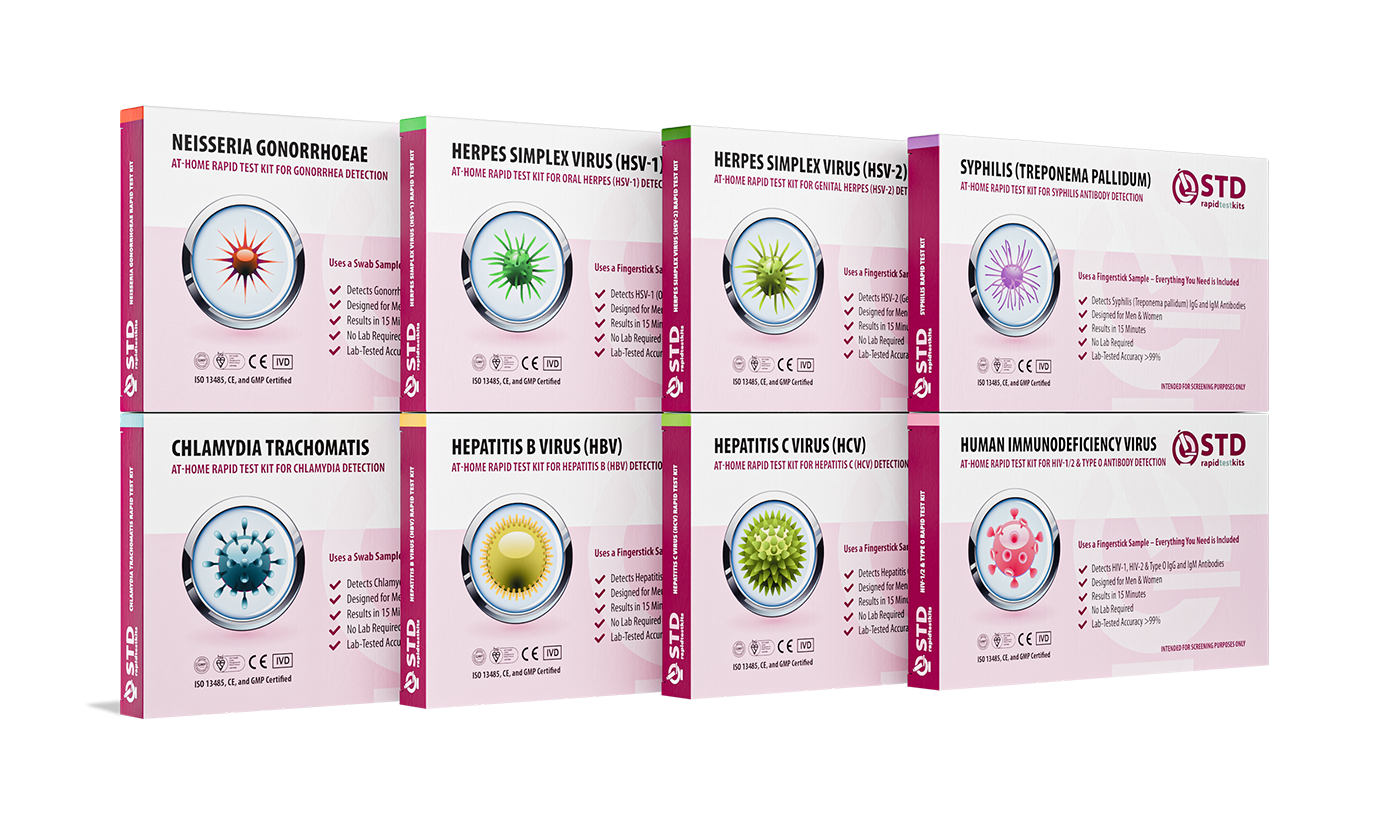
 For Men & Women
 Results in Minutes
 No Lab Needed
 Private & Discreet
Order Now $149.00 $392.00
For all 8 tests
Window Periods, Incubation, and False Negatives
Let’s break down the most misunderstood part of testing: the window period. That’s the time between exposure and when a test can reliably detect the infection. With gonorrhea, this usually starts around day 7 post-exposure, but accuracy really stabilizes closer to day 14. Test too soon, and you risk a false negative, not because the test is bad, but because it was simply too early to catch the infection.
The incubation period, the time between infection and symptoms, can vary from 1 to 14 days. But many people never develop symptoms at all. That’s what makes relying solely on how you feel so risky. Here’s how window periods line up with test reliability:
| Days Since Exposure | Symptom Likelihood | Test Accuracy | Should You Retest? |
|---|---|---|---|
| 1–5 days | Low to none | Low | Yes, initial result may be false negative |
| 6–10 days | Possible onset | Moderate | Yes, retest after 14 days if negative |
| 11–14 days | Likely if symptomatic | High | Retest if exposure was high-risk or symptoms persist |
| 15+ days | Most symptomatic cases visible | Very High | No, unless new symptoms or ongoing risk |
Table 2. Window period guidance for gonorrhea and when retesting is most useful after a negative result.
If you tested negative within the first week, consider that test a “baseline.” Don’t let it stop you from retesting after two weeks, especially if symptoms emerge or you’ve had ongoing unprotected sex. Think of retesting like a second checkpoint on the road, more accurate, more reliable, and often, more important than the first.
Still Burning After a Negative Test? Here's What That Could Mean
That nagging discomfort when you pee. The occasional itch. Maybe a little spotting or rectal soreness. You tested for gonorrhea and it came back negative, but your body’s still talking. So what gives?
There are a few possibilities. You could’ve tested during the early window period, meaning the test missed it. You could’ve swabbed the wrong site, say, peeing in a cup when the infection is in the throat from oral sex. Or, your symptoms could be from another STI like chlamydia or trichomoniasis, which often show up with similar signs. Worse yet, some people develop antibiotic-resistant strains of gonorrhea that are harder to clear, and your symptoms might reflect a lingering or secondary issue.
That’s why retesting is crucial. It helps separate early exposure from true recovery. It also forces you to listen to your body, not just a test strip.
Why Partners Sometimes Test Positive After You Tested Negative
This one stings. You got tested first. You came back clean. But your partner, who tested a week later, got a positive result for gonorrhea. You’re confused, maybe angry, maybe questioning their honesty. Before you spiral, know this: this mismatch happens more often than you think.
It could be about timing. If your partner tested during the peak accuracy window (day 14+), their result might’ve picked up what yours missed. It could be about site, maybe your partner did a rectal swab while you only tested urine. Or it could be that you were infected, passed it to them, then cleared the infection (spontaneous resolution is rare, but possible).
None of this means someone cheated or lied. It means that STDs are tricky. They don’t run on a perfect schedule, and neither do our tests. The best thing to do is align your testing windows, repeat the test if exposure was mutual, and avoid blaming anyone. Instead, work on healing together, literally and relationally.
Whether it’s for clarity, peace of mind, or just being smart in your sexual health, retesting is always your right. And if your head keeps spinning, peace of mind is one test away. Order a combo test kit today, quick, discreet, and trusted.
When to Retest After Treatment, or After a Scare
Retesting isn't only for those who tested too early. It’s also standard practice after treatment. Why? Because no test is perfect. And sometimes, antibiotics don’t fully clear the infection, especially if a resistant strain is involved, or if the infection was in the throat or rectum, where treatment can be less effective. You don’t want to assume you're cured just because you took pills. You want proof.
If you’ve been treated for gonorrhea, most guidelines suggest retesting at 3 months, but many providers recommend doing it earlier if you’re sexually active in the meantime. A common clinical approach is the "test-of-cure," typically done 7–14 days post-treatment for certain sites like the throat. Here’s how post-treatment retesting usually breaks down:
| Scenario | Retesting Timeline | Why It Matters |
|---|---|---|
| Treated at clinic with antibiotics | 3 months later (or 2 weeks for test-of-cure) | To ensure clearance, especially for oral/rectal sites |
| Symptoms still present after treatment | 2–3 weeks after antibiotics | To check for resistance or reinfection |
| New exposure after treatment | 14 days post-exposure | To rule out new infection, not failed treatment |
| Partner never tested or treated | Retest after 2–4 weeks | Reinfection risk is high without partner treatment |
Table 3. Recommended retesting timelines after gonorrhea treatment or suspected exposure.
One reader, Sanaa, 31, shared: “I thought the antibiotics worked. I felt fine. But two weeks later, the symptoms crept back, like a low hum instead of a scream. I retested and it came back positive again.” Her doctor confirmed it was likely reinfection from an untreated partner. Now, Sanaa says, “I always retest. Not to accuse, but to stay safe.”
People are aslo reading: Why Your Vaginal Health Feels Off After Antibiotics
How to Retest: Home Kits, Privacy, and What to Expect
Let’s say you don’t want to go back to the clinic. You don’t want the awkward waiting room, the judgmental nurse, or the lab report attached to your name. That’s fair. STD Rapid Test Kits offers discreet at-home testing that gives you control, privacy, and a direct path to clarity.
You collect the sample yourself, urine or swab, depending on the type of test, and either view results on the spot or send it to a certified lab. The packaging is plain. The instructions are clear. And most importantly, the results are yours. No insurance forms, no nosy questions, just information you can use to move forward.
Want to get started now? Order your private gonorrhea test kit, or grab a combo pack to screen for multiple STDs at once. It’s the kind of peace of mind that travels well, sleeps better, and answers the “what ifs” lingering in your brain.
Check Your STD Status in Minutes
Test at Home with Remedium7-in-1 STD Test Kit
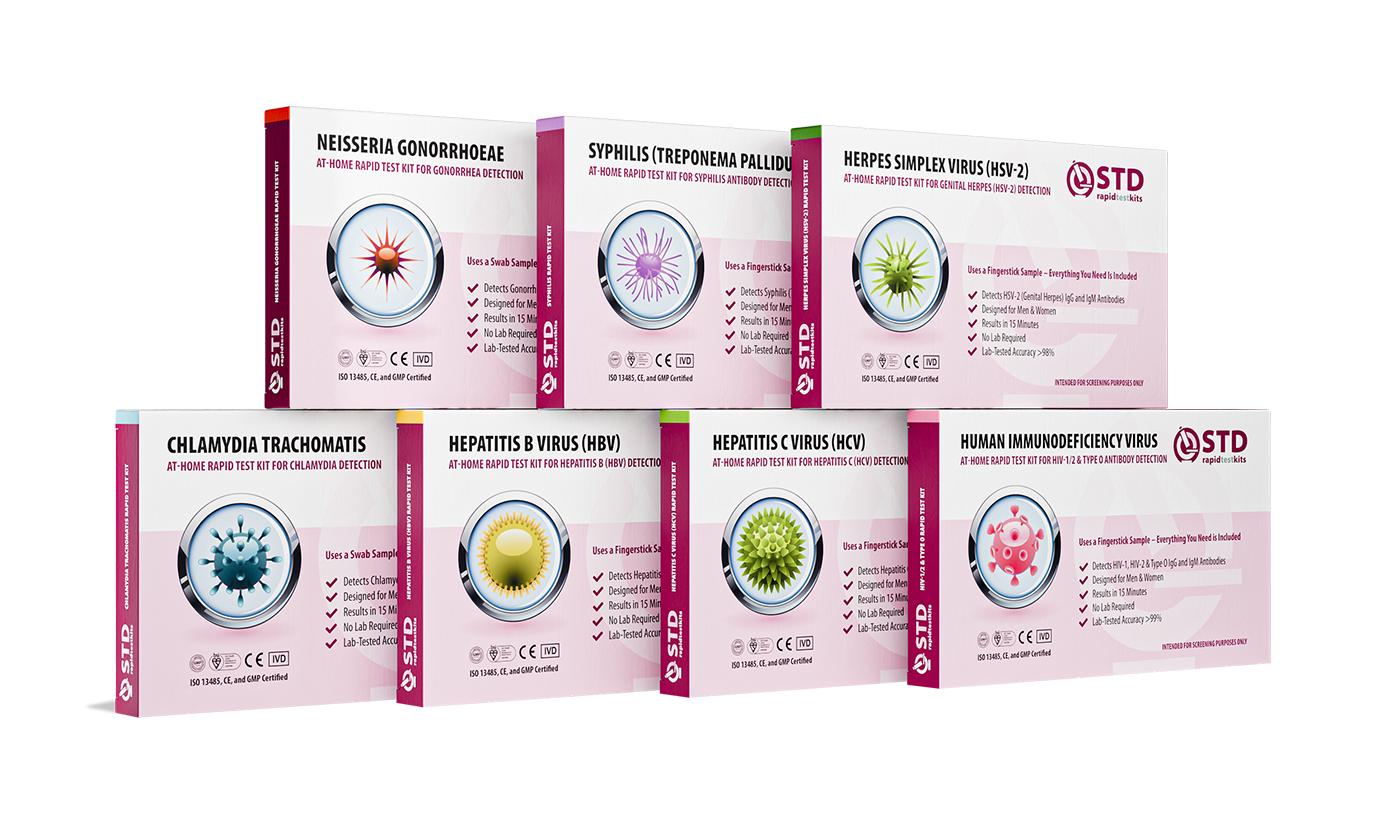 For Men & WomenResults in MinutesNo Lab NeededPrivate & Discreet
Order Now $129.00 $343.00
For all 7 tests
What If My Retest Comes Back Positive?
First: breathe. A positive test result isn’t a moral failure. It’s a medical update, and a treatable one. Gonorrhea is curable with antibiotics, though some resistant strains may require additional follow-up. If your at-home test comes back positive, your next steps are:
1. Seek confirmatory testing at a clinic if you used a rapid or at-home kit.
2. Start treatment right away, usually with one dose of ceftriaxone and oral antibiotics.
3. Inform recent partners so they can test and treat as needed.
4. Retest 2–4 weeks after treatment if your case involved oral or rectal exposure.
It’s not about shame. It’s about responsibility, health, and next steps. Most importantly, it’s about reclaiming control in a system that often wants to make us feel dirty for caring about our sexual health.
So don’t just test. Retest if you need to. The second test may be the one that tells the full story.
FAQs
1. Can a gonorrhea test really miss an infection?
Yes, and it happens more often than people think, especially when you test too early. If you took the test within a few days of exposure, your body might not have built up enough of the bacteria for the test to catch. It’s like trying to photograph a ghost that hasn’t fully appeared yet. That’s why retesting after the 14-day mark can save you from false reassurance.
2. I tested negative, but something still feels off. Should I be worried?
Not panicked, just proactive. If you're still feeling symptoms like burning, discharge, or pelvic pain, your body’s trying to tell you something. Maybe it’s gonorrhea the test missed, or maybe it’s something else entirely, like chlamydia or a UTI. Either way, don’t sit on it. Retest and get answers.
3. Can I just retest at home, or is a clinic better?
That depends on what you need. Home tests are discreet, fast, and accurate when used properly, especially if you use a lab-based kit. But if you’re having intense symptoms or want in-person reassurance, a clinic is a great call. You can also use both: test at home, and if things still feel weird, follow up in person. You’re allowed to double check. That’s called taking care of yourself.
4.How long should I wait before I retest?
The magic number is usually 14 days after exposure. If you tested before that and got a negative, think of it as a sneak peek, not the final word. Retesting at the two-week point gives you a clearer answer. If you're still sexually active with that partner, retesting is even more important, because new exposures mean new risks.
5. Can I get reinfected after treatment?
Yes, and it happens all the time. Treatment wipes out the infection, but it doesn’t give you immunity. So if your partner wasn’t treated, or you had sex again too soon, you could get reinfected right away. That’s why partner treatment and retesting go hand-in-hand. You’re not starting from scratch; you’re staying one step ahead.
6. Is it true gonorrhea can have no symptoms?
Totally true, and totally frustrating. Many people, especially those with vaginas, can carry gonorrhea without any obvious symptoms. That’s why it’s called a “silent” infection. You might feel fine, look fine, and still be passing it on. Regular testing, and yes, retesting, is how you catch it before it causes deeper problems.
7. What if I tested negative and my partner tested positive?
Ugh, that can feel like a punch to the gut, but don’t jump to conclusions. It could just be a timing mismatch. Maybe they tested at the right time and you tested too early. Or maybe your infection was in a site your test didn’t catch, like the throat or rectum. Instead of spiraling, align your retesting windows and both get rechecked. Focus on answers, not blame.
8. Are at-home gonorrhea tests legit?
When you buy from a reputable source and follow instructions carefully, yes. Some kits give you rapid results on the spot, while others send samples to a certified lab. Either way, at-home testing gives you the power to act without the awkward waiting room or insurance hassles. Just make sure you’re testing at the right time, early testing is still early testing, even at home.
9. I'm nervous to test again. Is that normal?
Completely. Retesting can stir up anxiety, what if the result flips? What if you were wrong to trust someone? But here's the thing: retesting isn’t a sign you did something bad. It’s a sign you care. It’s part of being sexually responsible in a world that often skips these conversations. If you're scared, take a breath. Then do it anyway. Your peace of mind is worth it.
10. Can gonorrhea just go away on its own?
Rarely. While some people’s immune systems can clear it, most won’t. And waiting it out is risky, gonorrhea can quietly cause infertility, pelvic inflammation, and other long-term damage. Don’t leave it to chance. If there’s even a small doubt, test. If it’s positive, treat. Then retest to make sure it’s really gone.
You Deserve Answers, Not Assumptions
No one should have to guess what’s going on in their own body. You shouldn't be told you're "fine" when your gut says otherwise. A single negative test isn’t a permission slip to ignore symptoms, or silence your intuition. If something feels off, if your partner’s result doesn’t match yours, or if you tested right after a risky moment, you deserve better than assumptions. You deserve clarity.
That’s where retesting comes in. Not as punishment. Not as panic. But as power. It’s your way of reclaiming control over something deeply personal. It says, “I care about myself, and I care enough not to settle for half-truths.”
So if your brain won’t stop looping “what if,” don’t wait. Order a combo STD test kit today and get answers that don’t leave you guessing. Because your health isn’t a gamble, and you shouldn’t have to wait for peace of mind.
How We Sourced This Article: We combined current guidance from leading medical organizations with peer-reviewed research and lived-experience reporting to make this guide practical, compassionate, and accurate. In total, around fifteen references informed the writing; below, we’ve highlighted some of the most relevant and reader-friendly sources.
Sources
1. Retesting After Treatment to Detect Repeat Infections (CDC)
2. Gonococcal Infections Among Adolescents and Adults (CDC)
3. Gonorrhea Guide: Treatment and Follow‑Up (Canada.ca)
4. Gonorrhoea | STI Guidelines Australia (ASHM)
6. Adaptive Guidelines for the Treatment of Gonorrhea (PLOS Medicine)
7. Best Practices for Preventing Repeat Chlamydial and Gonococcal Infection (CDPH)
About the Author
Dr. F. David, MD is a board-certified infectious disease specialist focused on STI prevention, diagnosis, and treatment. He blends clinical precision with a no-nonsense, sex-positive approach and is committed to expanding access for readers in both urban and off-grid settings.
Reviewed by: Janelle Cruz, MPH | Last medically reviewed: November 2025
This article is just for information and doesn't take the place of medical advice.


