Published: September 2025 | Last updated: May 2026 | Editorial review and quality control: Martina N.
Most rashes that show up after sex are not the worst-case scenario your brain jumped to in the first thirty seconds. A large share of them turn out to be jock itch, the everyday name for tinea cruris, a fungal infection that thrives in the warm, damp folds of the groin. It can be passed through skin contact during sex, but it is not a sexually transmitted disease. This guide walks through how to tell jock itch apart from STD rashes, what clears it, and when testing is the smarter next move.
The pattern in the skin tells most of the story. The rest is timing, sensation, and how the rash behaves over a few days. Once you know what to watch for, the panic loop quiets down and you can act on what you are seeing instead of what you fear.
Key Takeaways
- Jock itch (tinea cruris) is a fungal infection, not an STI, even when it spreads through skin contact during sex.
- Most jock itch clears with over-the-counter antifungal creams in 1 to 4 weeks; pain, blisters, or no improvement after two weeks of correct treatment is a reason to test for STIs.
Fungal Rash or STD Rash: How the Patterns Differ
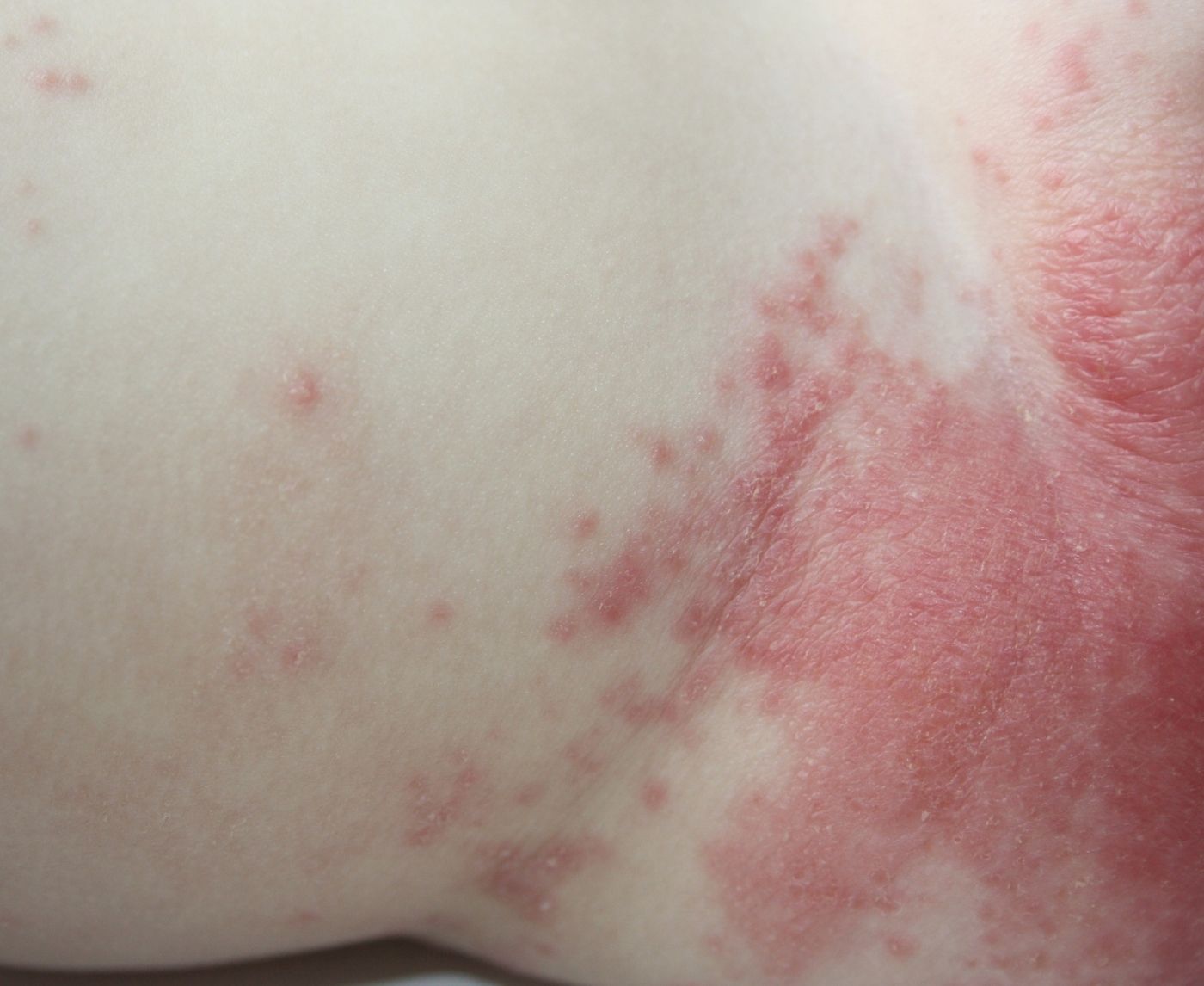
Visually, fungal infections and some STD rashes can overlap just enough to confuse anyone, including clinicians. The patterns are different once you know what to look for. Fungal rashes tend to look organized. They expand outward in roughly circular shapes, stay close to the surface, and itch in a steady, low-grade way. STD-related rashes tend to look more chaotic, with clusters of blisters, painful ulcers, or scattered lesions that do not respect a single tidy boundary.
The most common fungal rash in the groin is tinea cruris, which the CDC describes as a contagious fungal infection that thrives in warm, humid skin folds. The most common visual mimics on the STI side are genital herpes (tight clusters of small vesicles) and primary syphilis (a painless ulcer with a firm rolled border). Knowing the typical shapes narrows the list quickly. A clinician's eye still closes the loop when anything looks atypical.
| Feature | Fungal (Jock Itch / Ringworm) | STD-Related Rash |
|---|---|---|
| Shape | Ring-shaped with defined edges | Blisters, sores, or irregular patches |
| Itching | Common, often intense and steady | Variable, sometimes absent |
| Pain | Mild irritation, usually no pain | Often painful, especially genital herpes |
| Spread pattern | Expands outward in a slow ring | Clustered lesions or single ulcers |
| Onset after exposure | 1 to 5 days | Days to weeks depending on the infection |
What These Rashes Actually Look Like
The clearest way to compare patterns is side by side. Below are reference figures showing how each kind of rash typically presents. None of these are a diagnostic match for what is on your skin, but together they show the shape language each condition uses. A persistent, painful, or atypical rash should still be evaluated by a clinician.
How Ringworm Spreads Through Sex (Without Being an STI)
Language trips people up here. Ringworm is not classified as a sexually transmitted disease, but it absolutely can spread during sex. Skin-to-skin contact, body heat, and moisture create a perfect environment for dermatophyte fungi to move from one body to another. The groin stays warm and slightly damp, which is essentially a five-star hotel for fungal organisms.
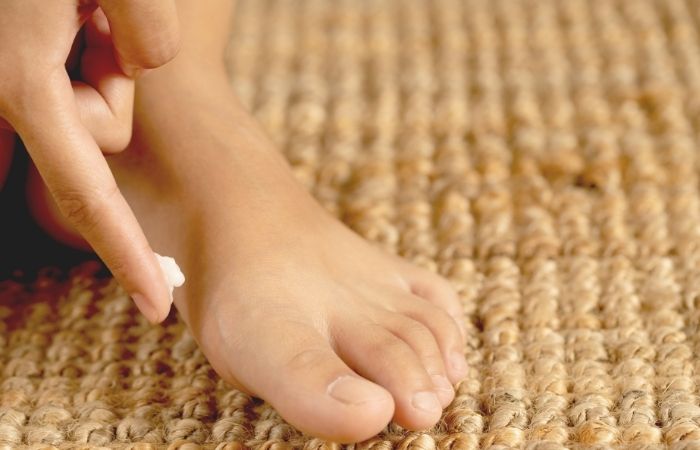
Tinea cruris can also spread from one part of your own body to another. Athlete’s foot, for example, often migrates to the groin via towels, hands, or simply pulling on underwear after drying your feet last. Sharing damp towels, gym benches, and tight synthetic clothing all raise the odds. NHS guidance describes ringworm as easy to catch from another person, an animal, or contaminated surfaces.
So when a rash shows up after sex, the timing feels suspicious, but the mechanism is often mundane. The conditions during sex (warmth, friction, prolonged contact) are exactly what fungal organisms like, and a small amount of fungus already present on either body can settle into a fresh patch of skin. That mechanism does not depend on anyone being unclean or doing anything wrong. Showering daily and using condoms do not block fungal transfer, because condoms only cover part of the contact area.
- Skin-to-skin contact during sex, especially in warm, sweaty conditions.
- Self-spread from athlete’s foot via hands, towels, or pulling on underwear after drying your feet last.
- Shared surfaces like damp towels, gym benches, and unwashed workout gear.
- Tight synthetic clothing that traps heat and moisture in the groin fold.
The Timeline of Symptoms Tells You a Lot
One of the strongest clues in sorting this out is timing. When symptoms show up after a sexual encounter narrows the list quickly, because each infection has its own typical incubation window. The figures below come from MedlinePlus on genital herpes, DermNet on syphilis, and standard dermatology references on tinea cruris.
| Condition | Typical Onset After Exposure | What It Feels Like |
|---|---|---|
| Fungal (jock itch / tinea cruris) | 1 to 5 days | Itching, redness, slowly spreading ring-shaped rash |
| Genital herpes (first outbreak) | 2 days to 2 weeks | Tingling or burning, then clustered blisters and painful sores |
| Primary syphilis | 10 to 90 days (average 21 days) | A single painless firm ulcer at the contact site |
| Contact irritation / folliculitis | Hours to 3 days | Localized soreness, small follicle-centered bumps |
What Actually Clears Jock Itch
Treatment is straightforward when done correctly and consistently. The biggest mistake most people make is stopping too early. The visible rash fades, the itch quiets, and the cream goes back in the drawer. A week or two later, the rash is back and now it is more stubborn. The fungus does not just live on the surface, it sits deeper in the skin layers, even when the area looks clear. The American Academy of Dermatology recommends applying an antifungal twice a day for 10 to 14 days for jock itch, and emphasises completing the full course.
Apply the antifungal cream beyond the visible rash, by at least 2 centimeters in every direction. Wash and dry the area thoroughly before each application. Keep going for 1 to 2 weeks after the skin looks normal again.
Skip topical steroid creams unless a clinician specifically prescribes them for a mixed presentation. Steroids can temporarily reduce redness while letting the fungal infection grow underneath, a phenomenon dermatologists call tinea incognito. It looks like progress in the first few days and turns into a longer problem after.
| Treatment | How It Works | Typical Course |
|---|---|---|
| Clotrimazole or miconazole (OTC) | Kills surface dermatophyte fungus | Twice daily for 2 to 4 weeks |
| Terbinafine cream (OTC) | Stronger fungicidal action | Once or twice daily for 1 to 2 weeks |
| Oral terbinafine or itraconazole (Rx) | For stubborn, widespread, or recurrent cases | Prescribed for 2 to 4 weeks under clinician supervision |
When to Stop Self-Treating and Get Tested
There are moments when waiting it out is the wrong move. If the rash becomes painful, starts blistering or weeping, develops open sores, brings on swollen lymph nodes in the groin, or fails to improve after 10 to 14 days of correct antifungal use, the situation has changed and the next step changes with it.
Testing in this situation is about getting clarity, not jumping to conclusions. If there is even a small chance that what you are seeing is genital herpes, primary syphilis, or another STI, knowing early changes everything. First herpes outbreaks should be treated with prescription antiviral medication, which works best when started early after symptoms appear. Primary syphilis treated early with a single penicillin injection avoids years of progression.
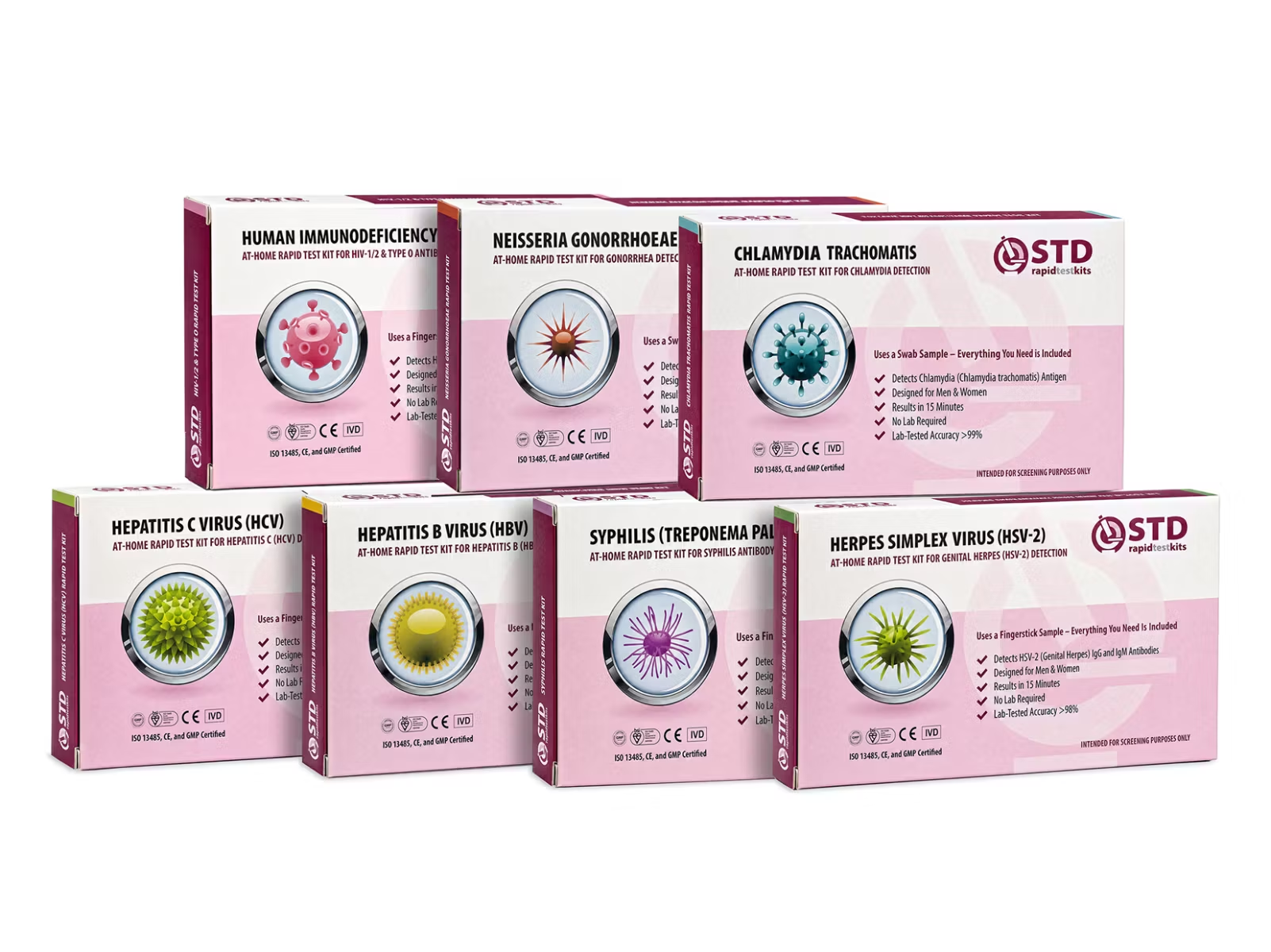
A note on what we sell: stdrapidtestkits.com offers at-home rapid tests for STIs (HIV, syphilis, hepatitis B and C, chlamydia, gonorrhea, and herpes antibodies), not for fungal infections. Jock itch itself is diagnosed clinically by appearance, or by a skin scrape at a clinic when there is any doubt. The kit below covers the STIs most likely to look similar to a rash after sex or to co-occur with one; it does not replace a clinical visit if the rash hurts, blisters, or is not behaving like a typical fungal infection. Antibody-based blood tests work best for ruling things in or out a few weeks after exposure; for an active painful lesion right now, a clinic swab or PCR is the more direct tool.
Why Jock Itch Keeps Coming Back
This is the part that frustrates people most. You treat it, it fades, you relax, and then a week or two later it is back. It can feel personal, like the body is working against you. The mechanism is simpler than it feels. Fungal infections are persistent, and they do not need much to restart. A bit of leftover fungus, a warm environment, a little friction, and the cycle picks up where it left off.
| Cause | What Is Happening | What Helps |
|---|---|---|
| Stopping treatment early | Fungus remains in deeper skin layers | Continue antifungal for 1 to 2 weeks after the skin clears |
| Moisture buildup | Creates ideal growth conditions in skin folds | Dry thoroughly after showering; consider antifungal powder |
| Tight synthetic clothing | Traps heat and friction | Cotton underwear and looser trousers while healing |
| Re-exposure | Contact with infected skin, towels, or gym surfaces | Avoid sharing towels, pause intimacy until clear |
| Untreated athlete’s foot | Migrates from feet to groin via hands or laundry | Treat foot and groin together; put on socks before underwear |
Small Healing Tweaks That Make a Big Difference
Treatment is not only about what you apply, it is about the environment you create for your skin. Fungus thrives in specific conditions, and healing means disrupting them.
Keep things dry. After showering, pat the groin and inner thigh fully dry even if it feels overcautious. Moisture is what allows the infection to persist. Some people benefit from a light dusting of antifungal powder during the day, especially in hot weather or after exercise.
Wear looser, breathable clothing while the rash heals. Tight synthetics trap heat and friction, which slow recovery. Cotton underwear and looser trousers give the skin time to reset.
Give your body a break from sex until the rash clears. The friction during sex slows healing, and direct skin contact can transfer the infection to a partner. Resuming once the visible rash has cleared and the full treatment course is finished avoids the round-two pattern most people regret.
Read Your Skin Like a Story
When something shows up on your body after sex, your brain wants an immediate label, either good or bad, serious or trivial. Skin does not work like that. It tells a story in patterns, not headlines.
A fungal rash usually unfolds gradually. It starts subtle, then becomes more defined. It itches in a way that is persistent but not sharp. You might notice it spreading outward, almost as if drawing a boundary on the skin. That slow, expanding ring is a clue most people miss when they are focused on worst-case scenarios.
Herpes typically reads differently. People often describe a tingling, burning, or aching sensation in the area before anything is visible. Then come the small clustered blisters, the tenderness, the kind of discomfort that makes the area very noticeable even without touching it. Primary syphilis lesions, when present, are often a single firm painless ulcer with a rolled edge, quite distinct from the itchy spreading rash of fungal infection. Contact irritation and folliculitis tend to be even faster, showing up within hours to a day after a friction-heavy session and centered around individual hair follicles rather than a single boundary.
The goal is not to self-diagnose perfectly. It is to notice patterns so you can respond instead of react. Treat what clearly looks fungal. Watch how it behaves over a few days. And if the story your skin is telling does not match what you expected, seek a clinical opinion or test rather than guessing on a forum.
Ringworm is a common fungal infection of the skin. It can spread through direct skin-to-skin contact with an infected person, contact with contaminated items, or contact with an animal that has ringworm.
Common Questions About a Rash After Sex
- Can you actually catch ringworm from sex?
- Yes, but not in the way classical STIs are passed. Ringworm spreads through direct skin-to-skin contact, not bodily fluids. If a partner has a fungal infection on the groin, inner thigh, or buttocks, the friction, heat, and moisture of sex can transfer it. The CDC describes ringworm as easy to spread by skin-to-skin contact and shared items. The biology is closer to athlete’s foot than to chlamydia or gonorrhea.
- Why did this show up right after sex if it is not an STD?
- The timing feels suspicious, but the mechanism is mundane. Sex creates the exact conditions fungus likes most: heat, sweat, friction, and prolonged skin contact. Even if neither partner has an obvious infection, those conditions can wake up fungal organisms that were already present in small amounts. Showering daily and using condoms do not block fungal transfer, because condoms only cover part of the contact area.
- How can I tell if this is jock itch or genital herpes?
- Start with how it feels. Itching that is steady and slowly spreads outward in a ring pushes fungal causes higher on the list. Burning or tingling that turns into tight clusters of small blisters, then tender shallow sores, pushes herpes onto the list and warrants a clinic swab or PCR test. Antibody blood tests can help establish past exposure but do not directly diagnose an active lesion.
- I started using antifungal cream and it looks better. Can I stop?
- Not yet. Even if the skin looks clear, dermatophyte fungi can persist in deeper skin layers for one to two weeks beyond the visible rash. Stopping early is the most common cause of recurrence. The American Academy of Dermatology recommends a full 10 to 14 day course for jock itch, and many clinicians extend that another week or two when the groin is involved.
- Is it okay to have sex while I am treating jock itch?
- Pausing is better while the rash is active. Friction and moisture during sex slow the healing process, and skin-to-skin contact can transfer the infection to a partner. Once the visible rash has cleared and the full treatment course is finished, normal activity can resume.
- What if I have been treating it for two weeks and nothing is changing?
- Two weeks with no progress is the threshold to reassess. Either this is a more stubborn fungal infection that needs a stronger antifungal (oral terbinafine, for example, prescribed by a clinician), or it is not fungal at all. At that point, a clinical visit (and STI testing if there has been recent exposure) closes the loop faster than another OTC trial.
- Can I use any cream I already have at home?
- Only antifungal creams reliably clear jock itch. Look for clotrimazole, miconazole, or terbinafine on the label. Antibacterial creams like bacitracin will not work, and topical steroid creams can make the rash look better short-term while letting the fungus grow underneath. If the label does not specifically say antifungal, it is not the right tool for this job.
- If it looks like ringworm, do I really need an STI test?
- Not always. For a textbook jock itch rash (ring-shaped, itchy, slowly spreading, responsive to antifungal cream within a few days), most people do not need testing. But if anything is unusual (pain, blisters, sores, lymph node swelling, no response to treatment, or a new sexual exposure where the partner’s status is unknown), an STI test closes the loop. The peace of mind of a clean panel is often the fastest path back to a calm head.
How we sourced this article: We summarized current guidance from public-health authorities (U.S. CDC, U.K. NHS, World Health Organization) and dermatology references (American Academy of Dermatology, DermNet NZ, MedlinePlus) on tinea cruris, herpes simplex, and primary syphilis. Visual pattern descriptions were cross-checked against open dermatology atlases. This article is general health information, not a substitute for clinical evaluation; persistent, painful, or atypical rashes should be assessed by a clinician.
- U.S. Centers for Disease Control and Prevention. About Ringworm: clinical description of the ring-shaped rash, transmission via skin-to-skin contact and contaminated items.
- U.K. National Health Service. Ringworm: symptoms, how it spreads, and what to do at home.
- American Academy of Dermatology. Ringworm Treatment: recommended antifungal application schedule (twice a day for 10 to 14 days) and the importance of completing the full course.
- DermNet (New Zealand). Tinea cruris: clinical features, differential diagnosis, and recurrence patterns.
- MedlinePlus (U.S. National Library of Medicine). Genital herpes: incubation window of 2 days to 2 weeks for first outbreak after exposure.
- DermNet (New Zealand). Syphilis: incubation period of 10 to 90 days (average 21 days) before the primary chancre appears.
- U.K. National Health Service. Syphilis: typical timing (around 3 weeks) for first symptoms to appear after infection.
- World Health Organization. Sexually transmitted infections (STIs): global fact sheet on STI symptoms and testing.
