Published: October 2025 | Last updated: May 2026 | Editorial review and quality control: Martina N.
You noticed something on your skin. You searched for what it might be. A few days passed and it was gone. Now you are stuck wondering: was that something serious? Should you still test?
The honest answer is yes, in most cases. A skin change that resolves on its own does not always mean the cause has cleared. For some of the most consequential sexually transmitted infections, including herpes, syphilis, and acute HIV, a brief skin event can be the only outward signal during early infection. The infection itself stays.
This guide explains what a disappearing rash can mean, when testing is most reliable after a suspected exposure, and what to do if you tested early and want a confident answer.
Key Takeaways
- A herpes-like rash that fades on its own does not mean the infection cleared. Herpes, syphilis, and acute HIV all cause skin changes that resolve while the underlying infection persists.
- The most reliable testing window opens roughly two weeks after symptoms appeared, with full reliability at 4 to 12 weeks depending on the infection. Testing earlier can miss recent cases.
Which STIs Cause a Rash That Goes Away?
Several sexually transmitted infections produce visible skin changes that resolve without treatment. The skin clears, but the infection does not. The patterns most likely to confuse a self-check:
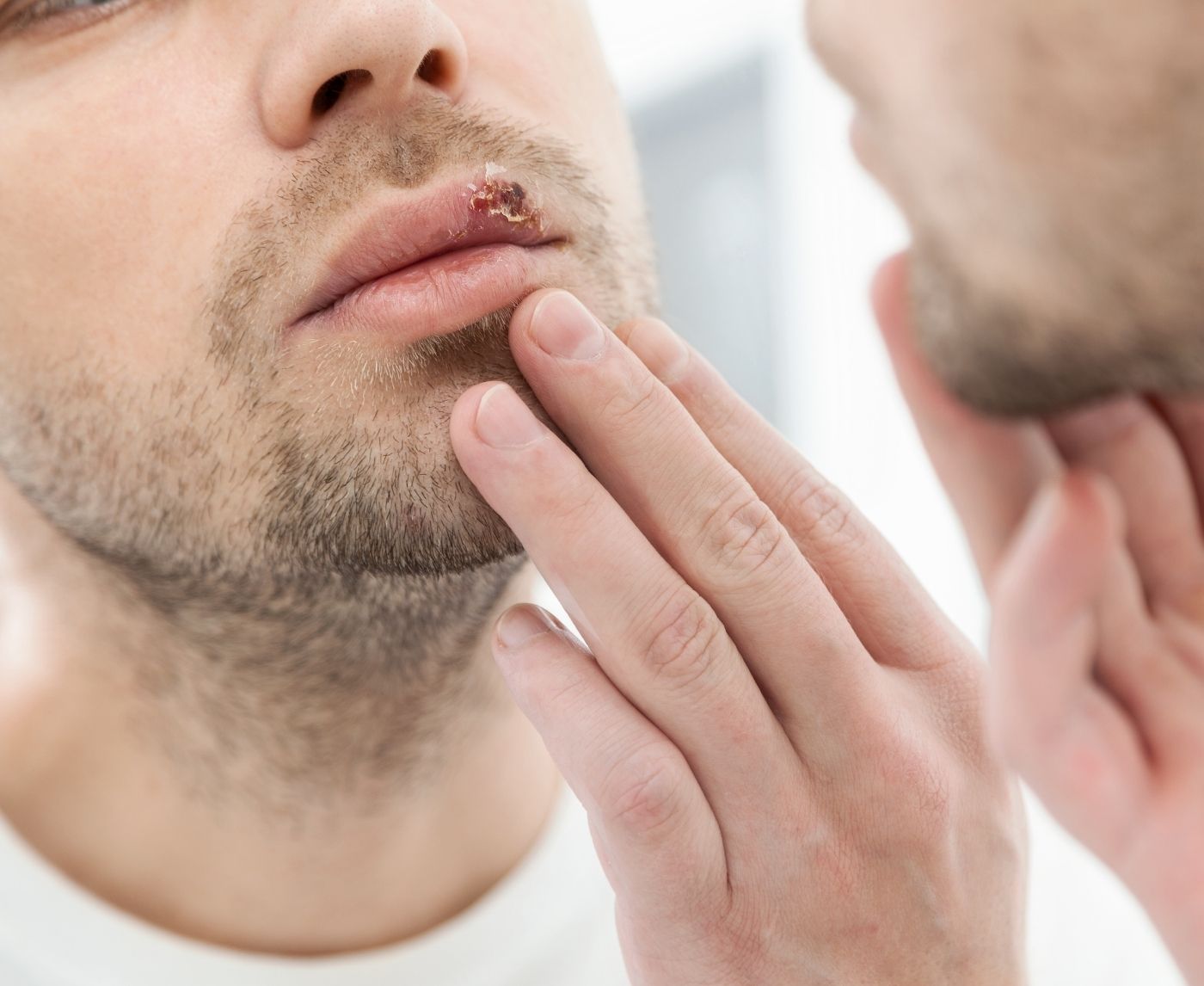
- Herpes (HSV-1 or HSV-2). A first outbreak can range from classic painful blisters to subtle bumps that look like razor irritation or a single dry patch. Lesions typically heal within 2 to 4 weeks even without treatment, but the virus stays in nerve cells and can reactivate later (CDC: About Genital Herpes).
- Primary syphilis. The first sign is usually a single painless sore (a chancre, or open ulcer) at the contact site. It heals on its own in 3 to 6 weeks, then the infection moves into a secondary stage that can include a non-itchy rash on the trunk, palms, or soles (CDC: About Syphilis).
- Acute HIV. Within 2 to 4 weeks of infection, some people develop flu-like symptoms that can include fever, headache, and rash. These symptoms usually pass on their own and are often mistaken for a viral illness (NIH HIVinfo: Stages of HIV Infection).
The pattern is consistent across all three: a short visible event, a long internal one.
| Infection | Typical Skin Pattern | How Long Visible | Does the Infection Persist? |
|---|---|---|---|
| Herpes (HSV-1 or HSV-2) | Blisters, ulcers, or subtle bumps near genitals, mouth, or rectum | 2 to 4 weeks untreated | Yes, lifelong; can reactivate |
| Primary syphilis | Single painless sore at contact site | 3 to 6 weeks | Yes, advances silently through stages |
| Acute HIV | Rash with flu-like illness, often on trunk | Days to a couple of weeks | Yes, lifelong without treatment |
| Scabies or pubic lice | Itchy red rash, worse at night | Persistent until treated | No, worsens without treatment |
The Disappearing Rash Timeline: Why Test Timing Matters
Testing too early is the most common reason people get a misleading negative. Most STI tests look for either the pathogen's genetic material or for the antibodies your body produces in response. Both take time to reach detectable levels.
This delay is called the window period. It varies by infection and by test type, and it is the single biggest reason a confident negative requires the right timing. The table below shows the rough pattern after a possible exposure. If your rash showed up a week ago and the encounter that worried you was more than two weeks ago, you are likely in a good window for several common STI tests. If you tested on day 3, that negative does not rule out much, and a retest is worth doing.
| Days After Exposure | What You May Notice | Test Reliability | What To Do |
|---|---|---|---|
| 0 to 5 days | Usually nothing; some early skin irritation possible | Low; most tests miss it | Wait, avoid sex without protection |
| 6 to 13 days | A rash may appear and then fade | Moderate; bacterial NAATs improve in this window | Note the date; plan to test soon |
| 14 to 30 days | Rash often gone, infection persists | High for chlamydia and gonorrhea NAATs | Test now; retest later for HIV, HSV, and syphilis |
| 6 to 12 weeks | No outward signs | Highest reliability for HIV, herpes antibody, and syphilis serology | Final-window test for full clarity |
Why a Painless Herpes Rash Still Matters
One of the most misleading aspects of early STI symptoms is how unremarkable they can be. A herpes outbreak can present as a single bump with no itch, or a small dry patch that looks like a shaving nick. The classic syphilis chancre is painless and often appears in places people do not see: under the foreskin, around the anus, inside the vagina, or in the mouth. The body then heals the visible sore on its own.
Painless does not mean harmless. It often just means easy to overlook. Untreated syphilis progresses through stages that can affect the heart, brain, and nervous system over years (CDC STI Treatment Guidelines: Syphilis). Untreated herpes does not become more dangerous over time, but it can shed virus between visible outbreaks, including when there are no symptoms at all. Untreated HIV moves into a long asymptomatic phase before the immune system shows damage. A visible sore that heals is not the same as an infection that has cleared; the two follow separate timelines.
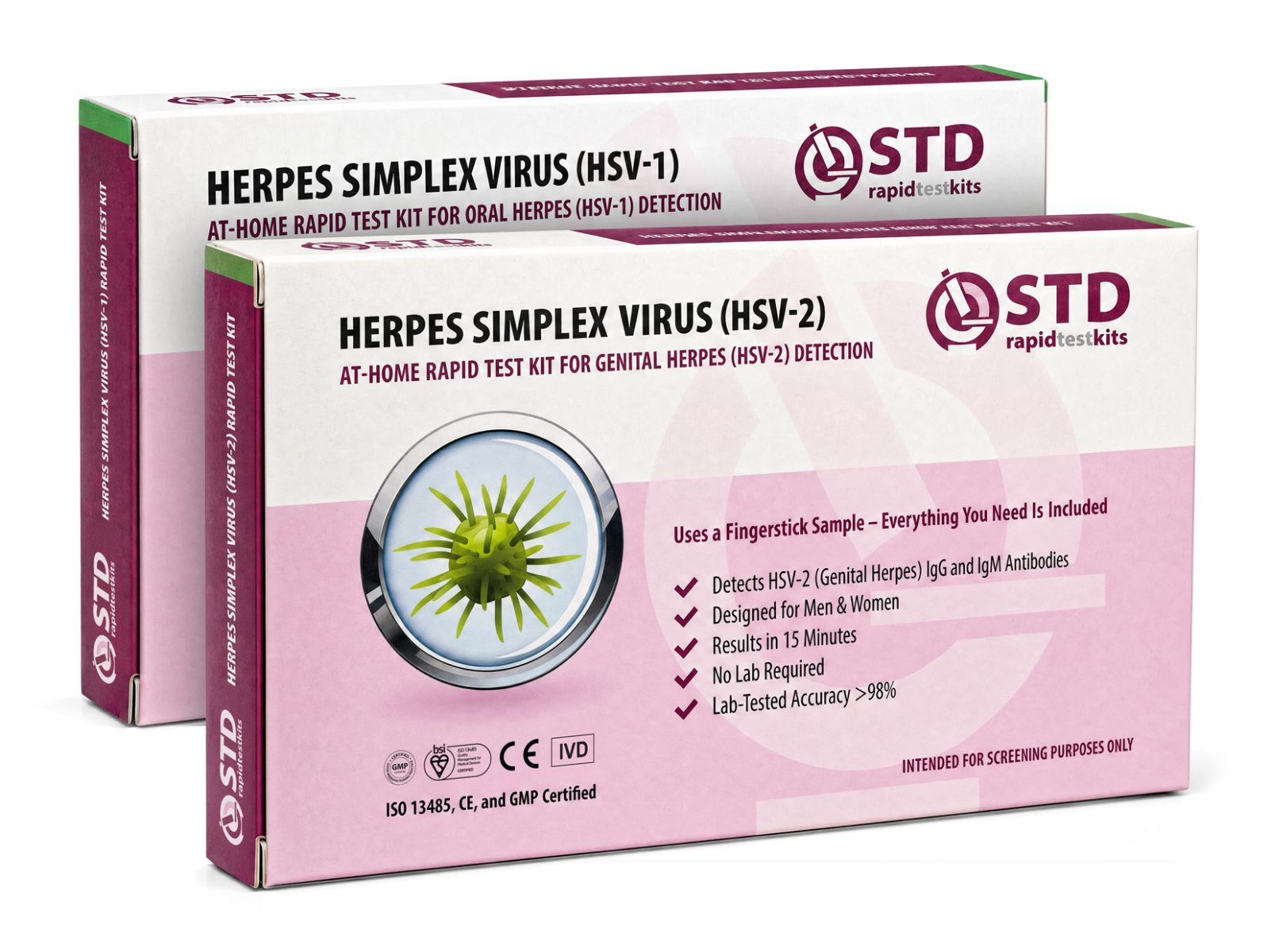
Write down when you first saw the rash, where it was, and roughly when the exposure that concerned you happened. Photographs help if you took them. None of this replaces testing, but it helps a clinician interpret your results if you choose to follow up in person later. As a note on what we sell: stdrapidtestkits.com is an at-home rapid STI testing site, including the herpes blood panel below.
Already Tested? You May Have Tested Too Soon
This is the spiral that traps a lot of people. Something appeared. They tested the next day. The result came back negative and they felt instant relief. Then doubt crept back in: was that test too early to mean anything?
If the test happened within two weeks of symptoms appearing, or within 10 to 14 days of the suspected exposure, the answer is often yes, it was too early. Even highly accurate tests cannot detect what is not yet at detectable levels. For herpes, the CDC recommends repeat type-specific antibody testing 12 weeks after a suspected exposure, since seroconversion can take that long (CDC STI Treatment Guidelines: Herpes). Syphilis serology can miss infections in the first 2 to 4 weeks. The fourth-generation HIV antigen-antibody lab test (the standard lab test) can detect infection for most people within 18 to 45 days of exposure; the rapid finger-stick antigen-antibody test detects within 18 to 90 days, and many providers recommend a confirmatory test at 90 days for complete certainty (CDC: HIV Testing).
A negative inside the window period is not wrong, exactly. It is just not yet conclusive. The follow-up test is what gives the early one its meaning.
An early negative is not nothing. A NAAT (nucleic acid) test for chlamydia or gonorrhea taken at day 10 to 14 already carries meaningful weight, since these tests detect bacterial DNA shortly after exposure. The infections that genuinely need a longer wait are herpes (CDC recommends a 12-week retest after suspected exposure), syphilis (3 to 6 weeks, repeat at 90 days), and HIV (18 to 45 days for the lab antigen-antibody test, up to 90 days for the rapid finger-stick test). If your early test covered the bacterial infections, you have already ruled some things out.
Could It Have Been Something Else?
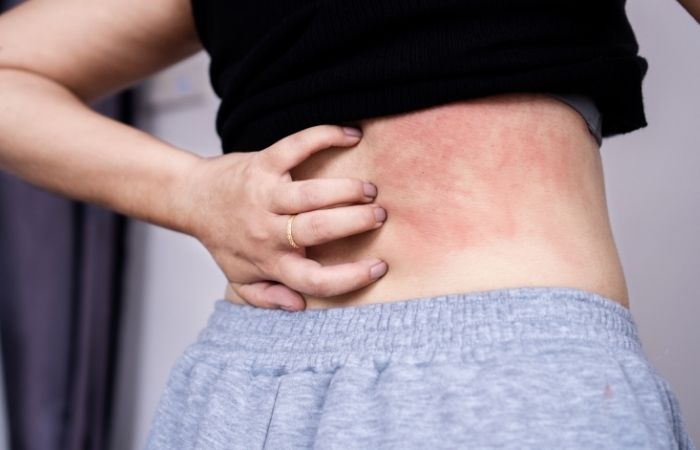
Yes, often. Skin reacts to friction, sweat, shaving, allergens, fabrics, soaps, hormones, and yeast. Many of those mimic STI rashes closely enough that even clinicians cannot tell from a photo alone. Common look-alikes include:
- Folliculitis or ingrown hairs after shaving or waxing
- Heat rash after a workout or in humid weather
- Contact dermatitis from a new soap, lubricant, condom material, or laundry detergent
- Yeast infections, which can cause redness and small bumps
- Eczema flares triggered by stress or new skincare products
None of these spread to a sexual partner. STIs do. Many STIs cause no symptoms at all, which is why visual self-checks are unreliable and a test is the only way to confirm what was actually going on (CDC: About STIs).
When to Retest, by STI
If you tested early and want a more reliable result, the table below summarizes the testing windows recommended by major US public health bodies after a possible exposure. These are the points at which a negative result becomes most reliable. If your rash appeared shortly after an exposure and the timing is now past these windows, you are in a good position to test confidently. If you are still inside the window, a single test now gives you partial information; a follow-up at the recommended interval is what closes the loop.
| Infection | Reliable Testing Window After Exposure | Why |
|---|---|---|
| Herpes (HSV antibody blood test) | CDC recommends a 12-week retest after suspected exposure | Antibodies take weeks to develop after first infection |
| Primary syphilis (RPR or VDRL) | 3 to 6 weeks; repeat at 90 days for confidence | Antibody response builds slowly in early infection |
| HIV lab antigen-antibody (4th gen, blood draw) | 18 to 45 days for high reliability | Combines p24 antigen and antibodies |
| HIV rapid finger-stick antigen-antibody | 18 to 90 days; confirmatory test at 90 days | Finger-stick samples have a longer detection window than vein blood |
| Chlamydia and gonorrhea (NAAT) | 1 to 2 weeks | Detects bacterial DNA shortly after exposure |
Pulling It Together: Your Next Steps
If you remember roughly when the rash appeared and roughly when the encounter that worried you happened, you have most of what you need. Calculate how long it has been. If you are past the relevant window from the table above, an at-home test can give you a confident answer this week. If you are still early, you have two reasonable options: test now to start ruling things out, with a planned retest at the right window; or wait until the most reliable window for the infection you are most worried about.
What you do not have to do is wait for symptoms to come back. Most STIs do not flare visibly twice in a way that announces themselves. Many do not flare at all after the first event. The absence of new skin changes is not evidence the infection is gone, and it is not a reason to delay testing.
If you are sexually active with a new partner before your follow-up window closes, condoms reduce the chance of passing on most STIs during this period. They do not eliminate transmission risk for skin-contact infections like herpes, which is why testing closes the loop more reliably than waiting.
Many people who have a sexually transmitted infection do not have symptoms. Without testing, they may not know they have one and may pass it to others.

FAQs
- Can a rash that looks like herpes really go away on its own?
- Yes. A first herpes outbreak can be small, even painless, and clear in a few days. Some people chalk it up to shaving or dry skin and forget about it. But the virus stays in nerve cells and can return. If you had a blister-like rash even once, it is worth testing once antibodies have had time to develop, even if the skin looks normal now.
- If I already tested and it came back negative, am I in the clear?
- It depends on when you tested. If it was less than two weeks after the rash appeared, or only a few days after a possible exposure, your body may not have produced enough markers to show on the test yet. That early test gave you partial information. A follow-up at the right window for the infection you are worried about is what gives you a confident answer.
- Does herpes always cause a painful rash?
- No. A first herpes outbreak ranges from intensely painful blisters to a single bump with no itch. Some people never get the classic burning sensation. Others mistake the rash for a pimple or heat rash. Pain is not the only signal. If you saw something unusual that disappeared, the absence of pain is not a reason to assume it was nothing.
- Could it have just been a heat rash or something harmless?
- Yes, often. Sweat, friction, yeast, soap, fabric, and new skincare products can all cause redness or bumps that mimic an STI rash. Heat rash and contact dermatitis do not spread to partners; STIs do. Because looking is unreliable, testing is what tells you which one you had. Even a clinician usually cannot diagnose from a photo alone.
- Can an STI clear up on its own without treatment?
- Almost never. The visible symptom can clear, but the infection usually does not. Syphilis can vanish from your skin and continue silently for months or years. Herpes lies dormant and reactivates. HIV can be symptomless for years. Trichomoniasis sometimes resolves on its own, but that is the exception. If you noticed something suspicious that faded, do not assume the infection went with it.
- I have no symptoms now. Can I still pass something on?
- Yes. You can be symptom-free and still infectious. Herpes sheds virus between outbreaks, including during periods with no visible signs. Chlamydia and gonorrhea can live silently in the body, especially in the throat or rectum. HIV can be transmitted while a person feels well. If you are sexually active and ever noticed something unusual, testing protects future partners as well as you.
- How soon after a rash appeared should I test?
- For most infections, two weeks from when you first noticed the rash is a reasonable starting point. The CDC recommends a 12-week retest for herpes antibody testing, and a confirmatory HIV test at 90 days for full reliability. Testing earlier is not wrong, but the result is less conclusive. Think of an early test as ruling out one possibility, not as a final clean bill.
- What test should I take if I am not sure what the rash was?
- A combination panel that covers the most common infections is a reasonable first step: herpes, syphilis, HIV, chlamydia, and gonorrhea. You do not need to know exactly what you had to start ruling things out. If the combo result is reassuring at the right window, you have your answer. If anything comes back positive, you know what to follow up on.
- U.S. Centers for Disease Control and Prevention. About Genital Herpes: symptoms, transmission, and testing guidance.
- U.S. Centers for Disease Control and Prevention. About Syphilis: stages, signs, and screening.
- U.S. Centers for Disease Control and Prevention. STI Treatment Guidelines: Genital Herpes Infections, including the 12-week retest recommendation for type-specific antibody testing.
- National Institutes of Health, HIVinfo. Stages of HIV Infection: acute infection timing and symptoms.
- U.S. Centers for Disease Control and Prevention. About STIs: prevalence of asymptomatic infection and the role of testing.
- U.S. Centers for Disease Control and Prevention. HIV Testing: window periods for lab antigen-antibody (18 to 45 days) and rapid finger-stick antigen-antibody (18 to 90 days) tests.
- U.S. Centers for Disease Control and Prevention. STI Treatment Guidelines: Syphilis stages and progression.
