






Quick Answer: Chlamydia often mimics UTI symptoms and can cause infertility if untreated. A simple at-home STD test can tell you what your body is really fighting, and protect your future fertility.
This Isn’t Just a UTI, And Here’s Why That Matters
Burning when you pee. Pressure in your pelvis. The urge to go every five minutes. Most people (and even some doctors) hear those symptoms and immediately think: UTI. It makes sense, urinary tract infections are common, especially after sex. But here’s the problem: chlamydia and gonorrhea can cause nearly identical symptoms.
In fact, according to CDC data, up to 70% of women with chlamydia report no symptoms at all. And when they do, it’s often mistaken for something else, like a yeast infection or UTI. That delay in diagnosis is dangerous. Because untreated chlamydia doesn’t just go away. It travels deeper. It inflames the uterus. It scars the fallopian tubes. It silently shuts down fertility, often before a person even realizes something’s wrong.
If you've had “recurring UTIs” that never culture bacteria… if antibiotics didn’t help… if pain during sex keeps creeping in… it might not be a bladder issue. It might be a silent STD, and catching it early is the only way to prevent long-term harm.

People are also reading: What to Say When You Need to Tell Someone You Have an STD
UTI vs. Chlamydia: The Confusion That Costs People Their Fertility
Let’s break down why this confusion is so common. Both UTIs and chlamydia cause irritation in the lower pelvis. Both can make urination painful. But here’s what’s different, and how to tell what might really be going on.
| Symptom | Typical of UTI | Typical of Chlamydia |
|---|---|---|
| Burning when peeing | Very common | Also common |
| Frequent urge to urinate | Very common | Less common |
| Cloudy or bloody urine | Often present | Rare |
| Unusual vaginal discharge | Uncommon | Common sign |
| Pain during sex | Rare | Frequently reported |
| Lower back or pelvic pain | Mild to moderate | Often severe (PID indicator) |
Figure 1. Commonly confused symptoms of UTIs and chlamydia. Overlap leads to misdiagnosis, especially without testing.
The only way to know for sure? A simple STD test. And you don’t have to go to a clinic. At-home kits now detect chlamydia with lab-grade accuracy, and they don’t care whether your symptoms look like a UTI or not.
“I Thought It Was a UTI”, How Delayed Testing Steals Time
Noura, 33, didn’t even want to talk about it. She’d had three rounds of antibiotics in a year. Each time, the symptoms faded a bit, then came back. No one mentioned testing for STDs. She wasn’t “that kind of person,” she said. But after another month of pelvic pain and spotting, she finally ordered an at-home test out of desperation. It came back positive for chlamydia. Her doctor confirmed a diagnosis of PID, and the damage was already done.
This is what makes chlamydia so dangerous: it doesn’t always scream. It whispers. It mimics. It delays detection long enough to cause lasting harm. And the longer it sits untreated, the higher the risk of scarring in the reproductive tract. Studies show that untreated chlamydia can lead to PID in up to 30% of cases. And PID causes infertility in 1 in 8 people who develop it.
If you’ve ever thought, “This UTI just won’t go away,” it’s time to consider another explanation. You deserve answers. And time is the one thing chlamydia counts on you wasting.
Check Your STD Status in Minutes
Test at Home with RemediumChlamydia Test Kit
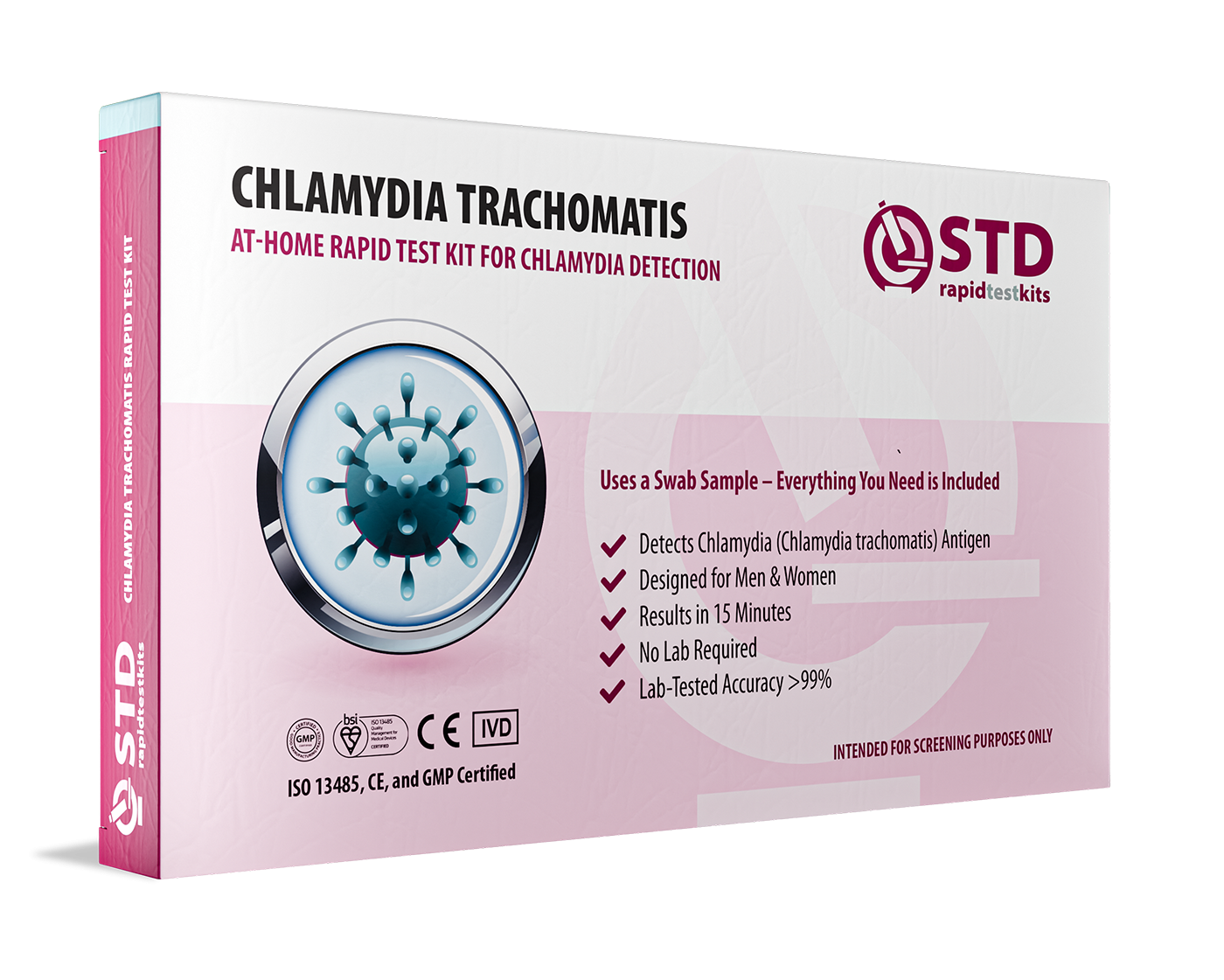
 For Men & Women
 Results in Minutes
 No Lab Needed
 Private & Discreet
Order Now $33.99 $49.00
How Chlamydia Silently Destroys Fertility
One of the most dangerous things about chlamydia is how slowly, and silently, it causes damage. Most people who develop pelvic inflammatory disease (PID) have no idea it’s happening until it’s too late. By the time the scarring is found, it has already blocked or narrowed the fallopian tubes, making conception difficult or impossible.
Here’s how it happens: untreated chlamydia moves upward from the cervix into the uterus, then into the fallopian tubes and ovaries. This creates inflammation, which turns into scar tissue. That scar tissue can trap eggs, prevent sperm from reaching the egg, or increase the risk of ectopic pregnancy. And because the process is slow and often painless, many people don’t find out until they’re trying to get pregnant and can’t.
According to the CDC, chlamydia is one of the leading preventable causes of infertility in the United States. Most of that infertility is due to delayed or missed diagnosis, not because the infection is hard to treat, but because people never got tested in time.
How Long Is Too Long? The Damage Timeline of Untreated Chlamydia
One of the most common questions we hear is: “How long can I have chlamydia before it affects my fertility?” The answer isn’t exact, but there’s a general timeline clinicians use to estimate risk.
| Time Since Infection | Possible Outcomes |
|---|---|
| 0–1 month | Often asymptomatic; curable with antibiotics, no lasting damage |
| 1–3 months | Symptoms may begin; early PID risk rises if untreated |
| 3–6 months | Increased risk of PID and tubal scarring begins |
| 6–12+ months | High risk for infertility, ectopic pregnancy, chronic pelvic pain |
Figure 2. Approximate progression of untreated chlamydia. Early treatment almost always prevents complications.
Of course, some people develop PID earlier. Others may take longer. But the one constant is this: the longer chlamydia goes untreated, the higher the risk of irreversible fertility damage. That’s why regular testing, especially after new partners, symptom changes, or recurring UTIs, is essential.
The Problem With Assuming It’s “Just a UTI”
One of the most dangerous traps people fall into is assuming every urinary issue is “just a UTI.” Why? Because that diagnosis feels clean. Easy. Safe. It doesn’t carry the same emotional weight or stigma that “STD” still does in many communities.
But that assumption can be costly. UTIs are usually bacterial, caused by E. coli. They respond well to a short course of antibiotics. If your symptoms don’t clear up completely, or keep coming back, that’s a huge red flag. Chlamydia doesn’t respond to standard UTI medications like trimethoprim or nitrofurantoin. So it keeps simmering, moving up the reproductive tract while the clock keeps ticking.
We’re not here to scare you. But we are here to say this clearly: If you’ve had more than one “UTI” in the past year that didn’t culture bacteria, or didn’t fully resolve, you need an STD test.
And it doesn’t have to be awkward. It doesn’t have to involve a clinic. You can take control of your sexual health from your own home, privately, accurately, and without judgment.
Get the Right Test
Knowing what you’re really dealing with means everything. And thanks to advances in at-home testing, you no longer have to wait for a doctor to believe you, schedule a pelvic exam, or call in a lab order. You can test yourself right now, from your bathroom or bedroom.
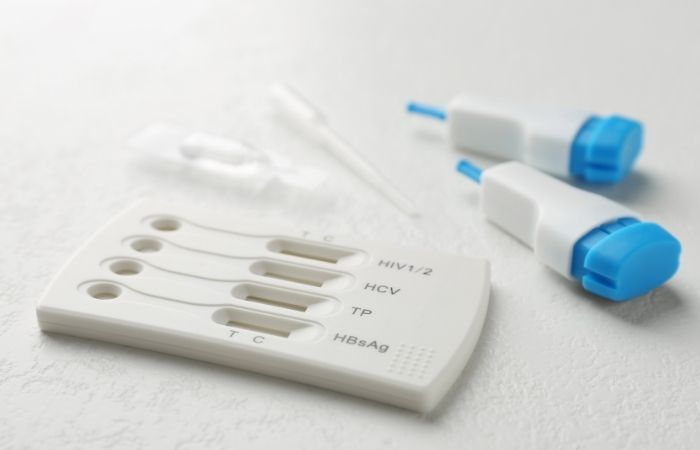
The Combo STD Home Test Kit and other modern STD test kits can find more than one infection at a time, such as chlamydia, gonorrhea, syphilis, and more. It's quick, private, and accurate in the lab.
This is the time to get answers, whether you're trying to get pregnant, dealing with symptoms, or just want peace of mind. Your future and your body both deserve the truth. Stop making guesses. Take a test you can trust to get clear now.
People are also reading: Herpes vs Syphilis Symptoms: Which One Are You Really Seeing?
Can You Still Get Pregnant After Chlamydia?
Not everyone who has chlamydia can't have kids. And not everyone who has pelvic inflammatory disease (PID) will have trouble getting pregnant. How far the damage had gone before the infection was found, when it was treated, and when it was caught all affect fertility after an infection.
The key? Early detection and early treatment. When chlamydia is caught before it travels up the reproductive tract, the risk of infertility is extremely low. But when diagnosis is delayed, especially after multiple “UTI” misdiagnoses, the risk increases substantially.
Here’s a breakdown of common fertility outcomes based on when treatment occurs:
| Timing of Diagnosis | Fertility Impact | Chances of Natural Conception |
|---|---|---|
| Within 2 weeks of infection | No long-term damage | Excellent (95–100%) |
| 1–3 months after infection | Low risk of PID if treated | High (80–95%) |
| 3–6 months after infection | Moderate PID risk | Variable (50–80%) |
| 6–12+ months untreated | High PID and tubal damage risk | Reduced (10–50%), may need fertility support |
Figure 3. Fertility outlook after chlamydia, depending on when the infection is diagnosed and treated.
If you've had chlamydia in the past and you’re now trying to conceive, that doesn't automatically mean something’s wrong. But it does mean it's wise to be proactive. Ask your doctor for a fertility checkup. In many cases, hope and pregnancy are still very possible.
Hope After the Test: What to Expect If You’re Positive
Marisol, 31, never imagined she'd be googling “can chlamydia cause infertility” at 2AM. But after a home test came back positive, and two years of trying to conceive, she was stunned.
“I felt like I’d failed,” she said. “Like I should have known.”
Her OB confirmed the diagnosis and helped her start antibiotics that week. Six months later, she was pregnant, after a saline flush procedure showed her tubes were clear after all.
“It wasn’t easy, but it wasn’t over. That’s what I wish more people knew.”
If your test comes back positive, take it one step at a time. Here’s a realistic timeline for what to expect:
| Day | Action | Why It Matters |
|---|---|---|
| Day 0 | Receive results and start treatment (usually a single antibiotic dose) | Stops infection from spreading; prevents further damage |
| Days 1–7 | Abstain from sex; notify recent partners confidentially | Prevents reinfection and protects others |
| Week 3–4 | Evaluate for symptoms of PID or lingering pain | Helps catch complications early |
| Week 8–12 | Schedule a fertility screening if trying to conceive | Assesses potential damage and plans next steps |
| Month 3+ | Consider retesting or sperm testing for partners | Confirms clearance; supports fertility planning |
Figure 4. Post-positive test timeline for recovery, retesting, and reproductive planning.
What If You've Already Had Multiple "UTIs"?
This is where many readers land. You’ve had burning, urgency, maybe even discharge or pain during sex, but you assumed it was always a UTI. Doctors may not have tested you for STDs, especially if you didn’t ask. Maybe you were dismissed. Or maybe you were just trying to stay calm and not overthink it.
If that sounds like you, here's what we recommend:
- Get a comprehensive STD test: Especially for chlamydia, gonorrhea, and trichomoniasis. These three often mimic UTI symptoms.
- Request a pelvic ultrasound or HSG if you’re having trouble conceiving
- Consider seeing a reproductive endocrinologist early, not late
And above all: don’t let shame or regret keep you from getting answers. It’s okay to be angry. It’s okay to feel betrayed by a system that missed your diagnosis. But what matters now is what you do next. And the next step is clear.
You can reclaim your story, starting with the right test.
Check Your STD Status in Minutes
Test at Home with Remedium8-in-1 STD Test Kit
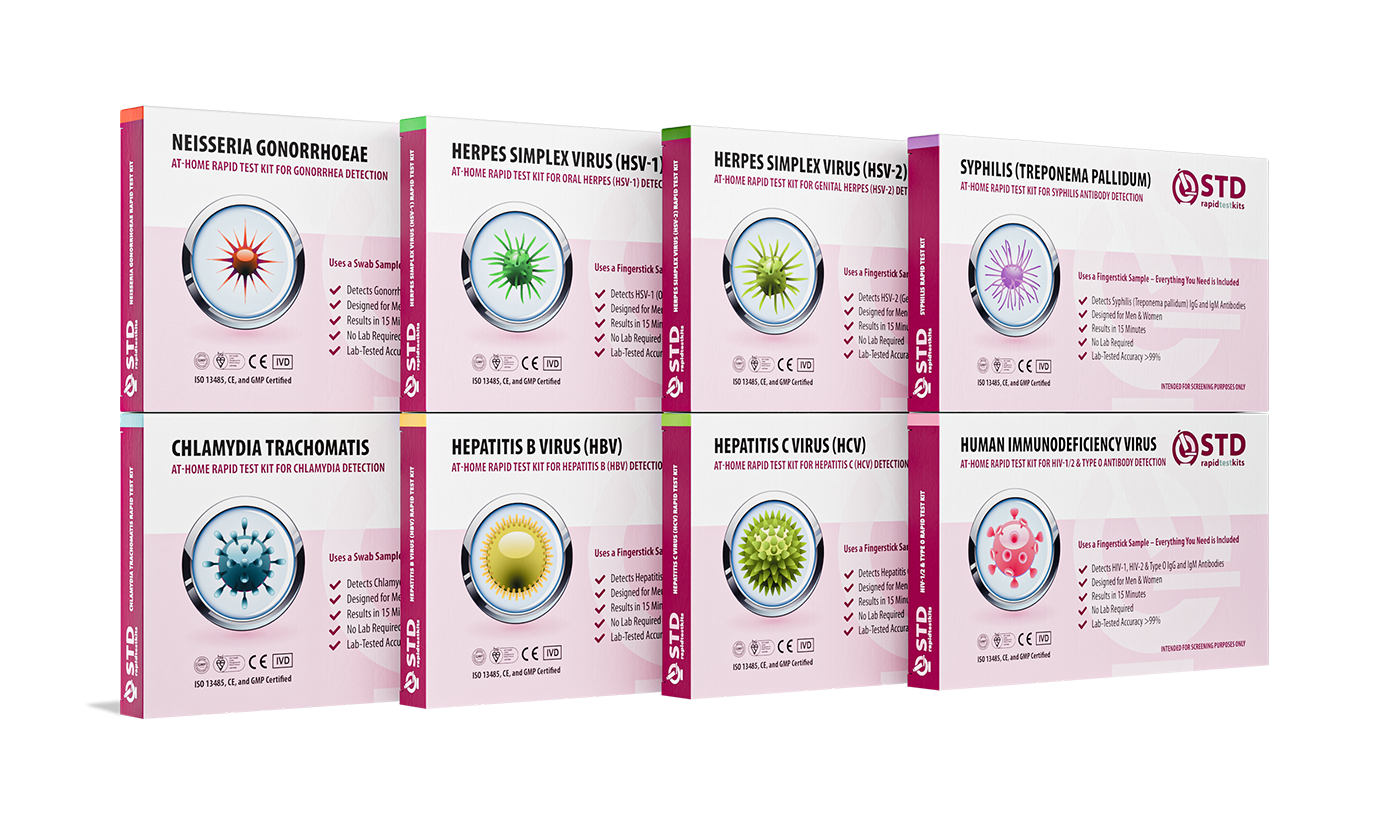 For Men & WomenResults in MinutesNo Lab NeededPrivate & Discreet
Order Now $149.00 $392.00
For all 8 tests
FAQs
1. Can chlamydia really feel like a UTI?
Yep, and that’s the trap. Burning when you pee? Pressure in your lower belly? Classic UTI signs, sure. But chlamydia can do the exact same thing. What throws people off is that it doesn’t always come with discharge or pain during sex right away. You could treat what you think is a UTI, but if the symptoms keep creeping back, or never fully leave, it’s time to test for more than just bladder bugs.
2. How fast can chlamydia mess with your fertility?
There's no alarm bell the day it happens, but damage builds quietly. If chlamydia reaches your uterus or fallopian tubes, it can cause scarring before you even realize it’s there. Some people develop PID (pelvic inflammatory disease) within a few months. Others might go years without symptoms. The key is early detection. That’s what flips the script.
3. Is all hope lost if I’ve had chlamydia for a while?
Not at all. Even if it’s been months, or longer, people recover. You may need more than just antibiotics. Some get imaging to check for scarring, others explore fertility treatments. But don’t write yourself off. We’ve heard from folks who tested positive, treated it, and conceived naturally a year later. It’s not hopeless. It’s just a different road now, and you’ve got support.
4. What exactly is PID and why should I care?
Think of PID like an infection traffic jam in your reproductive organs. It happens when untreated STDs, especially chlamydia or gonorrhea, travel upward from the cervix into your uterus, ovaries, or tubes. Left alone, it causes swelling, scarring, and even chronic pelvic pain. And yeah, it can absolutely impact your fertility. But here’s the kicker: it’s treatable if caught early. The hard part is knowing it’s there in the first place.
5. Do I still need to test if I’m in a “monogamous” relationship?
We get this one a lot. Look, trust is beautiful, but biology doesn’t care about relationship labels. Many people carry STDs for years without knowing. Maybe they had a previous partner who never got tested. Maybe something happened outside the relationship. Testing isn’t a betrayal. It’s maintenance. Like checking the oil in your car before a long trip. Smart, not shady.
6. Could my partner’s fertility be affected too?
Definitely. Chlamydia can mess with sperm quality, cause inflammation in the testicles (called epididymitis), and lower the chances of conception over time. Most guys don’t feel a thing. That’s why if one of you tests positive, both of you need to get checked, even if they swear they feel “fine.” Silence doesn’t equal safety.
7. Why didn’t my doctor test me for this earlier?
That part stings. Unfortunately, many providers still don’t test for STDs unless you specifically ask. If you say “I think it’s a UTI,” that’s often all they’ll treat, especially if you’re in a rushed clinic or urgent care. It’s not your fault. The system’s flawed. But now you know, and you can advocate for better care, or test yourself at home, no awkward convo required.
8. I’ve had multiple UTIs this year. Should I be worried?
If they were confirmed by urine culture and treated effectively, maybe not. But if they were “assumed UTIs” and antibiotics didn’t fully work, or the symptoms kept returning, then yes, it’s time to consider an STD. Recurrent UTI-like symptoms that don’t resolve are often the body's way of whispering: “Hey, something deeper is going on.”
9. Do at-home tests actually work?
They really do. The good ones use the same tech as clinic labs, NAATs or lateral flow assays. You swab, you ship (or read results in minutes for some kits), and you get privacy without sacrificing accuracy. If you’re nervous about going to a clinic or just want control over your timeline, a combo home test kit is a solid move.
10. How often should I get tested if I’ve never had symptoms?
The CDC recommends testing at least once a year if you're under 25 or have new/multiple partners. But even beyond that, if you’ve had “UTIs” that didn’t culture, symptoms after sex, or just a gut feeling something’s off, it’s better to test now than wait for regret. No symptoms doesn’t mean no infection. Chlamydia loves to hide.
You Deserve Answers, Not Assumptions
No one should have to find out they’re infertile because someone assumed it was “just a UTI.” Your symptoms matter. Your fertility matters. And most of all, your instincts matter. If something feels off, don’t let shame, stigma, or system failures delay your care.
Testing is not a confession. It’s a powerful, proactive step. Whether you're dealing with repeat UTIs, strange pelvic pain, or just uncertainty, you have the tools to take control of your sexual health, privately, confidently, and on your own terms.
Don’t wait and wonder, get the clarity you deserve with this at-home combo test kit.
How We Sourced This Article: We combined current guidance from leading medical organizations with peer-reviewed research and lived-experience reporting to make this guide practical, compassionate, and accurate. In total, around fifteen references informed the writing; below, we’ve highlighted some of the most relevant and reader-friendly sources.
Sources
2. Chlamydia STI Treatment Guidelines – CDC
3. Chlamydia Can Lead to Infertility – Stanford Children’s Health
4. What Happens If Chlamydia Is Untreated | Medical News Today
5. Reproductive Tract Complication Risks Following Chlamydia | ScienceDirect
About the Author
Dr. F. David, MD is a board-certified infectious disease specialist focused on STI prevention, diagnosis, and treatment. He blends clinical precision with a no-nonsense, sex-positive approach and is committed to expanding access for readers in both urban and off-grid settings.
Reviewed by: Carmen Valdez, NP | Last medically reviewed: September 2025


