







Quick Answer: Herpes is not medically the worst STD. While HSV-1 and HSV-2 can cause lifelong infections and occasional outbreaks, they are usually manageable and rarely cause serious health complications in healthy adults. Much of herpes’ reputation comes from stigma rather than medical severity.
Why Herpes Feels So Much Worse Than It Usually Is
If you ask people what the “worst STD” is, herpes often comes up first. Not HIV. Not untreated syphilis, which can damage the brain and heart. Not hepatitis, which can lead to liver failure. Somehow herpes ended up with the worst reputation of them all.
A lot of that reputation formed in the late 1970s and 1980s, when public health campaigns and sensational media coverage framed genital herpes as a life-ruining condition. Headlines talked about “incurable sexual disease,” and suddenly herpes became a cultural punchline and a dating nightmare rolled into one.
Doctors tend to see it very differently. Most clinicians describe herpes as a manageable viral infection. It can be annoying and emotionally stressful, but for most healthy adults it doesn’t cause the severe long-term damage people imagine when they first hear the diagnosis.
That disconnect between medical reality and social stigma is why so many people panic when herpes enters the conversation. They’re reacting to decades of cultural fear, not necessarily the clinical facts.
What HSV-1 and HSV-2 Actually Are
Herpes infections are caused by two related viruses: HSV-1 and HSV-2. Both belong to the herpesvirus family, a large group of viruses that also includes chickenpox and mononucleosis. Once the virus gets into the body, it stays dormant in nerve cells and may wake up from time to time.
HSV-1 traditionally causes oral herpes, which shows up as cold sores around the mouth. HSV-2 is more commonly associated with genital herpes. However, modern sexual patterns have blurred those lines, and either type can appear orally or genitally.
Many people with herpes never experience symptoms at all. Others may have occasional outbreaks, small blisters or sores that heal within days or weeks. Antiviral medications can shorten outbreaks and reduce the chance of transmission.
| Virus Type | Common Location | Typical Symptoms | Recurrence Frequency |
|---|---|---|---|
| HSV-1 | Mouth or lips (cold sores) | Blisters, tingling, mild pain | Occasional |
| HSV-2 | Genitals | Genital sores, itching, irritation | Varies by person |
One surprising statistic often catches people off guard: herpes is extremely common. Global health estimates suggest that billions of people carry HSV-1 and hundreds of millions carry HSV-2. Many never realize it.

People are also reading: Your Gender-Affirming Doctor Isn’t Testing You for STDs, Here’s Why That Matters
How Herpes Compares to Other STDs
To understand whether herpes is truly the “worst STD,” it helps to compare it with other common infections. Some STDs cause severe long-term complications if untreated, including infertility, organ damage, or life-threatening illness.
Herpes is different. Its primary impact is recurrent skin outbreaks and the emotional stress that sometimes comes with diagnosis. Medically speaking, serious complications are uncommon in otherwise healthy adults.
| STD | Main Health Risk | Treatable? | Long-Term Risk |
|---|---|---|---|
| Herpes (HSV-1/HSV-2) | Recurring sores | Manageable with antivirals | Usually mild |
| HIV | Immune system damage | Controlled with medication | Life-threatening if untreated |
| Syphilis | Organ and brain damage | Yes (antibiotics) | Severe if untreated |
| HPV | Cancer risk | Some strains preventable by vaccine | Potentially serious |
| Chlamydia | Infertility if untreated | Yes (antibiotics) | Moderate |
Herpes is not usually the most dangerous infection when you look at the real medical risks. In the past, untreated syphilis or HIV caused a lot more health problems. If not treated, even common infections like chlamydia can cause problems with reproduction that last forever.
That doesn’t mean herpes should be ignored. Like any sexually transmitted infection, it deserves attention, testing, and responsible sexual health practices. But it’s important to separate medical risk from social fear.
The Emotional Side of a Herpes Diagnosis
Where herpes often feels “worst” is not in the body but in the mind. People frequently describe the moment they hear the diagnosis as overwhelming. Shame, fear, and anxiety can hit immediately.
One patient once said during a clinic visit, “I thought my life was over. I figured no one would ever want to date me again.” That reaction is extremely common, even though it rarely reflects reality.
Many people discover that the hardest part of herpes is navigating conversations about it. Telling a partner can feel intimidating. Dating apps and online advice forums can make the situation seem more dramatic than it is.
Over time, most people adjust. They learn how outbreaks behave, how antiviral medication helps, and how to reduce transmission risk. What initially felt catastrophic slowly becomes a manageable part of life.
As one infectious disease specialist put it bluntly during an interview: “Medically speaking, herpes is rarely the biggest threat to someone’s health. The emotional stigma is usually the bigger burden.”
Living With Herpes Is Usually Very Manageable
For most people, herpes settles into a predictable pattern. The first outbreak may be the most uncomfortable, but later ones are often milder and less frequent. Some people experience only one or two outbreaks in their lifetime.
Antiviral medications such as acyclovir or valacyclovir can reduce outbreak severity and lower transmission risk. Many patients use daily suppressive therapy, especially if they have frequent outbreaks or a partner who is HSV-negative.
Simple lifestyle factors can also help reduce outbreaks. Stress, illness, and fatigue sometimes trigger viral reactivation, so maintaining general health can make a noticeable difference.
Testing also plays a role in peace of mind. Some people choose discreet testing through services like STD Rapid Test Kits when they want clarity without scheduling a clinic visit.
Herpes doesn't have to be as scary as the internet makes it seem if you know your status, understand how it spreads, and talk to your partners.
Check Your STD Status in Minutes
Test at Home with Remedium7-in-1 STD Test Kit

 For Men & Women
 Results in Minutes
 No Lab Needed
 Private & Discreet
Order Now $129.00 $343.00
For all 7 tests
Transmission, Testing, and What People Usually Get Wrong
A common mistake people make about herpes is thinking it's easy to catch and spread. Many people think that herpes only spreads through penetrative sex, but it can also spread through touching an infected area of skin.
If the virus is on the skin, kissing, oral sex, or touching the genitals can spread it. This is why someone with oral HSV-1 (cold sores) can sometimes give the virus to their partner's genitals during oral sex.
Another misunderstanding is that herpes is always obvious. In reality, many people carry the virus without noticeable symptoms. A partner may transmit HSV without realizing they have it.
Because symptoms can be subtle or absent, testing is often the only way to get clarity. Some people choose clinic testing, while others prefer discreet at-home testing options like the kits available through this multi-STD home test kit, which screens for several common infections.
Testing doesn’t just answer the “do I have it?” question. It can also help people make informed decisions about relationships, protection, and treatment.
What Life With Herpes Actually Looks Like
The reality of living with herpes rarely matches the fear people feel during those first few days after diagnosis. For many, outbreaks become infrequent or disappear entirely after the first year or two.
Some people notice patterns that trigger outbreaks. Stressful work weeks, illness, lack of sleep, or hormonal changes can occasionally activate the virus. Once those triggers are understood, managing them becomes much easier.
Relationships also tend to normalize faster than people expect. Honest conversations with partners, combined with preventive strategies like condoms and antiviral medication, can significantly reduce transmission risk.
One patient explained it this way during a follow-up appointment: “I thought dating would be impossible. But when I finally told someone, the reaction was basically, ‘Okay… thanks for telling me.’ It was way less dramatic than I imagined.”
That experience isn’t unusual. Many people find that the fear surrounding herpes is often larger than the day-to-day reality of living with it.

People are also reading: Can You Really Get Trichomoniasis from Oral? Here's the Truth
A Simple Perspective: What Doctors Usually Mean
When medical professionals compare sexually transmitted infections, they usually focus on long-term health damage. In that context, herpes is rarely the most concerning diagnosis.
For example, untreated syphilis can eventually damage the nervous system and organs. Certain strains of HPV can lead to cancer. Chronic hepatitis infections may cause liver disease decades later.
Herpes, by contrast, usually causes localized skin symptoms and periods of dormancy. The virus remains in the body, but it typically stays quiet for long stretches of time.
This doesn't mean you should ignore herpes. It still needs partners to talk to each other in a responsible way and to be aware of the risks of transmission. But most doctors think of it as a viral condition that can be treated, not a deadly disease.
That’s a key distinction that often gets lost in online discussions about sexually transmitted infections.
So What Actually Makes an STD “Serious”?
When doctors evaluate sexually transmitted infections, they usually look at a few specific questions. Does the infection damage organs over time? Can it affect fertility? Does it increase the risk of cancer or long-term immune problems? And perhaps most importantly, what happens if someone doesn’t realize they have it for years?
By those criteria, herpes rarely sits at the top of the danger list. It’s uncomfortable and emotionally heavy for many people, but it typically stays limited to the skin and nerves where the virus lives. Compare that to infections that silently damage the body for years, and the medical picture starts to look very different.
Take untreated chlamydia or gonorrhea, for example. These infections can move into the reproductive system and cause pelvic inflammatory disease. In some cases that leads to permanent infertility. Many people have no symptoms until that damage is already happening.
Or consider HPV. Certain strains are linked to cervical, throat, and anal cancers. Most infections resolve on their own, but persistent high-risk strains can quietly change cells over many years.
Herpes behaves differently. The virus stays dormant in nerve cells and occasionally reactivates on the skin. Outbreaks can be annoying or painful, but they rarely cause systemic disease in healthy adults. That’s why infectious disease specialists tend to view herpes as a chronic viral condition rather than a progressive medical threat.
| STD | Primary Concern | Long-Term Complications | Typical Management |
|---|---|---|---|
| Herpes (HSV-1 / HSV-2) | Recurring skin outbreaks | Usually mild in healthy adults | Antiviral medication and symptom management |
| Chlamydia | Reproductive tract infection | Infertility if untreated | Antibiotics |
| HPV | Cell changes in infected tissue | Cancer risk with certain strains | Vaccination and monitoring |
| HIV | Immune system damage | Life-threatening without treatment | Long-term antiviral therapy |
| Syphilis | Systemic bacterial infection | Neurological and organ damage | Antibiotic treatment |
This comparison isn’t meant to minimize herpes. Any infection that affects your body deserves attention and responsible care. But it helps explain why clinicians often respond calmly when patients panic about a herpes diagnosis.
The virus itself isn’t usually the biggest health risk. The misunderstanding around it often is.
Check Your STD Status in Minutes
Test at Home with Remedium8-in-1 STD Test Kit
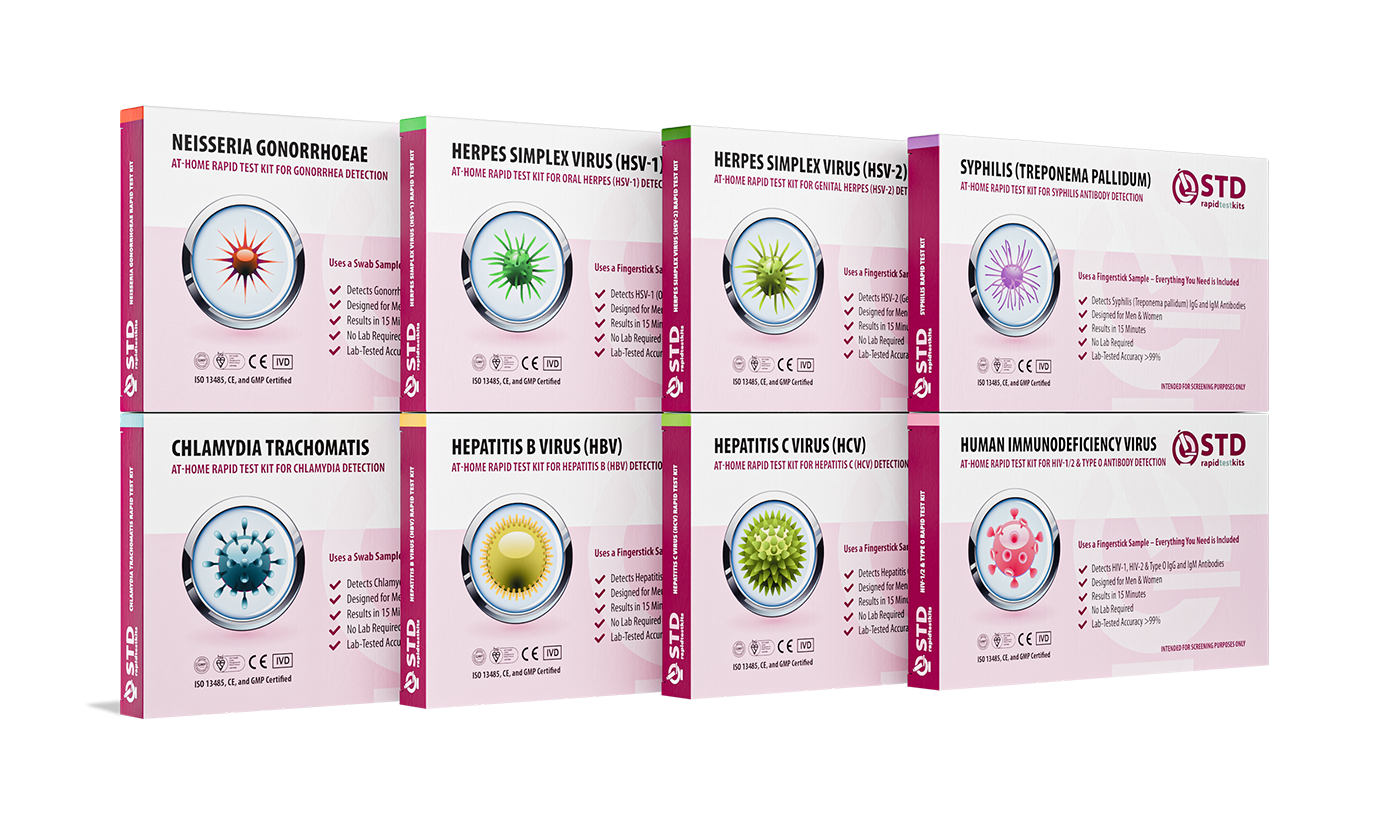 For Men & WomenResults in MinutesNo Lab NeededPrivate & Discreet
Order Now $149.00 $392.00
For all 8 tests
Why the Stigma Around Herpes Stuck So Hard
Herpes has a strange cultural history. In the late twentieth century, a mix of media coverage, pharmaceutical marketing, and public health messaging turned it into something symbolic, a disease people associated with shame, recklessness, or moral failure.
Once that reputation took hold, it stuck. Even decades later, people still whisper about herpes in ways they rarely do with other infections.
That stigma creates a psychological ripple effect. Someone hears the diagnosis and immediately jumps to worst-case assumptions: relationships will end, dating will become impossible, life will somehow shrink. But those fears usually fade once the initial shock settles and people start learning how the virus actually behaves.
One sexual health counselor once explained it this way: “The medical part of herpes is usually manageable. The social story people tell themselves about herpes is what hurts.”
The truth is that many people unknowingly date partners who carry HSV-1 or HSV-2. Because the virus is so common and symptoms are often mild or absent, it quietly circulates through the population without most people realizing it.
When you zoom out, herpes stops looking like a rare catastrophe and starts looking more like a very common human virus that occasionally causes inconvenient skin outbreaks.
And once that perspective settles in, the diagnosis often loses much of its emotional weight.
FAQs
1. Is herpes really the worst STD someone can have?
No, medically speaking, herpes usually isn’t the most serious STD. Doctors worry far more about infections that can quietly damage organs, fertility, or the immune system, like untreated syphilis, HIV, or hepatitis. Herpes tends to cause periodic skin outbreaks and then goes dormant again, which is why clinicians often describe it as more of a long-term nuisance than a major health threat.
2. Why do people panic so much when they hear the word herpes?
A lot of it comes down to culture, not biology. For decades herpes was portrayed as a life-ruining disease in media headlines and health campaigns, so the stigma stuck. When people first hear the diagnosis they often imagine their dating life is over, but most eventually discover that the virus is extremely common and manageable.
3. Is it possible to have herpes and never know it?
Absolutely. In fact, that’s incredibly common. Many people carry HSV-1 or HSV-2 without noticeable symptoms, or they mistake mild outbreaks for something else like razor irritation or a small skin rash. That’s one reason herpes spreads easily, people often transmit it without realizing they have it.
4. What does a herpes outbreak actually feel like?
The first outbreak can feel like flu-like fatigue, tingling skin, or small blisters that eventually open and heal. Later outbreaks are usually much milder. Some people describe a brief “warning” sensation, itching or tingling, before a sore appears. Others might go months or years without another outbreak at all.
5. Can people with herpes still go out and date?
Yes, and many do without major issues. The key pieces are honesty, understanding transmission risk, and sometimes using antiviral medication to reduce the chance of passing the virus. Plenty of couples navigate herpes together the same way they handle any other health topic, with communication and a bit of common sense.
6. Is HSV-1 different from HSV-2?
They are very similar viruses, but they act a little differently. HSV-1 usually causes cold sores in the mouth, while HSV-2 usually causes outbreaks in the genitals. That being said, either type can infect either area, depending on how the virus was spread.
7. How common is herpes worldwide?
Much more common than most people think. Health estimates suggest billions of people carry HSV-1 globally, and hundreds of millions carry HSV-2. When you zoom out, herpes starts to look less like a rare diagnosis and more like a very widespread human virus.
8. Can herpes be cured?
There is no treatment right now that can completely get rid of the virus in the body. Antiviral drugs can, however, cut down on the length of outbreaks, make symptoms less severe, and lower the risk of spreading the virus to partners. For a lot of people, these drugs make living with herpes much easier.
9. How do people usually find out they have herpes?
They might go to the doctor because they see sores. Other times, it happens when a partner tests positive or during a routine STD screening. Because symptoms can be hard to spot, a lot of people don't find out they have the disease until years after they first got it.
10. If I’m worried I might have been exposed, what should I do?
The best thing to do first is to try it. A doctor can tell you if your symptoms are caused by herpes or something else. Some people like going to the clinic, but others would rather get their answers at home, like with home STD testing kits.
You Deserve Facts, Not Fear
If you’ve been lying awake wondering whether herpes is the worst STD someone can have, you’re in very good company. That question shows up in clinics, message boards, and late-night searches every single day. The fear usually comes from stories, stigma, and worst-case scenarios rather than what doctors actually see in practice.
The reality is far less dramatic. For most people, herpes becomes a manageable skin condition that shows up occasionally and then disappears again. Understanding how the virus behaves, knowing how transmission works, and having honest conversations with partners tends to turn something terrifying into something simply manageable.
If uncertainty is the part that’s bothering you most, the simplest first step is testing. A discreet option like the Combo STD Home Test Kit can screen for several common infections privately from home. Answers replace speculation, and clarity almost always feels better than guessing.
How We Sourced This Article: This article combines current clinical guidance on herpes simplex viruses with peer-reviewed infectious disease research and public health data. We reviewed epidemiology studies on HSV-1 and HSV-2 prevalence, transmission patterns, and treatment outcomes, along with guidance from major health authorities. The goal is to translate reliable medical evidence into clear, stigma-free information that reflects how herpes actually behaves in real clinical settings.
Sources
1. Centers for Disease Control and Prevention – Genital Herpes Overview
2. World Health Organization – Herpes Simplex Virus Fact Sheet
3. Mayo Clinic – Genital Herpes Symptoms and Causes
4. Planned Parenthood – Herpes Information
5. World Health Organization – Sexually Transmitted Infections Fact Sheet
6. MedlinePlus (U.S. National Library of Medicine) – Genital Herpes
7. Johns Hopkins Medicine – Herpes Simplex Virus (HSV-1 & HSV-2)
About the Author
Dr. F. David, MD is a board-certified infectious disease specialist focused on STI prevention, diagnosis, and treatment. He writes with a direct, stigma-free approach that blends clinical accuracy with practical guidance people can actually use.
Reviewed by: Laura K. Mendel, MD, Infectious Disease | Last medically reviewed: February 2026
This article is for information only and should not be used as medical advice.


