







Quick Answer: Trichomoniasis can be spread through oral sex, especially if there’s contact with infected genital fluids. It’s uncommon, but not impossible, and symptoms may show up in the throat or mouth.
This Isn’t a Myth: How Trich Actually Spreads
Trichomoniasis is caused by a tiny parasite called Trichomonas vaginalis. It's often referred to as one of the most common curable STDs, yet it flies under the radar in conversations about sexual health. Why? Because many people who have it don’t show symptoms, and even more don’t know it can spread through ways other than vaginal sex.
The CDC lists vaginal, oral, and anal sex as possible transmission routes for trichomoniasis, though vaginal-to-genital is the most common. Oral transmission is considered rare but not unheard of. What makes it especially tricky is that most testing and research focuses on vaginal or penile infection, so when someone like Marcus experiences symptoms in the throat, they're left in the dark.
Imagine this: your partner has undiagnosed trich. You go down on them. If any infected vaginal or penile fluids come into contact with your mouth, especially if you have a small cut, sore, or even gum inflammation, the parasite can enter your system. Just because it’s rare doesn’t mean it’s not happening.
So What Does Oral Trich Look Like?
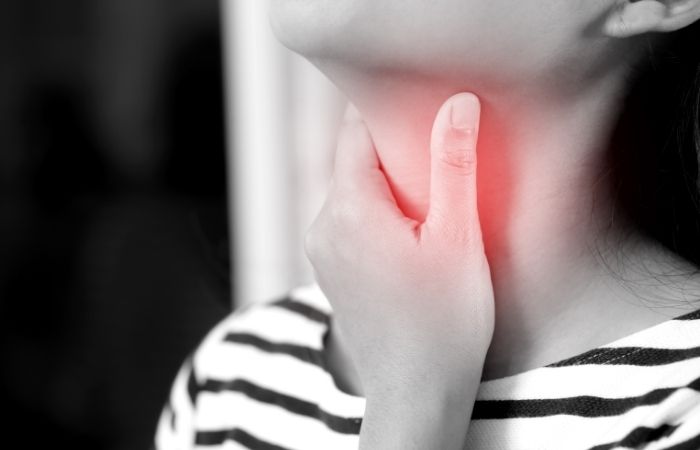
Here's where things get murky. Because trich isn’t usually tested in the throat, oral infections are underdiagnosed and under-researched. But anecdotal cases, combined with scattered small studies, suggest that when it does appear in the mouth or throat, it might look like:
- A persistent sore throat that doesn’t respond to typical treatments
- A weird taste or smell in the mouth
- Mild redness or irritation near the tonsils
- Slight fever or fatigue
- A coated tongue or white patches (easily mistaken for oral thrush or strep)
One Reddit user described it as “a constant raw feeling, like I’d been eating sour candy for hours.” Another recounted getting misdiagnosed with strep twice before demanding a broader STD panel, which led to a trich diagnosis via vaginal swab, despite only ever receiving oral sex.
Medical literature is beginning to catch up. A 2021 study in the Journal of Clinical Microbiology detected Trichomonas vaginalis DNA in oropharyngeal swabs from several asymptomatic patients. While that doesn't prove oral infection, it raises real questions about how often this route is ignored.
People are also reading: Syphilis Sores vs Canker Sores: What That Sore in Your Mouth Really Means
Why Your Doctor Might Not Test Your Throat
Here’s the frustrating part: even if you go to a clinic and explain your symptoms, most providers won’t automatically swab your throat for trich. That’s because standard trich tests, especially the rapid antigen ones, are designed for vaginal or penile samples, not oral ones. Even mail-in lab kits usually include urine or vaginal swabs only.
But here’s what you can do. If you suspect oral exposure, talk openly with your provider. Ask if a throat swab can be tested via NAAT (nucleic acid amplification test), the gold standard for detecting trich. While not FDA-cleared for the throat, some labs will still run the sample if the provider writes a justification. And if you're using an at-home STD test, choose one that allows you to request additional site testing or follow-up with a telehealth clinician.
If you test positive through a urine or vaginal sample but have throat symptoms, it’s fair to assume the infection may be affecting both areas, and treatment remains the same: usually a single dose of metronidazole or tinidazole, prescribed by a doctor.
| Location | Common Testing Method | Testing Availability | Can It Detect Trich? |
|---|---|---|---|
| Mouth / Throat | Swab + NAAT | Rare, provider-dependent | Possible (off-label) |
| Vagina | Swab + Rapid or NAAT | Common | Yes |
| Penis (urethra) | Urine NAAT | Common | Yes |
Table 1. Trichomoniasis detection by site. Throat testing is not routine, but emerging research supports its inclusion.
Order Now $129.00 $343.00 Check Your STD Status in Minutes
Test at Home with Remedium
7-in-1 STD Test Kit
 For Men & Women
 Results in Minutes
 No Lab Needed
 Private & Discreet
For all 7 tests
Case Study: “I Only Had Oral, How Did I Test Positive?”
Nia, 22, had been in what she called a “situationship” for three months. No penetration, just kissing and oral. When she started getting an odd vaginal discharge with a fishy smell, she assumed it was a yeast infection. But her at-home test kit flagged a trichomoniasis positive. She was confused, and angry.
“I literally hadn’t even had sex. Just oral. I thought I was safe. I didn’t even use a condom, because like… who does for that?”
When she followed up with a doctor, they explained that while rare, transmission through oral-genital contact is biologically plausible. If her partner had undiagnosed trich, they could’ve passed it to her through their saliva or contact with infected fluids. Nia’s takeaway? “Never again without a barrier. I felt stupid, but I’m not. No one ever told me this could happen.”
Her story’s not uncommon. Too often, people assume STD means sex with penetration. But infections like trich don’t play by our cultural definitions, they spread through body fluids, not labels.
When "Just Oral" Isn’t Risk-Free
We grow up learning about sex through a lens that defines risk based on penetration. That leaves a dangerous gap, because infections like trichomoniasis don’t follow those rules. The parasite lives in genital secretions, not just inside the vagina or urethra. If those fluids make contact with someone’s lips, mouth, gums, or throat, especially if there are micro-abrasions, it creates an opportunity for transmission.
Think about a recent encounter: maybe it was fast, maybe it was hot, maybe there wasn’t time to grab a dental dam. You might not even know if there was ejaculation. But it doesn’t always take that. Pre-ejaculate, vaginal fluid, or just contact with mucosal surfaces can be enough. That’s especially true if someone already has a compromised oral barrier, a recent toothbrush nick, gum inflammation, or throat irritation from allergies or smoking.
Trich isn't the only STI with oral transmission potential, but it's one of the least talked about. People know to fear gonorrhea in the throat or herpes passed through kissing. But trich? It’s often seen as a “vaginal” issue, even though studies have identified it in semen, urine, saliva, and even throat cultures in rare cases.
Symptoms or Just Anxiety? How to Tell the Difference
After oral sex, it’s common to feel a bit off, especially if anxiety creeps in. But what separates real signs of a possible STD from just a post-hookup spiral?
Here’s a scenario: You gave oral sex on Saturday night. By Tuesday, you feel a tickle in your throat and a low-grade headache. You check the mirror. You Google. You panic. Is this a sore throat or something worse? Should you wait it out or get tested?
The truth is, many throat-related STDs, including trich, gonorrhea, chlamydia, and syphilis, can look like very common conditions: seasonal allergies, post-nasal drip, or a mild cold. That's why timelines matter. If symptoms persist for more than 5–7 days without improving, or if you have other signs (like unusual discharge elsewhere, fatigue, or recurring symptoms after sex), it’s worth getting screened.
Even if your provider doesn’t test the throat directly for trich, asking for a full STD panel and describing your exposure accurately can help them tailor testing recommendations. And if you’re using an at-home combo test, it will typically check for trich via urine or vaginal swab. That won’t detect an isolated oral infection, but it can catch asymptomatic genital infections, which often co-occur.
Table Talk: When Symptoms Point to Trich vs Other Causes
To help clarify when oral symptoms might signal an STD rather than something like strep or allergies, here’s a comparison based on clinical and anecdotal reports. Remember, these are trends, not diagnoses. If in doubt, get tested.
| Symptom | Possible Trich | More Likely Other Cause |
|---|---|---|
| Scratchy throat after oral | Yes, especially if persistent | Possible irritation or allergies |
| White patches or coating | Yes (rare but possible) | Strep, thrush, mono |
| Unusual taste or smell in mouth | Reported in some trich cases | Gastro issues, poor hygiene |
| Burning sensation or redness | Can be present | Hot food, reflux, flu |
| No improvement after 7+ days | Possible STD | Less likely allergies or cold |
Table 2. Trichomoniasis vs other causes of throat discomfort post-oral sex.
Testing, Timing, and When to Retest
You might be worried, either because of symptoms or just a gut feeling. The best time to get tested for trichomoniasis is between 7 and 14 days after you might have been exposed. If you don't have any symptoms, testing earlier might miss the infection. But if you're having throat symptoms, testing earlier and then retesting later is a valid strategy.
Here’s what testing might look like:
- Day 3: You feel symptoms. You take an at-home test. It’s negative.
- Day 10: Symptoms are worse. You go to a clinic and ask for a full STD test, which should include a throat swab if possible.
- Day 14: Results confirm trichomoniasis. Treatment begins.
Yes, you can test negative early and still test positive later. That’s why retesting is a key part of any post-exposure plan, especially for infections like trich that can be silent in the early days. And remember: even if you never had vaginal or anal sex, you still deserve testing and treatment if you’ve had oral contact.
If you're reading this thinking, "I already tested once, do I really need to again?" consider this your sign. If symptoms persist, partners haven’t been treated, or new exposures happened, a retest 30 days later can give you peace of mind or help you catch what might’ve been missed.
STD Rapid Test Kits offers discreet, FDA-approved kits you can use from home, with options for retesting and follow-up support. Because clarity shouldn’t require awkward clinic visits or guessing games.
Treatment: What Happens If You Test Positive
Let’s rip off the bandage here: testing positive for trichomoniasis doesn’t mean you're dirty, reckless, or broken. It means you had intimate contact with another human, and a microscopic parasite took advantage. That’s it. Trich is one of the most treatable STDs, usually gone with a single dose of antibiotics.
If your result comes back positive, here’s what to expect. You’ll be prescribed either metronidazole or tinidazole. Most providers use a single 2g dose, though some may prescribe a 7-day course depending on your symptoms or infection site. You’ll be advised to avoid sex (oral or otherwise) for at least 7 days after treatment. Alcohol is also off-limits during this window, as the meds can cause nausea when mixed with booze.
And don’t forget your partner(s). Anyone you've had sex with in the past 60 days should be informed and encouraged to test and treat. You don’t need to tell them everything, but you do need to help stop the cycle. Some clinics even offer anonymous partner notification tools if you’re not comfortable reaching out directly.
Here’s what Sofia, 29, shared after her trich diagnosis: “I felt so gross at first. I’d only been with one person recently and we used condoms for vaginal sex. But I gave him oral without protection. Turns out, that’s all it took. Once I got past the shame spiral, I realized, it’s just a bug. One pill, and I was good. I just wish I’d tested sooner.”
People are also reading: Where They Swab and Why: A No-BS Guide to STD Testing by Body Part
Protecting Yourself Going Forward
Trich may be curable, but like any STD, it’s often recurrent, especially if your partner hasn’t been treated. Re-infection rates are real. That’s why many providers recommend retesting 3 months after treatment, even if you feel fine.
Prevention doesn't mean avoiding sex, it means getting smarter about it. Dental dams, condoms during oral, and regular testing all help reduce risk. But equally important is changing the narrative: oral sex is sex. It deserves the same caution, protection, and respect as any other form of intimacy.
We get it, asking someone to use a condom during oral can feel awkward. But awkwardness doesn’t outweigh protection. If it helps, normalize it with phrases like:
- “Let’s keep this hot and safe.”
- “Got a flavored condom or dental dam?”
- “I always use a barrier for oral, it’s just how I roll.”
Want privacy and speed? Try an at-home trichomoniasis rapid test kit. It’s discreet, fast, and doesn’t require awkward waiting room conversations. Whether you're testing solo or as a couple, it's one of the best tools for ownership over your sexual health.
Check Your STD Status in Minutes
Test at Home with Remedium8-in-1 STD Test Kit
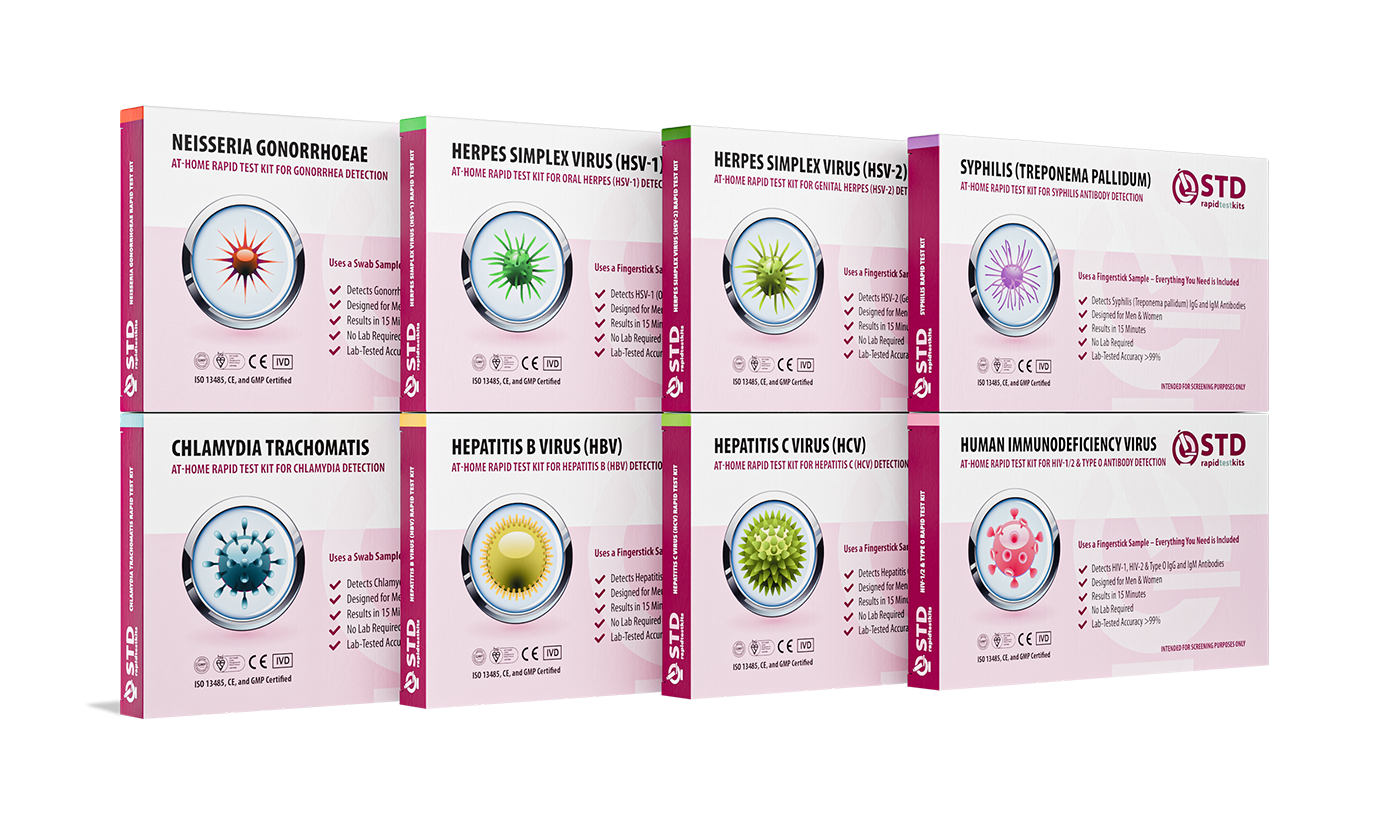 For Men & WomenResults in MinutesNo Lab NeededPrivate & Discreet
Order Now $149.00 $392.00
For all 8 tests
Sex-Positive, Shame-Free Testing Starts with You
Testing isn’t a confession. It’s a form of self-respect. Of care. Of clarity.
If you've ever wondered whether you're “overreacting” for wanting to test after oral sex, stop right there. You’re not. You’re doing exactly what responsible adults do when they listen to their bodies, and their instincts.
In a world where even some healthcare providers don’t take oral transmission of STDs seriously, your voice matters. Your symptoms matter. Your safety matters.
And whether this is your first test or your fiftieth, every single one is an act of power. Of trust in yourself. Of reclaiming your sexual well-being without apology or shame.
If you’re ready to know for sure, take the next step with a discreet test kit shipped straight to your door. Because this isn’t about fear, it’s about freedom.
Don’t wait and wonder, get the clarity you deserve. This at-home combo test kit checks for the most common STDs discreetly and quickly.
FAQs
1. Can I really get trich just from oral sex?
Yeah, you can. It’s not super common, but it’s possible, especially if you had mouth-to-genital contact and fluids were exchanged (even a little). Trich is a sneaky little parasite; it doesn’t care whether you had “real” sex or not. It just needs a wet surface and a way in. And oral mucosa? That counts.
2. What would oral trich even feel like?
It’s not always obvious. Some people feel like they’re coming down with a sore throat that just won’t quit. Others describe a weird metallic taste, irritation near the tonsils, or this dull, raw discomfort when swallowing. If you’ve ruled out the usual suspects, cold, allergies, spicy ramen hangover, it might be time to look deeper.
3. Okay but like… how soon would symptoms show up?
If you’re going to get symptoms, they usually pop up within 5 to 14 days after exposure. But here’s the kicker: most people with trich don’t get any symptoms at all. So don’t rely on waiting for your throat to feel funky, get tested if you had unprotected oral, even if you feel fine.
4. Can a regular STD test catch trich in the throat?
Most can’t, honestly. At-home kits usually check urine or vaginal swabs, not your mouth. And many clinics won’t test your throat for trich unless you specifically ask, and even then, it’s hit or miss. If you’re dealing with throat symptoms and suspect trich, bring it up directly with your provider. Some labs can run a throat swab on a trich NAAT test, even if it’s considered “off-label.”
5. Do I need treatment if I’m not feeling sick?
100% yes. Trich doesn’t need to make you feel terrible to be causing problems, or to be passed on to someone else. Even if you're symptom-free, untreated trich can increase your risk of other infections, including HIV. It's totally treatable with antibiotics, so don't just ghost your diagnosis.
6. Wait… trich can live in spit?
There’s some evidence (like small studies and case reports) that suggest Trichomonas vaginalis has been found in saliva, especially when someone already had a genital infection. That doesn't mean kissing alone is risky, but if you’re giving oral, especially unprotected, and there's infected fluid involved? Yeah, the risk jumps.
7. Do condoms or dental dams even help during oral?
Absolutely. Most people skip them because they think oral is “low risk” or they don’t want to ruin the mood, but a flavored condom or dental dam can be the difference between a fun hookup and a very confusing throat infection. Normalize the barrier. Make it part of the vibe. Your mouth will thank you later.
8. How the hell do I tell someone I gave them trich from oral?
Deep breath, you’re not a monster. These things happen. Try: “Hey, I tested positive for trich. It can actually spread through oral sex. You might want to get checked, even if you don’t feel anything.” Keep it short, honest, and blame-free. If you can’t face the convo, some clinics or telehealth services let you send anonymous partner alerts.
9. When should I test again after treatment?
If you’ve finished your antibiotics and you’re symptom-free, wait at least 2 weeks before retesting, so you don’t get a false positive from dead parasite DNA still hanging around. And don’t skip the 3-month follow-up. Trich loves a sequel, especially if your partner didn’t treat too.
10. So… kissing’s still safe, right?
For the most part, yeah. There’s no solid evidence that trich spreads through casual kissing. It’s mostly about mouth-to-genital contact, not tongue-to-tongue. That said, if both of you have mouth sores or bleeding gums, your risk for all STDs, not just trich, goes up. Trust your gut, use protection, and if something feels off, test.
You Deserve Answers, Not Assumptions
Maybe someone told you trich is a “vaginal thing.” Maybe a provider brushed off your sore throat after oral. Or maybe you’re just now realizing that oral sex isn’t as risk-free as everyone made it sound.
Here’s the truth: your body doesn’t lie. If something feels off, you’re not paranoid, you’re paying attention. You deserve real answers, not people looking at you funny or second-guessing you. If you have a scratchy throat, a bad taste, or just a gut feeling, getting tested is a choice based on care, not drama.
Testing isn’t about labeling yourself. You need to know what's going on inside your body so you can move forward with confidence, control, and peace of mind. No shame. No lectures. Just answers.
If you're ready to take that step, this discreet combo test kit checks for the most common STDs, including trichomoniasis, so you can get the information you need, fast and privately.
How We Sourced This Article: We combined current guidance from leading medical organizations with peer-reviewed research and lived-experience reporting to make this guide practical, compassionate, and accurate.
Sources
1. CDC – Trichomoniasis Fact Sheet
2. Planned Parenthood – Trichomoniasis
3. Think You Might Have Trich? Here’s What Mayo Clinic Says
4. Trichomoniasis: What It Is, How It Spreads, and Why It Matters (World Health Organization)
5. Can Trichomoniasis Cause Pharyngitis? A Case Report (PMC)
6. Trichomoniasis Overview (Medscape)
7. Trichomoniasis Test (MedlinePlus)
8. STI Risk and Oral Sex (CDC)
9. Diagnosis and Management of Trichomonas vaginalis (PMC)
About the Author
Dr. F. David, MD is a board-certified infectious disease specialist focused on STI prevention, diagnosis, and treatment. He blends clinical precision with a no-nonsense, sex-positive approach and is committed to expanding access for readers in both urban and off-grid settings.
Reviewed by: A. Menon, NP, MPH | Last medically reviewed: December 2025
This article is meant to give you information, not to replace medical advice.


