






Quick Answer: HPV can lead to anal cancer in gay and bi men, but routine screening is not universally recommended, leaving many without testing unless they ask for it directly. Anal Pap tests and at-home kits do exist, but you often have to self-advocate to access them.
Why Gay and Bi Men Are Left Out of the HPV Narrative
There’s a frustrating truth buried in the fine print of most public health guidelines: they weren’t written with queer bodies in mind. For decades, HPV education and screening protocols have centered cisgender women, largely because of its clear link to cervical cancer. Pap smears became standard; awareness campaigns followed. But for men, especially gay and bi men, the medical response has been slower, spottier, and often too little, too late.
Here’s what we know: certain strains of HPV can lead to anal, penile, and oropharyngeal cancers. And among men who have sex with men (MSM), the risk of developing anal cancer is estimated to be up to 100 times higher than in the general male population. That risk spikes even further for HIV-positive MSM.
Despite this, routine HPV screening for men, especially anal Pap tests, is not widely offered, recommended, or reimbursed. The CDC acknowledges the heightened risk in gay and bi men but stops short of issuing clear screening guidelines. Instead, it leaves the door open with vague language: “screening may be considered in certain populations.” Translation: if you don’t ask for it, you probably won’t get it.
That ambiguity isn’t just academic. It plays out in real lives. Real clinics. Real moments where a doctor could’ve said, “Hey, you qualify for this test,” and didn’t. Like Jordan’s appointment. Like hundreds of others.
The HPV Test No One Offers, Unless You Demand It
Let’s talk about the actual test. The one you probably didn’t know existed until now. An anal Pap smear works a lot like the cervical version: a swab collects cells from the anal canal, which are then examined for signs of abnormal growth. Anal intraepithelial neoplasia (AIN) is the name for these changes. They may show precancerous lesions that are caused by a long-term HPV infection.
The test is simple, quick, and, if you’re mentally prepared, not particularly painful. But it’s rarely offered. Why? A mix of things: outdated assumptions, lack of training, discomfort with queer care, and the lingering belief that HPV is “a women’s virus.” Even clinicians who work with LGBTQ+ populations often default to STDs like HIV, chlamydia, or gonorrhea, leaving HPV testing off the radar entirely.
Here’s the kicker: you can get this test. You just have to ask for it. Sometimes firmly. Sometimes awkwardly. But it’s available through certain primary care clinics, LGBTQ+ health centers, and infectious disease specialists. Increasingly, at-home HPV screening kits are also being offered, though most currently focus on cervical samples. A few newer companies have begun piloting anal HPV swab kits for home use, and that’s a development worth watching.
Take back control of your health. You can discreetly order an FDA-approved test online today: Explore the HPV Rapid Test Kit here.
People are also reading: STD or Just a Cold? Why Your Throat Hurts After Oral Sex
Table: Anal Cancer Risk in Gay and Bi Men vs General Population
| Group | Anal Cancer Incidence (per 100,000) | Relative Risk |
|---|---|---|
| General male population | 1.6 | 1x |
| Gay and bisexual men | 35–85 | 20x to 50x |
| HIV-positive gay men | >100 | 100x+ |
Figure 1. Relative risk of anal cancer by group. Data adapted from CDC and American Cancer Society reports.
“Wait and See” Isn’t a Strategy, It’s a Gamble
Micah was 31 when he found a small bump near his anus. “I assumed it was a hemorrhoid,” he said. “I work a desk job, I lift weights, it made sense.” But weeks passed, and it didn’t go away. His doctor told him not to worry. “Let’s just monitor it.” No test was done. No swab. No referral.
Six months later, after it began to bleed, a colorectal surgeon diagnosed him with Stage II anal cancer. Biopsy confirmed high-risk HPV strain 16, the same type responsible for most cervical cancers. “I had no idea guys could even get HPV-related cancer,” Micah said. “Why didn’t anyone warn me?”
That story isn’t rare. Anal cancer is rising, especially in men who have sex with men. And it doesn’t always come with warning signs. Some people have visible warts (caused by low-risk strains), but the most dangerous types of HPV are often silent. No itch. No bump. No discharge. Just the slow build-up of cellular changes that eventually tip into cancer if left unchecked.
This is where the lack of screening becomes not just a medical oversight, but a systemic failure. If you’re part of a population at significantly higher risk, and no one tells you that, let alone offers testing, you’re not “opting out” of care. You’re being left behind.
For gay and bi men, especially those living with HIV, the message should be simple: you deserve HPV screening just as much as any woman with a cervix does. And the tools are out there. You just may need to navigate around silence to find them.
Why You’ve Never Heard of an Anal Pap (And How to Ask)
Let’s break this down. Why is something as critical as anal cancer screening so hush-hush?
First, it’s about training. Most primary care doctors never receive formal instruction in performing anal Pap smears. Unlike cervical tests, which are standardized, reimbursed, and culturally normalized, anal Pap tests are optional, inconsistent, and stigmatized. The result? Many doctors simply don’t offer them, even when patients meet the risk profile.
Second, it’s about comfort, yours and theirs. Anal exams, queer sex, HPV-related stigma… it’s a lot to unpack in a 15-minute visit. So providers sidestep. Patients stay silent. And critical screenings fall through the cracks.
If you want the test, here’s how to start the conversation. It doesn’t need to be confrontational. Just clear.
“I’ve read that gay men are at higher risk for anal cancer from HPV. Do you offer anal Pap tests, or should I get referred to someone who does?”
If the provider seems confused or dismissive, you’re allowed to advocate. You’re allowed to push. And if that feels exhausting (because, let’s face it, it is), consider booking directly with an LGBTQ+ health clinic, where HPV screening is more likely to be integrated into care. You can also look into mail-in screening options or at-home rapid kits, though availability is still limited for anal samples.
Remember, your body is not an inconvenience. Your risks aren’t less real because they don’t match a traditional script. You don’t have to be polite about it.
Check Your STD Status in Minutes
Test at Home with Remedium6-in-1 STD Rapid Test Kit

 For Men & Women
 Results in Minutes
 No Lab Needed
 Private & Discreet
Order Now $119.00 $294.00
For all 6 tests
Table: How Anal Pap Tests Compare to Cervical Pap Tests
| Test Type | Population | Sample Location | Purpose | Routine Frequency |
|---|---|---|---|---|
| Cervical Pap Smear | Women with cervix | Cervix | Detect pre-cancer from HPV | Every 3 years (standard) |
| Anal Pap Smear | MSM, HIV+, high-risk groups | Anal canal | Detect pre-cancer from HPV | Only when requested or referred |
Figure 2. Comparison of Pap tests by site and screening standard. Anal Paps are not routinely offered, despite similar methodology and risk implications.
HPV, Warts, and the Shame Spiral
Let’s not pretend this is just about logistics. It’s about shame, too.
HPV carries emotional weight. Warts, in particular, can spark panic. They’re often misunderstood, confused with herpes, or seen as proof of “promiscuity.” In gay spaces, where bodies are scrutinized and rejection can feel razor-sharp, the idea of having visible lesions, even benign ones, can feel like a social death sentence.
But here’s the truth: most sexually active adults will contract HPV at some point. It’s that common. And most infections clear on their own. The problem isn’t the virus, it’s the silence. The lack of visibility. The way we talk about HPV like it only matters if you have a cervix or a uterus.
Warts caused by low-risk strains like HPV 6 and 11 are not cancerous. They can be treated topically, frozen off, or removed with minor procedures. High-risk strains like HPV 16 and 18 often don’t cause any symptoms at all, until they trigger abnormal cellular changes. That’s why screening matters. You can’t feel the most dangerous types. You can only test for them.
If something doesn’t look or feel right, test. If you’re exposed, even without symptoms, test. Peace of mind is one test away: Visit STD Rapid Test Kits for at-home screening options that respect your privacy and your body.
The Vaccine Gap: Another Missed Opportunity
If you’re under 45, here’s something else they might not have told you: you can still get the HPV vaccine. Gardasil 9 protects against the nine most common cancer-causing and wart-causing strains of HPV, including the notorious types 16 and 18. It’s FDA-approved for all genders up to age 45. And yet… most queer men never hear this from their providers.
Why? Because the initial vaccine rollout targeted young girls. Even as boys were added to recommendations, the focus remained largely heterosexual. By the time adult men, especially those outside cisgender norms, got looped in, the damage was done. Too many clinicians still assume it’s “too late” or “not relevant” if you’re already sexually active. But that’s not how vaccines work. Even if you’ve had one strain, the shot can protect you from others you haven’t encountered yet.
Imagine how many cases of anal cancer could be prevented with wider access, better education, and fewer assumptions. Imagine a world where a 20-year-old gay man walks into a clinic and is immediately offered Gardasil, no questions asked, no hesitations about “eligibility.” We could get there. But we’re not there yet.
If you’re within the age window, ask. If your provider hesitates, push. And if they deny you coverage without good reason, switch clinics. Vaccination is prevention. Prevention is power.
People are also reading: Why Your Vaginal Health Feels Off After Antibiotics
Can You Get Tested for HPV at Home?
This is where things get tricky. As of now, at-home HPV testing is mostly designed for people with cervixes. That’s changing slowly, but unevenly. Anal self-swab tests are being piloted in a few research settings and some LGBTQ+ telehealth networks, but they’re not yet widely available through mainstream test kit companies.
However, saliva-based and blood-based home kits that check for STD exposure, including HPV antibodies, are emerging. They’re not diagnostic, but they can help you assess whether further testing is needed. Some labs also allow you to request anal HPV testing through physician-ordered mail-in kits, particularly if you're HIV-positive or considered high risk. These services can be hard to find, and insurance rarely covers them, but they exist. And they’re growing.
Here’s what to keep in mind: if you’ve had receptive anal sex, especially with multiple partners or in a high-risk environment (e.g., chemsex, anonymous encounters, known HPV-positive partners), you deserve a clear testing pathway. Whether that’s through an LGBTQ+ clinic, a telehealth service, or a discreet at-home kit, you shouldn’t have to guess if you’re safe.
When in doubt, ask a provider to order an anal Pap, or find a testing service that can. If you’re HIV-positive, most specialists will support annual screening. If you’re not, you may need to self-advocate harder. It shouldn’t be this way, but until the guidelines catch up, it is.
Get ahead of the silence. Start here: This discreet combo STD test kit can screen for the most common infections from home, quickly, safely, and privately.
Table: Where to Get Anal HPV Testing as a Gay or Bi Man
| Location Type | HPV Testing Availability | Notes |
|---|---|---|
| LGBTQ+ Health Centers | High | Often offer anal Pap and HPV co-testing for MSM |
| Primary Care (General) | Low | Must specifically request test; many don’t offer |
| Infectious Disease Clinics | Moderate–High | Especially accessible for HIV+ patients |
| Telehealth (LGBTQ+ focused) | Moderate | May offer referrals or send swab kits |
| At-Home Testing Companies | Emerging | Few offer anal HPV kits; options expanding |
Figure 3. Where gay and bi men can currently access HPV testing. Access varies widely by provider type and geography.
Order Now $149.00 $392.00 Check Your STD Status in Minutes
Test at Home with Remedium
8-in-1 STD Test Kit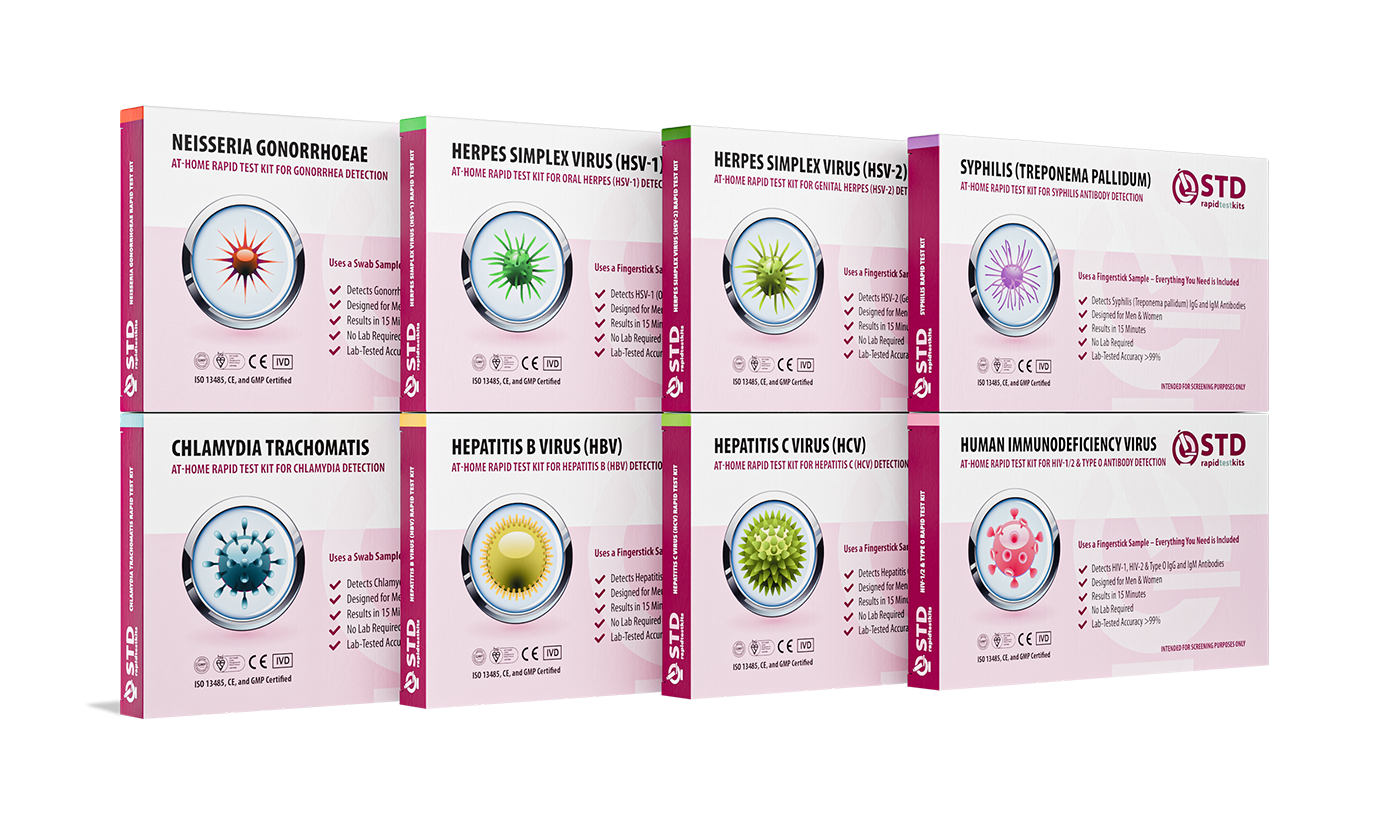 For Men & WomenResults in MinutesNo Lab NeededPrivate & Discreet
For all 8 tests
If You Test Positive, Don’t Panic, Plan
It can feel like a punch in the gut. Seeing “positive for HPV” on your results, especially when you weren’t even sure men could get it. You may not know what comes next. You may assume the worst. That’s normal. But here’s what’s true: HPV is not a moral failure. It’s not your fault. And it’s almost never a medical emergency.
If your results show a high-risk strain, your provider may recommend a follow-up: either a repeat test in 6 to 12 months, or a high-resolution anoscopy (HRA) to look closer for abnormal cells. If precancerous changes are found, they can often be treated with outpatient procedures. If you’re HIV-positive, this process may happen annually. If you’re HIV-negative, it may vary.
And if your results show a low-risk strain (like the ones that cause warts), the focus is usually symptom management. Treatments vary, freezing, topical creams, laser, but the emotional toll can be heavier than the medical part. That’s why a provider who sees you, respects your identity, and doesn’t make you feel gross is so critical.
Don’t ghost your own health. You can manage this. You can talk to partners. You can still have sex. You can still be loved. And yes, you can get better.
FAQs
1. Do gay men really need to worry about HPV?
Yeah, unfortunately. The risk of anal cancer is significantly higher in men who have sex with men, especially if you're HIV-positive. It’s not paranoia; it’s statistics. The part that sucks is that most providers won’t bring it up unless you ask, which means too many guys are left guessing or Googling. If you’ve ever had receptive anal sex, this is your sign: you’re not being dramatic by wanting to know your status.
2. How would I even know if I have HPV?
Here’s the frustrating part: you probably wouldn’t. Most HPV infections have zero symptoms. No pain, no itch, nothing. Sometimes warts show up, but the strains that cause cancer are usually silent. That’s why screening matters. It’s not about waiting until something feels wrong, it’s about catching stuff before it ever becomes a problem.
3. So wait, what’s an anal Pap? Is it like a cervical one?
Pretty much. A clinician takes a swab from your anal canal to look for abnormal cells caused by high-risk HPV. It’s quick, not especially painful (awkward, sure), and potentially life-saving. The test isn’t standard for men yet, but it’s often recommended for gay and bi men, especially if you’re living with HIV. You can ask your doctor for one, or go through an LGBTQ+ clinic that’s used to these conversations.
4. What do anal warts even look like?
Think soft, skin-colored bumps, sometimes flat, sometimes a little cauliflower-like (yeah, not the cutest description). They might cluster or show up solo, inside or outside the anus. They’re caused by low-risk HPV types and are totally treatable, but they can also be misdiagnosed as hemorrhoids. If you see something new, get it checked. You deserve clarity, not guesswork.
5. Can I give HPV to my partner even if I don’t have symptoms?
Yep. That’s part of what makes HPV so sneaky. You can pass it without ever knowing you had it. That doesn’t make you dirty or reckless, it just makes you human. Honest conversations, testing when you can, and vaccines if you’re eligible all help reduce the risk for both of you.
6. Speaking of the vaccine... is it too late for me?
Not necessarily. If you’re under 45, you can still get the HPV vaccine (Gardasil 9). It works best before you’re exposed, but even if you’ve had one strain, the shot can still protect you from others. If your provider says you “don’t need it,” ask them why, and maybe find one who gets it.
7. Can I get tested for HPV at home?
Sort of. Most at-home HPV kits are still geared toward people with cervixes. But a few telehealth services and LGBTQ+ clinics are piloting anal swab kits you can do yourself. It’s not mainstream (yet), but it’s coming. In the meantime, ask about in-clinic testing or see if your local LGBTQ+ center can refer you. Don’t settle for “we don’t do that here.”
8. Is HPV forever?
Not usually. Most HPV infections clear on their own within a year or two. But some don’t, and those are the ones that can cause cancer if left unchecked. That’s why monitoring matters. Getting a positive result isn’t the end of your sex life. It’s just data, and it helps you plan your next move.
9. Can condoms protect me from HPV?
They help, but they’re not a guarantee. HPV can spread through skin-to-skin contact in areas condoms don’t cover (think thighs, scrotum, pubic region). That said, consistent condom use still lowers your risk, and for other STIs too. So it’s still worth it, even if it’s not perfect.
10. What should I do if I just tested positive?
First, breathe. You didn’t do anything wrong. Most people get HPV at some point, and a positive result doesn’t mean you’re sick or dangerous. It just means it’s time to check in with a provider. They may recommend a follow-up test, an anoscopy, or just regular monitoring. You’ve got options, and you’re not alone.
You Deserve Answers, Not Assumptions
If you’ve made it this far, you already know more than most. You know that HPV isn’t just a “women’s issue.” You know that gay and bi men face real risks, and real silence. And maybe now, you also know what questions to ask, what tests to seek, and what your body deserves.
Don’t let outdated systems or awkward conversations keep you in the dark. You have the right to advocate for your own care, and tools exist to help you do just that.
Don’t wait and wonder, get the clarity you deserve. This at-home combo test kit checks for the most common STDs discreetly and quickly.
How We Sourced This Article: We combined current guidance from leading medical organizations with peer-reviewed research and lived-experience reporting to make this guide practical, compassionate, and accurate.
Sources
1. CDC – Genital HPV Infection Fact Sheet
2. American Cancer Society – What Is Anal Cancer?
3. HPV and Oropharyngeal Cancer – CDC
4. Anal Cancer: Symptoms and Causes – Mayo Clinic
5. HPV Vaccination Recommendations – CDC
6. Human Papillomavirus (HPV) – WHO Fact Sheet
About the Author
Dr. F. David, MD is a board-certified infectious disease specialist focused on STI prevention, diagnosis, and treatment. He blends clinical precision with a no-nonsense, sex-positive approach and is committed to expanding access for readers in both urban and off-grid settings.
Reviewed by: Alex D., MPH | Last medically reviewed: February 2026
This article is only for information and should not be used as a substitute for medical advice.


