







Quick Answer: To tell a partner about chlamydia, keep it simple, direct, and blame-free: explain that you tested positive, encourage them to get tested, and share that it’s common and treatable. Use text, in-person talk, or anonymous tools if needed, but don’t stay silent.
“I Got the Call”, Why This Conversation Feels So Big
Jamila, 26, had only been seeing her boyfriend for a few weeks when she got her results. “I remember staring at the wall in my kitchen like I was frozen. I just thought, 'How am I going to tell him? He’s going to think I cheated, or that I’m gross.'” She considered ghosting him entirely. The fear of being judged felt bigger than the diagnosis itself.
Jamila isn’t alone. Many people report more distress about the disclosure than the infection. But here’s the part that rarely gets said: this moment, however awful it feels now, won’t define your worth, your relationship, or your future. In fact, how you handle it might even bring clarity or deeper trust, especially if it's met with compassion on both sides.
And clinically? Chlamydia is one of the most common, most treatable STDs out there. The stigma is outdated. What matters now is stopping the transmission chain, and that starts with one uncomfortable but necessary conversation.
Timing Is Everything: When to Tell (And When to Wait a Day)
If you just found out today, your instincts might be to call or text immediately, or say nothing at all. Both are normal. But here’s what experts suggest: wait until your mind clears, then speak up within a few days of your result. This gives you time to gather the facts, regulate your emotions, and frame the message in a way that helps, not harms, the conversation.
If you’re still waiting on a confirmatory test, or you're unsure about the result, it’s okay to say: “Hey, something came up in my testing, and I just want to be upfront. I’m rechecking things now, but I thought you should know.” Early disclosure doesn't mean full certainty, it means respecting their right to protect themselves too.
| Disclosure Timing | Why It Matters |
|---|---|
| Within 24–48 hours of a positive result | You’re most emotionally raw. Wait if needed, but don’t delay more than a few days. |
| After treatment has started | Helpful for those who want to say “I’ve already taken care of it” to reduce panic. |
| Before they develop symptoms or test positive | Prevents reinfection cycles and protects their reproductive health, especially for women. |
Figure 1. Disclosure windows based on emotional readiness and medical urgency.

People are also reading: At-Home HIV Test or Lab Work: What Actually Gives You Peace of Mind
What If You Don’t Tell Them?
This part’s tough, but it’s honest: not disclosing an STD to a partner can have serious consequences. In many U.S. states, chlamydia is a reportable infection, and while you won't be hunted down by the CDC, knowingly exposing someone without telling them can become a legal issue, especially if it leads to harm.
But in addition to the law, there is the medical fact that chlamydia often has no symptoms. Your partner may feel fine, but they could still have the infection for weeks, which could lead to problems like pelvic inflammatory disease (PID) or infertility. Disclosure isn’t just ethical, it’s preventative care.
If you're terrified of a face-to-face conversation, there are other options. Services like TellYourPartner.org allow you to send anonymous notifications. Some local health departments can also assist with partner notification discreetly.
Bottom line: not saying anything might feel safer in the moment, but silence can hurt you both in the long run.
Check Your STD Status in Minutes
Test at Home with Remedium7-in-1 STD Test Kit
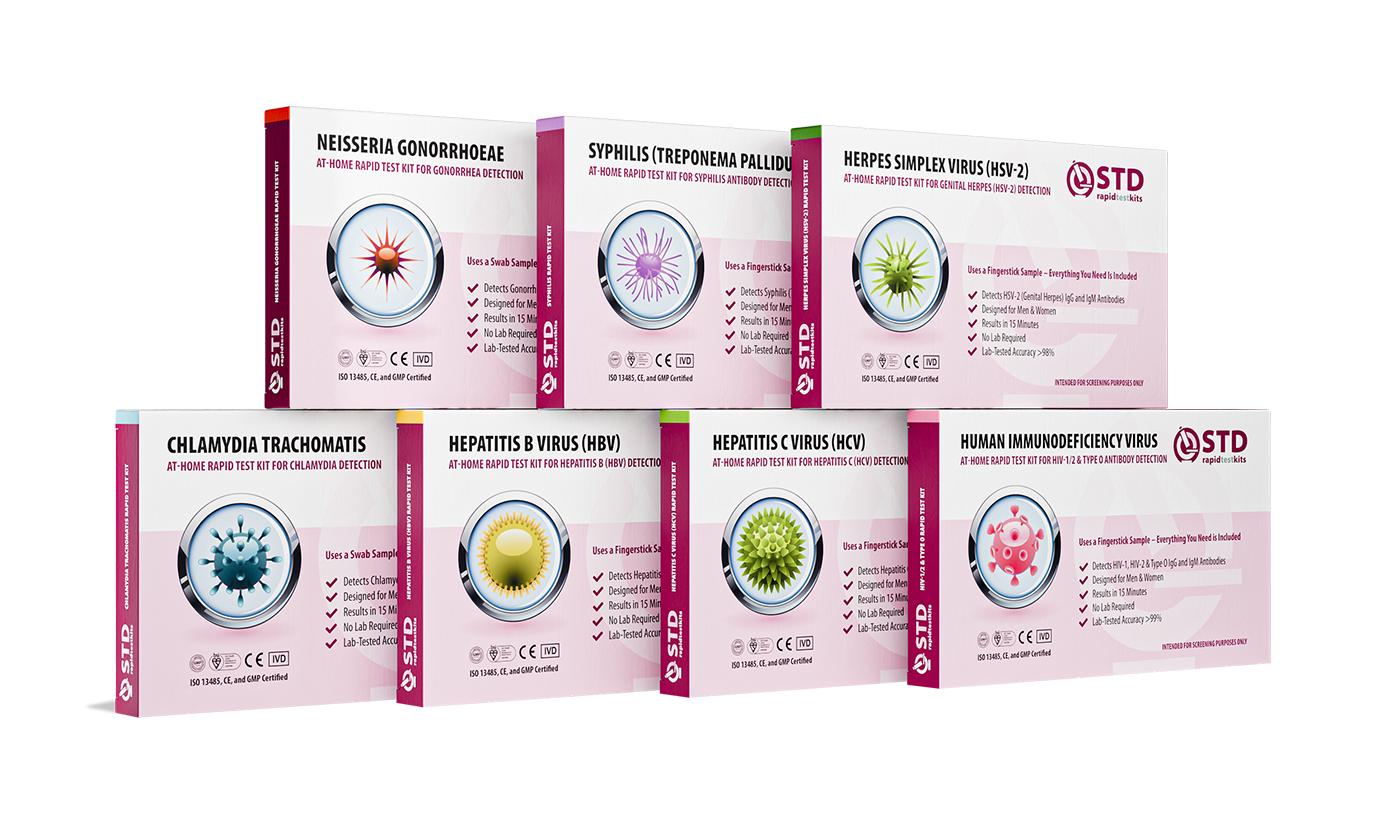
 For Men & Women
 Results in Minutes
 No Lab Needed
 Private & Discreet
Order Now $129.00 $343.00
For all 7 tests
Scripts That Don’t Sound Like Scripts: What to Actually Say
No one wants to sound like they’re reading off a cue card, but having some phrases in mind can really help. Let’s walk through how it might sound in different scenarios, embedded in real, human moments. No shame, no awkward robot language.
Case: Marcus, 32, had a casual partner he hadn’t seen in weeks. “I just texted: ‘Hey, hope you're good. I found out I have chlamydia, wanted you to know so you can get checked too. Not blaming anyone, just thought you should know.’ It felt weird but honest. She replied and said thanks. That was it.”
Case: Eli and Hannah had been dating for four months. After a clinic check, Eli tested positive. He waited until they were both home and said: “I need to talk to you about something important. I tested positive for chlamydia. I didn’t have symptoms, so I didn’t know. I’ve started treatment and I want you to be okay too.” Hannah was upset, but also grateful he told her face-to-face.
Your tone matters more than perfect words. Keep it short, factual, and warm. Let them ask questions. If they lash out, pause the conversation. You’ve done the right thing. Their response is not your responsibility.
When They Ask, “Where Did You Get It?”
There’s a moment almost everyone dreads in this conversation. You tell someone you have chlamydia, and they hit you with: “So… who gave it to you?” Or worse: “Did you cheat on me?” Even if you're in a monogamous relationship, this reaction is common, and doesn’t always mean they’re accusing you. Sometimes it’s just shock or fear talking.
Here’s the truth: it’s not always clear who gave it to whom. Chlamydia can stay silent in the body for weeks or even months. You or your partner could have had it from a previous relationship without knowing. It doesn’t mean someone was unfaithful. It doesn’t mean someone’s lying. It just means you’re dealing with it now, and that’s what matters.
If this question comes up, try saying: “I honestly don’t know. What’s important is that we both take care of it now, and I wanted you to know as soon as I found out.” That line can de-escalate suspicion and redirect the conversation back to health, not blame.
Reinfection Is Real: Why They Need to Get Treated Too
Here's something a lot of people don’t realize: you can treat chlamydia perfectly and still get it again, if your partner isn’t treated too. It’s called reinfection, and it happens all the time. You start antibiotics, they don’t test, you have sex again, and boom, it’s back.
Reinfection isn’t just frustrating, it increases the risk of complications, especially for people with uteruses. That’s why doctors recommend partner treatment alongside your own. In some states, clinics can even give you “expedited partner therapy,” which means you leave with meds for your partner, no questions asked.
Whether you're on speaking terms or not, helping them get tested or treated protects you too. It also helps you move forward without constantly worrying about exposure.
| Situation | Retesting or Treatment Needed? |
|---|---|
| You’ve started antibiotics, they haven’t been tested | Yes – risk of reinfection is high |
| They tested negative but were exposed recently | Yes – consider retesting in 2–4 weeks |
| They’ve been treated, but you had sex again before finishing meds | Yes – recheck both partners after treatment completion |
Figure 2. When retesting or dual treatment is necessary to prevent reinfection.
“I’m Not Mad, But I’m Scared”, What You Might Hear in Response
Not all reactions are angry or accusatory. Sometimes, what you’ll hear back is confusion. Fear. Silence. Someone shutting down. And it might hurt just as much.
Case: Delilah, 29, told her girlfriend she had chlamydia. “She went really quiet. She wasn’t mean, just… weird. Like she was embarrassed for me. It made me feel even more ashamed than if she’d yelled.”
STD stigma runs deep. Even people who know better can still react with discomfort. That’s why it’s helpful to prep emotionally, not for what you want to hear, but for what you might hear. If they’re supportive? Amazing. If not? That doesn’t make you dirty. It doesn’t make you unlovable. It makes them human, and maybe not ready.
Remind yourself: you did the responsible thing. You showed care for their health. That’s love, whether it’s romantic or not.
Is It Ever Okay to Tell Them by Text?
Let’s be honest: not every relationship lends itself to a face-to-face disclosure. Maybe it was a one-time hookup. Maybe you're long-distance. Maybe they ghosted you. In those cases, texting is not only okay, it might be your best option.
Here’s how to keep it respectful:
Be direct, keep it short, and focus on their health. Something like: “Hi, just wanted to let you know I tested positive for chlamydia. It’s very common and treatable, but you might want to get tested just in case. No hard feelings, I just thought you should know.”
That one message could prevent serious health issues down the line. If even that feels impossible, consider using anonymous services like TellYourPartner.org, which lets you send a confidential message without sharing your identity.
Whether it’s a long-term partner or someone you met at a festival, everyone deserves a chance to protect themselves. And you deserve to protect your peace in the process.
Need Help Breaking the News? You’re Not Alone
If you feel like you're spiraling and don’t know how to move forward, you're not the only one. There are tools, services, and even support groups designed to walk you through exactly this moment.
Here’s one place to start: STD Rapid Test Kits offers discreet, at-home chlamydia test kits you can share with a partner, even if they don’t want to go to a clinic. Getting tested together can sometimes soften the conversation. You’re not blaming, you’re teaming up for clarity.
If you're still unsure, try writing out your thoughts in advance. Send a voice memo. Bring a friend if you’re sharing in person. Whatever route you choose, make sure it’s one you can feel safe inside.
Your health is valid. Your fear is valid. Your care for others is valid. And no STD changes that.
If your head keeps spinning, peace of mind is one test away. Order a discreet chlamydia rapid test kit to make the conversation easier, for you and them.
“I Feel So Dirty”, Dealing With Shame After the Talk
After you tell them, something unexpected might happen. You might not feel better. You might feel worse. Vulnerable. Exposed. Like you just handed someone your worst secret and now you're waiting to see if they'll still love you, or even look at you the same way.
This is where shame tries to creep in. But here's the truth: chlamydia doesn't say anything about who you are. It doesn’t mean you’re reckless, or trashy, or unclean. It means you had sex, the same way almost everyone does at some point, and you happened to catch something that’s shockingly easy to miss. That’s it.
In fact, it’s so common that more than 1.6 million cases were reported in the U.S. in a single recent year. And because most people never have symptoms, many don't know they need to get tested until someone else speaks up, like you just did.
If you're struggling with shame, here’s a reminder you might need: brave people don’t hide hard things. They name them. They deal with them. That’s what you did. That’s what you're doing right now.

Poeple are also reading: Syphilis Retesting After Treatment: How Long Should You Wait?
Will This Ruin My Relationship?
Let’s not sugarcoat it, telling a partner about chlamydia can shake things. For some, it’s a bump. For others, a break. But here’s what matters: this one moment isn’t the whole story.
Case: Noah, 35, found out he had chlamydia during routine testing. “I told my girlfriend and she cried. Not because she thought I cheated, but because she was scared. She got tested. Negative. But after that, we started talking more about sex, trust, and testing. It brought us closer.”
Disclosure can actually build trust, when handled with honesty, calm, and care. But if someone chooses to walk away? That’s about their own comfort, not your character. You didn’t fail. You acted with integrity. That counts for something. Maybe everything.
Sometimes, hard conversations don’t just protect health. They reveal compatibility. And whether you stay together or not, you'll leave this experience with more clarity about what kind of love, communication, and honesty you deserve.
Check Your STD Status in Minutes
Test at Home with Remedium6-in-1 STD Test Kit
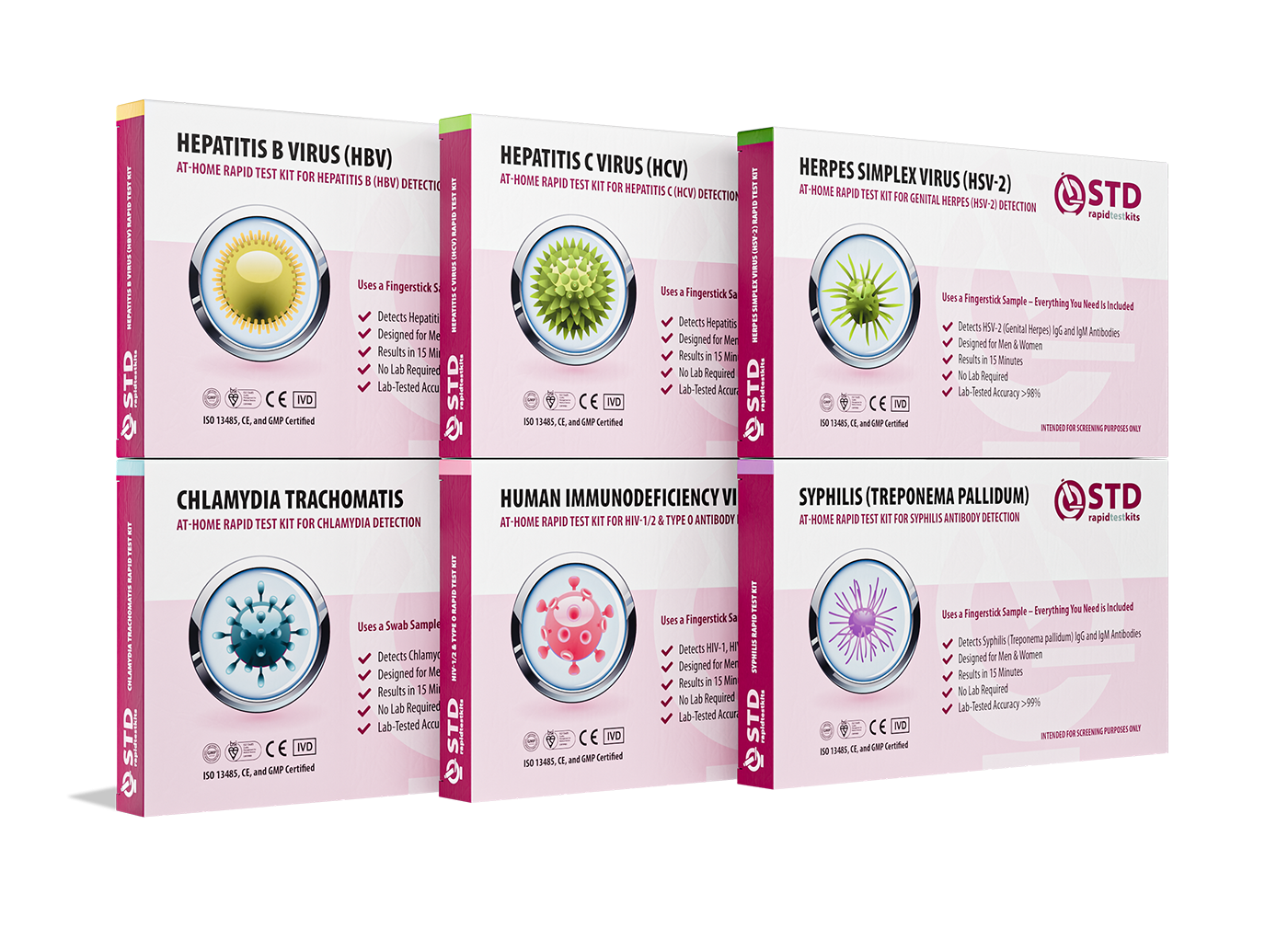 For Men & WomenResults in MinutesNo Lab NeededPrivate & Discreet
Order Now $119.00 $294.00
For all 6 tests
Can You Move On From This?
Absolutely. People recover from STDs, and the shame around them, all the time. Stay grounded in facts, be open to growth, and stay connected to people who can help you.
Start by treating the infection (if you haven’t already), and make a follow-up plan to test again in a few weeks if recommended. Encourage your partner to do the same. Then focus on rebuilding whatever feels shaky, whether that’s physical trust, emotional intimacy, or your own self-confidence.
Some people choose to be open about their diagnosis in future dating. Others keep it private. There’s no one-size-fits-all answer. But if disclosure brought you fear, and you survived it? That strength is yours now. Take it with you.
If you need a safe place to regroup, explore options on the STD Rapid Test Kits homepage. You’ll find resources, at-home kits, and the ability to move forward without facing stigma or judgment.
FAQs
1. Do I really have to tell them?
Let’s be real, no one wants to have this conversation. But yes, you should. Not just because it’s the responsible thing to do (it is), but because they deserve the chance to protect their health, just like you did. Think of it less like a confession and more like a heads-up you’d want someone to give you. And if saying it face-to-face makes your throat close up? A respectful text or even an anonymous message still counts.
2. What if I don’t know who gave it to me?
Totally normal. Most people with chlamydia don’t have symptoms, and the timeline can get blurry fast, especially if you've had more than one partner recently. It doesn’t mean anyone did something shady. It just means someone had it and didn’t know. And now you’re doing the brave thing: breaking the silence.
3. Can I get in trouble if I don’t say anything?
In most places, chlamydia isn’t legally enforced the way HIV sometimes is, but ethically, it’s still your call to make. Some jurisdictions do have rules about knowingly exposing someone to an STD. Even if you’re not at legal risk, staying silent can wreck trust, cause medical harm, and leave you carrying emotional weight that doesn’t belong to you. Say something. Even if it’s awkward. Especially if it’s awkward.
4. How do I tell someone I only hooked up with once?
Keep it simple. “Hey, just a heads up, I tested positive for chlamydia. It’s treatable and common, but I wanted you to know so you can get checked.” You don’t owe them a full breakdown of your medical chart. You’re giving them the same courtesy you’d want. If texting feels too intense, tools like TellYourPartner.org let you notify them anonymously.
5. What if they blame me or freak out?
They might. People react to STD news with all kinds of emotions, fear, shame, anger, silence. But here’s the thing: their response is not your responsibility. You’re not dirty. You’re not bad. You’re informed, and now you’re giving someone else that same chance. Stay calm, stay factual, and take a breath. You've done your part.
6. Can we still have sex after treatment?
Short answer: yes, but not right away. Most guidelines recommend waiting 7 full days after starting antibiotics, and only having sex again once both of you are treated. Otherwise, you’re just passing it back and forth like a terrible game of ping-pong.
7. What if they refuse to get tested?
That sucks, and it happens. If you’re in a relationship, it can feel like a betrayal. If it was a hookup, it might feel like wasted effort. But you can’t force someone to care about their health. You can only protect your own. Retest in a few weeks if you’ve had contact again. And maybe take note of how they handle hard things, because that says more about them than chlamydia ever could.
8. Can I catch it again even after I’ve been treated?
Unfortunately, yes. Treatment clears the infection, but it doesn’t make you immune. If your partner wasn’t treated (or you have a new one who hasn’t been tested), you could get reinfected. That’s why it’s worth having the awkward talk now rather than repeating this all again in a month.
9. Do I have to retest after treatment?
It depends. Most people don’t need a “test of cure” unless they’re pregnant, have ongoing symptoms, or their provider recommends it. But retesting in about 3 months is smart, especially if there’s a chance of reinfection. At-home tests can make this easier and way less stressful than sitting in a clinic again.
10. What if I just want to move on and pretend this didn’t happen?
Totally get it. But here's the deal: pretending it didn’t happen doesn’t undo it, it just increases the odds that someone else goes through the same thing. Sending one text, dropping one message, or leaving one voicemail could prevent infertility or a hospital trip for someone down the line. That’s worth a few seconds of discomfort. You don’t have to relive it. You just have to finish it.
You Deserve Answers, Not Assumptions
This isn’t about being perfect. It’s about being real. If you’ve tested positive for chlamydia, you’ve already taken the first step toward protecting yourself, and whoever else might be affected. The next step? Speaking up. Not with guilt, not with shame, but with clarity and care.
Whether it’s a long-term partner, a casual connection, or someone you no longer speak to, you have options. And no matter what you choose, you’re not alone.
Don’t wait and wonder, get the clarity you deserve. This at-home combo test kit checks for the most common STDs discreetly and quickly.
How We Sourced This Article: We combined current guidance from leading medical organizations with peer-reviewed research and lived-experience reporting to make this guide practical, compassionate, and accurate.
Sources
1. CDC – Chlamydia: Basic Fact Sheet
2. Planned Parenthood – Chlamydia
3. Conversation Tips for Talking With Your Partner About STIs – CDC
4. Expedited Partner Therapy (EPT) – CDC
5. TellYourPartner.org – CDC NPIN
7. Chlamydia Symptoms and Causes – Mayo Clinic
8. How to Tell Someone You Have an STD – Cleveland Clinic
About the Author
Dr. F. David, MD is a board-certified infectious disease specialist focused on STI prevention, diagnosis, and treatment. He blends clinical precision with a no-nonsense, sex-positive approach and is committed to expanding access for readers in both urban and off-grid settings.
Reviewed by: Dr. L. Amin, MPH | Last medically reviewed: January 2026
This article is for informational purposes and does not replace medical advice.


