







Quick Answer: Telling someone you have herpes doesn’t have to ruin the moment, but it does matter when, how, and why you share it. Timing, tone, and compassion go further than fear. Most people will appreciate honesty when it comes with confidence and care.
The Conversation Everyone Fears (But Few Regret)
Lina, 27, waited until the third date. They’d been laughing over pho and talking about worst kisses when she knew: if she didn’t say something soon, she’d start avoiding their next date out of fear. In the car, she gripped the seatbelt a little too hard and said, “Hey, I want to tell you something before this goes further. It’s not a big deal medically, but it matters emotionally. I have herpes. Genital HSV-2.”
They didn’t hook up that night. But he texted her the next morning, grateful. “Thanks for trusting me. I want to keep seeing you. I just want to understand what it means for us.”
That moment, awkward, exposed, but brave, isn’t a relationship killer. It’s a reality many people face, quietly and constantly. An estimated 1 in 6 Americans between 14 and 49 have genital herpes, often without symptoms or even knowing it. And yet, the disclosure still feels radioactive. Why?
Because herpes isn't just a virus, it’s a stigma bomb. It carries a myth of being dirty, reckless, or undesirable. None of which are true. And yet, those myths shape how people feel about disclosure. The fear is less about medical facts and more about the possibility of being seen as “less than.”
But here’s the truth: nearly every person who’s done it, who’s told a partner with care, respect, and clear boundaries, says the same thing afterward. “It was hard. But I’m glad I did.” That doesn’t mean it went perfectly. But it means they left with dignity intact. And many times, they kept the relationship too.
How Soon Is Too Soon? Disclosure Timing That Protects Both People
You don’t owe your entire medical history to a first date over coffee. But you also shouldn’t wait until your clothes are halfway off to suddenly drop a life-altering topic. The sweet spot for telling someone about your herpes status is before intimacy, but after connection. And connection doesn’t mean love. It means you have a baseline of trust, even if it's casual. A level of shared respect. A reason to care how this affects them.
Some people disclose before the first kiss. Others wait until the vibe is clearly moving toward sex. And both are valid, depending on your dynamic, the emotional temperature, and how safe you feel. But waiting too long can backfire, not because herpes is shameful, but because delayed honesty can feel like a breach of trust.
So what if you’re unsure? Here’s a breakdown of the common stages people consider for disclosure, and how the timing tends to affect the emotional outcome.
| Disclosure Timing | Pros | Potential Risks |
|---|---|---|
| Before First Date | Filters out partners early; saves time emotionally | Can feel abrupt; may invite judgment before trust builds |
| After First or Second Date | More context; shows respect before intimacy | Still early; might be too soon for deeper conversations |
| Before First Sexual Encounter | Respects partner’s informed choice; protects consent | If attraction is high, can feel like a mood-breaker |
| After First Sexual Encounter | Rarely recommended unless already protected & disclosed | Can damage trust; raises legal and ethical issues |
Table 1. Timing of herpes disclosure in relationships and potential impact. Earlier isn't always better, but clear, timely communication is crucial.

People are also reading: Talking to Teens About STDs: Why It Matters More Than Ever
“I Was Terrified He’d Ghost Me”, What Actually Happens After You Tell
Jared, 32, waited until the lights were low and the couch felt safe. “I need to tell you something before this goes any further,” he said, palms sweating through his T-shirt. “I have genital herpes. I manage it, and I haven’t had an outbreak in months. But you deserve to know before anything physical happens.”
He expected her to recoil. Instead, she sat in silence for a beat, then asked, “Can you still kiss? What does it mean for me?” They ended up talking for over an hour, about risks, protection, stigma, and previous partners. The next day, she sent him a link to a Mayo Clinic article and said, “I read up. I’m still here.”
That outcome isn’t a guarantee, but it’s not rare either. The conversation, done well, often invites more trust than rejection. But how do you actually do it “well”? There’s no perfect script, but tone, context, and pacing matter more than word choice. People don’t need a medical lecture. They need to feel that you respect their right to know, that you’re confident in yourself, and that you’re giving, not demanding, emotional space.
Here’s how tone shifts the impact. Disclosure with fear (“You’re probably going to hate me but…”) invites fear in return. Disclosure with care (“I want to tell you something because I respect you…”) invites understanding. No one likes feeling blindsided, but most people can handle honesty when it’s anchored in dignity and respect.
Still, rejection happens. And it hurts. But it’s not always about you. Some people are navigating their own misinformation, trauma, or health anxiety. Some will come back after learning more. Others won’t. That doesn’t mean your disclosure was wrong. It means their readiness didn’t match your truth.
If rejection does happen, give yourself space to feel it, but don’t spiral into shame. Herpes is incredibly common. Its presence in your life doesn’t mean your love life is doomed. It means your future relationships will be built on honesty, strength, and mutual choice, not illusion.
Check Your STD Status in Minutes
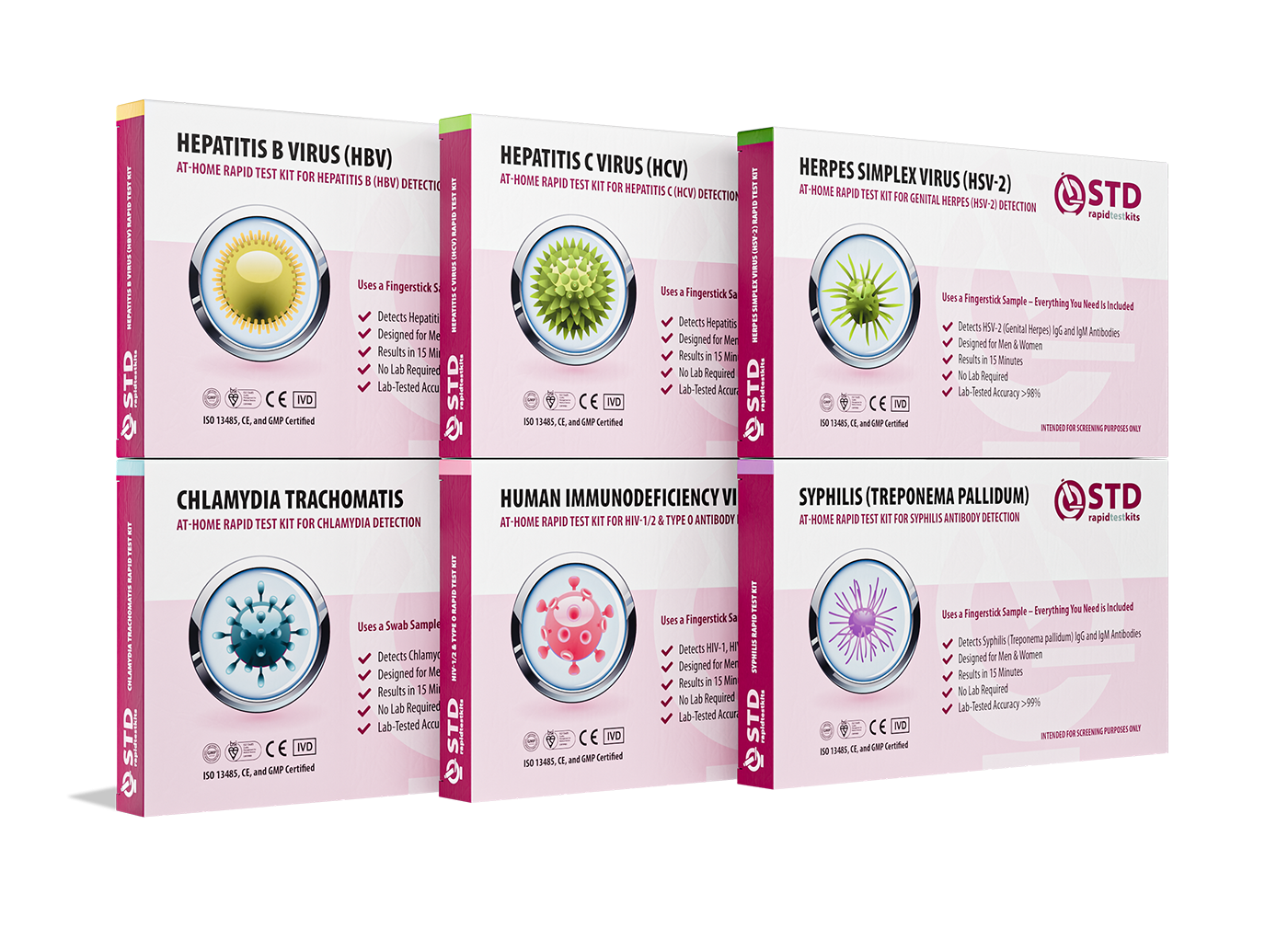
Test at Home with Remedium6-in-1 STD Test Kit
 For Men & Women
 Results in Minutes
 No Lab Needed
 Private & Discreet
Order Now $119.00 $294.00
For all 6 tests
The Words That Work: How to Start the Herpes Talk
Disclosure doesn’t need a performance. It needs a heartbeat. And a little practice. Saying the words out loud before you say them to a partner, alone, or with a friend, can make a huge difference. You don’t have to be perfect. But being grounded helps.
Think of it as offering truth, not confessing guilt. You didn’t do something wrong. You’re sharing a part of your story that affects someone else’s body and choices. That’s not shameful. That’s intimacy.
Start with setting. Choose a moment that’s private, without time pressure. Not during foreplay. Not mid-party. Not when one of you is rushing to work. It can be over dinner at your place, on a late-night walk, or even via voice message if in-person isn’t safe yet. Safety and calm matter. So does body language, relaxed posture, soft tone, and open eyes go a long way.
Then, share with clarity and care. One way to frame it: “I want to tell you something that matters to me and to you. It’s not urgent or dangerous, but it’s about trust. I have genital herpes. I take care of it, and I want you to be able to ask me anything.”
Don’t overshare to overcompensate. You don’t need to offer medical textbooks or timelines of every outbreak. But you should be ready to answer basic questions, what it means for them, how it’s managed, and what protection looks like. If you don’t know yet, that’s okay too. You can learn together.
Disclosure is not just about risk. It’s about inviting a real conversation. One that often deepens connection rather than dissolves it. Herpes, once named, tends to shrink in power. It becomes a thing you can handle, together.
Does Genital Herpes Really Change What’s Possible?
Medically speaking, herpes is manageable. Genital HSV-2 can shed asymptomatically, but antiviral medications like valacyclovir lower that risk significantly. Condoms and dental dams further reduce transmission. And most people with herpes live full, thriving sex lives with partners who don’t have it.
Emotionally, though, herpes challenges how we see ourselves. Many people spiral into beliefs that they’re “unlovable” or “too risky.” These beliefs aren’t just cruel, they’re false. The reality is that herpes is more common than asthma, more stigmatized than dangerous, and more survivable than the silence around it suggests.
Most people who reject someone over herpes do so out of fear, not fact. Once informed, many change their stance. And many others never reject at all. They ask questions, get curious, and choose intimacy with eyes open. Relationships built on mutual honesty often last longer than those built on performance or avoidance.
Dating with herpes might require a new kind of bravery. But it doesn’t require self-erasure. You don’t have to become a walking disclaimer. You don’t need to preface every flirtation with a health alert. You just need to know that when connection starts to turn physical, or emotionally intimate, that’s when the truth matters most.
And here’s a twist: some of the best relationships start with that moment of vulnerability. Because in a world of curated profiles and ghosting, someone telling the truth? That’s rare. And valuable. And incredibly human.
Making the Moment Easier: What You Can (and Can’t) Control
What you can control: your words, your tone, your timing, your information. What you can’t control: their reaction. That might sound terrifying, but it’s also freeing. Your job isn’t to manage their emotions. Your job is to share truthfully, kindly, and clearly. After that, their response belongs to them.
If they’re confused or shocked, that’s not necessarily rejection. It just means they need a beat to recalibrate. Sometimes people need space to google. To talk to a friend. To sit with their own history and decide what intimacy means for them. Don’t interpret silence as shame. Follow up, or wait for them to come back. The honesty you gave them often becomes the anchor for whatever happens next.
Still, it’s okay to prepare emotionally. Write down what you want to say. Role-play it with a mirror. Have a calm phrase ready for yourself if things go sideways. Something like, “I’m proud of myself for being honest. I can handle this.” Because you can.
And if you're afraid this will define your dating life forever, take heart. Most people who've lived with herpes for years report that after the first few disclosures, it gets easier. Not because the nerves vanish, but because their identity shifts. Herpes becomes something they have, not something they are. And that subtle shift changes everything.
If you’re still building up the nerve, that’s okay too. There’s no rush. Disclosure doesn’t have to be perfect. It just has to be real. And that’s something you already know how to do.

People are also reading: Tested Positive for Chlamydia Twice, Is It Me or My Partner?
What About Long-Term Partners, Marriage, and Kids?
If you’re dating with a long view, partnership, family planning, cohabitation, herpes can feel like a much bigger conversation. But the principles are the same: clarity, timing, and honesty. The difference is that with long-term partners, your lives become more entangled. And disclosure becomes part of a deeper intimacy.
Planning to have children? Herpes typically doesn’t affect fertility or conception. The main concern arises around delivery, especially with genital herpes. Doctors will monitor for outbreaks in late pregnancy to reduce transmission risk during birth. Many people with HSV have safe, healthy pregnancies and births with the right care plan.
And yes, you can get married. You can raise kids. You can have spontaneous weekend getaways and sleepy Sunday mornings and everything else life offers. Herpes doesn’t cancel those futures. It just adds one layer of communication, often making couples stronger because of it.
Here’s a table of common long-term concerns and how they’re managed in reality:
| Concern | Reality Check |
|---|---|
| Can I have kids with herpes? | Yes. Most people with herpes have healthy pregnancies. Delivery planning reduces risks. |
| Will my partner always need antivirals too? | No. They may choose to take PrEP-style meds, but it's optional. Condoms + your meds are often enough. |
| Will herpes damage our sex life? | Not necessarily. Many couples adapt with better communication and creativity. Outbreaks are usually infrequent. |
| Will I ever stop feeling ashamed? | Yes. Shame fades with experience, support, and time. Especially when partners react with care, not disgust. |
Table 2. Long-term relationship concerns after a herpes diagnosis, and the real-world answers most couples find.
Case Study: “I Thought He’d Leave Me. He Didn’t.”
Sandra, 34, was diagnosed with HSV-2 after a routine checkup. She’d been dating someone new, someone she really liked. They’d kissed, flirted, spent weekends binging shows and sneaking glances. But she hadn’t told him yet. After Googling for hours and rehearsing lines in her head, she finally said it over a late dinner. “This is awkward, but important. I have herpes. I want you to have all the facts before anything happens.”
She couldn’t meet his eyes. But when she looked up, he was still there. Still holding her hand. He didn’t speak for a while, but when he did, he said, “Thank you for trusting me. I really like you. Let’s figure it out together.”
It didn’t feel perfect. But it felt possible. And sometimes, that’s enough to build something real.
FAQs
1. Do I really have to tell someone I have herpes?
If there’s a chance you’ll have sex, or even skin-to-skin stuff like grinding or oral, it’s time to talk. Not because herpes is scary, but because everyone deserves a heads-up before decisions get physical. Think of it like this: if the roles were reversed, wouldn’t you want to know?
2. What if they freak out when I tell them?
Some might. Most won’t. The truth is, a lot of people have herpes or know someone who does. If they get weird, it’s usually about fear, not facts. And honestly? If they bail because you were honest about a super common, manageable virus… they just did you a favor.
3. Can I wait until later to tell them?
Depends what you mean by “later.” If you’re just texting and flirting, cool, you can wait. But if you’re heading toward anything sexual, earlier is better. Not during foreplay. Not right after your shirt comes off. Give them space to think, not pressure to react.
4. What if I don’t have outbreaks anymore, do I still have to say something?
Yup. Even when there are no visible symptoms, herpes can still be passed along. It’s called asymptomatic shedding. Suppressive meds reduce the risk, but your partner still has a right to know what they’re signing up for.
5. Is my dating life over now?
Not even close. Thousands of people with herpes are dating, sexting, falling in love, having mind-blowing sex, and getting married. You’re not broken. You’re not unlovable. You’re just a person with a thing, just like everyone else. And the right people won’t flinch.
6. How do I make the conversation less awkward?
Try this: say it when things are calm, not charged. “Hey, I want to tell you something that matters to me. It’s not dramatic, but it’s about trust. I have herpes.” Then pause. Let them take it in. Confidence is contagious, even if your voice shakes a little.
7. Should I take antivirals even if I don’t get outbreaks?
Lots of people do. Suppressive meds like valacyclovir lower the risk of passing it on. Some take it daily; others just during outbreaks. It’s your call, but if you’re dating someone who’s HSV-negative, it can give both of you some peace of mind.
8. What if I messed up and already slept with them?
First: breathe. It’s not ideal, but it’s not the end of the world. Tell them as soon as you can, and own it without spiraling. “I should’ve told you sooner. I was scared, but that’s not an excuse. You deserve to know.” Then offer to talk, test, and move forward honestly.
9. Can I get pregnant or have kids if I have herpes?
Absolutely. Herpes doesn’t mess with your ability to conceive. If you're pregnant, your doctor will just keep an eye out in the third trimester. With meds and planning, the risk of passing herpes to a baby is really low.
10. Will I ever stop feeling gross about this?
Yeah. Maybe not today, but yes. The shame softens when you realize how common this is, how many people don’t judge you for it, and how strong you are for dealing with it. Herpes might be part of your story, but it doesn’t get to be the whole thing.
Here’s What to Remember (and What to Do Next)
This conversation might be the hardest one you have, but it can also be the most empowering. You’re not broken. You’re not doomed. You’re a person with a virus that millions of people have, most of whom live full, intimate, love-filled lives. Telling someone you have herpes isn’t a confession. It’s a gift of trust. A show of respect. A way of saying: I care enough about you, and about myself, to be honest.
If you're ready to take control of your story, don’t wait for the perfect words. Just start. You deserve connection that’s based on reality, not fear. And if you're still unsure, clarity is just one test away. Knowing where you stand is one of the best ways to move on, whether you're dating, in a relationship, or still trying to figure things out.
This at-home combo test kit checks for common STDs, including herpes, quickly, privately, and without the awkward waiting room.
How We Sourced This Article: We combined current guidance from leading medical organizations with peer-reviewed research and lived-experience reporting to make this guide practical, compassionate, and accurate.
Sources
1. CDC – Genital Herpes – Detailed Factsheet
2. Planned Parenthood – Herpes: FAQs and Advice
3. Genital herpes – Symptoms and causes | Mayo Clinic
4. Herpes – STI Treatment Guidelines | CDC
5. Genital Herpes: Causes, Symptoms, Treatment & Prevention | Cleveland Clinic
6. Screening for Genital Herpes | CDC
7. Genital herpes – Diagnosis & treatment | Mayo Clinic
8. Herpes and Relationships – American Sexual Health Association
9. Disclosing herpes: Tips on how to tell others | Medical News Today
About the Author
Dr. F. David, MD is a board-certified infectious disease specialist focused on STI prevention, diagnosis, and treatment. He blends clinical precision with a no-nonsense, sex-positive approach and is committed to expanding access for readers in both urban and off-grid settings.
Reviewed by: Elena Moore, MSN, RN | Last medically reviewed: January 2026
This article is for informational purposes and does not replace medical advice.


