
Published: July 2025 | Last updated: May 2026 | Editorial review and quality control: Martina N.
Why does sex still scare lawmakers? A century after the first wave of moral panic over sexually transmitted infections, many U.S. rules around testing, disclosure, and sex education still carry the fingerprints of that early fear. This article traces that path from the Chamberlain-Kahn Act of 1918 through abstinence-only classrooms of the 1980s and 1990s into HIV criminalization statutes that remain active in roughly 34 states, then asks what public health research says actually works.
Key Takeaways
- Many U.S. sex laws were shaped less by epidemiology than by moral panic, and a large share of those laws are still active today.
- Decades of CDC and ACOG research show comprehensive sex education and routine testing reduce STI rates; abstinence-only programs do not.
Published by stdrapidtestkits.com, which sells at-home STI testing kits. Products recommended below are picked for fit with the article's topic, not commercial benefit. Reviewed for clinical accuracy by Aikaterini Maragkou, MD.
The Origins of STD Panic: Social Hygiene and the American Plan
In the early 1900s, sexually transmitted infections were treated as moral threats first and medical ones second. Reformers in the social hygiene movement argued that sexual deviance, especially in women, was a public health emergency. Their politics shaped policy in ways that still reverberate.
One law became infamous: the Chamberlain-Kahn Act of 1918. Passed during World War I to protect American soldiers from syphilis and gonorrhea, the act gave federal officials authority to detain women suspected of carrying an STI, often with no medical exam, no due process, and no evidence beyond who she had been seen with. Historian Scott Stern's documentation of what became known as the American Plan estimates that more than 30,000 women were forcibly examined or held in federal facilities, with parallel state programs continuing into the 1940s.
The targets followed a pattern. Working-class women, sex workers, and women labeled promiscuous by neighbors or police were swept up; men carrying the same infections faced almost no consequence. The premise was that women's bodies were the vector, and that the right intervention was confinement.
What ended the Plan was not a change of heart about morality. It was the discovery of penicillin, which made syphilis medically treatable in ways the social hygiene movement had not imagined, alongside court challenges that finally limited the program's reach. The women who had been detained received no acknowledgment and no compensation. Many records of the detentions were destroyed.
More than 30,000 women were detained or forcibly examined under federal authority, with parallel state programs running roughly from 1918 into the 1940s. Detention typically required no medical evidence, only a suspicion of sexual activity. Men diagnosed with the same infections were almost never held; the program treated women's bodies as the source of contagion.
Abstinence-Only Education: How Moral Panic Shaped Classrooms
The 1980s and 1990s brought a second wave of policy shaped by shame. Federal funding for abstinence-only sex education began under the Adolescent Family Life Act in 1981 and expanded under Title V of the Social Security Act in 1996. Over the following decades, billions of federal dollars supported programs teaching that premarital sex was inherently harmful, that condoms were unreliable, and that STIs were a consequence of moral failure rather than a treatable infection.
The data did not cooperate. The American College of Obstetricians and Gynecologists reviewed the evidence and concluded that abstinence-only programs do not delay sexual activity, do not reduce the number of partners, and do not lower STI rates. They reliably do something else: increase misinformation. Students leave thinking condoms fail more often than they prevent, or that a single positive test is a permanent identity rather than a treatable condition.
This matters now because abstinence-only and abstinence-plus curricula remain common. Less than half of U.S. states require any form of sex education, and a substantial fraction of those that do mandate abstinence as the primary message. Studies of programs funded under Title V in Texas, Florida, and Mississippi have found higher rates of teen pregnancy and STI diagnoses in counties receiving abstinence funding than in comparable counties that did not, after controlling for income and demographics.
Abstinence-only funding, in numbers
- Federal abstinence-only programs have received over $2 billion since 1996 under Title V and successor grants.
- ACOG, the American Academy of Pediatrics, and the WHO all conclude these programs do not delay sex, reduce partner counts, or lower STI rates.
- Fewer than half of U.S. states require any sex education in schools; of those that do, a substantial share mandate abstinence as the primary message.
HIV Criminalization: Laws That Outlived the Science
The 1980s also produced HIV-specific criminal laws. At the time, an HIV diagnosis was often a death sentence, the virus was poorly understood, and panic ran ahead of evidence. According to the American Psychological Association's review of HIV criminalization, 34 U.S. states and two territories now have laws making acts ranging from sex without disclosure to exposure to bodily fluids a crime when the person involved is HIV-positive, sometimes regardless of whether transmission was actually possible or whether protection was used.
Forty years later, the science has moved and the laws largely have not. Antiretroviral therapy can suppress HIV to undetectable levels, and people with sustained undetectable viral loads do not transmit HIV through sex. The CDC's HIV treatment guidance explicitly states this principle as Undetectable equals Untransmittable, or U=U, and the World Health Organization's HIV fact sheet echoes it: people on effective ART with an undetectable viral load will not transmit HIV to sexual partners. Despite this, many state laws still treat behaviors that cannot transmit HIV, such as spitting or biting, as serious crimes when the person is HIV-positive.
The APA review described the practical effect: people who suspect they may have HIV become reluctant to get tested, because a confirmed diagnosis can be used against them in future prosecutions. The Center for HIV Law and Policy and dozens of public health bodies have called for modernization of these laws, citing the same logic. Criminalization discourages testing, and discouraging testing is the opposite of disease control.
State-level reform is uneven but accelerating. California modernized its HIV-specific laws in 2017, reducing felony charges to misdemeanors and aligning prosecution with actual transmission risk. Illinois followed in 2021, repealing its HIV transmission statute outright. Virginia passed similar reforms in 2021, and Michigan amended its statute in 2019. Reforms generally fold HIV-related cases back into general public-health and assault statutes, where actual risk and intent are weighed rather than presumed. Reviews by the Williams Institute and others have found that Black men, sex workers, and LGBTQ+ defendants are disproportionately charged under HIV-specific statutes, even when the actual transmission risk in the underlying case was zero.
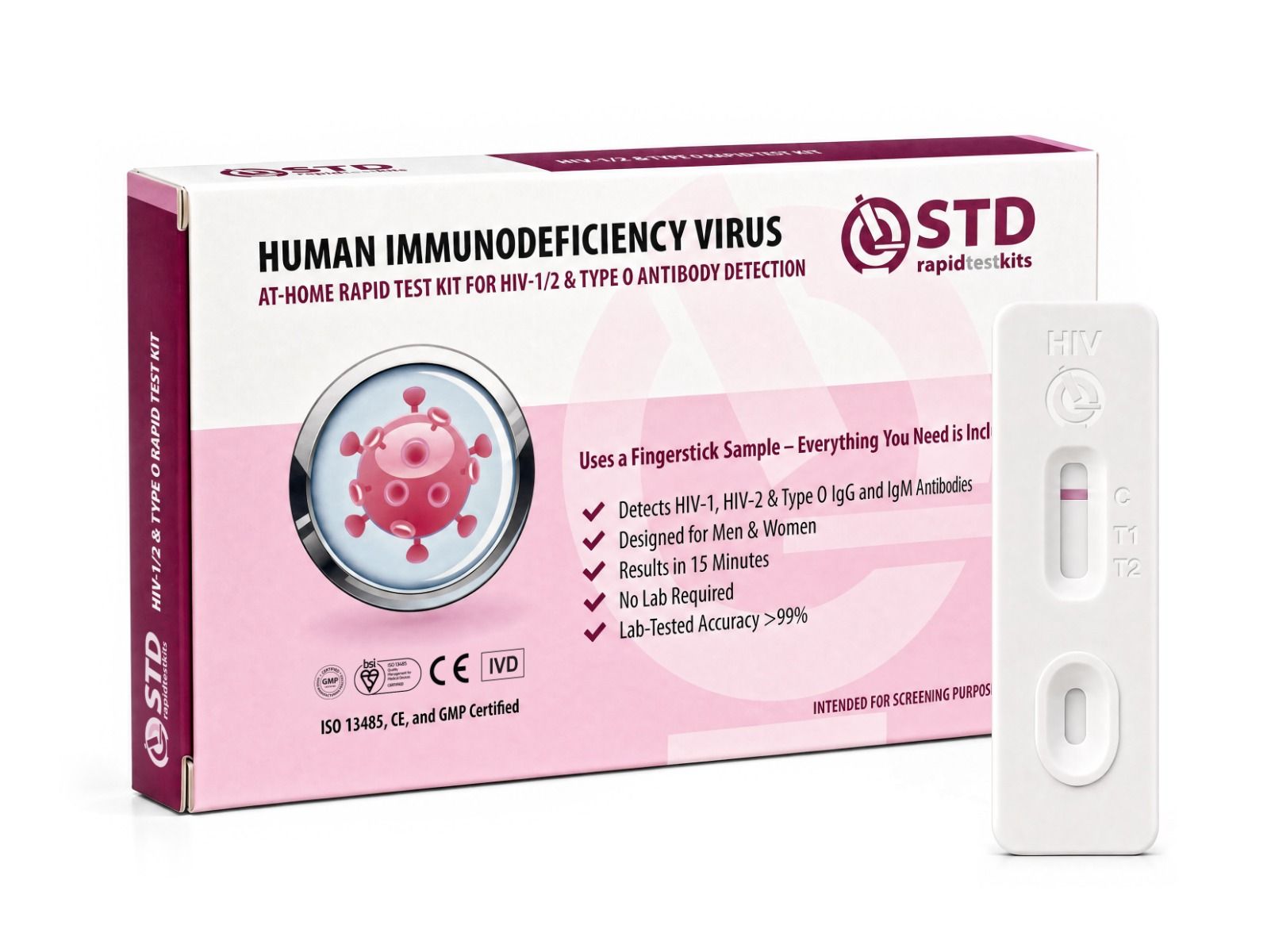
The Stigma That Stops People From Testing
Shame is not only a policy problem. It is a personal one. Many people raised in conservative or religious households learned that sex itself is something to hide, and that knowing one's sexual health status is a kind of guilty admission. Testing then feels less like routine care and more like a confession.
The reality is the opposite. The CDC's screening recommendations set out specific frequencies by age, sex, and risk profile, and treat regular STI screening as a basic component of sexual health for anyone who is sexually active, regardless of how many partners they have, what kind of sex they have, or whether they currently feel symptoms. Most STIs are asymptomatic in early stages, which is precisely why screening matters.
Most STIs share a basic pattern. They are common, they are treatable or manageable, and they say almost nothing about a person's character. The CDC's STI surveillance program records millions of new infections in the United States every year, and many people will acquire one or more STIs over the course of their sexually active lives. The infections do not discriminate in the way that the stigma around them often suggests.
CDC surveillance also notes that millions of Americans delay or skip testing because of perceived judgment from clinicians, fear of confidentiality breaches, or simple embarrassment. The cost is measurable. Untreated chlamydia and gonorrhea contribute to pelvic inflammatory disease, infertility, and complications in pregnancy. Earlier detection from routine screening means earlier treatment and fewer onward infections for partners, which is most of the public health case in a single sentence.

The Politics of Pleasure and Sexual Agency
One quieter throughline in U.S. sex policy is that pleasure itself makes lawmakers nervous. When sex is framed as something to regulate rather than something people actually do, the public conversation collapses into harm-avoidance language: contagion, risk, exposure, transmission. That vocabulary leaves no room for the most basic premise, that adults can choose to have sex and want to do it safely.
This narrowing tracks who gets policed. Laws and curricula have historically been most punitive toward women, LGBTQ+ people, sex workers, and anyone whose sexual life sits outside the heterosexual, monogamous, marital frame. The implicit logic: deviation from that frame requires intervention.
The irony is practical. Ignoring pleasure does not stop people from having sex; it stops them from talking openly about it and from protecting themselves and their partners. The countries with the lowest STI rates among adolescents are not the ones with the strictest moral education. They are the ones where pleasure, consent, and protection are taught in the same lesson.
Many STDs don't cause any symptoms, and you can pass one to your sex partner even if you have no signs of infection. Testing is the only way to know for sure.
What Public Health Research Actually Shows
The data on what works has been stable for decades. The CDC's annual STI surveillance report shows that rising and falling rates of chlamydia, gonorrhea, and syphilis track public health funding levels, clinic access, and insurance coverage rather than any measurable change in sexual activity. The 2024 provisional data, for example, recorded 2.2 million reported cases nationally with declines in chlamydia and gonorrhea but continued growth in congenital syphilis.
On education, the consensus is similar. ACOG, the American Academy of Pediatrics, and the World Health Organization all recommend comprehensive sexuality education that covers anatomy, consent, contraception, STI prevention, and the option of abstinence. Meta-analyses going back to the early 2000s have consistently found that comprehensive programs delay first sexual activity, reduce the number of partners, and increase use of condoms and other protection. Contrary to a still-common claim, they do not increase the rate of teen sex.
On testing, the pattern repeats. Where access to confidential, low-cost or free STI testing exists, including at-home options, more people test, and earlier detection means earlier treatment for them and fewer onward infections for everyone else. Stigma and inconvenience are the primary barriers in nearly every published review.

Common Myths That Fuel STD Fear
Some of the most stubborn shame is built on factual misunderstanding. A handful of myths show up over and over in clinic encounters and patient surveys; the table below pairs each with what the evidence actually says.
| Common myth | What the evidence says |
|---|---|
| Only people with many partners get STIs. | STIs can be transmitted during a single sexual encounter, including a first one, and some pass through skin-to-skin contact without penetration. |
| You can tell if a partner has an STI by looking. | Most STIs are asymptomatic, especially in early stages. Visible symptoms are the exception, not the rule. |
| You only need to test if you feel sick. | Routine screening exists because most STIs cause no symptoms for months or years. The CDC recommends annual screening for most sexually active adults. |
| A positive test is a moral failure. | An STI is a medical condition, treatable or manageable in nearly every case. It carries the same status as any other infection. |
What Sex-Positive Policy Looks Like, and What You Can Do
The fixes that public health researchers have been recommending for years are not radical. They are mainstream within the field, even when they are politically contested:
- Modernize HIV criminalization laws. Bring statutes in line with current science on transmission risk and the role of viral suppression. California (2017), Michigan (2019), Illinois (2021), and Virginia (2021) have already passed reforms.
- Fund comprehensive, age-appropriate sex education. Curricula should cover anatomy, consent, contraception, STI prevention, and healthy relationships. ACOG and the WHO have both published model standards.
- Protect access to confidential testing. That includes Title X clinics, school-based health centers, and at-home test kits that let people screen without a clinical appointment if they prefer.
- Treat sexual health as ordinary care. The simplest cultural shift is also the most useful: framing screening the way we frame dental cleanings or blood pressure checks.
The list above looks long, and most of it requires legislative or institutional change that takes years. The faster lever, for individuals and the people they sleep with, is the third item: testing. It is the one part of the system that an individual controls directly. Get tested on a routine schedule, talk openly with partners about status and protection, and support school board and state-level candidates who back evidence-based sex education. If HIV criminalization is a live issue in your state, organizations such as the Center for HIV Law and Policy maintain advocacy tools and model legislation.
You Are Not Broken, You Are Human
The throughline from the American Plan to abstinence-only ed to HIV criminalization is the same. Sex was treated as a danger that the state had a duty to manage, and the people who had sex outside the approved frame were treated as the problem. A century in, public health outcomes show what that approach produced: higher infection rates among the people the laws targeted most aggressively, worse trust in clinicians, and a culture in which a routine screening can feel like a confession.
Better is also simple, even when it is politically slow. Care instead of control, evidence instead of moralism, routine testing instead of avoidance, and honest conversation instead of silence.
If you have been putting off testing because of how it might feel, the practical move is to take the test. Information is one of the few things in adult health that rewards curiosity. Treat the result as data; data is easier to act on than a feeling.
Frequently Asked Questions
- Can you be criminally charged for transmitting or exposing someone to an STI?
- It depends on the state and the infection. The APA review counts 34 U.S. states plus two territories with HIV-specific criminal laws or sentencing enhancements that make nondisclosure of HIV status before sexual contact a felony, regardless of whether transmission actually occurred. A smaller number of states have broader laws covering other STIs. Several states have begun modernizing these laws to align them with current science on transmission risk, but the patchwork is wide. If this matters to you, check your state's current statute or organizations such as the Center for HIV Law and Policy.
- What was the American Plan?
- A federal and state detention program active roughly from 1918 into the 1940s that authorized officials to hold women suspected of carrying an STI, typically without medical evidence or due process. The program was tied to military mobilization during World War I and was justified as protecting soldiers from syphilis and gonorrhea. Men diagnosed with the same infections were almost never detained; the program treated women as the source of contagion. Penicillin's arrival in the 1940s and parallel court challenges finally limited its reach.
- Does abstinence-only sex education actually work?
- No. Despite billions in federal Title V funding since 1996, reviews by ACOG, the American Academy of Pediatrics, and the WHO consistently find that these programs leave students more misinformed about condom effectiveness without delaying sexual activity, reducing partner counts, or lowering STI rates. Comprehensive curricula that cover consent, contraception, STI prevention, and abstinence as one option among many are the approach with consistent evidence behind them.
- Are HIV disclosure laws based on current science?
- Most are not. The majority of HIV criminalization statutes date from the 1980s and 1990s, before antiretroviral therapy and before U=U (undetectable equals untransmittable) was established. Many laws still apply to behaviors that cannot transmit HIV at all. Public health bodies including the CDC and major HIV advocacy organizations have called for modernization.
- Why do HIV laws not reflect U=U?
- Most HIV-specific criminal statutes were written before antiretroviral therapy could reliably suppress HIV to undetectable levels. The science of U=U, that a person with a sustained undetectable viral load does not transmit HIV through sex, was established in the 2010s, decades after the laws were passed. Updating statutes requires state legislative action, which is slow and politically contested. As of 2025, only a handful of states have aligned their HIV laws with current transmission science.
- How often should I get tested for STIs?
- The CDC recommends annual STI screening for most sexually active adults, with more frequent testing every 3 to 6 months for people with new or multiple partners, men who have sex with men, and people living with HIV. Specific tests vary by risk profile. Chlamydia and gonorrhea screening is standard for sexually active women under 25, and HIV testing at least once is recommended for everyone aged 13 to 64.
- Why does getting tested feel shameful for so many people?
- Decades of moralized sex education, religious messaging, and public policy have trained many people to associate sexual health with guilt rather than care. The feeling is socially produced, not a reflection of reality. From a medical standpoint, STI screening is preventive care in the same category as checking blood pressure or cholesterol.
- Which states have modernized HIV criminalization laws?
- California reduced HIV-specific felonies to misdemeanors in 2017. Michigan amended its statute in 2019 to align with transmission risk. Illinois repealed its HIV transmission law outright in 2021, and Virginia passed similar reforms the same year. Several other states have modernization bills in committee. The general direction of reform is to fold HIV cases back into general assault and public-health statutes where actual risk and intent are evaluated rather than presumed.
- U.S. Centers for Disease Control and Prevention. Annual STI surveillance report covering national rates of chlamydia, gonorrhea, syphilis, and congenital syphilis with year-over-year trend data.
- U.S. Centers for Disease Control and Prevention. STI screening recommendations by age, sex, and risk profile for sexually active adults and adolescents.
- U.S. Centers for Disease Control and Prevention. HIV treatment guidance, including the principle that a sustained undetectable viral load on ART means HIV is not transmitted sexually (U=U).
- American Psychological Association. Monitor on Psychology review of HIV criminalization laws in the United States, including the 34-state count and the science gap.
- American College of Obstetricians and Gynecologists. Committee Opinion on comprehensive sexuality education compared to abstinence-only programs.
- World Health Organization. HIV/AIDS fact sheet, including the statement that people on effective ART with an undetectable viral load do not transmit HIV to sexual partners.
