






Quick Answer: At-home chlamydia test kits in 2026 typically cost between $39 and $129, depending on accuracy, privacy features, lab involvement, and whether other STDs are included. The cheapest kits are rapid-result tests, while mail-in lab kits cost more but often include multiple infections and confirmatory results.
Why This Cost Question Matters More Than You Think
Behind every late-night price comparison is a story. For Jasmine, 25, it was a cross-country trip, a new hookup, and a burning sensation that she hoped was nothing. “I was in a motel in Colorado. I didn’t want to go to an urgent care in a random town. I just needed to know if I had chlamydia, fast. I looked up test kits but got overwhelmed. Some were $40. Others were $120. I didn’t know if I was being scammed.”
Jasmine’s story is more common than we think. Whether you’re uninsured, under 30, in a conservative household, or just need privacy, the cost of testing isn’t just financial, it’s emotional. An unclear price tag can delay care, increase stress, and leave people guessing. And when it comes to chlamydia, the most commonly reported STD in the U.S., that delay can lead to long-term consequences like pelvic inflammatory disease or infertility. That’s why we’re breaking down where that $39–$129 range actually comes from.
At-Home Chlamydia Testing Options in 2026: A Quick Comparison
Not all kits are built the same. The term “at-home chlamydia test” now includes at least three different formats, and each comes with its own price range, wait time, and privacy level. Some give you results in 15 minutes. Others involve sending a sample to a lab. Some look affordable until you realize they charge extra for shipping, confirmatory results, or treatment options.
| Test Type | Typical Cost (USD) | Result Time | Includes Lab Analysis? | Privacy Level |
|---|---|---|---|---|
| Rapid At-Home Cassette Test | $39–$59 | 10–15 minutes | No | High |
| Mail-In Lab Kit (Chlamydia Only) | $69–$89 | 2–5 days after lab receives sample | Yes | Very High |
| Mail-In Combo Kit (4–6 STDs) | $109–$129 | 2–5 days | Yes | Very High |
Table 1: Breakdown of common at-home chlamydia testing options and what each includes.
The lowest-cost option, a rapid cassette kit, uses a color-change strip to detect infection markers in a sample, usually urine or swab. These don’t involve a lab and are completely private. But they trade off some accuracy, especially if used too early after exposure. On the other end, mail-in lab kits offer higher sensitivity and are more similar to what you’d get at a clinic. They also usually come with digital result dashboards, access to follow-up care, or anonymous partner notification tools.
People are also reading: Pimple or Herpes? I Didn’t Know Until It Was Too Late
What You’re Really Paying For
Let’s unpack what actually drives the price of these kits. Because the $39 test and the $129 test aren’t just priced differently for profit, they’re offering different levels of service, accuracy, and security. It’s not unlike comparing a take-home pregnancy test to a full prenatal lab panel. Both are valid. One just goes deeper.
First, there’s test method. Cassette-based rapid kits are cheaper because you read the result yourself. There’s no lab overhead, no technician, and no data dashboard. But that means you’re also responsible for interpreting results, and handling false negatives or faint lines. Mail-in kits, by contrast, include logistics (prepaid mailer, processing, secure digital reporting) and usually undergo CLIA-certified lab processing, which costs more.
Second, what’s being tested matters. Some kits only check for chlamydia, while others include gonorrhea, trichomoniasis, HIV, and syphilis. Combo panels are more expensive but may actually be cheaper per infection tested. If you’ve had unprotected sex or multiple partners, combo kits often make more clinical sense.
Finally, you’re paying for discretion and support. That includes discreet shipping (no sexual health labeling), anonymous results delivery, optional telehealth treatment referrals, and sometimes even auto-generated partner texts. These aren’t gimmicks, they’re peace-of-mind tools built for real people in high-stress moments.
In other words: you’re not just buying a test. You’re buying time, privacy, and clarity at a moment when your body, and your mental health, needs answers fast.
Check Your STD Status in Minutes
Test at Home with Remedium7-in-1 STD Test Kit

 For Men & Women
 Results in Minutes
 No Lab Needed
 Private & Discreet
Order Now $129.00 $343.00
For all 7 tests
Real Costs, Real Stories: What Users Actually Spent
We spoke to users who tested from dorm rooms, truck stops, shared apartments, and remote cabins. Their experiences illustrate how different choices reflect different needs, and budgets.
Andre, 33, went with the cheapest test he could find online after a one-night stand. “It was $42 on some third-party site. It came in an envelope with no instructions. The cassette was confusing. I think I read it right? But I ended up ordering a lab test a week later anyway.” Total spent: $121.
Malika, 29, used a combo mail-in kit after leaving an abusive relationship. “I wanted the full panel but didn’t want to explain myself to a doctor. The $129 kit let me test for six infections. It was expensive, but I needed that control.”
Diego, 22, got a $69 mail-in kit after seeing symptoms. “I tested positive and the site gave me a telehealth link. I paid another $45 for antibiotics. Still cheaper than a clinic visit, and I didn’t have to miss class.”
These aren’t exceptions, they’re the new normal. Price isn’t just about the sticker. It’s about what you need that price to include: speed, privacy, confirmation, convenience, or follow-up. And most of all, certainty you can trust.
Clinic vs At-Home: Who Really Pays More?
It’s easy to assume that clinic testing is always cheaper, especially if you have insurance. But when you zoom in on the full picture, time off work, gas money, waiting rooms, follow-up visits, and yes, emotional cost, the math gets messier. For people without insurance, the price difference can be dramatic. And even with coverage, deductibles and copays often mean you're still paying out of pocket.
Imagine this: Alexis, 31, schedules an STD panel through her local clinic. She has insurance but a high deductible. After a 45-minute wait and a urine sample, she leaves. Two weeks later, she’s billed $240. Only $52 is covered. The rest? Her responsibility.
Meanwhile, Zane, 26, orders a mail-in chlamydia test for $79. He collects his sample at home, mails it, and sees results in three days. No waiting room. No time off. No surprise billing. For him, the “expensive” kit actually saved him time, money, and stress.
| Testing Option | Estimated Out-of-Pocket Cost | Wait Time for Results | Privacy & Discretion |
|---|---|---|---|
| Clinic STD Test (No Insurance) | $120–$250 | 2–14 days | Low |
| Clinic STD Test (With Insurance) | $0–$80 (with copay/deductible) | 2–14 days | Low–Moderate |
| At-Home Rapid Test | $39–$59 | 15 minutes | High |
| Mail-In Lab Kit | $69–$129 | 2–5 days | Very High |
Table 2: Comparing real-world STD testing costs and timelines across different settings.
This table doesn’t just reflect dollars, it reflects control. At-home testing lets you choose your moment. It protects your story. And in many cases, it protects your wallet too.
Are Cheap Chlamydia Tests Trustworthy?
This is where it gets complicated. Yes, some $40 kits are reliable. But some are garbage. In 2026, a huge wave of knockoff and drop-shipped STD tests flood online marketplaces, some expired, others unapproved. That’s why buying from a legitimate sexual health provider, not just a big box platform, matters more than ever.
Legit low-cost tests will clearly say what type of test is used (e.g., lateral flow, antigen detection, or NAAT), whether it's FDA-cleared or CE-marked, and what kind of sample is required. They’ll offer instructions in clear English. They’ll list a phone number or chat for support. And most importantly, they’ll tell you what to do if your result is positive.
We reviewed 15 budget kits under $60. About half had no customer support. A third had unclear packaging. Two had missing instructions entirely. One included a QR code that led to a 404 page. That doesn’t mean price = poor quality. But it does mean that price alone shouldn’t be your guide.
Look for:
- Verified manufacturers: Ideally CE-marked or FDA-cleared.
- Support access: Can you contact someone if you’re unsure of your result?
- Privacy assurances: Will it ship discreetly? Are your results stored securely?
Still unsure? You can find reputable at-home kits on the STD Rapid Test Kits homepage, or check out their Chlamydia Rapid Test Kit for a discreet, affordable option backed by real testing data.
Insurance, Clinics, and What They Don’t Always Tell You
One of the most confusing parts of testing today? Whether your insurance actually covers it. Many people assume STD testing is free with coverage. But here’s the fine print: most plans only fully cover testing if you meet certain “risk criteria” or if a doctor orders it based on symptoms. If you’re asymptomatic or just want peace of mind, it may not be covered, or you may get billed anyway.
On top of that, many providers send tests to outside labs. Even if the visit itself was free, the lab may charge a separate fee. And you might not see that bill for weeks.
That uncertainty is why so many people, especially those under 35, are opting for fixed-price, at-home tests instead. You know exactly what you’re paying. You get results without navigating codes, claims, or call centers. And if you do test positive, some services include follow-up treatment or prescription help for under $50 extra, still less than one surprise urgent care copay.
Bottom line? If you have great insurance and access to care you trust, in-clinic testing can be a smart move. But if what you need most is control, privacy, or transparency, at-home kits offer something clinics often can’t: freedom from medical red tape.
What Hidden Costs Should You Watch For?
Not every cost is on the sticker. A $39 kit might seem cheap, until you realize it doesn’t include shipping, confirmatory testing, or any help if you test positive. Likewise, a $129 kit might seem steep, until you consider it includes a full panel, lab processing, discreet shipping, secure digital dashboard, and even an optional telehealth consultation.
Let’s walk through a few scenarios that show how pricing can shift based on what’s included or left out.
Scenario 1: You buy a $42 rapid test from a marketplace site. The kit arrives late. It has no instructions. You misread the cassette. A week later, you still have symptoms. You end up ordering a second kit from a lab-based provider for $85. Total spent: $127.
Scenario 2: You order a $109 combo kit from a trusted provider. You test positive for chlamydia and gonorrhea. The platform offers you treatment for $45 via a telehealth partner. You choose not to use it and go to your regular doctor instead. Total spent: $109.
Scenario 3: You visit a clinic with insurance. The test is coded as “preventive” and fully covered. But the lab bills you $78 two weeks later because the test wasn’t “medically necessary.” Total spent: $78, and a lot of frustration.
So what’s the takeaway? Always read what’s included. Does the price cover everything you’ll need, or is it just one piece of the puzzle? In many cases, it’s not just about the number, it’s about what that number does for you when you're scared, uncertain, or just trying to get answers without a fight.
Is It Worth Paying More for a Combo STD Test?
When people search for “chlamydia test cost,” they’re usually thinking about one infection. But many of the same risk factors that expose you to chlamydia, unprotected sex, new partners, multiple partners, also put you at risk for gonorrhea, trichomoniasis, and even syphilis or HIV. That’s why combo test kits exist, and why paying a little more can actually be more cost-effective and medically sound.
Niko, 24, originally wanted a chlamydia-only kit for $65. But after reading that gonorrhea often shows no symptoms and is co-transmitted with chlamydia in over 40% of cases, he upgraded to a $119 combo kit. “I figured, if I’m already swabbing, might as well know everything.” His results? Negative for chlamydia, but positive for gonorrhea, something he would’ve missed entirely with a single-infection test.
Here’s how the per-infection cost drops when you test for multiple STDs at once:
| Kit Type | Infections Tested | Total Cost | Average Cost per Infection |
|---|---|---|---|
| Chlamydia-Only Test | 1 | $69 | $69 |
| Chlamydia + Gonorrhea | 2 | $89 | $44.50 |
| 4-in-1 Combo (Chlamydia, Gonorrhea, Trich, HIV) | 4 | $119 | $29.75 |
| 6-in-1 Combo (Adds Syphilis, Hepatitis B) | 6 | $129 | $21.50 |
Table 3: Cost per infection drops significantly with combo kits, offering more insight for less money per condition.
This kind of scaling matters, especially for people who may not test regularly or who aren’t sure what they were exposed to. It’s also worth noting that combo kits often come with better dashboards, clearer instructions, and customer support, since they’re targeted at people managing complex sexual health needs.
So, is it worth it? If you’ve had multiple partners, unprotected sex, group sex, or an anonymous hookup, yes. Even if you’re pretty sure it’s chlamydia, the peace of mind of a full panel is usually worth the extra $30–$50.

People are also reading: Think You Tested Too Early for Herpes? You Might Be Right
What Happens After a Positive Result?
Let’s say you spend $79 on a mail-in kit, swab carefully, and test positive for chlamydia. You’ve got your answer, but now what?
This is where cost surprises can sneak back in. Most testing platforms will direct you to follow-up options. Some include a telehealth consult and prescription service for an additional $35–$65. Others simply refer you to your primary care doctor or local sexual health clinic. That means you may have to pay for a second visit, which can cost anywhere from $50 to $200 depending on location and insurance.
But here’s what most people don’t realize: once you have your lab-confirmed results in hand, many clinics will prescribe treatment without re-testing, especially if the test is from a CLIA-certified lab. That means the kit you paid for also acts as your ticket to treatment, and potentially saves you from unnecessary duplicate testing or delays.
Ray, 27, tested positive using a $109 kit. “They emailed me the PDF results. I brought them to a walk-in clinic and got antibiotics the same day. They didn’t make me test again.” His out-of-pocket for treatment? $18 for a generic azithromycin prescription.
Bottom line: most positive chlamydia cases can be treated easily and affordably. What you need is a clear result, and a provider or service willing to act on it. That’s why a high-quality kit from a reputable vendor matters. It doesn’t just give you an answer. It gives you a path forward.
If you’re unsure where to start, you can explore trusted options like this Chlamydia Rapid Test Kit, designed for quick clarity, discreet shipping, and peace of mind when it matters most.
Check Your STD Status in Minutes
Test at Home with Remedium6-in-1 STD Test Kit
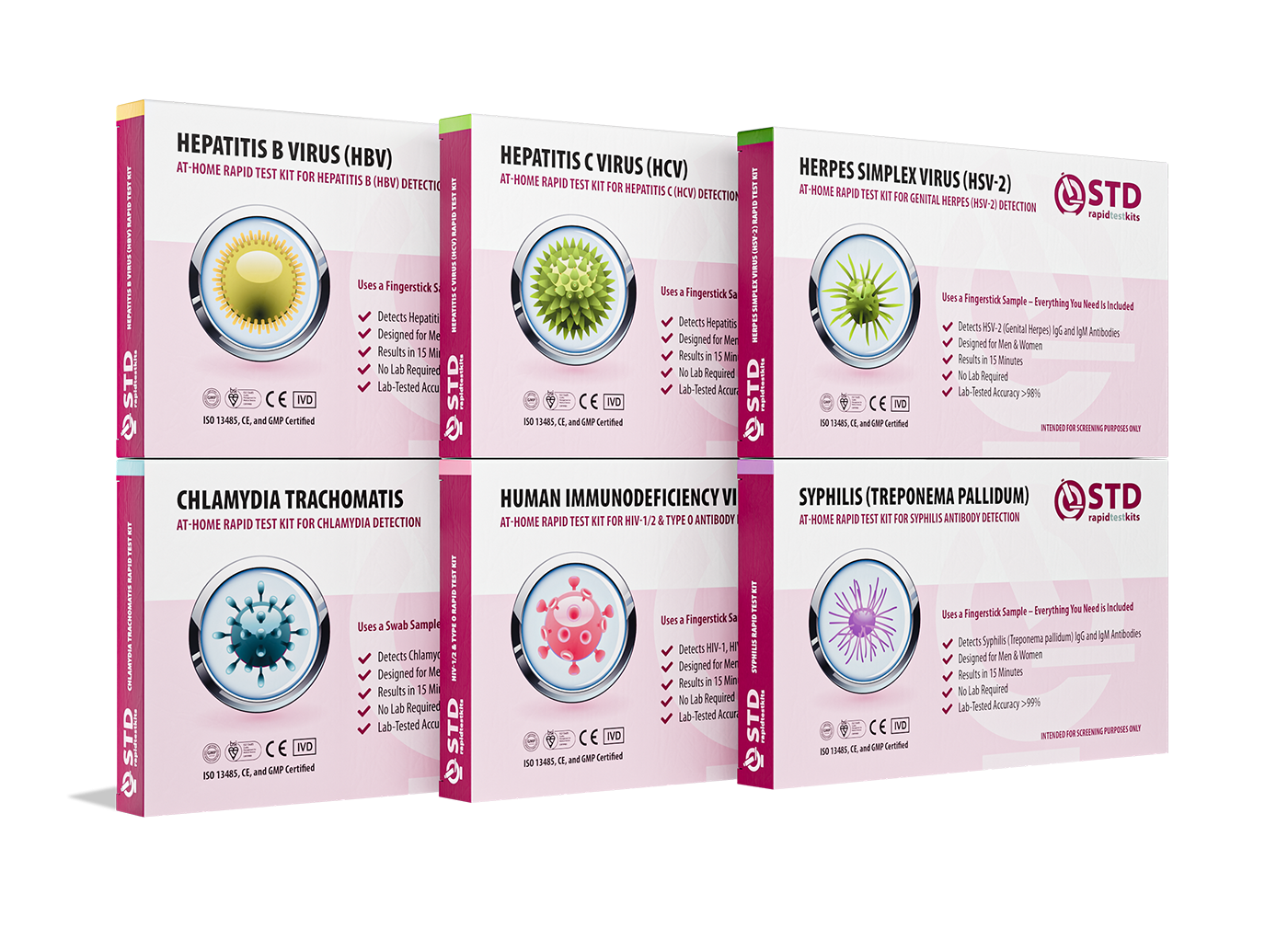 For Men & WomenResults in MinutesNo Lab NeededPrivate & Discreet
Order Now $119.00 $294.00
For all 6 tests
What If You Can’t Afford a Test Right Now?
This is the part most websites gloss over. The truth is, not everyone can spend $60–$120 on a kit, especially not during a crisis. But that doesn’t mean you’re out of options.
Many community health clinics, LGBTQ+ centers, and sexual health nonprofits offer free or low-cost testing on certain days. Planned Parenthood also offers sliding-scale pricing in many cities. Some states even offer completely free at-home test kits through public health partnerships.
Leah, 21, got a chlamydia test for free through a university health fair. Jayden, 34, found a local clinic that waived his test fee after he filled out a hardship form. Marta, 28, received a free combo test kit in the mail from a California-based outreach program during an awareness campaign.
So if you're strapped, don't give up. Call your local health department. Check your city’s STI testing resources. Use the phrase “free STD testing near me” and look for .gov or .org domains. And if you do choose an at-home kit, know that you’re buying more than a result. You’re buying agency, comfort, and control over your own health.
And in 2026? That’s worth more than ever.
FAQs
1. Is a $39 chlamydia test too cheap to trust?
Not always, but it depends on where it comes from. It could be a great budget option if it comes from a well-known sexual health company, has clear instructions, a valid expiration date, and good reviews. But if it's from a random store that doesn't have any contact information or says it's a "adult novelty," you should think twice. You shouldn't risk your health just to save $20.
2. Can I test positive for chlamydia even if I feel totally fine?
Absolutely, and it’s shockingly common. Most people with chlamydia have no symptoms at all. You might feel completely normal and still be carrying an infection that could cause long-term issues if left untreated. That’s why regular testing matters, especially after new partners or condom mishaps.
3. Will my insurance cover an at-home chlamydia kit?
Usually not. Most at-home STD tests are self-pay, though some platforms accept HSA or FSA cards. If you want your insurance to foot the bill, you’ll probably need to go through a doctor or clinic, and even then, it might only be covered if you meet certain “risk criteria.” In other words: coverage can be hit or miss, and at-home means you’re in control.
4. How fast will I get results from a home test?
Rapid tests give results in under 20 minutes, some faster than your pizza delivery. Mail-in kits take longer: usually 2 to 5 days after the lab gets your sample. If you’re feeling anxious, the rapid ones can bring peace of mind fast, but the lab tests are usually more sensitive.
5. What if I test positive, am I stuck with no help?
Nope. Most legit at-home kit providers offer next steps. Some give you telehealth access for treatment right from your phone. Others let you download your results to take to your regular doc or a clinic. And if you’re panicking? Breathe. Chlamydia is common, curable, and treatable with a simple round of antibiotics.
6. Is it cheaper to just go to a clinic?
Maybe. If you have great insurance and live near a clinic that doesn’t bill extra labs, it might be free. But if you don't have insurance or are out of network, you might have to pay more than $150 for a simple test, and you won't know until the bill comes in weeks later. At-home tests give you price clarity upfront, which is a huge relief for a lot of people.
7. What makes a test worth more money?
Think of it like this: you’re not just paying for a piece of plastic. You pay for peace of mind, privacy, accuracy, and customer service. More expensive kits might come with lab-quality tests, combo panels for more than one STD, secure portals for getting results, and even help with treatment. It's not enough to just ask, "Is it cheap?" You also need to ask, "Is it enough for what I need right now?"
8. Can I really do this test myself without messing it up?
You can. Most at-home tests walk you through it step by step, no medical degree required. If you can pee in a cup or swab the inside of your mouth, you’ve got this. And if you ever feel unsure, many test providers have video guides or support chats to help you feel confident.
9. What happens if I ignore it and don’t test?
That’s a valid fear, and no judgment. But untreated chlamydia can cause serious complications, especially for people with vaginas: pelvic inflammatory disease, chronic pain, and fertility issues. For people with penises, it can cause testicular inflammation or spread silently. Bottom line? Knowing is way better than guessing.
10. Where’s the safest place to buy a test kit online?
Stick with trusted sexual health platforms, not just generic marketplaces. STD Rapid Test Kits is a solid option, they’ve got discreet shipping, real customer support, and test kits that are actually designed for real people, not just lab techs.
You Deserve Answers, Not Assumptions
If you're here, it's because you're doing something brave. You're looking for answers when it would be easier to ignore the question. Whether you're testing for the first time or the fifth, whether it's routine or reactive, you deserve clarity without judgment, confusion, or sticker shock.
If you need speed, privacy, accuracy, or all of the above, at-home chlamydia tests are a real option. And even though the price can change, knowing your status is priceless. Don't let shame or confusion stop you from getting the care you need.
If you're ready for answers, you can order a discreet, affordable kit today. This quick chlamydia test kit gives you clear answers on your terms, quickly, privately, and without judgment.
How We Sourced This Article: We combined current guidance from leading medical organizations with peer-reviewed research and lived-experience reporting to make this guide practical, compassionate, and accurate.
Sources
1. CDC – Chlamydia - Detailed STD Facts
2. Planned Parenthood – Get Tested
3. CDC – STD Screening Recommendations
4. STI Screening Recommendations: CDC
6. Chlamydia Test | MedlinePlus
7. Chlamydia Diagnosis and Treatment | Mayo Clinic
8. At-Home Specimen Self-Collection and Self-Testing for STIs | NIH/PMC
9. How Much Do STD Tests Cost? | AFC Urgent Care
10. 6 Free and Low-Cost At-Home STI Testing Options | Medical News Today
11. STI Prevalence, Incidence, and Cost Estimates | CDC
About the Author
Dr. F. David, MD is a board-certified infectious disease specialist focused on STI prevention, diagnosis, and treatment. He blends clinical precision with a no-nonsense, sex-positive approach and is committed to expanding access for readers in both urban and off-grid settings.
Reviewed by: A. Marin, MSN, FNP-BC | Last medically reviewed: January 2026
This article is meant to give information and should not be taken as medical advice.


