







Quick Answer: STD testing is most accurate when timed to the window period. For chlamydia and gonorrhea, that’s around 7–14 days. HIV and syphilis take longer, often 3–6 weeks. Testing too soon can miss infections, so retesting is often recommended.
Who This Guide Is For (And Why It Matters)
If you're reading this, chances are you’ve got a gut-check moment going on. Maybe you just left someone’s apartment. Maybe your brain won’t let you sleep. Maybe you’ve had a partner ask, “When was your last test?” and your answer wasn’t clear, or recent. Maybe you're scared, or just unsure.
This article is for people who don’t want to sit in a clinic waiting room but still want real answers. It’s for folks who feel the stigma, who live in rural areas, who just started seeing someone new, or who haven’t had any symptoms, but can’t shake the feeling that something might be wrong.
Testing isn’t a confession. It’s care. And while it can feel scary to face the possibility of an infection, knowing when and how to test can make it easier. We’re here to walk you through exactly what counts as a test, when each STD shows up, how timing affects results, and what to do next, no shame, no judgment.
What Actually Counts as an STD Test?
Not all STD tests are created equal. Some look for the genetic material of the bacteria or virus, like the NAAT (nucleic acid amplification test), which is used for chlamydia and gonorrhea. These are super accurate and can detect even tiny traces of infection in urine or swab samples. Others, like antibody or antigen tests, look for your immune system’s response, this is common for HIV, syphilis, and herpes.
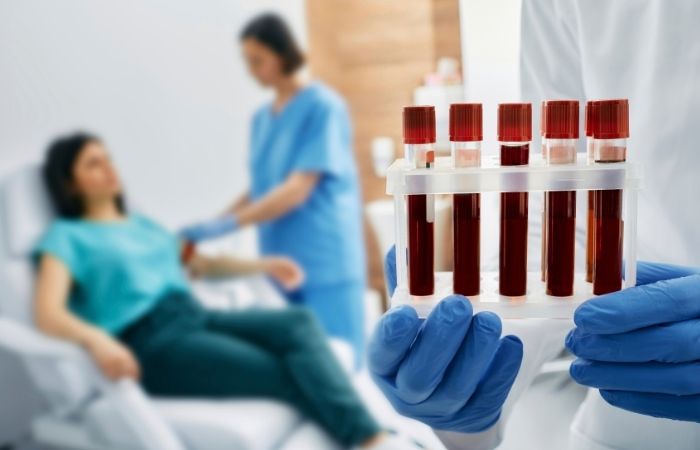
You can take these tests in clinics, through mail-in labs, or with rapid test kits at home. Here’s how they break down:
STD Rapid Test Kits and other at-home rapid tests typically require a finger prick or swab and provide results in less than 20 minutes. They move quickly and quietly. With mail-in kits, you must gather your sample, send it to an accredited laboratory, and wait a few days for the results. Clinic tests might provide more thorough screening, but depending on your location or comfort level, they might be intimidating or unavailable.
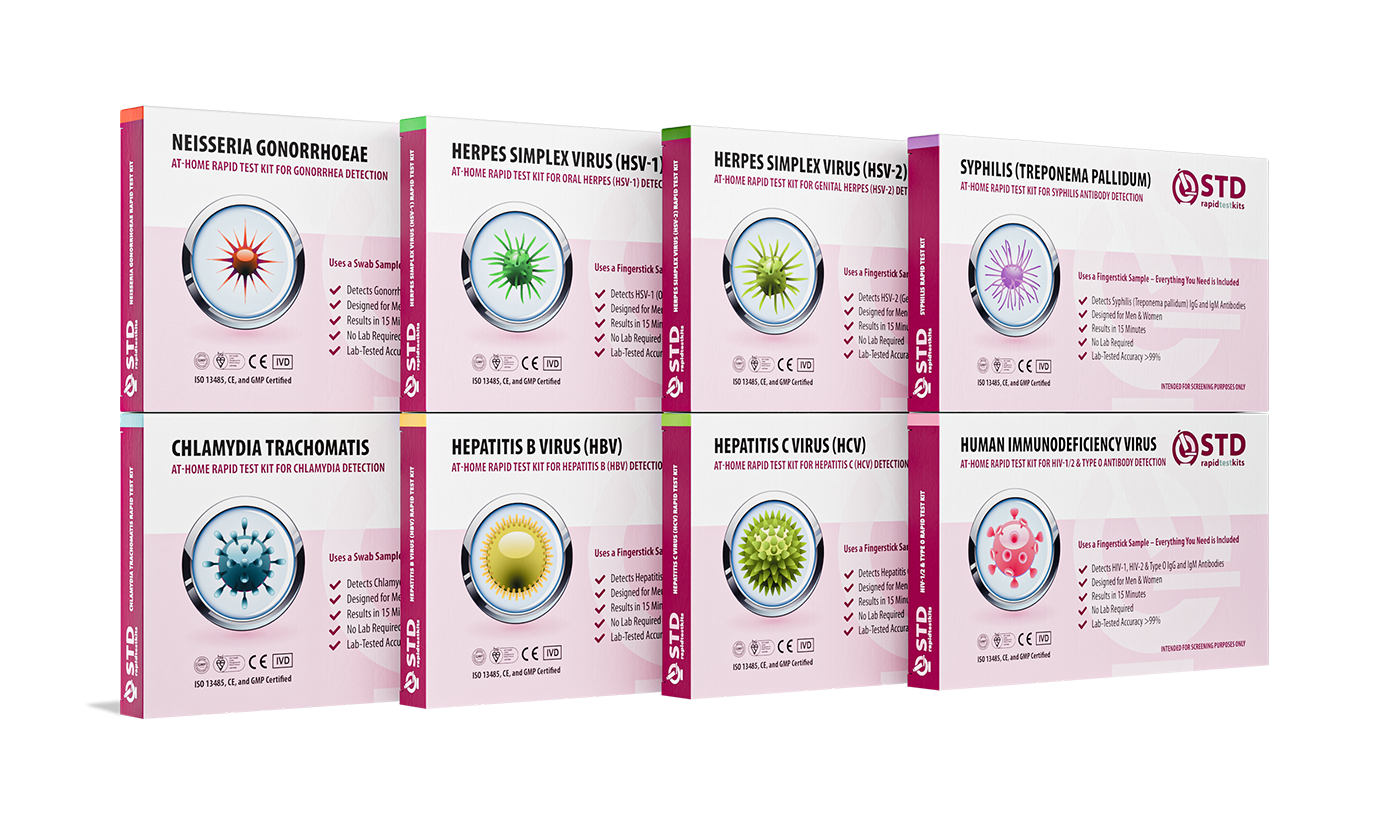
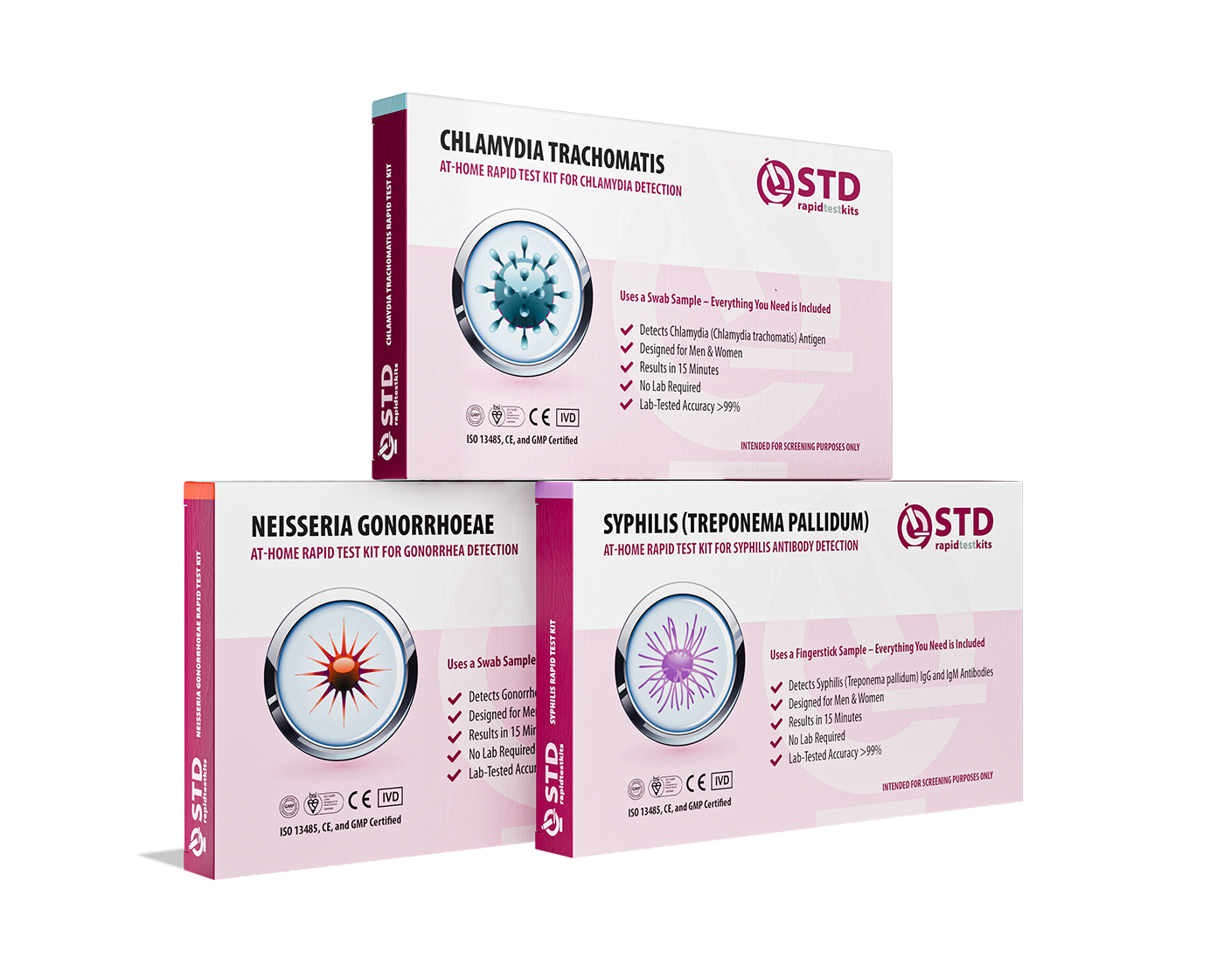
You can order a discreet kit like this one that screens for multiple infections at once, helpful if you don’t know what you were exposed to.
People are also reading: The 3 Rashes That Get Mistaken for HIV (And What They Really Are)
Window Periods: Why “Too Soon” Can Be a Problem
Imagine trying to take a pregnancy test 12 hours after sex. You wouldn’t expect it to work, right? The same logic applies to STDs. Every infection has a “window period”, the time between exposure and when a test can reliably detect it. Testing during that window could give you a false negative, not because the test is broken, but because your body hasn’t built up enough viral material or antibodies yet.
The scary part? Chlamydia and gonorrhea are two STDs that can be spread even if they don't show any symptoms. And herpes might not show any signs for weeks or even months. That's why timing is important.
| STD | Common Test Type | Sample | Typical Window Period | When Accuracy Peaks |
|---|---|---|---|---|
| Chlamydia | NAAT/PCR | Urine or swab | 7–14 days | 14+ days |
| Gonorrhea | NAAT/PCR | Urine or swab | 7–14 days | 14+ days |
| Herpes (HSV-2) | Antibody or PCR | Swab or blood | 3–6 weeks (blood) | 6–12 weeks |
| Syphilis | Antibody test | Blood | 3–6 weeks | 6–12 weeks |
| HIV | Ag/Ab combo or NAAT | Blood or oral fluid | 2–6 weeks | 6–12 weeks |
Figure 1. STD detection windows. Earlier testing can provide preliminary info, but retesting is key for confirmation.
Check Your STD Status in Minutes
Test at Home with Remedium8-in-1 STD Test Kit
 For Men & Women
 Results in Minutes
 No Lab Needed
 Private & Discreet
Order Now $149.00 $392.00
For all 8 tests
Rapid Test vs Lab Test: What’s Fast vs What’s Reliable
Let’s paint two scenes. One person is parked outside a gas station in a borrowed car, holding a rapid STD test they ordered three days ago. They’re shaking. It’s been four days since a condom tore during sex. The other person is packing a small envelope at home, saliva sample inside, about to mail it to a lab for full-panel testing after a wild weekend in Palm Springs. Same goal. Different tools. But both asking: will this test give me the truth?
At-home tests aren't worse than other tests; they're just different tools for different times. Like many STD Rapid Test Kits, rapid lateral flow tests give results quickly, usually in less than 20 minutes. However, they may not be as sensitive during the early window period. You usually have to mail in a sample for lab-based NAATs and antigen/antibody blood tests and wait a few days for the results. However, they usually find infections sooner and with more accuracy. Clinics often use the same lab tests, but they offer more help and treatment options right away if needed.
| Method | Privacy | Speed | Sensitivity/Accuracy | Best For |
|---|---|---|---|---|
| At-Home Rapid Test | Very high | 15–20 minutes | Moderate–High | Discreet, same-day peace of mind |
| Mail-In Lab Kit | High | 2–5 days | High | Post-exposure confirmation after 7+ days |
| Clinic Visit | Moderate | 1–3+ days | Very high | Persistent symptoms or comprehensive care |
Figure 2. Comparing testing methods by speed, privacy, and reliability. Your needs might shift depending on how long it’s been since exposure, what symptoms you’re noticing, or how soon you want answers.
When Should You Test After Exposure?
The urge to test right away is strong, and totally valid. But here's the hard truth: testing too early may give you a false sense of security. The best time to test depends on the specific STD, the type of test you're using, and how much time has passed since the risky encounter.
If it's been less than five days since exposure, you might not get an accurate result for anything but gonorrhea or chlamydia (and even those are best after day seven). But if there was a high-risk encounter, like condomless anal sex, potential blood contact, or you’re having symptoms, it’s still okay to test now for peace of mind, as long as you understand that a retest will be needed later.
Between day 7 and 13, you’re in a better window. Chlamydia and gonorrhea tests will be more reliable, and some rapid HIV tests may pick up infection. But again, retesting is key. After 14+ days, especially by week three, more tests begin to reach reliable detection: syphilis, HIV, and even herpes (depending on the type of test).
One reader, Nina, 28, shared that she tested for everything on day five. “All negative,” she said. But by day fifteen, she had a cluster of sores near her mouth and vulva. The second test came back positive for HSV-1. “I almost didn’t retest. I’m so glad I did.”
So what does that mean for you? Testing early can help emotionally, but it’s not the final word. Most at-home providers, including our partner at STD Rapid Test Kits, recommend retesting if you check yourself during the window period. If your head keeps spinning, peace of mind is one discreet kit away.
Retesting: The Step Too Many People Skip
If your first test comes back negative but you still feel unsure, or symptoms start showing up later, don’t assume you're in the clear. Retesting is often essential, especially for HIV, syphilis, and herpes, where detection takes longer or can be inconsistent in early stages.
Let’s say you test at day 10 after exposure, and it's negative. You feel okay, until a rash appears a week later. This is common. The initial test may have been too early, especially for infections like HIV or syphilis. Most experts suggest a follow-up test at 30 to 45 days post-exposure to rule out late seroconversion or symptom onset.
If you’ve recently been treated for something like chlamydia, you should also wait around three weeks before retesting to avoid detecting dead bacterial remnants, which could lead to a false positive. If untreated or newly exposed again, retesting at one month can catch what was missed the first time.
Use this guide not just as a one-time checklist, but as a roadmap. If you're navigating multiple exposures, different partners, or ongoing symptoms, schedule retests with intention. And remember: you're not just protecting yourself, you’re protecting future partners too.
Return to STD Rapid Test Kits to explore testing options that fit your timeline and risk level. Private, fast, and built to give you clarity when you need it most.

People are also reading: Is My Cold Sore an STD? What It Means If You’ve Never Had Herpes Before
Privacy, Shipping, and Discreet Support
Waiting for test results can be excruciating, but even the act of getting tested can feel risky if you’re worried about someone finding out. That’s why discreet shipping and private results matter. At-home testing isn’t just about convenience, it’s about control.
Here’s what it looks like: you order a combo test kit online. It arrives in a nondescript package, no logos, no giveaway branding. You open it when you’re alone. The instructions are clear. You swab, seal, or prick your finger and follow the steps. If it’s a lab test, you drop it in the mailbox. If it’s a rapid kit, you’ll know in minutes. Either way, no one else has to know unless you choose to tell them.
Shipping timelines are short, most providers offer 1–3 business day delivery. That means if you order now, you could be testing by the weekend. If you’re traveling, camping, staying off-grid, or managing a chaotic schedule, you can plan around your testing kit instead of a clinic’s hours. Your results, your privacy, your power.
Some services even offer follow-up consultations or anonymous partner notification tools. If that’s something you’re interested in, check with your provider. STD Rapid Test Kits focuses on speed and confidentiality, no insurance billing, no unexpected calls, just results in your hands.
Check Your STD Status in Minutes
Test at Home with Remedium3-in-1 STD Test Kit
 For Men & WomenResults in MinutesNo Lab NeededPrivate & Discreet
Order Now $69.00 $147.00
For all 3 tests
What If You Test Positive?
First: breathe. Testing positive doesn’t mean you’re dirty, broken, or unlovable. It means you’re human, and that your body encountered something common, treatable, and manageable. Most STDs are resolved with a single dose of antibiotics or a few weeks of antivirals. Even chronic infections like HIV are fully manageable with treatment today.
Your next step depends on what test you took. If it was a rapid test, follow up with a lab-confirmed version. Clinics and telehealth services can guide you through what to do and when. Telling partners can feel terrifying, but there are templates and even anonymous tools to help. You don’t have to navigate this alone.
One user, a 34-year-old named Luis, said he sat in his car for 45 minutes after seeing his positive result for gonorrhea. “I cried. Then I told my ex. And then I drove to the pharmacy.” He was treated within two hours. “I’d built it up in my head to be the end of the world. But it wasn’t. It was just a Tuesday.”
Testing positive isn’t the end. It’s a beginning, a chance to get care, protect others, and move forward. You can always order a retest or send a kit to your partner. Healing is possible, and it often starts with a single step.
Test your partner using an HIV rapid test kit or explore a full panel if you’re starting a new relationship.
FAQs
1. Can I really test for an STD the day after unprotected sex?
Technically? Sure. But will it catch everything? Not likely. Think of it like baking a cake and checking if it’s done after five minutes, it’s just too early. You might detect chlamydia or gonorrhea in rare cases after 3–5 days, but most tests (especially for HIV, syphilis, and herpes) need more time. Early testing can ease your mind temporarily, but always plan for a follow-up. No shame in checking twice, smart people double-check.
2. I feel fine. Do I really need to get tested?
Yep. Most STDs are sneaky like that. Chlamydia is famous for flying under the radar with zero symptoms in up to 70% of people. You might feel 100% fine and still carry something that could affect your health, or your partner’s. Regular testing isn’t just responsible, it’s badass. Think of it as doing maintenance on your body, like changing the oil in your car… except, y’know, more intimate.
3. Can I trust an at-home test?
If you're using a reputable provider? Absolutely. The key is following the instructions to the letter. Think clean hands, right timing, no shortcuts. At-home rapid tests like the ones from STD Rapid Test Kits are designed for accuracy, privacy, and ease, but even the best tool gives bad results if used too early or incorrectly. Patience and precision = truth.
4. Is it possible to test too early and get a false negative?
Yes, and that’s the most common testing mistake we see. Your body needs time to produce enough viral material or antibodies to trigger a positive result. This period is called the “window,” and testing inside it can leave you with a clean result that isn’t actually clean. If you test early, that’s okay. Just set a reminder to test again later. One test is a snapshot, retesting gives you the full story.
5. How do I tell someone I tested positive?
With honesty, clarity, and ideally, without shame. Here’s a script: “I just found out I tested positive for [infection]. I wanted to let you know so you can take care of yourself too.” That’s it. You’re not bad, broken, or dirty. You’re responsible. If face-to-face feels impossible, services like anonymous text notifications exist. Do it your way, but do it, because dignity goes both ways.
6. Do people actually test before starting new relationships?
More than you think, and the ones who don’t probably wish they had at some point. If you're starting something new, offering to test together can be romantic in its own way. It's like saying, “I care about you, and I care about us.” Just remember: timing matters. A test taken too soon after a risky moment may not give a full picture. Honesty and timing? That’s the real sexy combo.
7. What's the difference between herpes 1 and 2, and do I need to test for both?
HSV-1 is usually oral, HSV-2 is usually genital, but thanks to oral sex, both can show up in either spot. You can carry one or both types without symptoms. Blood tests can check for antibodies, but they’re only accurate if you wait long enough post-exposure (usually 6–12 weeks). If you're curious or starting a new sexual connection, testing for both gives a clearer picture.
8. Can I get tested while pregnant or on antibiotics?
Yes, but with some caveats. Some antibiotics may temporarily suppress bacterial infections, possibly leading to false negatives. It’s best to wait at least two weeks after finishing antibiotics before testing. If you’re pregnant, testing is not only safe, it’s often recommended. Just be sure to let your provider know your status so they can guide you to the right tests and timelines.
9. Do I need to retest if my first test was negative?
If your first test happened soon after exposure, yes. That early result may have come in before your body had time to show the infection. Most guidelines suggest retesting at 2–4 weeks post-exposure for things like chlamydia and gonorrhea, and again around 6–12 weeks for HIV, syphilis, and herpes. Think of it like a backup parachute, you hope you don’t need it, but you’ll be damn glad it’s there if you do.
10. What if I don’t know what I was exposed to?
Start with a combo panel. These screen for the most common infections, chlamydia, gonorrhea, HIV, syphilis, and sometimes herpes or trich. If you want full peace of mind or had multiple partners recently, opt for the full panel. And remember: even if you don’t know what someone had, you still deserve clarity about what you might be carrying. Testing is self-respect in action.
You Deserve Answers, Not Assumptions
You don’t need permission to care about your body. You don’t need symptoms, a scary story, or someone else’s approval to decide you want answers. That gut feeling, that moment of uncertainty, that quiet voice saying, “Maybe I should check”, that’s enough. That’s reason enough.
Testing isn’t about judgment. It’s not a punishment or a scarlet letter. It’s a way to breathe easier. A way to say, “I choose clarity over guessing.” When you reach for a test, you’re not being paranoid, you’re being proactive. You’re saying, “My health matters.” And it does. Whether you had a wild night or just want peace of mind, whether you’re between partners or deeply committed, whether it’s been months or never, you deserve to know where you stand.
No one gets to define what’s valid when it comes to your wellbeing. If you want to test, test. If you want to know, find out. The truth is a tool, and you’re allowed to use it without shame, without delay, and without apology. Start with facts. Start with privacy. Start with you.
How We Sourced This Article: We combined current guidance from leading medical organizations with peer-reviewed research and lived-experience reporting to make this guide practical, compassionate, and accurate.
Sources
2. STI Screening Recommendations | CDC
3. Getting Tested for HIV | CDC
4. How Long Does It Take for an STD to Show Up? | Healthline
5. How Long Does It Take for an STD to Show Up? | Medical News Today
6. How Soon After Sex Can You Test for STDs? | Everly Well
About the Author
Dr. F. David, MD is a board-certified infectious disease specialist focused on STI prevention, diagnosis, and treatment. He blends clinical precision with a no-nonsense, sex-positive approach and is committed to expanding access for readers in both urban and off-grid settings.
Reviewed by: Jamie Chen, MSN, APRN, FNP-C | Last medically reviewed: November 2025
This article is for informational purposes and does not replace medical advice.


