





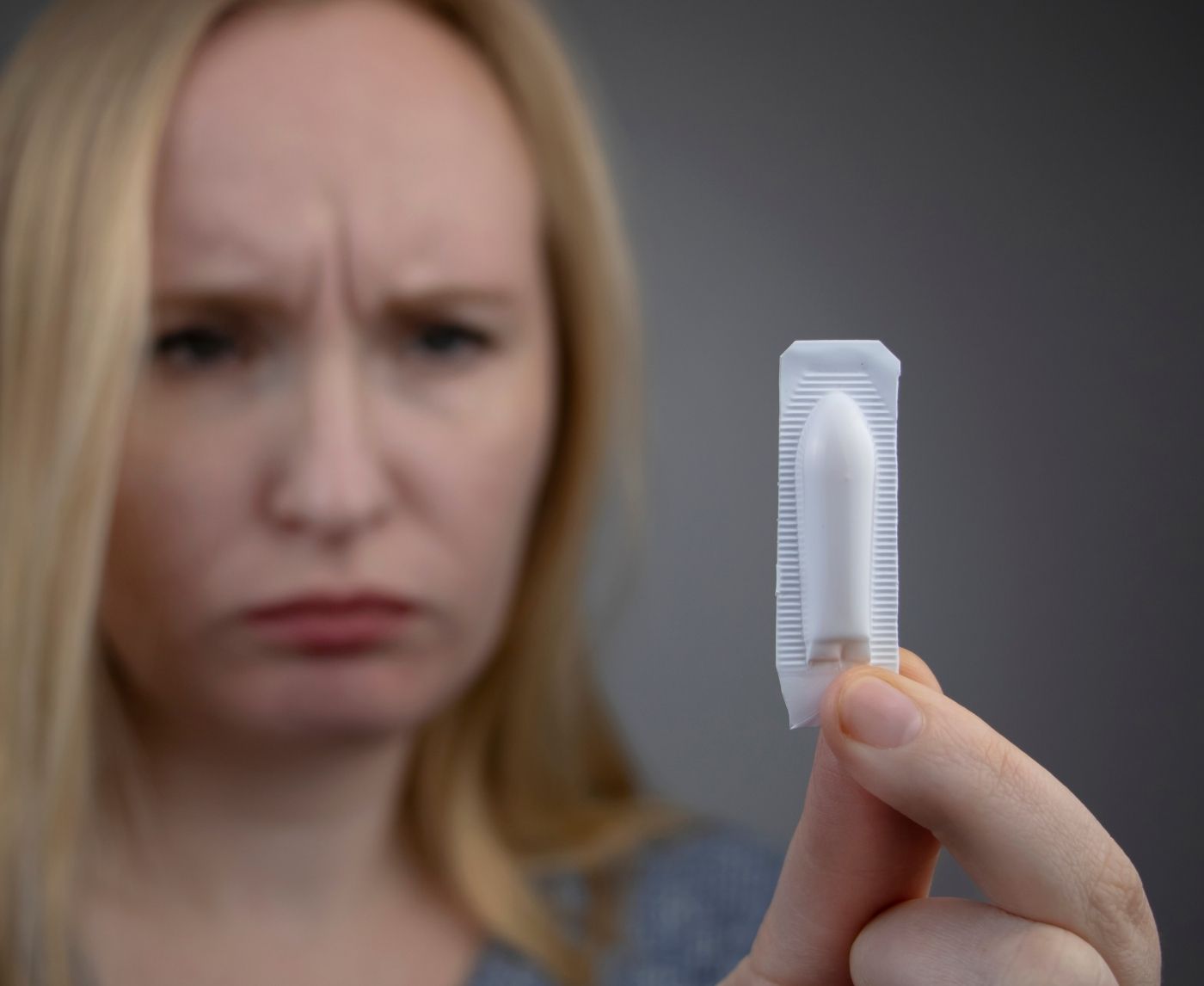

Quick Answer: Genital bumps, redness, or irritation can be caused by shaving, ingrown hairs, yeast, or STDs like herpes. If symptoms last more than a few days, change in appearance, or are accompanied by pain, testing is the best next step.
Why This Confusion Happens (And Why You’re Not Alone)
Let’s be real: no one teaches us how to distinguish a shaving rash from an STD. Most women find themselves googling phrases like “herpes or razor burn” at 2AM, desperately comparing images. And it’s not just lack of sex ed, it’s that the visual and physical symptoms of different conditions overlap a lot.
Take herpes, for example. In its early stages, it may look like a red bump or pimple, often mistaken for an ingrown hair. On the flip side, razor burn or friction irritation from tight clothes can trigger bumps, redness, even scabbing, especially in sensitive vulvar skin. The mind jumps to the worst-case scenario, and anxiety takes over.
However, the real truth is that even medical professionals may have difficulties in diagnosing based solely on visual identification. The reason is that the article goes further to compare causes, timelines, sensations, and solutions to ensure you have the best understanding.
People are also reading: One Testicle Hurts After Sex, Could It Be Gonorrhea?
Herpes vs Razor Burn: The Battle of the Bumps
Herpes Simplex Virus (HSV-2), the virus most commonly associated with genital herpes in women, often begins with small red spots, which can evolve into fluid-filled blisters. But not always. In fact, about 1 in 5 women with herpes show no classic signs at all, just mild irritation or itching.
Meanwhile, razor burn typically presents within a few hours to 2 days after shaving. You’ll see clusters of tiny red bumps, sometimes itchy, sometimes just inflamed. These are caused by micro-abrasions or hair shafts curling back into the skin.
| Symptom | Herpes | Razor Burn / Ingrown Hairs |
|---|---|---|
| Onset Time | 2–12 days after exposure | Immediately to 48 hours after shaving |
| Appearance | Red bumps → fluid-filled blisters → crusting | Red bumps, sometimes with hair trapped underneath |
| Itching or Burning | Often intense, especially before blisters appear | Mild to moderate itching or stinging |
| Pain | Can be painful, especially when lesions rupture | Typically not painful unless infected |
| Other Symptoms | Fever, swollen lymph nodes, flu-like symptoms | None |
| Duration | 7–14 days untreated | 3–5 days usually |
Table 1. Comparison between herpes and razor burn symptoms. Timing and pain level often offer the biggest clues.
“I Thought It Was Razor Burn, Until It Wasn’t”
Sylvia, 27, had been shaving her bikini line for years with no issues. When a few red bumps appeared near her labia majora, she chalked it up to irritation. But four days later, they hadn’t gone away. They’d grown more painful, and one had developed a clear center.
“I just kept saying, ‘This doesn’t feel normal for razor burn.’ I Googled pictures and cried myself to sleep. But I was too scared to go to the doctor.”
When Sylvia finally got tested with an at-home kit, it came back positive for herpes simplex virus. The diagnosis was a shock, but it also ended the uncertainty. With antivirals, her symptoms eased in days, and she now knows how to manage future outbreaks.
Sylvia’s story isn’t rare. Many women delay testing because they assume symptoms must be from shaving, stress, or a yeast infection. That’s why experts recommend testing if symptoms don’t resolve in 5–7 days, or sooner if pain, blisters, or other systemic symptoms show up.
Check Your STD Status in Minutes
Test at Home with Remedium3-in-1 STD Test Kit
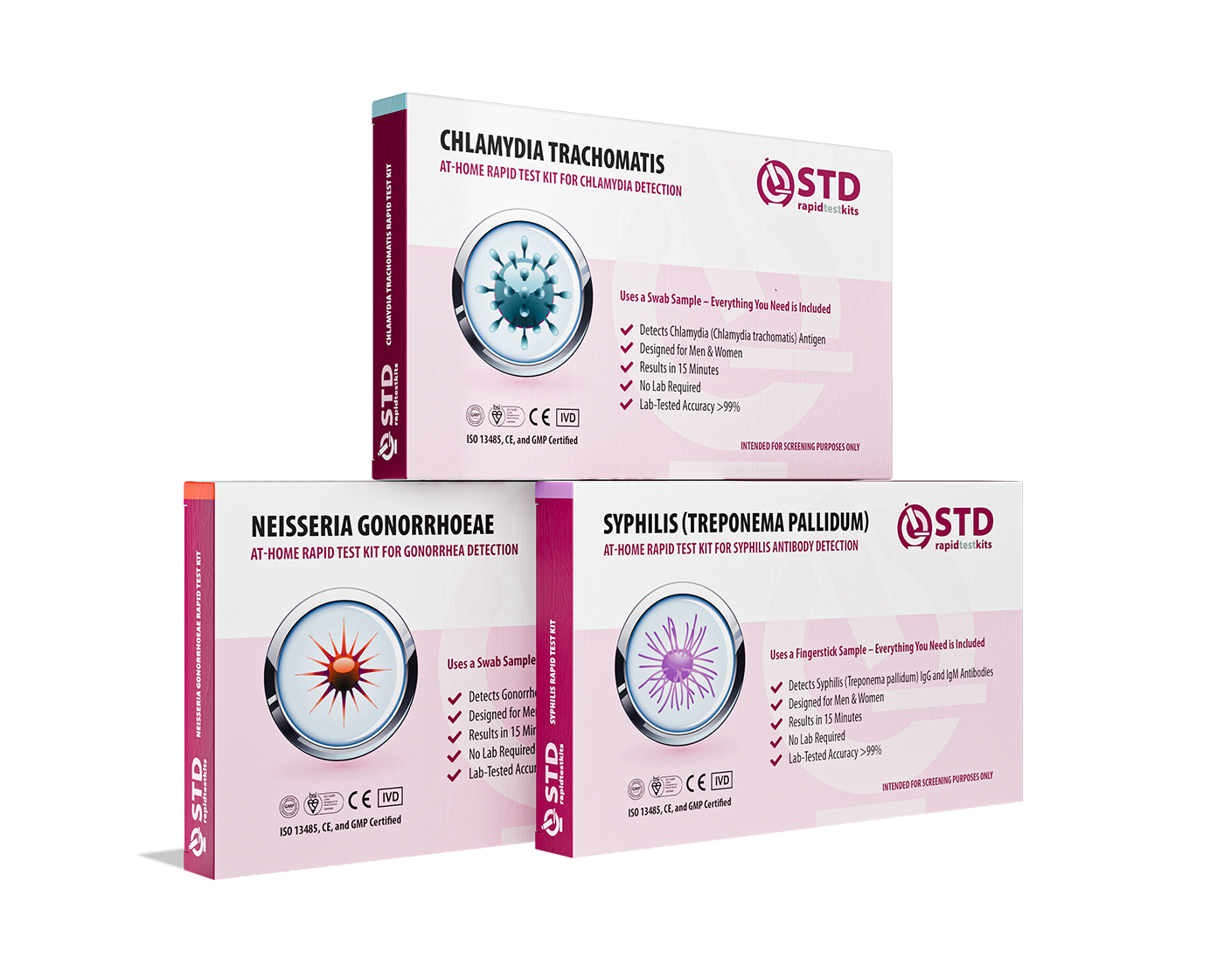
 For Men & Women
 Results in Minutes
 No Lab Needed
 Private & Discreet
Order Now $69.00 $147.00
For all 3 tests
Beyond Razor Burn and Herpes: Other Lookalikes
However, the genital area is vulnerable to more than just these two culprits. Here are a few conditions that can be mistaken for herpes and STDs:
- Folliculitis: This is an inflammation of the hair follicle, usually caused by shaving, tight clothing, and sometimes bacteria. This condition can cause red, swollen, pus-filled bumps on the skin, similar to herpes sores.
- Yeasts: Although they are usually caused by a discharge and itchiness, a Candida overgrowth can sometimes lead to a redness and cracking of the skin, with some tiny cracks on the surface, especially on the vulva.
- Contact dermatitis: This can be caused by soaps, laundry detergent, condoms, and sometimes lubricating gels. This can cause red, itchy, inflammatory bumps on the skin.
- Molluscum Contagiosum: This is a viral infection on the skin, usually caused by a poxvirus. This can cause small bumps on the surface with a dimple in the center. This can be sexually transmitted, although it is not classified as an STD. This does not blister like herpes.
- Lichen Sclerosis or Eczema: This is a long-term condition on the skin, usually on the vulva, causing pale skin, thinning, and itchiness.
These can all be quite alarming, although only a test and sometimes a diagnosis by a medical practitioner can determine the exact cause. That’s why it’s so important to know the differences.
When to Test, When to Wait, and When to Worry
If you’re staring at your skin and spiraling, timing is everything. Symptoms that pop up within 24–48 hours of shaving are more likely to be irritation or folliculitis. But if new bumps appear several days after a sexual encounter, especially if you didn’t use protection, it’s worth considering STD testing.
Still unsure? Here’s a general rule of thumb:
- Clears up in 2–3 days with no new symptoms? Likely irritation.
- Worsens over 5–7 days, adds pain or blistering? Possible herpes or bacterial infection, get tested.
- Comes with discharge, odor, or pelvic pain? Could be another STD or vaginal infection, don’t delay testing.
According to CDC guidelines, herpes simplex virus symptoms can take 2–12 days to appear after exposure. However, many people have mild or no symptoms, meaning that your first clue might be subtle skin irritation that looks like nothing serious.
If you’re on the fence, trust your gut and choose peace of mind. Testing doesn’t just tell you what’s going on, it gives you the power to act on it.
At-Home Testing vs Clinic Exams: What Actually Happens?
Let’s say you’ve decided to get tested. Should you go to a clinic, or try an at-home kit? Both options work, but here’s how they compare.
| Factor | At-Home Rapid Test | Clinic Visit |
|---|---|---|
| Privacy | Very High – discreet packaging, no face-to-face | Moderate – waiting rooms, intake forms |
| Speed | Results in 15–20 minutes | Lab results in 1–5 days |
| Accuracy | High for certain infections; timing matters | Very High – often lab-verified PCR/NAAT |
| Cost | Usually lower, especially without insurance | May be free at public clinics; high with private insurance |
| Access to Treatment | Must follow up separately if positive | Immediate Rx available on-site or referral |
Table 2. Testing pathways compared. For quick answers and privacy, at-home kits are often ideal. Clinics offer full-body exams and can treat multiple causes at once.
“I Waited, Then It Got Worse, But I’m Glad I Tested”
Janelle, 35, first noticed itching on her inner labia after a beach trip. She assumed it was sweat or sand irritation. But within a week, a single painful ulcer appeared. Still unsure, she hesitated another four days before ordering a test kit.
“I didn’t want to overreact. But it kept hurting to pee, and I just knew something was off.”
The at-home test flagged a possible herpes infection. She followed up at a walk-in clinic, where a swab confirmed it. “It was scary,” she said. “But I wish I had tested sooner. It would’ve saved me so much stress.”
Her case reminds us: waiting isn’t always safer. If symptoms shift, spread, or worsen, get tested. You’re not overreacting. You’re taking care of yourself.
People are also reading: Queer, Unvaccinated, and At Risk: How HPV Hits Gay Men Hardest
Your Next Step: Get Clarity from Home
If you’ve made it this far, you probably still have questions, and maybe a mirror nearby. Whether it’s burning, bumps, or just a nagging worry, know this: you deserve answers without judgment.
That’s exactly why our FDA-approved, doctor-trusted Combo STD Home Test Kit exists. It screens for common infections, like herpes, chlamydia, and syphilis, with fast results and complete privacy.
Don’t guess. Don’t wait. Find out today, so you can stop wondering and start healing.
FAQs
1. Can herpes really look like razor burn?
100%, yes. In fact, that’s one of the biggest reasons people delay getting tested. Early herpes can show up as a couple of tiny red bumps or irritated spots, exactly the kind of thing most of us blame on shaving too fast or wearing tight underwear. It’s not always blisters right away. If those spots stick around longer than usual or start hurting, don’t wait, get tested.
2. How soon would I see herpes symptoms after a hookup?
If you’re going to have symptoms, they usually show up between 2 to 12 days after exposure. But here's the kicker: a lot of people don’t feel a thing for weeks, months, or ever. That’s why it can be so confusing. You could get exposed from a partner who swears they’re “clean” and not know it. (Not their fault, they might not know either.)
3. Does shaving down there make herpes worse?
Not if you don’t already have it. But if the herpes virus is living quietly in your body, shaving can stir things up. It causes tiny cuts and skin stress, which can trigger an outbreak. That’s why some folks notice their bumps show up after a wax or a rushed shave session. It's not the cause, it’s the spark.
4. What’s the difference between herpes and ingrown hairs?
Think of it like this: ingrowns are local drama. One bump, maybe two, sitting right on a hair follicle. They’re usually more annoying than painful unless they get infected. Herpes tends to go big-picture, multiple spots, often not centered around hairs, sometimes on parts of the vulva that don’t even grow hair. And herpes bumps evolve, blisters, then open sores, then healing scabs.
5. Do herpes sores always hurt?
Not always. Some people feel full-on burning and flu-like symptoms, others just notice an itchy patch or small bump that looks boring but ends up being something more. The takeaway? Pain level isn’t a reliable clue. Duration and evolution of the spot are usually better tells.
6. Can I have herpes and still test negative?
Yup. If you test too soon after exposure, like within the first week, your body might not have built up enough antibodies or viral material for a test to catch. That’s why it’s smart to retest after a couple weeks if your first result is negative but your gut says something’s off. Trust your instincts and back it up with science.
7. Is it gross to have herpes?
Nope. Not even close. It’s common, really common. And it says nothing about who you are or how careful you are. Over 1 in 6 women have genital herpes in the U.S. Most don’t even know they have it. Getting tested, getting answers, and treating your partners with care? That’s way more powerful than shame.
8. Is at-home STD testing even accurate?
It can be! Especially if you follow the timing guidelines. Some rapid tests are FDA-approved and use the same science as clinic labs. Just make sure you're testing after the right window, usually 14+ days post-exposure for herpes and other STDs. If you're unsure, retesting in a few weeks is a solid move.
9. Can yeast infections or skin issues cause bumps too?
Absolutely. A bad yeast infection can lead to raw, red skin, tiny tears, even small painful cracks. Contact dermatitis (like a reaction to a new body wash or latex) can make your skin freak out with bumps or rashes. Not everything that burns or itches is an STD, but the only way to know for sure is to test.
10. If I test negative, am I in the clear?
Mostly, but timing matters. If you tested too soon after exposure, the virus or antibodies might not be detectable yet. A second test after a couple weeks can confirm things. Think of it like double-checking the locks before bed, it just helps you sleep better.
You Deserve Answers, Not Assumptions
Genital skin issues can be scary, especially when they don’t look or feel familiar. But the worst thing you can do is stay stuck in the “what if” spiral. Whether it’s just a razor burn or something more, clarity is power. You’re not dirty. You’re not overreacting. You’re taking care of yourself.
Don’t wait and wonder, get the clarity you deserve. 7-in-1 STD At-Home Rapid Test Kit checks for the most common STDs discreetly and quickly. Your health, your timing, your terms.
Sources
1. Mayo Clinic – Genital Herpes Overview
2. Genital skin problems overview (DermNet NZ)
3. Lichen sclerosus - Symptoms and causes (Mayo Clinic)
4. STD Diagnosis and treatment (Mayo Clinic)
5. Vaginitis causes and differential (Wikipedia)
About the Author
Dr. F. David, MD is a board-certified infectious disease specialist focused on STI prevention, diagnosis, and treatment. He blends clinical precision with a no-nonsense, sex-positive approach and is committed to expanding access for readers in both urban and off-grid settings.
Reviewed by: A. Lang, NP-C | Last medically reviewed: February 2026
This article is for informational purposes and does not replace medical advice.


